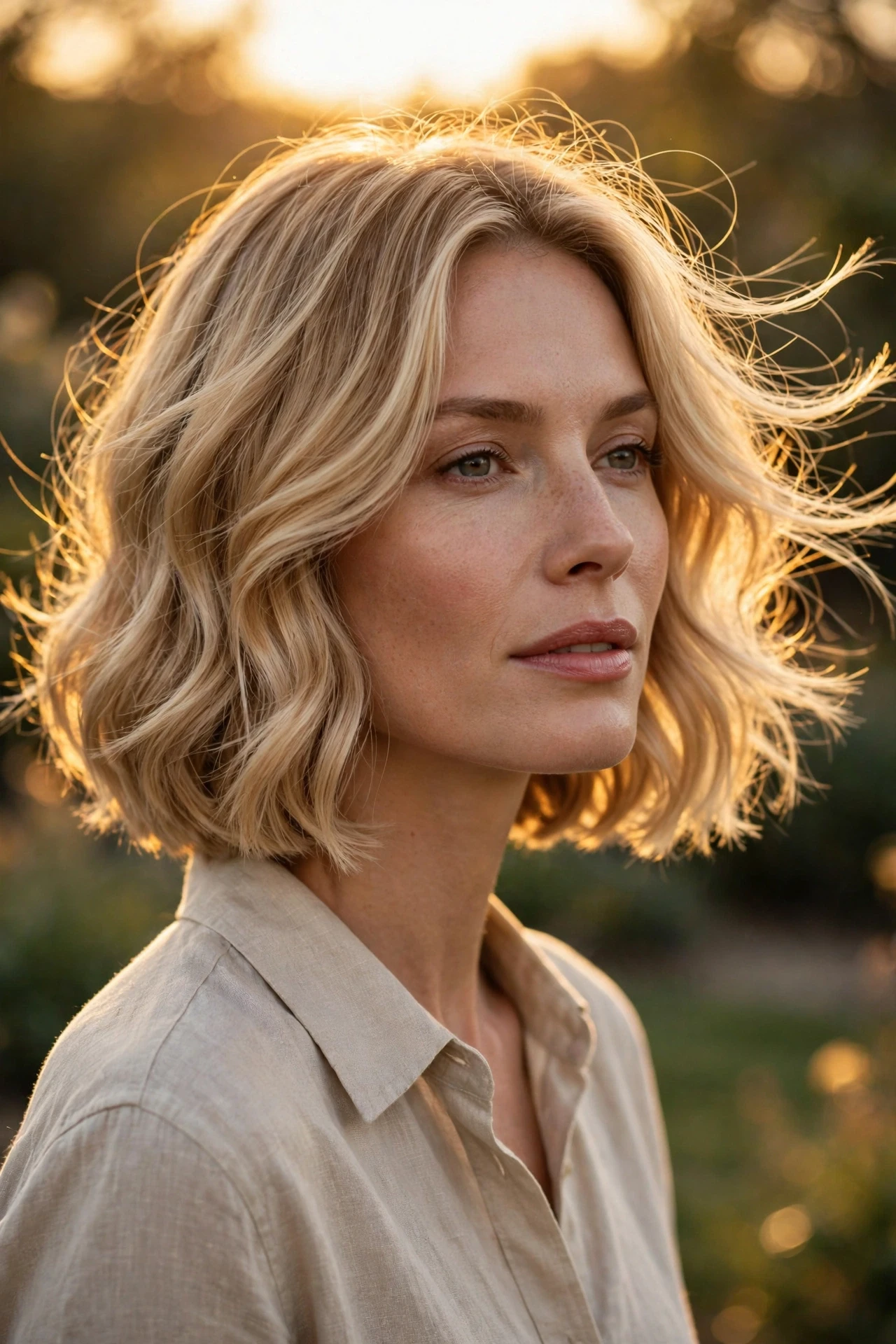
The blonde french bob might be the most flattering haircut on the internet right now. It has that effortless Parisian cool mixed with the brightness only blonde can give, and the combination is seriously hard to beat.
A french bob is already chic on its own. Add the right blonde shade and suddenly your whole face looks brighter. Your features pop, your skin glows, and people keep asking who does your hair.
The trick is picking the right blonde. Platinum, honey, ash, champagne. Every shade tells a different story, and the wrong one can wash you out fast. So this guide walks you through 20 blonde french bob ideas, plus how to match your shade to your skin tone and keep the color fresh between appointments.
If you are new to the cut itself, our main french bob haircut guide covers the shape, length and face shapes in detail. Everything below assumes you already love the cut and are here for the color.
20 Blonde French Bob Styles to Try in 2026
1. Icy Platinum French Bob with Blunt Bangs
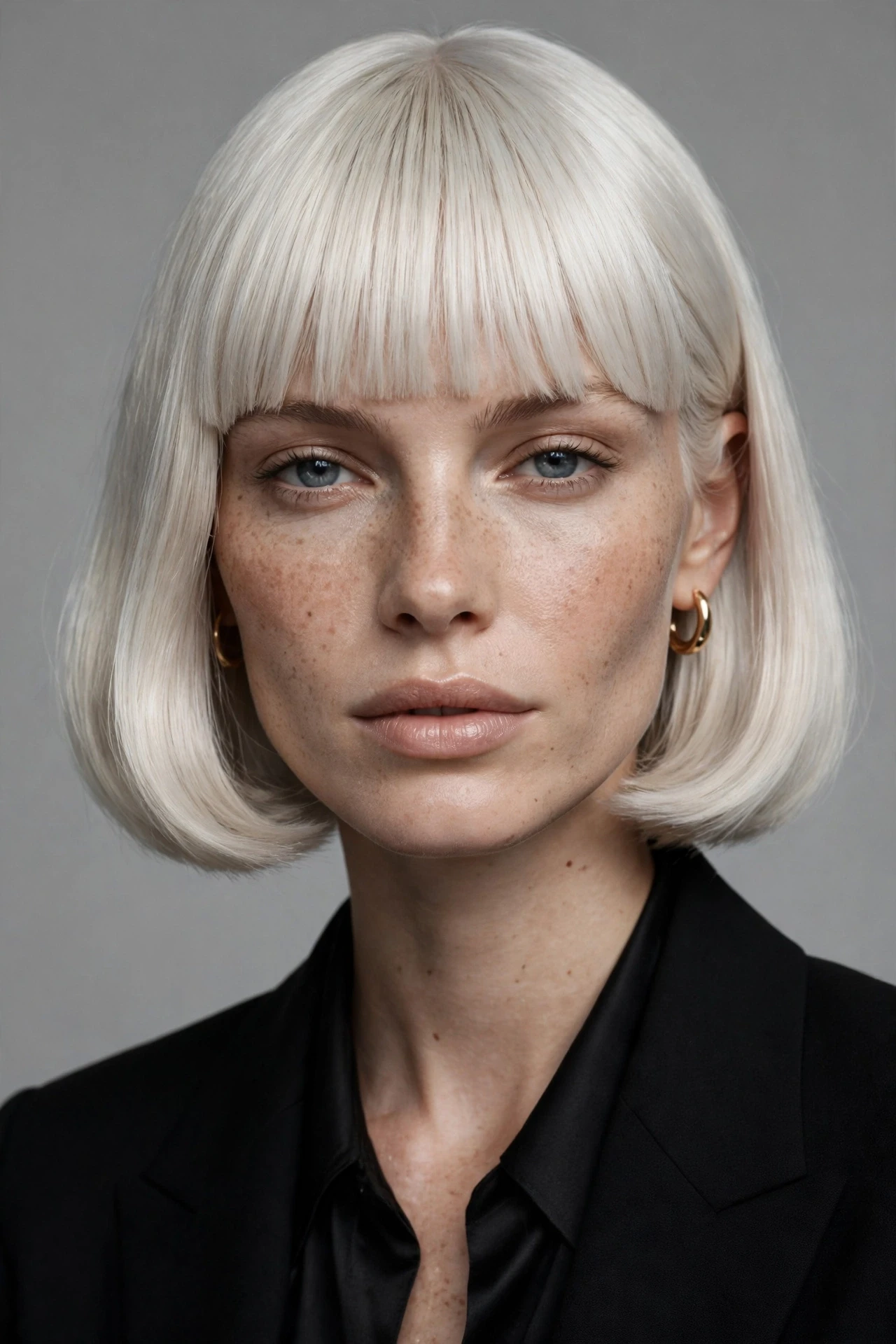
Nothing says bold like icy platinum on a french bob. The sharp white blonde against a clean blunt fringe gives the whole cut an editorial edge that photographs beautifully.
This shade works best on cool skin tones and darker eye colors. Fair warning: platinum on short hair means regular toning appointments, so make sure your schedule can handle the upkeep.
Style it sleek with a flat iron for maximum impact, or add a little wave through the ends for a softer take. Either finish shows off how precise the cut is.
2. Honey Blonde French Bob with Soft Waves
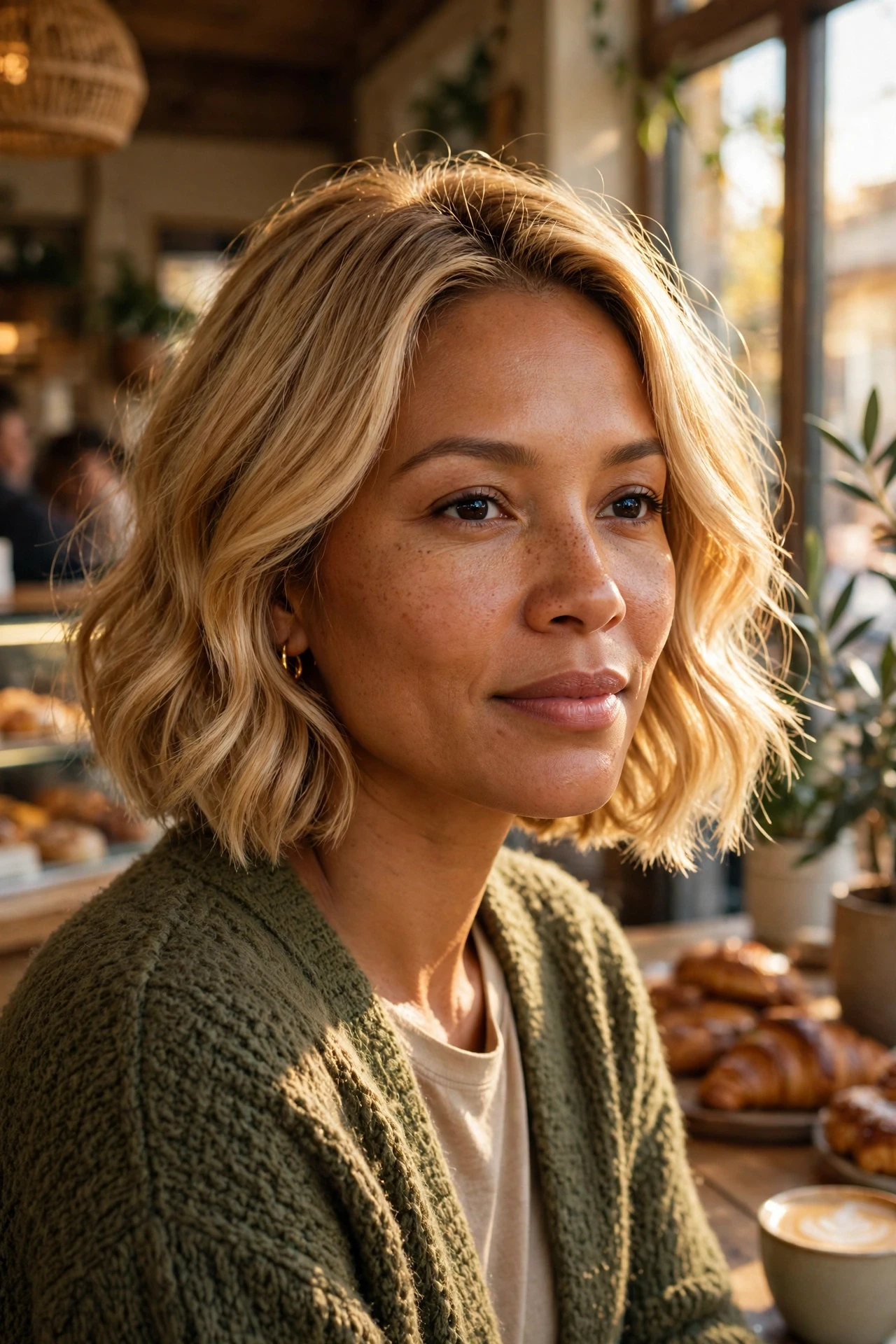
Honey blonde is the warm hug of the blonde world. On a french bob, it catches the light in every wave and gives fine hair a fuller, richer look without tipping into brass.
Golden undertones flatter warm and neutral skin tones especially well. If your skin tans easily in summer, this shade will look like it was made for you.
Air dry with a little salt spray, or blow out with a round brush for a polished bend. If you want more styling ideas, our how to style a french bob guide covers the waves step by step.
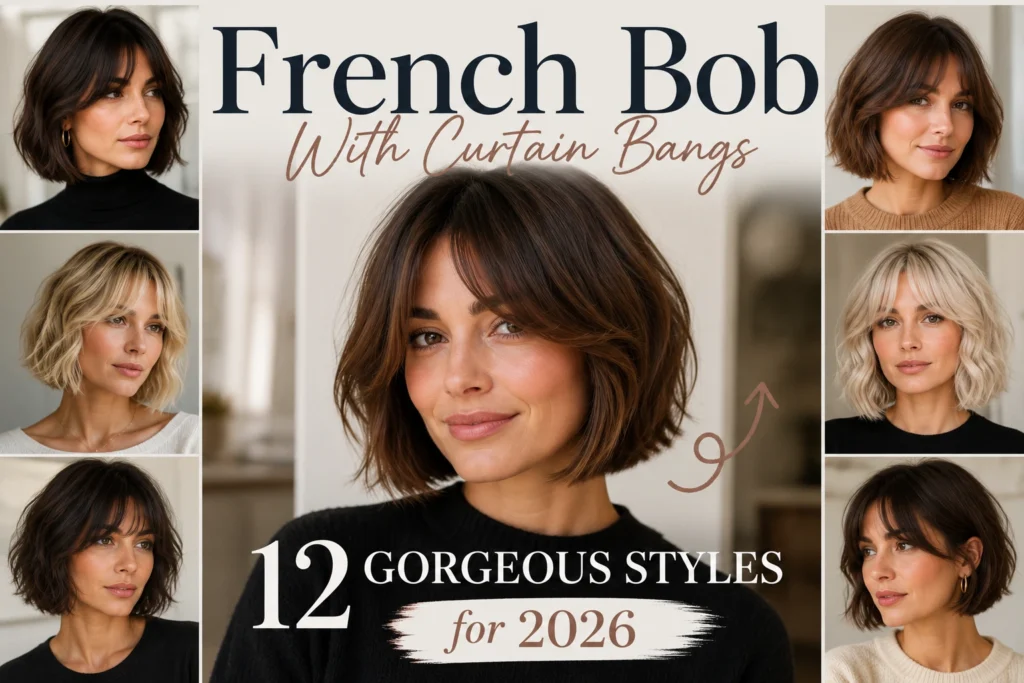
3. Warm Bronde French Bob with Curtain Bangs
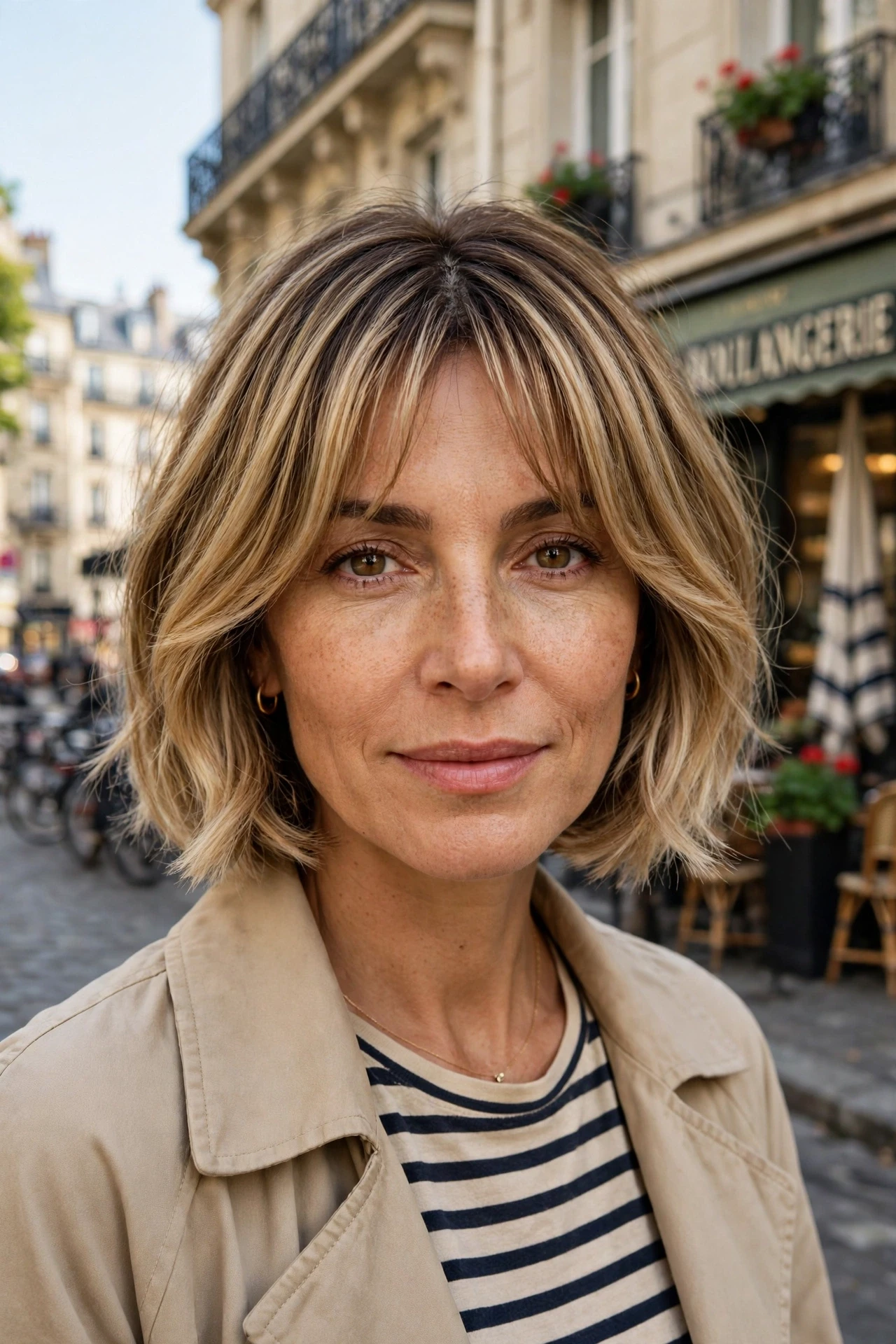
Bronde is what happens when brunette and blonde meet halfway, and it is perfect for a first trip into blonde territory. The darker base makes regrowth nearly invisible, which means fewer salon visits.
Curtain bangs soften the forehead and blend the face framing color into the rest of the cut. They also hide a slightly grown out fringe between appointments, a small mercy busy women will appreciate.
For a deeper look at the fringe technique, see our breakdown of the french bob with curtain bangs.
4. Champagne Blonde French Bob, Sleek and Straight
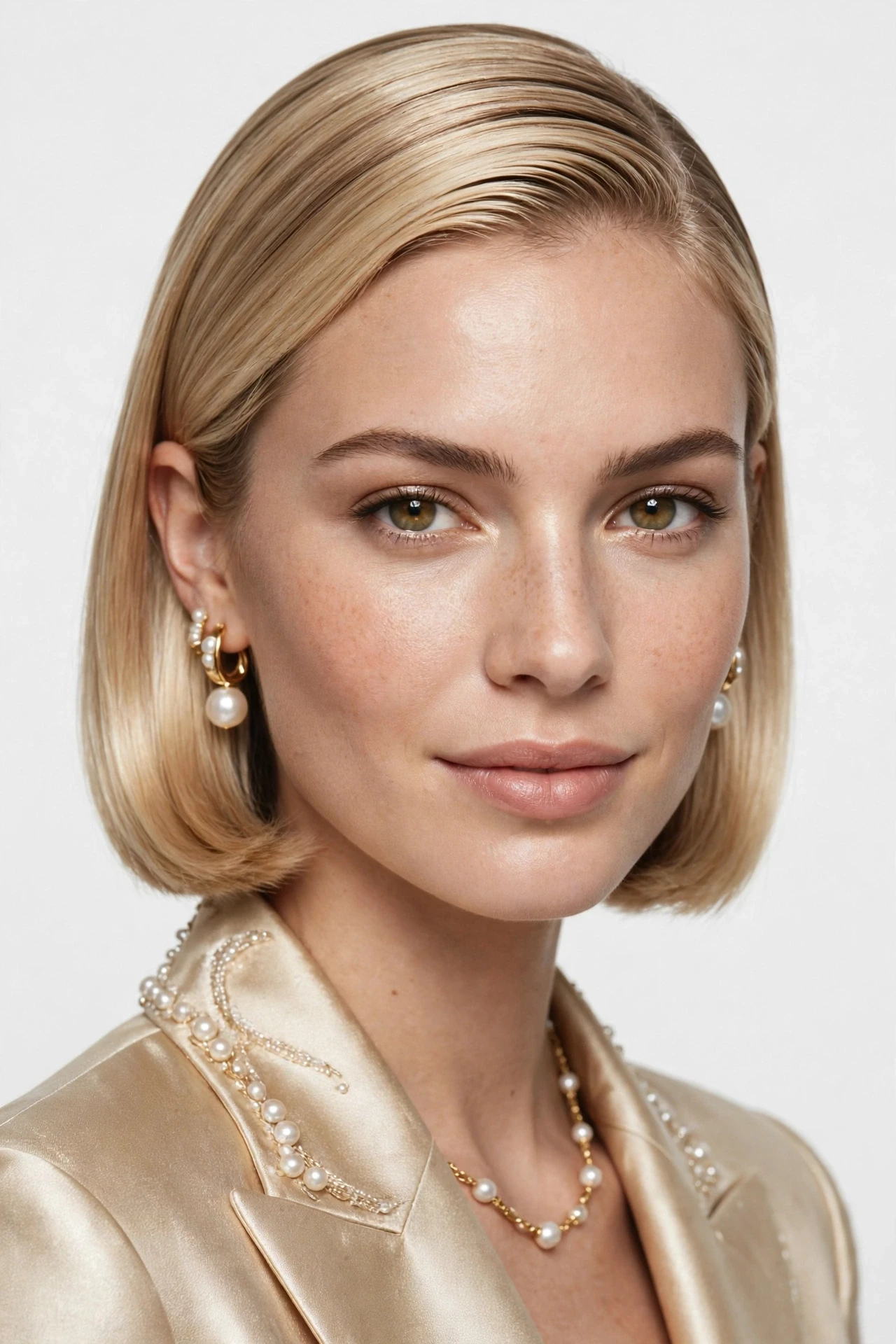
Champagne blonde sits right between warm and cool, which makes it one of the most forgiving shades in this list. The soft gold and pearl mix reads expensive without trying too hard.
Worn sleek and straight, it turns the classic french bob silhouette into something red carpet worthy. The shine alone does most of the talking.
Keep it glossy with a lightweight oil through the ends only. Heavy products pull this look flat, and you want the light to move through the hair.
5. Ash Blonde French Bob with Side Sweep
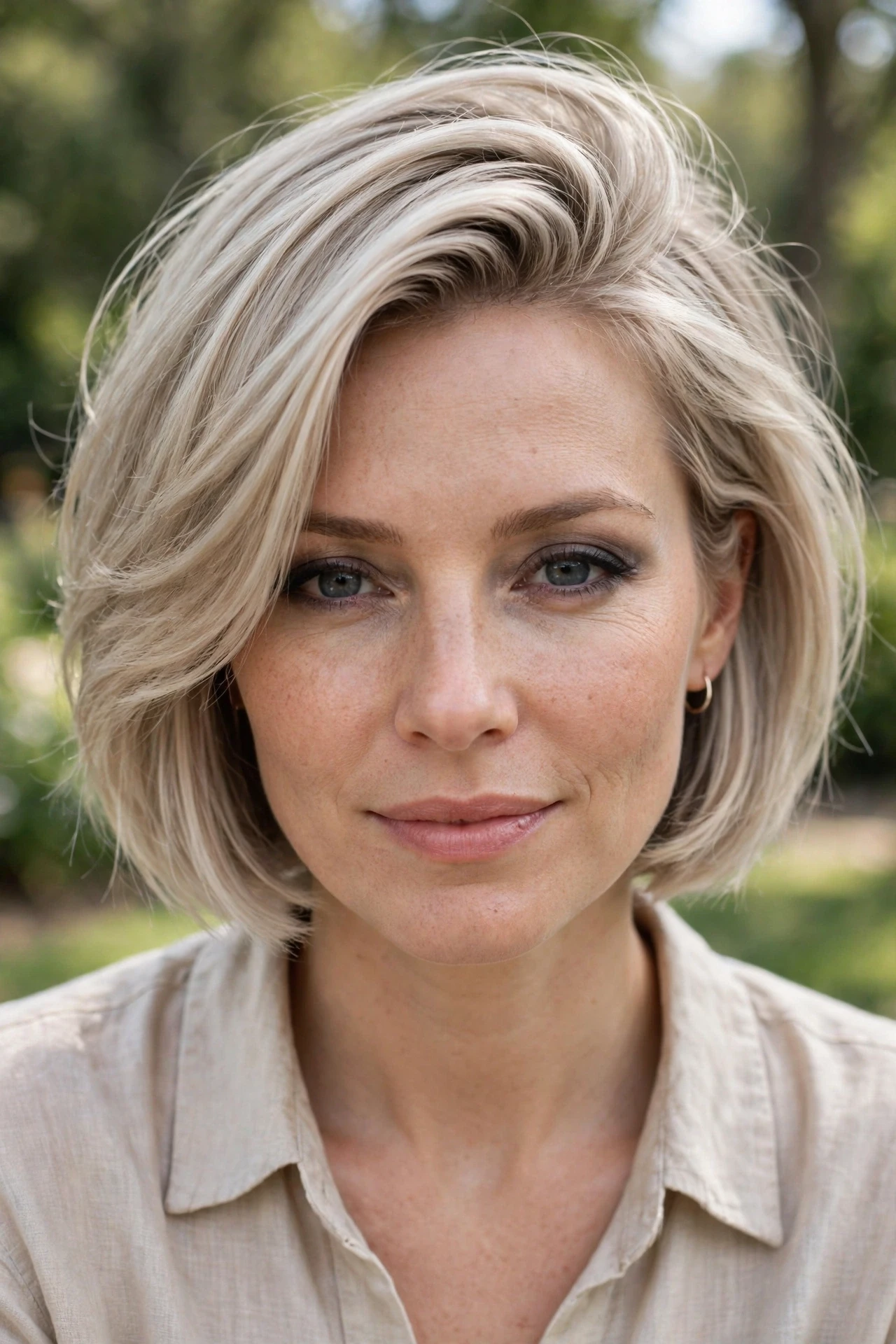
Ash blonde brings cool, smoky dimension to the french bob, and a deep side sweep adds instant volume at the crown. It is the closest thing to a contour for your hair.
This pairing flatters round and square faces because the diagonal line breaks up width. The cool tone also calms redness in fair skin, a welcome bonus if you blush easily.
Blow dry with your head flipped forward for lift, then sweep it over. Five minutes, and you are done.
6. Lived-In Blonde French Bob with Balayage
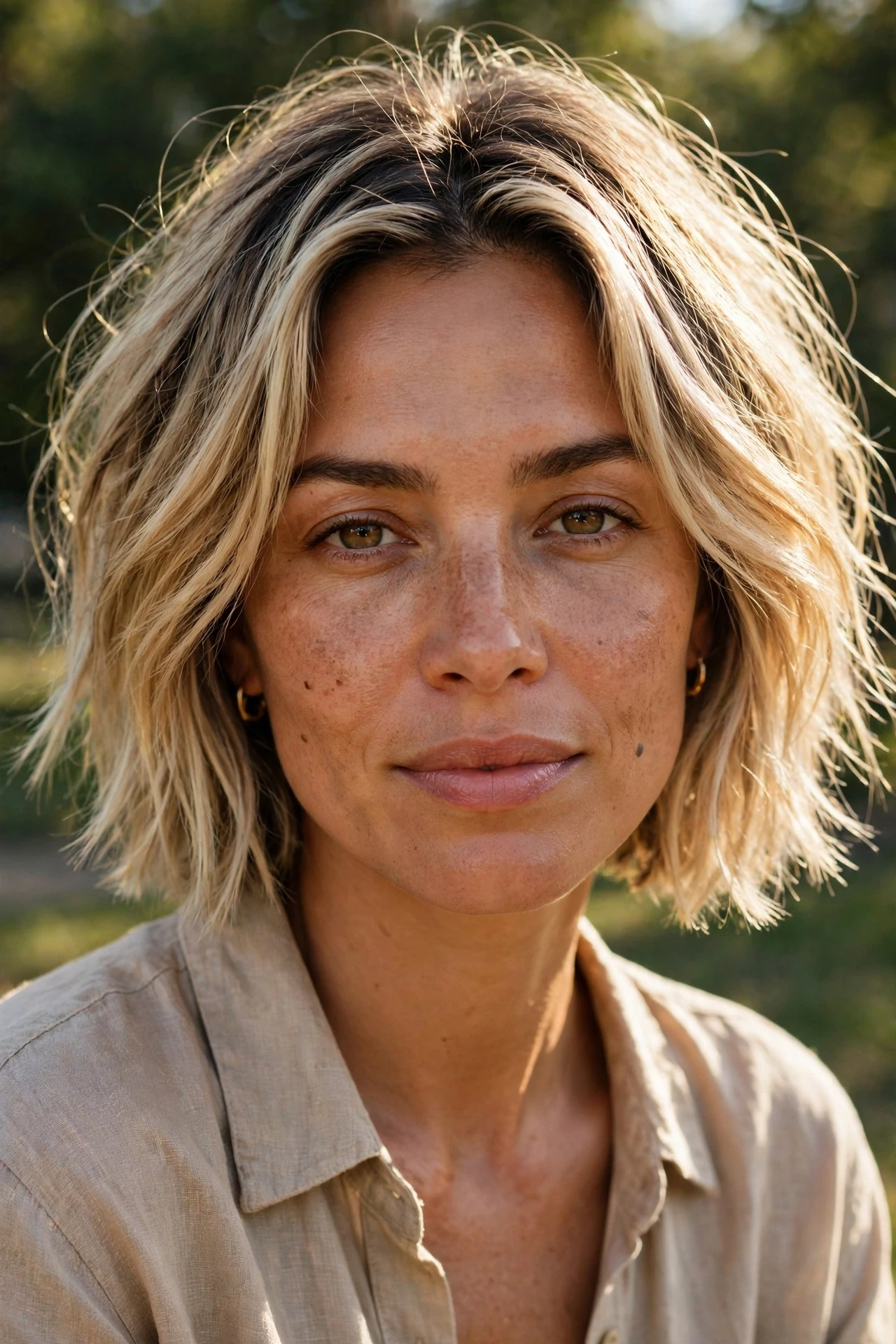
Lived-in balayage might be the smartest blonde strategy for short hair. The hand painted highlights start a few inches from the root, so your grow out looks intentional for months.
On a french bob, the technique adds depth exactly where short hair tends to fall flat: the crown and the front corners. The result is movement you do not have to style in.
Ask your colorist for a root smudge in your natural shade. It blurs the line between new growth and blonde, and stretches your appointment out by weeks.
7. Buttery Blonde French Bob with Feathered Ends
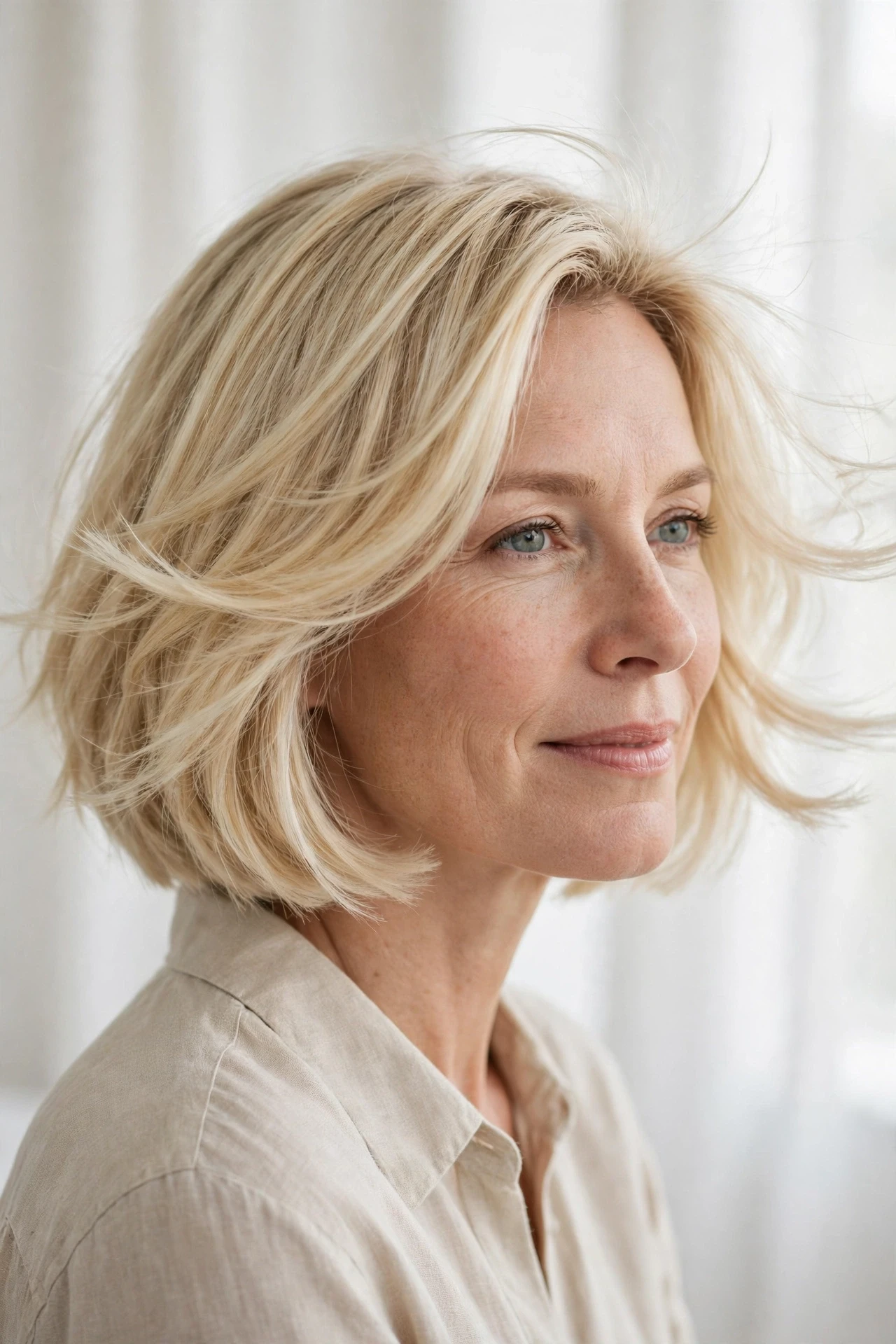
Buttery blonde is soft, creamy and never harsh. Feathered ends keep the french bob silhouette light and airy instead of blunt, which makes this the friendliest option on the list.
Fine hair benefits the most here. The pale, even color reflects light and the feathering stops the ends from looking stringy. It is a rare combination that actually makes thin hair look thicker.
A few drops of heat protectant and a quick pass with a straightener gives you that feathered flick at the tips.
8. Creamy Blonde French Bob with Micro Bangs
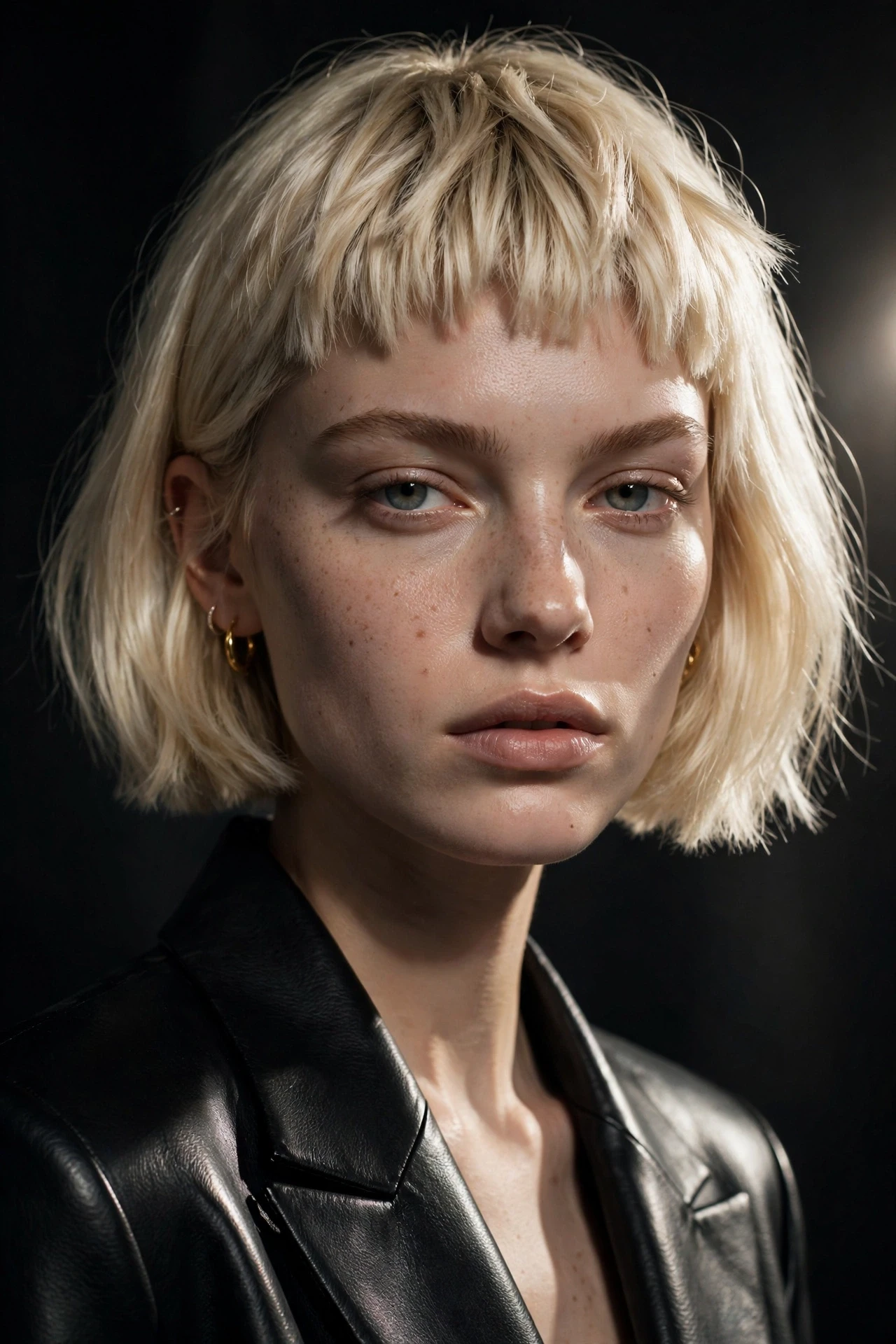
Micro bangs change the entire personality of a french bob. They push it from classic to fashion forward in one snip, and creamy blonde keeps the look soft instead of severe.
The trick is keeping the micro fringe slightly textured rather than ruler straight. Ask for point cutting so the line feels handmade, not harsh.
This bold version pairs beautifully with the shorter takes in our short french bob with bangs roundup if you want to go even shorter.
9. Golden Blonde French Bob with Middle Part
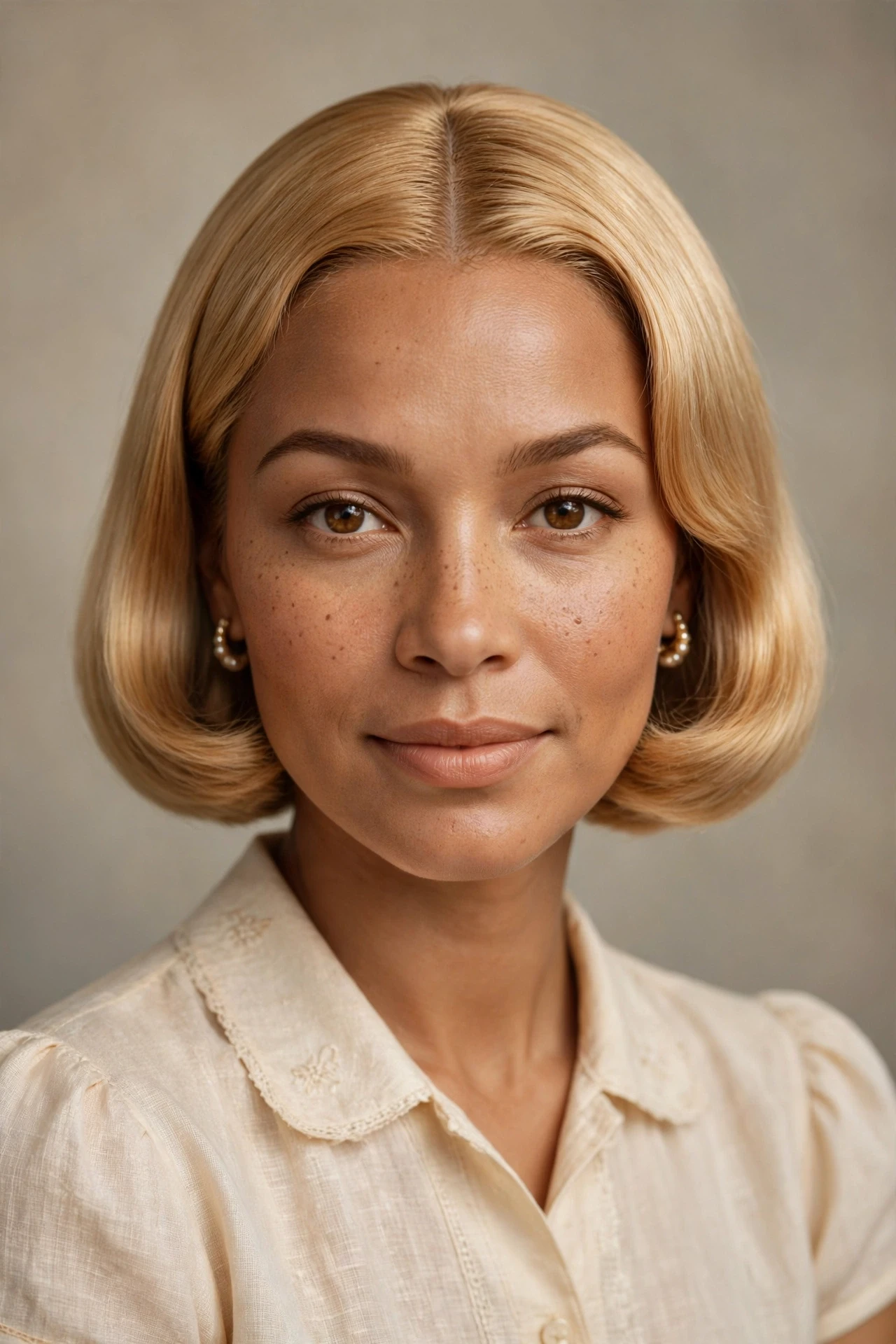
A middle part turns the french bob into something symmetrical and striking. In golden blonde, it reads like a vintage beauty portrait with a modern edge.
This version suits oval and heart shaped faces best. The center part draws the eye straight down, so it elongates and balances wider foreheads.
Keep the part clean with a tail comb on damp hair. The precision of the part is what sells the whole look.
10. Dirty Blonde French Bob with Tousled Texture
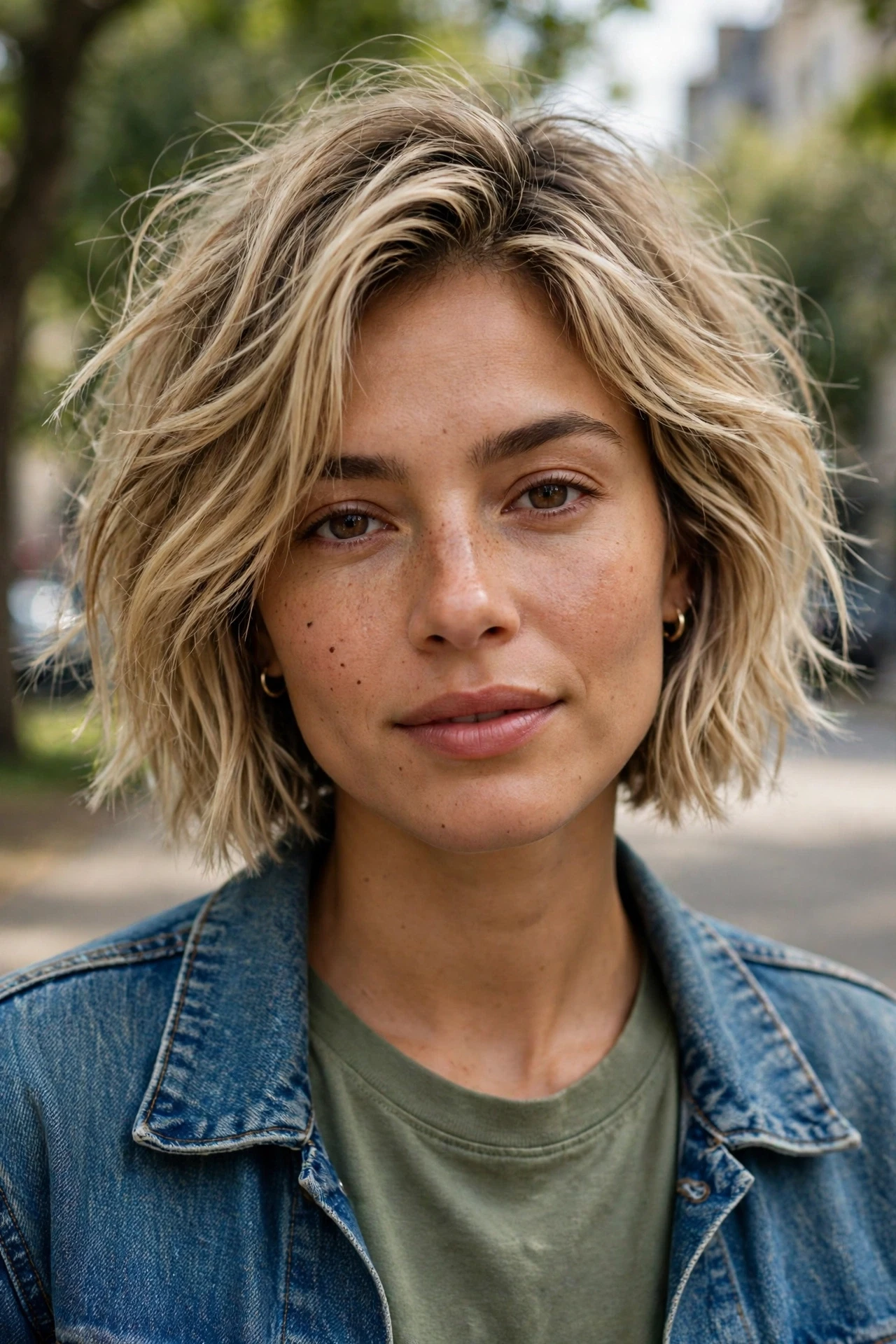
Dirty blonde is the low key hero of the blonde family. That natural, in between shade looks like you were simply born with great hair, which is exactly the point.
Tousled texture leans into the french bob’s effortless DNA. Scrunch in some mousse, let it air dry, and walk out the door. This is the wash and go blonde bob done right.
It also grows out gracefully. The multi dimensional tones hide regrowth better than any single process blonde.
11. Vanilla Blonde French Bob with Old Hollywood Waves
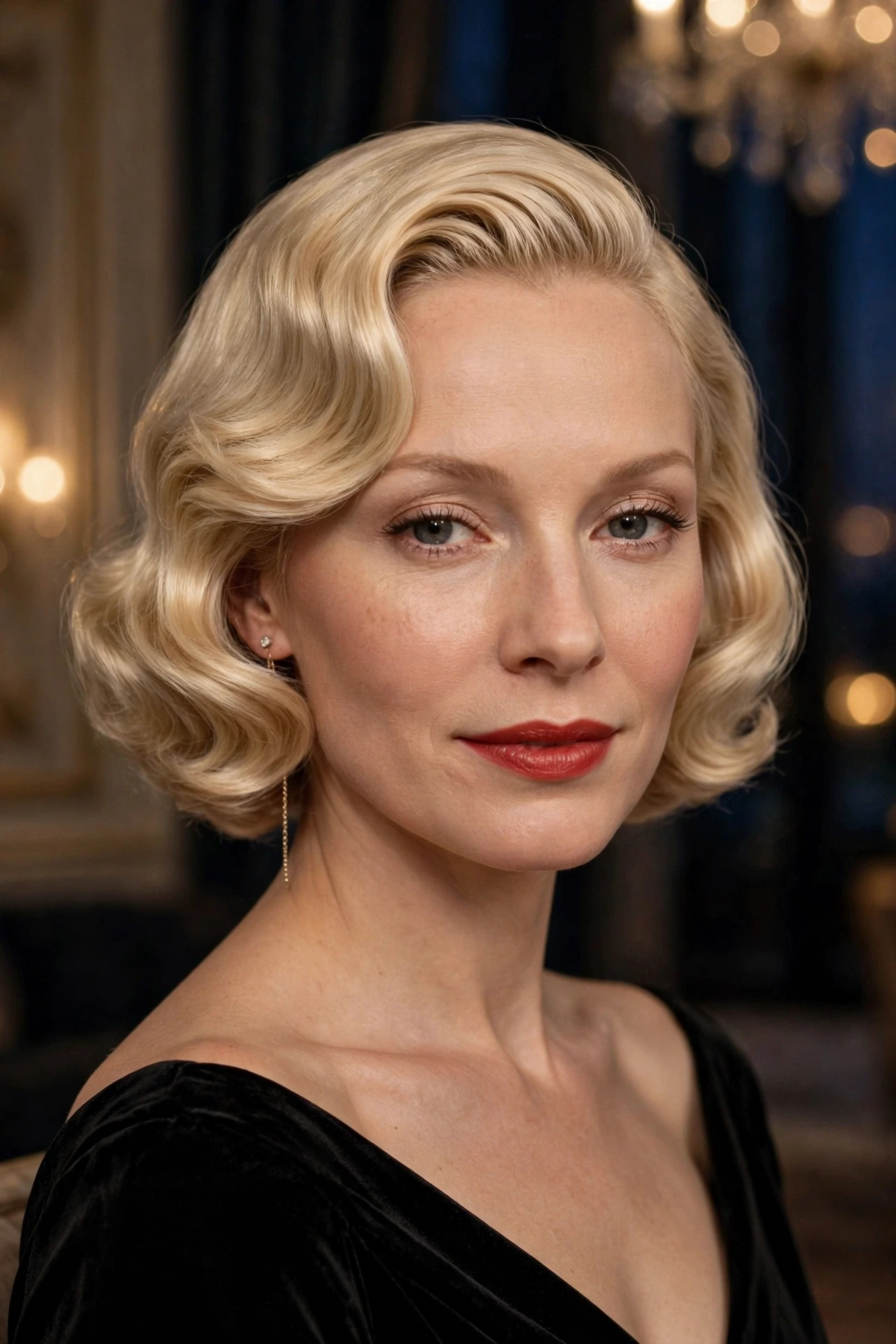
Vanilla blonde with sculpted waves is the glamour entry on this list. The creamy, even tone makes the wave pattern read crisp and deliberate, straight out of a 1950s film set.
Set the waves with a medium barrel iron, then brush them out with a boar bristle brush to merge them into one seamless flow. A light mist of flexible hold spray keeps it soft.
Save this one for evenings, weddings and occasions where you want the hair to be half the outfit.
12. Caramel Blonde French Bob with Money Piece
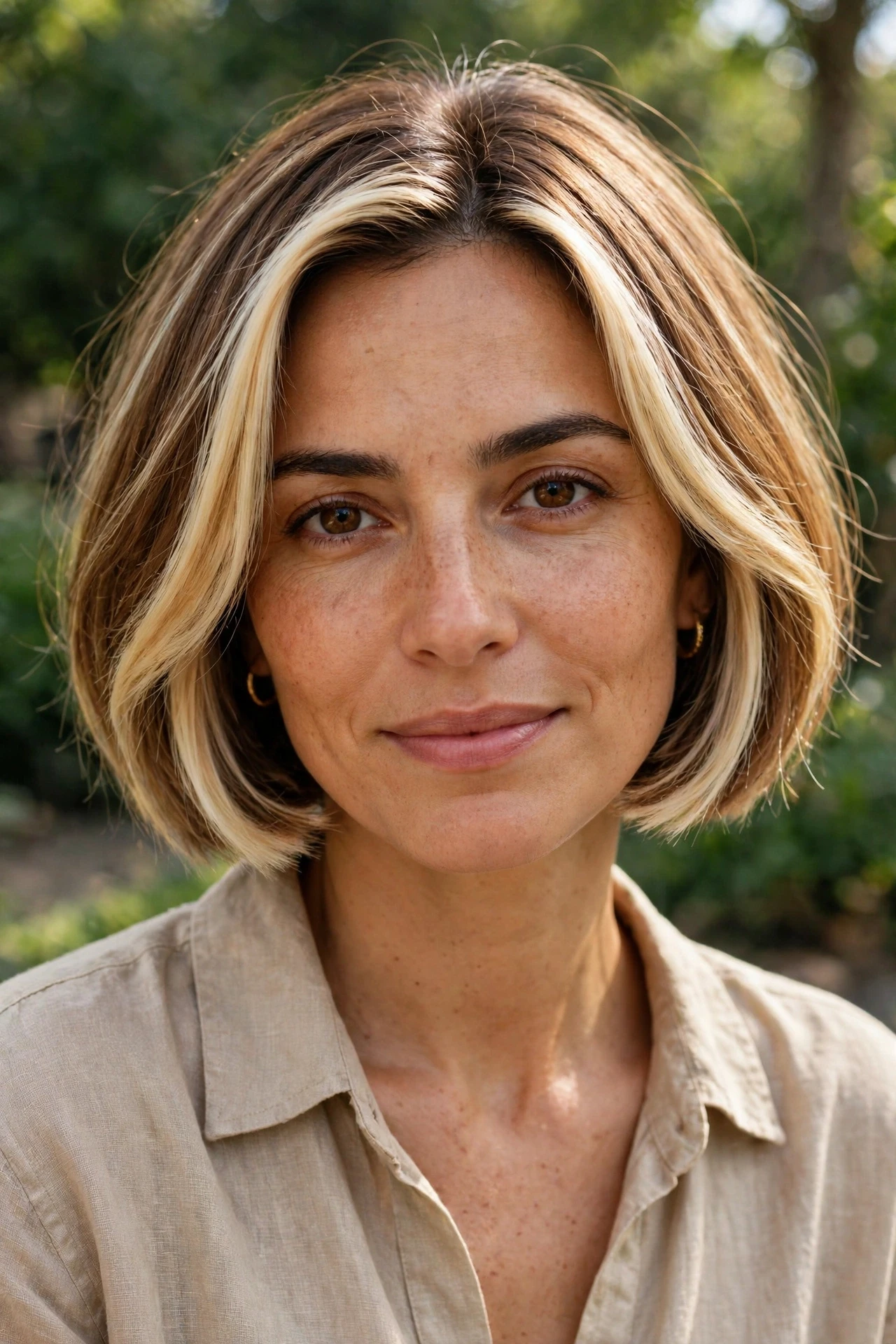
A money piece is that brighter face framing strip that makes your features pop instantly. In caramel blonde against a deeper base, it is pure face brightening magic.
This technique costs less than a full head of highlights and refreshes in about an hour. It is the ideal gateway if you want blonde impact without blonde commitment.
Style the front pieces with a slight bend away from the face. That outward flick shows off the lighter color and opens up your whole face.
13. Cool Beige Blonde French Bob, Tucked Behind One Ear
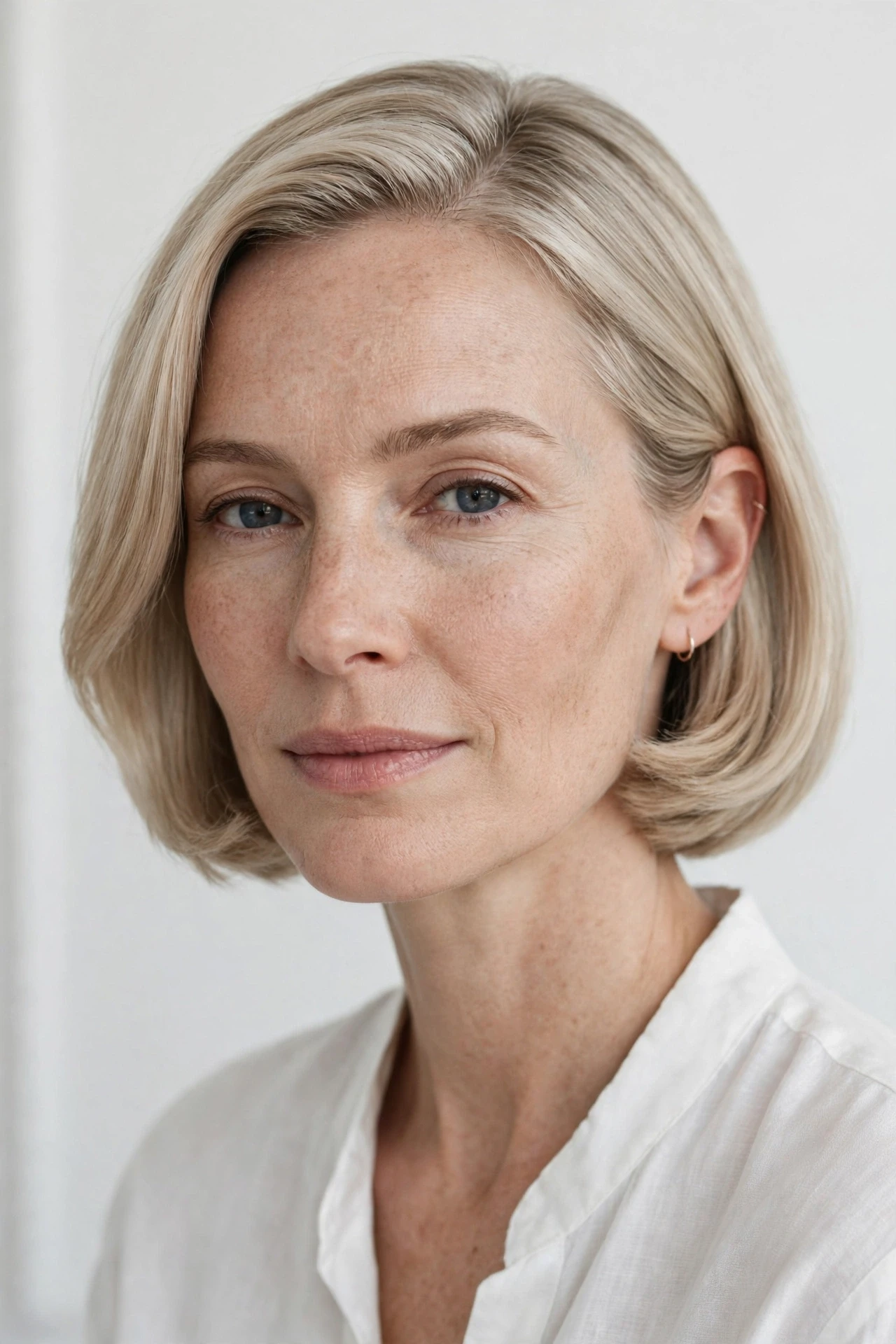
Cool beige is the quiet luxury shade of 2026. Neither icy nor golden, it sits in that refined middle ground that looks natural in every light.
Tucking one side behind the ear is the simplest styling move in this guide, and it shows off the cut’s clean line beautifully. Add a small earring moment while you are at it.
This is also the shade least likely to clash with your wardrobe. Beige blonde plays well with everything from neutrals to bold color.
14. Strawberry Blonde French Bob with Wispy Bangs
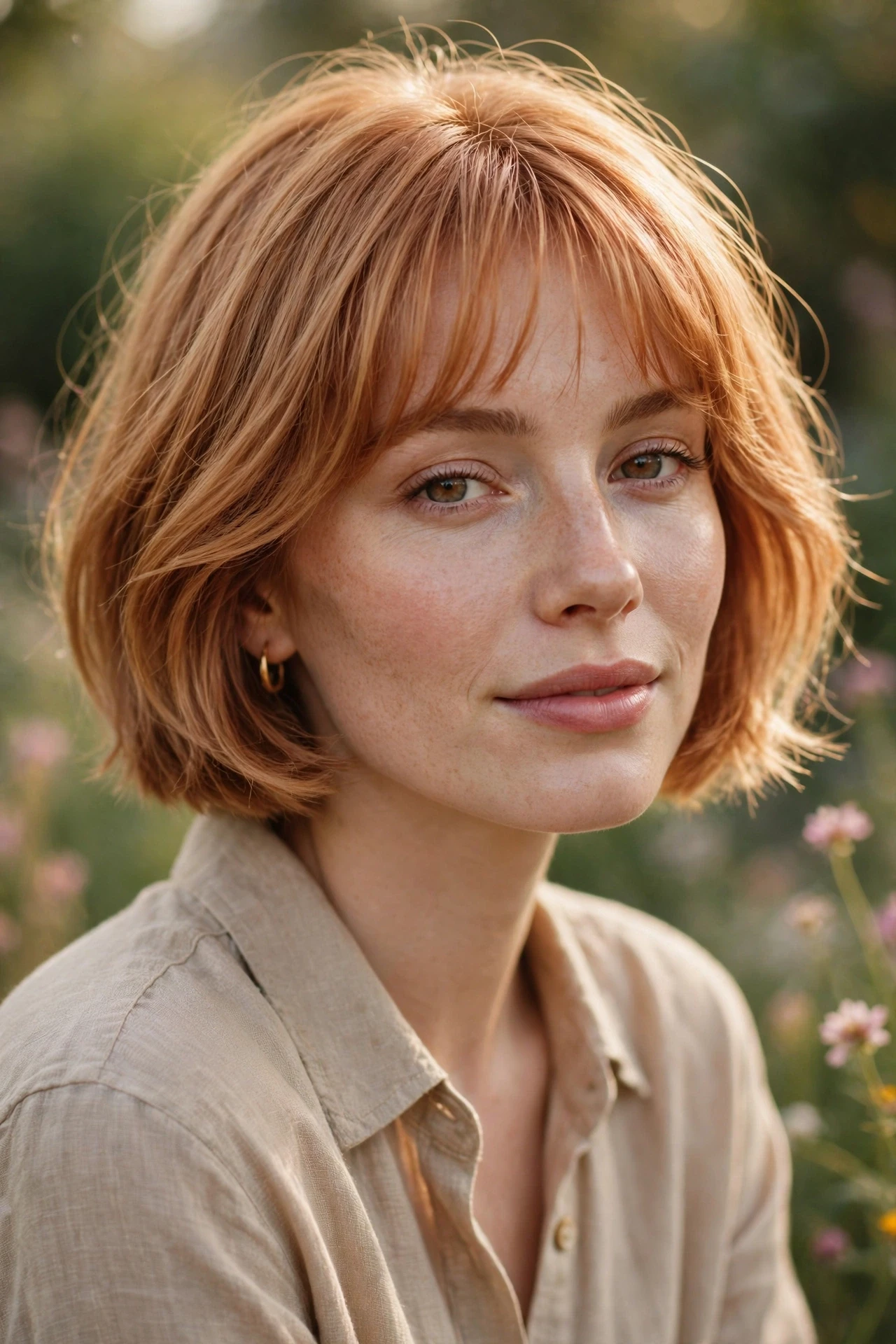
Strawberry blonde brings warmth with a twist of red, and it is criminally underrated on short cuts. Wispy bangs keep the whole look soft and romantic.
Fair skin with pink or neutral undertones wears this shade best. The warm copper notes echo natural warmth in the complexion instead of fighting it.
Use a color safe shampoo to protect the red tones, which fade faster than other blonde pigments. A gloss treatment every few weeks brings the strawberry back to life.
15. Dark Rooted Blonde French Bob
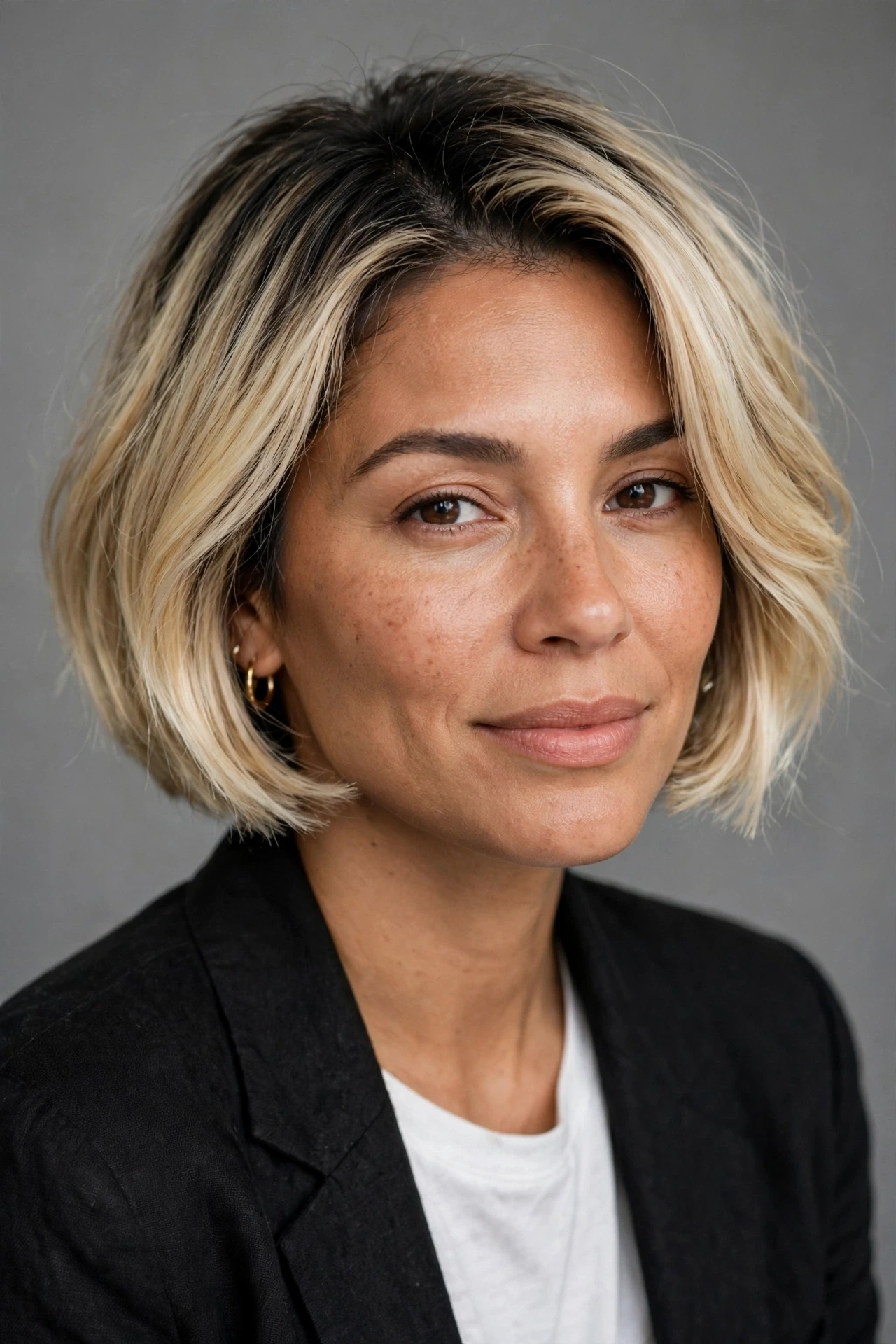
Dark roots are not a mistake anymore, they are a technique. A shadow root in your natural color melting into blonde ends gives the french bob depth it would never have otherwise.
This is the lowest maintenance blonde on the list by far. The roots are supposed to look grown in, so you can stretch appointments to three months or more.
It works with any blonde on top: platinum, honey, ash. The dark root anchors the whole look and makes the ends look brighter by contrast.
16. Sandy Blonde French Bob with Shaggy Layers
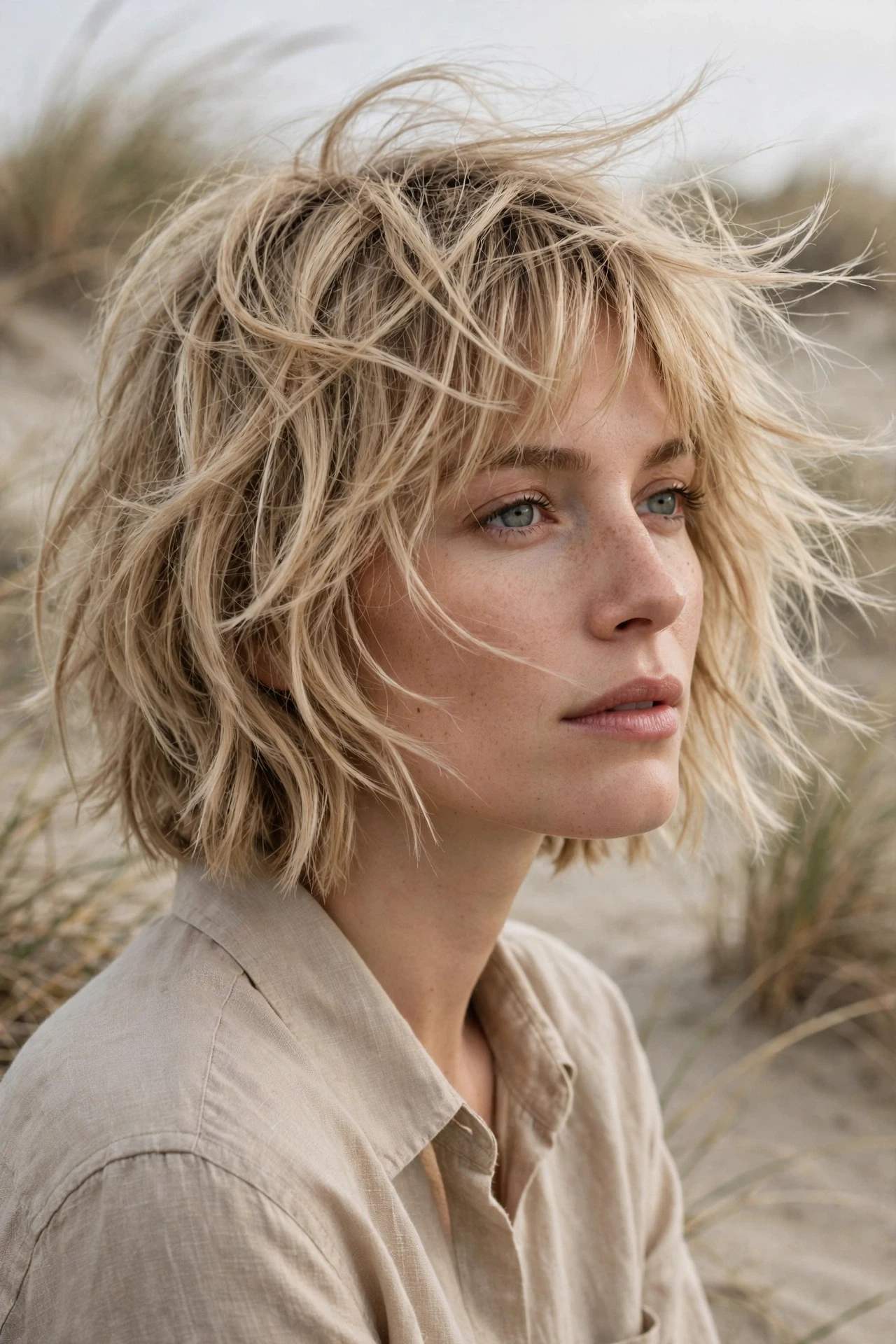
Sandy blonde meets shaggy layers for the most carefree entry in this guide. The neutral beige tone and choppy texture scream beach holiday, even in winter.
Shaggy layers remove bulk, which makes this a strong pick for thick hair. The french bob keeps the shape recognizable while the layers do all the playful work.
Dry shampoo is your best friend here. Second day texture actually improves this style, so embrace the lived in vibe fully.
17. How to Pick Your Blonde Shade for Your Skin Tone
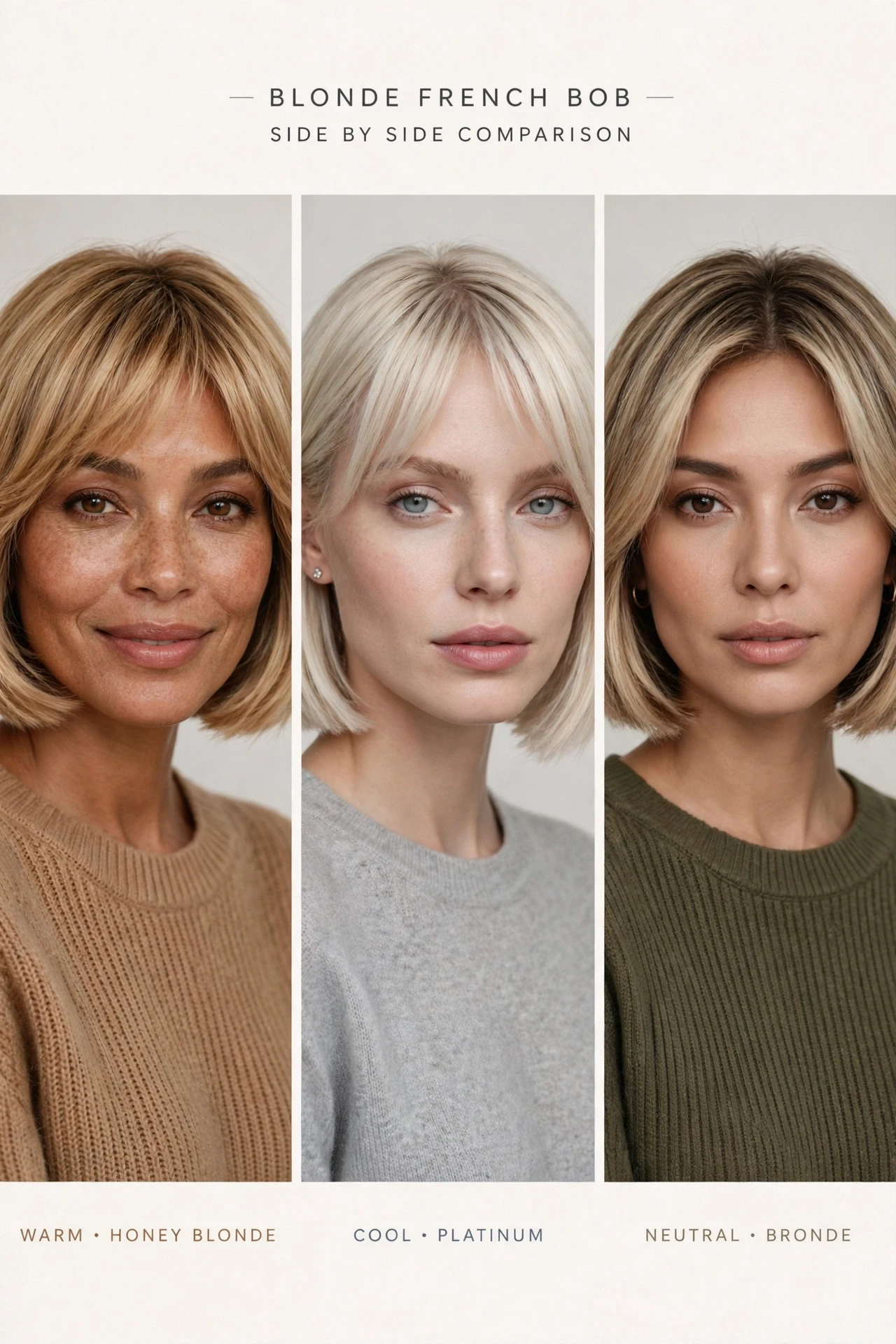
Getting the shade right matters more than the cut itself. The wrong blonde can wash you out, while the right one makes you glow, so match the tone to your undertone.
Check your wrist veins in daylight. Greenish veins usually mean warm undertones, and honey, caramel, golden and strawberry blondes will flatter you most.
Bluish or purple veins point to cool undertones. Platinum, ash, champagne and cool beige blondes will brighten your face instead of competing with it.
If you genuinely cannot tell, you are likely neutral, and lucky. Bronde, champagne and sandy blonde sit in the middle and work on almost everyone.
18. Blonde French Bob Maintenance Schedule
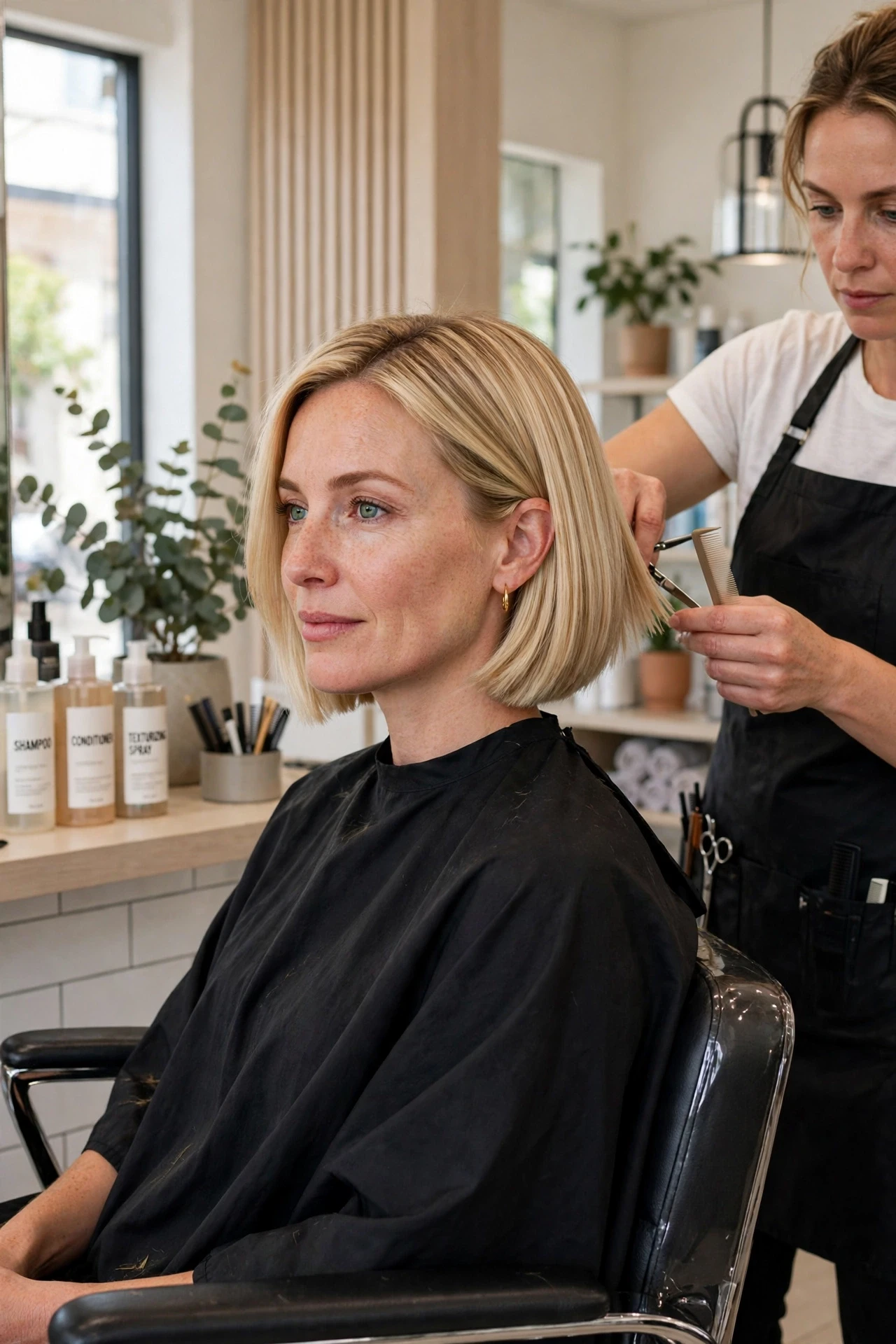
A blonde french bob is a commitment, but a manageable one if you know the rhythm. Short hair grows out faster visually, so trims matter more than with long blonde.
Book a trim every 5 to 6 weeks. The french bob’s shape is the whole point, and even half an inch of growth blurs that clean jawline edge.
Plan a full color appointment every 6 to 8 weeks for single process blonde, or every 10 to 12 weeks for balayage and lived-in color. Book the next visit before you leave the salon, because good colorists fill up.
Between visits, a bond repair treatment once a week keeps bleached ends from snapping. Short hair hides damage well, but healthy ends always photograph better.
19. Purple Shampoo Routine That Keeps Your Bob Bright
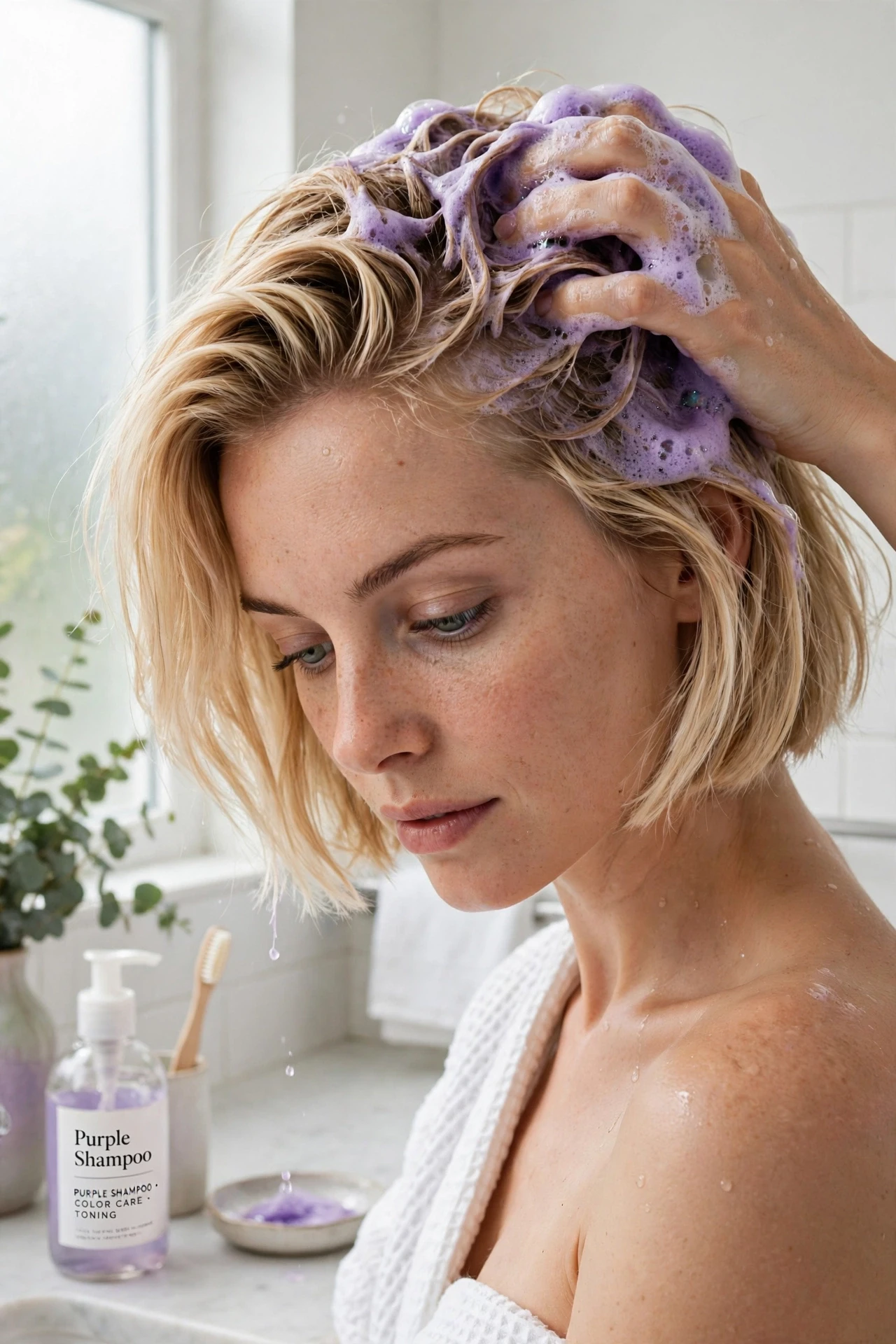
Brassiness is the number one enemy of a blonde french bob. Warm yellow tones creep in from sun, hard water and heat styling, and on short hair there is nowhere for them to hide.
Use a purple shampoo once a week, or twice if your blonde is very light. Work it through damp hair, leave it on for 3 to 5 minutes, then rinse thoroughly. Always follow with conditioner.
The biggest mistake is overdoing it. Too much purple shampoo leaves a dull lavender cast, especially on porous ends. If that happens, one wash with a clarifying shampoo resets the tone.
For detailed usage guidance, the L’Oreal Paris purple shampoo guide explains how the violet pigments neutralize yellow tones between salon visits.
20. Growing Out Roots Without Looking Awkward
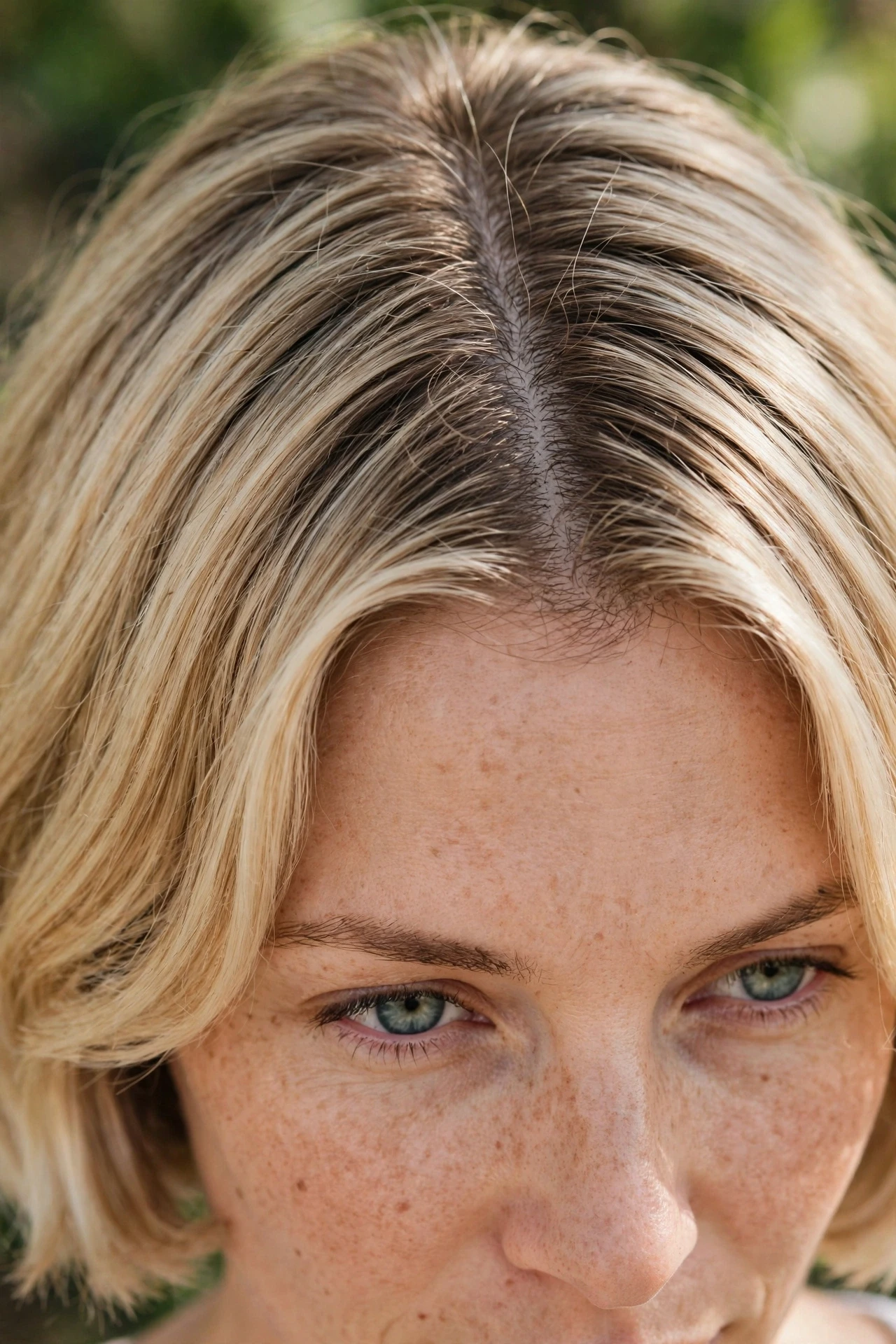
Every blonde faces the root question eventually. The good news is that a french bob handles regrowth better than most cuts, because the shape draws the eye to the ends, not the part.
Ask your colorist for a root smudge or shadow root from the start. This melts your natural color into the blonde and buys you an extra month between appointments.
Between salon visits, a tinted dry shampoo in a blonde shade softens the contrast at the part. Spray it on the roots, blend with your fingers, and the line disappears.
If you decide to grow the blonde out completely, transition to balayage first. The painted highlights blur the regrowth line so gracefully that nobody notices the grow out phase.
Frequently Asked Questions
What is a blonde french bob?
A blonde french bob is the classic Parisian chin-length haircut colored in any blonde shade, from platinum to honey to bronde. The cut keeps its signature blunt ends and cheek-grazing length, while the blonde adds brightness and dimension. If you want the full backstory on the cut itself, read our what is a french bob guide first.
Does a blonde french bob work on thin hair?
Yes, and it can actually be one of the best choices for thin hair. Light blonde shades reflect more light, which creates the illusion of fullness, and a chin-length cut removes the weight that drags thin hair down. Ask for feathered or softly layered ends rather than a heavy blunt line to maximize the effect.
Which blonde shade suits warm versus cool skin tones?
Warm undertones glow in honey, caramel, golden and strawberry blonde. Cool undertones shine in platinum, ash, champagne and cool beige. If your undertone is neutral, middle-ground shades like bronde and sandy blonde are your safest bet. When in doubt, bring reference photos and ask your colorist to hold swatches against your face in natural light.
How often should I use purple shampoo on a blonde french bob?
Once a week is the sweet spot for most blondes. Very light platinum may need twice weekly, while darker bronde might only need it every other week. Leave it on for 3 to 5 minutes before rinsing, and always follow with a moisturizing conditioner, since toning shampoos can be drying.
How often does a blonde french bob need trimming?
Every 5 to 6 weeks. The french bob lives and dies by its shape, and short hair shows growth quickly. A regular trim keeps the jawline edge crisp and removes any bleached ends before they split. Many salons offer discounted bang and shape-up trims between full appointments.
Can I get a blonde french bob if my natural hair is dark?
Absolutely, but plan for it. Going from dark to blonde usually takes two sessions to protect the hair, and a dark rooted or balayage approach makes the grow out far easier. Your colorist may recommend a strand test first to see how your hair lifts. The result is worth the process: dark roots melting into blonde is one of the chicest looks in this guide.
Sana Malik is a hair and beauty writer with a deep love for the bob in all its forms from sharp French bobs to soft, lived-in lobs. After years of experimenting with her own short hair and helping friends figure out what actually suits their face shape, she started writing to cut through the confusing advice out there. At BobHairTrends, she breaks down each cut into simple, honest guides: how to ask for it, how to style it at home, and who it really flatters. When she isn’t researching the latest trends, she’s usually testing a new styling product or convincing someone it’s finally time for the chop.