✦ Key Takeaways
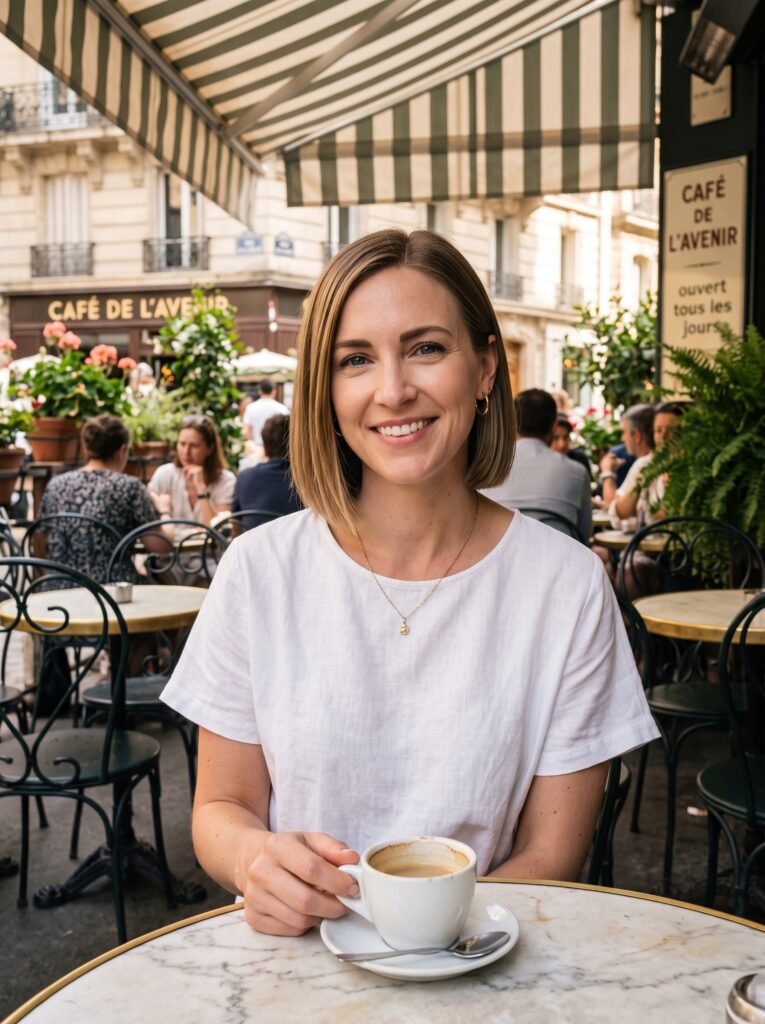
- A French bob without bangs sits between the chin and jawline with no fringe covering the forehead
- It’s more forgiving and lower maintenance than the traditional French bob with bangs
- Flatters oval, round, square, and heart-shaped faces with the right length adjustment
- Works beautifully on straight, wavy, and fine hair with no special products needed
- Trims every 6-8 weeks, stretchable to 8-10 weeks without losing the shape
There’s a cut that keeps showing up in my booking requests lately. No name, no caption just a screenshot, usually of a woman on a Paris street or a red carpet, with hair that sits right at the jaw, clean and uncluttered.
No fringe. No layers pulling at the face. Just that one deliberate length and nothing in the way of it. That’s the French bob without bangs. And in 2026, it’s everywhere.
Dating back to the 1920s, the French bob has remained a go-to request in salons around the world. But the version dominating right now is the bang-free iteration and it’s a different animal from the classic.
Zendaya wore a blunt, jaw-grazing version in Paris that InStyle called “playful, editorial, and front row-ready.”
Celebrity hairstylist Michael Gray told HELLO! magazine that the French bob is “cool, yet sophisticated” and that the current wave of the style is about volume, movement, and dimension not perfection.
Beyoncé brought it into 2026 with volume at the front and ends bent under, and the internet followed almost immediately.
The question I get asked most is simple: why no bangs? Here’s everything you need to know before you book.
You Might Also Like
Table of Contents
What Is a French Bob Without Bangs?
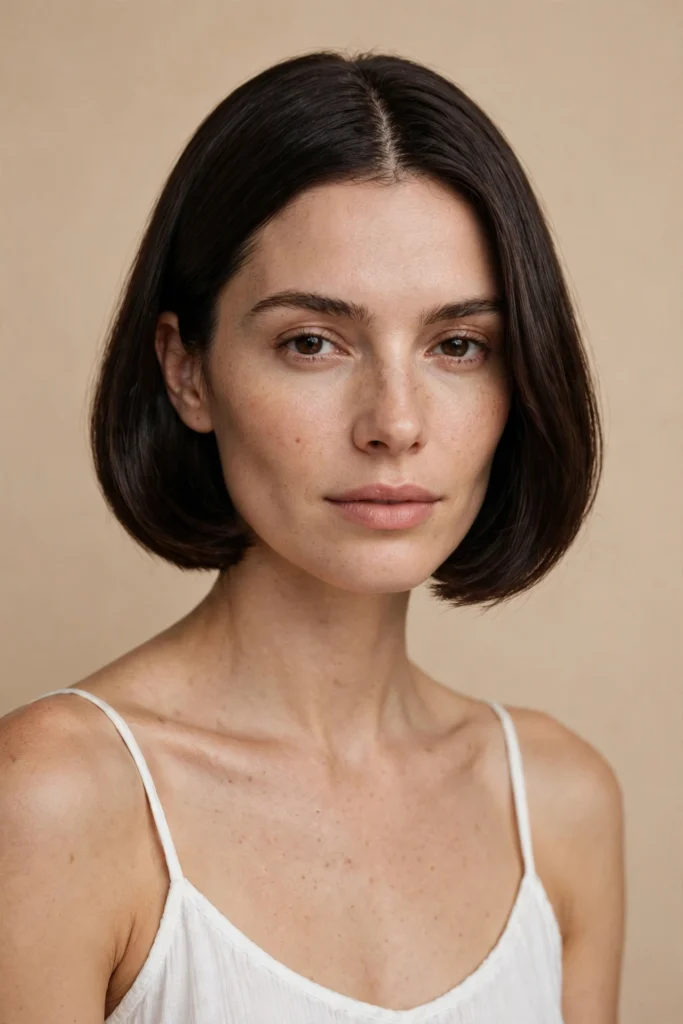
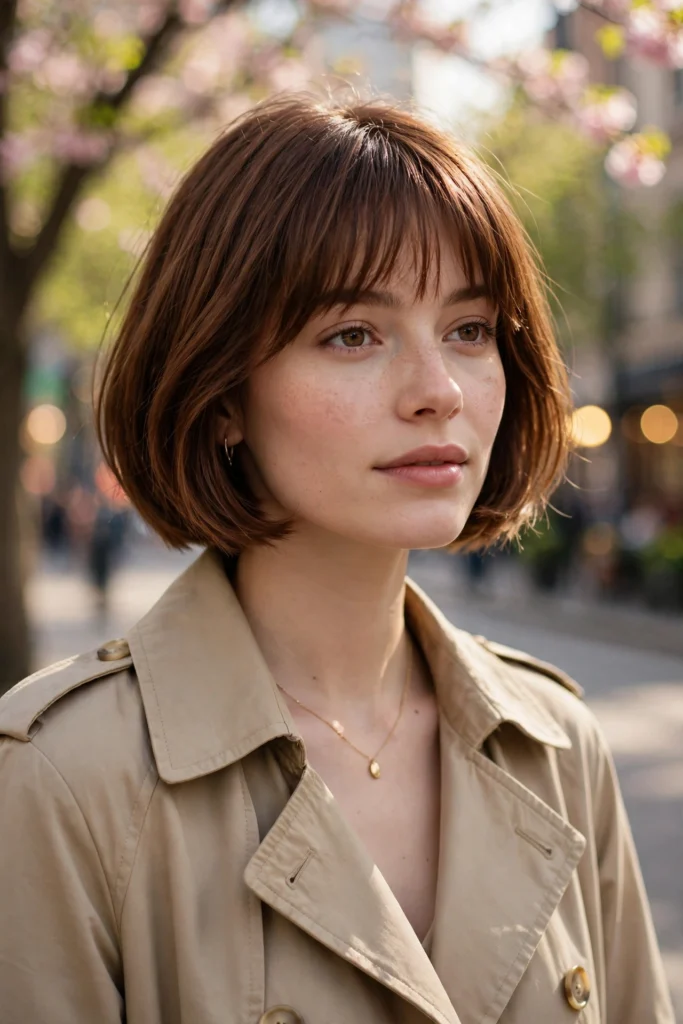
A French bob without bangs is a short bob haircut that usually falls between the chin and jawline, with no fringe covering the forehead. The cut often features soft edges, light texture, and a slightly undone finish.
This hairstyle emphasizes facial features such as cheekbones and jawline while maintaining a relaxed, natural appearance. Without bangs, the haircut feels lighter, more versatile, and easier to maintain.
What Makes This Cut Different From a Regular Bob
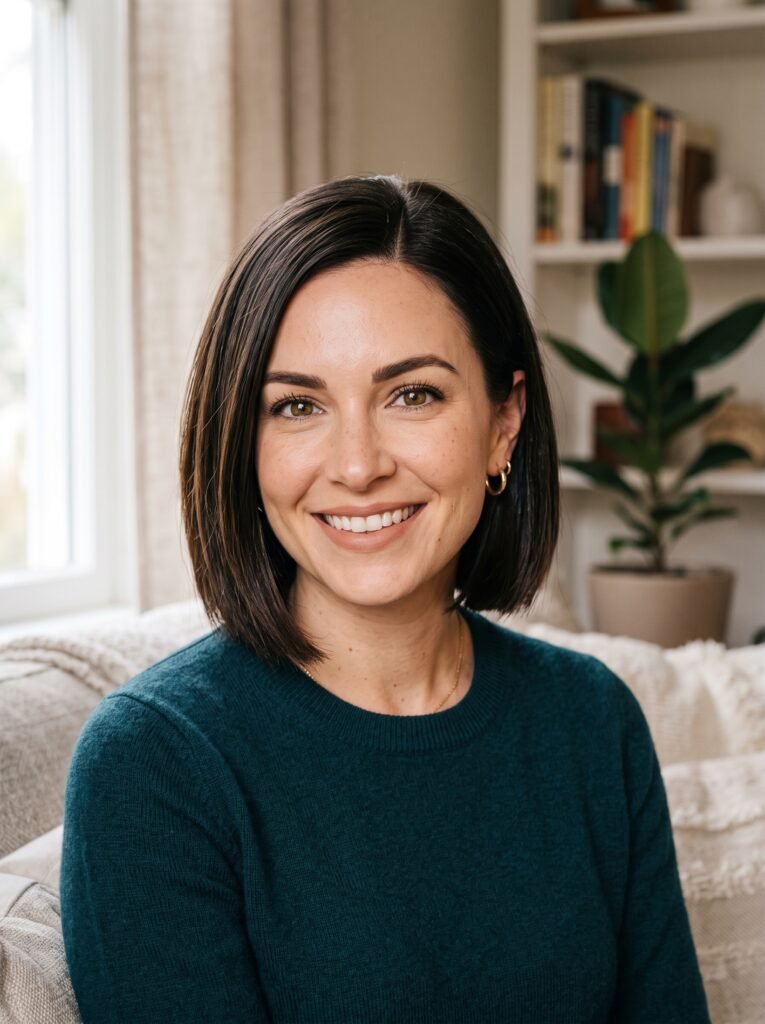
Most bobs fall somewhere between the chin and the collarbone. The French bob is more specific it stops at or just above the jawline, which is a shorter commitment than most people expect.
That precision is intentional. The jawline is where the cut does its work: it frames the face from below, creates definition around the cheekbones, and gives the overall shape a structure that longer bobs can’t replicate.
Without bangs, the face is fully exposed from the forehead down. That sounds like a lot, but it’s actually the point. The blunt or softly layered ends at the jaw do the framing instead they pull attention down and across rather than into the middle of the face.
It’s a completely different geometry from a bob with a fringe, and for most face shapes, it’s more forgiving, not less.
Hairstylist Tom Smith, Grazia Beauty Panellist, describes the current French bob as representing “the beginning of a new wave for more traditional shapes combined with undone natural textures lending the look a 2026 feel as opposed to when the shape was first popularised.”
That lived in quality is exactly what separates today’s version from the structured, helmet-like French bobs of the past.
Why It Works Without Bangs
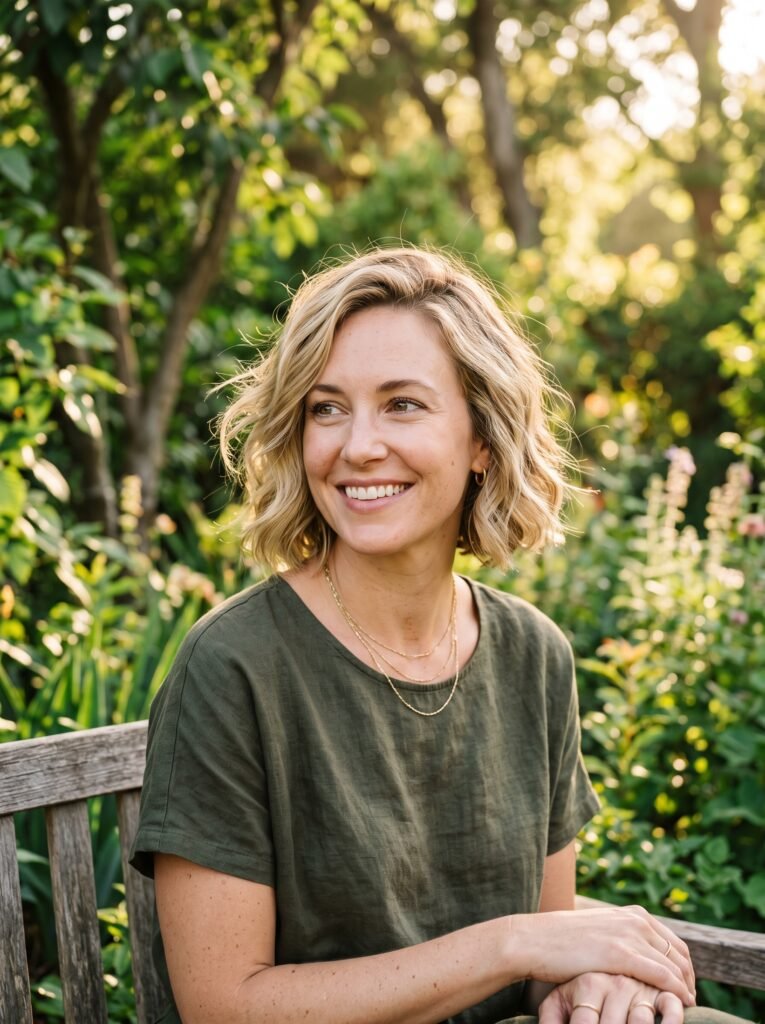
The obvious reason: grow-out. Bangs require maintenance every three to four weeks without exception. Skip an appointment and the whole look shifts.
The bang-free version gives you that same Parisian precision without the upkeep pressure your next trim can wait eight weeks and the cut still looks intentional.
But there’s a styling argument too. Without a fringe anchoring the front, the face has more flexibility. You can wear a side part or a middle part. You can pull one side behind the ear.
You can let the ends curl under or flip out depending on your mood. The cut adapts instead of dictating, which is a major reason it keeps getting rebooked by the same clients appointment after appointment.
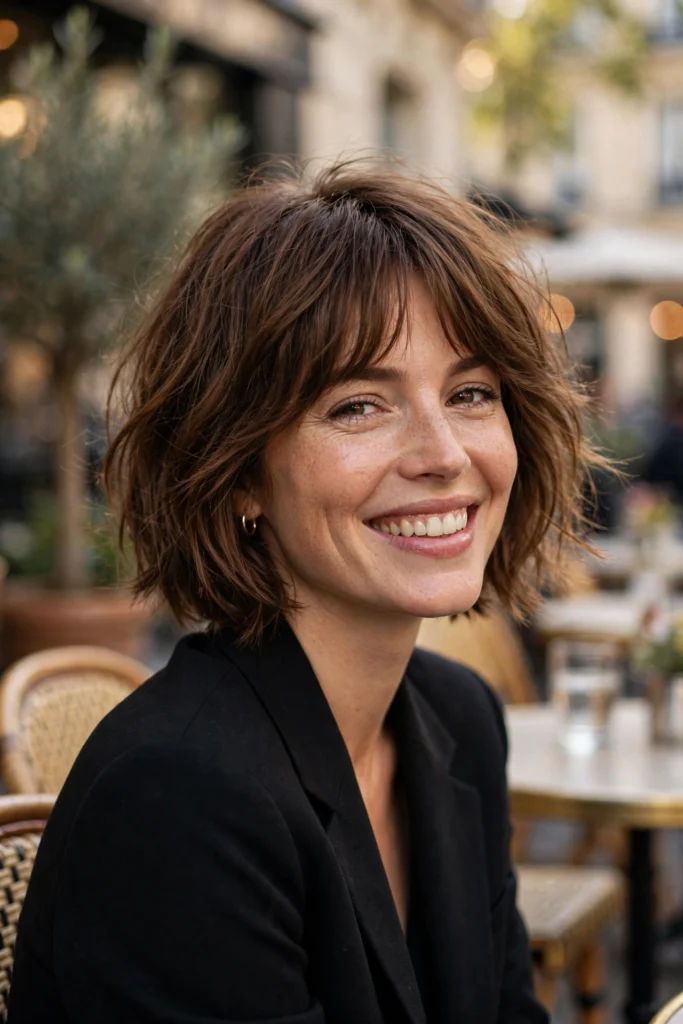
InStyle notes that among bang-free French bob variations, the tousled “I woke up like this” finish recreated with a curling wand and texture spray is one of the most popular because it requires almost no precision to maintain at home.
That ease is the whole thesis of the bang-free version. It looks considered without requiring constant effort.
The 2026 Version vs The Classic

The classic French bob from the 1920s and its revival in the 1960s was a blunt, one-length cut with very little texture. It was graphic and precise.
The 2026 version keeps the length but softens the execution you’ll see more internal layering, more movement at the ends, and less hard-edged geometry.
World hairdressing champion Raphaël Perrier, who has observed a surge in French bob requests in 2026, notes that “customers need cuts that live more than before we’re in an era of naturalness, volume and lightness.”
That shift in philosophy is exactly what the bang-free French bob delivers: it’s structured enough to look intentional but relaxed enough to work with natural texture rather than fighting it.
The other change is in face framing. Where the classic version used blunt-cut fringe to frame the face from above, the 2026 iteration uses the weight of the jawline cut itself. Our French bob with curtain bangs guide covers the in-between version in detail if you’re on the fence.
Why the French Bob Without Bangs Is So Popular?
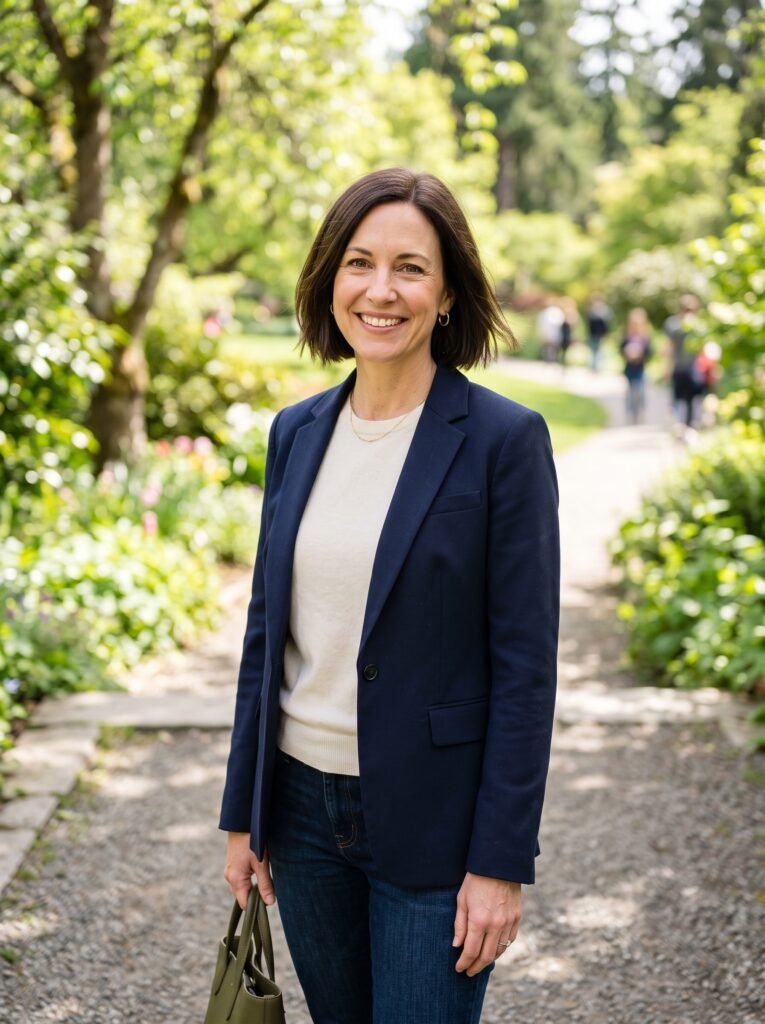
There are several reasons why this haircut has become a favorite:
- It requires minimal daily styling
- It looks polished even when air-dried
- It grows out gracefully
- It suits multiple face shapes and ages
For women who love chic hairstyles without high maintenance, this cut is an ideal choice.
French Bob Without Bangs vs Traditional French Bob
A traditional French bob usually includes blunt or wispy bangs, which require regular trimming and styling. In contrast, the no bangs version is more forgiving and flexible.
Without bangs:
- Styling time is reduced
- Maintenance is lower
- The haircut adapts easily to different looks
- The grow-out phase is smoother
This makes it a practical option for busy lifestyles.
Who Should Try a French Bob Without Bangs?
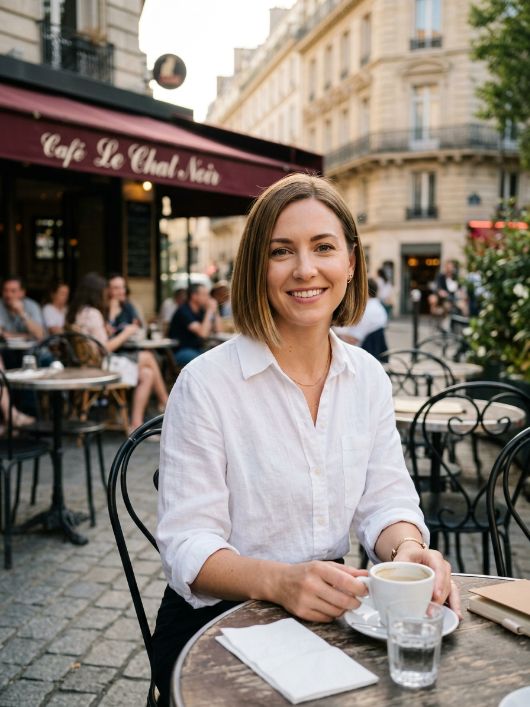
This haircut works well for many women, especially those who want a clean, modern appearance.
Best Face Shapes
- Oval faces look perfectly balanced
- Round faces appear longer and slimmer
- Square faces benefit from softened angles
- Heart shaped faces look more proportionate
Best Hair Types
- Straight hair for a sleek finish
- Wavy hair for an effortless Parisian vibe
- Fine hair for added structure and fullness
Who It Actually Suits

The honest answer: more face shapes than you’d think, but not all of them equally.
Oval faces are the easiest almost any length and finish works. Oblong or long faces benefit most from the jawline-stop because it adds width right where the face is narrowest.
Heart-shaped faces do well with a slight bend or flip in the ends to balance a wider forehead. Round faces need more care here: a blunt horizontal cut at the widest point of the face can emphasize roundness rather than balance it, so adding slight internal layers and avoiding a perfectly level cut makes a real difference.
Hair texture plays in too. Fine hair tends to love the blunt cut the one length approach creates the illusion of more density. Wavy hair can wear the tousled version beautifully with minimal effort.
Thick hair may need internal layers removed to keep the shape from going too wide at the bottom. Curly hair works, but the length will sit higher than it appears when wet factor in shrinkage when deciding how short to go.
For a detailed breakdown of how this cut adapts to different textures and lengths, our ultimate guide to bob hair trends covers the full range.
How to Style a French Bob Without Bangs
One of the biggest advantages of this haircut is how easy it is to style.
Everyday styling routine:
- Apply a lightweight leave-in conditioner
- Air-dry or do a quick blow dry
- Use fingers instead of brushes for a natural look
For a polished style, lightly smooth the ends with a flat iron and finish with a drop of hair oil.
Maintenance and Trimming
A French bob without bangs typically needs trimming every 6 to 8 weeks. Since there is no fringe, many women can comfortably extend trims to 8–10 weeks without losing the shape.
This makes it one of the most low-maintenance short hairstyles available.
💡 Pro Tip
Skip the flat iron on wash day. This cut is designed to look intentional air-dried just scrunch a lightweight leave-in through damp hair and let it fall. Reaching for heat tools every day actually works against the relaxed, undone finish that makes this haircut chic in the first place.
French Bob Without Bangs for Different Age Groups
In your 20s and 30s:
The haircut looks bold, trendy, and fashion-forward.
Over 40:
It adds elegance and confidence without appearing too styled.
Over 50 and 60:
It feels lightweight, flattering, and easy to manage, making it a popular choice for mature women.
More Bob Styles Worth Bookmarking
Common Mistakes to Avoid
- Cutting the bob too blunt without texture
- Choosing a length that doesn’t suit your face shape
- Using heavy styling products
- Over-styling and losing the natural French look
Always aim for soft movement and a relaxed finish.
How to Ask Your Stylist for This Haircut
When visiting the salon, you can say:
- I want a jaw-length French bob haircut with no fringe
- I prefer a low-maintenance, natural look”
- Soft texture, not too blunt”
Bringing reference photos is always helpful.
Final Thoughts:
The French bob without bangs is a perfect balance of style and simplicity. It proves that short hair can be elegant, modern, and practical at the same time. Whether you’re looking for a fresh change or a timeless haircut that fits your lifestyle, this style is worth considering.
FAQs:
1. What is a French bob without bangs?
A French bob without bangs is a short bob haircut that usually sits at the jaw or chin length and does not include any fringe. It focuses on clean lines, soft texture, and a chic Parisian look.
2. Is a Bang-free French bob low maintenance?
Yes, this hairstyle is considered low maintenance because it doesn’t require daily styling or frequent bang trims. It looks good even when air-dried and grows out gracefully.
3. Who should try a Chic French bob style?
This haircut suits women who prefer a clean, elegant, and modern look. It works well for oval, round, square, and heart-shaped faces and is suitable for different age groups.
4. Does a Short Parisian bob work for fine hair?
Yes, it’s an excellent option for fine hair. The shorter length helps hair appear fuller and more structured, especially when styled with light texture.
5. Can you wear a Minimalist French bob with wavy hair?
Absolutely. Wavy hair adds natural movement and softness to a French bob without bangs, giving it an effortless and relaxed Parisian vibe.
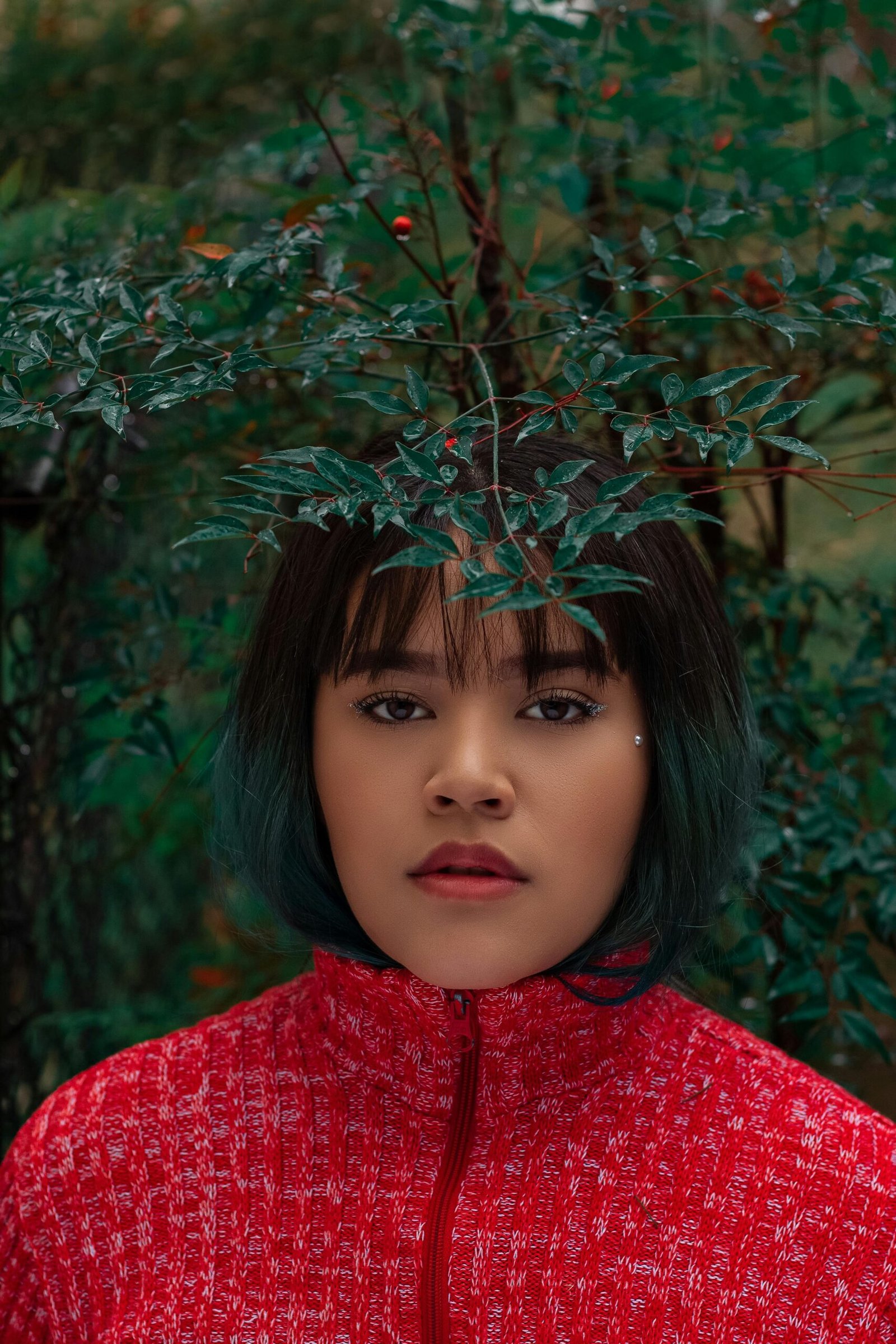
Sana Malik is a hair and beauty writer with a deep love for the bob in all its forms from sharp French bobs to soft, lived-in lobs. After years of experimenting with her own short hair and helping friends figure out what actually suits their face shape, she started writing to cut through the confusing advice out there. At BobHairTrends, she breaks down each cut into simple, honest guides: how to ask for it, how to style it at home, and who it really flatters. When she isn’t researching the latest trends, she’s usually testing a new styling product or convincing someone it’s finally time for the chop.