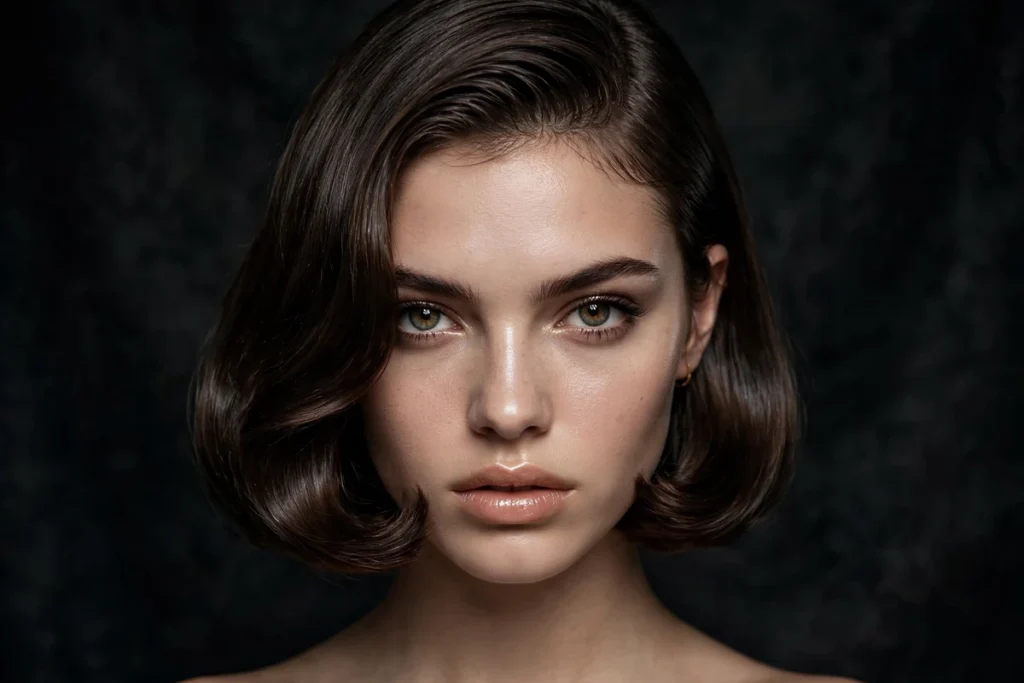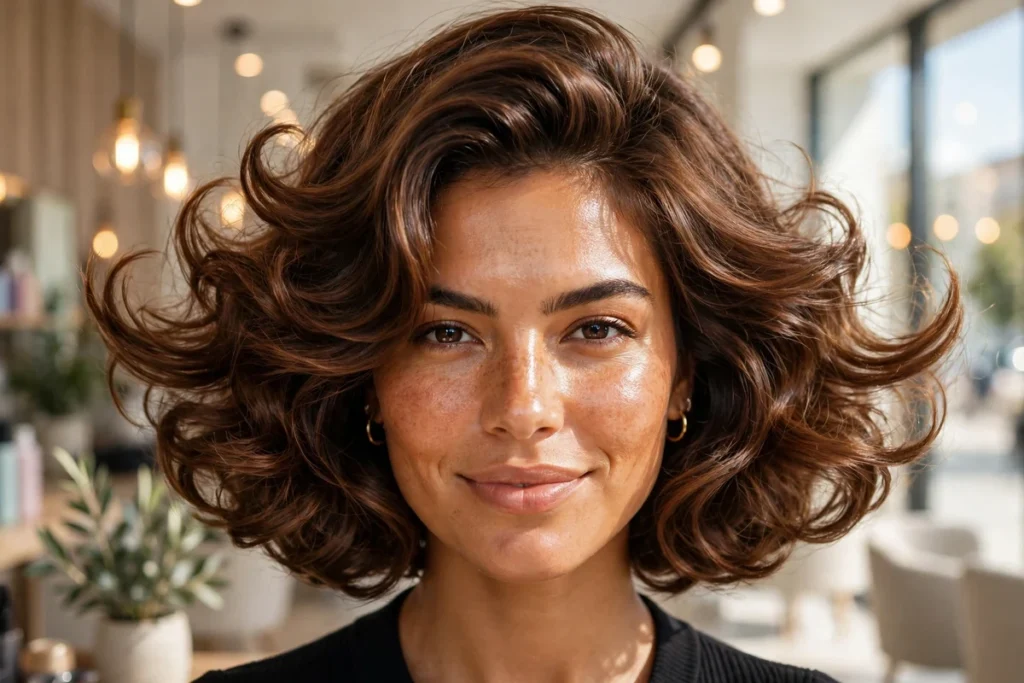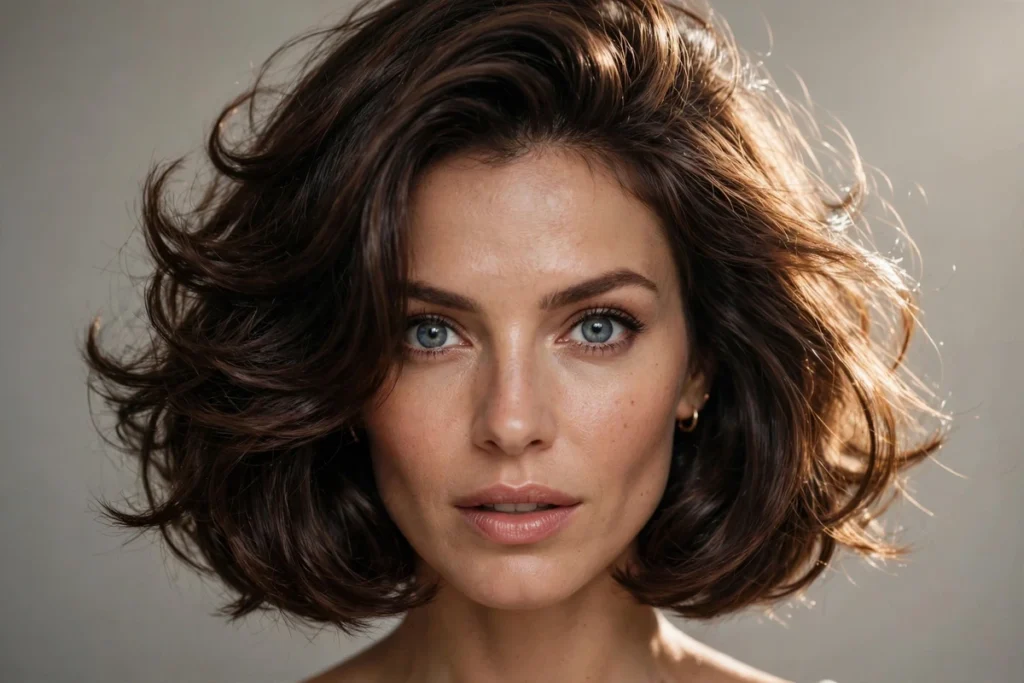

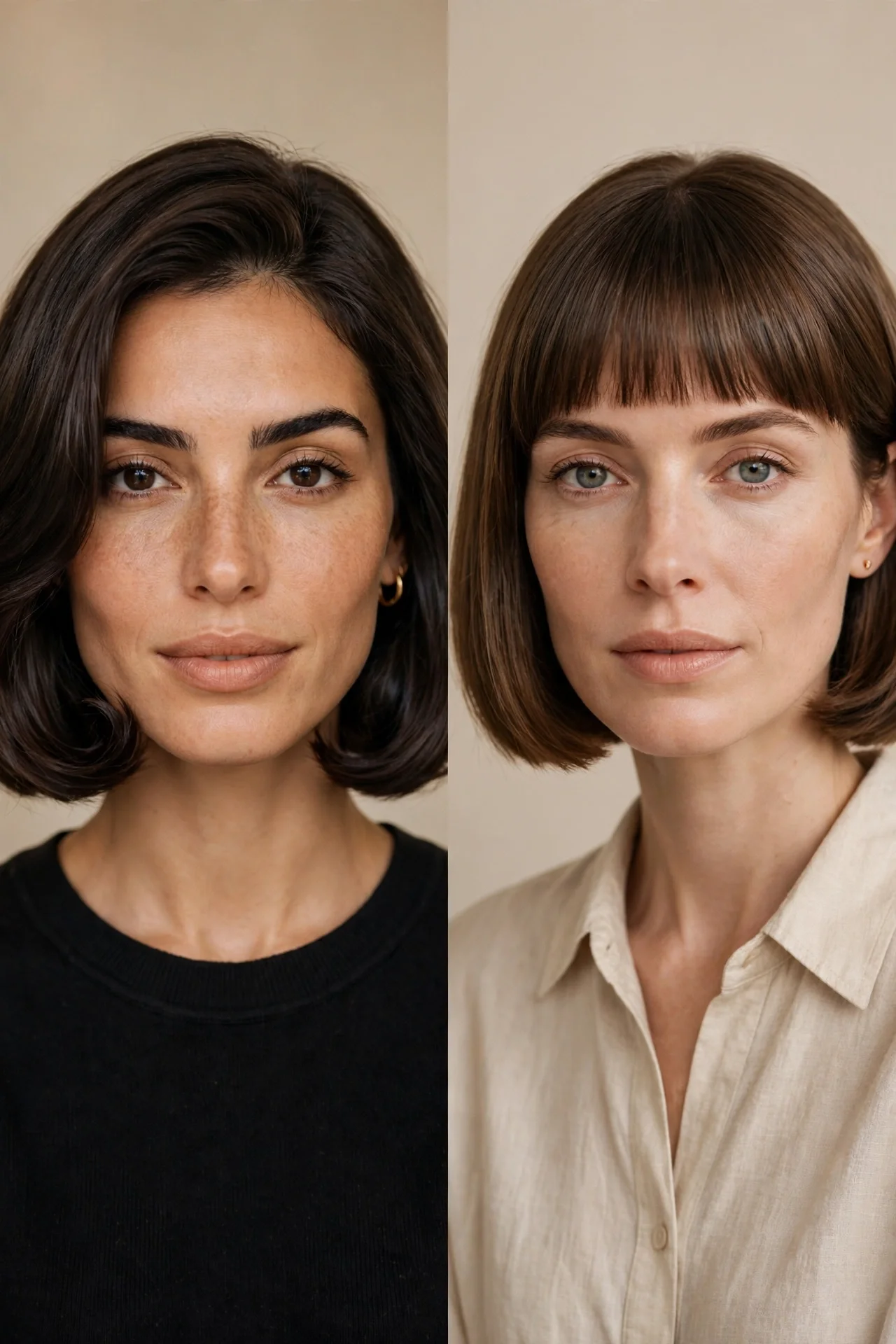
If you have been googling italian vs french bob at 1am, welcome. You are not alone.
These two cuts look almost identical in photos. Both are short, both are chic, both will completely change your face. But they sit differently, move differently, and flatter different faces. Pick the wrong one for your hair type and you will know it the second you leave the salon chair.
So instead of another wall of text explaining the difference, this guide does something better. It shows you. Twenty styles, side by side, alternating between the two cuts. Odd numbers are Italian. Even numbers are French. By the end you will not need anyone to tell you which one is yours. You will just know.
If you want the deep dive on the Italian side first, our full Italian bob guide covers every variation. And if the French bob is calling your name, our French bob pillar has 25 styles with all the styling details.
Italian vs French Bob: 20 Styles Compared Side by Side
1. The Classic Chin-Length Italian Bob
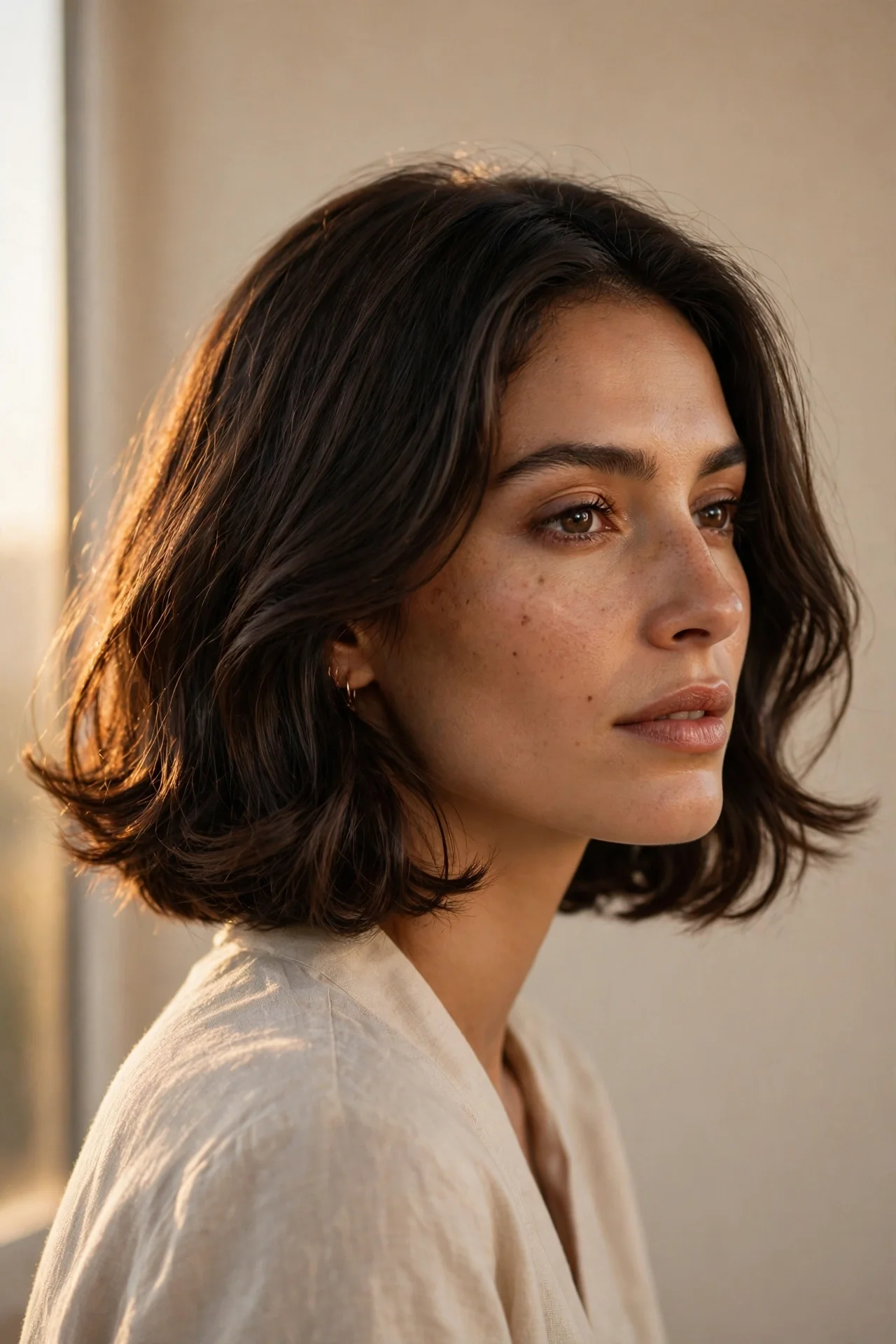
This is the one that started it all. Chin-grazing, curved gently under at the ends, with that airy volume that looks like you just stepped off a Vespa in Rome.
The magic is in the ends. They turn inward instead of hanging straight, which softens the jawline and gives the whole cut its signature bounce. A round brush and two minutes of blow-drying is genuinely all it takes most mornings.
2. The Classic French Bob with Blunt Fringe
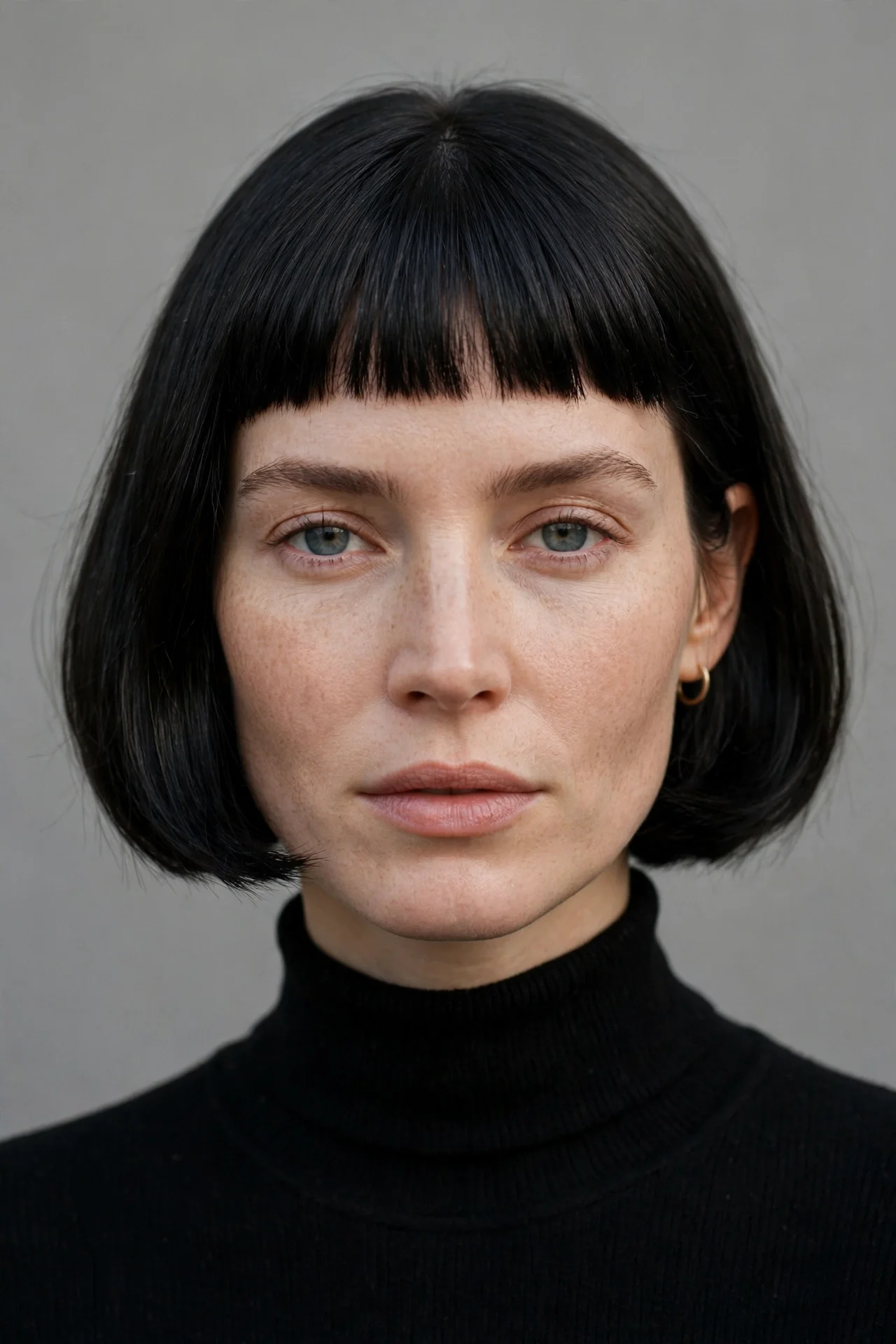
Now the Parisian answer. Shorter, sitting right at the jaw, with a straight-across fringe that means business. This is the cut people picture when they hear “French bob.”
Where the Italian bob curves, this one cuts. The perimeter is clean and graphic, the finish is a little undone on purpose, and the fringe frames the eyes in a way no other detail can. It is cooler, sharper, and unapologetically bold.
3. The Airy Curved-Under Italian Bob
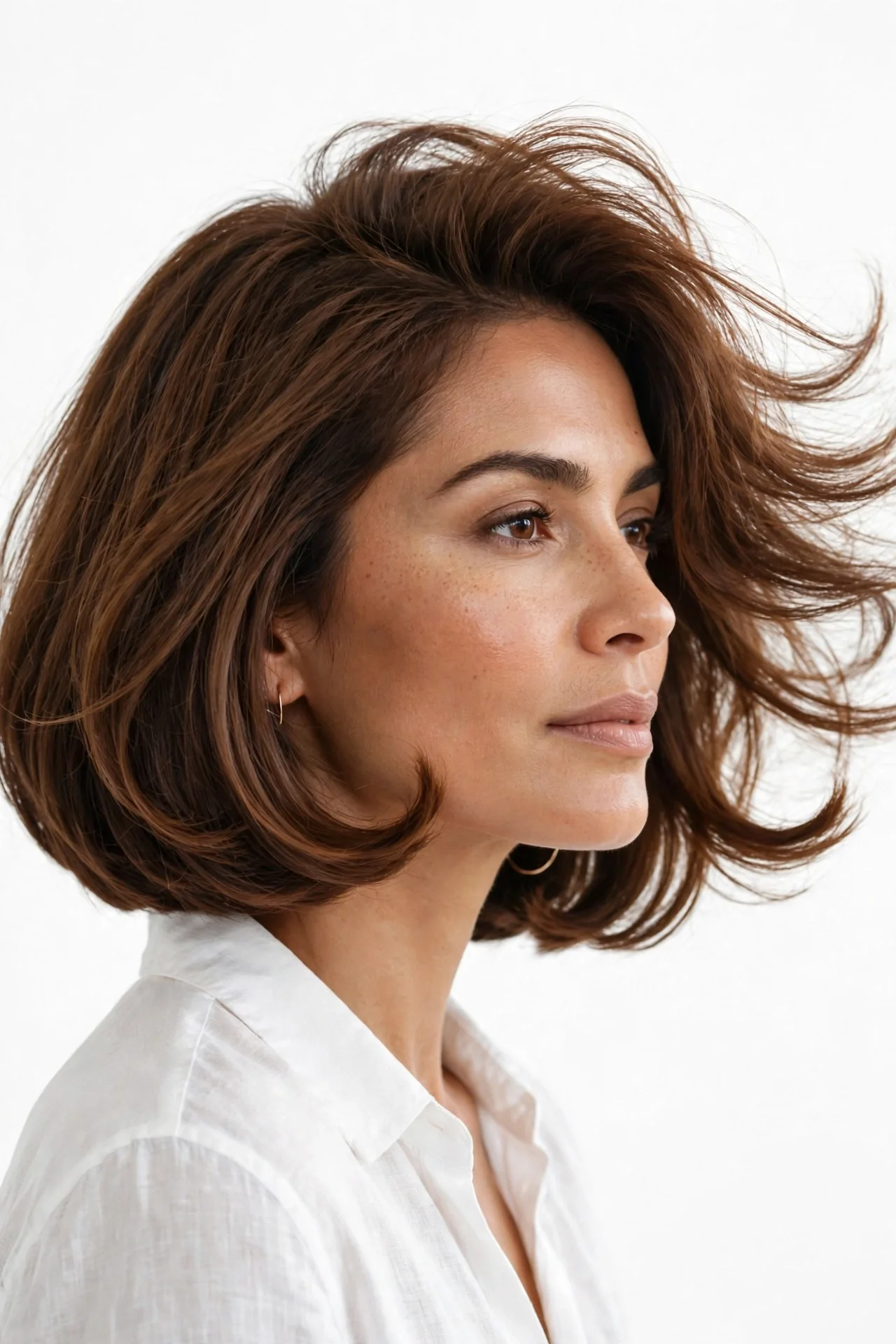
Volume without the work. That is the whole promise of this version. The internal layers are cut so the hair lifts at the crown and falls in a soft curve, no teasing required.
Women with fine hair, pay attention. This is the Italian bob that fakes thickness best. The curved-under edge stacks the ends visually, so hair looks denser than it is. A little volumizing mousse at the roots and you are done.
4. The Jaw-Length French Bob
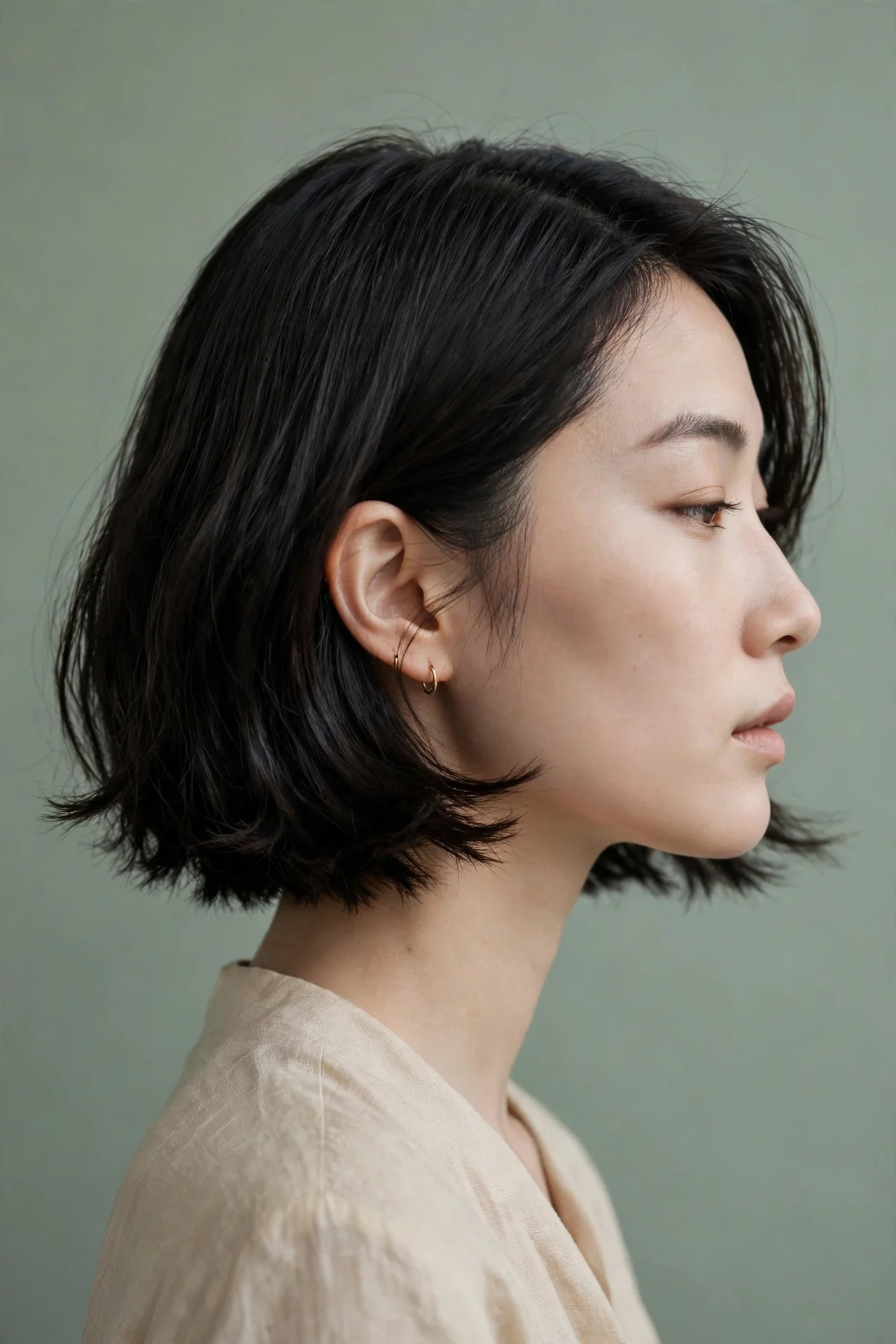
This is the shortest most women go, and it is a power move. The length hugs the jawline, which sounds scary but actually sculpts the lower face beautifully on oval and heart shapes.
It grows out gracefully too. Give it six weeks and it slides right into chin length, which means fewer awkward phases than most short cuts. If commitment scares you, this is the least scary short cut there is.
5. The Italian Bob with a Center Part
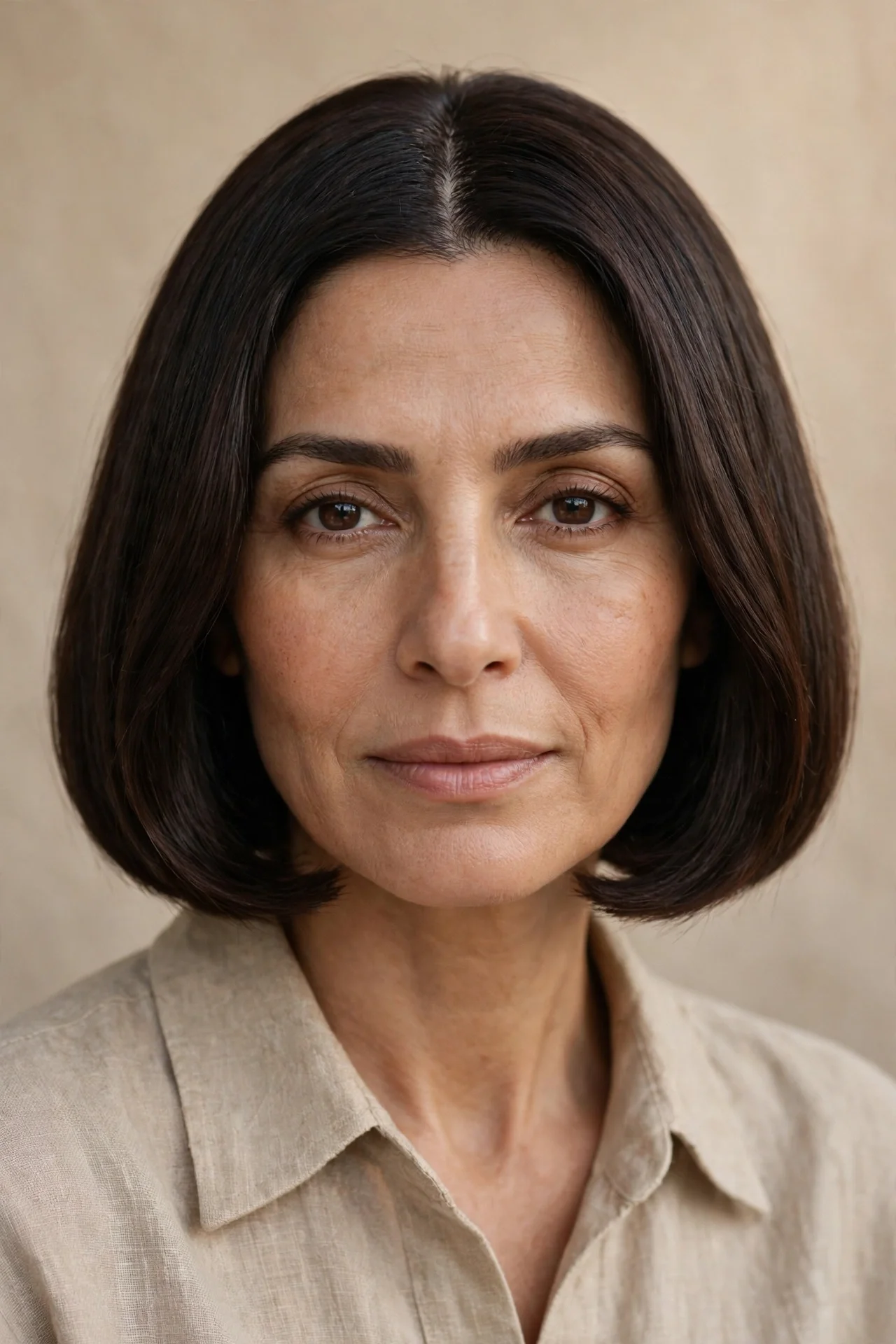
No fringe, no fuss. The center part lets the Italian bob do what it does best: fall symmetrically and frame the face with soft, inward-curving panels.
This version is wildly flattering on longer faces because the side volume balances vertical length. It also photographs beautifully, which matters if your haircut needs to survive Instagram. Symmetry reads as polish, even on a rushed morning.
6. The French Bob with Curtain Bangs
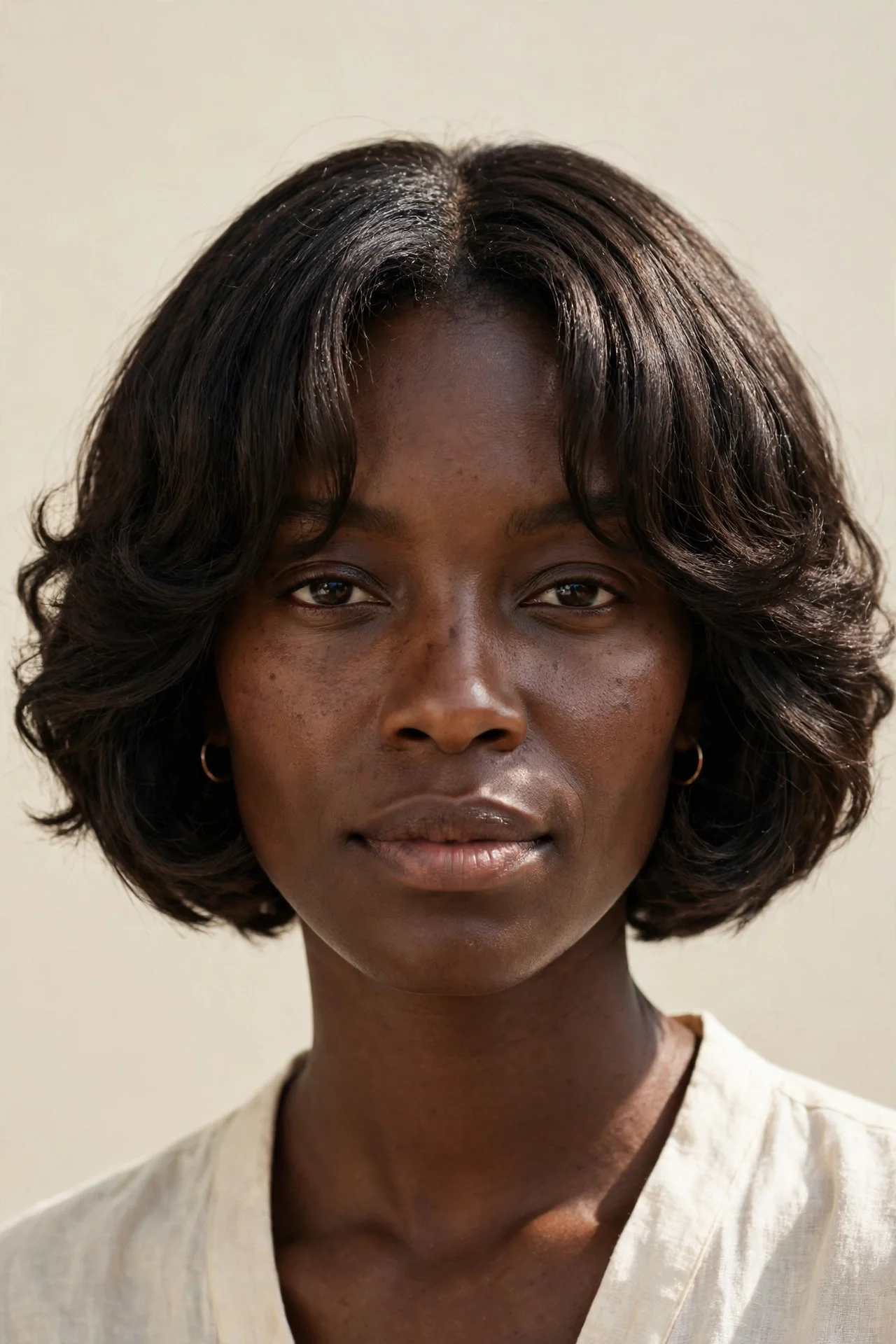
Not ready for a full blunt fringe? Curtain bangs are the French bob’s friendly compromise. They part in the middle, sweep to the sides, and grow out without that awful in-between stage.
This is also the most forgiving French bob for round faces. The center opening creates a vertical line that elongates, while the jaw-length sides keep the Parisian attitude. You get the vibe without the maintenance of a straight-across fringe.
7. The Voluminous Italian Lob
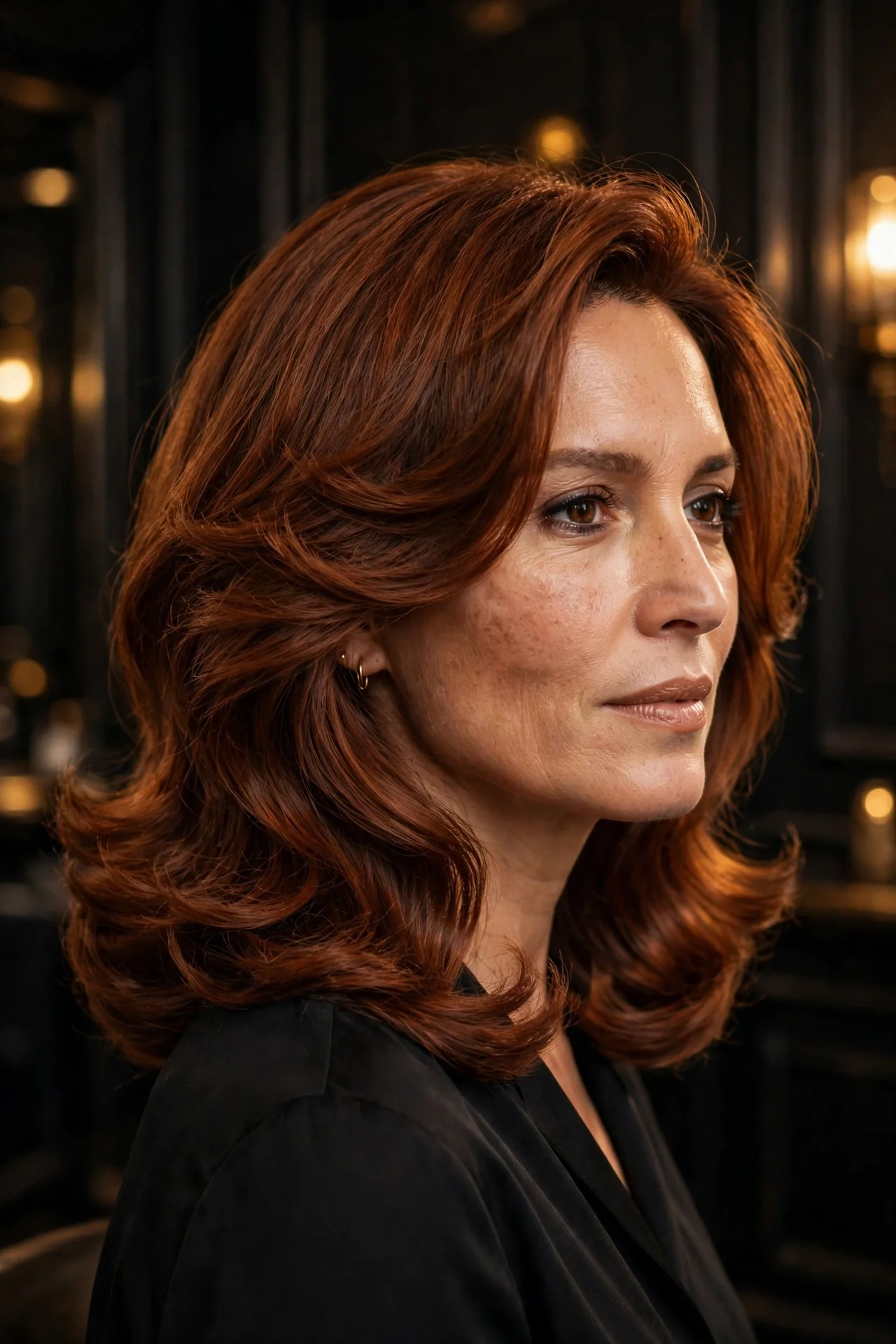
Think of this as the Italian bob’s taller sister. It drops toward the collarbone, keeps the curved-under ends, and dials the volume up to full glam.
Stylists often recommend this as a first step for long-hair devotees. You get the Italian aesthetic, the bounce, the movement, without the shock of chin length. Most women who try this go shorter at their next appointment anyway. Consider yourself warned.
8. The Tousled French Bob

Bedhead, but make it fashion. The tousled French bob is cut with texture through the ends so it falls into piecey, lived-in separation on its own.
This is the lowest-effort French bob in existence. Wash, scrunch in some salt spray, walk out the door. It looks better slightly messy, which means second-day hair is not a problem. It is a feature.
9. The Wavy Italian Bob
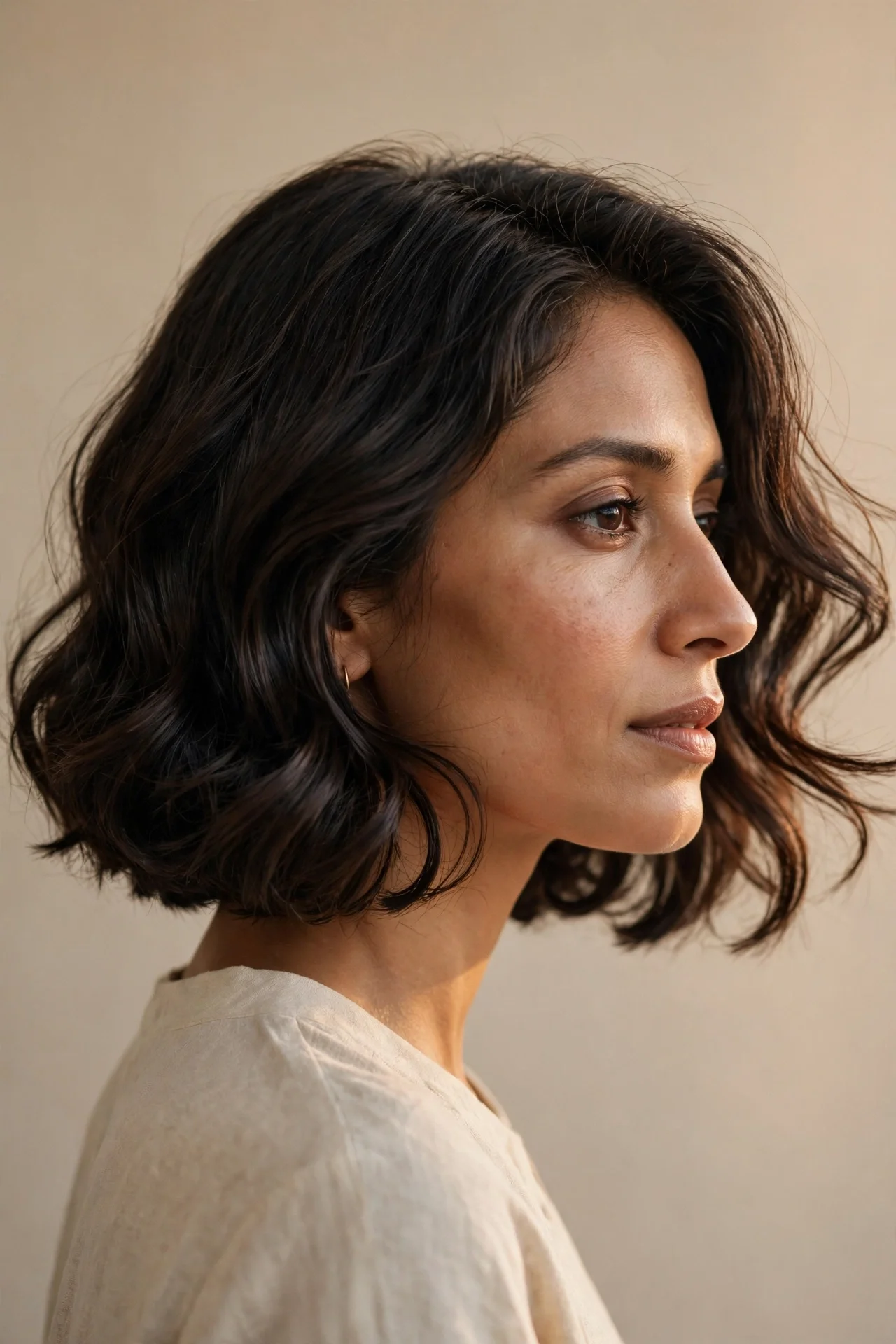
If your hair has a natural wave, the Italian bob was basically designed for you. The cut’s outward-then-under bend works with your texture instead of fighting it.
Waves add the volume the style is famous for, for free. You will spend less time styling than straight-haired women do, which is a rare and beautiful reversal. Diffuse or air-dry, add a little cream, and the cut does the rest.
10. The French Bob with Straight-Across Fringe
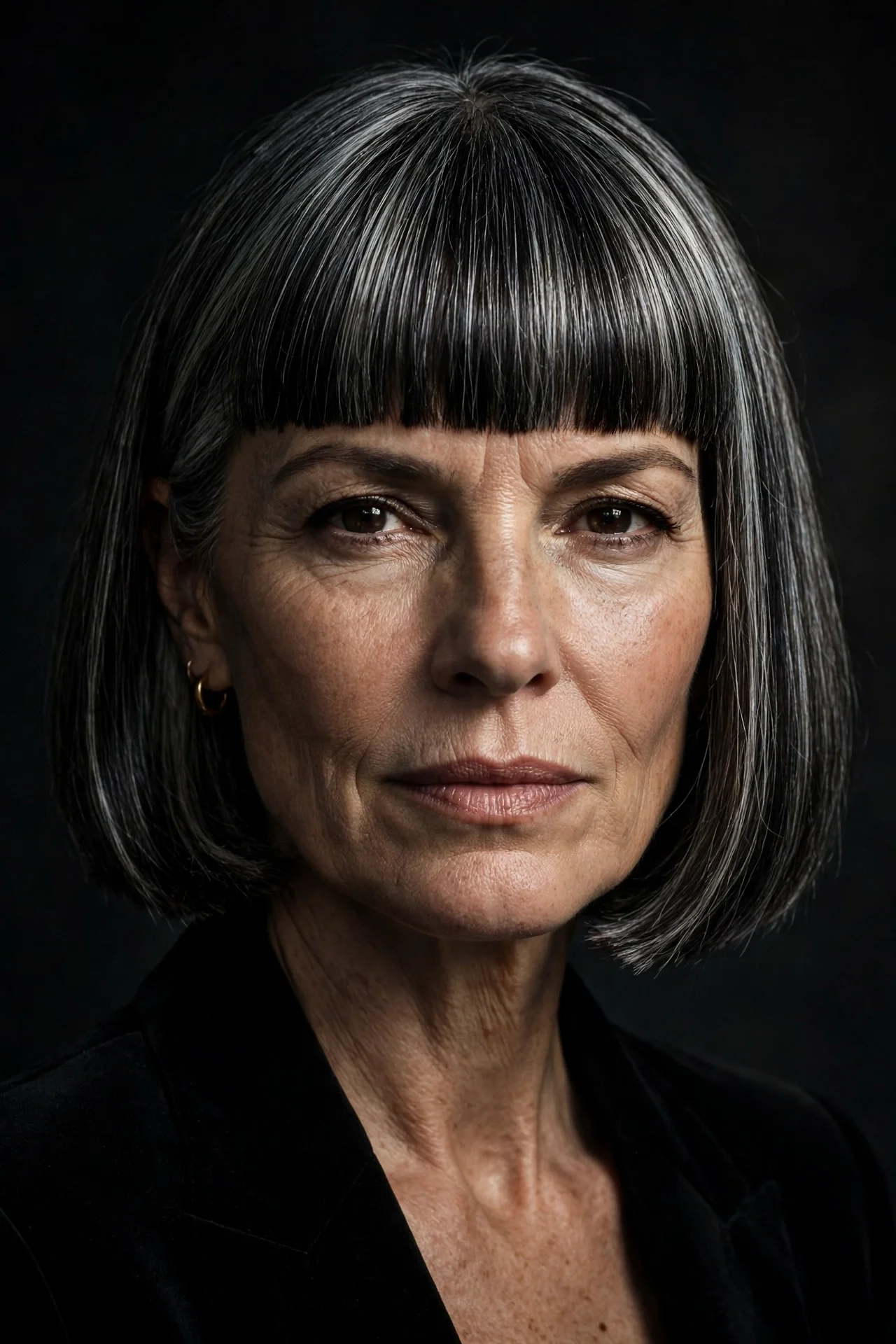
The full commitment. A thick, straight-across fringe paired with a razor-clean jaw-length perimeter. This is the most graphic, most editorial version of the French bob.
It demands confidence and a trim every three to four weeks to keep the fringe out of your eyes. But nothing, and I mean nothing, changes a face faster. If you want a transformation people notice across the room, this is it.
11. The Italian Bob with a Deep Side Sweep
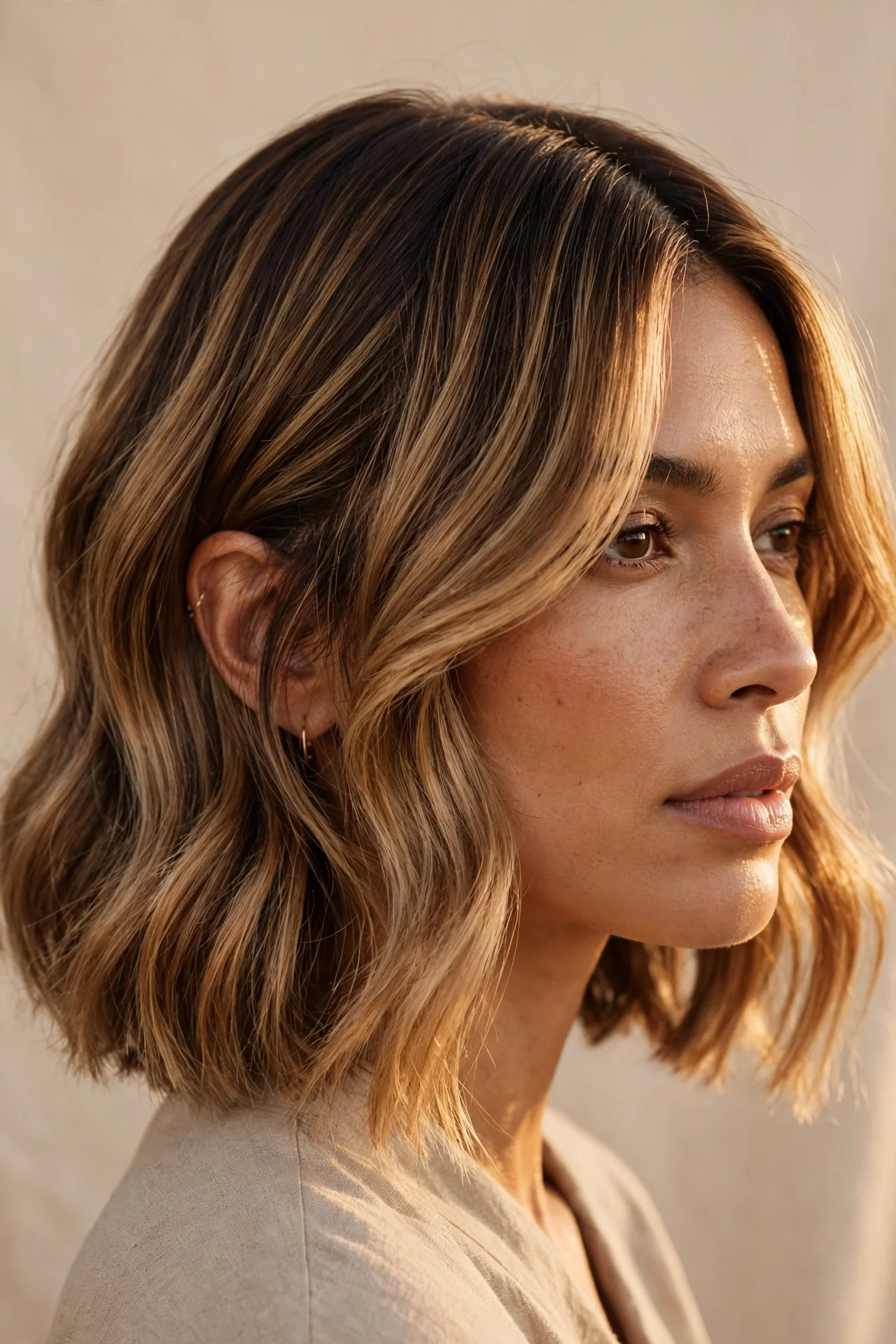
A deep side part changes everything. Suddenly the Italian bob has drama: one side sweeps long across the forehead, the other tucks behind the ear to show off a jawline or an earring.
This version is a secret weapon for heart-shaped faces. The diagonal line across the forehead softens a wider forehead, and the asymmetry keeps the soft Italian silhouette from looking too sweet. Grown-up glamour, zero effort.
12. The Short Crop French Bob
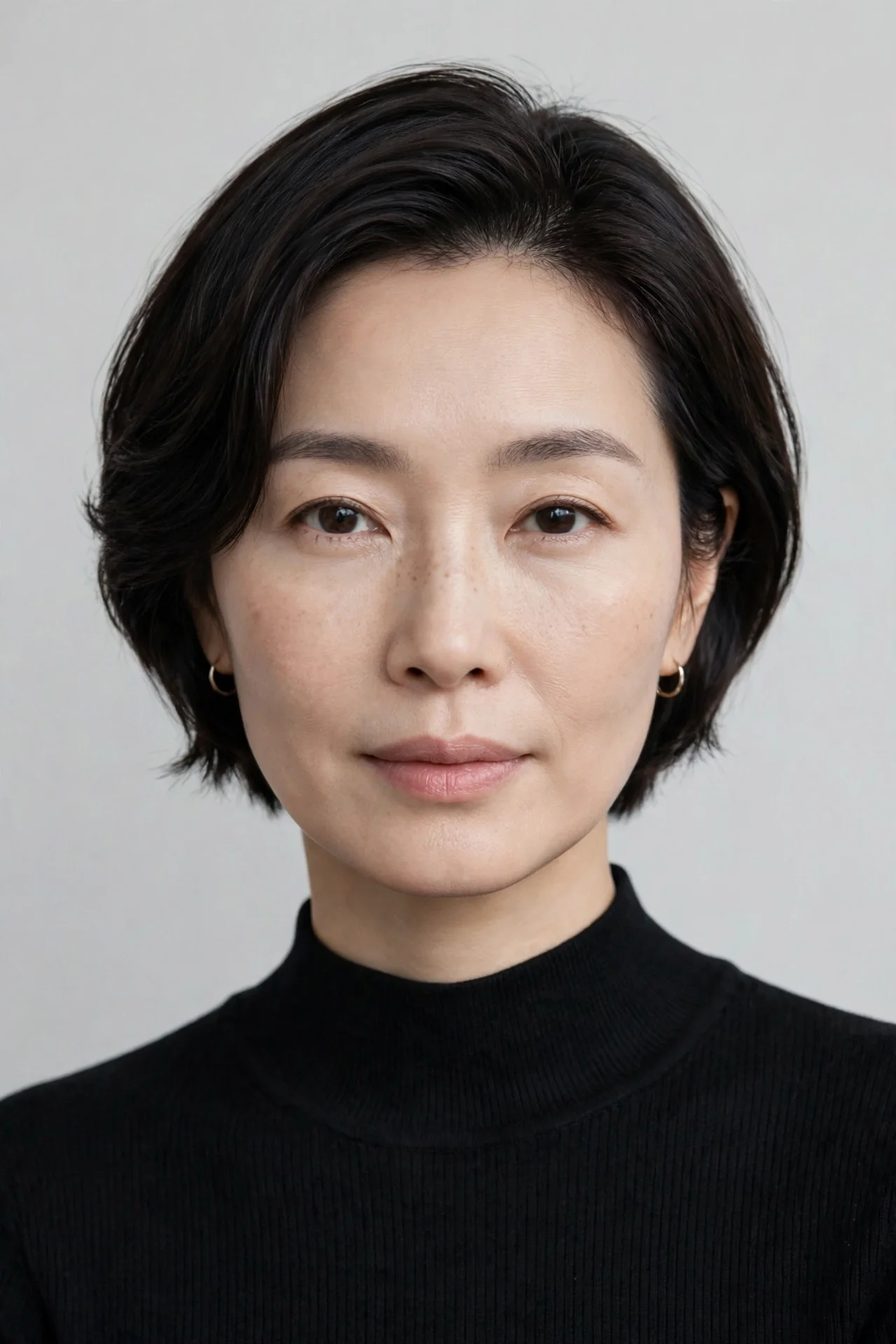
Earlobe length. Gamine. Audacious. This is the French bob stripped to its essence, and it is not for the faint of heart.
But here is what nobody tells you: it is the easiest bob to style in this entire list. There is simply less hair to deal with. A dab of pomade, a quick tousle, done. Women who go this short rarely go back. The freedom is addictive.
13. The Curly Italian Bob

Curly girls, this is your cut. The Italian bob’s rounded perimeter keeps curls clustered instead of flaring out into the dreaded triangle shape.
The key is cutting it dry or with the curl pattern in mind, so ask for a curl specialist. Done right, the curls spring into a soft, rounded halo that frames the face like nothing else. This is the version that converts lifelong straighteners.
14. The French Bob with Wispy Bangs
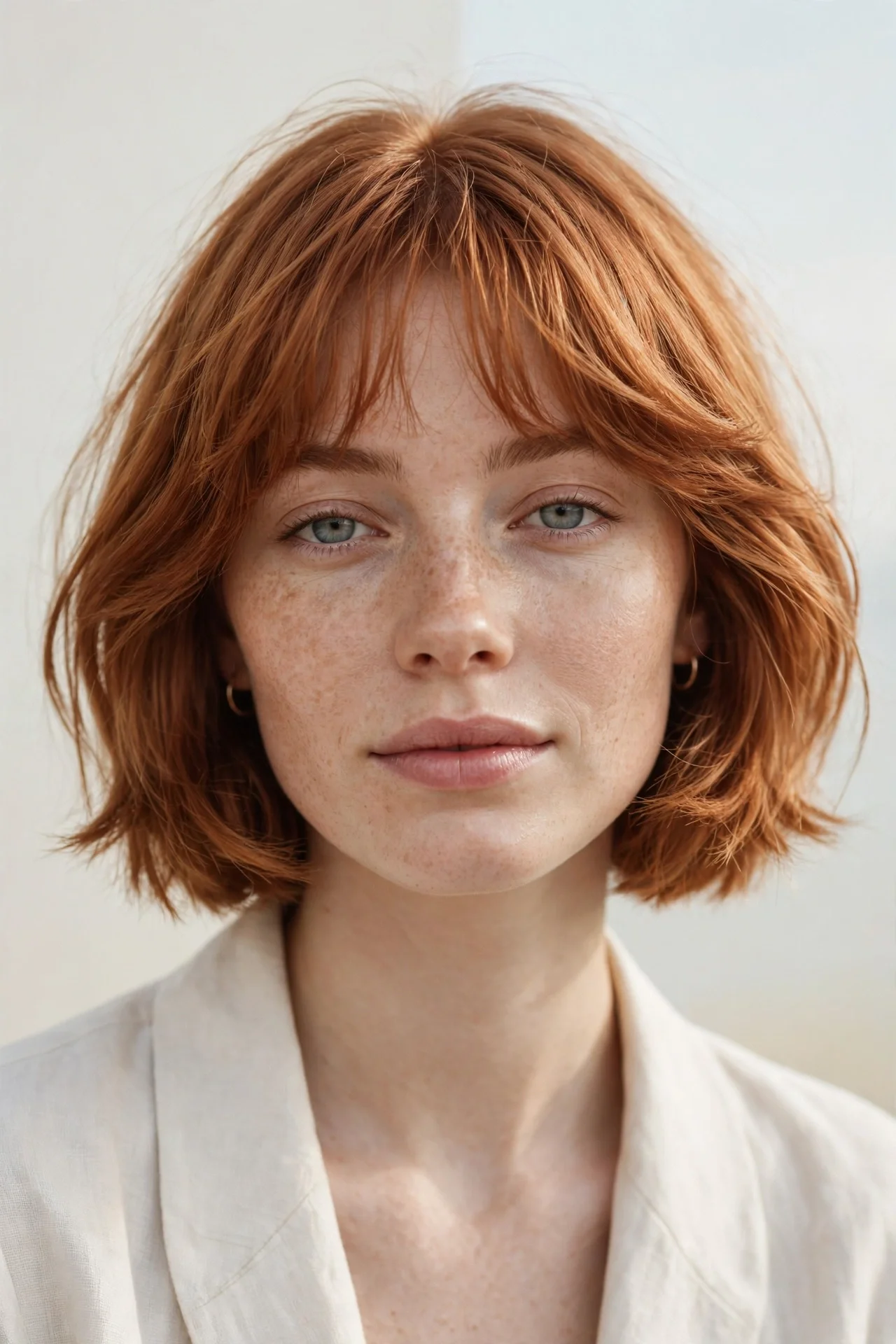
Wispy bangs give you the fringe look with half the commitment. They are lighter, more transparent, and far more forgiving as they grow out.
This is the fringe for fringe skeptics. It softens the forehead without hiding it, works on finer hair that cannot support a heavy bang, and pairs beautifully with the French bob’s textured ends. Low risk, high charm.
15. The Italian Bob with Face-Framing Layers

Proof that the Italian bob has no age limit. Soft internal layers around the face lift and brighten, and the curved-under ends keep everything looking polished.
On mature hair, this cut is pure strategy. The layers create movement where hair might otherwise fall flat, and the chin-length edge draws the eye up, not down. Elegant, modern, and anything but dated. Age is just a number; great layering is forever.
16. The Textured French Bob
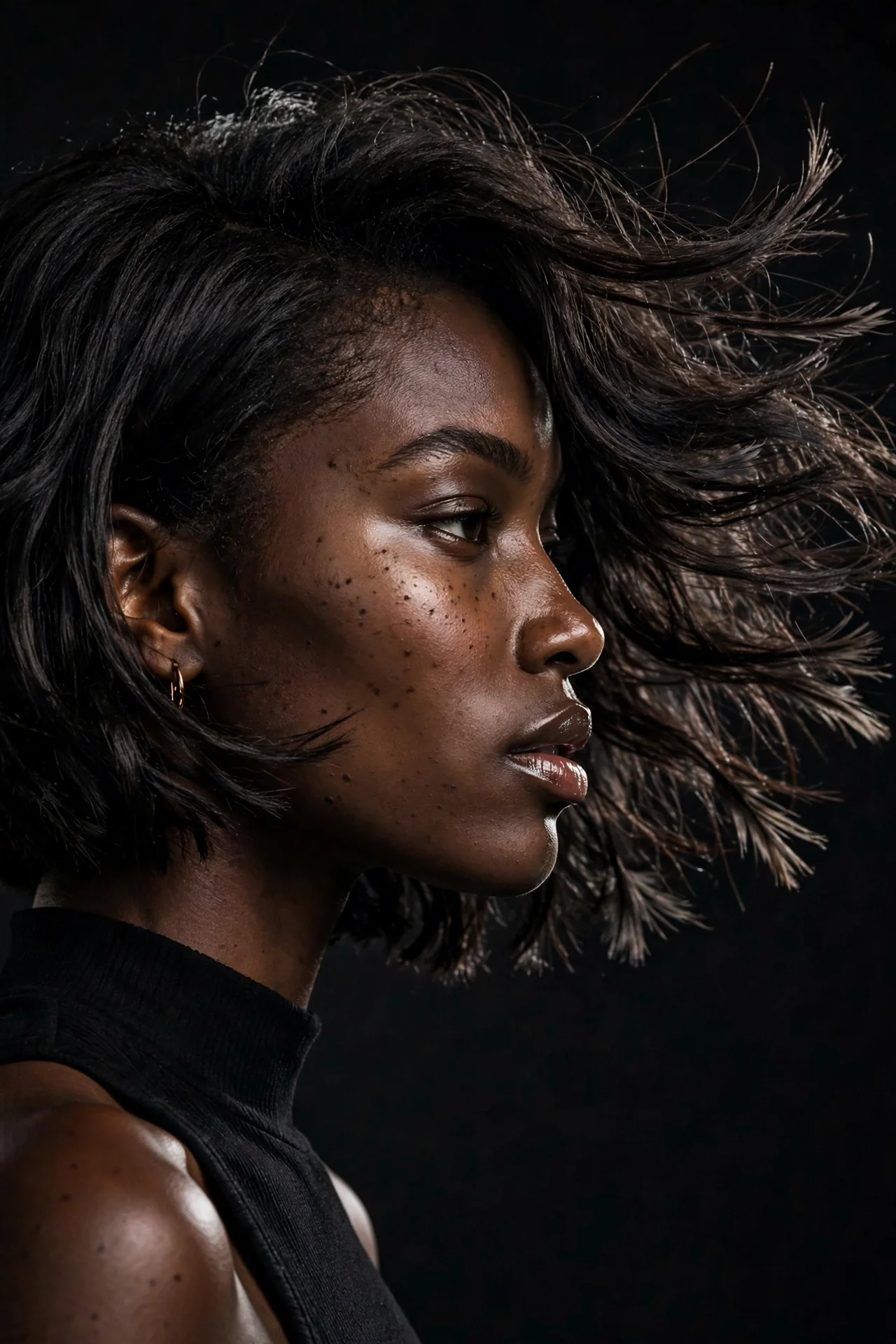
Razor work through the ends gives the French bob its piecey, feathered finish. It removes bulk, adds movement, and makes the cut look expensive in that effortless Parisian way.
This version is ideal for thick hair that would otherwise sit like a helmet at jaw length. The texturizing lets it move, swing, and behave. If your hair is heavy, ask for this specifically. Your neck will thank you.
17. The Textured Italian Bob
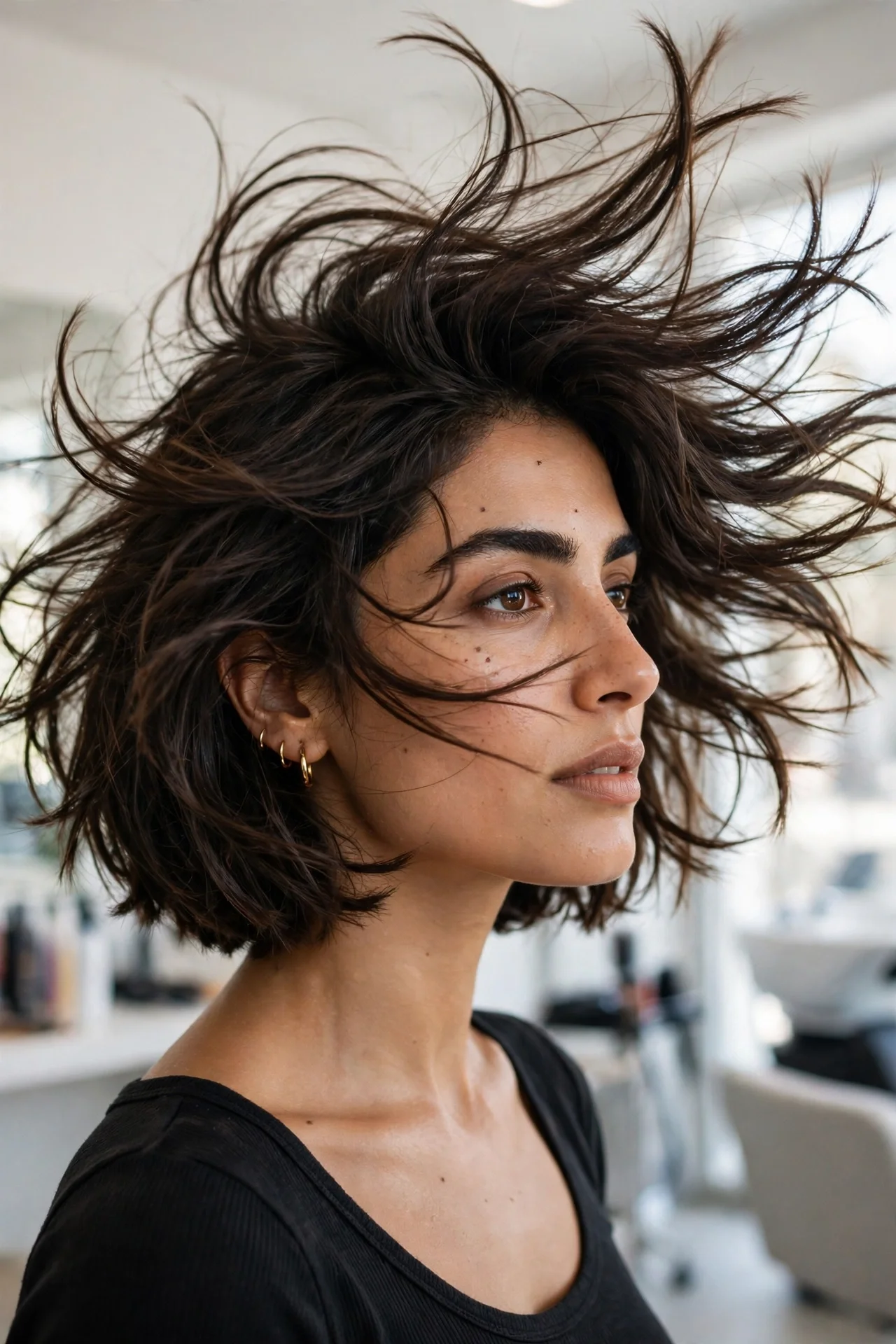
Same idea, Italian execution. Instead of razored pieces, you get chunky, soft layers that build the cut’s famous airy volume.
This is the Italian bob at its most touchable. The layers catch light differently as you move, which gives the hair dimension even in a single color. If your hair is one flat shade, this cut adds the interest that color alone cannot.
18. The French Bob on Wavy Hair
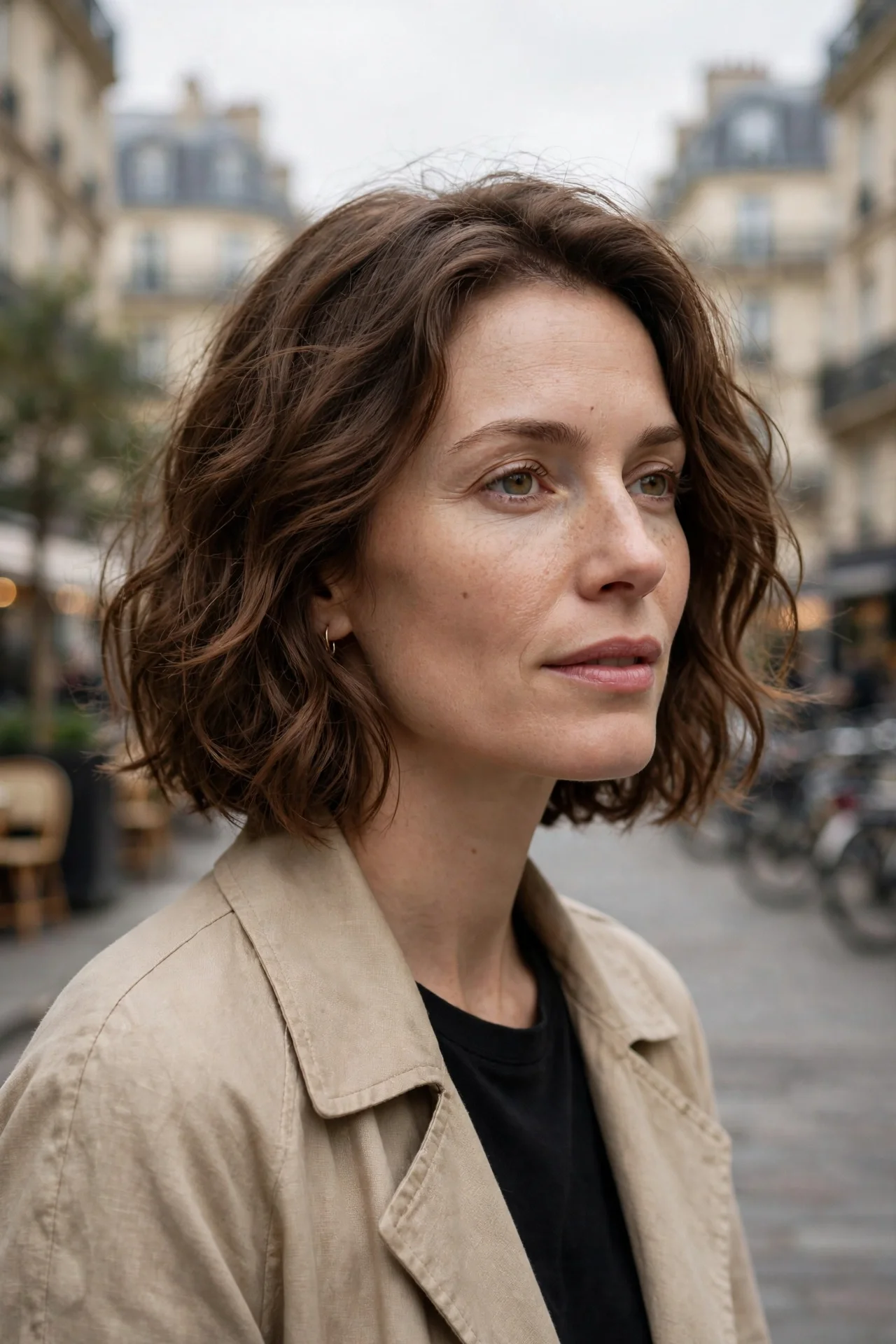
Wavy hair plus a French bob is the combination stylists quietly love most. The cut needs minimal effort because the wave supplies the texture the style is known for.
Air-dry with a little cream and you have the exact undone finish that straight-haired women spend twenty minutes faking. If your hair does this naturally, the French bob is basically free styling for life.
19. The Polished Blowout Italian Bob
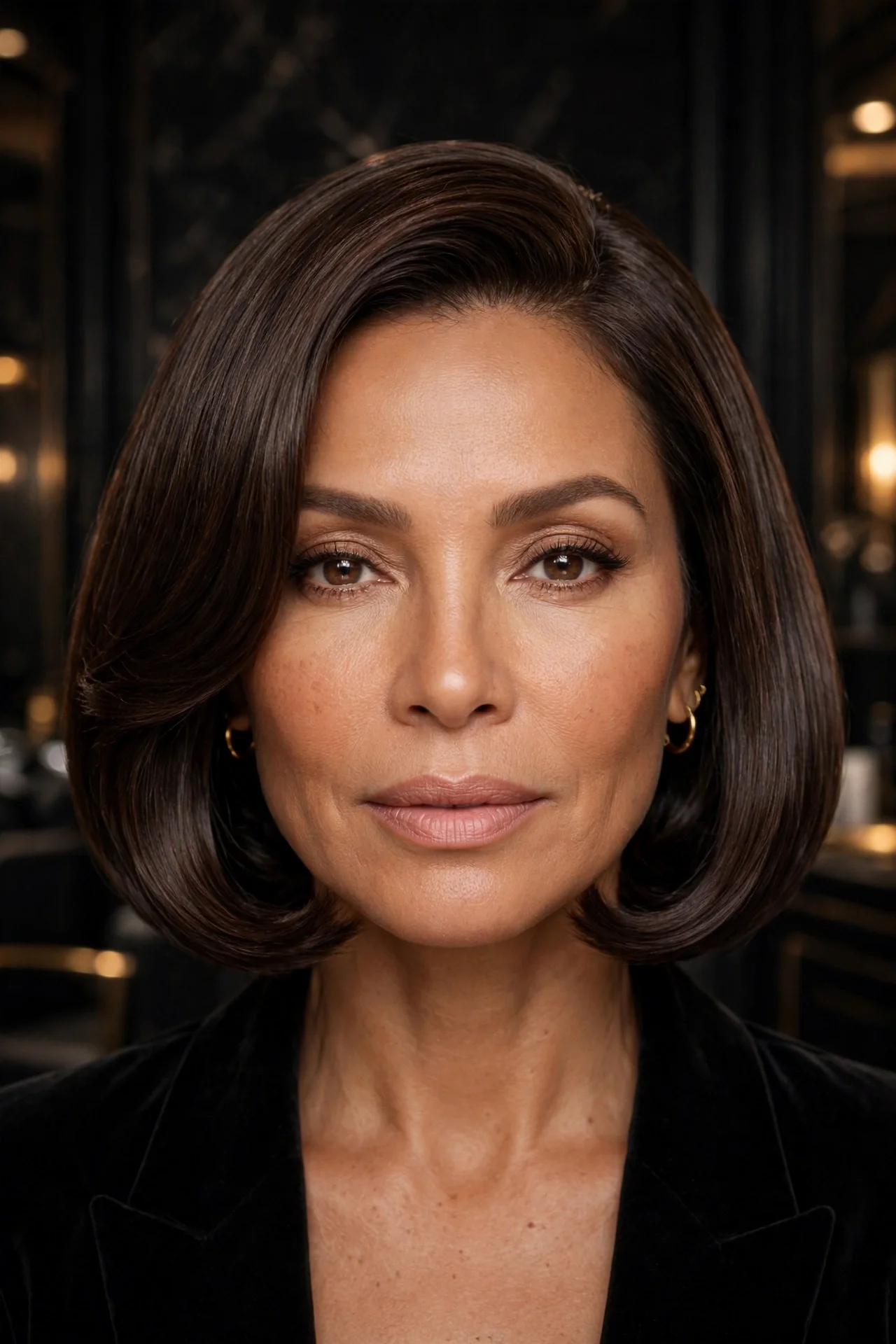
This is the Italian bob dressed for dinner. A smooth, glossy blowout with every end curved precisely under. It is the most high-maintenance version here, and unapologetically so.
Save it for events, weddings, and days when you want to feel unstoppable. A large round brush, a smoothing serum, and ten focused minutes get you there. The result looks like money because, frankly, it takes a little time.
20. The Modern French Bob, No Bangs
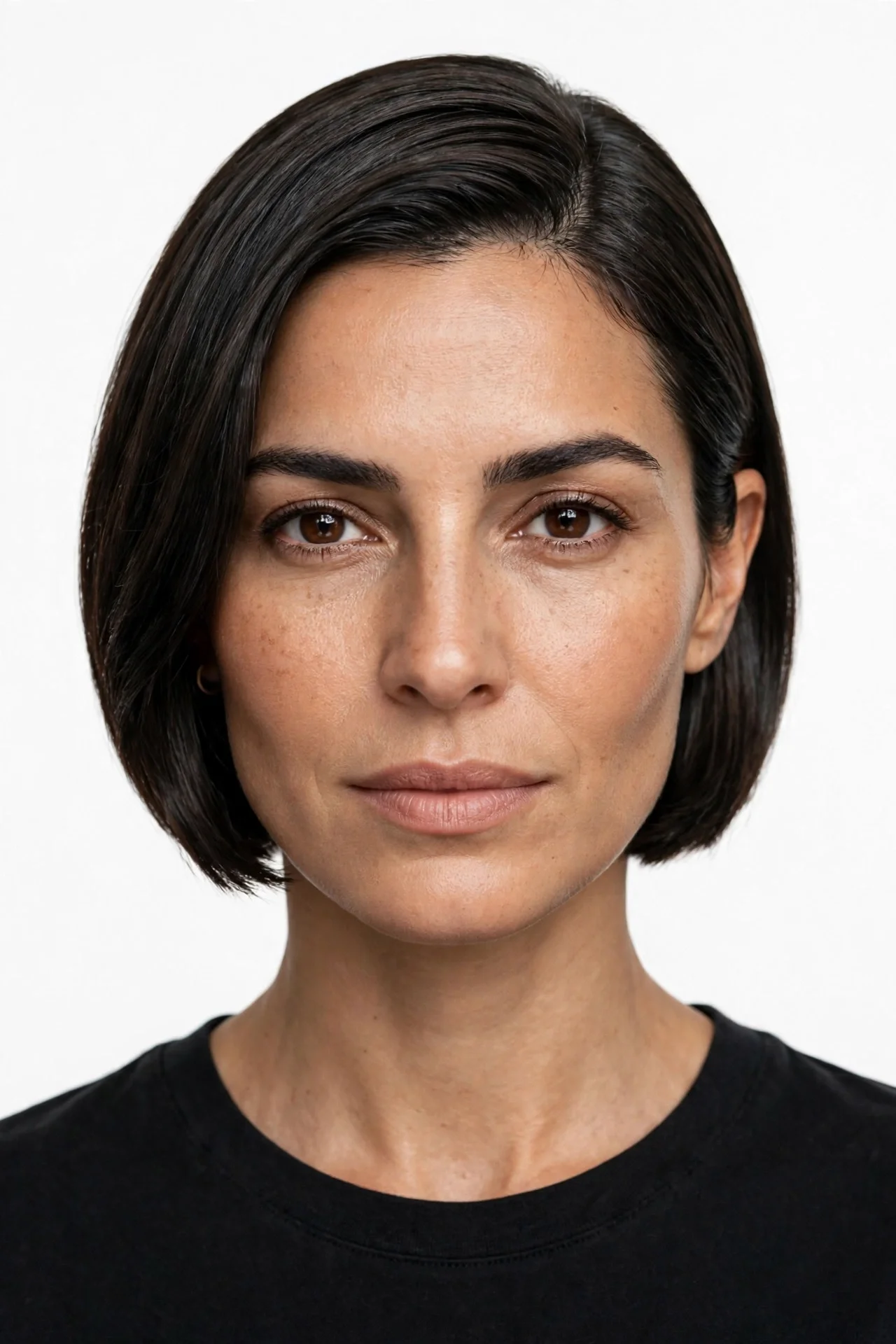
The 2026 update nobody saw coming: the French bob minus the fringe. Without bangs, the cut relies on its jaw-grazing length and sharp perimeter to do the talking.
It is cleaner, more minimal, and surprisingly versatile. Tuck one side behind your ear for edge, or wear it sleek for the office. Proof that the French bob’s attitude lives in the length and the lines, not just the bangs.
Italian Bob vs French Bob: The Head-to-Head Comparison
Here is the italian vs french bob breakdown in one place. Save it, screenshot it, take it to your stylist.
| Feature | Italian Bob | French Bob |
|---|---|---|
| Length | Chin to collarbone | Jaw to chin, sometimes above |
| Silhouette | Soft, rounded, opens at the jaw | Compact, graphic, hugs the jaw |
| Ends | Curved under, soft and bouncy | Blunt or straight with texture |
| Fringe | Usually none; center or side part | Often; blunt, curtain, or wispy bangs |
| Layers | Soft internal layers for volume | Minimal; texture at the perimeter |
| Finish | Polished, luxurious, bouncy | Undone, tousled, effortlessly chic |
| Best hair types | Thick, wavy, curly, coarse | Straight, fine, soft waves |
| Best face shapes | Long, oval, heart, angular | Round, oval, heart |
| Daily styling time | 10 to 15 minutes with a round brush | 5 minutes or less; wash and go for wavy hair |
| Salon upkeep | Reshape every 6 to 8 weeks | Reshape every 6 to 8 weeks, plus fringe trims every 3 to 4 weeks |
| Key products | Volumizing mousse, round brush, smoothing serum | Texture spray, light pomade, dry shampoo |
| Overall vibe | 60s dolce vita, warm and romantic | Parisian chic, cool and graphic |
| Can you switch later? | Yes; grow it out or cut it shorter easily | Yes; growing it out lands near Italian length |
The Verdict: Which Bob Should You Choose?
The italian vs french bob decision comes down to four things. Run through them honestly and the answer picks itself.
Face shape. Got a round or shorter face and want definition? The French bob’s jaw-grazing length sculpts where you need it, especially with the length sitting just below the chin and softer bangs. Got a long, oval, or angular face? The Italian bob’s side volume balances you horizontally. For round faces specifically, the italian vs french bob answer leans French, but an Italian bob worn below the jawline with a deep side part works beautifully too.
Hair type. This one is almost scientific. Fine, straight hair loves the French bob because blunt ends fake density that is not there. Thick, wavy, or curly hair loves the Italian bob because the layers manage bulk and the curved-under finish works with your texture. Fighting your natural texture every morning is a losing game, so let the cut do the work.
Lifestyle. Be honest about your mornings. If you have five minutes and a hatred of round brushes, the French bob wins, especially on wavy hair. If you enjoy a proper blowout and want hair that looks polished for the office, the Italian bob rewards the effort. Both need salon visits every six to eight weeks, so do not let maintenance fantasies decide. Let your real routine decide.
The fringe question. This is the true tiebreaker. If the idea of bangs makes you happy, the French bob is your cut; the fringe is half its personality. If bangs make you anxious, the Italian bob wins by default, since it skips the fringe entirely. Celebrity stylists agree on the core contrast: as experts told InStyle, the French bob is cooler, shorter, and more undone, while the Italian is fuller, softer, and more glamorous.
Still torn? Ask your stylist for the hybrid: Italian length with French texture. It exists, it is gorgeous, and it might be the best of both worlds. Still deciding which bob suits you best? Our Ultimate Guide to Bob Hair Trends compares 16 major bob styles side by side to help you choose.
Frequently Asked Questions
Which is easier to maintain, the Italian bob or the French bob?
Day to day, the French bob wins. It needs five minutes or less, and wavy hair can practically wash and go. The Italian bob asks for ten to fifteen minutes with a round brush. But the French bob’s fringe needs a trim every three to four weeks, while the Italian bob only needs reshaping every six to eight. Call it a draw with different trade-offs.
Can I grow a French bob into an Italian bob?
Yes, and it is one of the smoothest grow-outs in haircuts. A French bob grows from jaw length to chin length in about two to three months, which puts you right in Italian bob territory. If you are still learning the cut’s DNA, read what an Italian bob actually is first. Ask your stylist for light shaping trims along the way so the layers grow in evenly instead of shaggy.
Which bob is better for a round face?
The French bob, with two adjustments: keep the length just below the chin rather than right at it, and choose wispy or curtain bangs over a heavy blunt fringe. These tweaks create vertical lines that elongate. An Italian bob can also work on round faces if it sits below the jawline with a deep side part.
Which bob is better for fine, thin hair?
The French bob. Its blunt, minimal-layered ends stack visually and fake serious density, which is exactly what fine hair needs. An Italian bob can work on fine hair too, but only the blunt-edged version with very light face-framing. Heavy internal layering on fine hair makes it look stringy, so tell your stylist to keep the texturing minimal.
Does a French bob have to have bangs?
No. The classic French bob includes a fringe, but the modern no-bangs version is one of 2026’s biggest iterations. Without bangs, the cut leans on its jaw-grazing length and clean perimeter for impact. If you love everything about the French bob except the fringe commitment, skip it. The cut still reads unmistakably French.
Which bob costs more to maintain at the salon?
The French bob, slightly, if you wear a blunt fringe. Fringe trims every three to four weeks add up, though many salons offer them cheap or free between cuts. The Italian bob’s longer grow-out and six-to-eight-week reshape schedule makes it the more economical choice over a year. If budget matters, factor in those fringe appointments before you commit.

Sana Malik is a hair and beauty writer with a deep love for the bob in all its forms from sharp French bobs to soft, lived-in lobs. After years of experimenting with her own short hair and helping friends figure out what actually suits their face shape, she started writing to cut through the confusing advice out there. At BobHairTrends, she breaks down each cut into simple, honest guides: how to ask for it, how to style it at home, and who it really flatters. When she isn’t researching the latest trends, she’s usually testing a new styling product or convincing someone it’s finally time for the chop.