
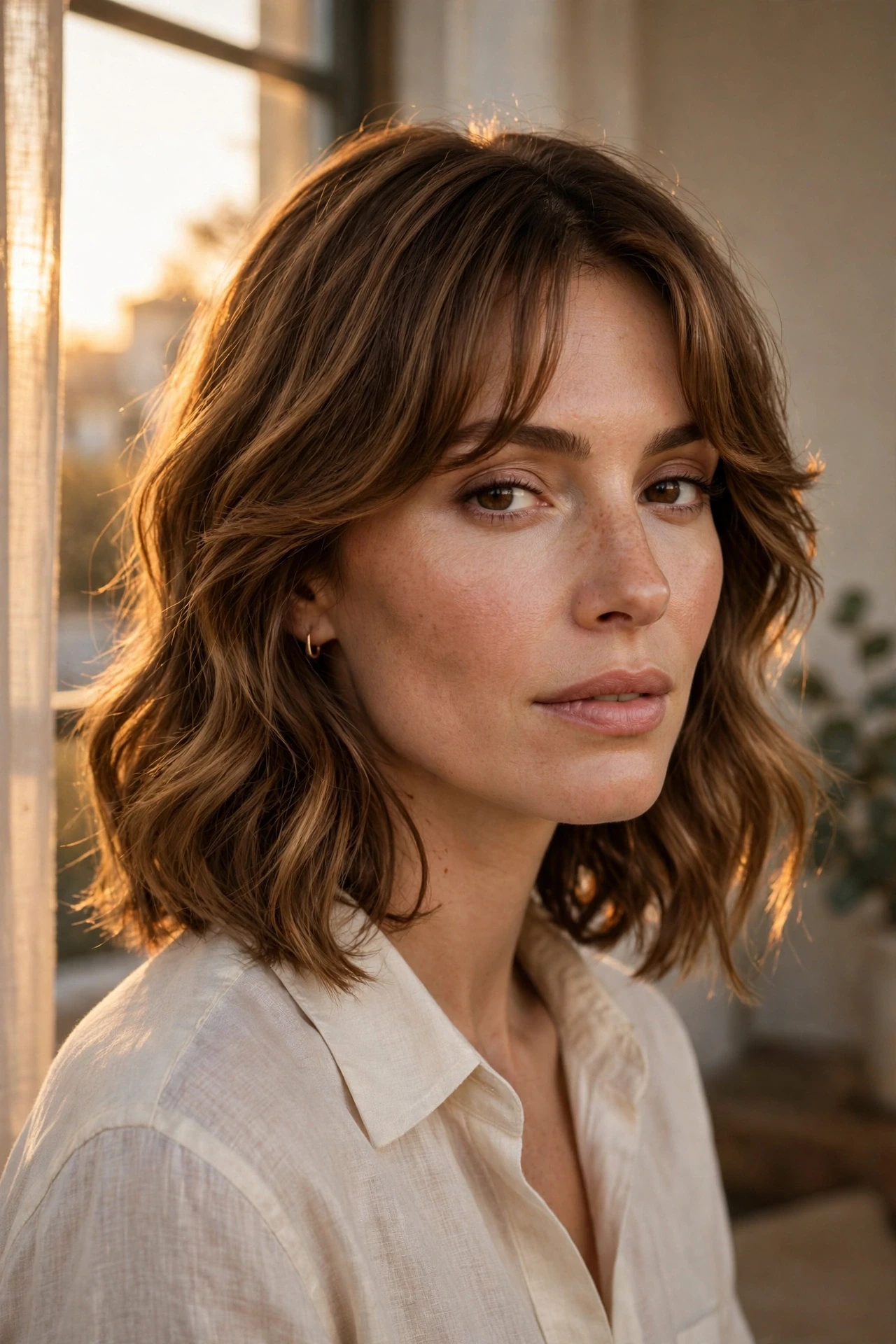
You loved the idea of a french bob but the thought of chin length hair made you nervous. That is exactly where the french lob steps in. It carries the same undone Parisian spirit but lets you keep your length at the collarbone. If you have never seen the classic short version, this gallery of French bob ideas on Byrdie shows what the look grew from.
A french lob is the outgrown cousin of the french bob. Same soft edges, same air dried movement, same “I did not try too hard” mood. The only change is the hemline sits lower, between the collarbone and the shoulders.
If you are growing out a french bob, craving change without commitment, or simply want that Parisian softness on longer hair, this cut was made for you. Below are 20 ways to wear it, plus the honest answers on who it suits, how it differs from a regular lob, and exactly what to ask your stylist.
20 French Lob Styles to Try in 2026
1. The Classic Collarbone French Lob
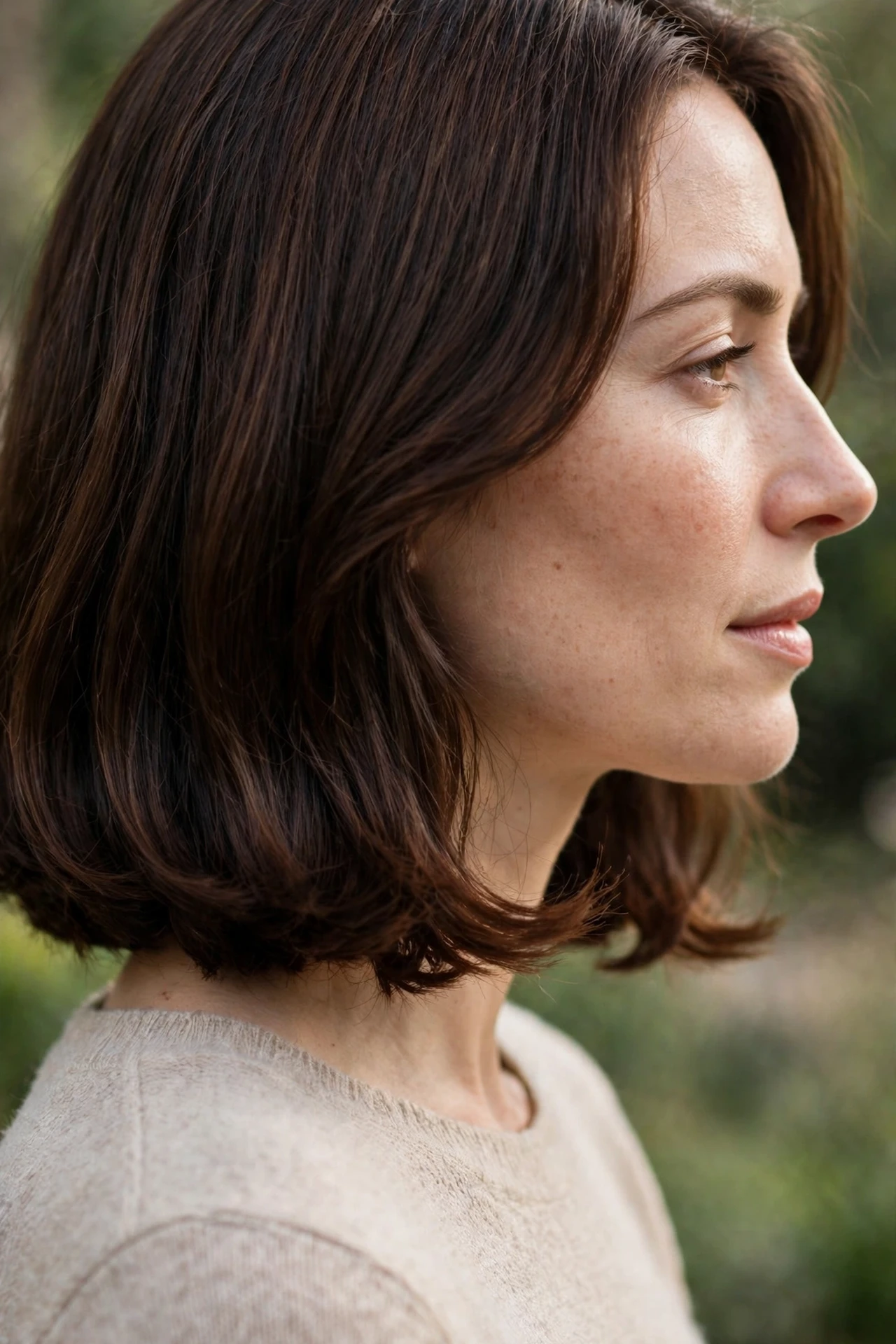
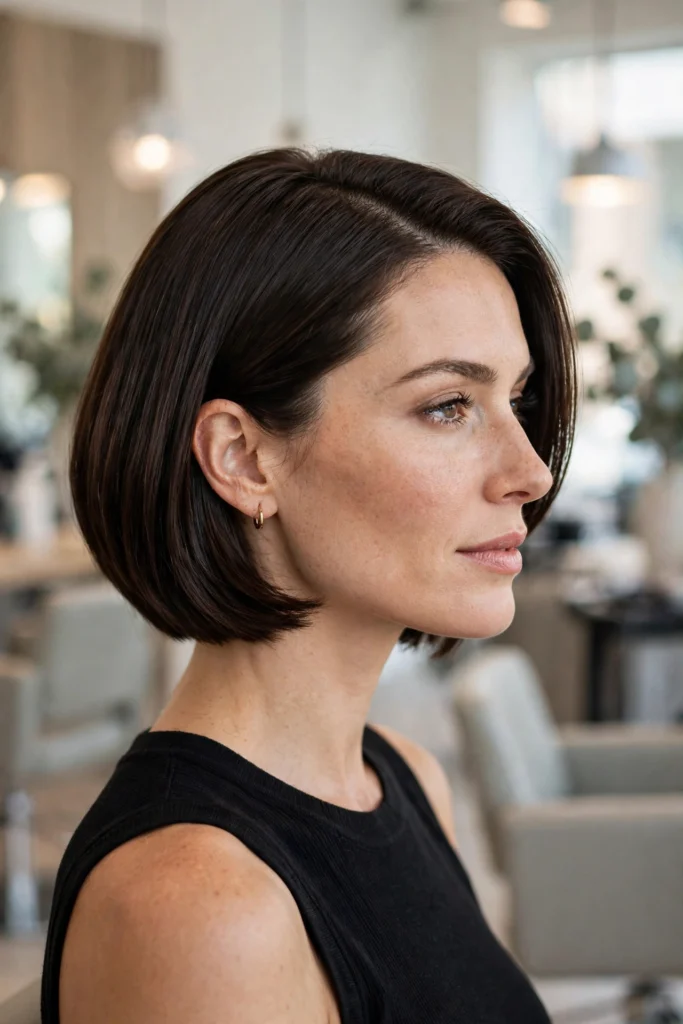
This is the reference point for everything that follows. The length grazes the collarbone, the ends are cut blunt but softened with a whisper of point cutting, and the hair falls with that gentle inward curve that makes the whole thing look artless.
It works because the weight of the extra length keeps the shape calm. You get movement without puffiness and polish without a flat iron. On a busy morning you can air dry, tuck one side behind your ear, and walk out looking finished.
This is the version to show your stylist as a starting image. It photographs beautifully from the front and the side, so bring both angles to your appointment.
2. Blunt French Lob With a Full Fringe
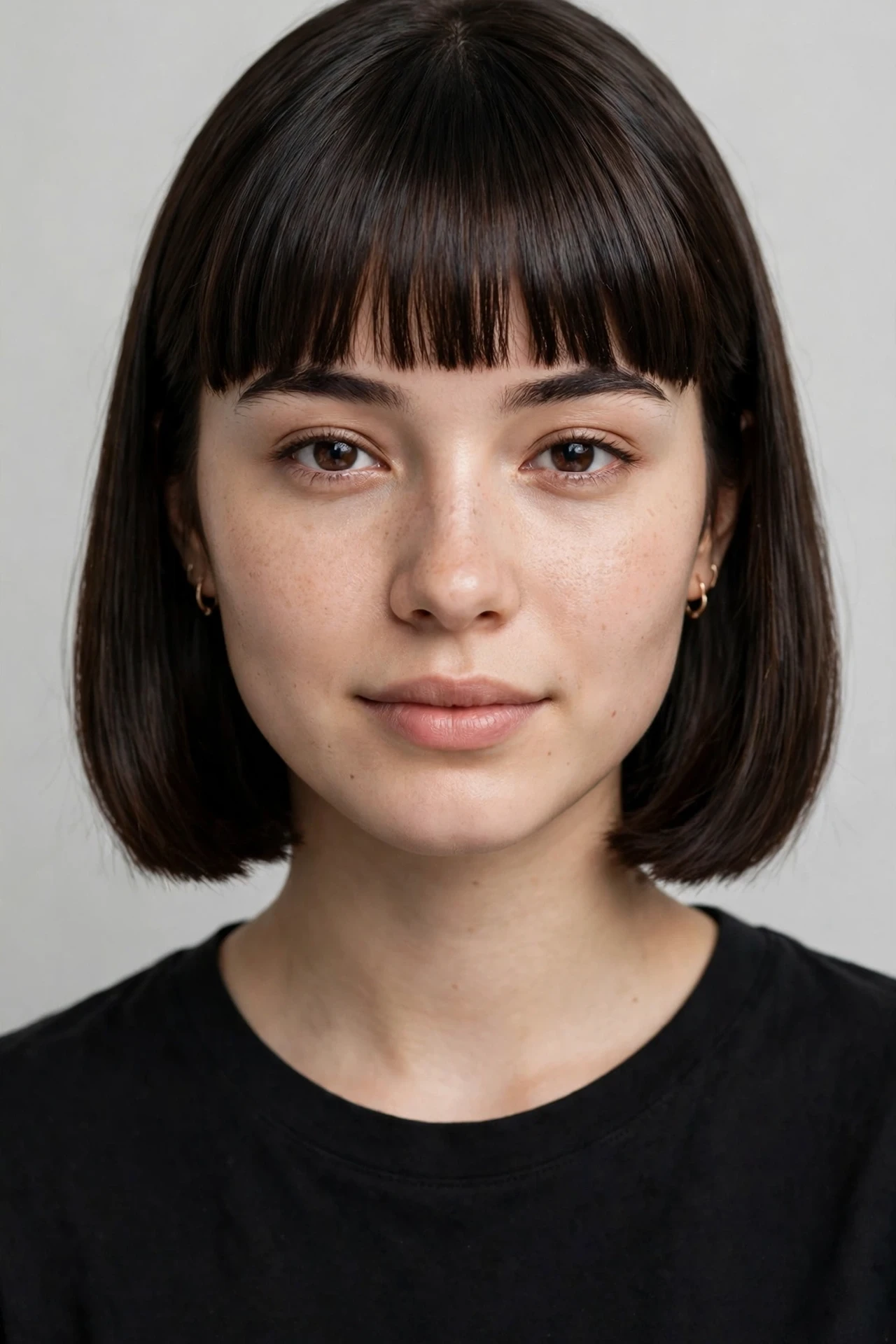
Here the french lob meets the most recognizable french bob signature: the full fringe. Cut straight across at brow level, the fringe balances the longer hemline and keeps the look unmistakably French.
The fringe does a lot of heavy lifting. It shortens a long forehead, draws the eye straight to the cheekbones, and adds structure that a long bob can otherwise lack. Keep the fringe soft at the edges rather than razor sharp so it moves.
Blow dry the fringe forward with a small round brush, then let the rest air dry for contrast. The mix of a deliberate fringe and undone length is what makes this combination feel so chic.
3. The Air Dried French Lob
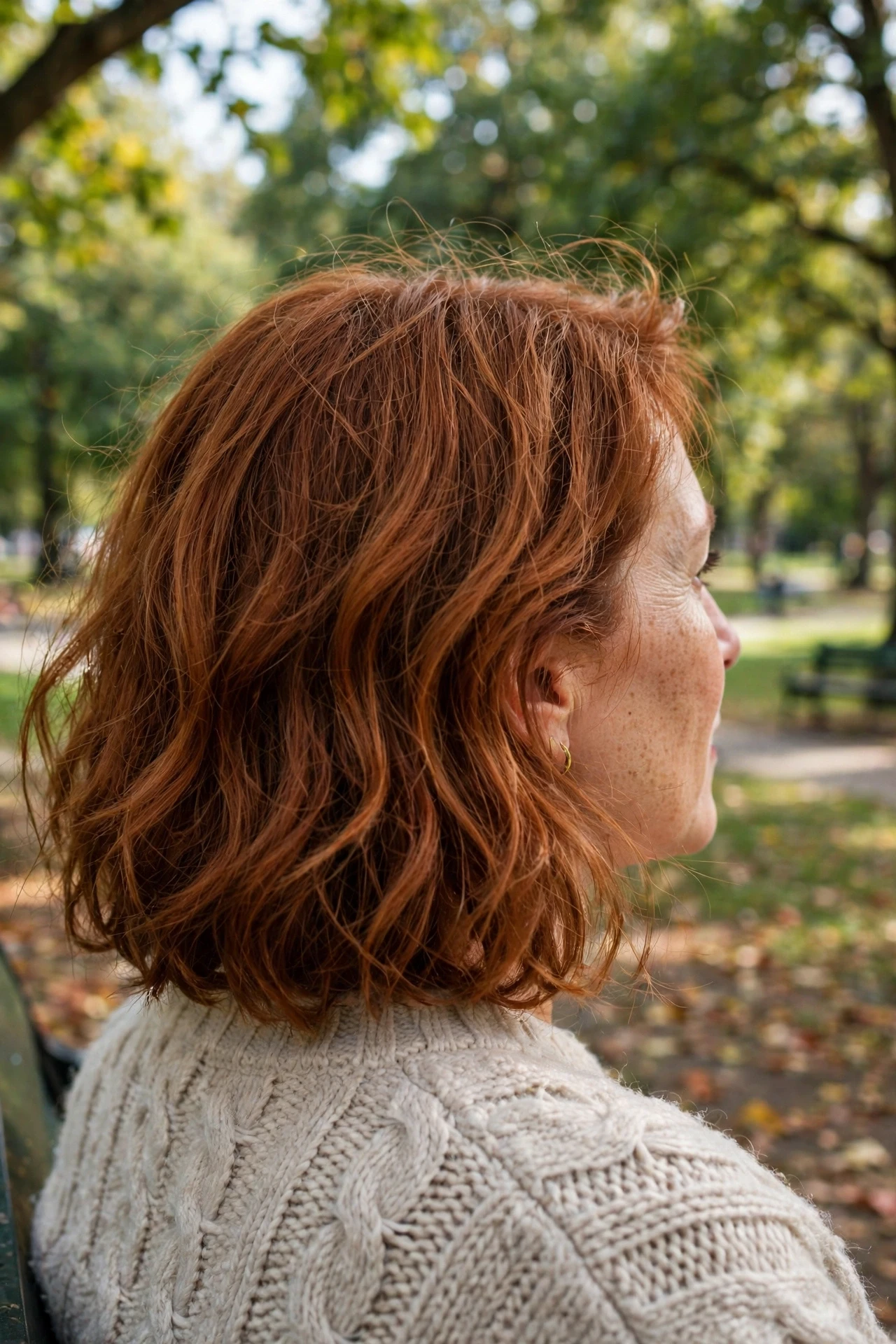
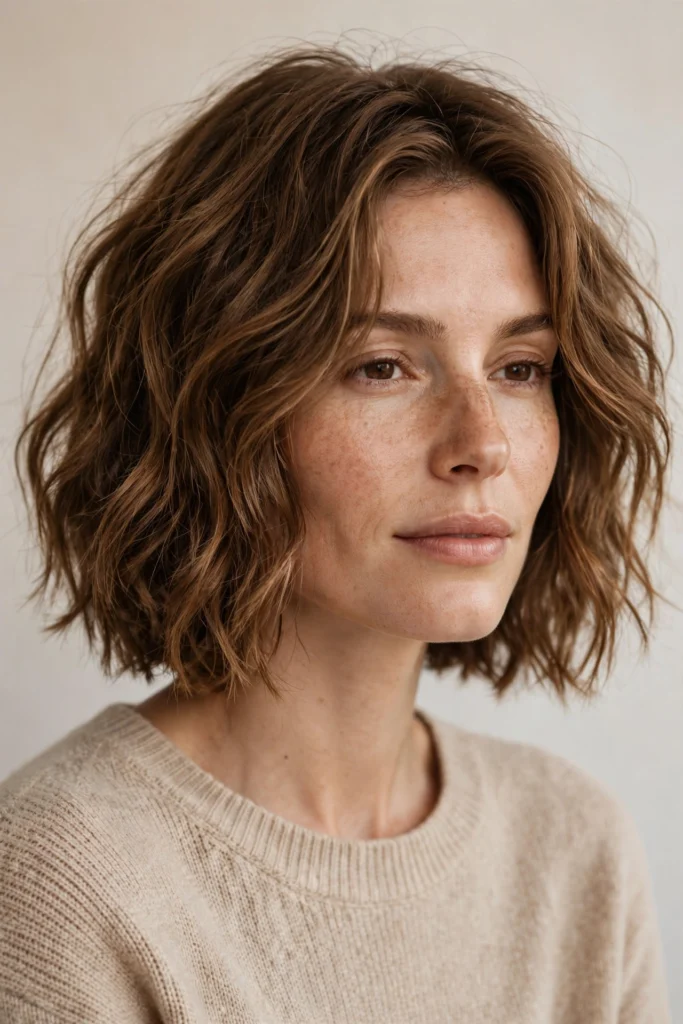
This is the french lob in its most honest form. No heat, no round brush, just clean hair scrunched with a little curl cream and left to dry on its own. The result is soft, lived in, and completely believable.
The secret is in the cut itself. Point cut ends and long internal layers let natural wave clump and bend without encouragement. If your hair dries flat, twist two or three sections loosely while damp and undo them at the end for easy bend.
Humidity is not the enemy here. A bit of frizz at the crown reads as texture, not a mistake. This is the wash and go option for women who want French hair without the French salon budget.
4. Sleek and Straight French Lob
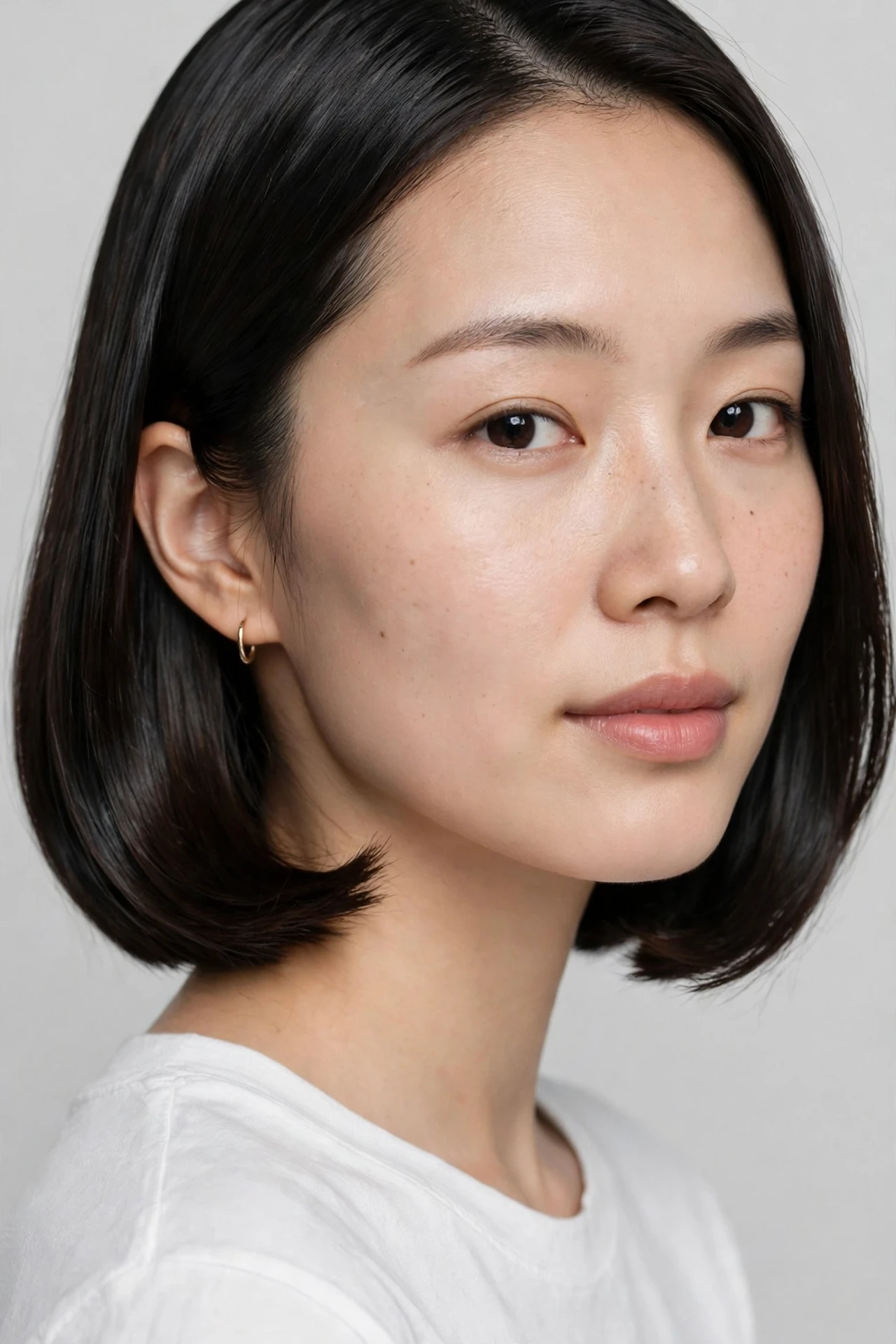
Not every french lob has to be tousled. Worn straight, the cut turns minimalist and sharp, with the longer length showing off shine and clean ends. The French part comes from the softness at the perimeter instead of a razor line.
Flat iron in small sections, but bend the last inch of each section very slightly inward so the ends do not look chopped. A pea sized amount of smoothing serum through the mid lengths gives that glassy finish without stiffness.
This version is brilliant for work. It reads polished in a meeting and relaxes into gentle movement by evening. Keep the ends trimmed every eight weeks to preserve the clean line.
5. Curly French Lob
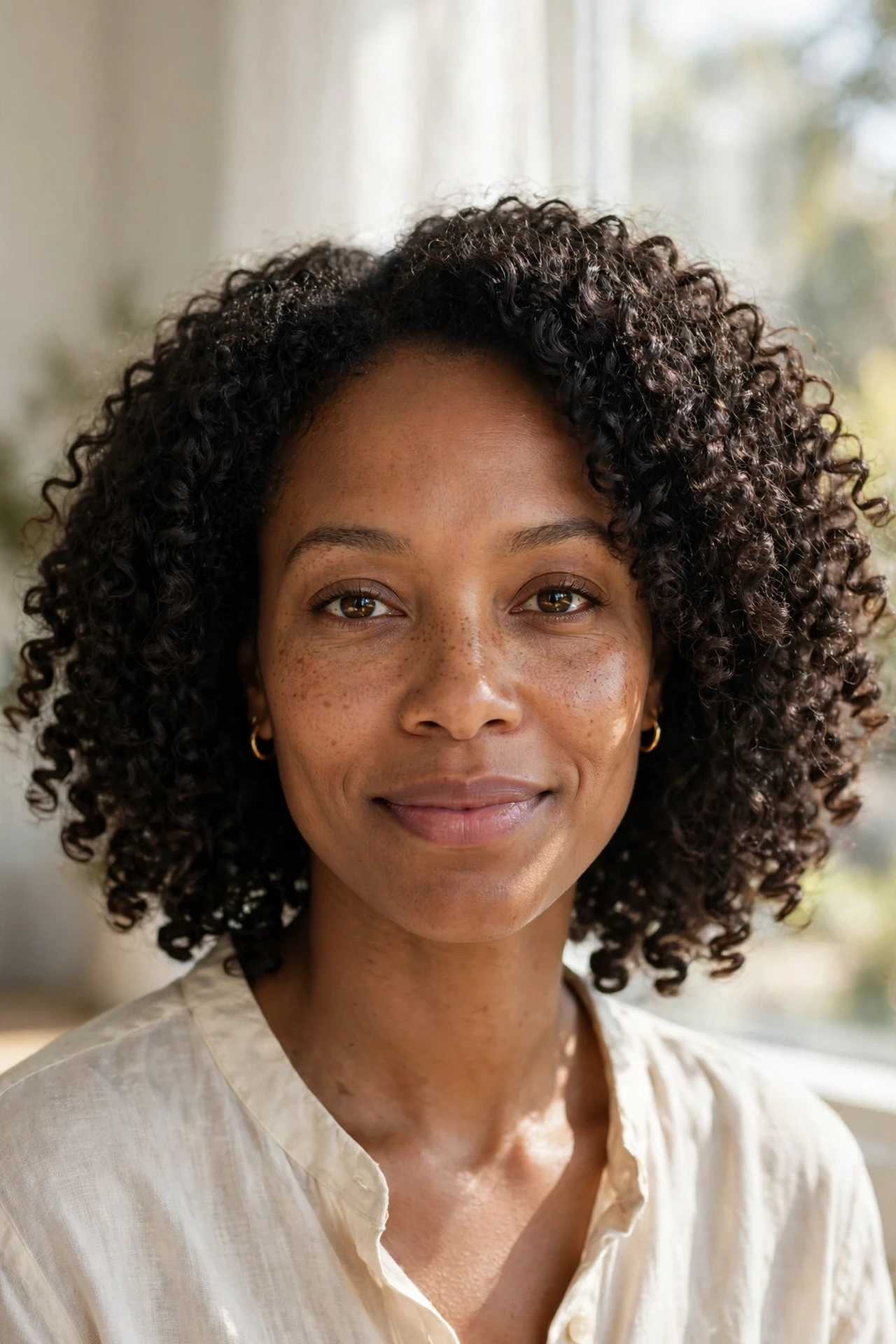
Curly hair and the french lob are a match people underestimate. At collarbone length, curls have enough weight to elongate and fall into a beautiful rounded shape instead of springing into a triangle.
Ask for long layers cut on dry, curly hair so the stylist can see how each curl actually lands. The ends should be shaped, not thinned, so the perimeter stays full and the curls keep their bounce.
Diffuse upside down for volume, then scrunch in a light gel and leave it alone. Touching curls while they dry is what causes the frizz everyone blames on the cut. For more curl friendly inspiration, see our wavy french bob haircut guide.
6. French Lob vs Regular Lob: The Real Difference
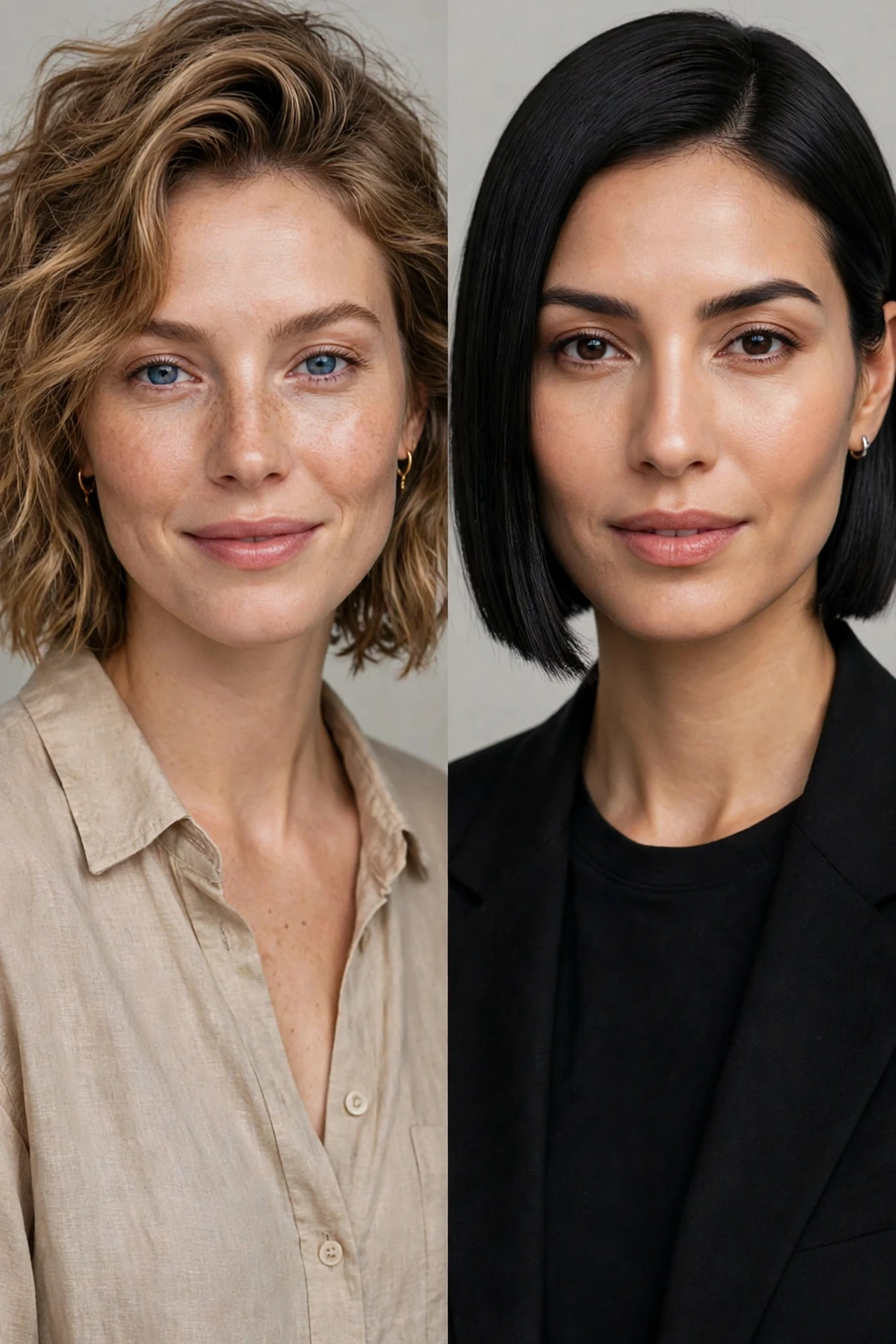
This is the question stylists hear most, and the answer is about philosophy more than inches. A regular lob is usually a precision cut: one length, crisp ends, often styled sleek. It is engineered to look intentional.
The french lob is engineered to look unintentional. The ends are point cut or lightly sliced for a frayed softness. Layers are invisible, there to create movement, not shape. Bangs or curtain fringe are common but never mandatory.
Think of it this way. The regular lob is the haircut you get before a photoshoot. The french lob is the haircut you get before a long weekend in Paris. Same length family, completely different attitude toward effort.
7. French Lob vs French Bob: Where the Line Sits
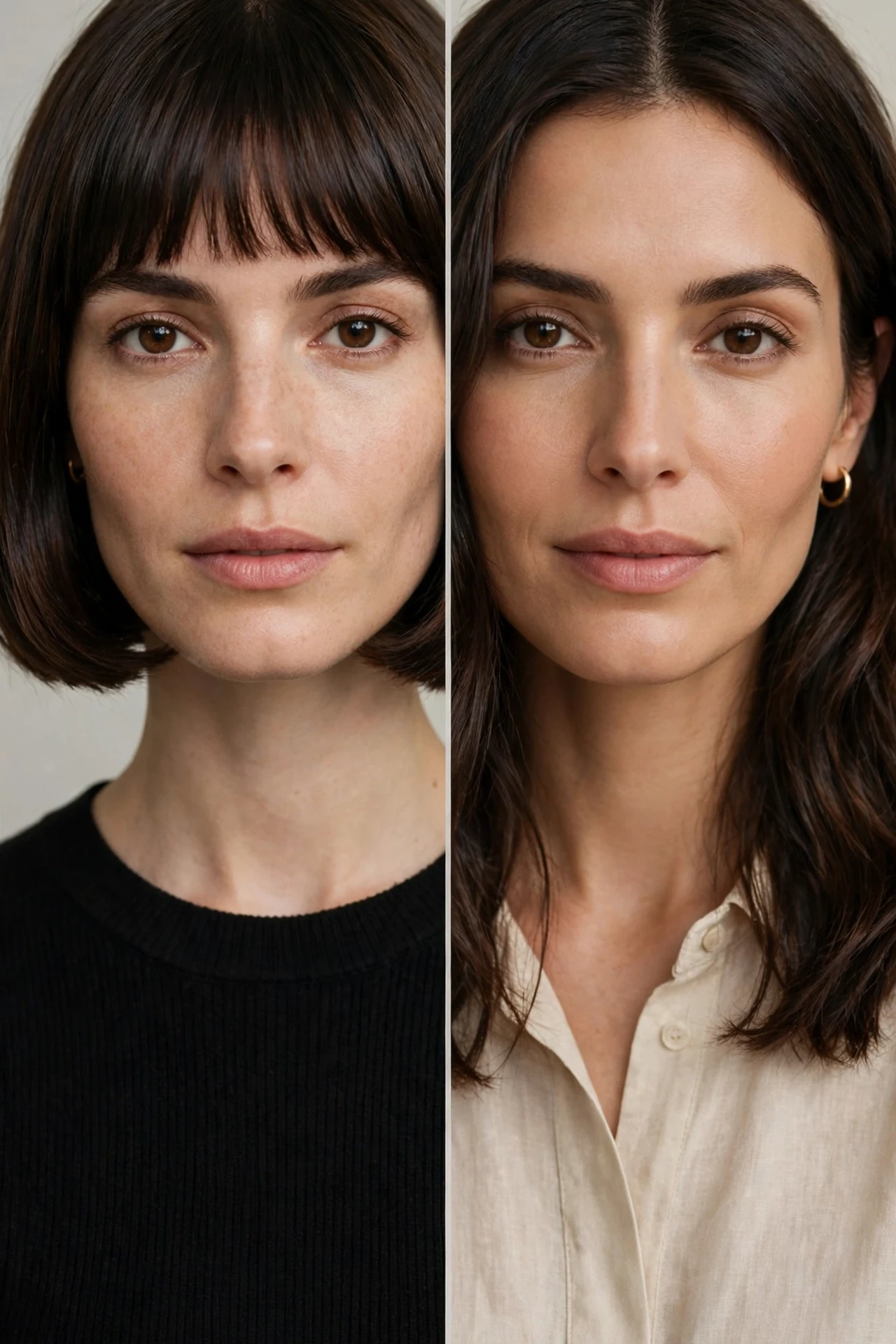
The french bob is the short original: jaw to chin length, often with a full fringe, worn with deliberate undone texture. Everything about it is about exposing the neck and jawline. It is bold and a little rebellious.
The french lob keeps the softness and loses the daring. By dropping the hemline to the collarbone, you keep the Parisian texture but gain versatility: ponytails, low buns, and half up styles all become possible again.
Choosing between them is really a lifestyle question. Pick the french bob if you want maximum impact and minimal styling. Pick the french lob if you want the vibe with a safety net of length. Read our pillar guide to the french bob haircut if you are still deciding.
8. Who the French Lob Flatters Most
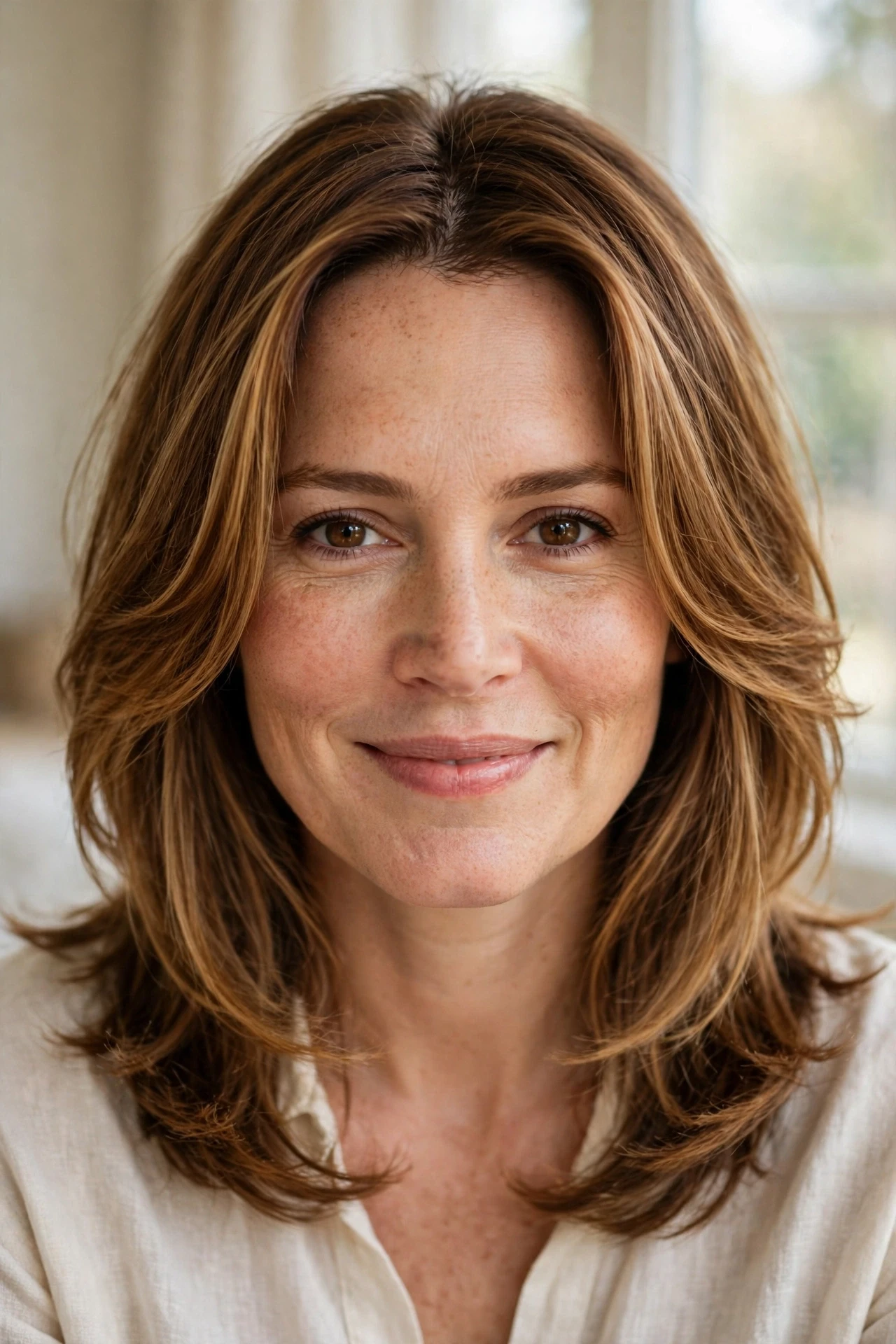
Here is the good news: the french lob is one of the most forgiving cuts in the bob family. The collarbone length elongates round faces, softens square jawlines, and balances longer faces when paired with fringe.
For hair texture, it is genuinely democratic. Fine hair gets fullness from the blunt-ish ends. Thick hair gets relief from invisible layers. Wavy hair finds its natural rhythm. Curly hair gets shape without bulk.
The one combination to discuss with your stylist is very fine, very straight hair with no fringe. It can look a little plain, so ask for face framing layers to create movement. Round faces benefit from a center part and curtain fringe, as we cover in our french bob for round face guide.
9. The Grow Out Plan: From French Bob to French Lob
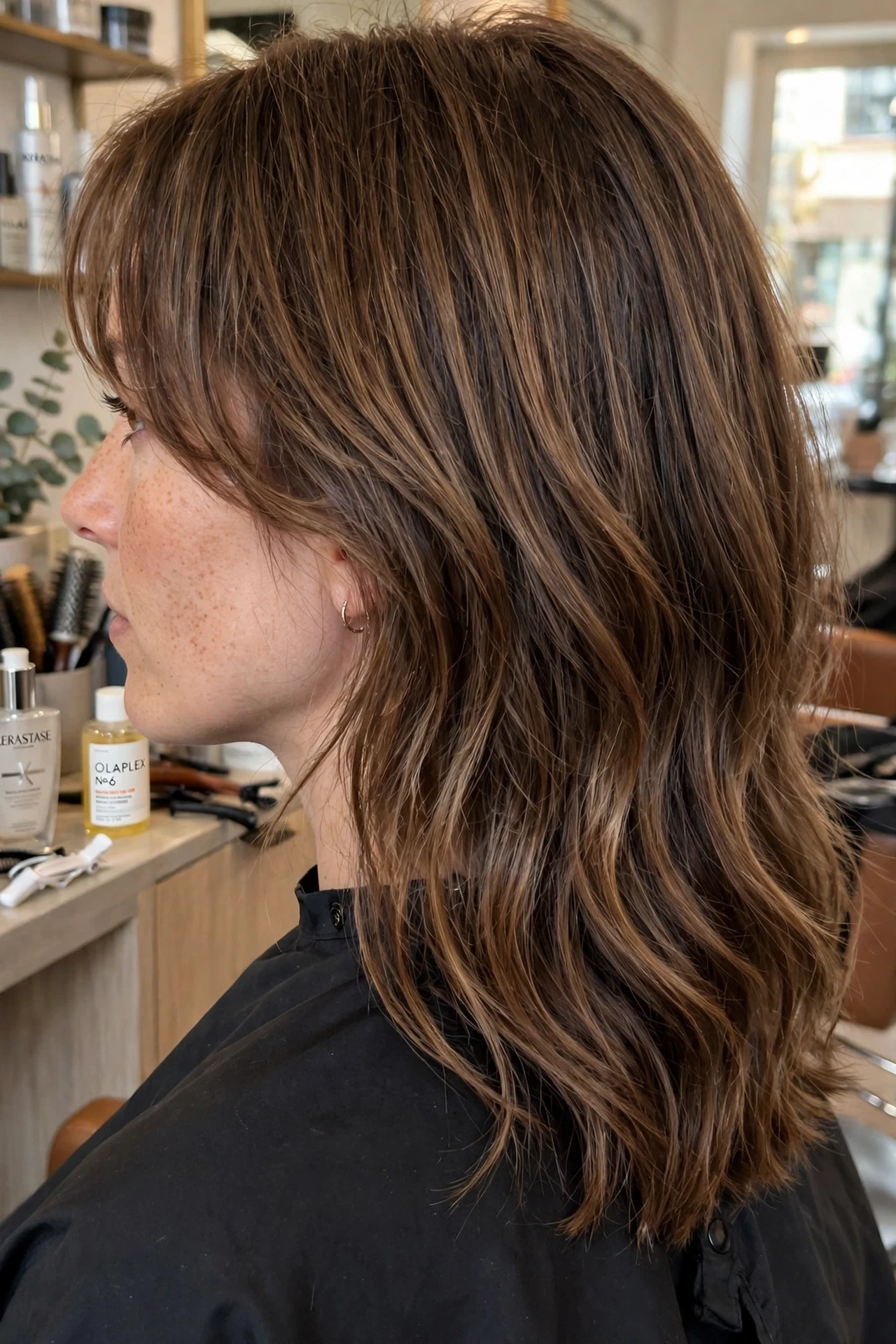
Growing out a french bob is where most people give up, but the french lob is the bridge that makes it painless. The awkward in between stage lasts about three to four months, and a smart trim schedule gets you through it looking deliberate.
Book a shaping appointment every eight to ten weeks. The stylist takes weight out of the ends and refreshes the fringe while leaving the length alone. This keeps the silhouette intentional instead of shaggy.
Curtain bangs are your best friend during the transition. They grow out gracefully into face framing layers, so you never have that blunt fringe growing into your eyes phase. Around month four, you wake up one day with a french lob and the hard part is behind you.
10. Curtain Bang French Lob
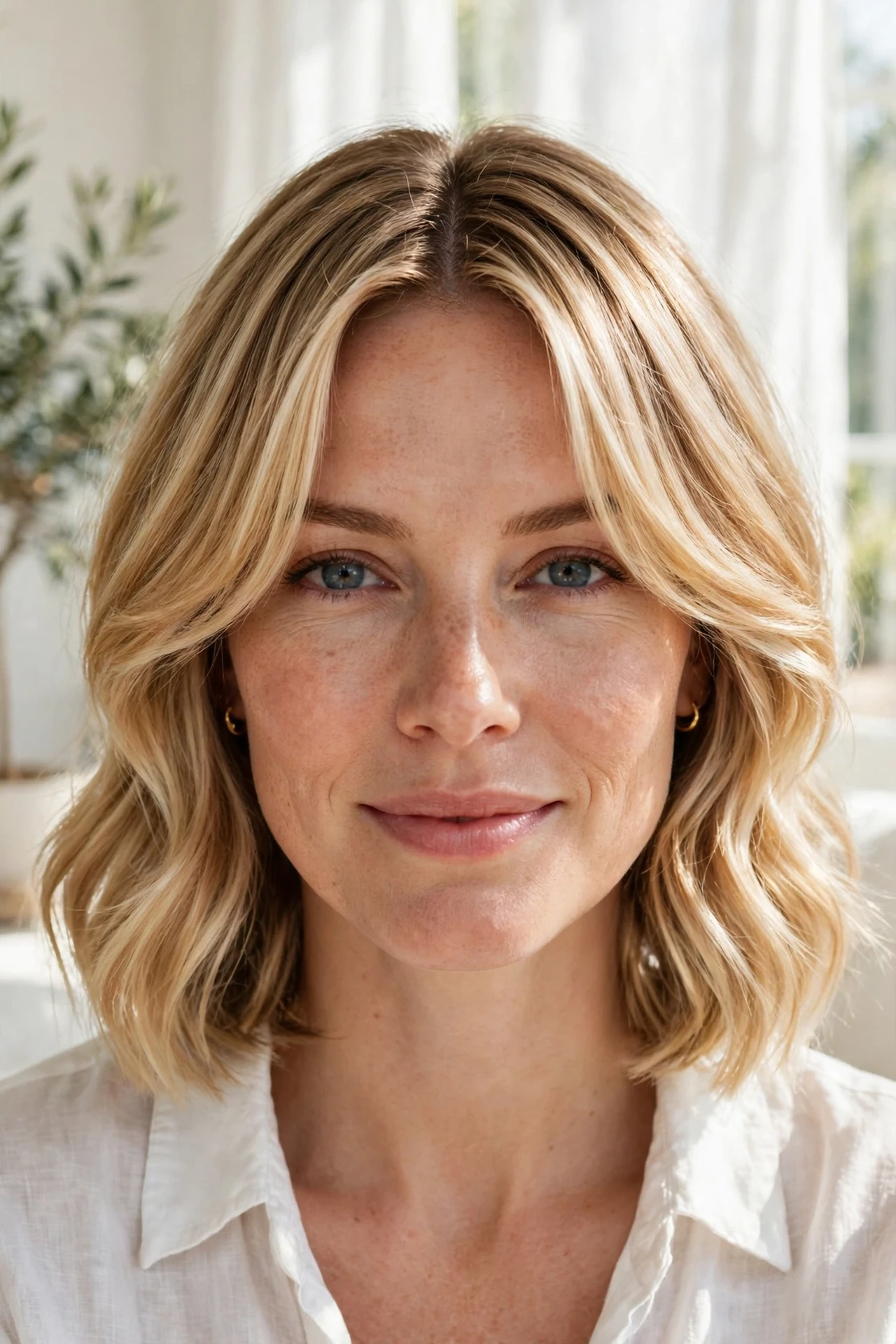
If there is one pairing that defines the modern french lob, it is curtain bangs. They part in the middle and sweep to each side, framing the cheekbones while the lob length keeps everything relaxed.
This combination flatters almost every face shape because the bangs create a soft frame exactly where faces tend to look widest. They also grow out beautifully, which makes this the lowest commitment bang option in the bob family.
Style them with a round brush, rolling away from the face for that swooping curve. On second day hair, a quick pass with a flat iron bent outward refreshes the swoop in under a minute.
11. Side Part French Lob
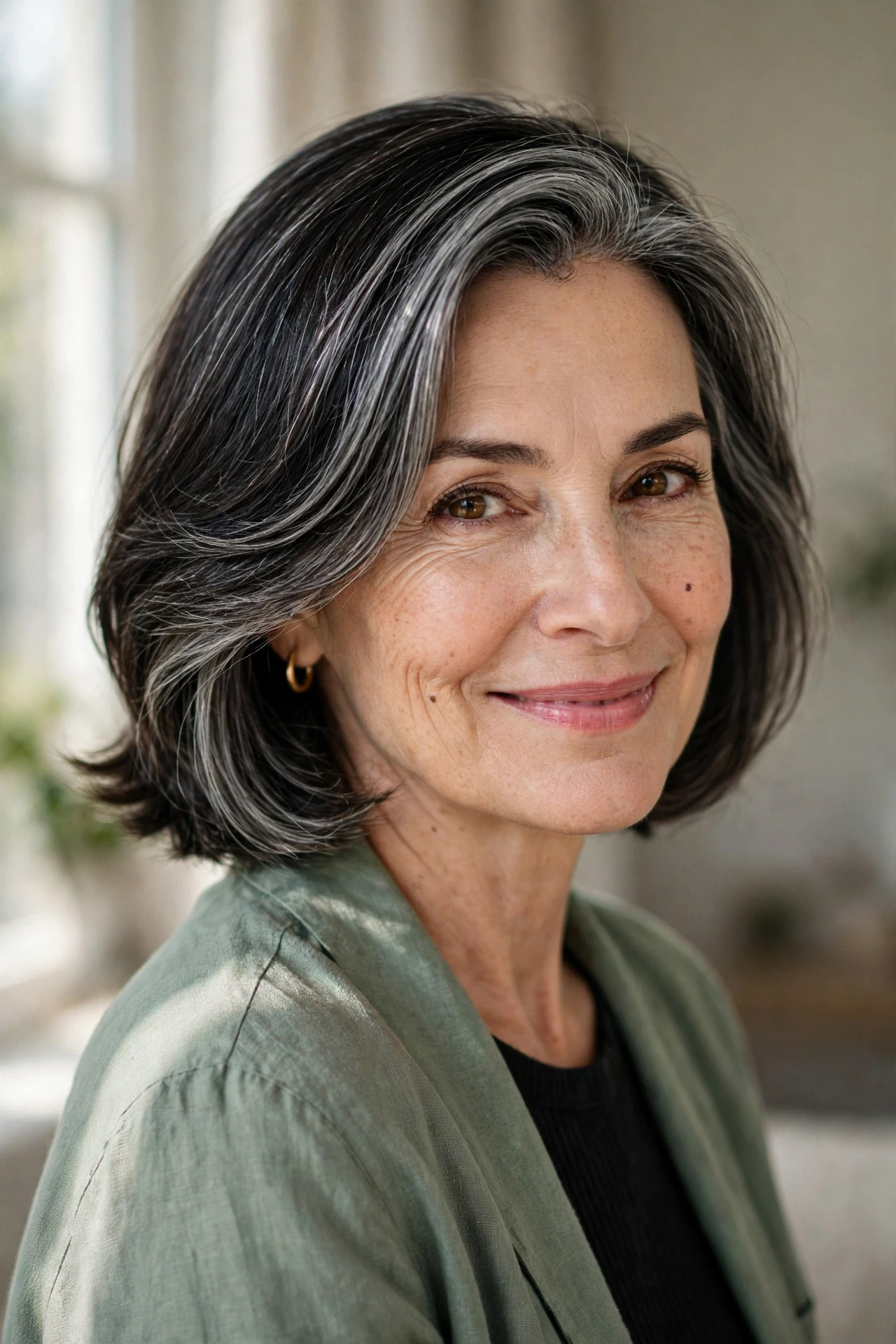
A deep side part changes the entire personality of a french lob. It adds instant volume at the crown and a sweeping line across the forehead that feels glamorous without trying.
This is the evening version of the cut. The asymmetry creates movement that a center part cannot, and it photographs beautifully because the hair falls in one continuous sheet on the fuller side.
To set it, blow dry the roots in the opposite direction first, then flip to your deep part. The roots stand up with extra lift that lasts all day. Tuck the smaller side behind the ear with a slim clip for a polished finish.
12. French Lob With Featherlight Layers
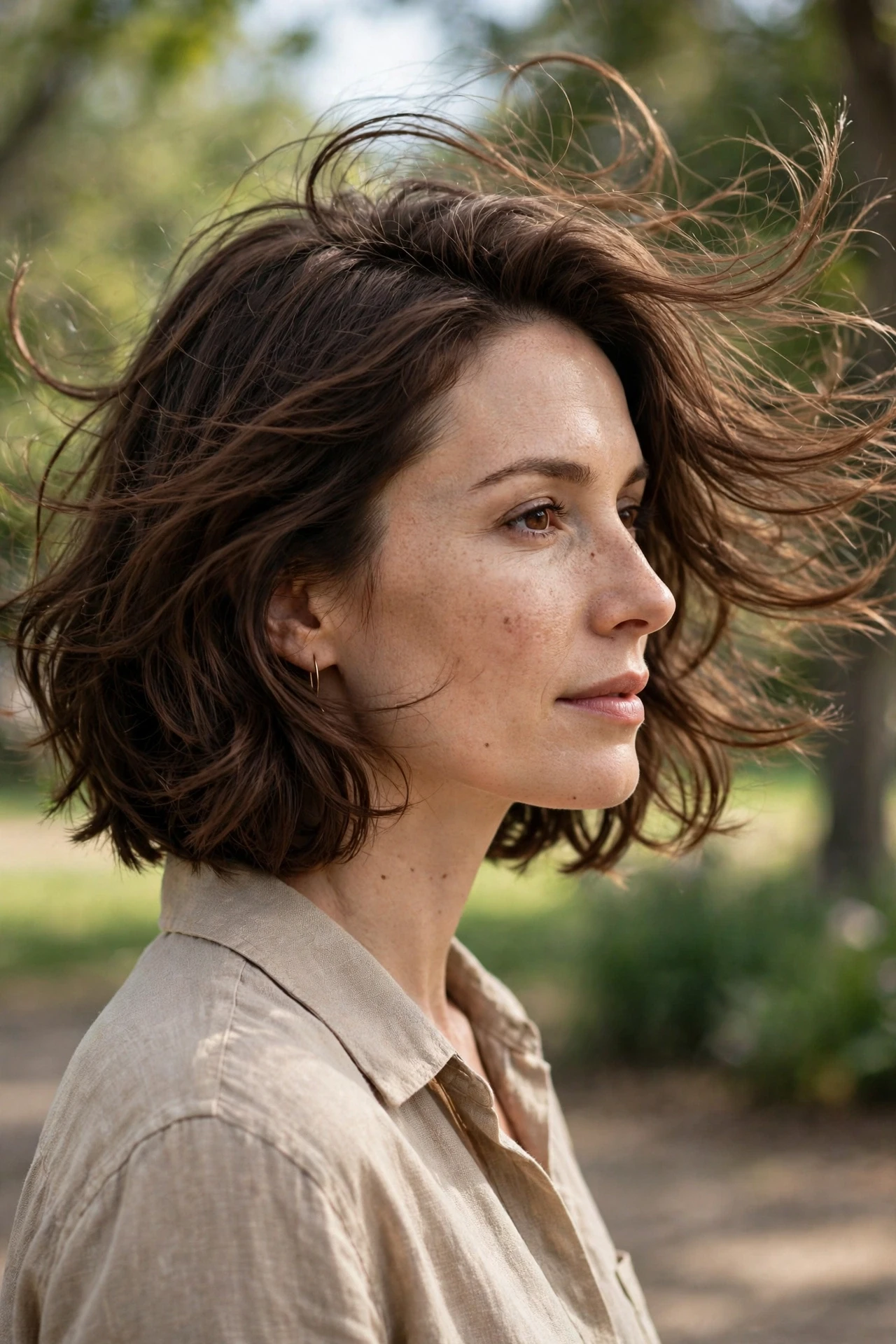
For anyone worried a lob will look heavy, featherlight layers are the answer. These are long, invisible layers through the mid lengths that remove weight without creating visible steps or a shaggy outline.
The cut keeps its clean perimeter, which preserves that French bluntness, but the interior moves like water. You will notice the difference most when the hair is in motion: it swings instead of swinging as one block.
This version suits thick and dense hair especially well. The layers stop the dreaded triangle shape and let the ends fall narrow. Ask your stylist to cut them dry if possible, so they can see exactly how much weight each section needs to lose.
13. The One Length French Lob
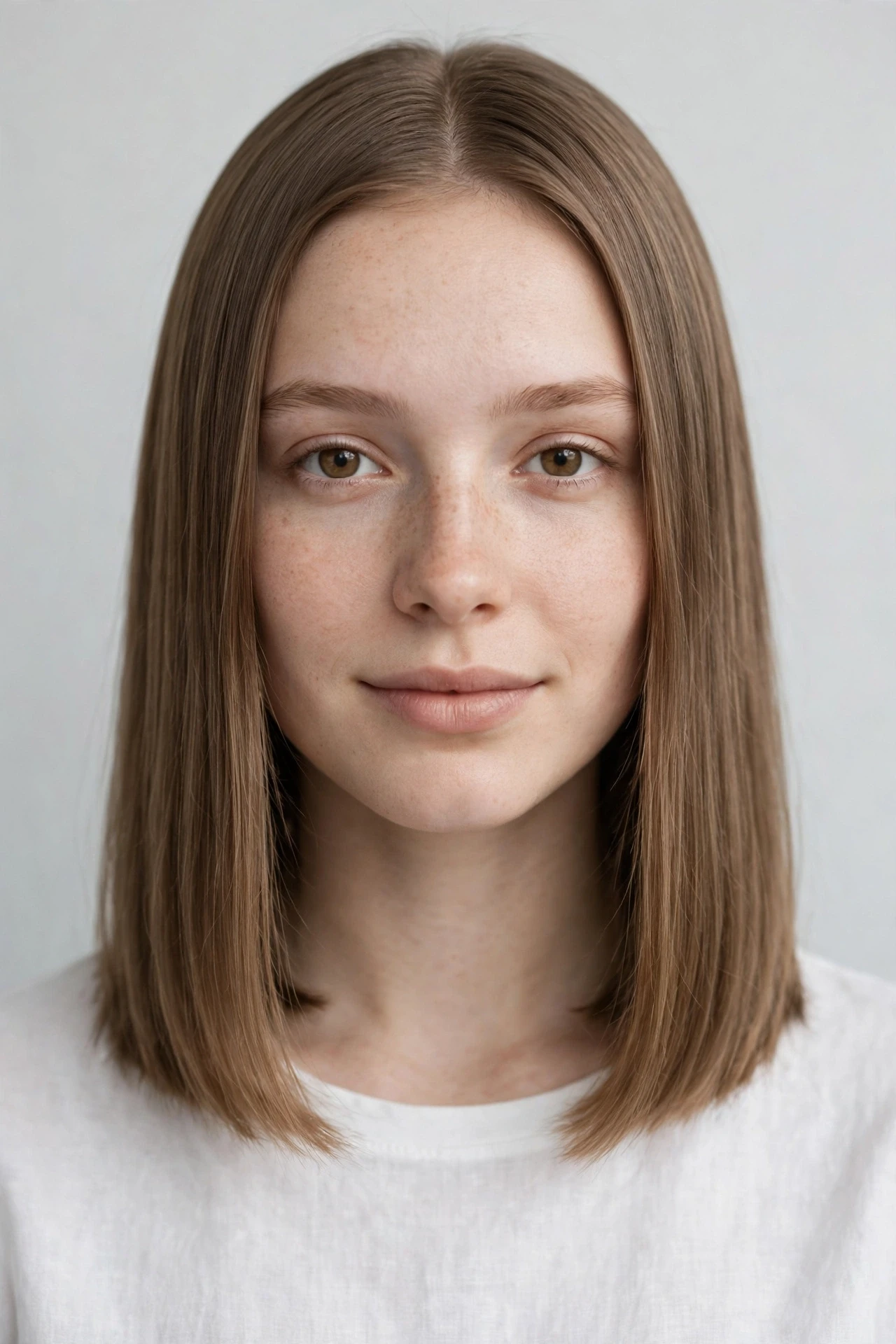
Sometimes the boldest move is no layers at all. The one length french lob is cut to a single clean line at the collarbone, with only the lightest point cutting to keep the edge from looking harsh.
What makes it French rather than just a blunt lob is the styling: air dried, slightly tousled, never poker straight. The simplicity of the cut lets the texture do all the talking.
This is the best choice for fine hair because every strand contributes to the perimeter, which makes the ends look twice as thick. The trade off is that it needs trims every six to eight weeks, since a grown out blunt line shows faster than a layered one.
14. French Lob for Thick Hair
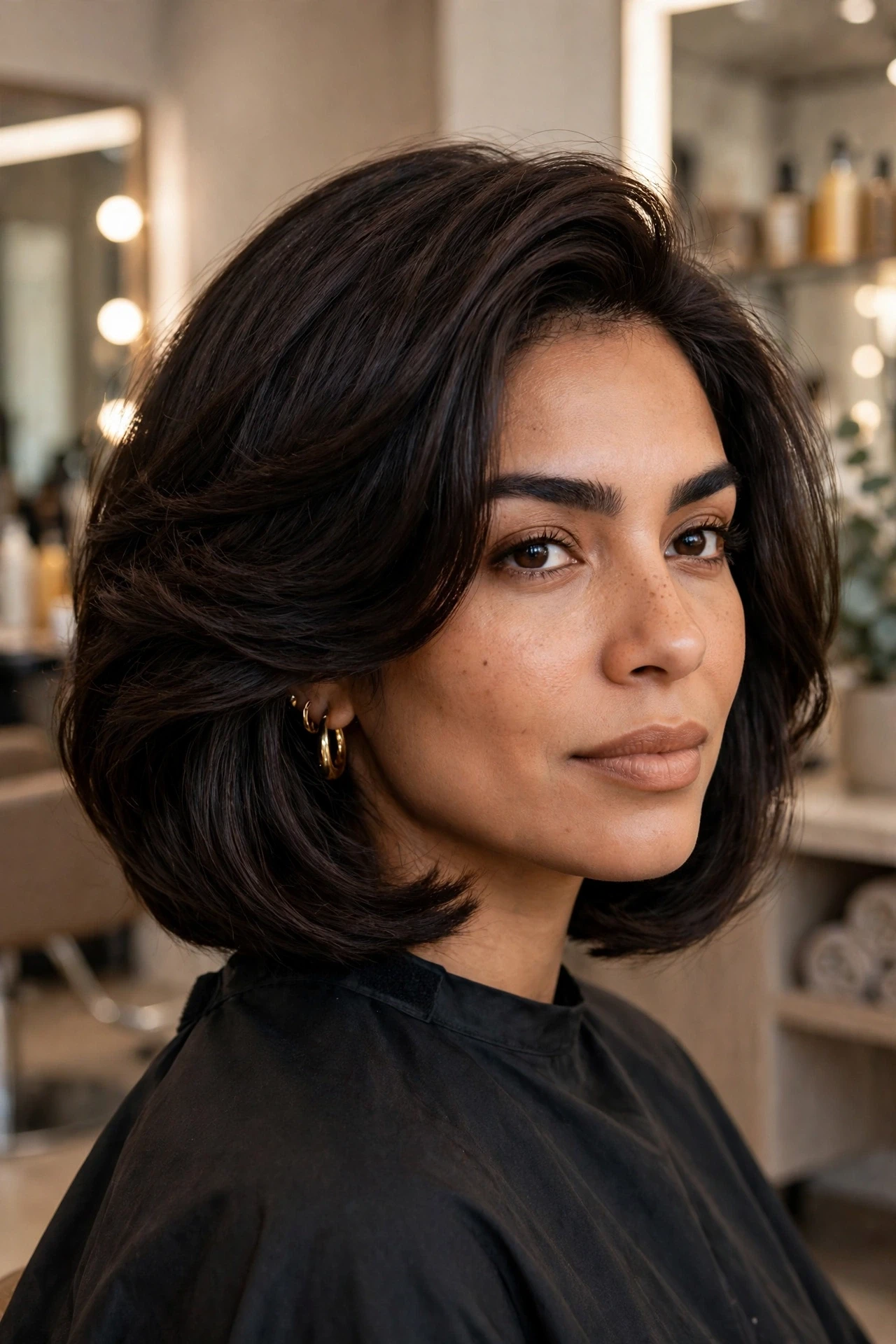
Thick hair at lob length can either look luxurious or overwhelming, and the difference is all in the interior work. A french lob for thick hair needs weight removed from the inside while the outside stays smooth and full.
Ask for long internal layers and subtle undercutting at the nape. These techniques take out bulk where it hides, around the ears and the back, without touching the beautiful fullness at the surface.
Styling thick hair into a french lob is easier than most people expect. Rough dry with your fingers, then smooth only the top layer with a round brush. The under layers stay full and support the shape from within. Our french bob for thick hair guide covers the shorter version of the same principles.
15. French Lob for Fine Hair

Fine hair loves the french lob because the length is short enough to keep its body. The golden rule here is restraint: minimal layering, maximum perimeter. Every layer you add is thickness you lose at the ends.
Keep the cut nearly one length with only long face framing pieces for movement. A blunt or softly point cut edge makes fine hair look denser than any volumizing product ever could.
For styling, mousse is non negotiable. Apply it to damp roots, blow dry upside down, and finish with a light texturizing spray at the crown. The lift at the roots makes the whole cut look twice as full. See our low maintenance fine hair french bob for the shorter take.
16. The Five Minute Styling Routine
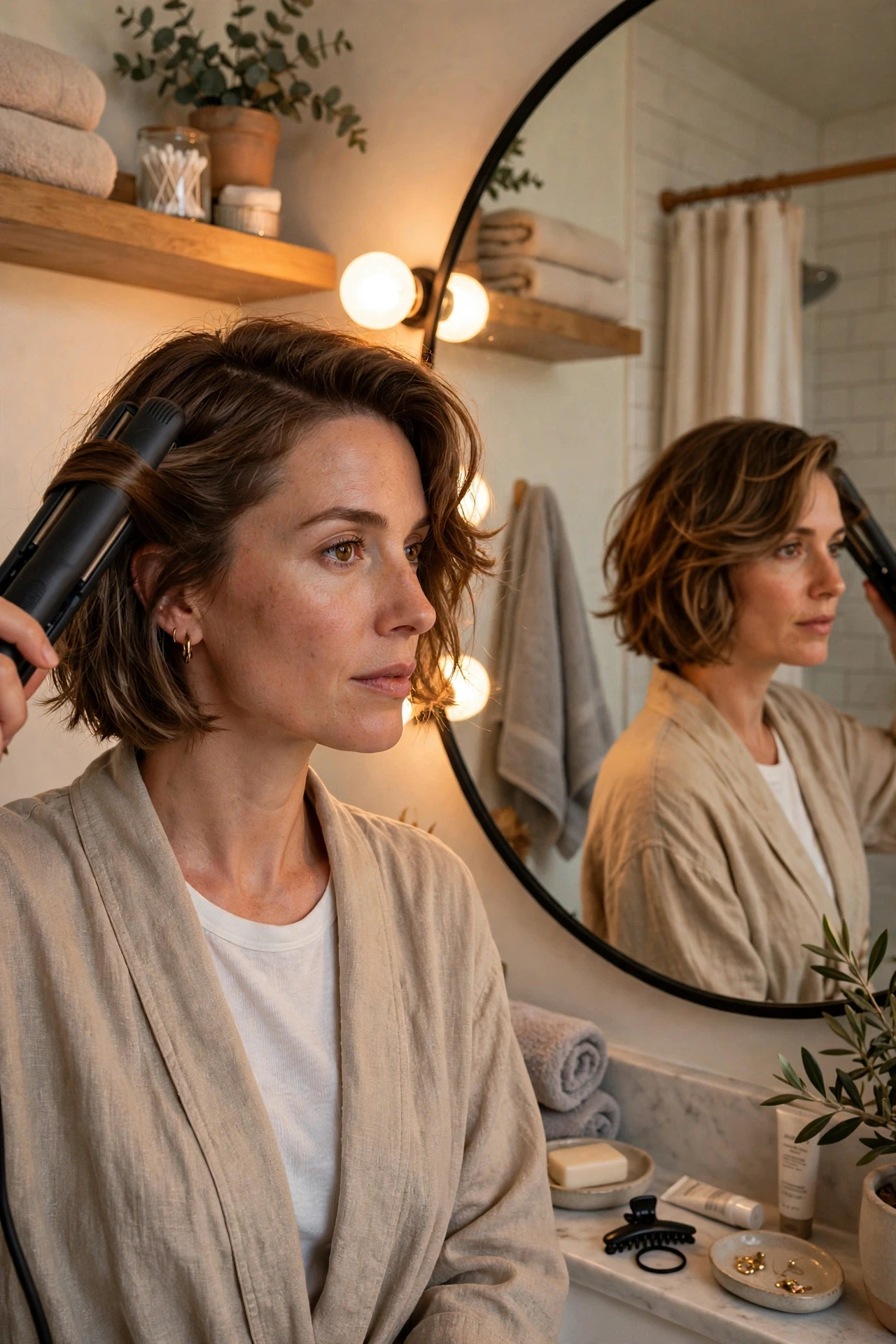
The french lob earned its reputation as a low effort cut, and this routine is why. Start with damp hair and work a walnut sized amount of lightweight mousse or curl cream from mid lengths to ends.
Rough dry with your fingers until about eighty percent dry, lifting at the roots for volume. Then take a one inch flat iron and add a single soft bend to the front pieces, curving them away from the face. That is the whole routine.
The bend is the signature move. It creates that effortless wave without curling the whole head, and it takes about ninety seconds. Finish with a mist of flexible hold spray and you are done for the day. For a deeper dive, our how to style a french bob guide covers the same techniques at shorter length.
17. The Salon Script: What to Say Word for Word
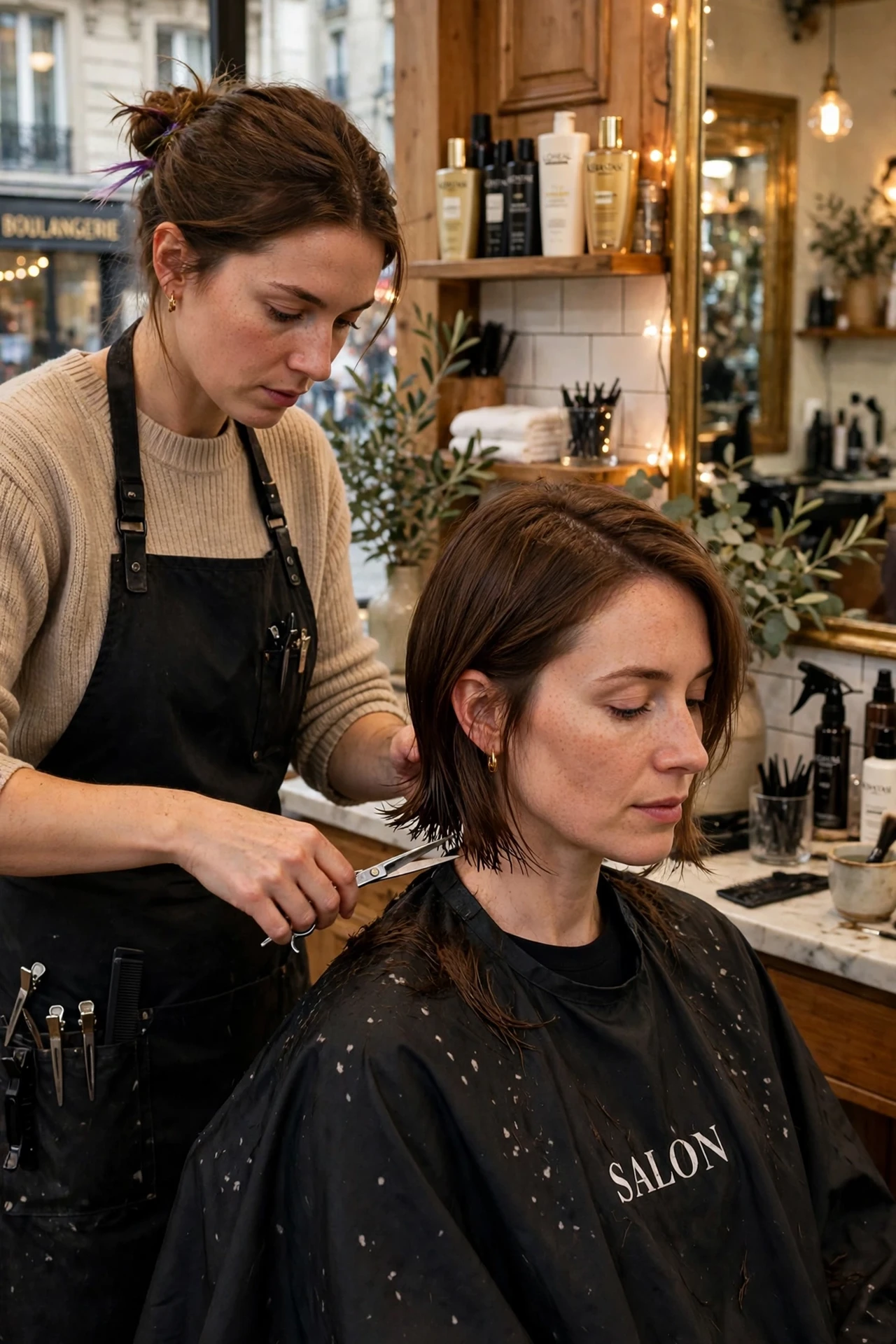
Walking in with the right words is half the battle. Here is a script that works: “I want a french lob. Collarbone length in the front, sitting just at the shoulders in the back. Soft blunt ends with light point cutting, not razor thin. Long invisible layers for movement. And curtain bangs that hit at the cheekbone.”
Bring three photos: one front view, one side view, and one of the back. Stylists need to see how the length behaves from every angle, and photos remove all guesswork from words like “soft” and “undone.”
Also say what you do not want. “No stacked back, no heavy graduation, no blunt geometric line” rules out the looks that are not a french lob. Ten seconds of clarity here saves months of growing out a misunderstood cut.
18. Brushed Out Parisian French Lob
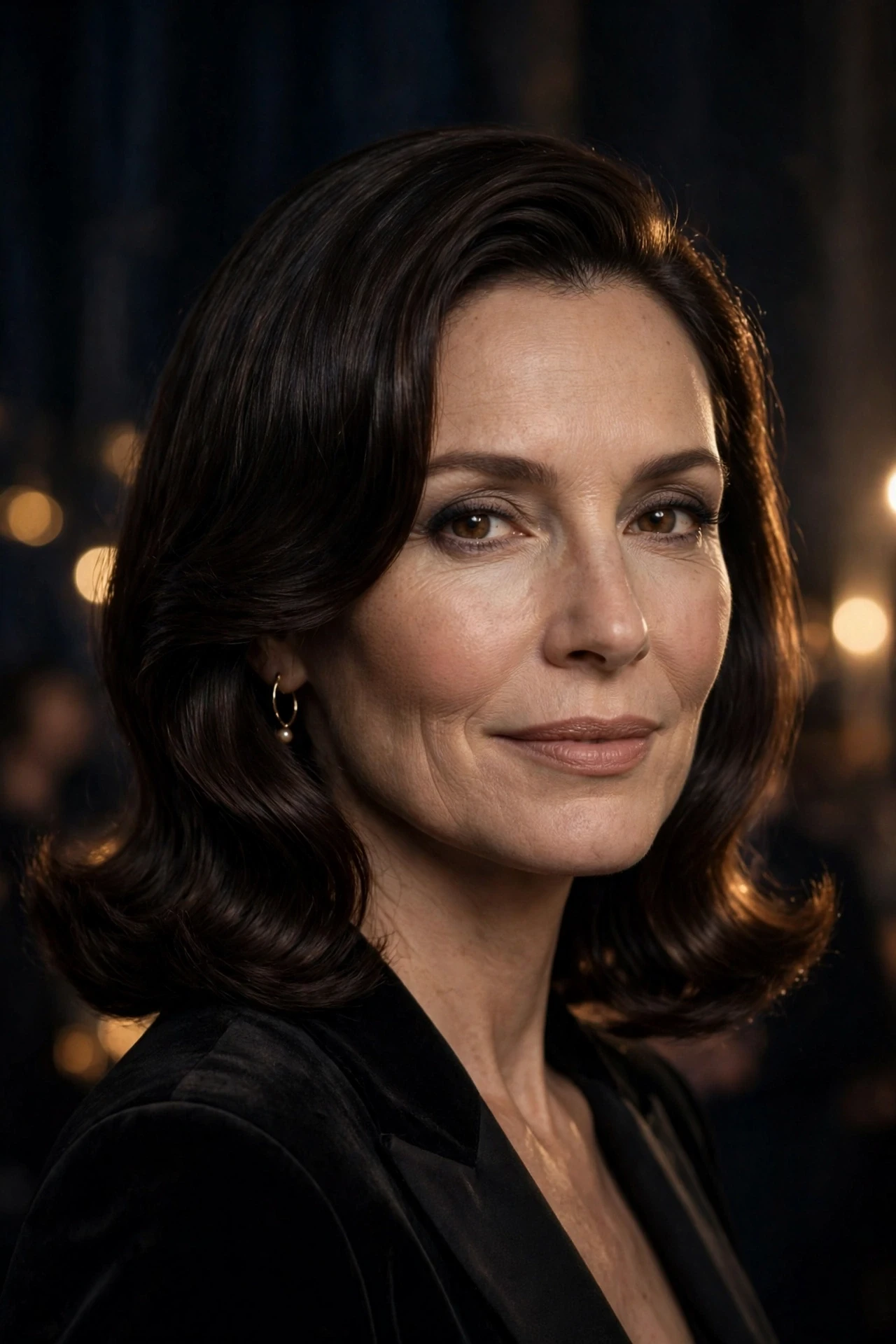
This is the red carpet version. The hair is blow dried smooth with a large round brush, then brushed through until the waves relax into one continuous glossy sheet with a soft bend at the ends.
The key is brushing, not curling. After blow drying with bend, let the hair cool, then brush from roots to ends with a boar bristle brush. The waves melt into each other and the finish looks expensive and calm.
This style is perfect for events because it holds. The weight of the lob length keeps the shape settled for hours, unlike shorter bobs that start flipping by dessert. A light shine spray at the end adds the mirror finish.
19. French Lob With a Soft Money Piece
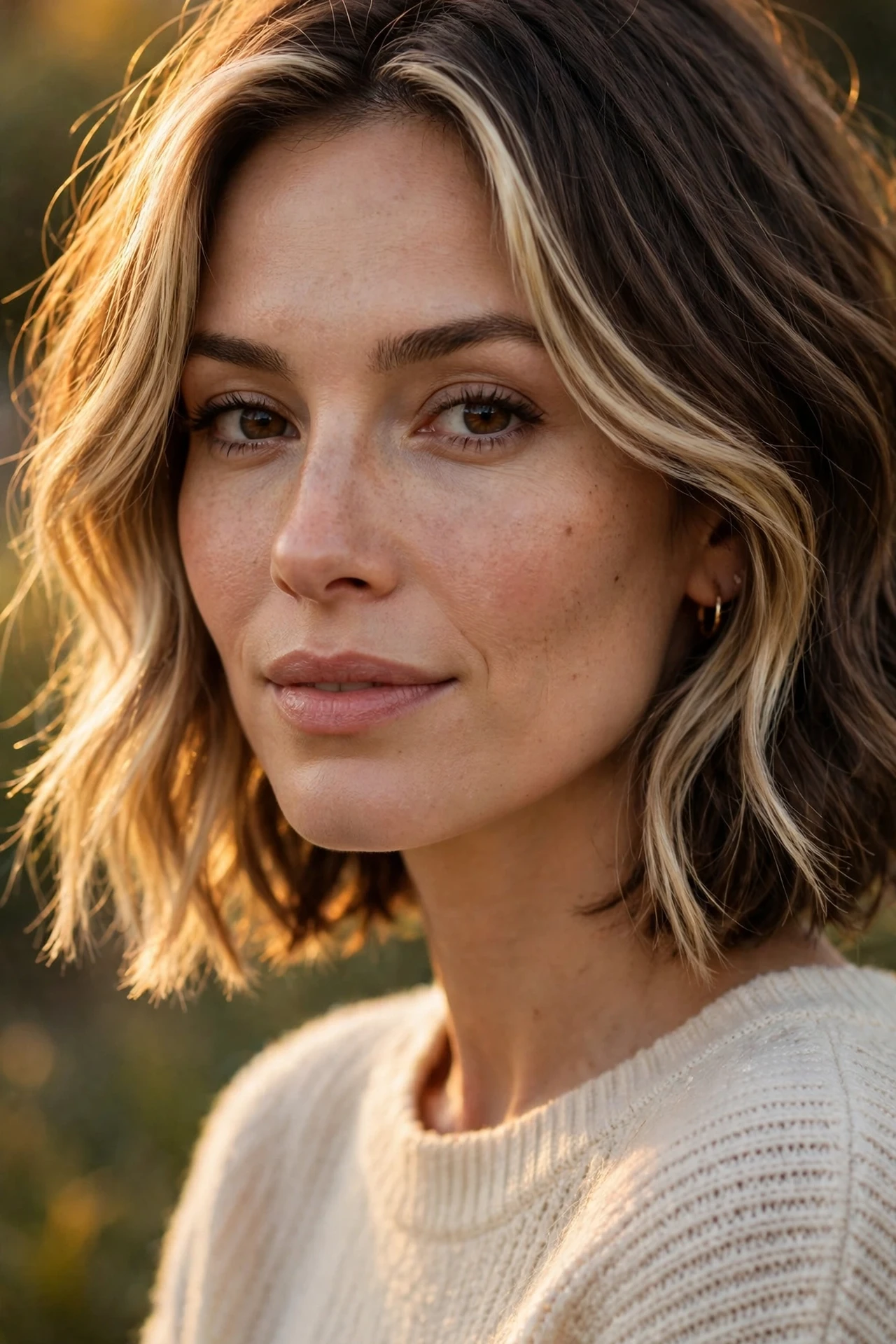
A money piece, those lighter face framing strands, brings light exactly where the french lob needs it. At collarbone length the hair can look a little dark and heavy around the face, and two soft ribbons of brightness fix that instantly.
Keep it subtle. The French approach to color is always “did she or didn’t she.” Ask for balayage painted one to two shades lighter than your base, blended so there is no visible line where the lightness starts.
The brightness also makes the cut look more dimensional in photos, which matters if this hair is heading to Pinterest. It is the smallest color commitment with the biggest visual payoff. Our blonde french bob ideas show how this plays at shorter lengths too.
20. Wavy French Lob With Textured Ends
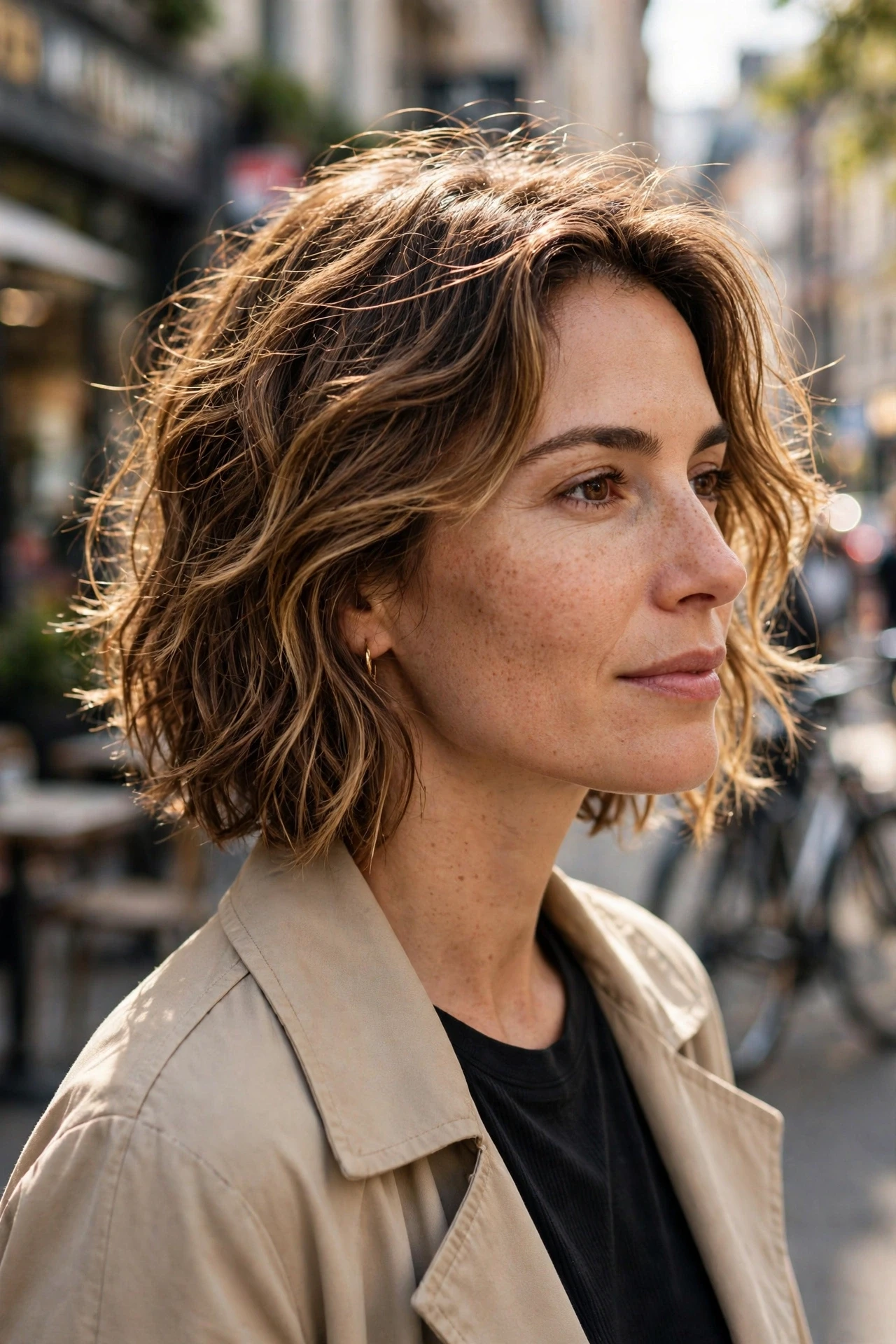
We close with the version you see all over Paris street style: natural waves, ends that look piecey and separated, and an overall feeling that the hair just dried this way on a breezy day.
Textured ends come from point cutting and a little product, not from thinning shears. Work a small amount of sea salt spray or texture cream through dry ends, twisting a few pieces between your fingers to encourage separation.
This is the most forgiving version of the french lob. Second day hair actually looks better than fresh, bedhead reads as intentional, and a hat day still looks chic when the hat comes off. If you love texture, our shaggy french bob and textured french bob take the same idea shorter and wilder.
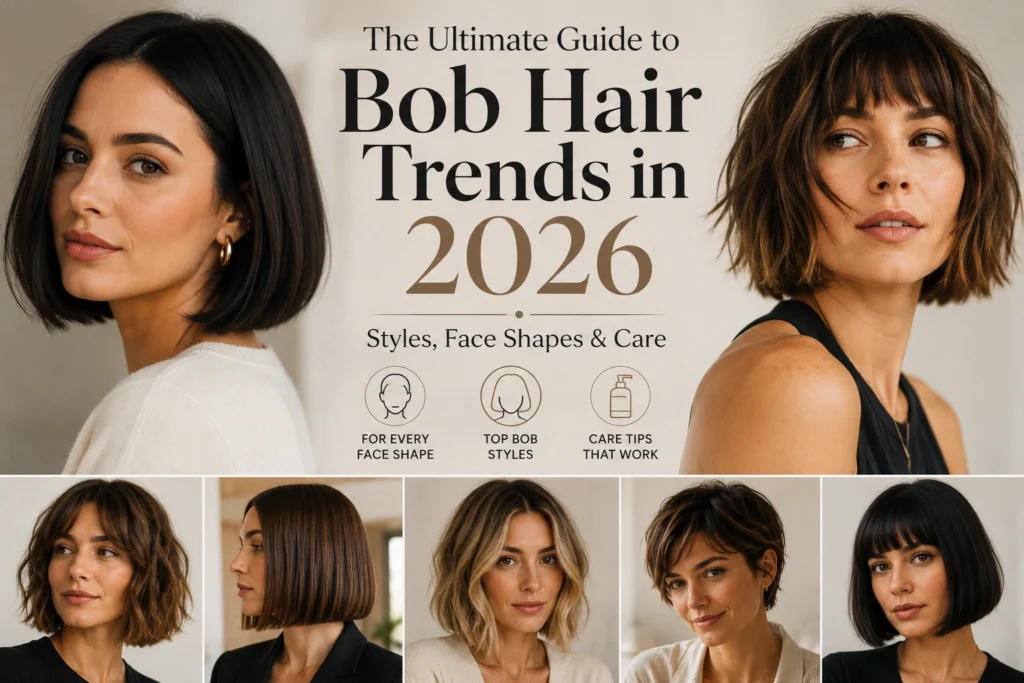
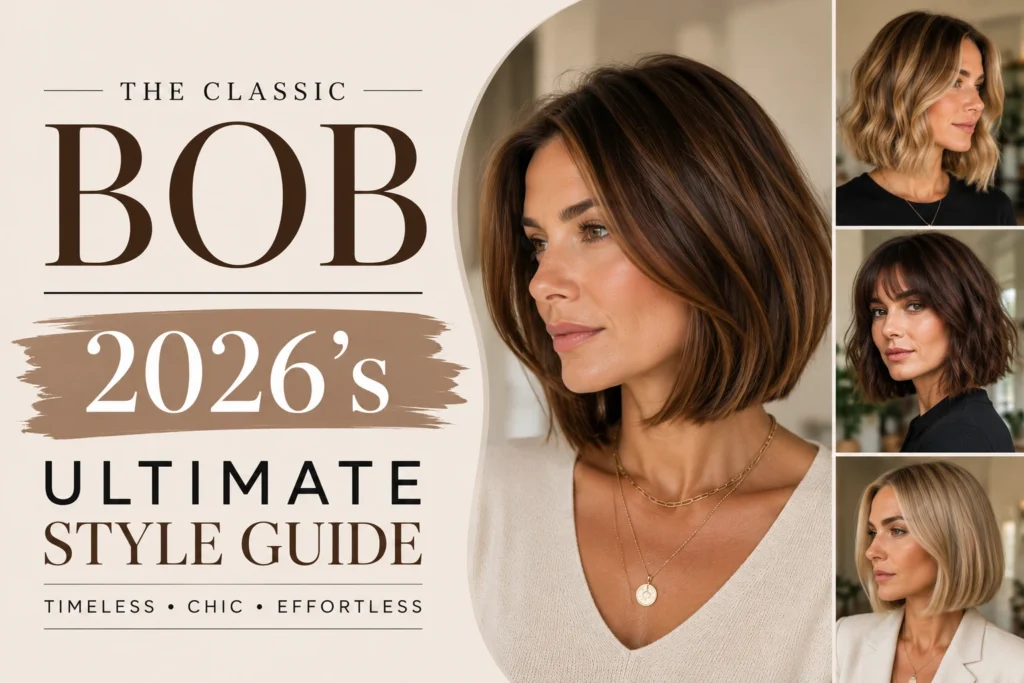
For a full gallery of longer french bob takes in pure style gallery form, browse our long french bob collection. And if the Parisian mood has you curious about the whole aesthetic, our parisian bob guide is worth a read. Prefer the sleekest possible finish? See french bob for straight hair. Still deciding which bob suits you best? Our Ultimate Guide to Bob Hair Trends compares 16 major bob styles side by side to help you choose.
What is a french lob?
A french lob is a long bob cut with French styling DNA. It sits at the collarbone to shoulder length with soft, point cut ends, invisible layers, and an undone air dried finish. Think of it as a french bob that was allowed to grow out, keeping the effortless Parisian texture at a longer, more versatile length.
What is the difference between a french lob and a regular lob?
The difference is in the cutting technique and the attitude. A regular lob is usually a precision cut with crisp, one length ends and a polished finish. A french lob uses point cutting and invisible layering for soft, frayed ends and is styled to look undone. The regular lob says polished. The french lob says effortlessly chic.
How long is a french lob?
A french lob falls between the collarbone and the top of the shoulders, roughly two to four inches longer than a classic french bob. If the hair touches the shoulders when dry, it is at the maximum length for the style. Longer than that and it reads as medium length hair rather than a lob.
Is the french lob high maintenance?
No, it is one of the lowest maintenance cuts in the bob family. The length is forgiving as it grows, the undone texture hides imperfections, and trims every eight to ten weeks are enough to keep the shape. Most days need nothing more than air drying with a little product.
Can you get a french lob with curly hair?
Absolutely. At collarbone length, curls have enough weight to elongate into a flattering rounded shape. The key is getting it cut dry by a stylist experienced with curls, with long layers shaped rather than thinned. Diffuse or air dry, and avoid brushing curls dry.
Does a french lob suit a round face?
Yes, especially with a center part and curtain bangs or face framing layers. The collarbone length naturally elongates the face, and the vertical lines of the longer cut slim the cheeks. Avoid a blunt fringe with no layering, which can emphasize width. A side part works beautifully too.
Sana Malik is a hair and beauty writer with a deep love for the bob in all its forms from sharp French bobs to soft, lived-in lobs. After years of experimenting with her own short hair and helping friends figure out what actually suits their face shape, she started writing to cut through the confusing advice out there. At BobHairTrends, she breaks down each cut into simple, honest guides: how to ask for it, how to style it at home, and who it really flatters. When she isn’t researching the latest trends, she’s usually testing a new styling product or convincing someone it’s finally time for the chop.