Some things never go out of style: a red lip, a well-fitted blazer, and the classic bob. While hair trends come and go, this cut has remained the ultimate symbol of chic sophistication for over a century, from the flappers of the 1920s to the power women of the 90s.
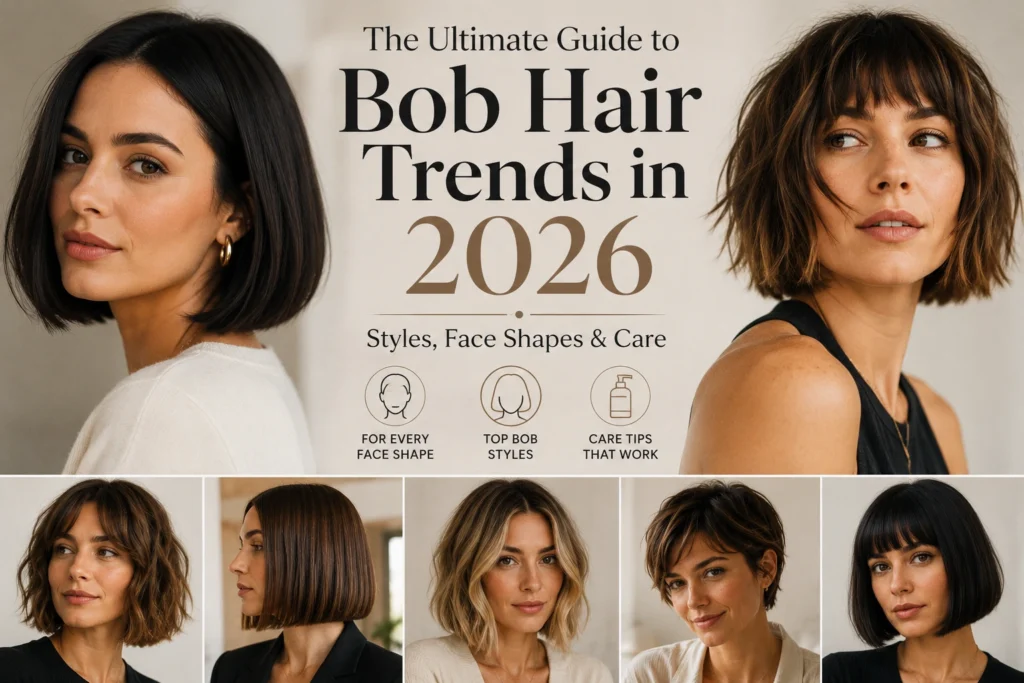
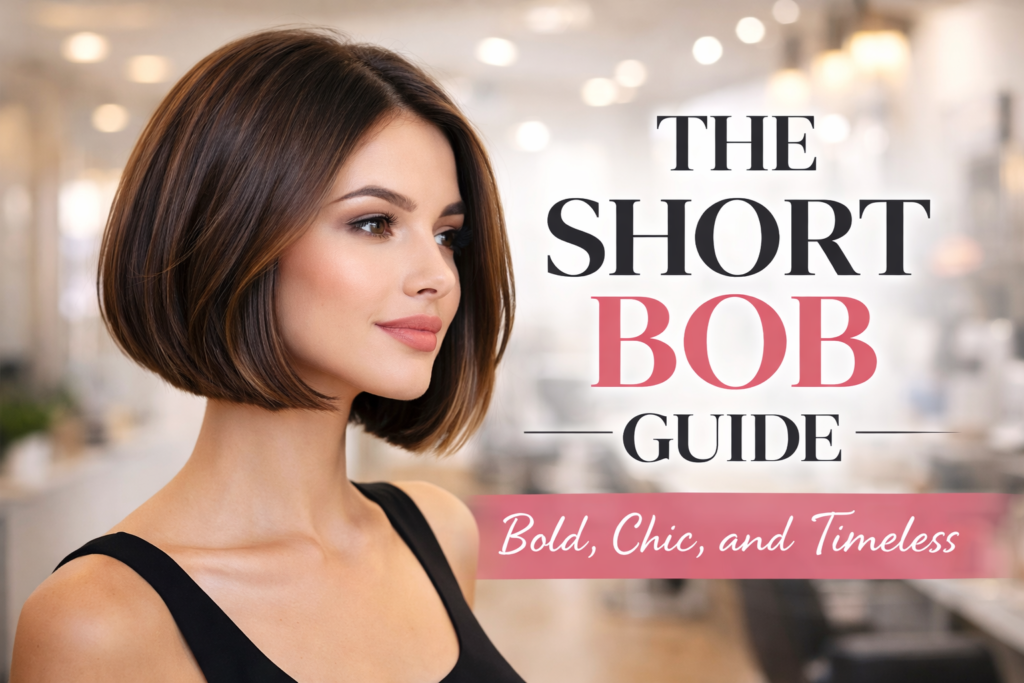
A classic bob is traditionally a one-length cut that sits between the jawline and the chin, with a sharp, clean perimeter instead of heavy layering. It creates density for fine hair, frames the jawline, and works with nearly any outfit. Below are 15 ways stylists are cutting and wearing it in 2026. If you want more length options too, our shoulder length bob looks guide pairs well with several of these.
Key Takeaways
- A classic bob is a one-length cut between the jawline and chin, with a sharp, blunt perimeter instead of heavy layers
- The blunt line creates density, making fine hair look instantly thicker
- 15 variations here, from razor-sharp blunt cuts to soft 90s beveled styles
- Oval and heart-shaped faces have the most flexibility, while round and square faces need length adjustments
- Most classic bobs need a trim every 6 weeks to keep their shape sharp
Table of Contents
15 Classic Bob Looks Everyone’s Wearing in 2026
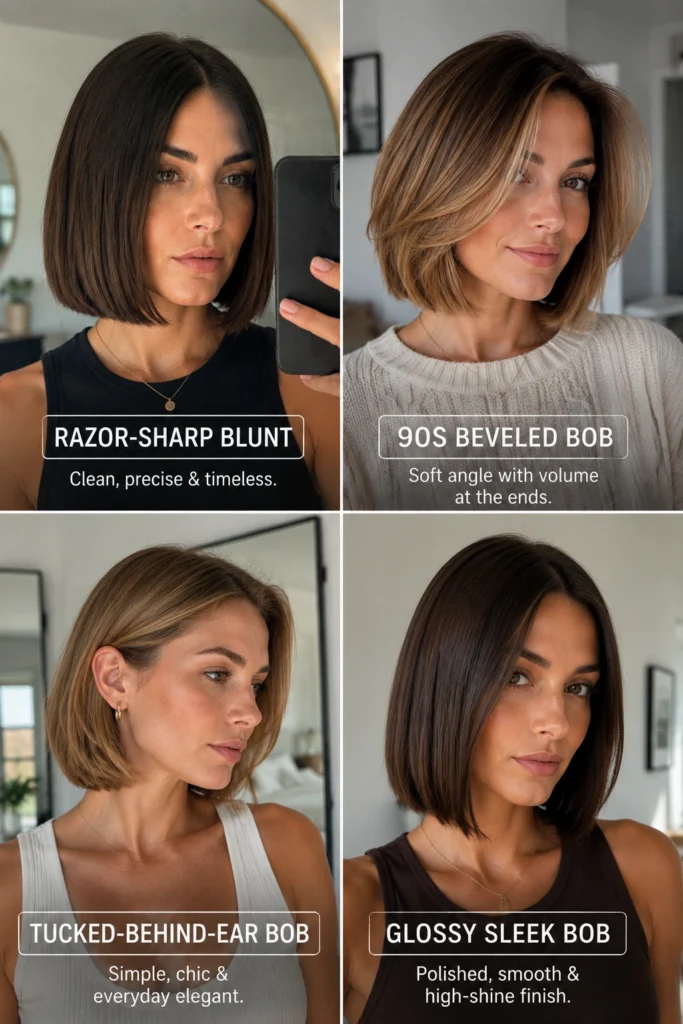
1. Razor-Sharp Blunt Bob
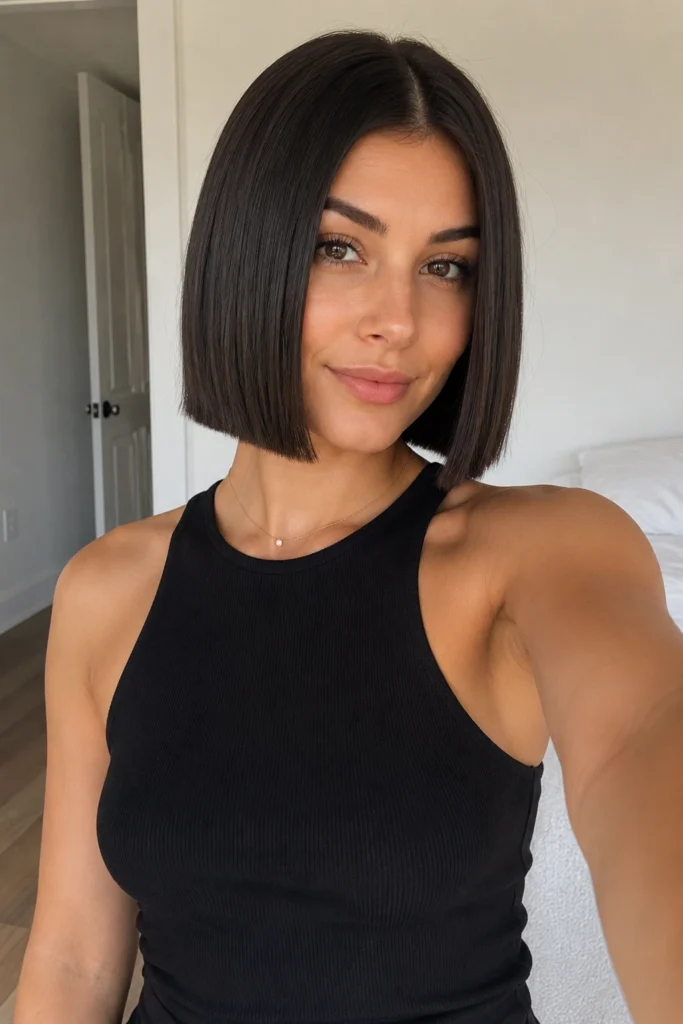
Laser-precise, straight horizontal line. Bold and graphic, best for fine or glass-like hair.
2. 90s Beveled Bob

Subtle internal layering lets ends naturally tuck under the chin with soft bounce.
Want to see this paired with face-framing color? Our dark blonde hair color ideas guide has options.
3. Tucked-Behind-the-Ear Bob
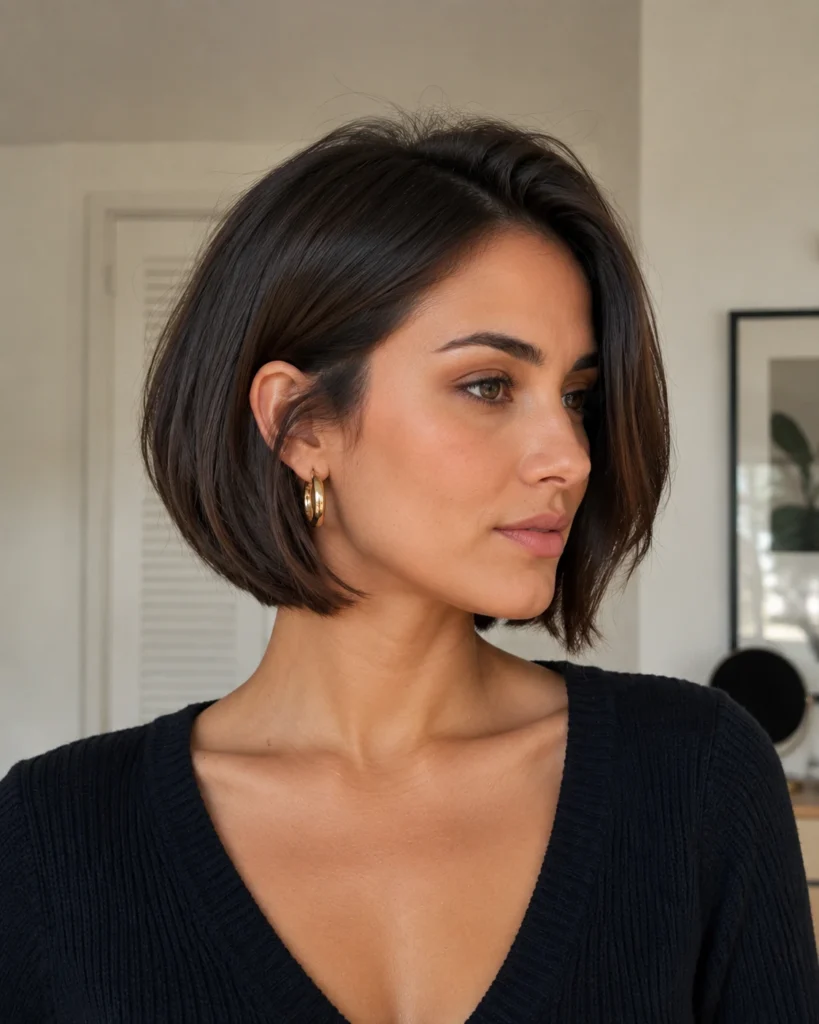
Slightly shorter in back, long enough in front to tuck behind the ears. Effortless and open.
4. Chin-Length Classic Bob
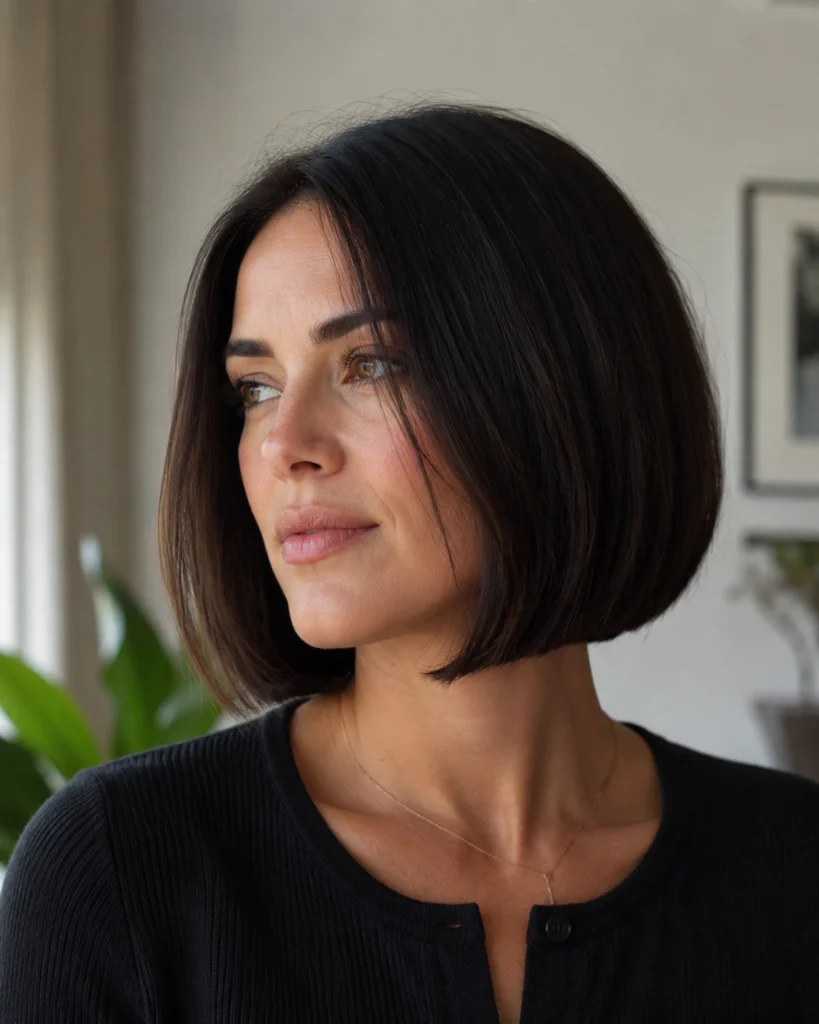
The most traditional length, hitting right at the chin for a timeless, polished look.
Pro tip: Ask for a “weight line” cut at the chin, it keeps the blunt perimeter from looking too heavy or boxy.
5. Jaw-Length Classic Bob
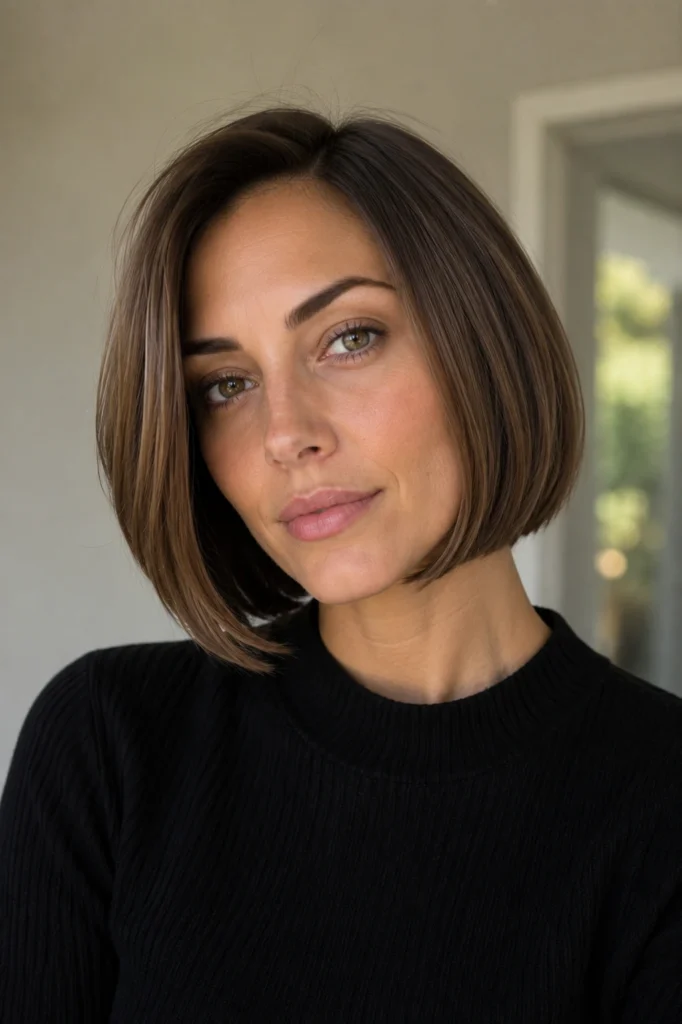
Slightly longer than chin-length, softer on round faces while keeping the sharp line.
6. Glossy Sleek Classic Bob
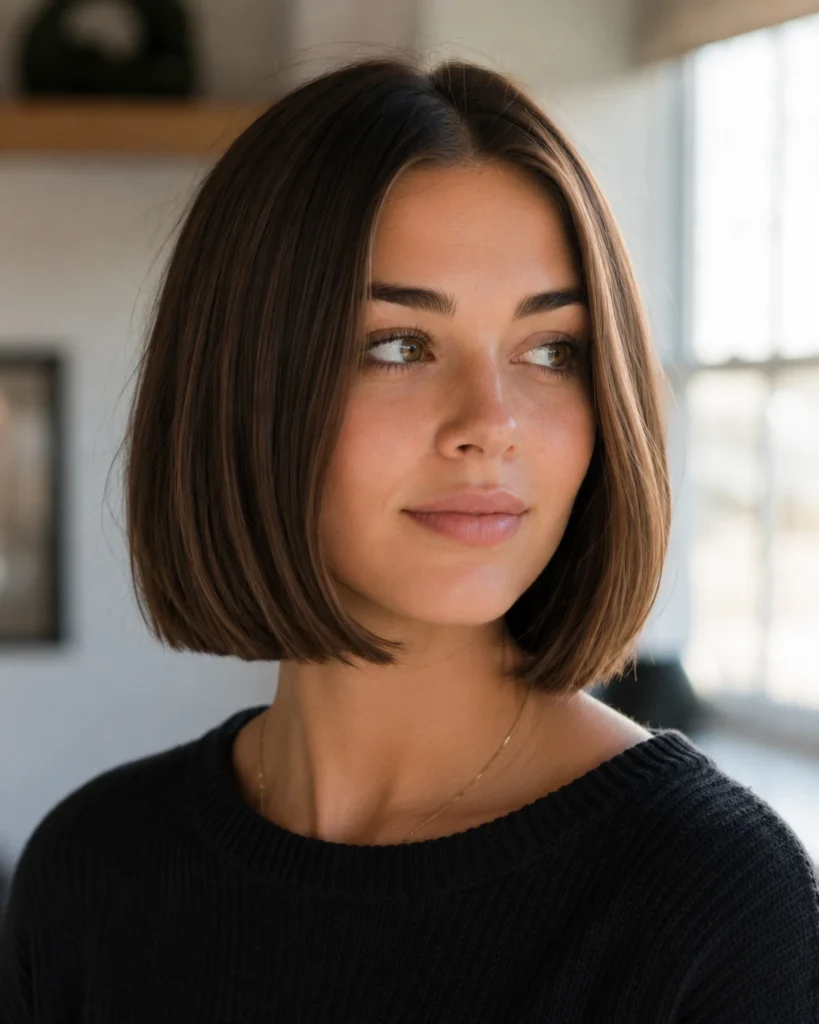
Mirror-shine finish with a flat iron and high-shine serum for an expensive look.
See more sleek styling ideas in our sleek straight shoulder bob section.
7. Inward-Curved Classic Bob
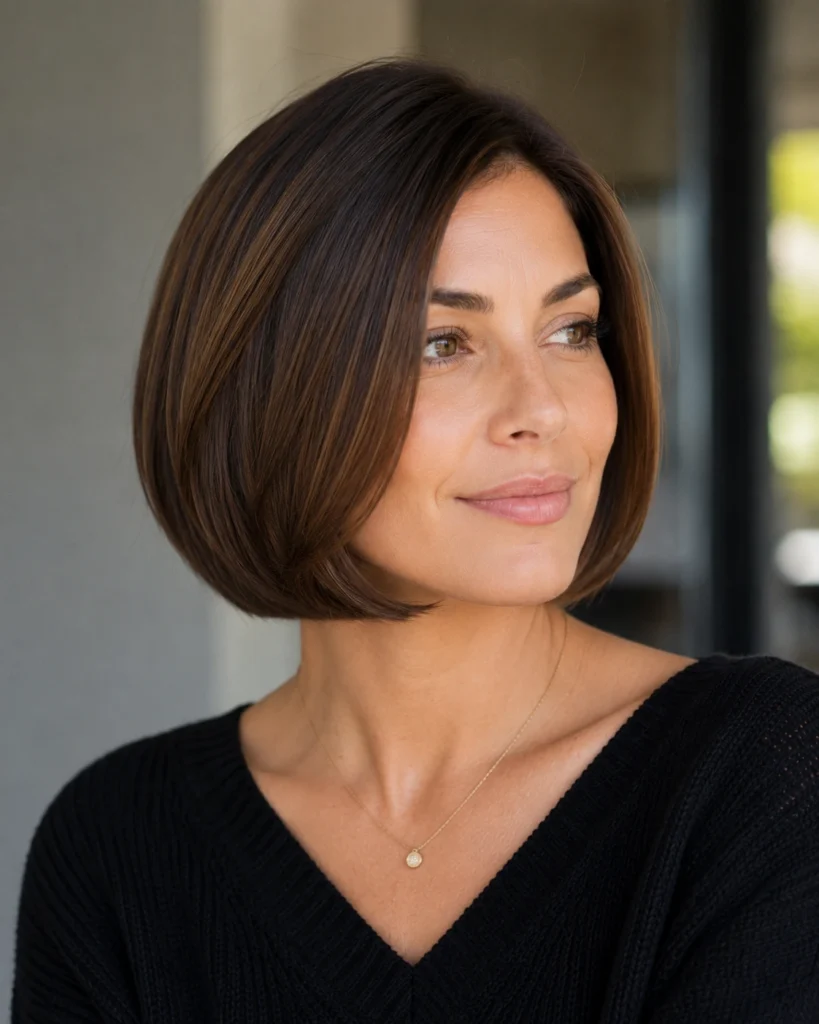
Ends curve gently inward toward the chin, the most flattering finish for round faces.
8. Shattered-Ends Classic Bob
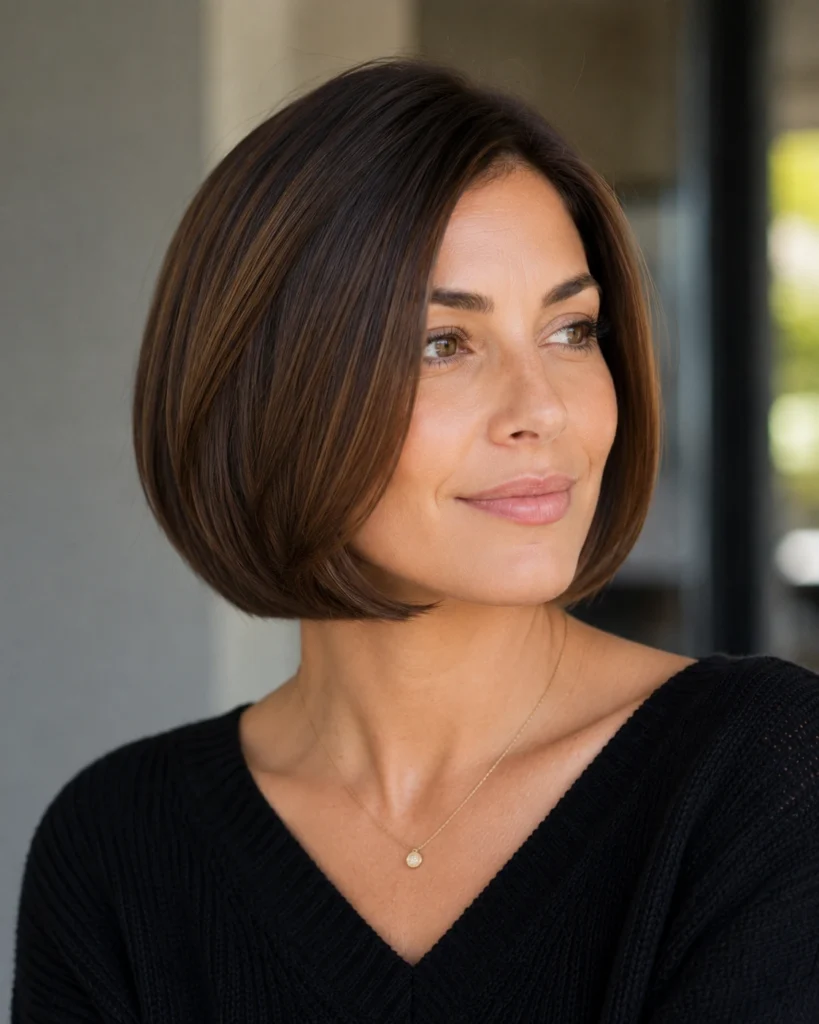
Slightly textured, softened ends take the edge off a severe blunt line for square jaws.
Pro tip: “Shattering” the ends with point-cutting softens a classic bob without sacrificing the overall blunt shape.
9. Micro Classic Bob

A shorter, lip-length version that works especially well on oval faces.
10. Asymmetrical Classic Bob

Slightly longer on one side for a modern, editorial twist on the traditional shape.
Curious about other asymmetrical cuts? Our choppy short French bob guide has more.
11. Side-Part Classic Bob
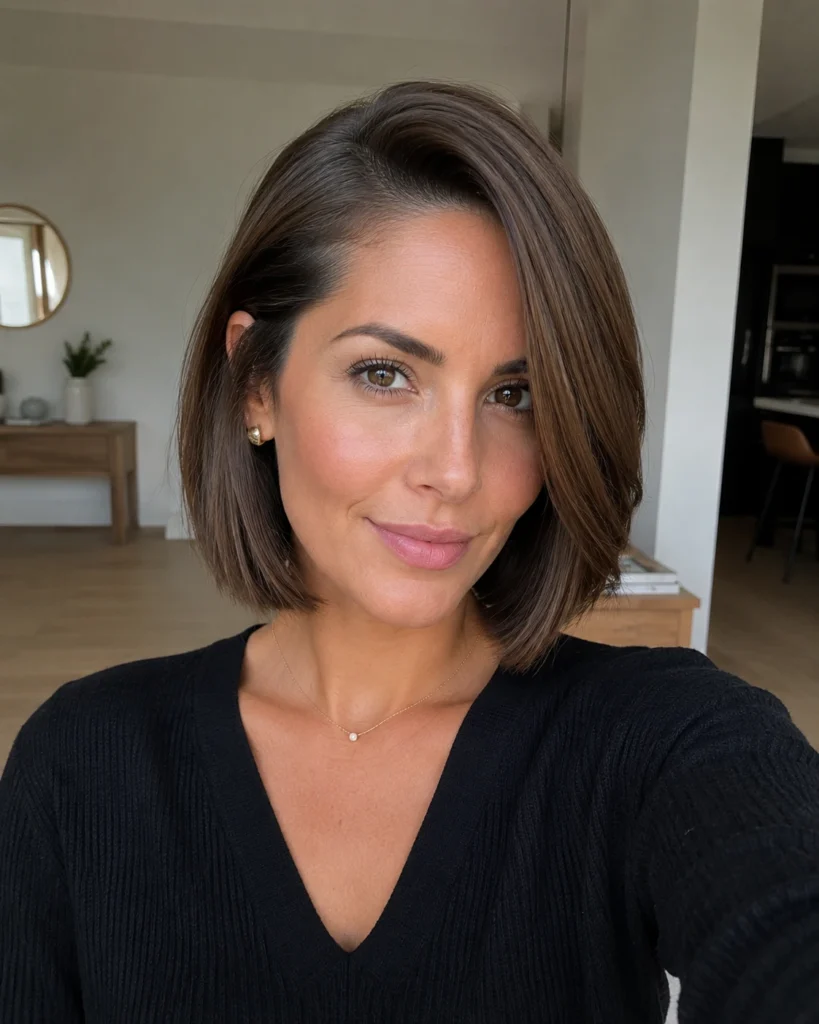
A deep side part instantly softens a sharp blunt perimeter for everyday wear.
12. Center-Part Classic Bob
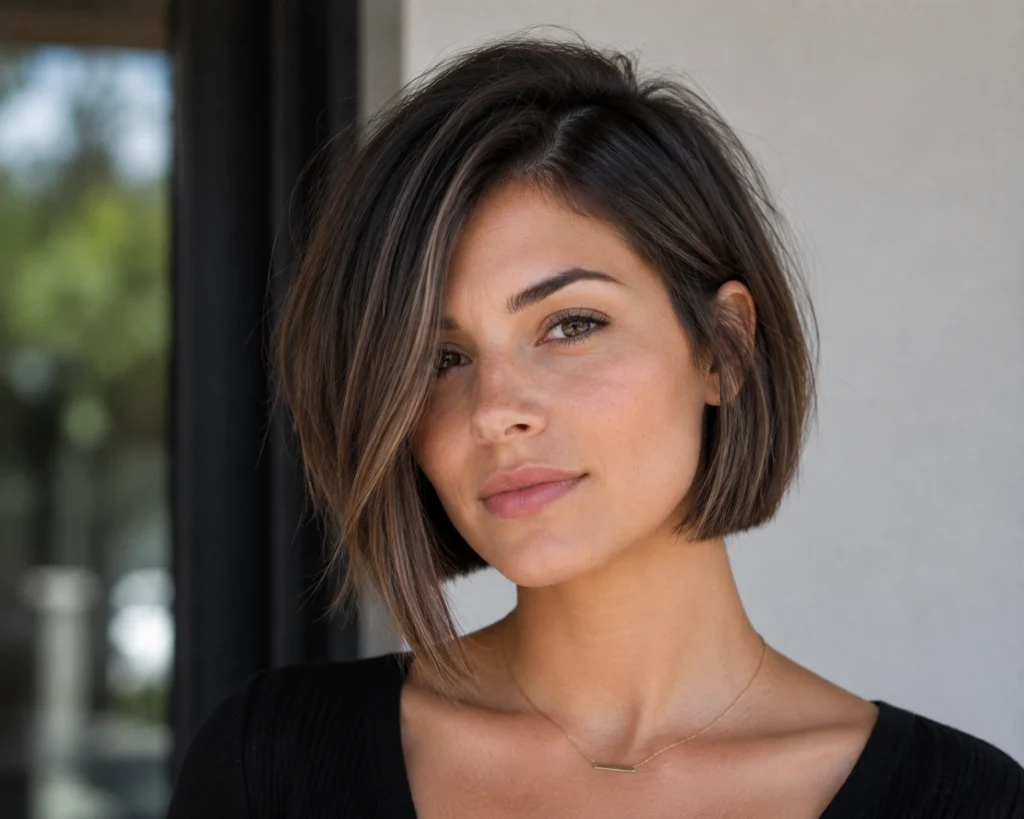
Symmetrical and graphic, this part placement emphasizes the cut’s clean lines.
Pro tip: A weekly gloss treatment keeps the surface reflective, dull hair shows on a blunt line faster than on layered cuts.
13. Voluminous Blow-Dried Bob

Round-brushed for extra volume and bounce, a softer take on the classic shape.
14. Air-Dried Classic Bob
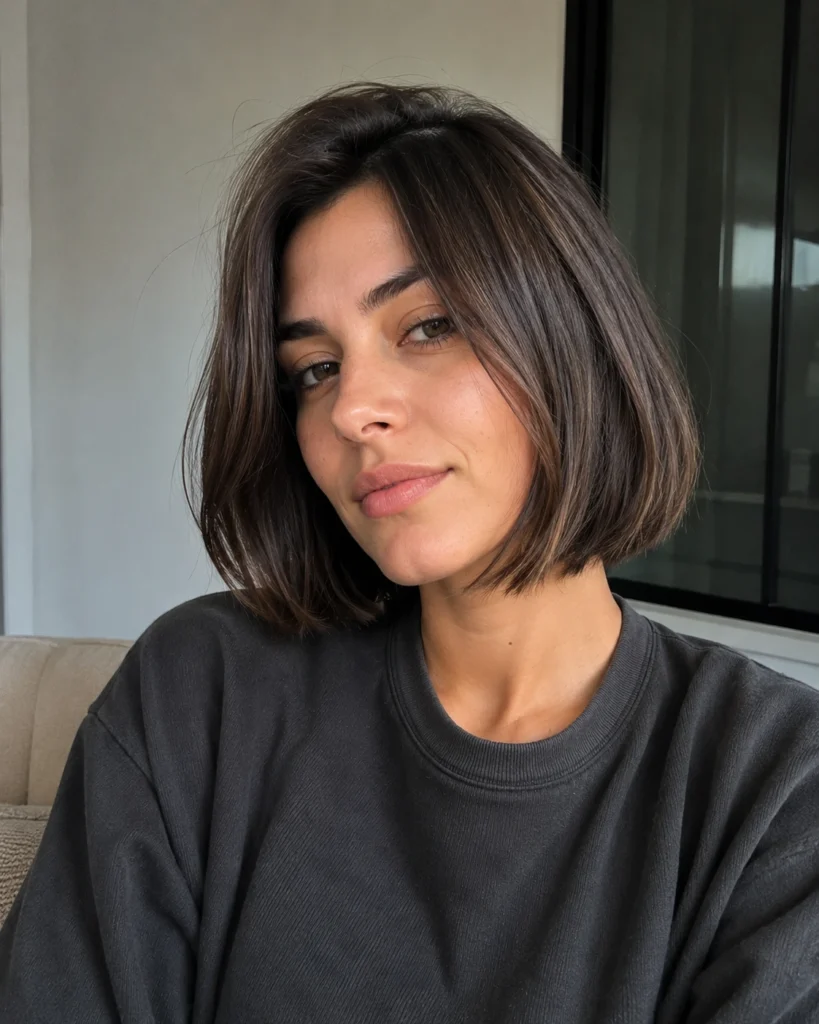
Natural texture left alone, with a touch of anti-frizz serum for a relaxed finish.
Want more low-effort options? Our air-dried shoulder length bob is another easy choice.
15. Heart-Shaped Face Classic Bob

Chin-length cut that balances a wider forehead and draws focus to the jawline.
The classic bob’s staying power isn’t just nostalgia either. Stylists report renewed demand for sharp, precise haircuts in 2026, a shift away from the softer, undone looks that dominated recent years, according to Who What Wear.
What Exactly is a “Classic Bob”?
In a world full of “lobs,” “shags,” and “choppy layers,” it can be hard to define the original.
A Classic Bob is traditionally a one-length cut that sits anywhere between the jawline and the chin. Unlike modern variations, it does not feature heavy layering or texturizing. The defining characteristic is its sharp, clean perimeter. It is weighty, blunt, and typically styled to curve slightly inward at the ends.
Why it works:
- It creates density: The blunt line makes fine hair look instantly thicker.
- It frames the face: The length draws attention to the jawline and cheekbones.
- It’s versatile: It looks just as good with a T-shirt and jeans as it does with an evening gown.
Top 3 Ways to Wear the Classic Bob Today
Even though it’s “classic,” it doesn’t have to look old-fashioned. Here is how modern stylists are cutting the classic bob this year.
1. The Razor-Sharp Blunt Bob
This is the high-fashion version. The hair is cut with laser precision, creating a straight, horizontal line. There is no softness at the bottom—it is bold and graphic.
- Best For: Straight, fine, or glass-like hair textures.
- Style Tip: Use a flat iron and a high-shine serum to emphasize the sharp line.
2. The 90s Beveled Bob
Think of the supermodels of the 1990s. This version is slightly softer. While it is still one length, the stylist creates subtle internal layering so the hair naturally tucks under at the chin. It has more bounce and movement than the razor-sharp version.
- Best For: Thick hair that needs a bit of weight removal to sit correctly.
3. The Tucked-Behind-The-Ear Bob
This is the “cool girl” way to wear a classic bob. It’s cut slightly shorter in the back and just long enough in the front to tuck behind the ears. It opens up the face and looks effortless.
Will a Classic Bob Suit My Face Shape?
The short answer is YES, but the length matters.
- Round Faces: Avoid a bob that stops exactly at the widest part of your cheeks. Instead, opt for a length that hits slightly below the chin to elongate your face.
- Square Faces: A classic blunt bob can look very striking on a square jaw, but if you want to soften your features, ask your stylist to “shatter” the ends slightly so the line isn’t too severe.
- Heart-Shaped Faces: This cut was made for you. A chin-length classic bob balances a wider forehead and draws eyes to the jawline.
- Oval Faces: You can pull off any length, from a lip-length micro bob to a longer chin-grazing cut.
Maintenance: Keeping it Sharp
The beauty of a classic bob lies in its precision. To keep it looking expensive, you need to maintain that line.
- The Trim Schedule: Unlike layered cuts that grow out seamlessly, a classic bob loses its shape quickly. Plan for a trim every 6 weeks.
- Glossing Treatments: Because this cut relies on a smooth surface, dull hair is more noticeable. Ask your stylist for a clear gloss treatment to keep it reflective.
- The “No-Frizz” Rule: Flyaways can ruin the sleek silhouette. Invest in a good anti-humidity spray or a lightweight finishing oil.
Conclusion: Is The Classic Bob Your Next Look?
As we navigate the ever-changing world of hair trends, one thing remains certain: The Classic Bob is not going anywhere. It is the perfect balance of sophistication and edge, proving that you don’t need long layers to make a powerful statement.
Whether you opt for the razor-sharp precision of a blunt cut or the soft elegance of a 90s bevel, choosing The iconic look ensures you look effortlessly chic in 2026. It adapts to your face shape, works with your texture, and saves you styling time every morning.
FAQs:
Will The Classic Bob suit my face shape?
Yes, The Classic Bob is incredibly versatile. While it looks iconic on oval and heart-shaped faces, it can be customized for anyone. If you have a round face, ask for a length slightly below the chin to elongate your features. For square faces, soft texturing at the ends can prevent the look from being too severe.
Is The Classic Bob good for fine or thin hair?
Absolutely. In fact, it is often the best choice for fine hair. Because The Classic Bob is typically cut with a blunt perimeter (straight line), it creates a strong weight line that makes thin hair appear significantly thicker and fuller instantly.
What is the difference between a French Bob and The Classic Bob?
The main difference is the length and texture. The Classic Bob is usually chin-length, polished, and precise. A French Bob is typically shorter (lip-length), often paired with bangs, and styled with a messier, more organic texture.
How often do I need to trim The Classic Bob?
To maintain that sharp, “expensive” look, this cut requires regular maintenance. We recommend booking a trim every 6 to 8 weeks. Since the hairline at the neck grows out visibly fast, delaying trims can make the shape look heavy and unkempt.
How do I stop my bob from flipping out at the ends?
This is a common issue with The Classic Bob. To get that sleek, tucked-under look, use a round brush while blow-drying damp hair. If you have a stubborn wave, a flat iron used with a slight inward curve at the ends will lock the shape in place.
Sana Malik is a hair and beauty writer with a deep love for the bob in all its forms from sharp French bobs to soft, lived-in lobs. After years of experimenting with her own short hair and helping friends figure out what actually suits their face shape, she started writing to cut through the confusing advice out there. At BobHairTrends, she breaks down each cut into simple, honest guides: how to ask for it, how to style it at home, and who it really flatters. When she isn’t researching the latest trends, she’s usually testing a new styling product or convincing someone it’s finally time for the chop.