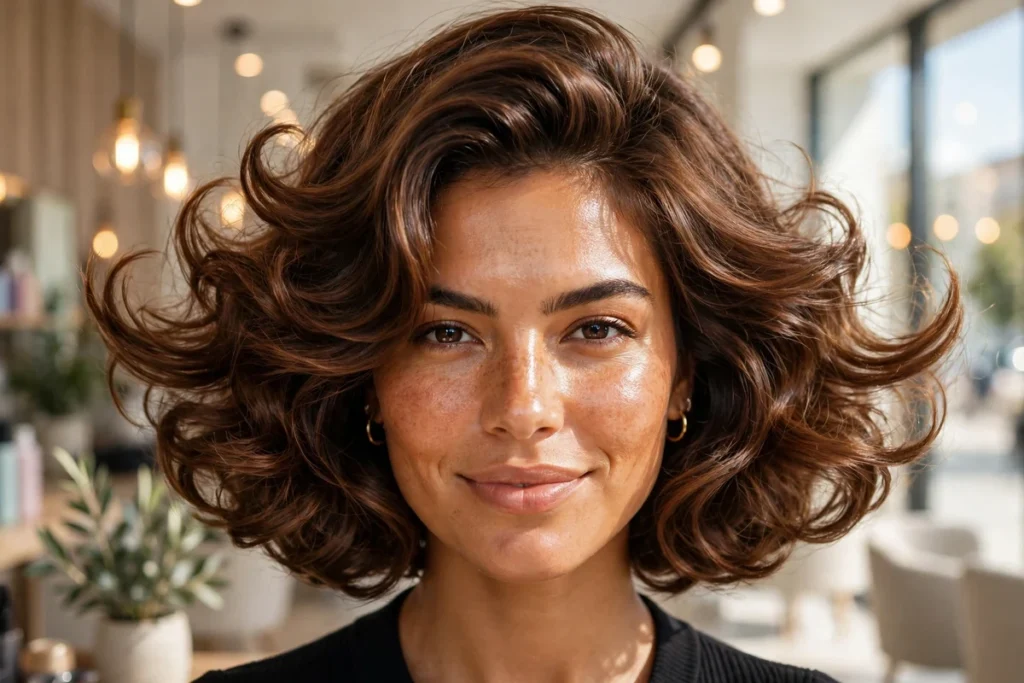


If you have seen the phrase floating around Pinterest and wondered what is an Italian bob, you are not alone. It sounds glamorous. It looks even better. But the name tells you almost nothing about the actual haircut.
Here is the short version. The Italian bob is a chin length to collarbone length bob with a blunt, heavy perimeter and very few visible layers. The ends carry the weight. The styling stays soft and lived in. It is the difference between a haircut that looks good in a salon chair and one that looks good on a Tuesday morning with coffee in your hand.
Still wondering what is an Italian bob after scrolling past a dozen photos? This guide breaks it all down. The anatomy of the cut. How it compares to the French bob and the regular bob. The exact words to tell your stylist. Trim schedule, face shapes, grow out timeline. Plus ten wearable ways to style it, so you know exactly what you are signing up for.
What Is an Italian Bob?
1. The Anatomy: What Makes It Italian
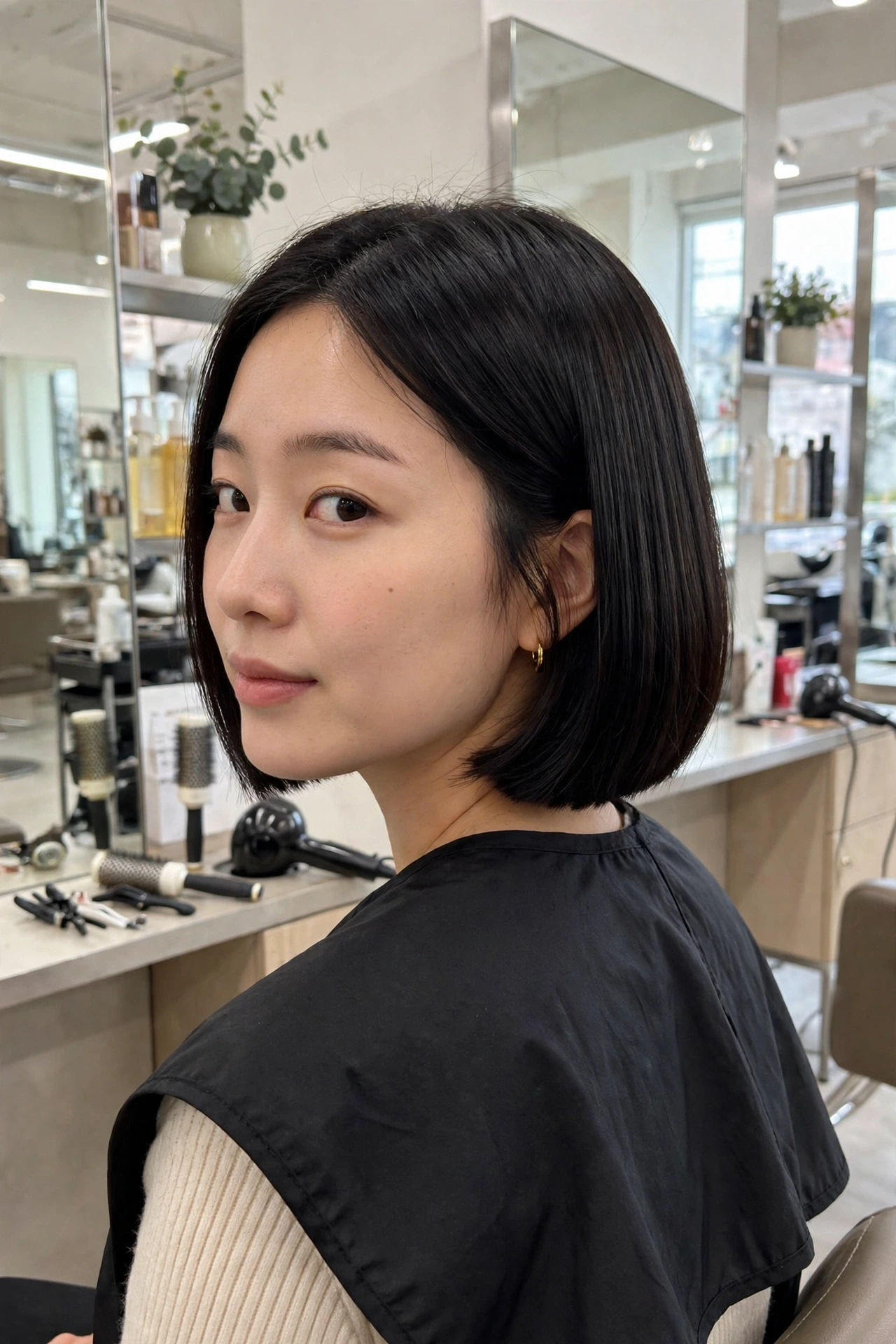
Four things define this cut. Length that lands at the chin, the jawline, or just below. A blunt perimeter, meaning the bottom edge is cut straight across with no taper. Heavy, dense ends that hold their weight instead of thinning out. And minimal layering through the body, just enough internal shaping for movement.
The name is newer than the cut. Italian screen icons have worn versions of it for decades. Think Sophia Loren in the sixties, Monica Bellucci in the nineties, and more recently Simona Tabasco as Lucia in the second season of The White Lotus, filmed in Sicily. That is the vibe it carries: old Hollywood glamour with a coastal, slightly sun-drenched ease.
2. Italian Bob vs French Bob

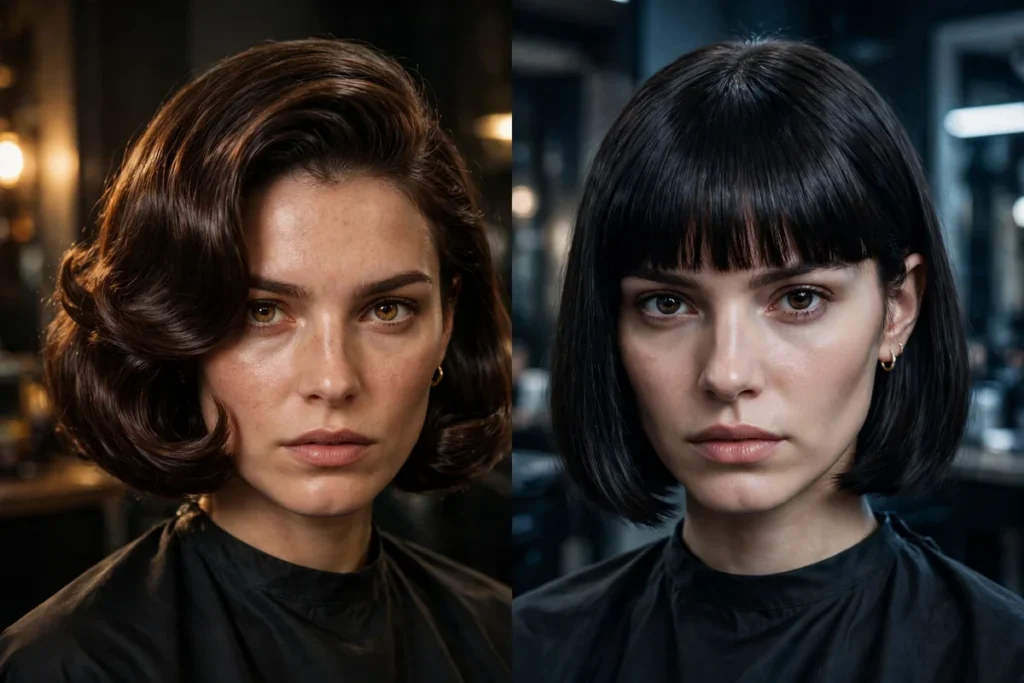
This is the comparison everyone asks about. The French bob is the shorter, cooler sibling. It usually sits at or above the chin, often comes with a fringe or soft face framing, and wears its texture undone and playful. It is Parisian street style: effortless, a little tousled, not trying too hard.
The Italian bob is fuller, longer, and more glamorous. More length, more weight through the shape, more bounce. Stylists describe it as polished and luxurious next to the French bob’s cool and undone. If the French bob is a cigarette on a café terrace, the Italian bob is an Aperol spritz on the Amalfi coast.
For a deeper side by side on length, styling, and maintenance, read our full Italian vs French bob breakdown.
3. Italian Bob vs a Regular Bob

The difference is in the technique, not the silhouette. A regular bob can be sleek, stacked, graduated, or A-line. The Italian bob is defined by where the volume lives: low. The ends stay thick and chunky. The cut creates a bold but soft frame around the chin and jawline.
A traditional blunt bob can read flat or severe. The Italian version avoids that with a slight bevel at the ends and a little internal weight removal, so it swings instead of hanging. Same length family. Very different energy.
4. The Stylist Script: Exact Words to Use
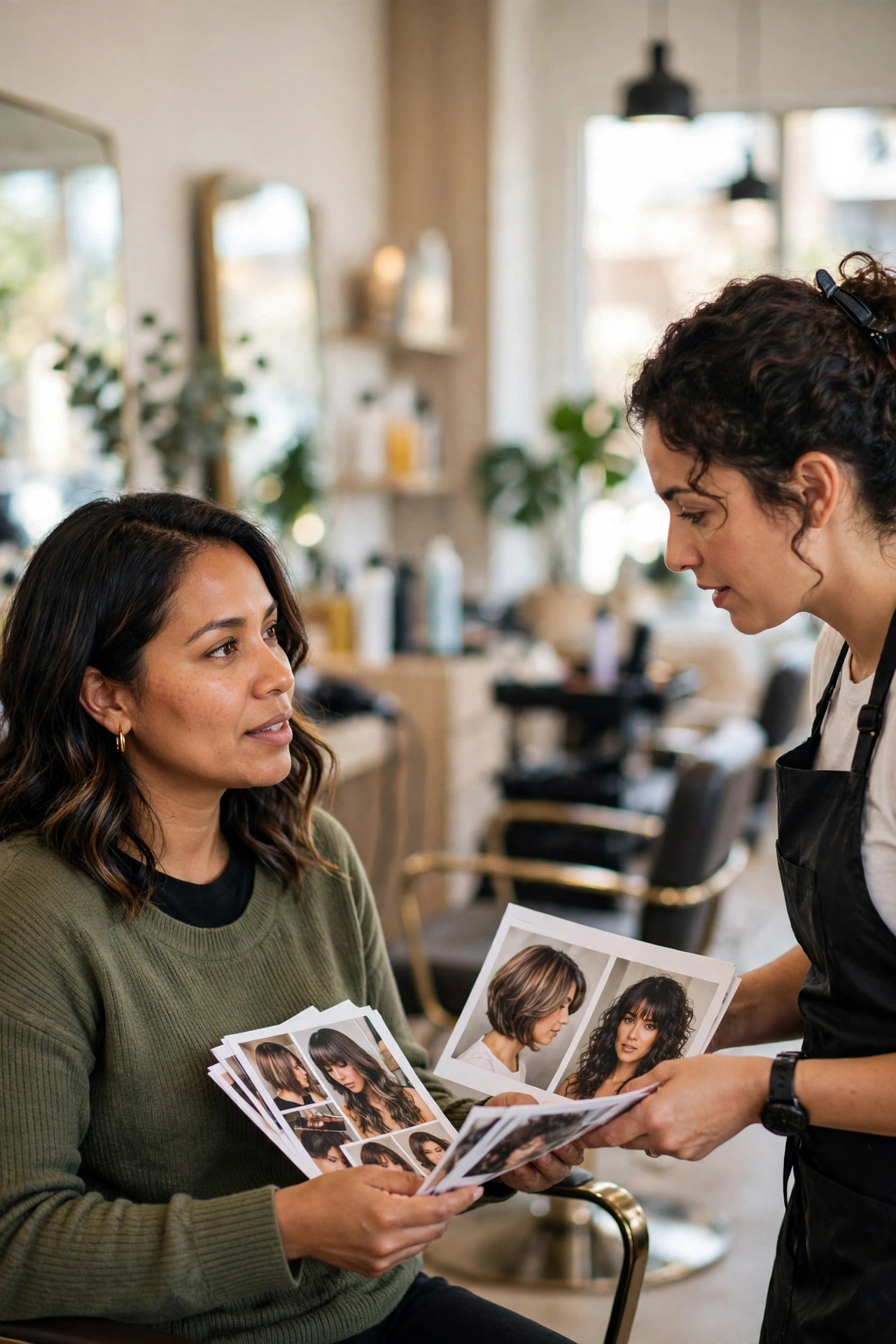
Do not just say “Italian bob” and hope for the best. The term means slightly different things to different stylists. Use salon language instead.
Try this: “I want a chin to collarbone length bob with a blunt perimeter and subtle internal layers for movement. Slight bevel at the ends so it tucks under cleanly. No razor on the bottom edge, I want the ends to stay full.” Then specify fringe or no fringe.
Bring two or three photos. One from the front, one from the side, one from the back. Photos settle debates that words cannot. For a second opinion from a pro editorial guide, see the Italian bob breakdown on Hair.com, which walks through the same salon language in detail.
5. If Your Stylist Has Never Heard the Term

This happens more than you would think. Trendy cut names move faster than salon menus. Do not panic and do not switch salons. Just describe the haircut in plain terms.
Say: “I am after an evenly chopped mid length bob, minimal layering, with plenty of volume at the ends. It should fall between the chin and the collarbone and look soft, not sharp.” That description gets you 90 percent of the way there, and your photos close the rest.
Also be honest about your mornings. Tell your stylist how much styling you will actually do and what tools you own. Hair should be fun, not homework.
6. The Classic Curved Under Italian

This is the signature finish. Ends bevelled gently inward so they hug the jawline. It is polished without looking stiff, and it is the version that works best for fine hair because the curved under shape creates fullness at the bottom edge.
Style it with a medium round brush, rolling the ends under as you dry. The cut does most of the work. You just have to aim it.
7. The Wavy Dolce Vita Italian

This is the Lucia from White Lotus version. Soft waves through the length, ends left a little loose and lived in, nothing too perfect. It works beautifully on naturally wavy hair because your texture does the styling for you.
Scrunch a light mousse into damp hair, twist a few sections around your fingers, and let it air dry. The whole point is that it looks like you did not try very hard.
8. The Sleek Deep Side Part Italian
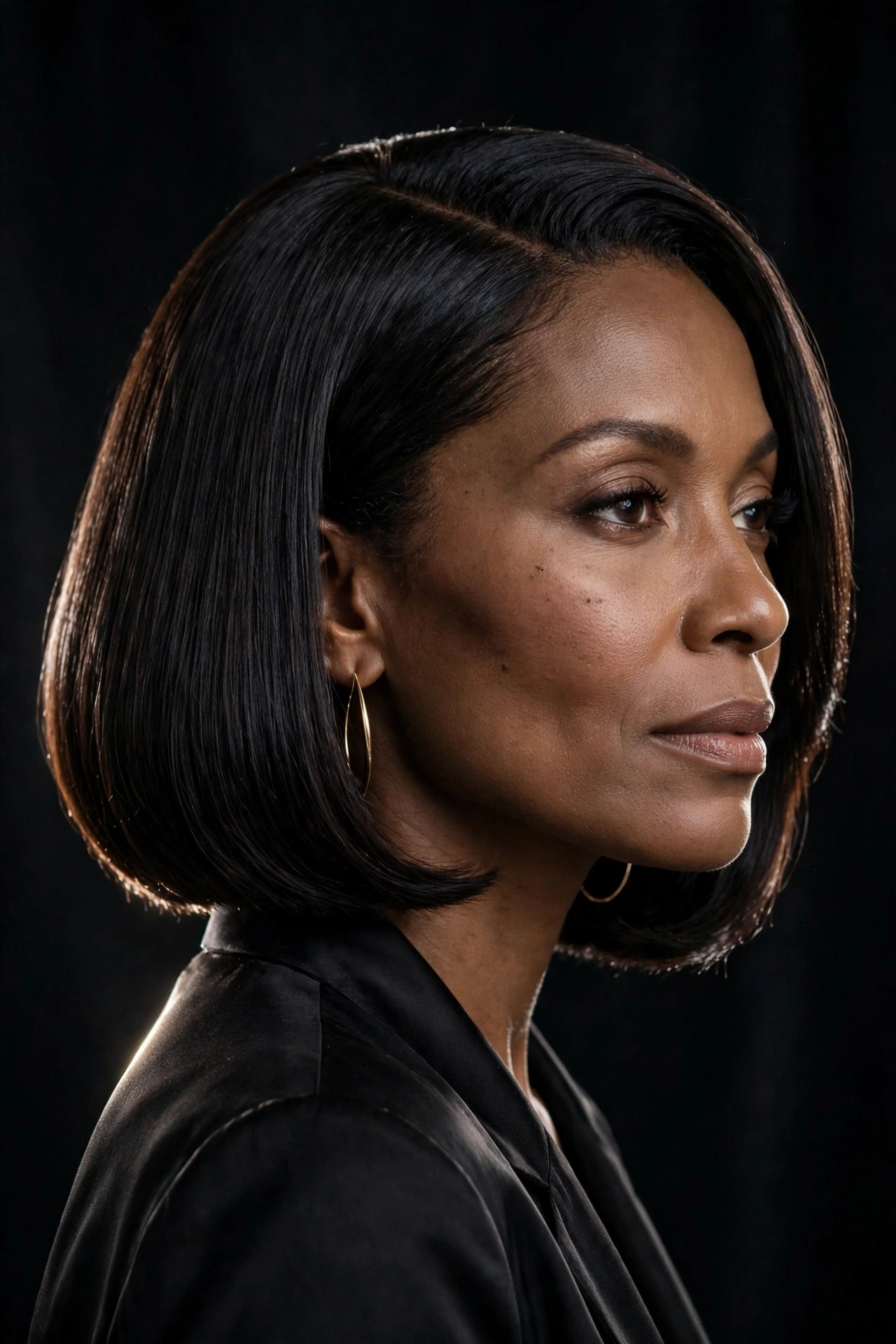
The evening version. A deep side part with the hair smoothed and glossy, showing off the blunt line at its sharpest. This is the Italian bob at its most cinematic.
Flat iron in sections, flick the very tips slightly under, and finish with a lightweight shine spray. It takes ten minutes and looks like a red carpet moment.
9. The Retro Flippy Italian

The ends kick outward instead of tucking under. It is playful, retro, and very on trend right now. The flip works best when the cut is at the shorter end of the range, around the chin or jawline.
A hot brush is your best friend here. Roll it outward at the ends while drying. The shape holds all day because the blunt weight anchors the flip.
10. The Air Dried Italian
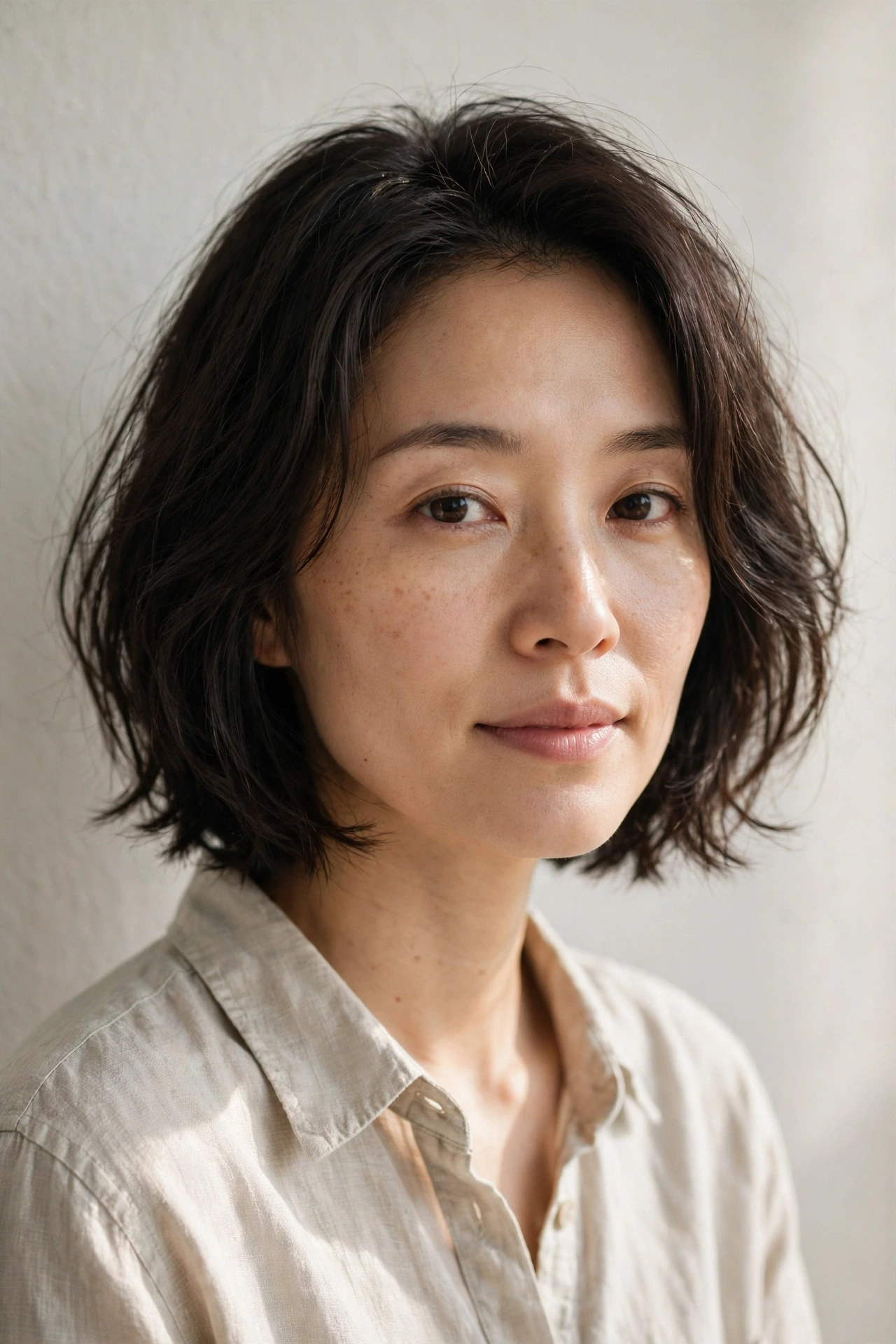
The most authentic way to wear the cut. No heat, no fuss. The Italian bob was designed to fall into shape with minimal styling, and this version proves it.
Work a leave in conditioner or light cream through damp hair, set your part early, and leave it alone while it dries. The cut matters more than the product here. If the shape is right, air drying looks intentional.
11. Which Face Shapes It Suits Best

Oval faces wear it almost without adjustment. Round faces should ask for the length to sit just below the jaw, with the front falling slightly longer than the back, which adds a slimming diagonal. Square faces look striking in it because the soft bend at the ends balances a strong jawline.
Heart shaped faces should aim for the collarbone end of the length range so the visual weight sits lower. Long faces benefit from the horizontal weight of a chin length stop. Honestly, almost every face shape can wear a version of it with the right length tweaks.
12. Hair Types: Who Gets the Best Result
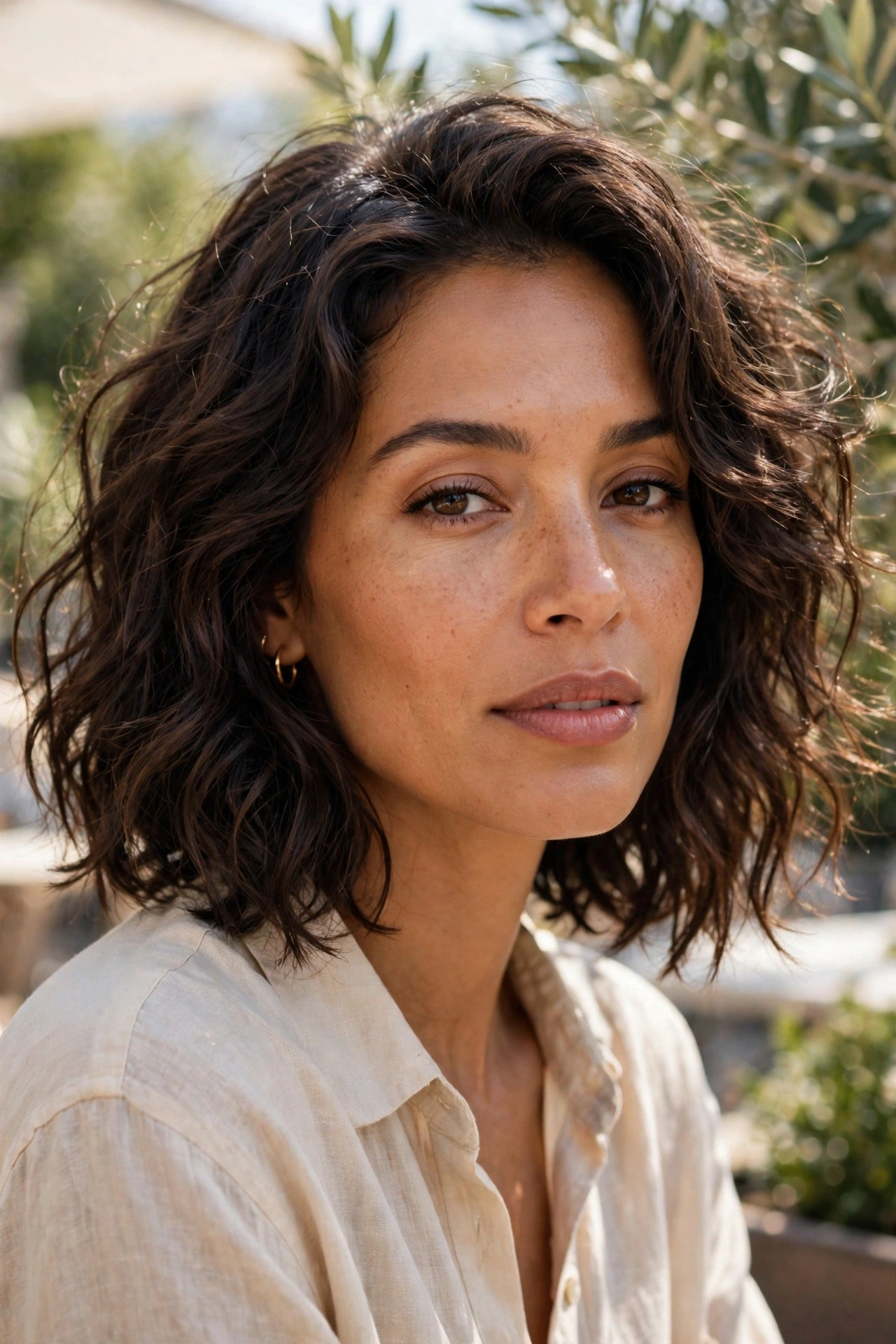
Fine hair gets the best deal from this cut. The blunt perimeter keeps the ends looking dense instead of wispy, and the lack of heavy layering means the hair reads thicker. Just avoid razors at the bottom edge, which thin things out.
Thick hair works too, but it needs a small amount of internal weight removal so the shape does not turn into a helmet. The perimeter line still reads blunt, the body just moves better. Wavy hair is nearly the ideal canvas, since natural movement reinforces the soft bend that defines the cut.
13. The Curly Italian Bob

Yes, curls can do this. The shape adapts into a soft, rounded chin length cut with plenty of volume. It is one of the most flattering short cuts on curly hair because the weight sits exactly where curls are fullest.
Two rules. Cut it with your curl pattern in mind, and account for shrinkage when wet. What looks right wet can dry significantly shorter. See a stylist who cuts curls dry or curl by curl.
14. Italian Bob With Curtain Bangs

Curtain bangs soften the whole look and blend into the face framing. They open up the face while keeping the glamorous Italian energy intact. This combination flatters heart shaped faces especially well.
Ask for bangs that start at or below the cheekbones so they melt into the bob rather than sitting apart from it. Curtain bangs also make round and square faces happy, since the soft opening creates vertical lines.
15. The Fine Hair Italian

This is where the cut earns its reputation. Fine hair usually gets thinner looking the longer it grows, because the ends lose density. The Italian bob does the opposite. It ends where your hair is still thick.
Keep the layering truly minimal. Ask your stylist to keep the ends dense and avoid thinning shears through the perimeter. Root lift at the crown plus the blunt bottom edge gives you the fullest looking short hair you have probably ever had.
16. The Thick Hair Italian

Thick hair and the Italian bob are a great match as long as the inside is managed. The perimeter stays blunt and clean while hidden internal layers let the shape move. You get the volume without the bulk.
Be honest at the consultation. If your hair is very dense, ask specifically about internal weight removal. The cut should swing when you move your head, not sit like a solid block.
17. How to Style It in Ten Minutes
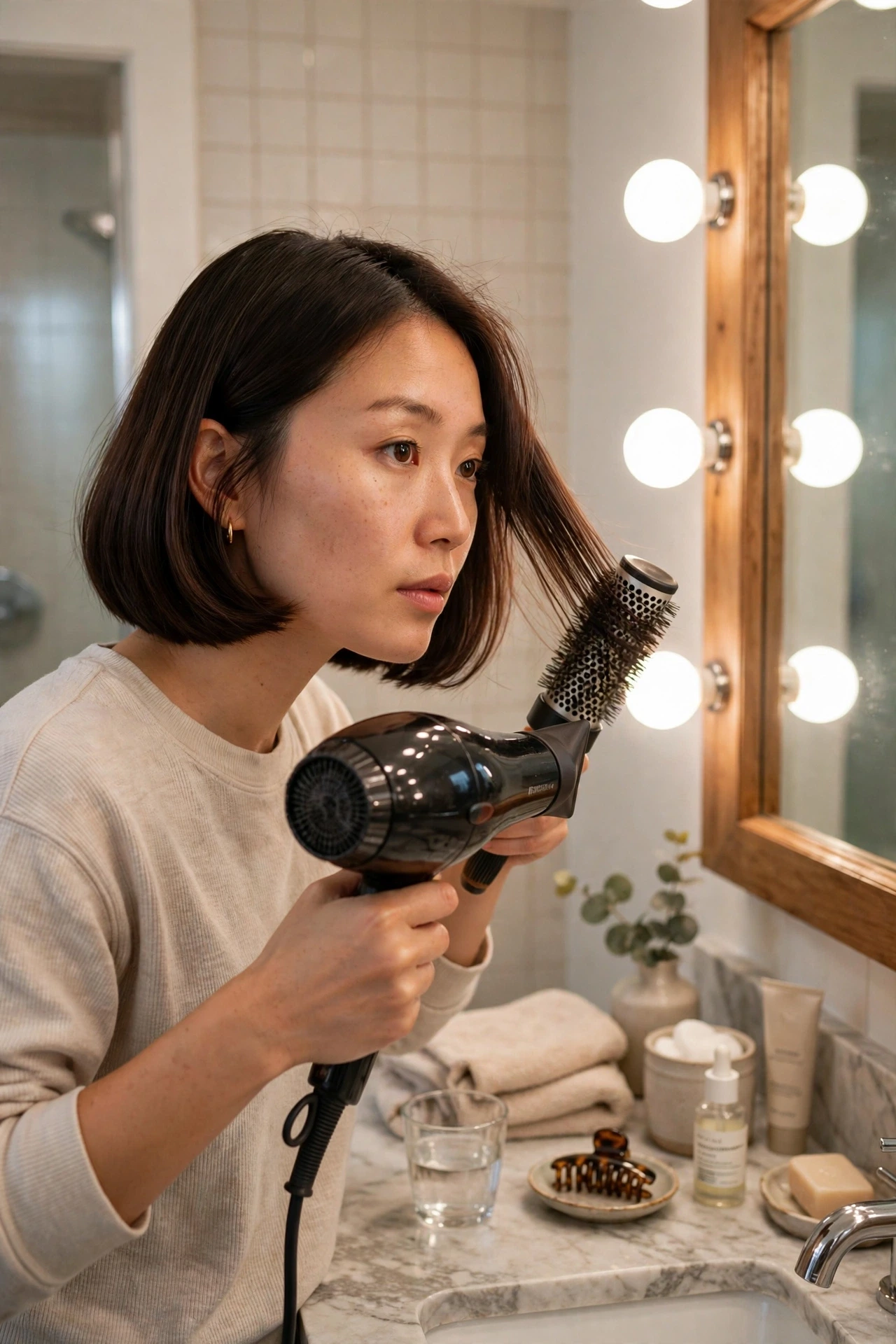
Most days, this cut needs very little. On damp hair, work through a light mousse or styling cream. Blow dry with a medium round brush for root lift, bending the ends under or out depending on your mood. Two to three minutes per section.
Finish with a drop of shine serum or a light shine spray. Avoid heavy oils and thick creams, which weigh short hair down fast. If you skipped washing, dry shampoo at the roots only keeps second day hair fresh.
18. How Often to Trim
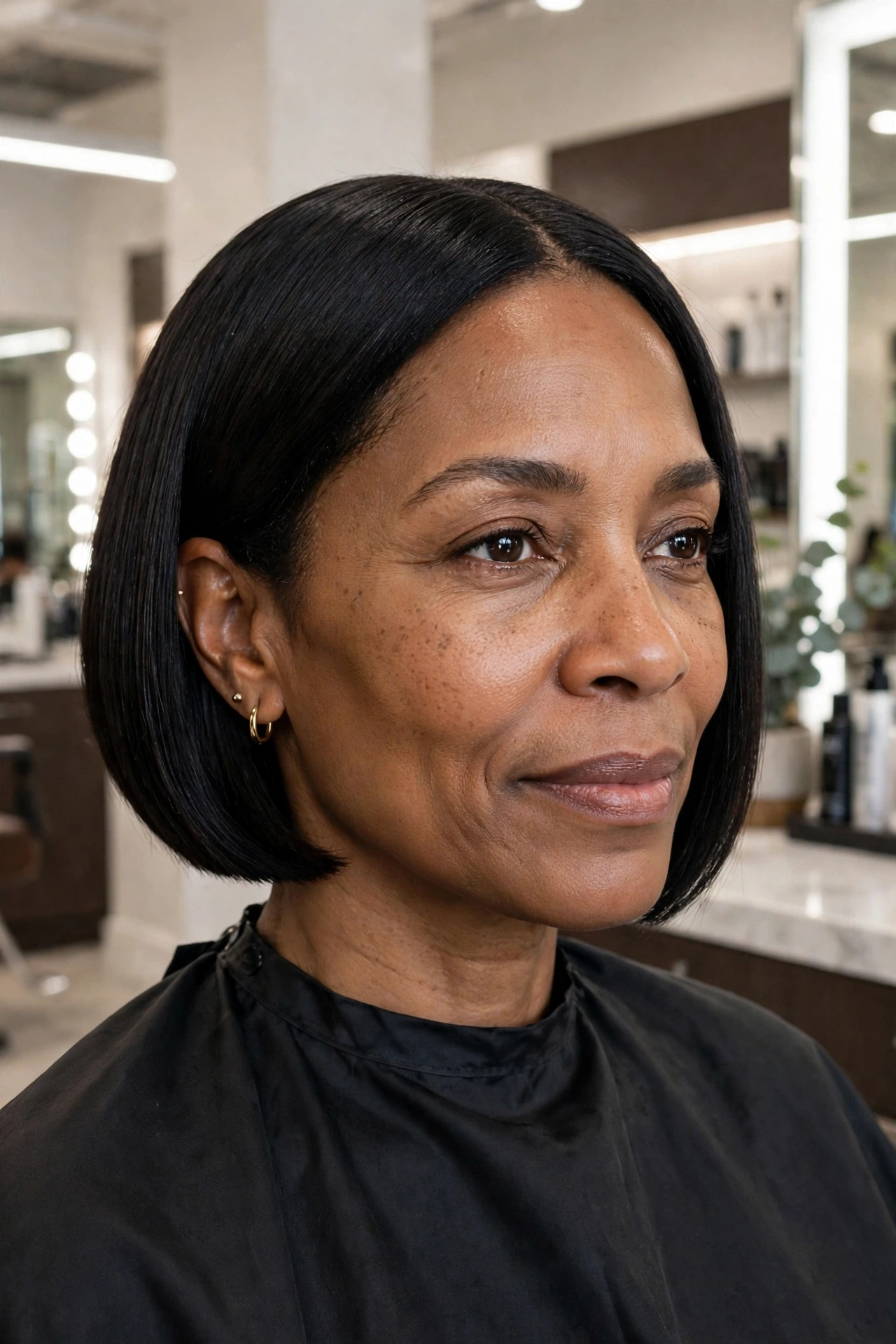
Every six to eight weeks. That is the standard answer from stylists, and it matters more here than with layered cuts because the blunt line shows growth quickly. The longer you wait, the more the shape breaks down at the bottom edge.
Textured or shaggier versions can stretch to eight or ten weeks. But if you love the crisp chin length line, book your next appointment before you leave the salon.
19. The Grow Out Timeline

From a classic jaw length Italian bob to a shoulder length lob takes about six to nine months, depending on your growth rate. The good news is the grow out phase looks genuinely good on this cut. The weight stays low and the shape softens into a longer bob instead of going scraggly.
Keep up with light trims during the process. Dust the ends every eight weeks to maintain the line without losing length. Want ideas for the destination length? Our Italian bob pillar guide covers the full length range and every way to wear it.
20. Italian Bob vs a Bouncy Blowout
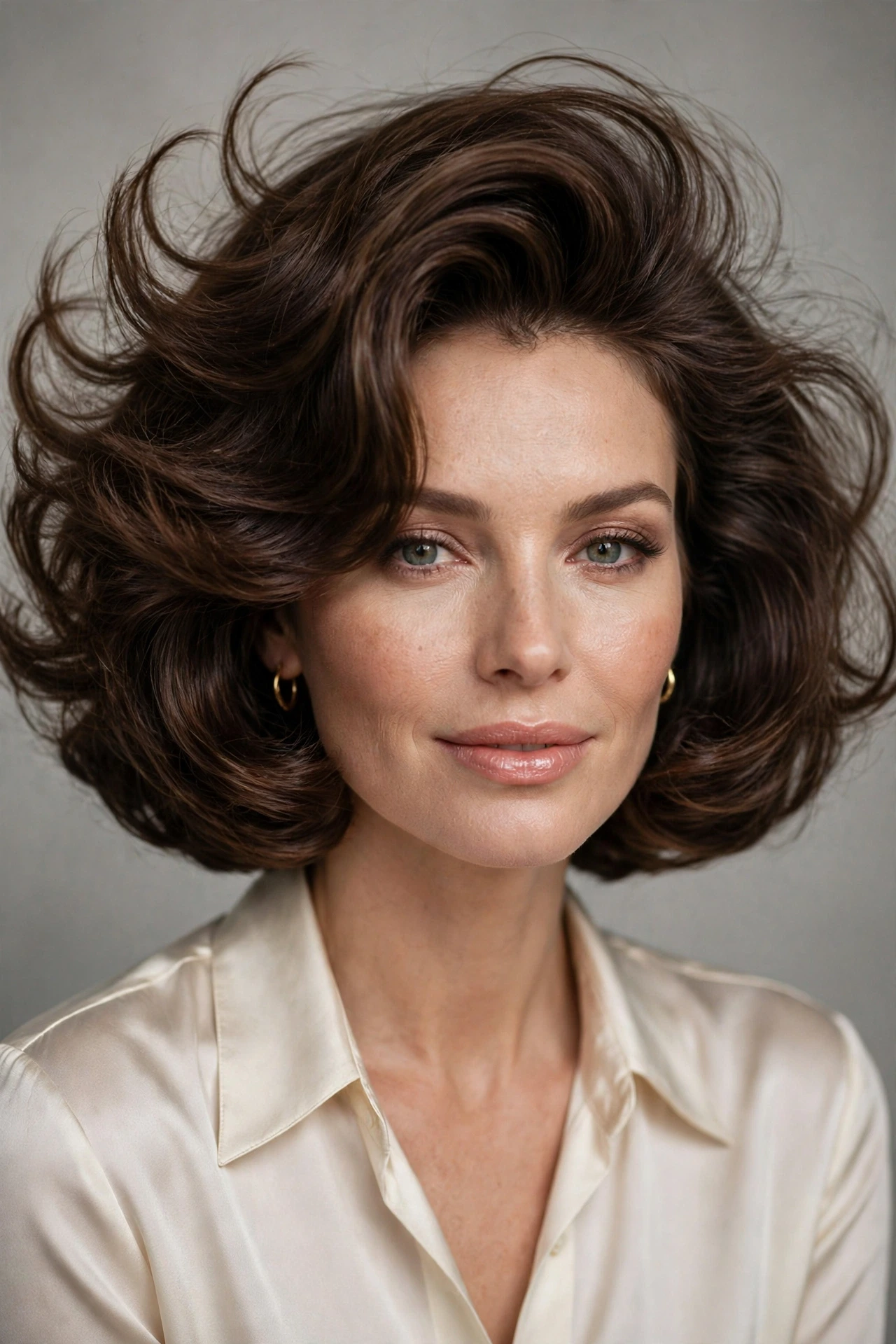
One confusion worth clearing up. The Italian bob is a haircut. A bouncy blowout is a styling technique. You can put a bouncy blowout on almost any bob, layered or blunt, long or short.
What makes the Italian bob special is that the cut itself creates the bounce. The dense ends and internal shaping give you lift and movement even air dried. A blowout on top of it is glorious, but the volume is baked in, not painted on. If your blowout falls flat by lunch, the problem is usually the cut, not your technique.
Over 50 and considering the chop? The Italian bob is quietly one of the most flattering short cuts for mature hair because the volume lands exactly where hair thins. See our guide to Italian bob for older women for age specific styling. Still deciding which bob suits you best? Our Ultimate Guide to Bob Hair Trends compares 16 major bob styles side by side to help you choose. So what is an Italian bob in short? A fuller, more glamorous take on the classic cut that suits nearly everyone. If you want something even shorter and edgier, see how the bixie haircut compares.
Frequently Asked Questions
What is an Italian bob haircut exactly?
It is a chin to collarbone length bob with a blunt, heavy perimeter and minimal visible layering. The weight sits at the ends, the styling stays soft and lived in, and the overall feel is glamorous but effortless.
How is an Italian bob different from a French bob?
The French bob is shorter, usually at or above the chin, often with a fringe and an undone finish. The Italian bob is longer, fuller, and more polished, with more volume and weight through the shape.
How do I ask my stylist for an Italian bob?
Bring two or three reference photos and say you want a chin length bob with a blunt perimeter, subtle internal layers, and a slight bevel at the ends. Ask for no razor on the bottom edge if you want the ends to stay full.
How often do I need to trim an Italian bob?
Every six to eight weeks for blunt versions. Textured versions can stretch to eight or ten weeks. The crisp line shows growth quickly, so regular shaping keeps it looking intentional.
Is an Italian bob good for fine hair?
Yes, it is one of the best cuts for fine hair. The blunt ends keep density at the bottom instead of thinning out, and the minimal layering makes hair read thicker. Just avoid razors on the perimeter.
How long does an Italian bob take to grow out?
From a jaw length bob to a shoulder length lob takes roughly six to nine months. Light trims every eight weeks keep the shape clean during the grow out, and the phase in between looks good on its own.

Sana Malik is a hair and beauty writer with a deep love for the bob in all its forms from sharp French bobs to soft, lived-in lobs. After years of experimenting with her own short hair and helping friends figure out what actually suits their face shape, she started writing to cut through the confusing advice out there. At BobHairTrends, she breaks down each cut into simple, honest guides: how to ask for it, how to style it at home, and who it really flatters. When she isn’t researching the latest trends, she’s usually testing a new styling product or convincing someone it’s finally time for the chop.