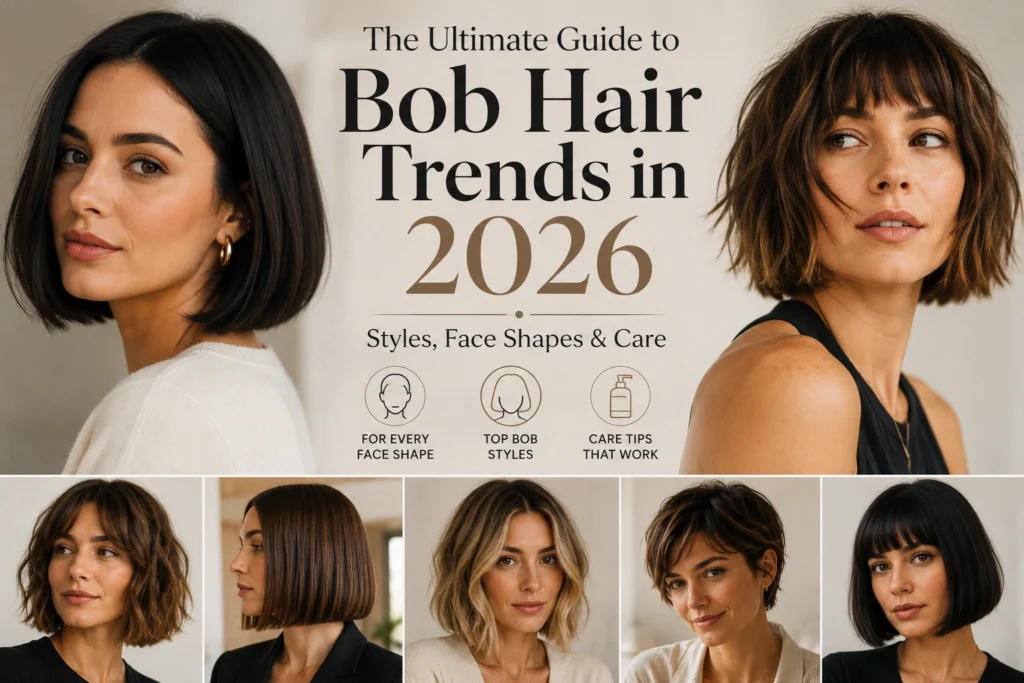

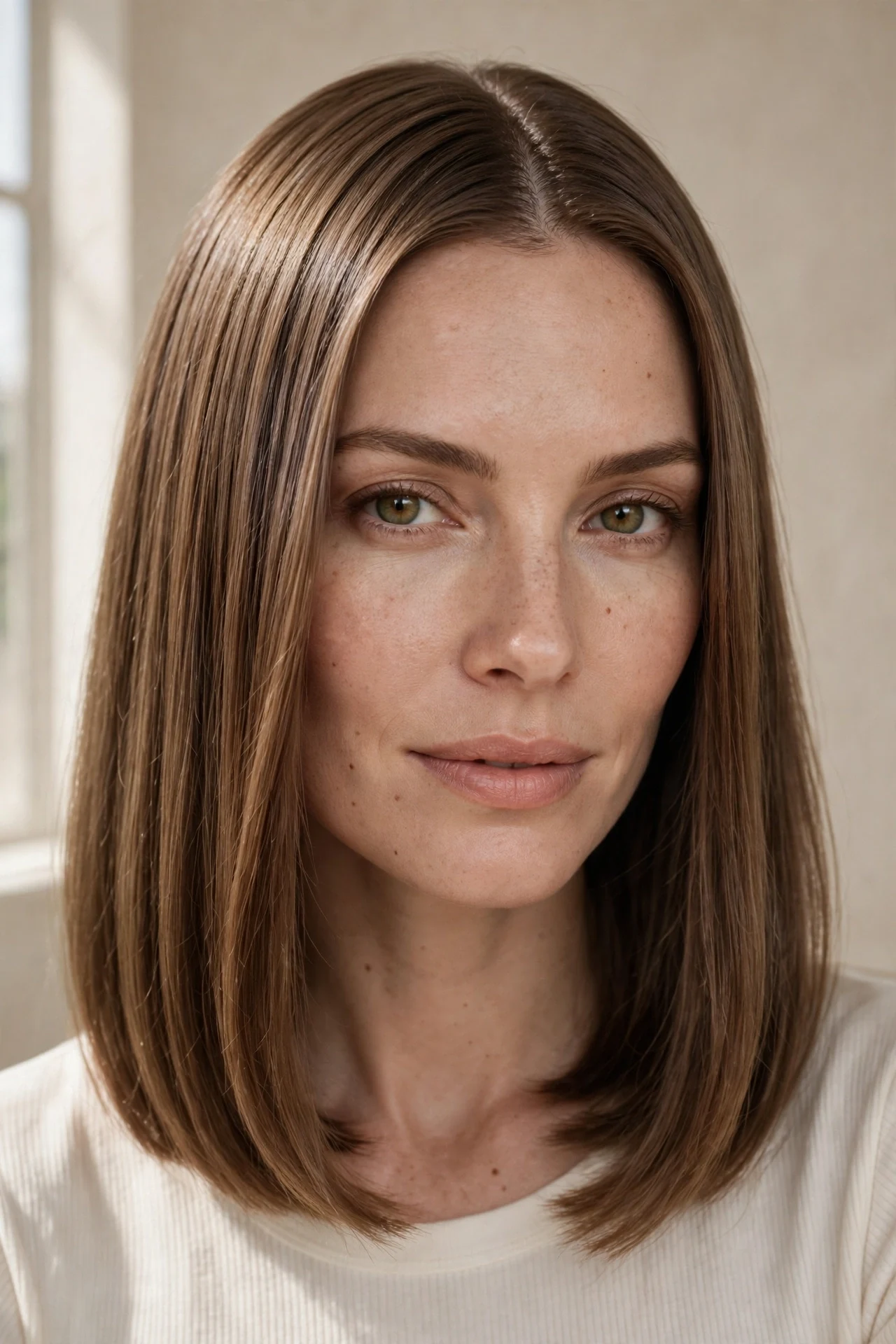
If you are torn between a bob and a lob, you are asking exactly the right question, because the lob vs bob haircut choice is not really about fashion at all. It is about your face shape, your morning routine, how often you will visit the salon, and how you feel about ponytails. Get those answers right and the cut almost picks itself.
Both cuts come from the same family and both look stunning in 2026, but they behave very differently once you leave the salon. Below you will find the measurements, the face-shape verdicts, the maintenance math, and the grow-out timelines, plus 20 bob and lob looks that show each point in real life. For the wider world of bob lengths, our long bob haircut guide is the companion read.
- A bob ends at the jaw or chin, a lob ends between the chin and the collarbone, and shoulder-length hair starts where the lob leaves off.
- The lob is the safer first cut: it ties back, grows out gracefully, and needs trims only every 8 to 12 weeks.
- The bob wins on drama and fullness, especially for fine hair, but it needs trims every 4 to 6 weeks to hold its shape.
- Face shape matters more than hair type when you choose, and the tables below give you a verdict for each shape.
- If you cannot live without a ponytail, pick the lob. That one practical test settles the debate for most people.
What Exactly Is a Bob, a Lob, and Shoulder-Length Hair?
Ask three stylists where a bob ends and you might get three answers, so let us fix the definitions before anything else. A classic bob ends between the jawline and the chin, roughly 10 to 14 inches from the crown on most people. A lob, short for long bob, ends between the chin and the collarbone, roughly 14 to 18 inches. Anything that reaches the shoulders and beyond is shoulder-length hair, not a lob, even if it started life as one.
That small gap of a few inches is where all the practical differences live. The bob shows off your jaw, neck, and earrings. The lob keeps enough length to behave like longer hair when you need it to. Our main bob trends guide maps every bob family against these lengths if you want the full picture.
Lob vs Bob Haircut: The Full Comparison Table
This is the table to screenshot before your appointment. It puts every factor that actually affects daily life side by side, so you can see at a glance where each cut wins.
| Factor | Bob | Lob | Shoulder length |
|---|---|---|---|
| Where it ends | Jawline to chin | Chin to collarbone | Collarbone to shoulders |
| Best for | Strong jawlines, fine hair, bold statements | Almost everyone, the safest first bob | People who wear ponytails and updos daily |
| Trim cadence | Every 4 to 6 weeks | Every 8 to 12 weeks | Every 10 to 14 weeks |
| Salon visits per year | 9 to 12 | 4 to 6 | 3 to 5 |
| Morning styling time | 10 to 20 minutes for a polished finish | 5 to 15 minutes, often air dried | 15 to 30 minutes |
| Ponytail test | No, too short to tie back | Yes, low ponytail easily | Yes, full ponytails and buns |
| Grow-out kindness | Awkward flipping stage at week 6 | Graceful, still looks deliberate | Barely noticeable |
| Volume and fullness | Best, blunt ends look thickest | Very good with a blunt perimeter | Weight pulls volume down |
| Face framing | Dramatic, face fully on show | Soft, length draws the eye down | Gentle, face partly covered |
Face-Shape Verdicts: Bob vs Lob
Here is the part most comparison articles skip, and it matters more than anything else on this page. The same cut can slim one face and widen another, so check your shape before you fall in love with a photo. For the French take on face framing, our French bob haircut guide is a useful second opinion.
| Face shape | Bob verdict | Lob verdict | Winner |
|---|---|---|---|
| Round | Only with long front pieces and a deep side part | Excellent, length past the chin slims naturally | Lob |
| Long | Excellent, chin length breaks up length | Good, but keep layers and avoid extra long straight versions | Bob |
| Square | Risky blunt at the jaw, soft layers help | Excellent, collarbone length softens the jaw | Lob |
| Heart | Great with curtain bangs and cheek layers | Excellent, layers from the cheek down balance the chin | Tie |
| Oval | Wears every bob beautifully | Wears every lob beautifully | Tie |
| Diamond | Good with volume at the chin | Excellent, collarbone length balances cheekbones | Lob |
Maintenance, Cost, and Salon Visits Compared
A bob is not just a haircut, it is a subscription. At 9 to 12 salon visits a year, a bob easily costs twice as much in upkeep as a lob over twelve months, even before color appointments. A lob at 4 to 6 visits a year is the budget friendly choice, and a shoulder-length cut is cheaper still. None of that makes the bob wrong, but go in with your eyes open about the calendar, not just the mirror.
Styling time tells a similar story. A polished bob demands attention most mornings because every kink shows at short length, while a lob forgives a rushed morning and still looks finished. If your real life allows ten quiet minutes every morning, the bob will reward you. If it does not, the lob will be kinder to you, and kindness counts for a lot at 7am.
Grow-Out Timeline: What Happens Month by Month
Hair grows roughly half an inch per month, which sounds slow until you watch a bob lose its shape. This timeline shows what each cut looks like as the weeks pass, so there are no surprises after the salon high wears off.
| Time after cut | Bob | Lob |
|---|---|---|
| Week 1 to 2 | Perfect shape, sharp lines | Perfect shape, fresh ends |
| Week 4 to 6 | Shape softening, ends starting to flip | Still looks freshly cut |
| Week 8 | Needs a trim, boxy stage begins | Shape holding, ends slightly softer |
| Week 12 | Now a shaggy in-between length | Grown into a soft shoulder-grazing cut |
| Month 6 | Grown into a lob, if you survived the middle | Grown into shoulder-length hair, still wearable |
Who Should Pick Which: The Decision Guide
Still stuck? Run through these five questions honestly, and your answer will usually be obvious by question three. The lob vs bob haircut decision gets much easier once you stop asking which cut is prettier and start asking which cut fits your life.
- Pick the bob if you want maximum impact, have fine hair that needs a thick hemline, love a polished finish, and will happily visit the salon every month.
- Pick the lob if you want a first bob, need a ponytail option, prefer fewer salon visits, or are growing out a shorter cut.
- Pick shoulder length if you wear your hair up most days, love braids and buns, or simply are not ready to lose the length yet.
- Still torn? Start with the lob. You can always cut a lob into a bob at your next appointment, but you cannot glue a bob back into a lob. Our bixie haircut guide is also worth a look if you want something between a bob and a pixie instead.
Common Mistakes When Choosing Between a Bob and a Lob
- Choosing from a photo of someone with a different face shape. Check the face-shape table first, then fall in love.
- Picking a bob when you tie your hair back daily. You will miss that ponytail within a week, guaranteed.
- Cutting curls wet. Shrinkage can steal inches, so insist on a dry cut for curly bobs and lobs alike.
- Over-layering fine hair at lob length. Layers inside the cut lift the roots, but layers through the ends just make it wispy.
- Forgetting the grow-out phase. A bob you love on day one still needs a plan for week eight.
- Skipping the back view check. Both cuts live or die by their back outline, so ask your stylist to show you before you leave.
What to Ask Your Stylist
Walk in with a clear brief and you walk out with the cut you pictured. Name the exact landing point (jaw, chin, or collarbone), the outline (blunt, soft, or textured), and the layer plan (none, long layers, or internal layers only). Tell your stylist how you part your hair and how much time you will spend styling it, because those two facts change the cut. Stylists widely agree the lob is one of the most requested cuts of recent years, and Byrdie covers the bob and lob families in depth for extra inspiration.
- Length: “I want my hair to end at [jaw / chin / collarbone], no shorter.”
- Perimeter: “Keep the outline [blunt / soft / textured] and do not thin out the ends.”
- Layers: “Add [no layers / long layers from the cheek / internal layers for weight removal].”
- Part: “I part my hair [in the middle / on the side], please cut it to fall that way.”
- Texture: “Please cut my hair [wet / dry] because my hair is [straight / wavy / curly].”
- Maintenance: “How often should I come back to keep this exact shape?”
20 Bob vs Lob Looks That Show the Difference
The Chin-Length Classic Bob

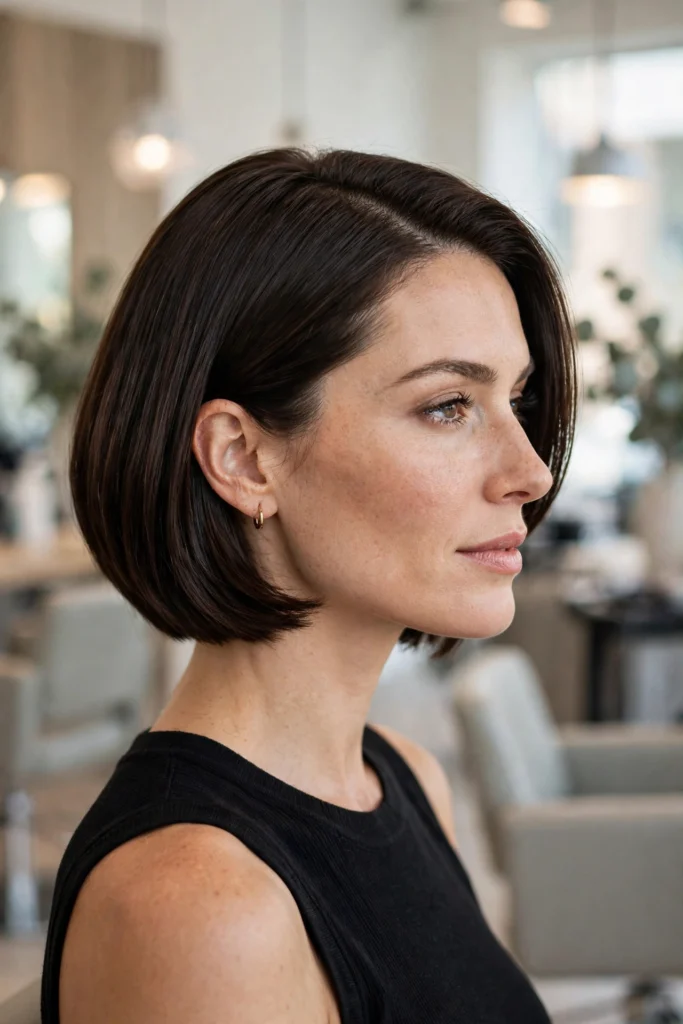
This is the bob in its purest form, ending right at the chin with a line you could set a ruler against. It frames the jaw beautifully and makes a strong statement with very little styling. The trade off is commitment, because once the shape grows past the chin, it stops reading as a bob at all.
The Collarbone Blunt Lob

Here is the lob doing what it does best, giving you the polish of a bob with a few extra inches of freedom. The blunt ends still look thick and expensive, but the length means you can tuck it behind your ears or pull it back on a rushed morning. If you love the idea of a bob but fear the upkeep, start here. Our long bob haircut guide shows even more ways to wear this exact length.
The Jawline French Bob

Shorter, softer, and a little bit cheeky, the French bob ends at the jaw and lets your neck and collarbones do the talking. It suits people who like a cut with personality and who do not mind showing their face fully. Compared with a lob, it is bolder and less forgiving, but on the right person it is unforgettable. Our what is a French bob guide explains the Parisian version in full.
The Shoulder-Grazing Lob

Push a lob a touch longer and it starts to graze the shoulders, which is where many people land without even planning it. This length keeps the swing of longer hair while still feeling like a deliberate cut. It is also the easiest lob to grow out, because the shape barely changes as it gains length.
The Textured Choppy Bob

Choppy layers turn a neat bob into something with attitude. The piecey ends add movement and make thick hair feel lighter, and the whole cut looks better slightly undone. Just know that texture at bob length needs regular trims, or the choppiness turns into plain messiness faster than you expect.
The Layered Wavy Lob

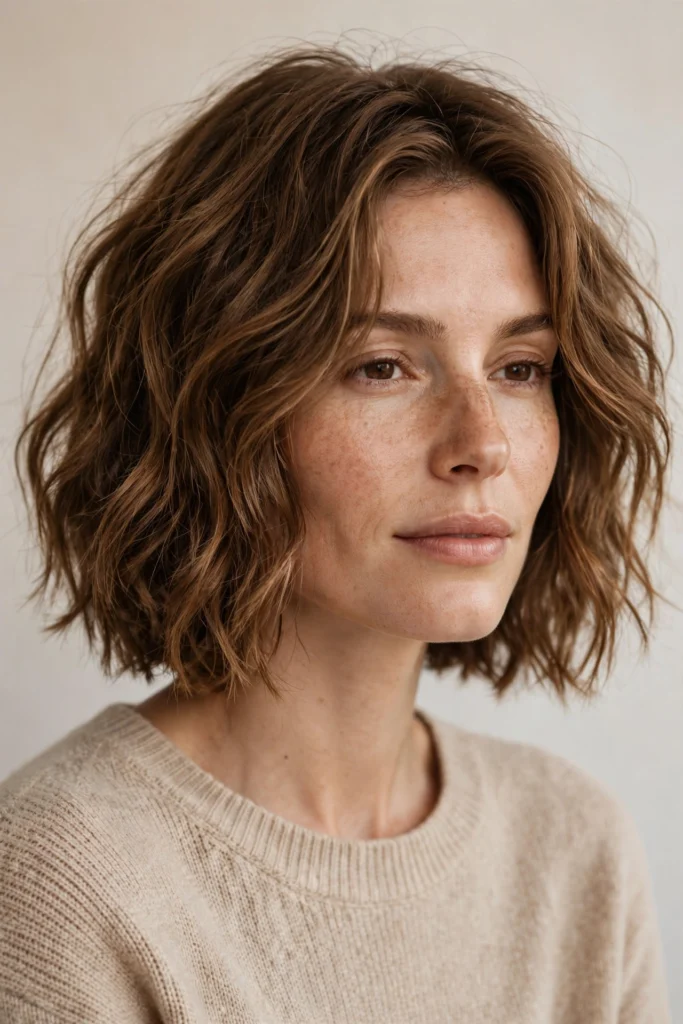
Long layers are what let a wavy lob move instead of sitting in one heavy block. The waves do half the styling for you, which is why this is one of the lowest effort versions of the lob. Air dry it with a little texture spray and you are genuinely done, a luxury no short bob can offer.
The Curly Chin Bob

Curls and short bobs are a joyful pairing, but they come with a warning label: shrinkage. A curly bob cut wet can spring up several inches shorter once dry, so always ask for a dry cut. When it is done right, the rounded shape frames the face like nothing else. Our curly bob hairstyles guide has more curl friendly shapes.
The Curly Collarbone Lob
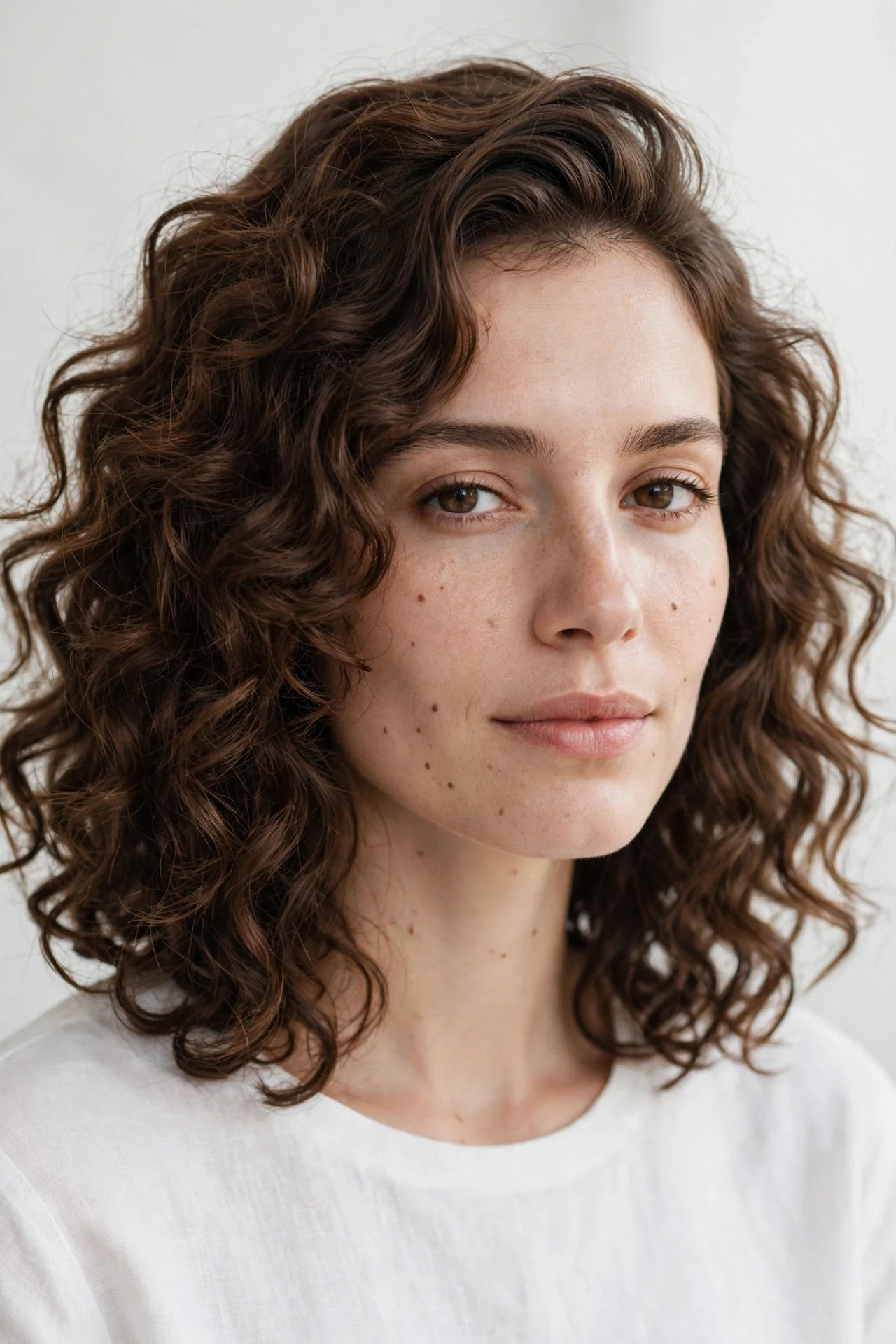
Give those same curls a few more inches and the whole mood changes. The weight of the lob pulls curls down into longer, looser spirals, which means less width and a more elongated shape. For anyone worried a curly bob might go triangular, the lob is the safer, softer answer.
The Blunt Bob for Fine Hair
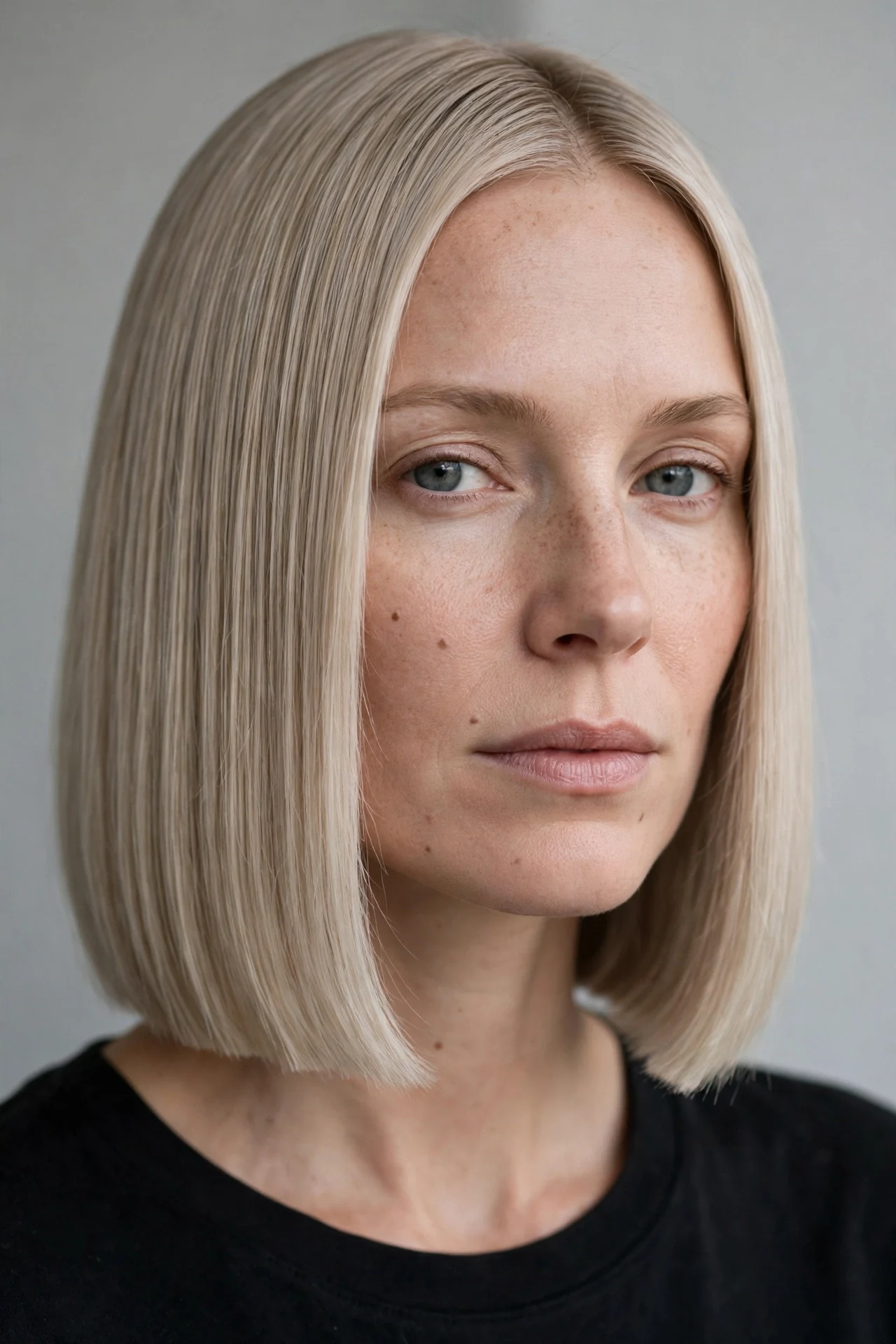
Fine hair and blunt bobs were made for each other. With no layers eating into the ends, every strand counts toward one thick looking hemline, and the chin length stops gravity from dragging it flat. This is the single best argument for choosing a bob over a lob if fullness is your priority. See also our short bob haircuts for fine hair for more thickening tricks.
The Blunt Lob for Fine Hair

A blunt lob can work for fine hair too, but the rules change slightly. Keep the perimeter solid and put any layers inside the cut where they lift the roots without thinning the ends. You get the length you wanted and the fullness you need, as long as you skip heavy layering. Our long layered bob for fine hair guide breaks down that invisible layer technique.
The A-Line Bob

Shorter at the back and sloping longer toward the front, the A-line bob is pure geometry. It slims the face and adds instant drama, especially on straight hair where the angle is clearly visible. The catch is maintenance: that angle blurs quickly, so book trims before it grows out of shape.
The A-Line Lob

Stretch the A-line idea to lob length and it becomes far more wearable day to day. The front pieces still frame the face and slim the jaw, but the extra length forgives a missed trim or two. If you love the A-line look but hate salon visits every month, this longer version is your compromise.
The Bob on a Round Face

A round face can absolutely wear a bob, but the details decide whether it flatters or widens. Long front pieces, a deep side part, and length that dips just below the chin all create vertical lines that slim the cheeks. Skip blunt chin length cuts with volume at the sides, because those do the opposite of what you want.
The Lob on a Round Face

For round faces, the lob is honestly the easier choice. Length past the chin naturally draws the eye downward, and a center part keeps the shape long and lean. It is the rare cut that flatters a round face with almost no styling tricks required, which is why stylists reach for it so often.
The Bob After 50

After 50, a chin-length bob lifts the whole face in a way longer hair rarely manages. Soft volume at the crown and gently curved ends keep it modern rather than severe, and it frames the cheekbones beautifully. It does ask for regular trims, but the payoff is a cut that always looks intentional. Our messy bob hairstyles over 50 with layers guide offers a softer take on the same idea.
The Lob After 50

Prefer to keep a little length? A collarbone lob after 50 gives you softness around the face without the weight that drags features down. Face-framing layers starting at the cheekbone are the key detail here, and they make the cut look styled even on days you barely touch it. For mature hair care, our best hair products for women over 50 guide is worth a read.
The Grow-Out Bob

Here is the honest truth nobody puts on the salon poster: a bob grows out awkwardly. Around week six the ends start flipping out, the shape goes boxy, and you either trim it or ride out a month of creative styling. Plan for this phase before you cut, not after, and keep a good texture spray on hand.
The Grow-Out Lob

A lob, by contrast, grows out like it planned the whole thing. Each month simply adds a little length, the shape stays wearable, and by month three you have a shoulder-grazing cut that still looks deliberate. This forgiving grow-out is the single biggest practical reason many people choose a lob first.
The Sleek Bob Styling Routine

A sleek bob looks effortless and takes real effort, which is the irony of the cut. Ten minutes with a flat iron and a smoothing serum gives you that glassy, sharp finish, but skip a day and the shape shows every kink. Lobs hide a bad hair day far better, so weigh your real morning routine, not your ideal one, before choosing.
The Lob Ponytail Test

Try this test before you commit to a bob: can you live without a ponytail? A chin bob cannot be tied back properly, while a lob gathers neatly into a low ponytail for workouts, hot days, and bad hair mornings. For a lot of people, this one practical difference settles the whole debate on its own.
Is a lob just a long bob?
Yes, lob is simply short for long bob. It means a bob that ends between the chin and the collarbone, longer than a classic bob and shorter than shoulder-length hair.
Which is better, a bob or a lob?
Neither is better in general, it depends on you. A bob wins on drama and fullness, while a lob wins on versatility, grow-out, and fewer salon visits. The decision guide above will point you to the right one.
How often do you need a trim for a bob vs a lob?
A bob needs a trim every 4 to 6 weeks to hold its shape, while a lob can stretch to every 8 to 12 weeks. That difference roughly halves your yearly salon visits.
Can a bob be tied back in a ponytail?
A chin-length bob generally cannot be tied back properly, which is one of its biggest practical drawbacks. A lob gathers easily into a low ponytail, so pick the lob if you need that option.
Does a lob suit a round face better than a bob?
Usually yes. Length past the chin draws the eye downward and slims a round face naturally, while a bob only flatters a round face with long front pieces and a deep side part.
Should I get a bob or a lob first if I have never had short hair?
Start with the lob. It is the safer first step into short hair, it grows out gracefully, and you can always cut it shorter into a bob at your next appointment.
Final Thoughts
Here is the simplest summary of all of it: the bob is the bolder, fuller, higher maintenance star, and the lob is the versatile, forgiving, everyday hero. Most people who are torn end up happiest starting with the lob, living with it for a few months, and then deciding whether they want to go shorter. And if you are still weighing the lob vs bob haircut question after reading this, save your three favorite looks from the gallery above and take them to your stylist. A good consultation, with the tables in this guide in your pocket, turns a scary chop into the best hair decision you make all year. For more inspiration across every length, our main bob trends guide is the perfect next read.

Sana Malik is a hair and beauty writer with a deep love for the bob in all its forms from sharp French bobs to soft, lived-in lobs. After years of experimenting with her own short hair and helping friends figure out what actually suits their face shape, she started writing to cut through the confusing advice out there. At BobHairTrends, she breaks down each cut into simple, honest guides: how to ask for it, how to style it at home, and who it really flatters. When she isn’t researching the latest trends, she’s usually testing a new styling product or convincing someone it’s finally time for the chop.