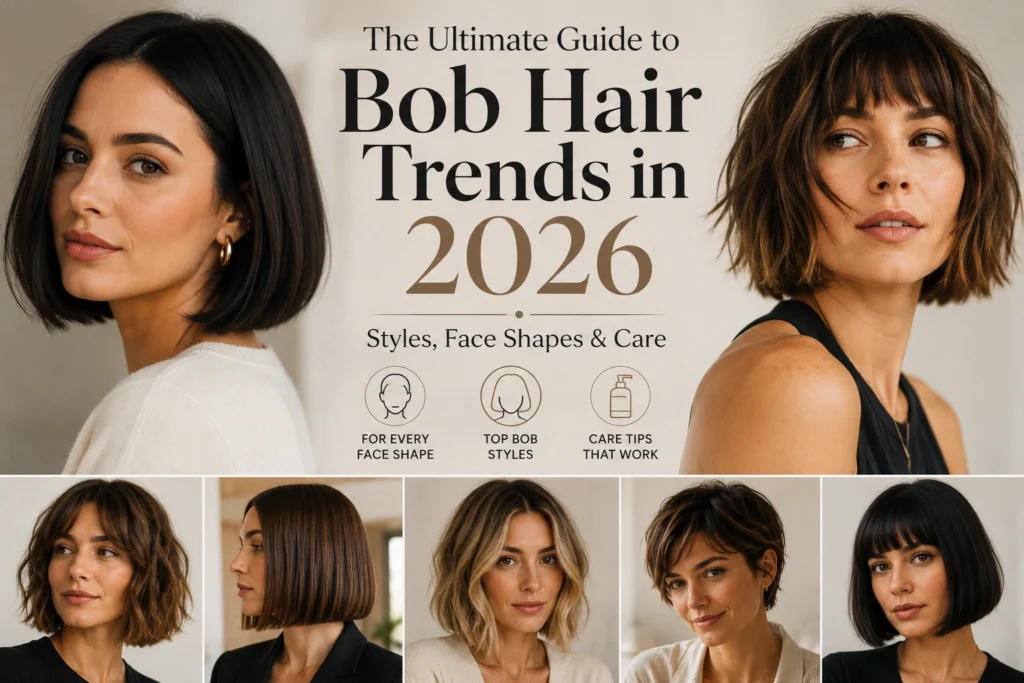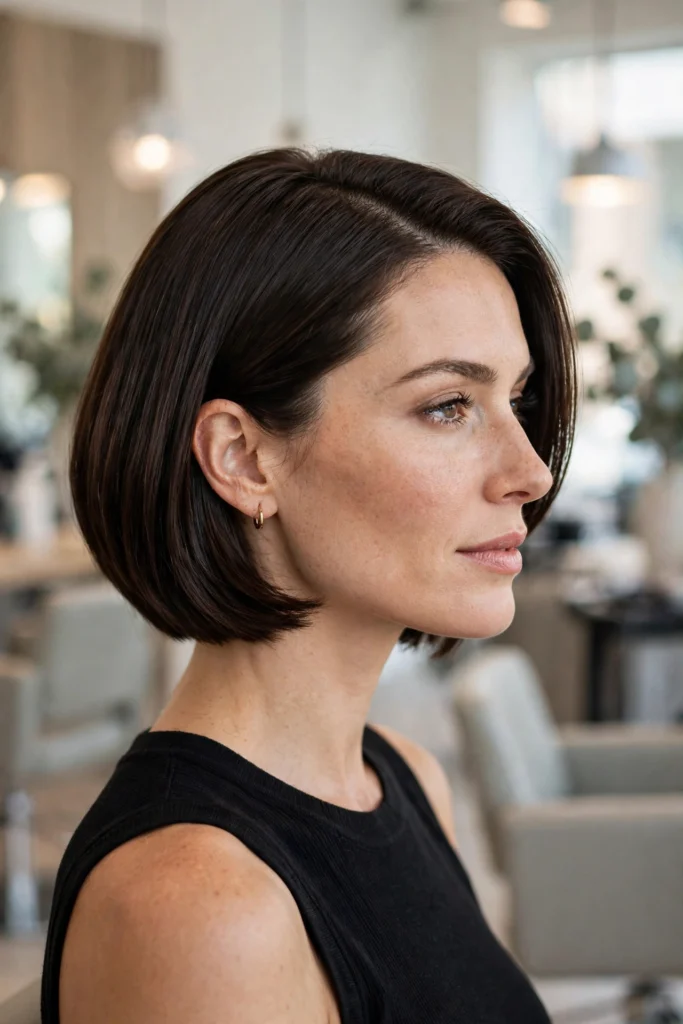


A pixie bob haircut with layers is the cut that finally ends the argument between going short and keeping your bob. It borrows the cropped, lifted back of a pixie and the longer, face framing front of a bob, then layers tie the two halves together so the whole shape moves instead of sitting in one block.
What makes this cut special is not the length, it is the layering itself. Move a layer an inch higher and you get volume. Cut it a little choppier and you get edge. Soften it into feathers and the whole cut turns romantic. Below you will find 20 layer led versions, each one showing how a different layer technique changes the same brilliant shape. For the bigger picture of where the pixie bob sits among this year’s cuts, our main bob trends guide maps every bob family in one place.
- A pixie bob blends a cropped pixie back with a longer bob front, and layers are what make the two halves work together.
- Stacked layers build height, long layers add swing, choppy layers add edge, and wispy layers add softness.
- Fine hair needs hidden internal layers, while thick hair needs internal layers to remove weight without losing the outline.
- Layer placement matters more than length: where the shortest layer starts decides how the cut frames your face.
- These 20 styles cover every layer technique, hair type, and face shape, with a stylist script at the end to take to your appointment.
20 Gorgeous Pixie Bob Haircut With Layers Ideas for 2026
Stacked Layers Pixie Bob
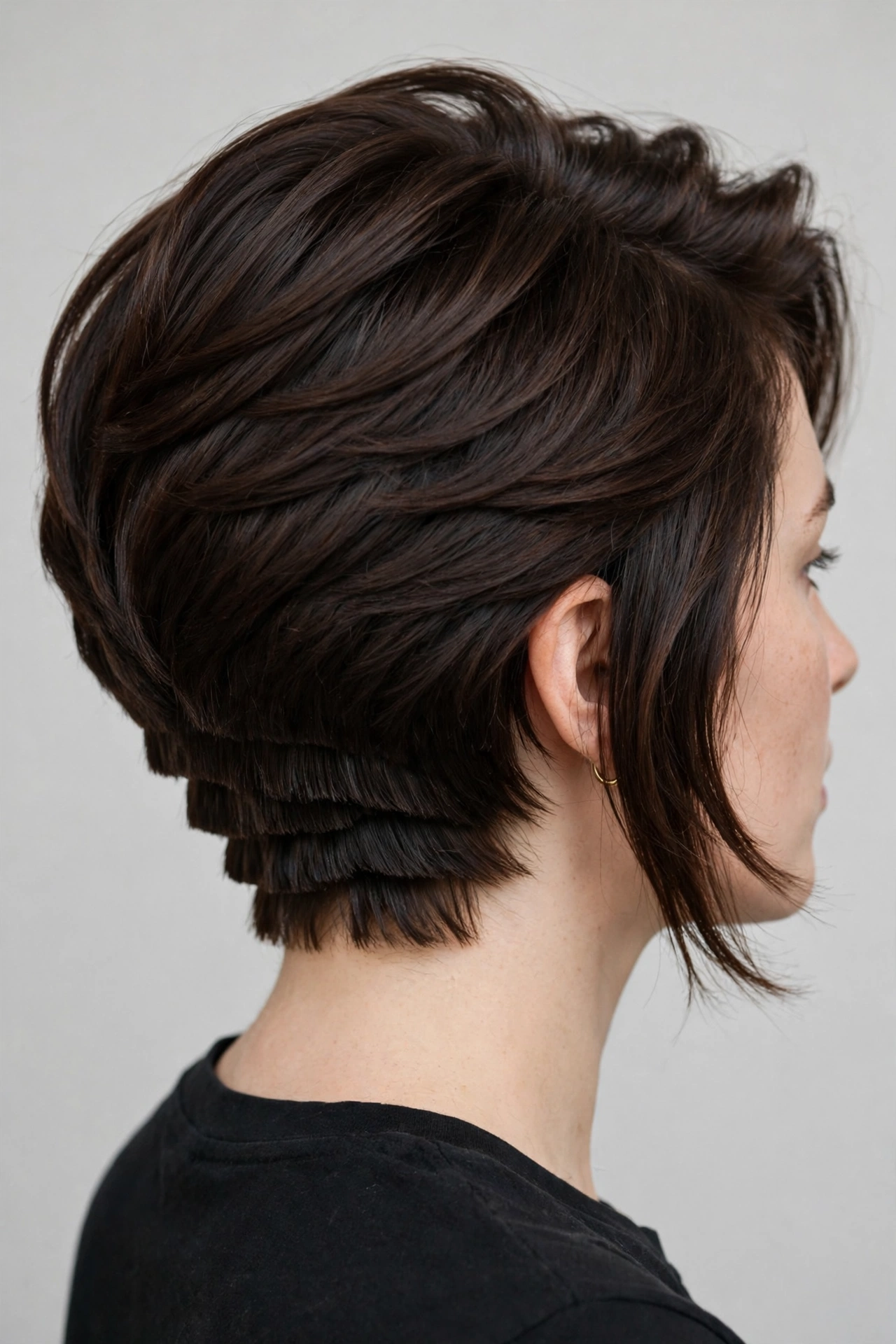
Stacking is where the pixie bob gets its lift. Short, graduated layers pile up at the nape and push volume up through the crown, while the front stays long enough to read as a bob. The result looks sculpted from the back and soft from the front, which is exactly why this version photographs so well. If you love a rounded silhouette with real height, start here, and ask your stylist to keep the stack tight so the shape holds between cuts. A close cousin in the short crop family is the bixie haircut, which plays with the same pixie-meets-bob balance.
Choppy Layers Pixie Bob

Choppy layers break the outline on purpose. Instead of one smooth hemline, the ends are cut at slightly uneven lengths, so the hair separates into pieces and moves every time you turn your head. This is the version to pick when a polished bob feels too neat for you. A dab of texture cream scrunched through the ends is all the styling it asks for, and the choppier the layers, the more attitude the cut carries.
Long Layers Pixie Bob
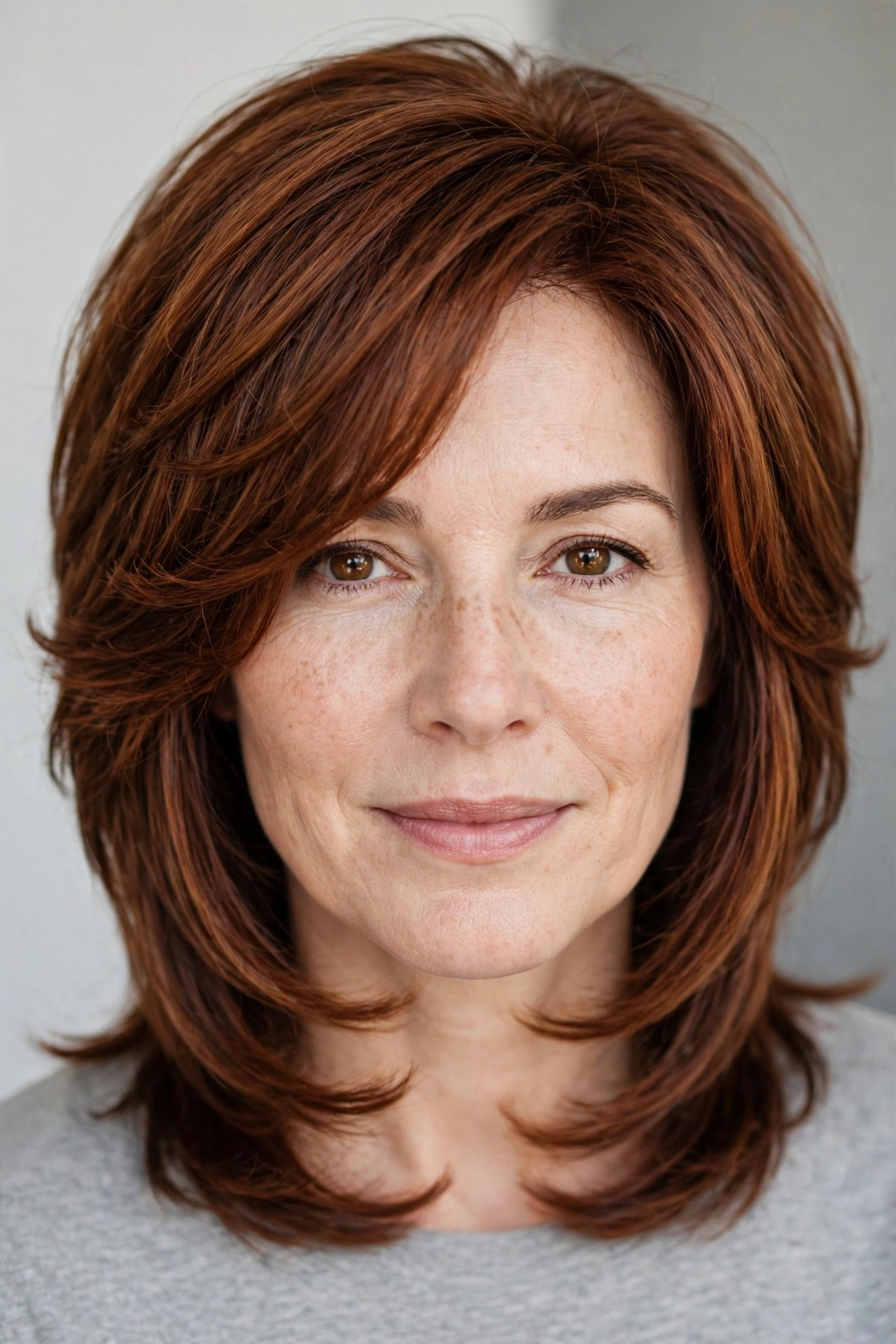
Long layers are the gentle entry point into this cut. They keep the length near the jaw, add swing through the mid lengths, and never chop the shape into pieces. Think of them as movement without commitment: the bob outline stays intact, but the hair no longer falls in one heavy sheet. For a deeper look at how long layers behave on finer textures, our long layered bob for fine hair guide breaks down placement layer by layer.
Textured Layers Pixie Bob
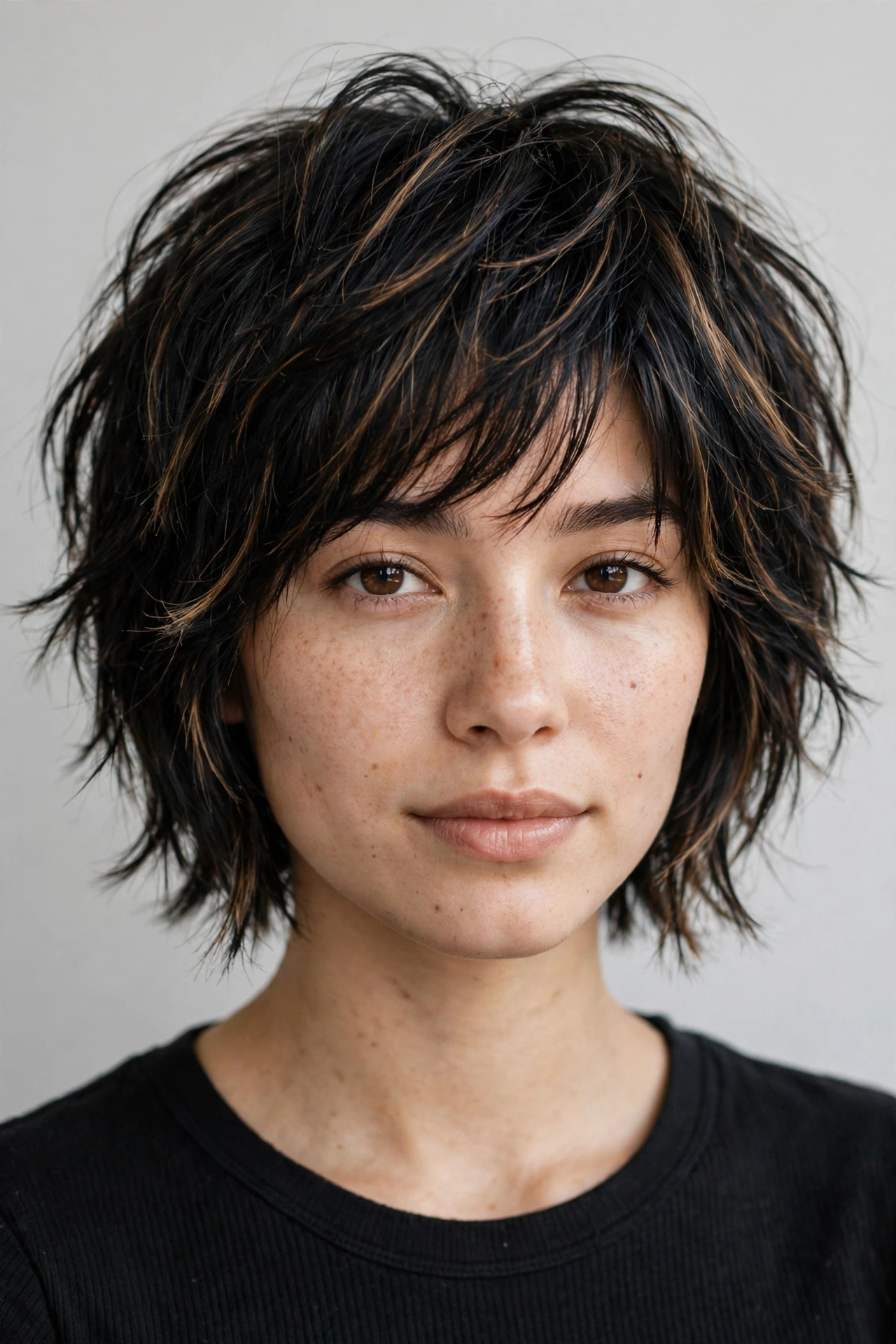
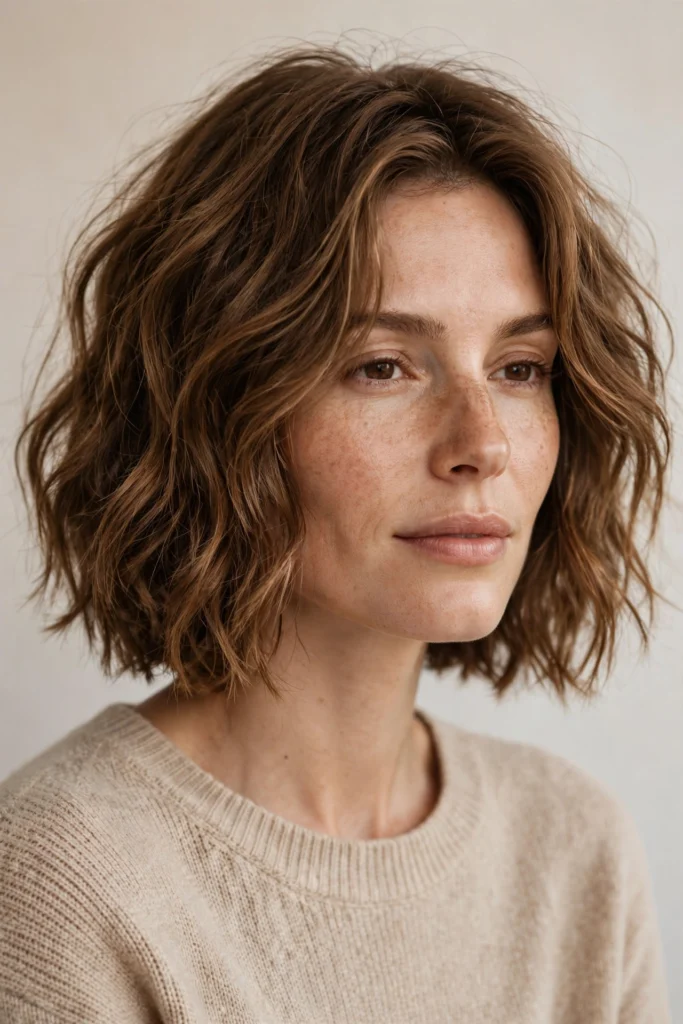
Texture is what stops a short cut from looking flat. Here the layers are point cut through the ends, which thins the very tips and lets each layer sit apart from the next. The finish is matte and touchable rather than sleek, and it works beautifully on hair with a natural wave. Blow dry with your fingers instead of a brush and the layers will fall into place on their own.
Wispy Layers Pixie Bob
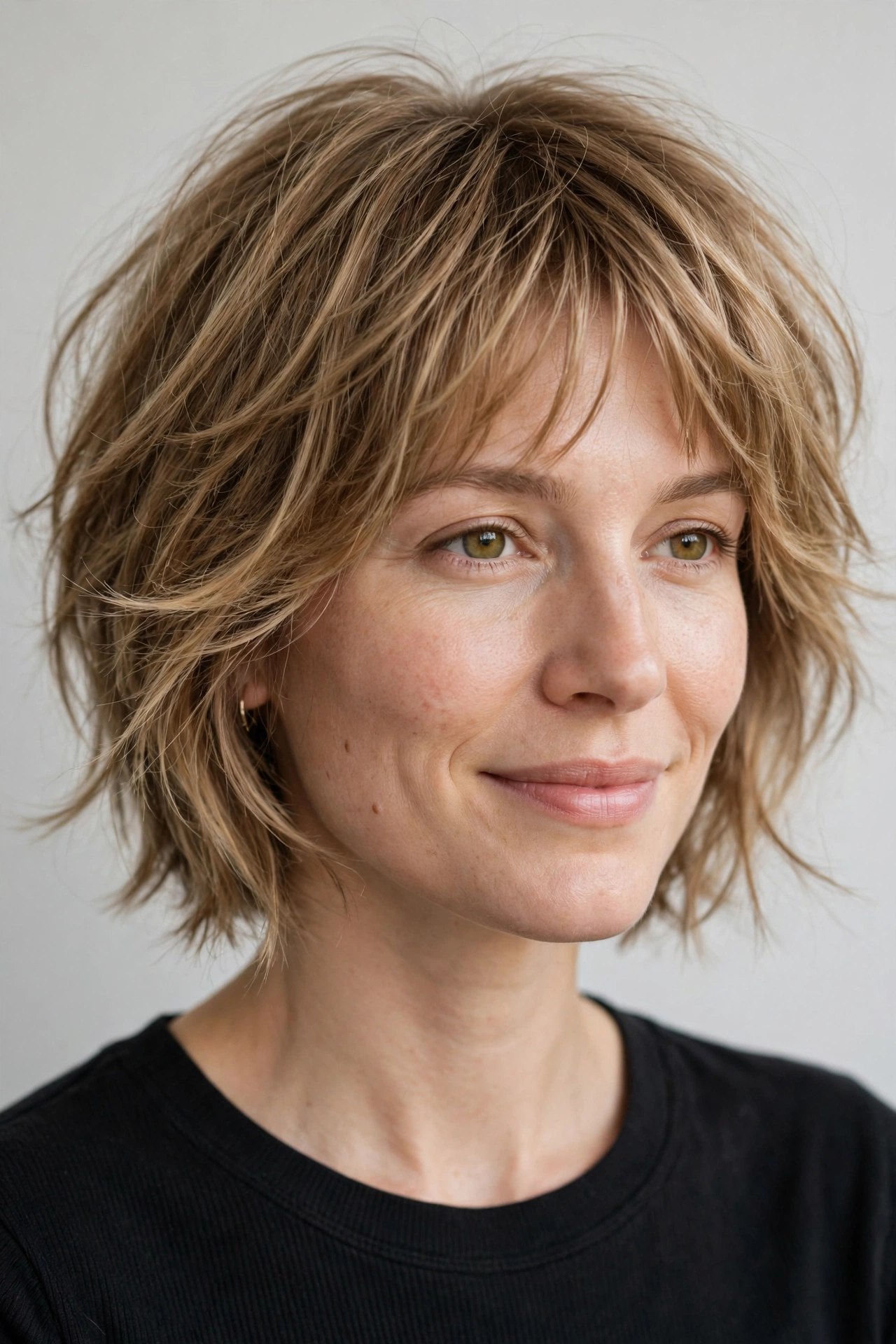
Wispy layers are cut to float. The ends are thinned and feathered so lightly that the whole shape looks airy, even on hair that is naturally dense. This version suits anyone who finds blunt bobs a little heavy around the face. It also grows out gracefully, because there is no hard line to lose its shape, just soft layers that blend a little more each week.
Curtain Layers Pixie Bob

Curtain layers open the face like a pair of curtains drawn back from a window. Parted in the middle, the shortest layers start at the cheekbones and sweep outward, framing the eyes and cheekbones instead of covering them. The effect is instantly flattering and a little retro in the best way. If you already love fringe, our long bob with long bangs guide has more face framing fringe ideas to compare.
Tapered Layers Pixie Bob
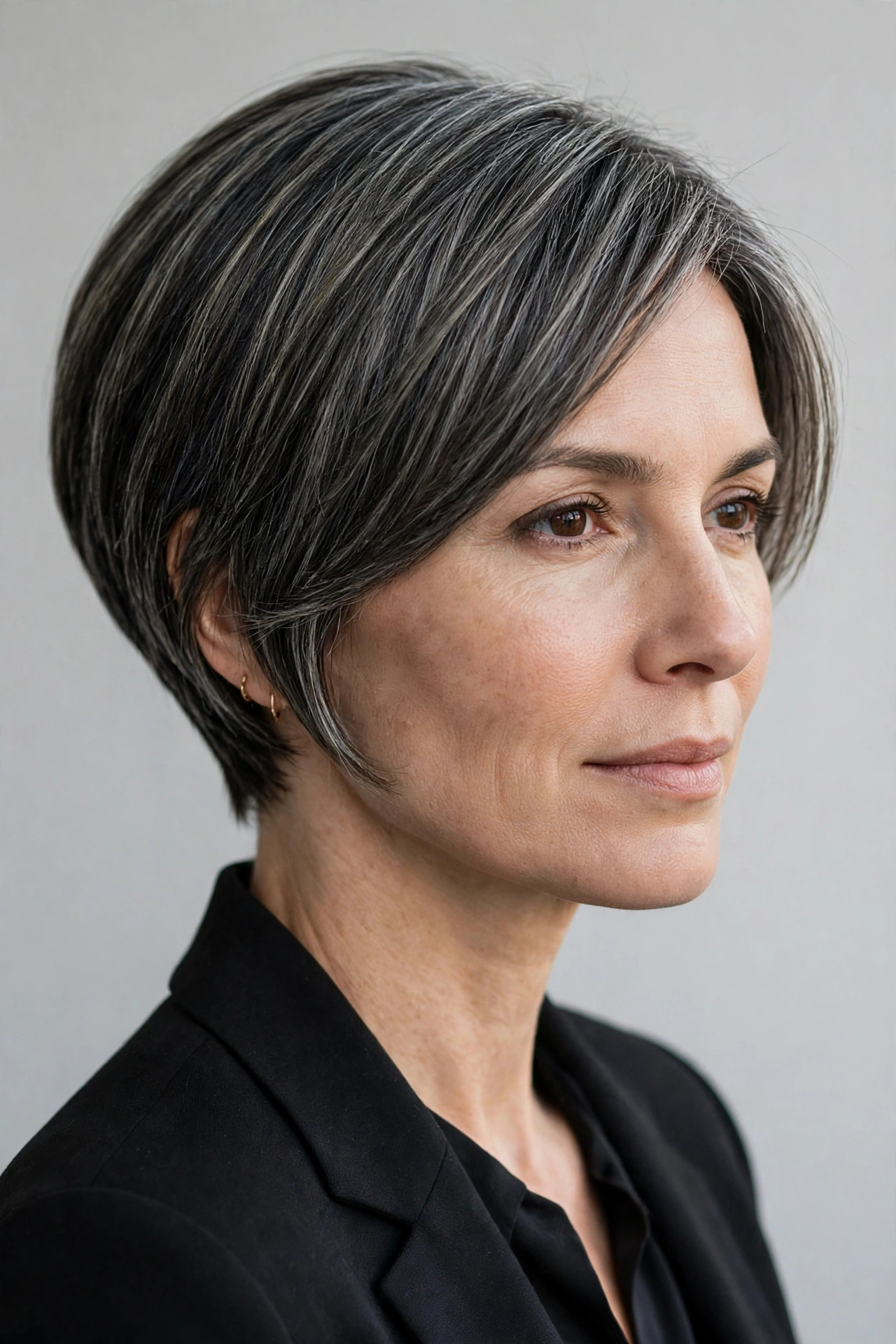
Tapering is the quiet luxury of layering. The layers hug the head at the nape and behind the ears, then gradually lengthen toward the jaw, so the cut looks neat without ever looking severe. This is a brilliant choice if you wear your hair tucked behind your ears or you like a clean neckline. It also shows off earrings and a strong jawline beautifully.
Soft Razored Layers Pixie Bob
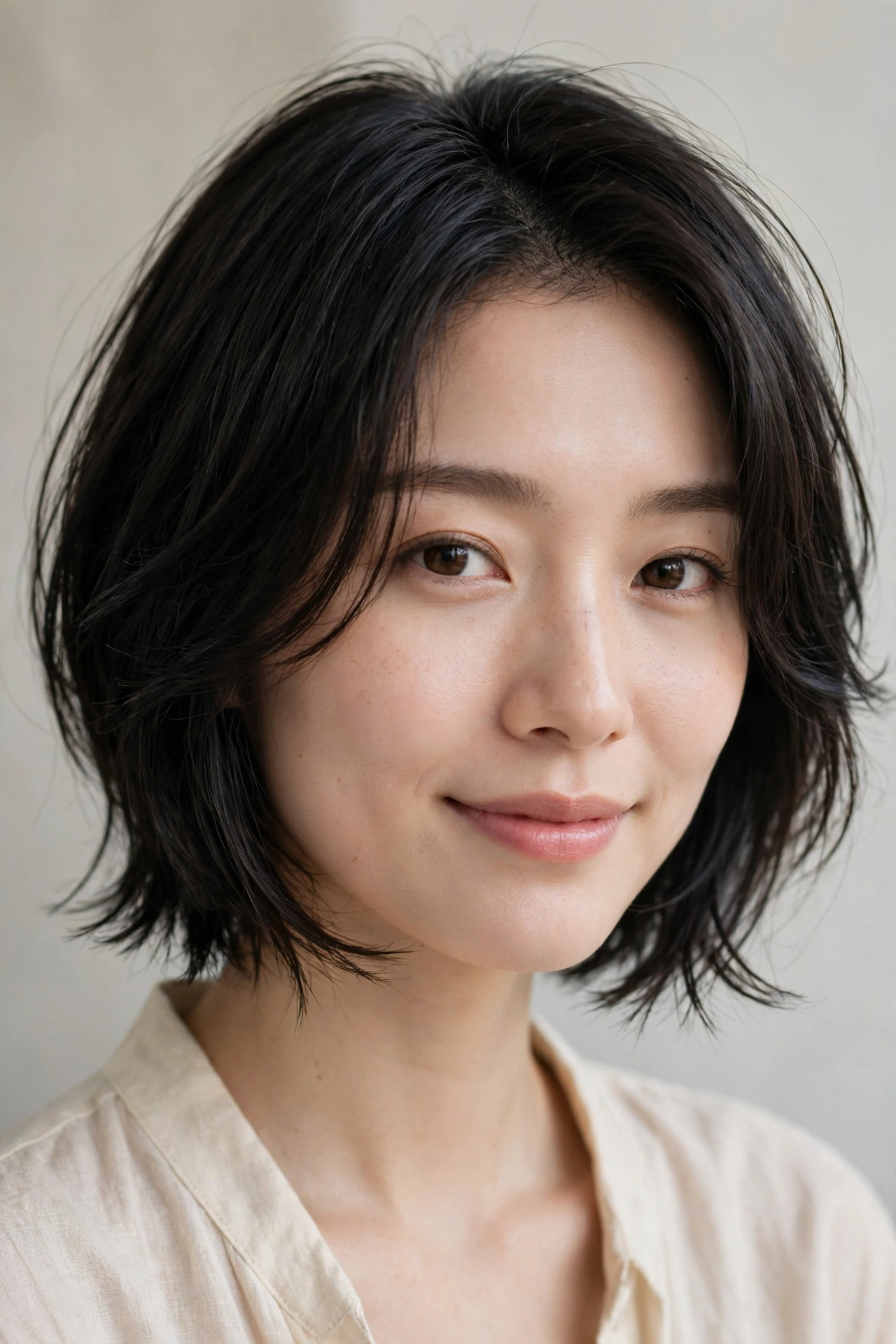
A light razor touch is used here, and only at the very ends. The razor softens each layer tip so the hair moves like silk and never sits in a stiff block. Ask for a soft hand, because heavy razoring can thin the ends too much, especially on fine hair. Done lightly, it gives the pixie bob a fluid, almost liquid swing that scissors alone rarely achieve.
Layered Pixie Bob for Fine Hair

Fine hair needs layers that work invisibly. The trick is internal layering: shorter layers hidden underneath lift the crown, while the outer layer stays long enough to keep the ends looking full. Nothing wispy, nothing see through, just quiet volume where it counts. Our fine hair French bob guide shows the same principle on a classic bob shape.
Layered Pixie Bob for Thick Hair
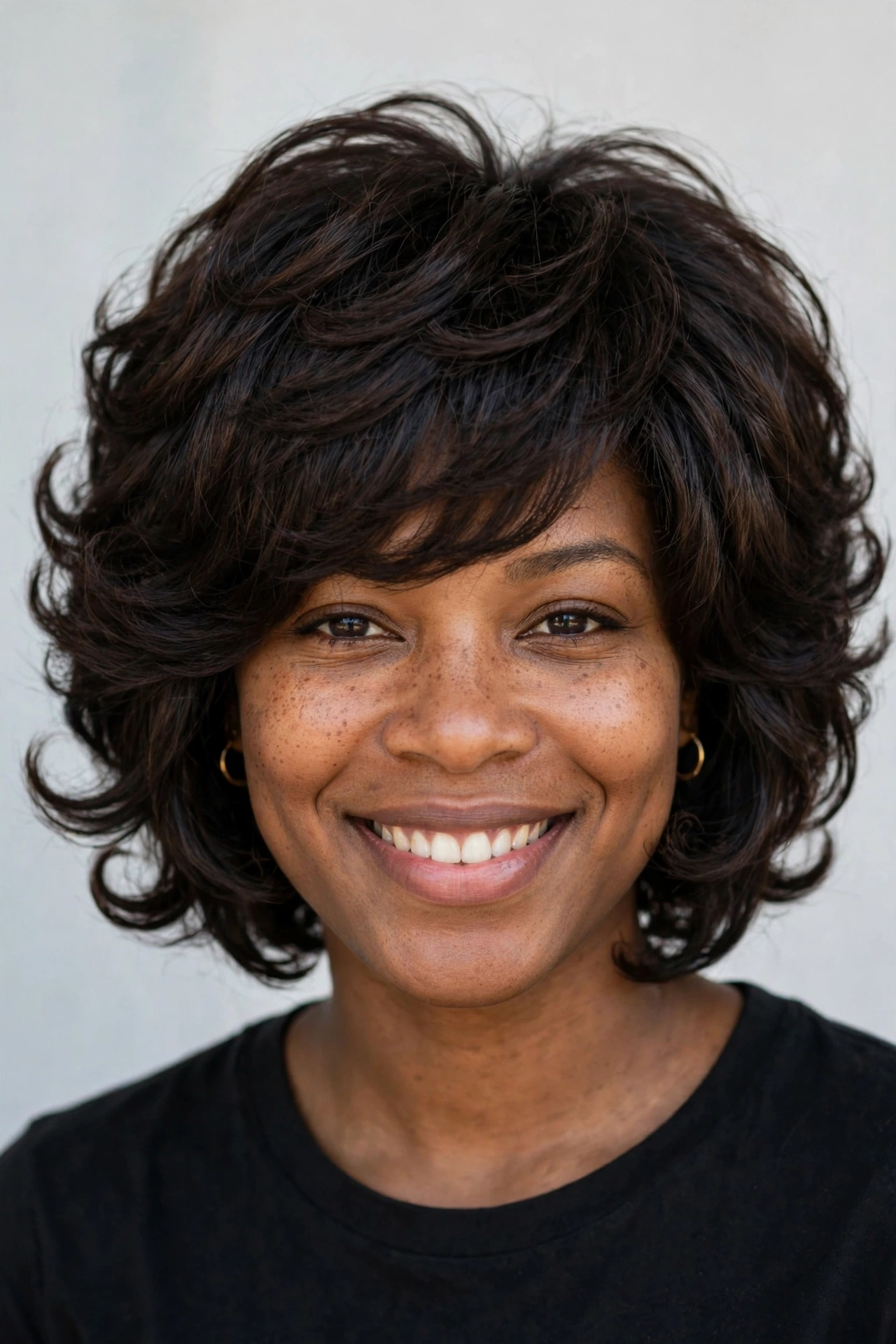
Thick hair is where layers earn their keep. Without them, a pixie bob can balloon into a triangle; with internal layers, the weight comes out from inside while the outline stays full and rounded. The cut suddenly has shape instead of bulk. For more texture led inspiration, our curly bob hairstyles guide shows how layers tame volume on curls too.
Layered Pixie Bob for a Round Face
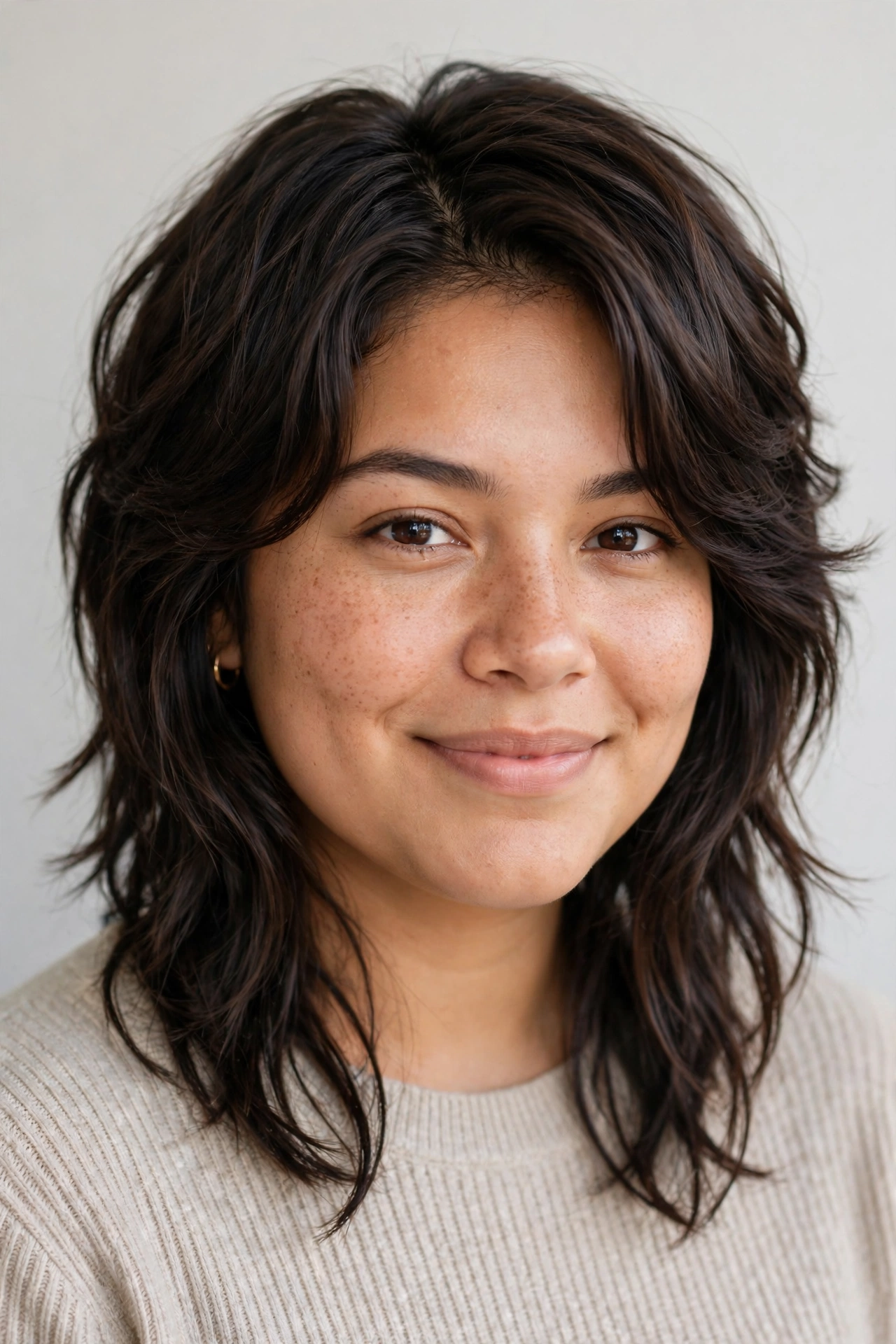
Round faces love long layers that fall below the chin. The vertical lines draw the eye downward and slim the cheeks, while a side part breaks up the width across the forehead. Keep the shortest layer at cheekbone level or below, and skip volume at the sides. The shape in the photo shows exactly that balance: length in front, softness around the face, no extra width.
Layered Pixie Bob for an Oval Face
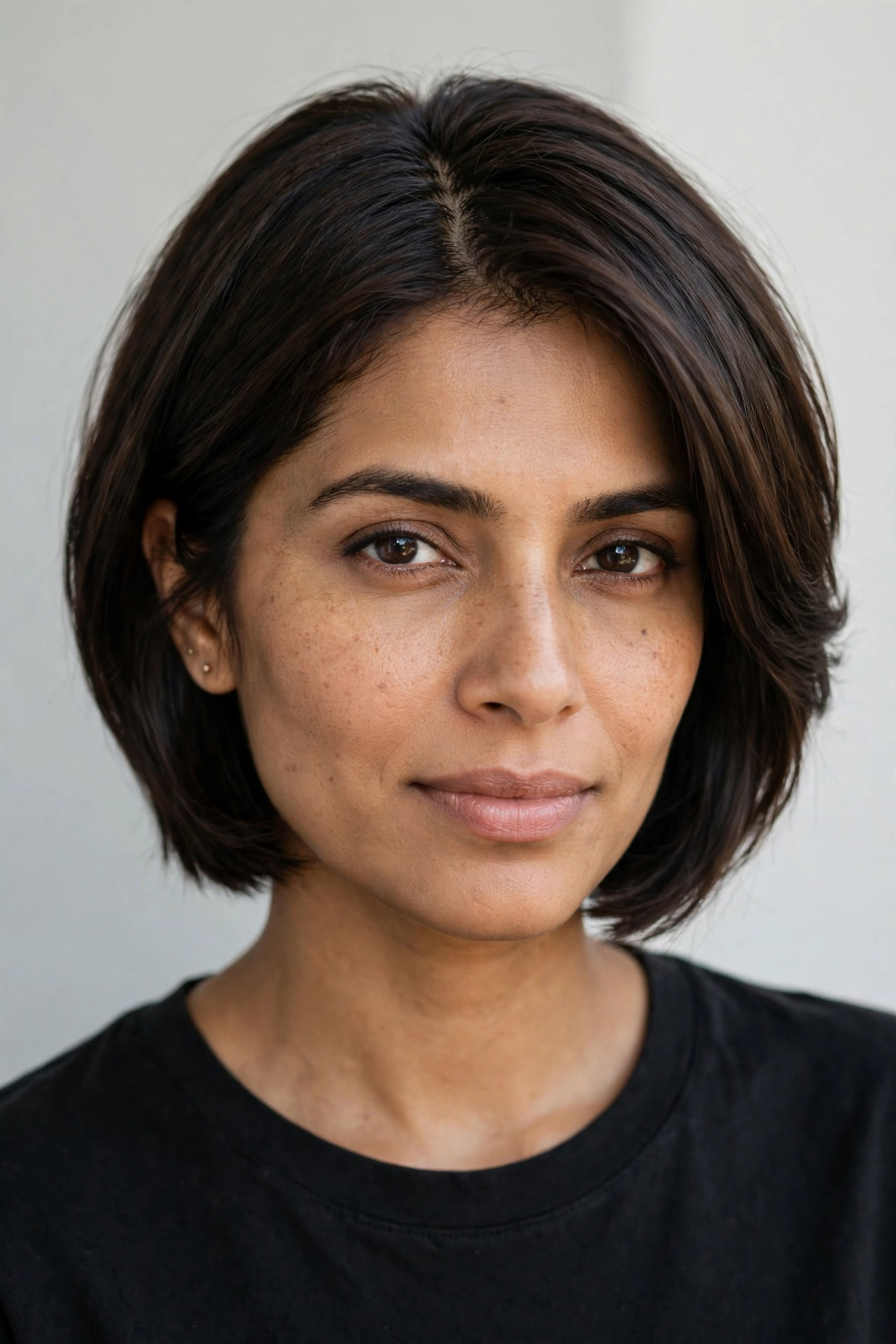
Oval faces can wear almost any layer placement, so this version is about balance rather than correction. Even layers all around keep the proportions calm, and a center part shows off the symmetry. If you have an oval face, pick the layer style you actually love, from choppy to feathered, because the face shape will not fight you on any of them. The French bob haircut is another beautifully balanced option worth comparing.
Layered Pixie Bob With Bangs
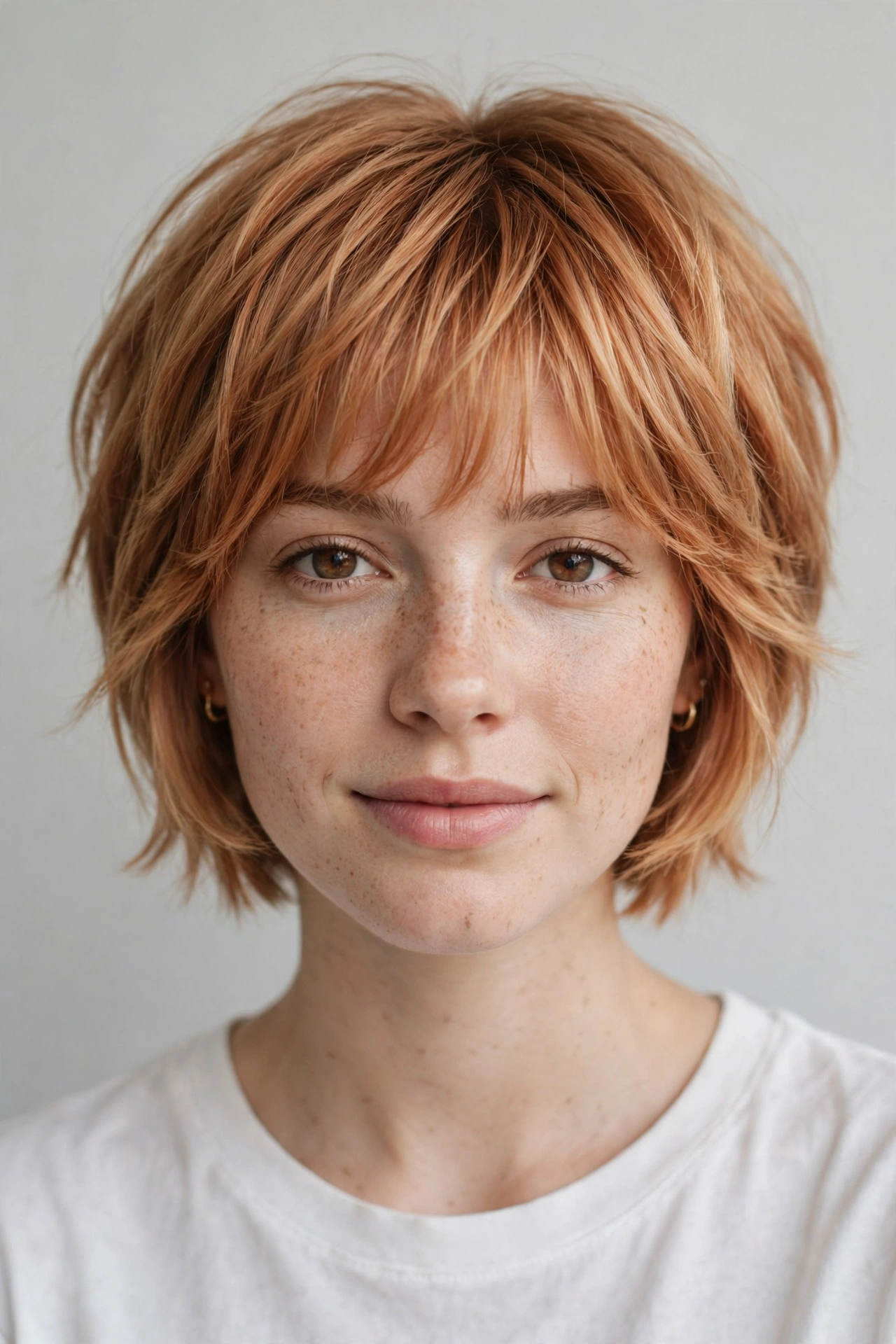
Bangs change the whole conversation in a layered pixie bob. A soft, layered fringe blends straight into the face framing layers, so there is no harsh line where the bangs end and the cut begins. The fringe adds youth and softness, and it gives the eyes a frame. Keep the fringe piecey rather than solid, and it will grow out into the layers instead of turning into a shelf.
Layered Pixie Bob With a Side Sweep

A deep side sweep is layering doing double duty. The longest layer across the forehead becomes the sweep itself, adding instant volume at the roots and a diagonal line that flatters nearly every face. It also hides a high forehead or a cowlick with zero effort. Style it by blow drying the sweep away from the part, then letting it fall naturally across the brow.
Short Layered Pixie Bob

This is the shortest, boldest take on the list. The layers sit close at the back with longer, textured pieces on top, so the cut reads pixie from behind and bob from the front. It is a confident choice, and it puts your features front and center. The layers are what keep it feminine rather than severe, softening the crop with movement on top.
Medium Layered Pixie Bob
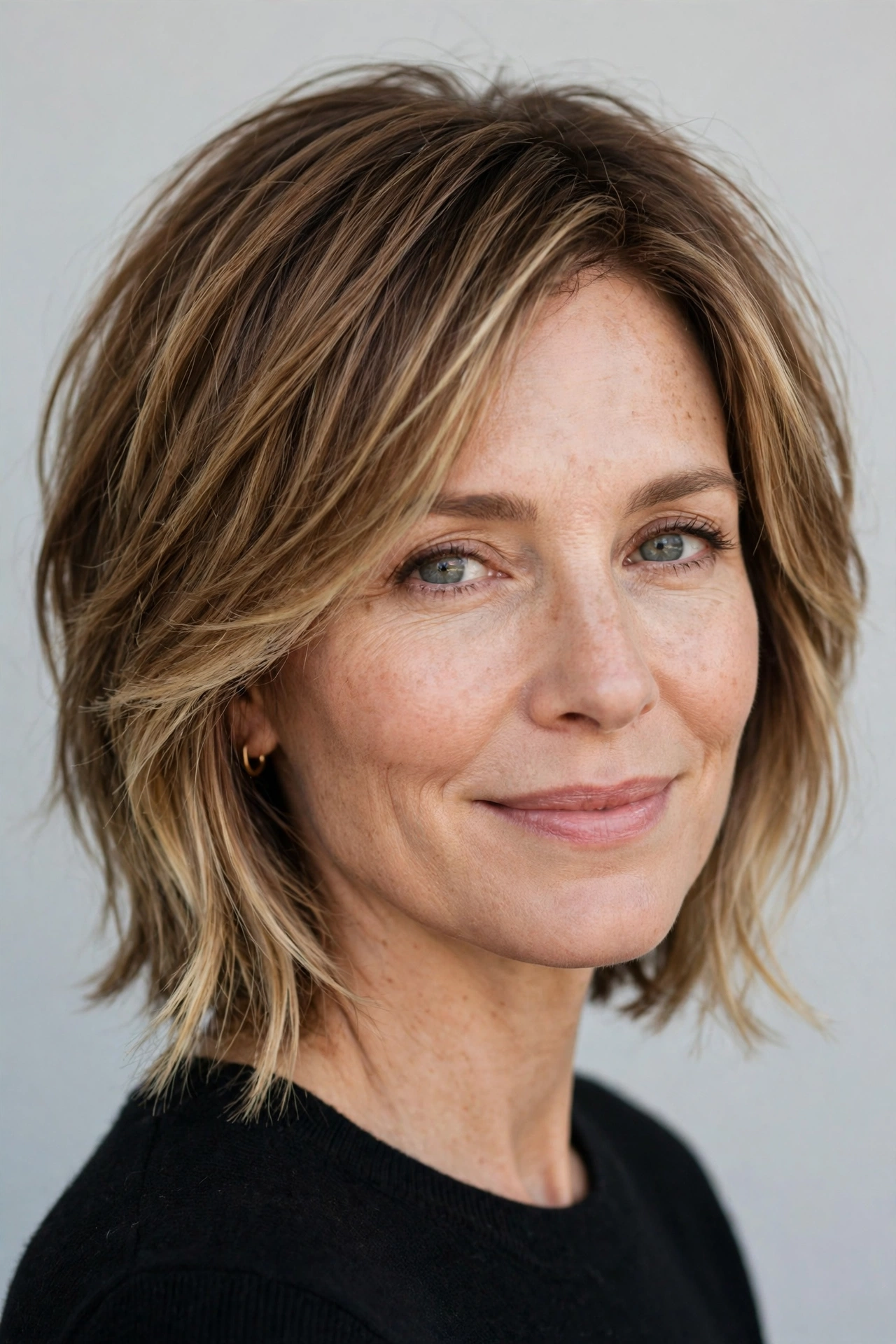
Medium layers sit right in the sweet spot: long enough to swing at the jaw, short enough to keep the pixie bob energy. This is the version to choose when you are not ready to go very short but you still want the shape and lift that layers bring. It also makes the grow out phase easy, because the layers simply get longer and softer over time.
Feathered Layers Pixie Bob
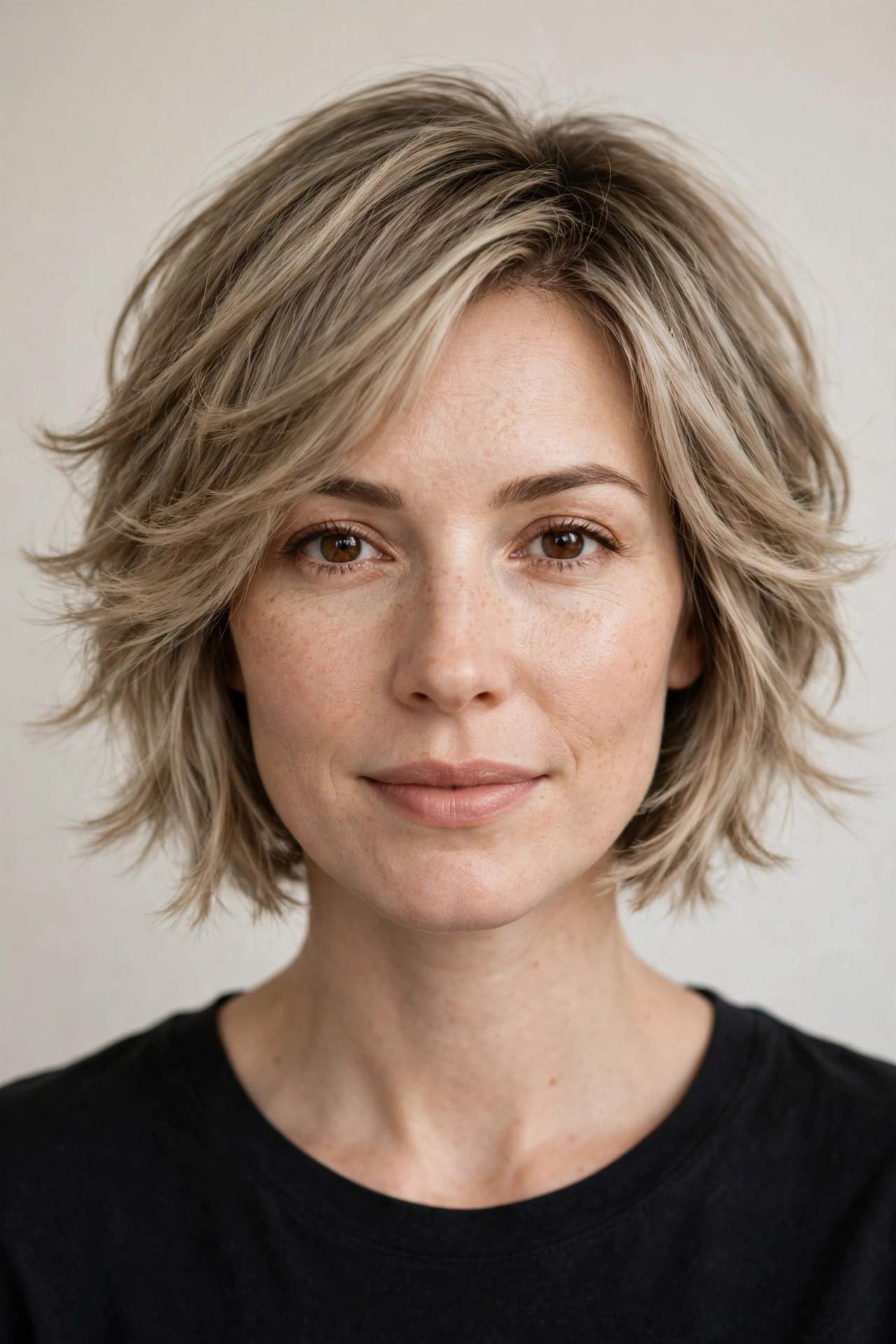
Feathering means the layer ends are cut to flick softly outward, like feathers overlapping. The result is light, airy, and a little vintage, with ends that turn out instead of curling under. A round brush flicked outward at the ends during blow drying brings the feathering to life. Our edgy pixie mullet ideas show a bolder, more dramatic take on layered pixie shapes.
Face Framing Layers Pixie Bob
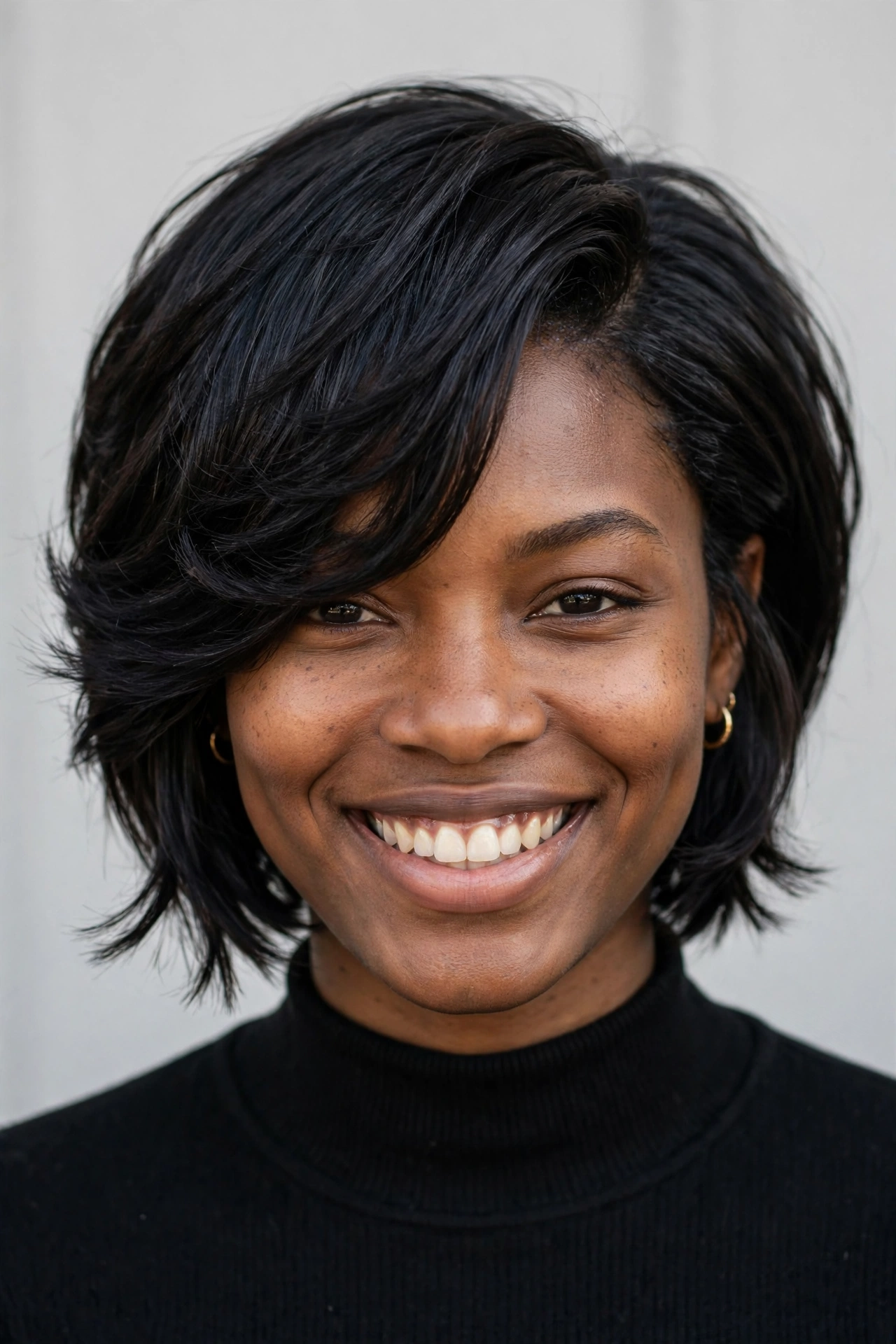
Face framing layers are the most targeted layers in this guide. Only the front sections are cut shorter, starting at the cheekbones and stepping down to the jaw, while the back keeps its full bob shape. The effect is like contouring with hair: cheekbones look higher, the jaw looks defined, and the whole face gets a frame. It is a small change with an outsized payoff.
Graduated Layers Pixie Bob

Graduation is the technical backbone of the pixie bob. Each layer is cut slightly longer than the one beneath it, building a smooth, rounded shape from the nape up to the crown. Unlike stacking, which is dramatic and visible, graduation is seamless: you see the shape, not the steps. The Riviera bob trend uses a similar graduated idea on a longer, bouncier shape.
Shaggy Layers Pixie Bob

Shaggy layers throw the rulebook out. Disconnected lengths, lots of texture, and a finish that looks like you just shook your hair out and walked out the door. It is the most carefree version here, and it suits wavy and textured hair especially well. Scrunch in a little texture cream, let it air dry, and the layers do the rest.
What to Ask Your Stylist for a Pixie Bob Haircut With Layers
A layered pixie bob consultation goes better when you name the layer technique, not just the length. Walk in with this script and you will walk out with the layers you actually pictured. Stylists note that layering is the skill that makes or breaks a short cut, and Byrdie regularly covers how layer placement changes short hair shapes.
- Length: "I want a pixie bob that is short at the nape and jaw length at the front."
- Layers: "I want [stacked / long / choppy / wispy / tapered] layers, with the shortest layer starting at [the crown / the cheekbones / the jaw]."
- Perimeter: "Keep the front outline [soft / piecey / solid] and do not thin out the ends too much."
- Bangs: "I want [no bangs / layered bangs / a side sweep] blended into the face framing layers."
- Part: "I usually part my hair [in the middle / on the side], please cut the layers to fall that way."
- Texture: "Please cut my hair [wet / dry] because my hair is [straight / wavy / curly] and I want the layers to hold when it dries naturally."
- Maintenance: "How often should I come back to keep these layers and the nape shape crisp?"
What is a pixie bob haircut with layers?
A pixie bob haircut with layers is a short bob with pixie length at the back and longer bob length at the front, cut with layers throughout to add volume, movement, and shape. The layers are what separate it from a one length bob, which can look flat and heavy by comparison.
What is the difference between stacked layers and long layers in a pixie bob?
Stacked layers are short and graduated at the nape, building height and a rounded shape at the back. Long layers stay near the jaw and add gentle swing without changing the outline much. Stacked layers give drama and volume, while long layers give soft movement.
Are layers good for fine hair in a pixie bob?
Yes, when they are placed correctly. Hidden internal layers lift the crown without thinning the ends, so fine hair looks fuller rather than wispier. Ask your stylist to keep the outer layer long and the perimeter solid.
How often should a layered pixie bob be trimmed?
Most layered pixie bobs need a trim every 6 to 8 weeks to keep the layers and the nape shape crisp. The grow out is forgiving, because layers blend as they lengthen, but the back shape is the first thing to lose definition.
Can a layered pixie bob work for thick hair?
Absolutely, and thick hair often benefits the most. Internal layers remove bulk from inside the cut while keeping the outline full, which stops the shape from turning triangular and gives it movement instead of weight.
How do I style layers in a pixie bob at home?
Blow dry with your fingers for texture, or use a small round brush for a smooth finish with flicked ends. A pea sized amount of texture cream scrunched through the ends defines the layers, and a light hold spray keeps the shape without stiffness.
Final Thoughts
The pixie bob haircut with layers earns its place as one of 2026’s smartest short cuts because it refuses to be one thing. Pick your layer technique from the 20 above, match it to your hair type and face shape, take the stylist script to your appointment, and save your favorite version before you go. For the next step as your layers grow out, our long bob haircut guide shows where the shape heads next.
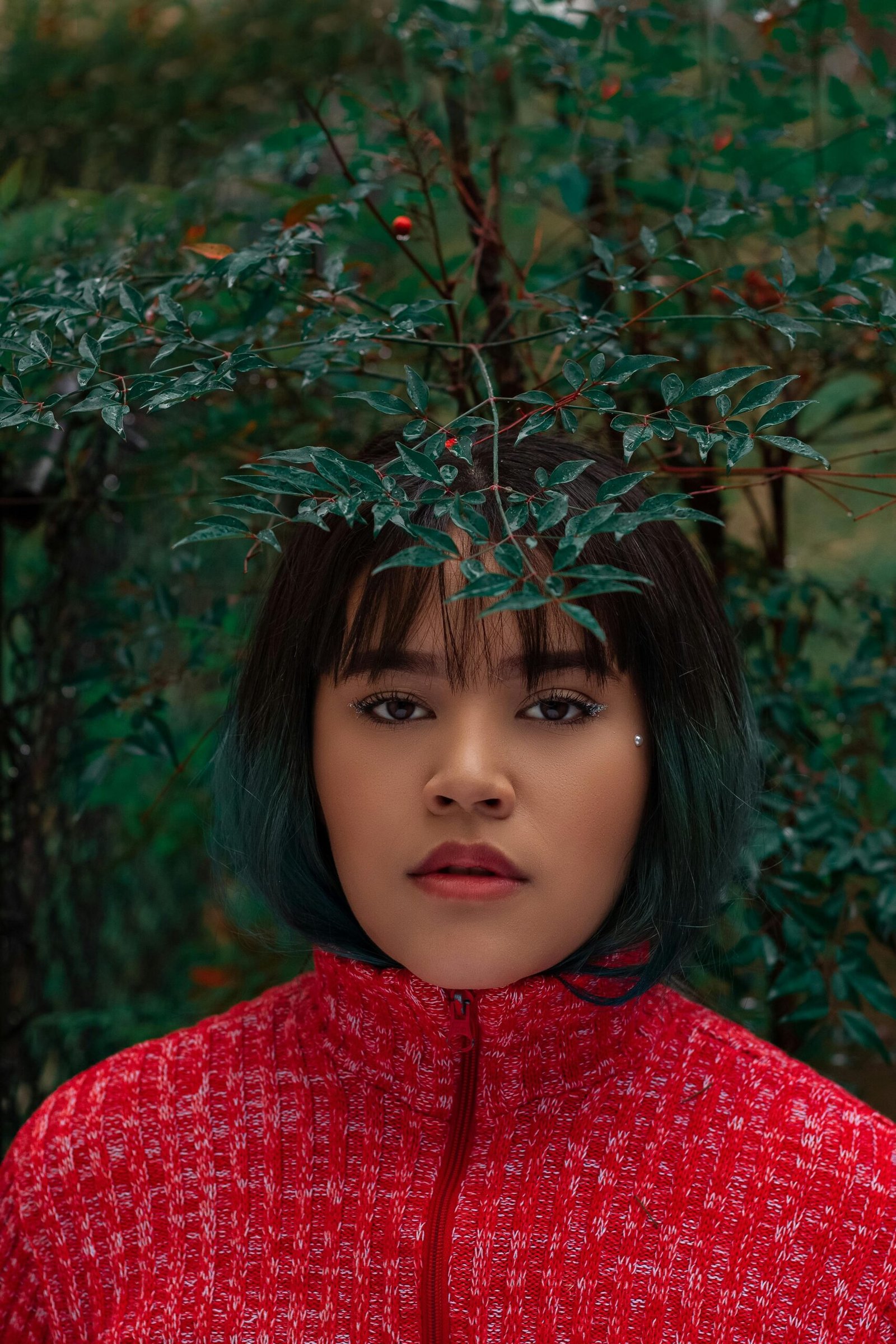
Sana Malik is a hair and beauty writer with a deep love for the bob in all its forms from sharp French bobs to soft, lived-in lobs. After years of experimenting with her own short hair and helping friends figure out what actually suits their face shape, she started writing to cut through the confusing advice out there. At BobHairTrends, she breaks down each cut into simple, honest guides: how to ask for it, how to style it at home, and who it really flatters. When she isn’t researching the latest trends, she’s usually testing a new styling product or convincing someone it’s finally time for the chop.