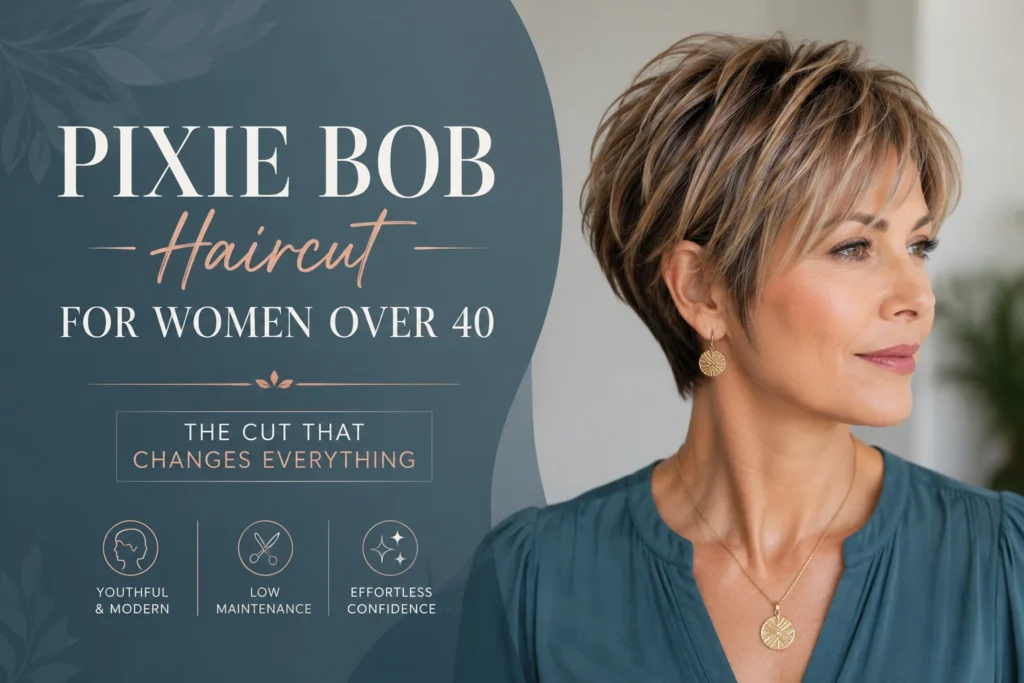

Choosing between bobs and pixie cuts feels harder than it should, because both cuts look amazing on the right person. A bob gives you length to play with and a soft frame around the face, while a pixie gives you freedom, lightness and a bold, confident edge. The good news is that you do not have to guess, since the right choice usually comes down to your face shape, your hair type and how much time you want to spend styling.
This guide walks you through 15 looks side by side, so you can compare a bob and a pixie cut in real terms instead of just admiring photos. You will see how each pair handles round faces, fine hair, thick hair, curls and life after 50, plus how much upkeep each one really needs. Our pixie bob haircut guide is a great place to start if you already suspect the middle ground might suit you best, and our bixie haircut collection shows what happens when the two cuts meet halfway.
- Bobs suit you if you want styling options, face framing length and an easier grow-out.
- Pixies suit you if you want wash and go mornings, lightness and a bold, striking shape.
- Round faces usually suit longer bobs or pixies with height on top, not cuts that end at the cheek.
- Fine hair looks fuller in a blunt bob or a textured pixie, while thick hair needs layers in either cut.
- The pixie bob and the bixie are the best middle ground when you cannot choose between the two.
15 Bobs and Pixie Cuts Ideas to Compare Before You Chop
Every pair below compares one bob and one pixie on the same question, whether that is face shape, hair type, age or upkeep. Read the pair that matches your biggest worry first, because that is usually the one that decides it for you. A bob and pixie cut can both look stunning, so the winner is the one that fits your life, not just the photo.
1. Classic Chin Length Bob

A chin length bob is the safest first step into short hair, and it flatters almost everyone. The length sits at the jaw, which frames the face without hiding it, and the clean edge makes fine hair look thicker. It works with a center part or a side part, it tucks behind the ears, and it dries fast on busy mornings. If you love structure but still want enough hair to play with, this classic shape is hard to beat.
2. Classic Pixie Cut
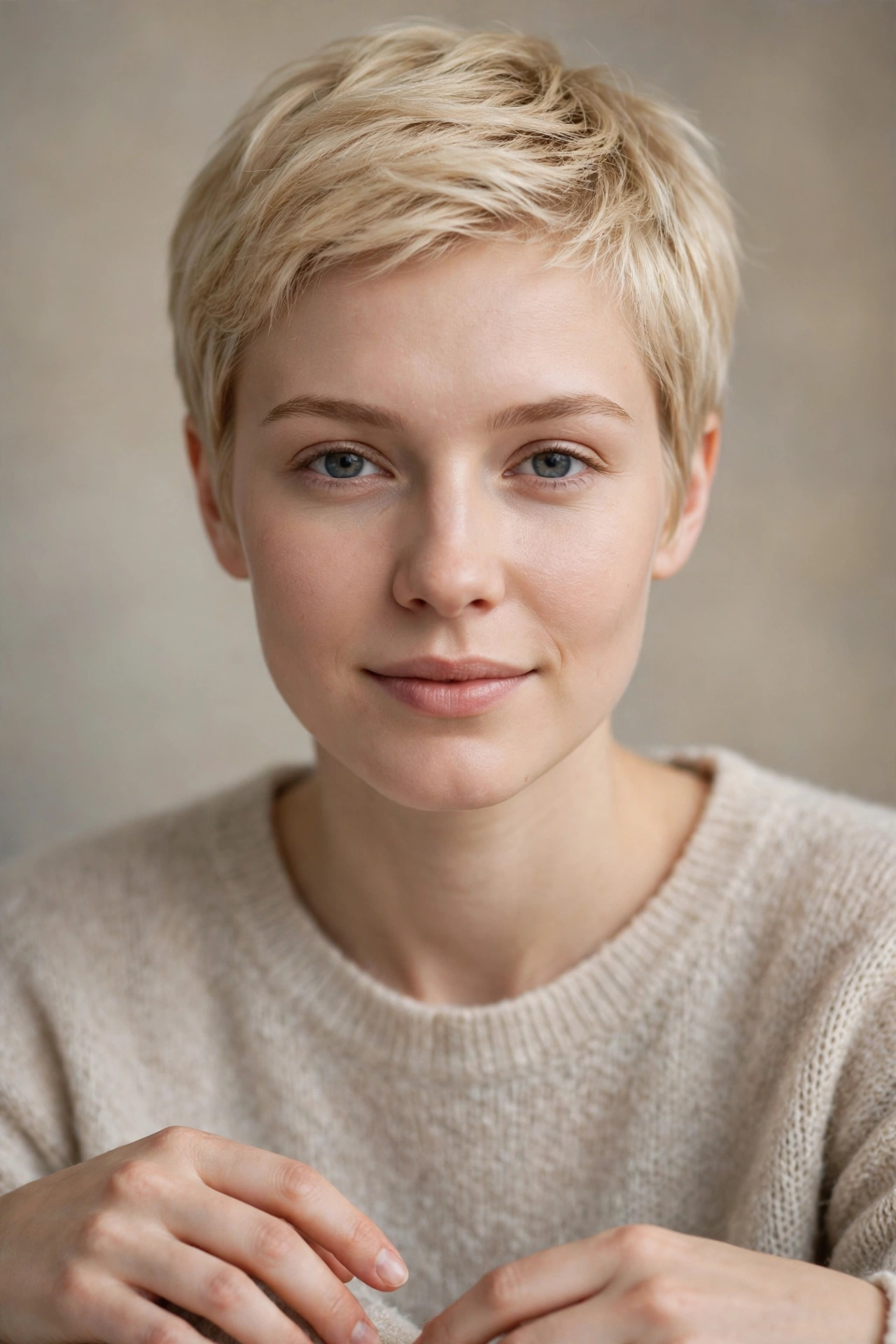
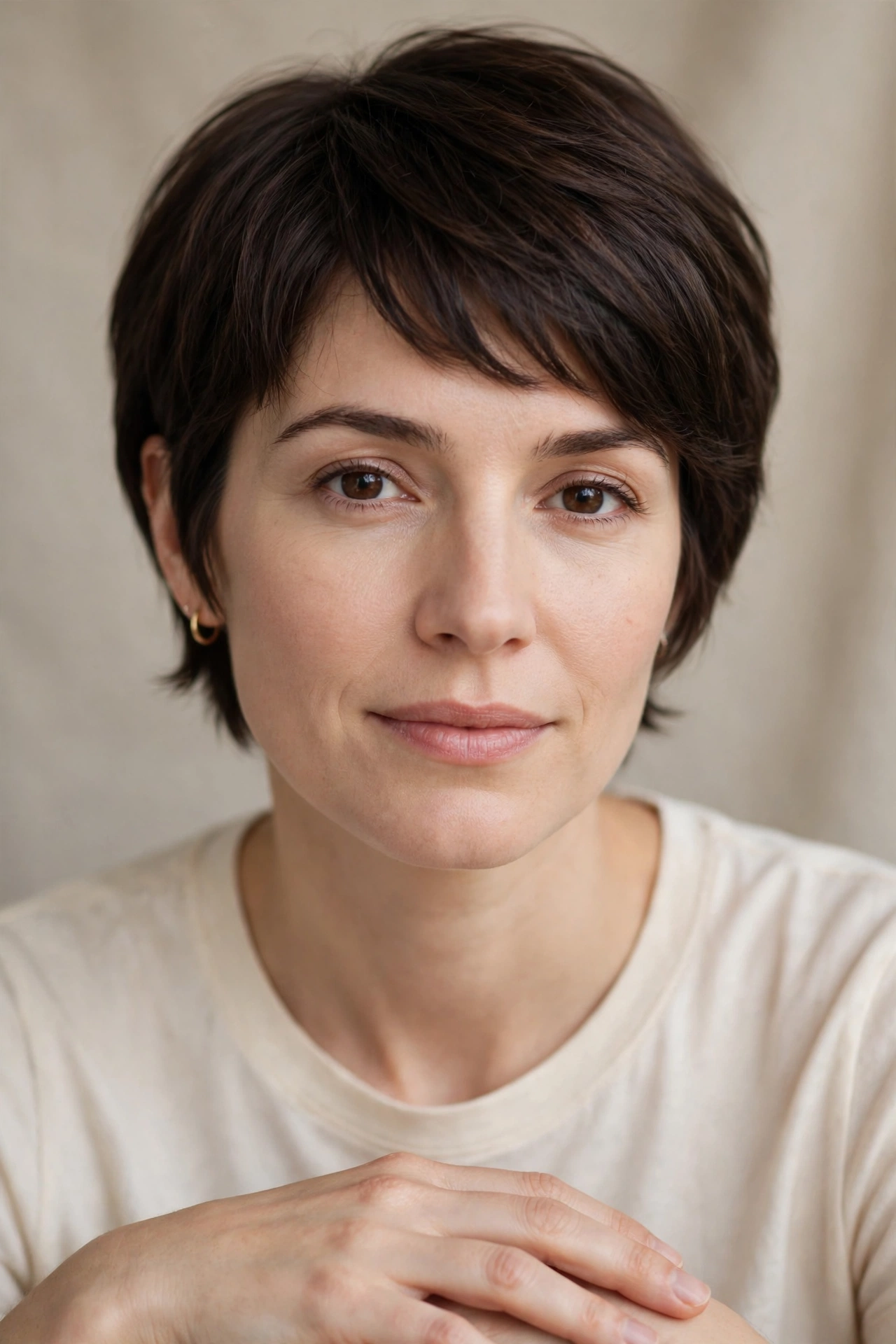
A classic pixie is short, sharp and wonderfully freeing. Tapered sides and a little texture on top open up the face, show off the cheekbones and the neck, and cut your morning routine down to minutes. It suits strong features and confident styling, and it grows out into a soft, shaggy shape if you change your mind later. If you are tired of long drying times and heavy hair, this cut feels like a fresh start.
3. The Pixie Bob in Between
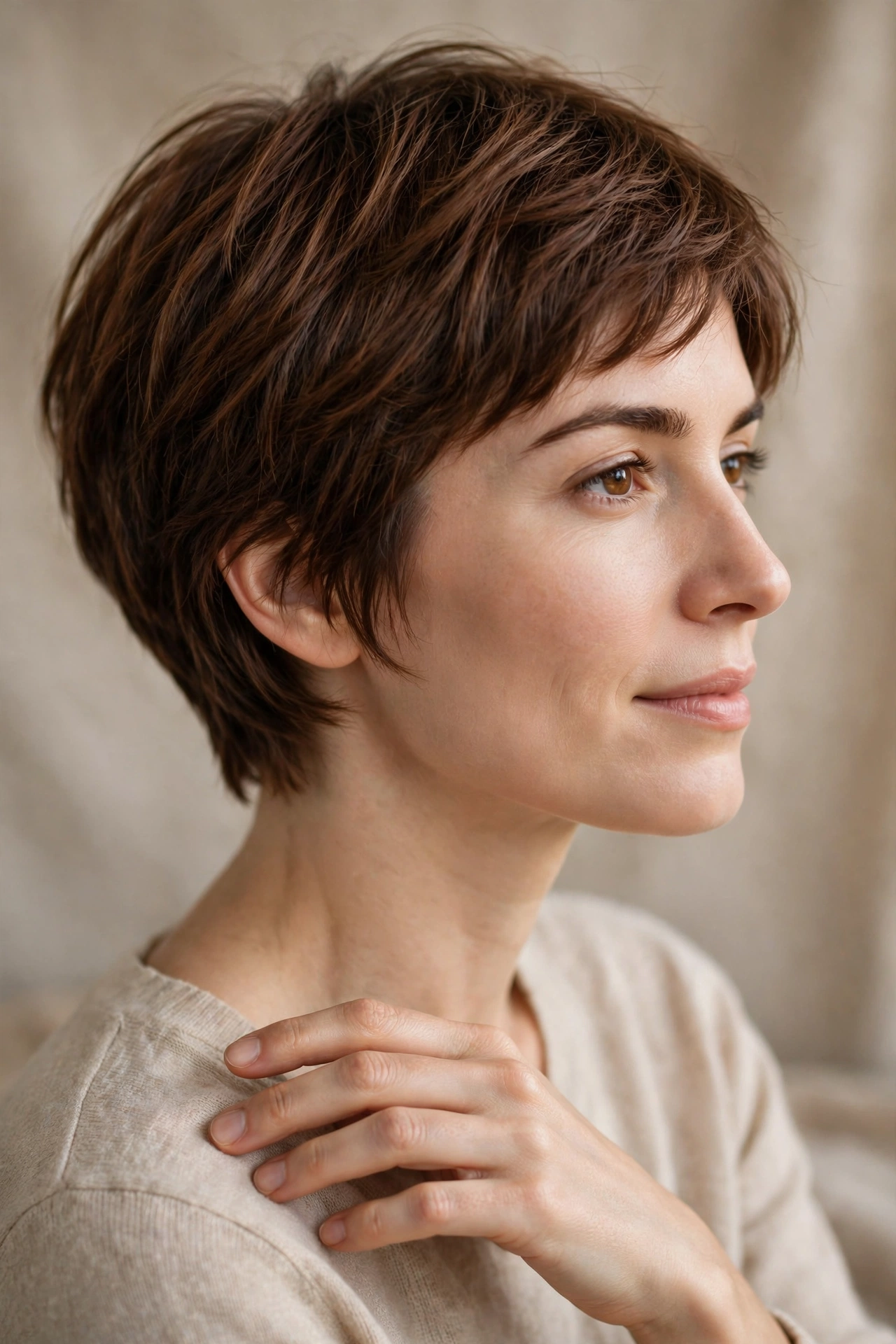
The pixie bob is the peace treaty between the two cuts, and it is the one most women end up loving. It keeps the lightness of a pixie around the nape and ears, but it leaves enough length on top to sweep, tuck or wave. Our pixie bob haircut with layers shows how soft layers make this in between length move beautifully, and it is the easiest version to grow out in either direction.
4. Blunt Bob vs Textured Pixie

A blunt bob is all about the line. One sharp edge makes hair look thicker, glossier and more polished, and it suits straight hair beautifully. A textured pixie does the opposite, breaking the outline into soft, piecey layers that add movement and a relaxed finish. Choose the blunt bob for a sleek, put together look, and choose the textured pixie when you want something playful that still looks styled with almost no effort.
5. French Bob vs Soft Pixie
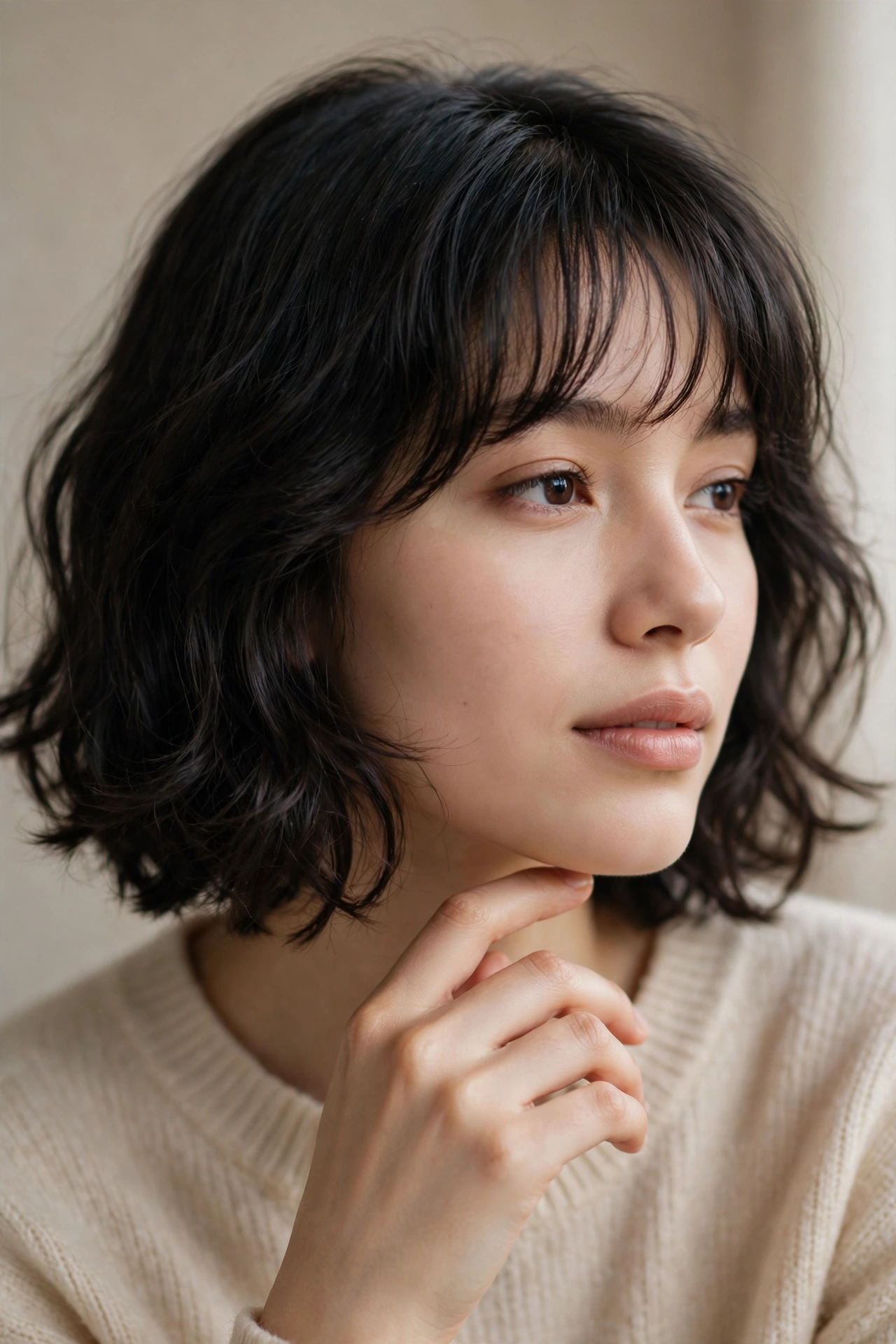
The French bob is short, chic and a little bit Parisian, with a curved shape that hugs the jaw and a fringe that softens the forehead. A soft pixie brings the same gentle feeling with even less hair, using wispy layers and a light fringe to keep the look feminine. Our French bob haircut guide covers the classic version in detail, and both cuts suit women who love a romantic, low fuss style with real character.
6. Long Bob vs Long Pixie
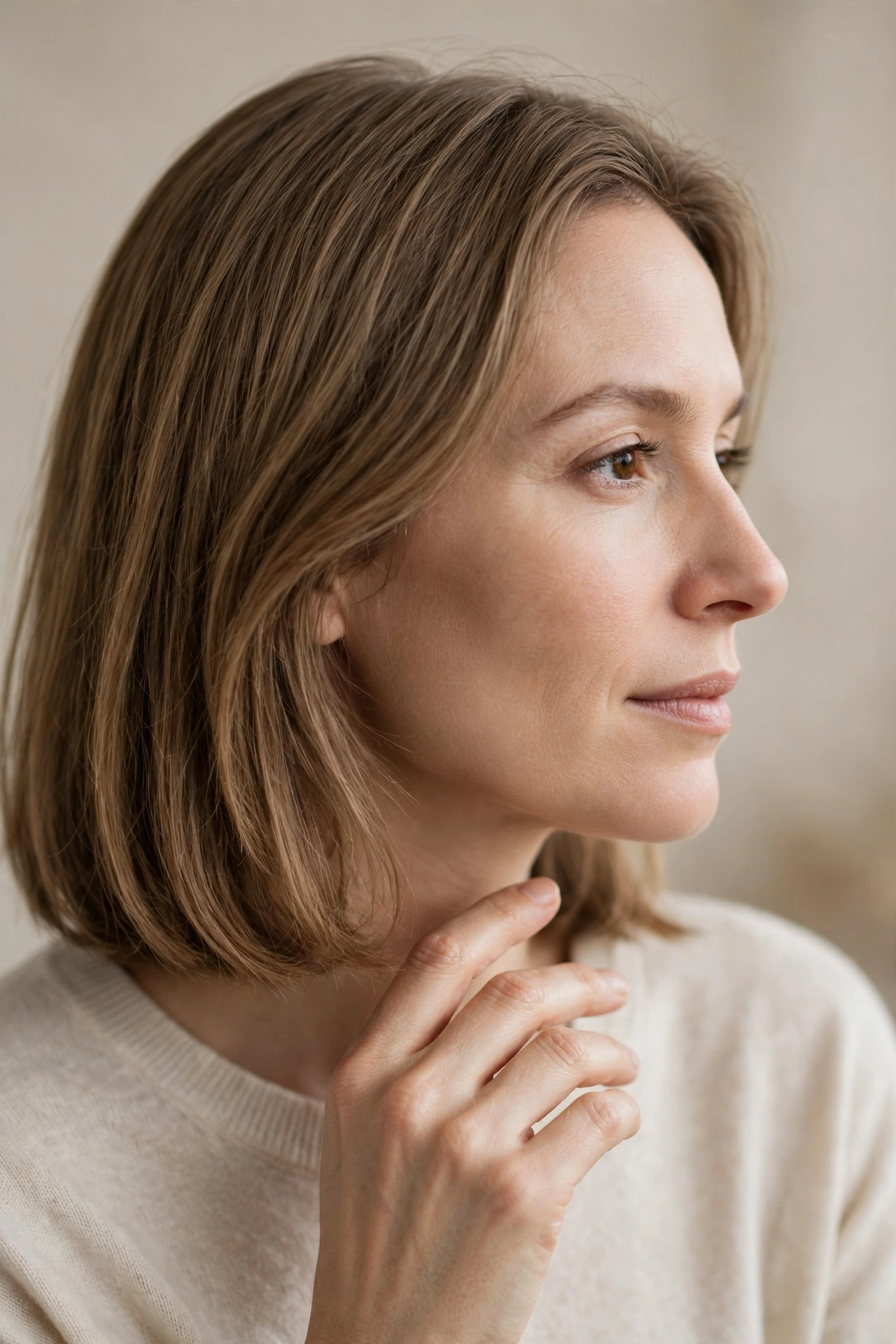
If a big chop feels too brave, the longer versions of both cuts are the gentle way in. A long bob, or lob, falls around the shoulders and still ties back, while a long pixie keeps length on top with short sides, so you get styling options without the weight. Our long bob haircut guide explains the lob in full, and either choice lets you test short hair without losing your safety net.
7. Bob With Bangs vs Pixie With Bangs

Bangs change everything, in a bob and in a pixie. A bob with bangs frames the eyes and softens a high forehead, while the extra length keeps the look balanced and easy to wear. A pixie with bangs feels bolder, because the fringe becomes the star of the cut and draws attention straight to the eyes. Both need a quick trim every few weeks, so pick the one whose fringe shape you love looking at in the mirror.
8. Curly Bob vs Curly Pixie

Curls make the bob vs pixie cut question even more interesting, because curl pattern decides the shape. A curly bob gives your curls room to spring into a full, rounded silhouette that frames the face beautifully. A curly pixie is lighter and springier, with short curls that show off the texture without the bulk. Either way, ask for a dry cut that follows your natural curl, so the shape holds once the curls bounce up.
9. Bob for Fine Hair vs Pixie for Fine Hair

Fine hair needs a cut that creates fullness, not one that removes it. A blunt bob does this best, because a thick, one length edge makes every strand count and stops the ends looking wispy. A pixie does it differently, using short layers and root lift to build volume where fine hair usually falls flat. If you want the fuller look with the least daily styling, the pixie wins, but the bob wins if you love to switch your part.
10. Bob for Thick Hair vs Pixie for Thick Hair
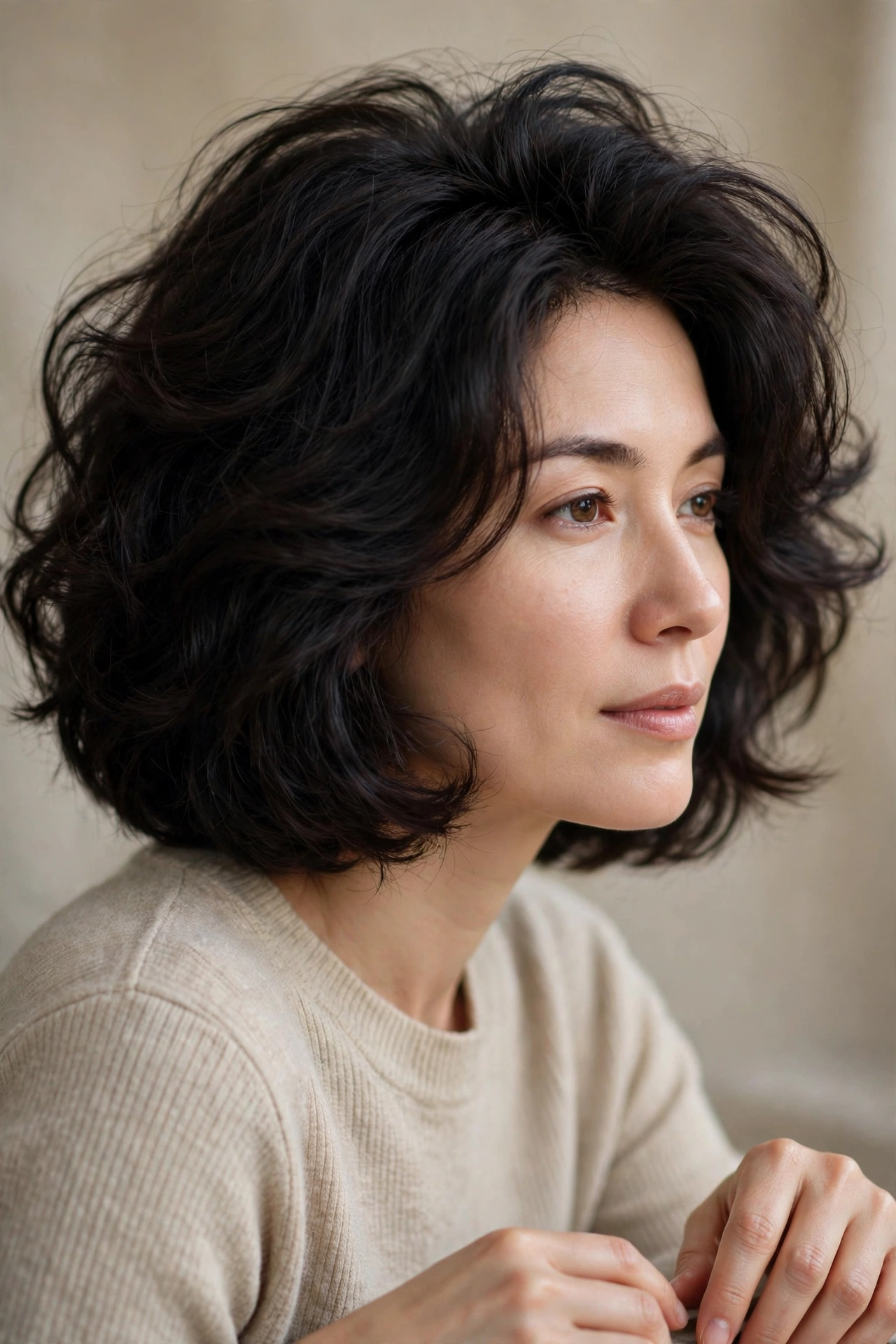
Thick hair can overwhelm both cuts if it is left too heavy, so layers are essential here. A bob for thick hair needs internal layers that remove weight without thinning the outline, so the shape swings instead of sitting like a block. A pixie for thick hair needs the same idea on a smaller scale, with tapered sides and texturized ends to keep it light. With the right layering, thick hair makes both cuts look rich and full.
11. Bob Over 50 vs Pixie Over 50
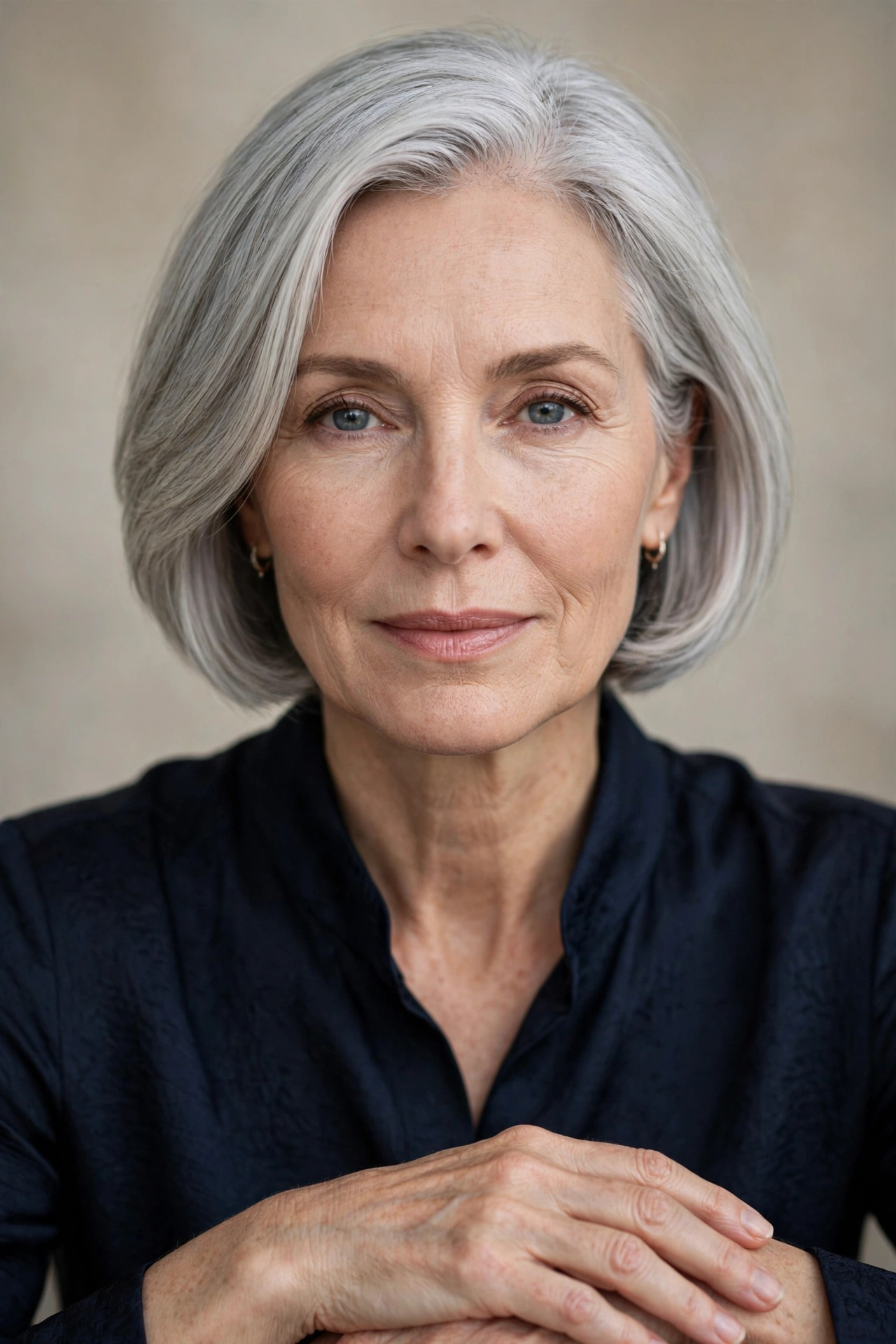
After 50, both cuts can be wonderfully flattering, and the choice is more about lifestyle than age. A bob over 50 lifts the face with soft volume and gentle layers, and it still feels classic and polished. A pixie over 50 feels modern and fresh, opening up the face and showing off great bone structure. The pixie needs more frequent trims to hold its shape, while the bob forgives a missed appointment more easily.
12. Low Maintenance Bob vs Low Maintenance Pixie

Low maintenance means different things for each cut, so be honest about your mornings. A low maintenance bob air dries into a soft shape and grows out gracefully, but it still needs a blow dry if you want it sleek. A low maintenance pixie is faster every single day, yet it needs a trim every four to six weeks to keep its shape. Our trendy low maintenance pixie bob haircut guide shows a middle option that stays easy for weeks.
13. Stacked Bob vs Stacked Pixie
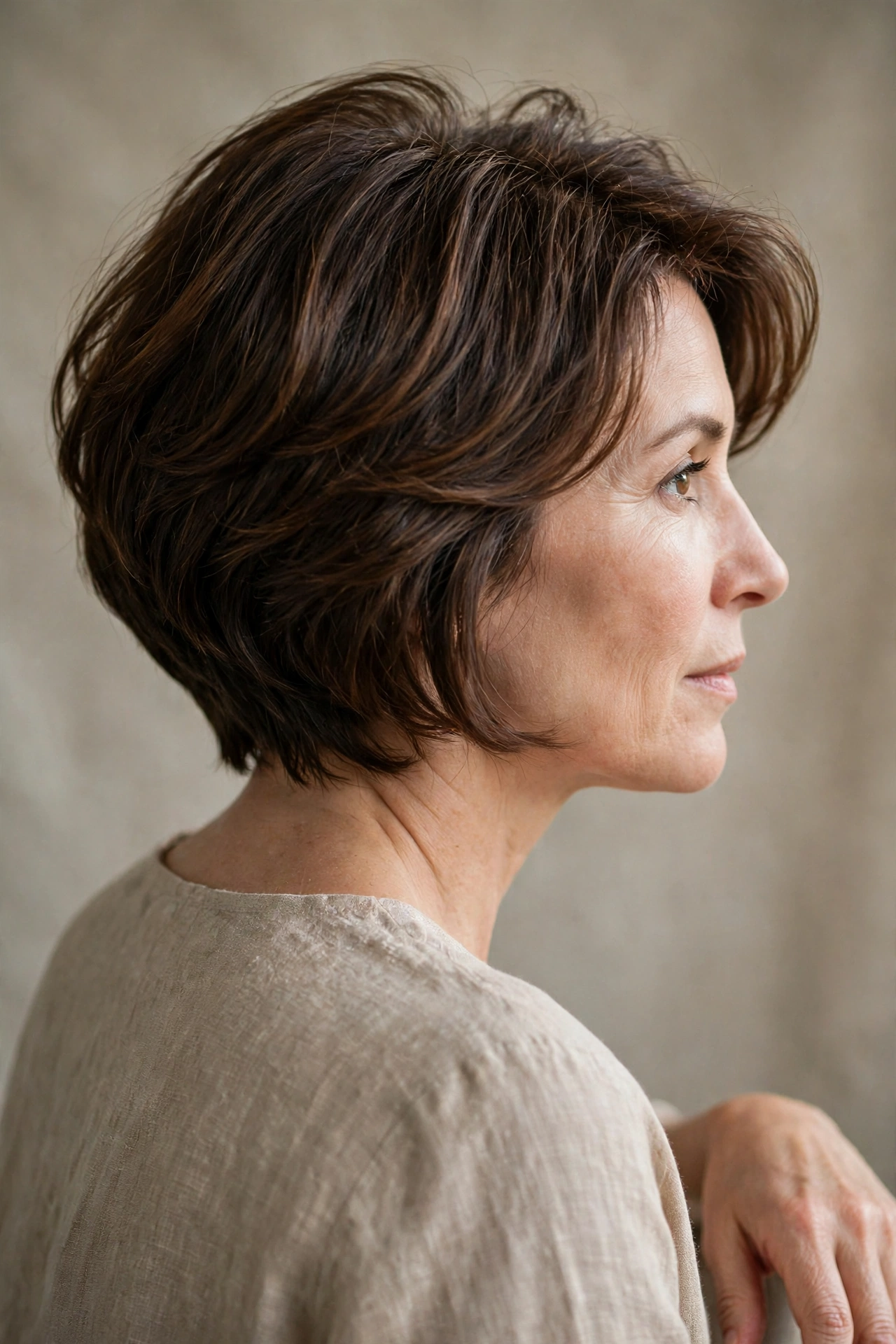
Stacked cuts build volume at the back, and that lift changes the whole silhouette. A stacked bob uses graduated layers at the nape to push volume up to the crown, with longer pieces in front to frame the face. A stacked pixie does the same thing in miniature, creating height on top with very short layers underneath. Both suit flat hair and round faces, because the height lengthens the face and the short back keeps the cut neat.
14. Asymmetrical Bob vs Asymmetrical Pixie
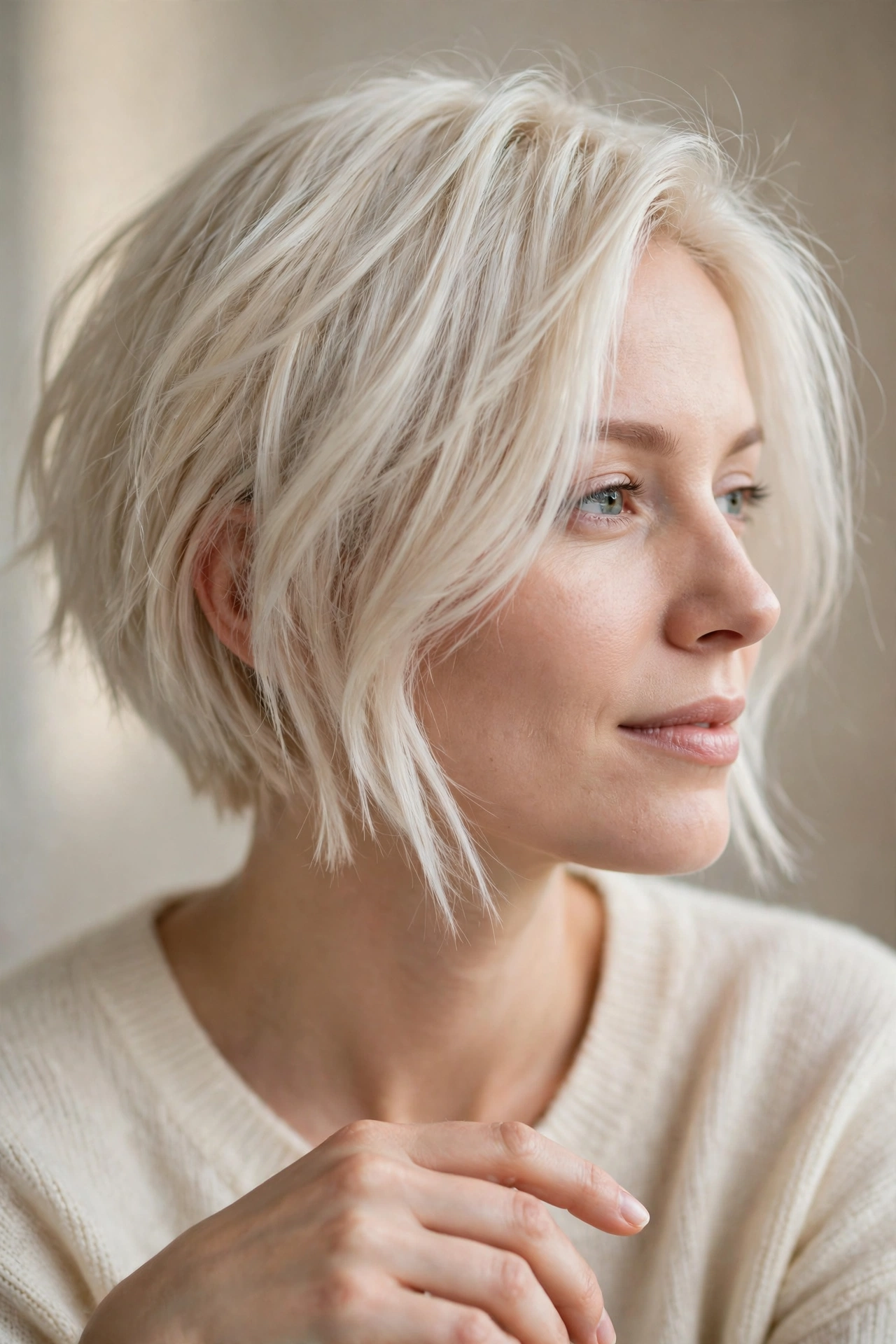
An asymmetrical cut is the boldest choice in this whole comparison, and it works in both lengths. An asymmetrical bob sweeps longer on one side, which slims a round face and adds instant edge to a classic shape. An asymmetrical pixie is even more dramatic, with one side cropped close and the other left long enough to sweep across the forehead. If you love a cut that starts conversations, either version delivers it.
15. The Bixie: When You Cannot Choose

When you truly cannot choose, the bixie chooses for you, and it is the best of both worlds. It has the length of a bob around the face and the shaggy, feathered layers of a pixie at the back, so it feels light without feeling short. Our what is a bixie haircut guide explains the cut in full, and our boy bob vs bixie cut comparison helps if you are torn between the bixie and its closest cousin.
How to Choose Between a Bob and a Pixie Cut
Still torn? Run through this quick checklist before you book, because the honest answers usually point to one cut. A bob and pixie haircut both suit most women, but your daily routine is the tiebreaker. If you love to change your part, tuck your hair or tie it back, the bob wins. If you want to wash, shake and go, the pixie wins, and the pixie bob haircut sits right in the middle for anyone who wants a little of both.
- Face shape: round faces need length past the chin or height on top, while oval faces suit almost any length.
- Hair type: fine hair needs a blunt edge or short layers for fullness, thick hair needs internal layers in either cut.
- Time: a pixie saves minutes every morning but needs trims every 4 to 6 weeks, while a bob needs more styling but fewer salon visits.
- Grow-out: a bob grows into a lob gracefully, while a pixie grows into a pixie bob first, so both have a clear path forward.
- Style: if you cannot decide, compare the lob vs bob haircut options too, since a longer bob is the gentlest first chop.
Bob vs Pixie: Care and Grow-Out
Daily care is simple for both cuts, but the details differ. A bob needs a smoothing cream on the mid-lengths and ends, and a quick blow dry keeps the shape looking polished. A pixie needs almost nothing, just a pea sized amount of texture paste worked through damp hair, and it dries on its own in minutes. For grow-out, a bob turns into a lob with one or two trims, while a pixie cut vs bob grow-out takes a little more shaping at the back, so book a tidy-up every 6 to 8 weeks either way. For inspiration on how the two cuts are styled by the pros, Allure regularly covers short hair trends and salon techniques worth reading before your appointment.
Which suits a round face better, a bob or a pixie cut?
Both can suit a round face if the length is right. Choose a bob that falls past the chin with longer face framing layers, or a pixie with height on top and longer pieces at the front. Avoid cuts that end right at the cheek with no height, since that width makes a round face look wider. A side part helps both cuts by breaking up the symmetry.
Which is lower maintenance, a bob or a pixie cut?
A pixie is lower maintenance day to day, because it washes and dries in minutes and needs almost no styling. A bob is lower maintenance at the salon, because it grows out gracefully and can go 8 to 12 weeks between trims. A pixie usually needs a trim every 4 to 6 weeks to hold its shape, so pick the pixie if you hate morning styling and the bob if you hate frequent salon visits.
Can you grow a pixie into a bob?
Yes, and it is one of the most common grow-out journeys. The pixie grows into a pixie bob first, then into a short bob, and the awkward stage is much shorter if your stylist shapes the back and sides as it grows. Plan a tidy-up every 6 to 8 weeks during the grow-out, and use headbands or texture spray to style the in between lengths.
Which suits fine hair better, a bob or a pixie cut?
Both work, but in different ways. A blunt bob makes fine hair look thicker because the one length edge keeps every strand visible. A textured pixie makes fine hair look fuller because short layers and root lift create volume where fine hair usually lies flat. If you want the fullest look with the least effort, try the pixie first, since its lift lasts all day without much styling.
Which suits women over 50 better, a bob or a pixie?
There is no single winner after 50, because both cuts flatter mature faces beautifully. A bob is the safer, more classic choice, with soft volume that lifts the face and grows out gracefully. A pixie feels fresher and more modern, and it shows off great cheekbones and a strong jawline. Choose the bob for polish and easy grow-out, and the pixie if you want a bold, low fuss refresh.
What is a bixie, and is it a bob or a pixie?
A bixie is a mix of both, a bob and a pixie cut blended into one style. It keeps bob length around the face with pixie style shaggy layers at the back and crown, so it feels light like a pixie but still looks like a bob from the front. It is the best choice when you love both cuts and cannot pick one, and it suits most face shapes and hair types.
Final Thoughts
The best choice in the bobs and pixie cuts debate is the one that fits your face, your hair and your real mornings, not the one that looks best on someone else. Try the checklist above, pick the pair that speaks to you, and take a photo of it to your stylist. If you still love both, the pixie bob haircut gives you the middle ground, and our main bob trends guide is the perfect next read for the bigger picture.
Sana Malik is a hair and beauty writer with a deep love for the bob in all its forms from sharp French bobs to soft, lived-in lobs. After years of experimenting with her own short hair and helping friends figure out what actually suits their face shape, she started writing to cut through the confusing advice out there. At BobHairTrends, she breaks down each cut into simple, honest guides: how to ask for it, how to style it at home, and who it really flatters. When she isn’t researching the latest trends, she’s usually testing a new styling product or convincing someone it’s finally time for the chop.