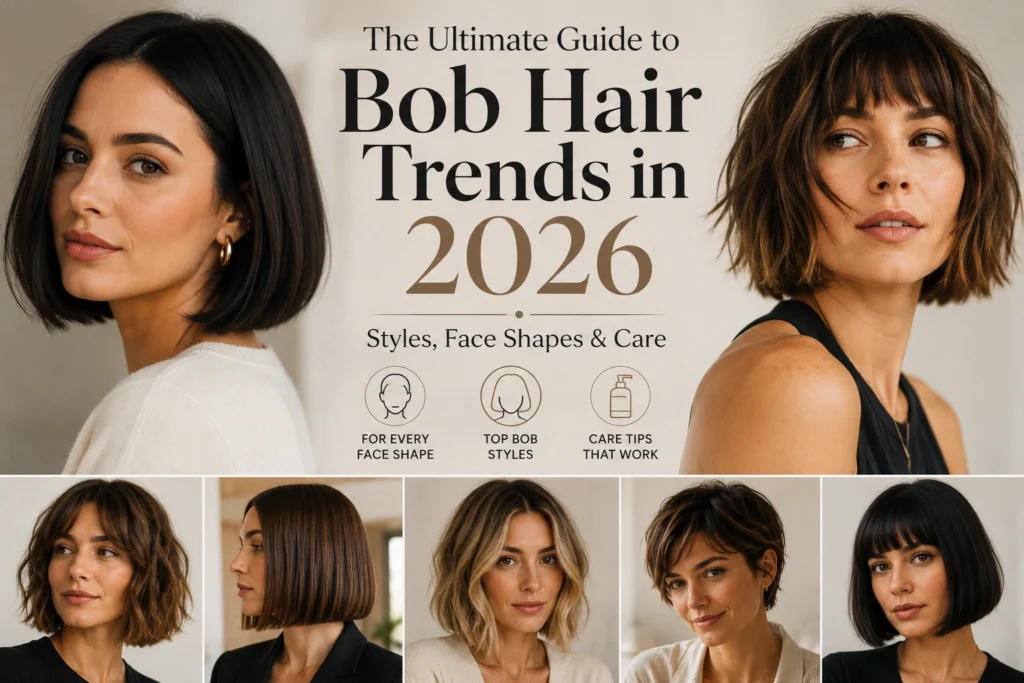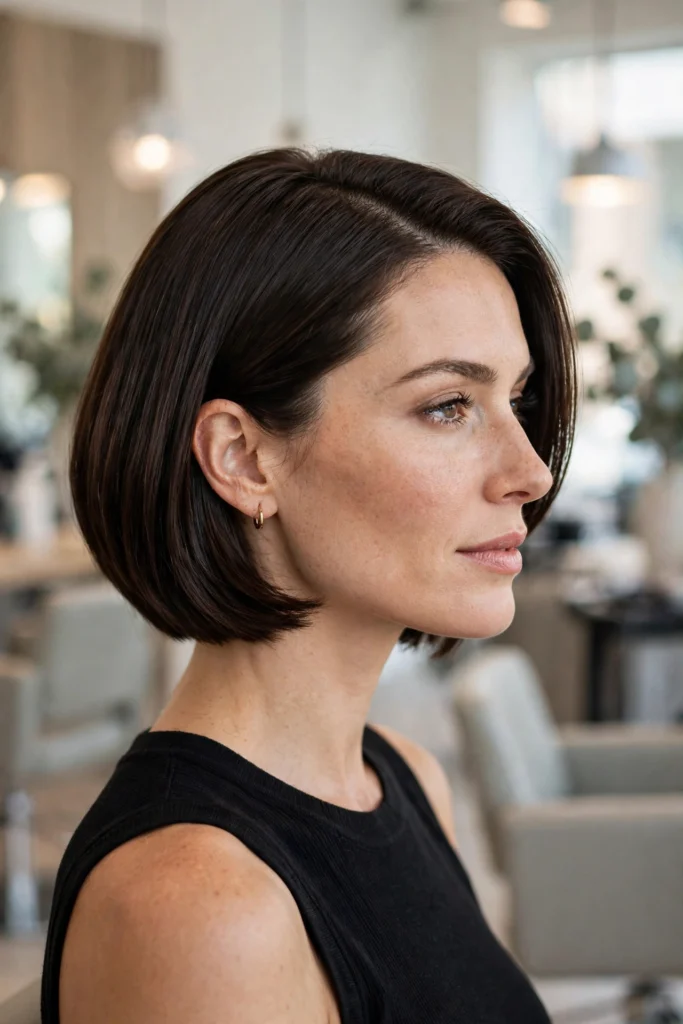
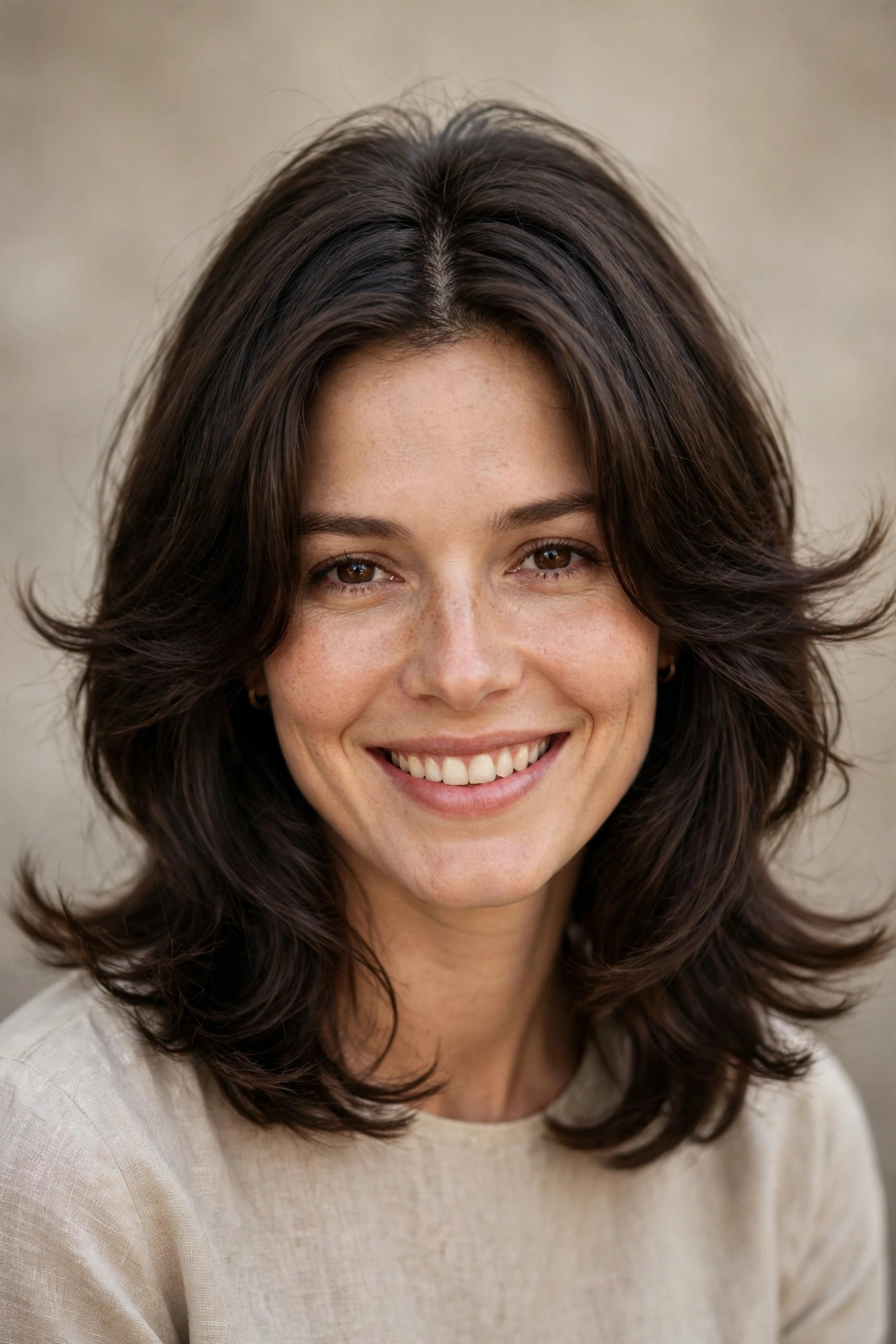
A 70s bob haircut is back in a big way, and honestly, it is easy to see why. Feathered layers, soft volume, and that effortless flick at the ends give you movement without a complicated routine.
The 1970s version was never about a stiff, perfect shape. It was about hair that moved when you moved, with layers that fell softly around the face. Below you will find 20 ways to wear the revival, from shaggy and textured to sleek and polished. For the bigger picture of where this retro cut fits among all bob trends this year, our main bob trends guide puts it in context.
- The 70s bob is defined by feathered layers, soft volume, and ends that flick or curve with movement.
- A center part gives calm, flowing 1970s energy, while curtain fringe and side parts add instant shape.
- The same cut works for fine, thick, wavy, and curly hair, because the layering is adjusted, not the idea.
- Most versions need a trim every 6 to 8 weeks to keep the feathered ends light and bouncy.
- These 20 styles cover every face shape, hair type, and age group, with a stylist script in the FAQ to take to your appointment.
20 Gorgeous Retro Bob Ideas to Try
Classic Feathered 70s Bob Haircut
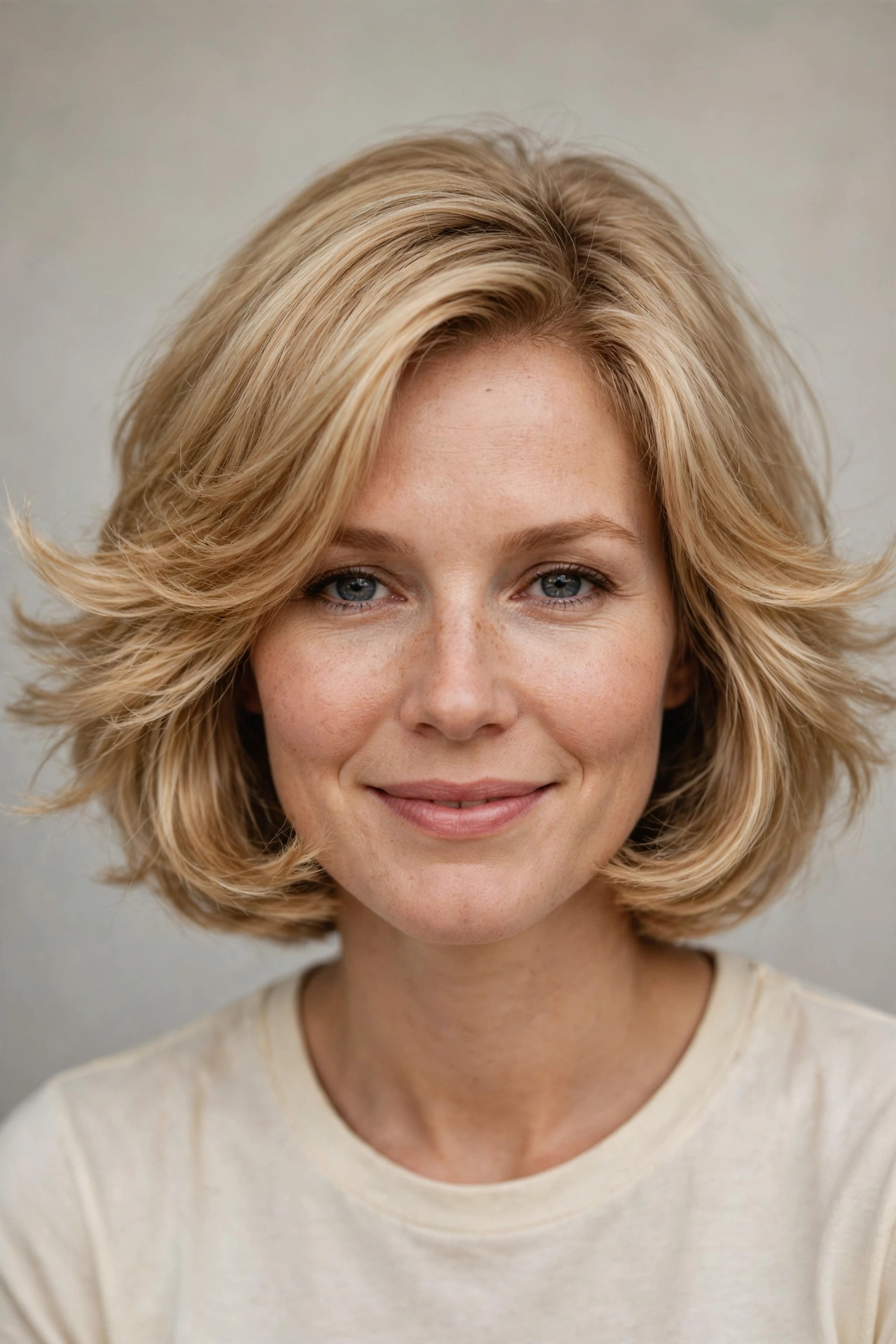
Start here if you want the look that defines the whole revival. Layers are cut to flick away from the face, so the bob feels light even at chin length. Ask your stylist for feathering through the ends rather than blunt weight, then blow dry outward with a round brush for that airy finish.
Center Parted 70s Flow
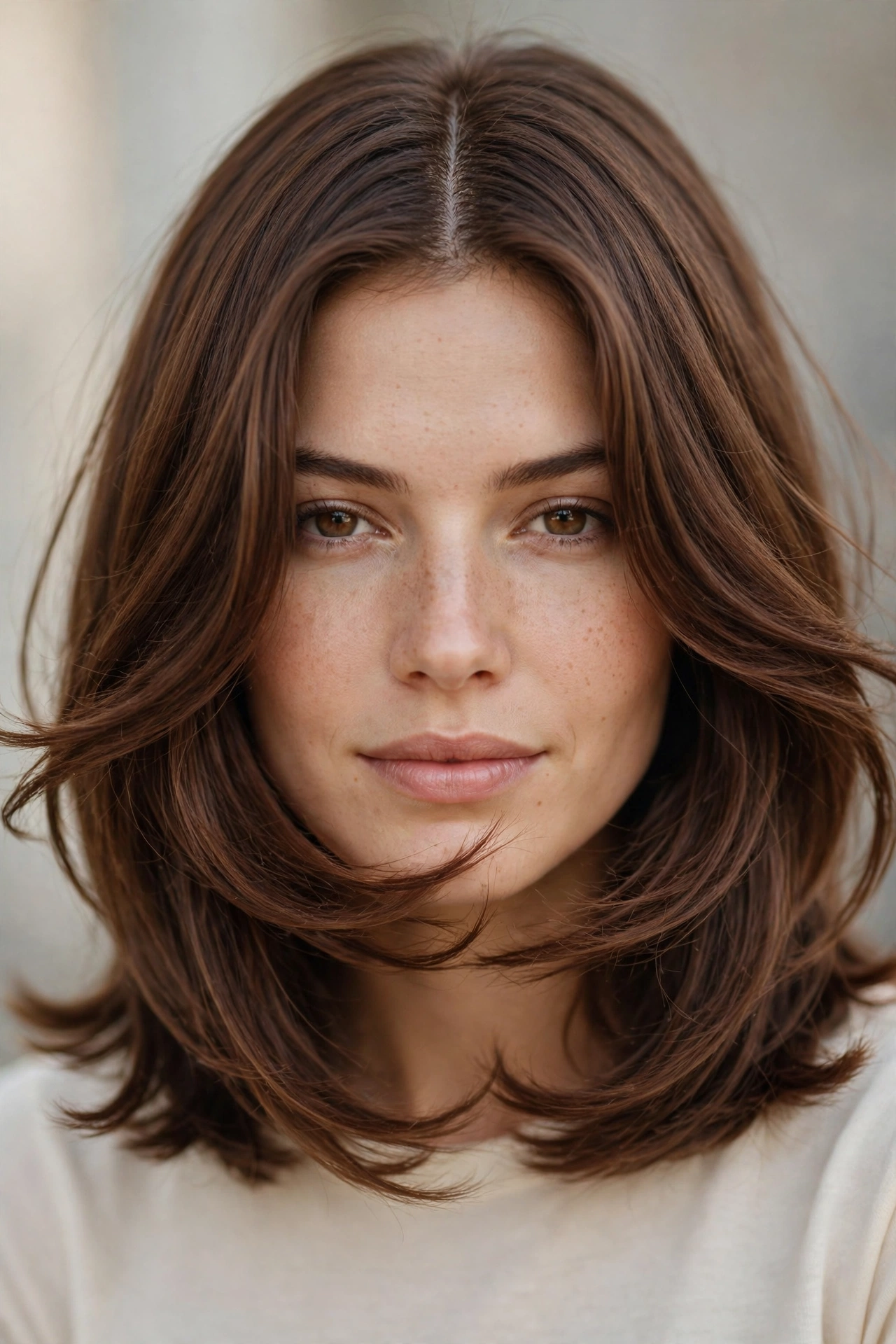
A center part is the quickest way to get that calm, 1970s flow. Long layers fall on both sides of the face and soften strong features without hiding them. If your hair is longer than a classic bob, this is the bridge: it reads retro but still ties back. Our long bob guide shows how the same flowing layers work at a longer length.
Shaggy 70s Bob
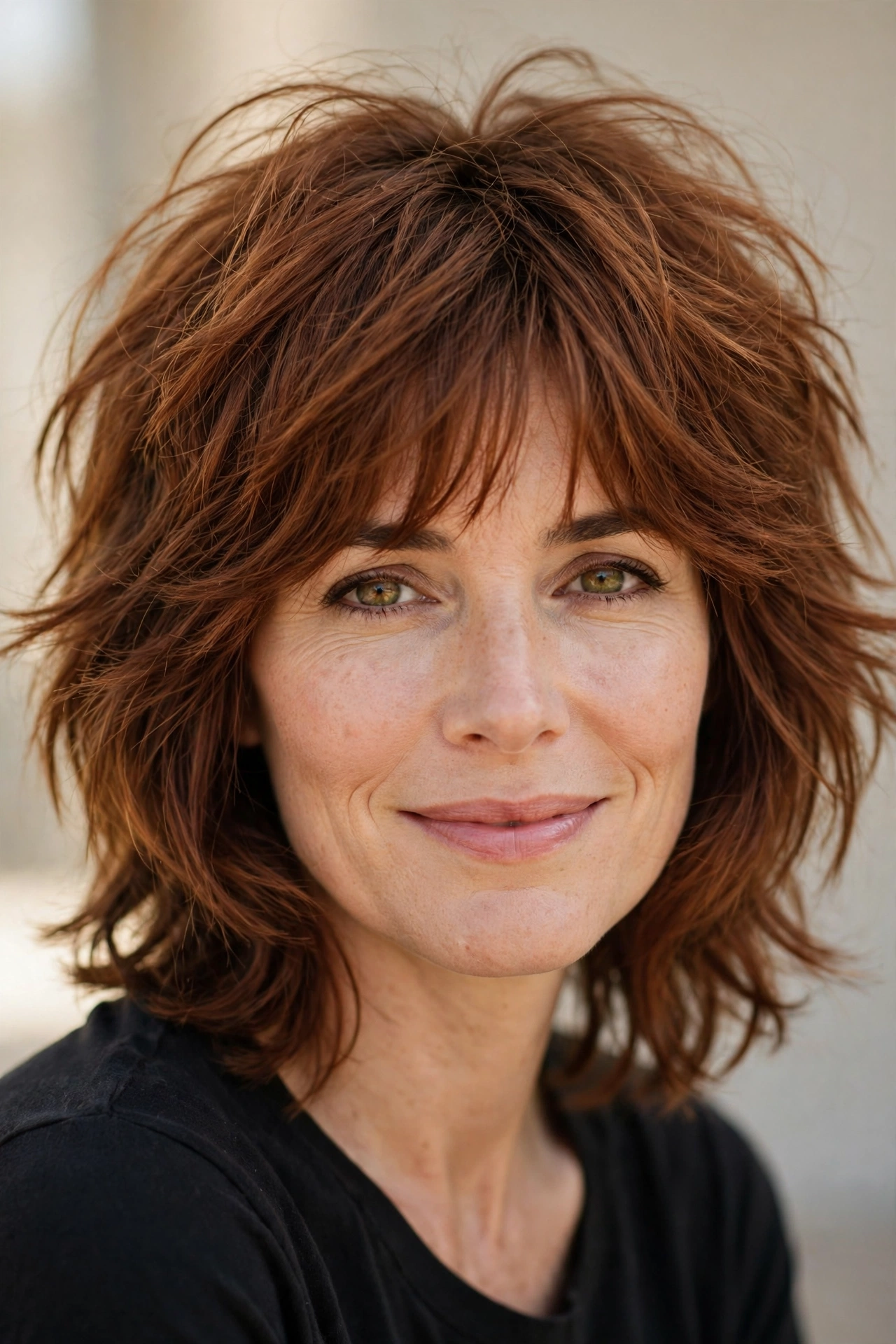
For anyone who hates fussing over their hair, the shag version is your friend. Choppy layers and piecey ends do most of the styling for you, and a little texture cream is all you need on day two. If you like this lived in energy, our bixie haircut guide leans into the same shaggy spirit.
70s Bob With Curtain Fringe
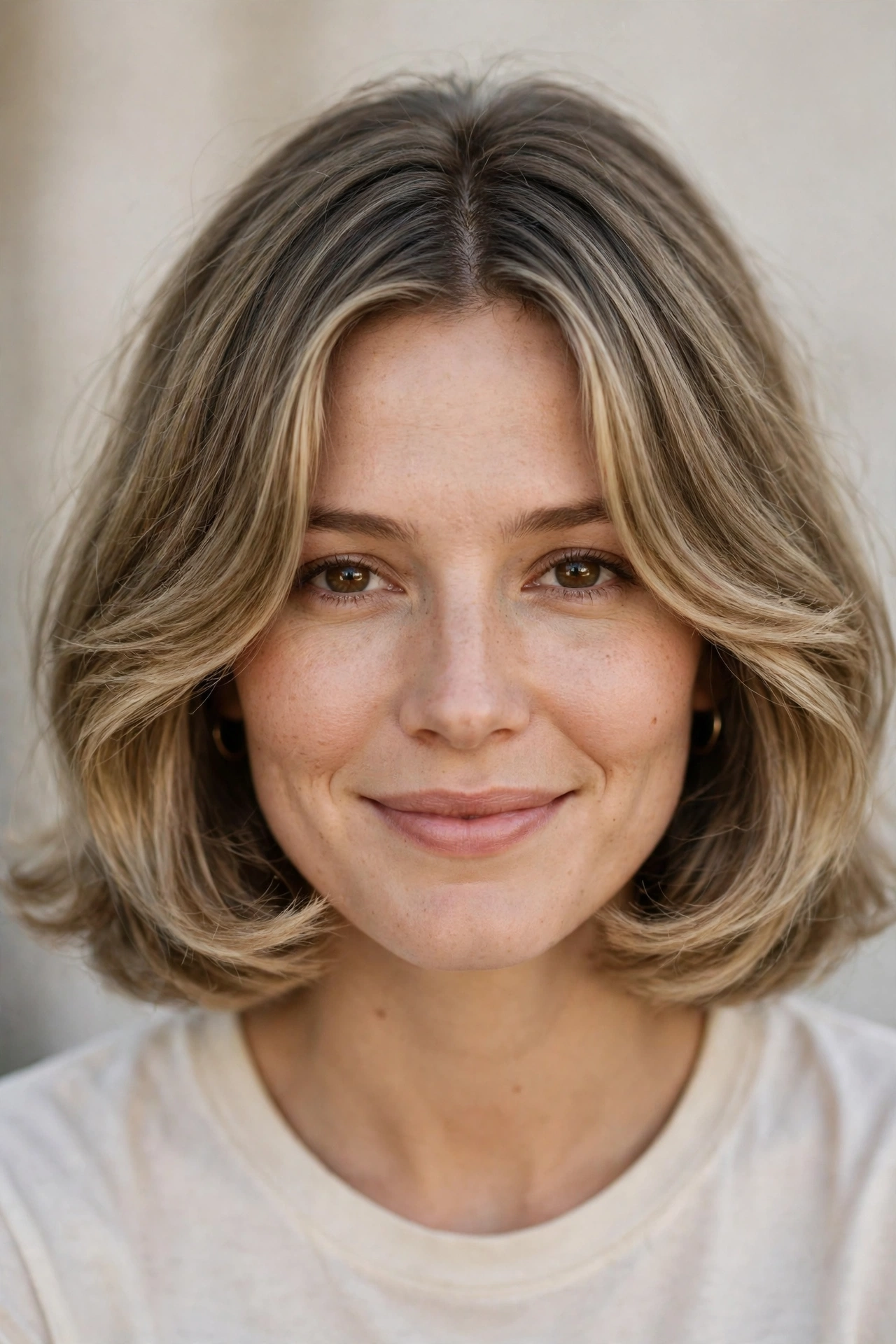
Curtain fringe is the detail that makes a 70s bob feel instantly modern. The fringe parts softly in the middle and melts into the face framing layers, so there is no harsh line across the forehead. It grows out beautifully too, which makes it a low risk way to try bangs. See how the same fringe works on a shorter French shape in our French bob with curtain bangs guide.
Soft Volume 70s Bob
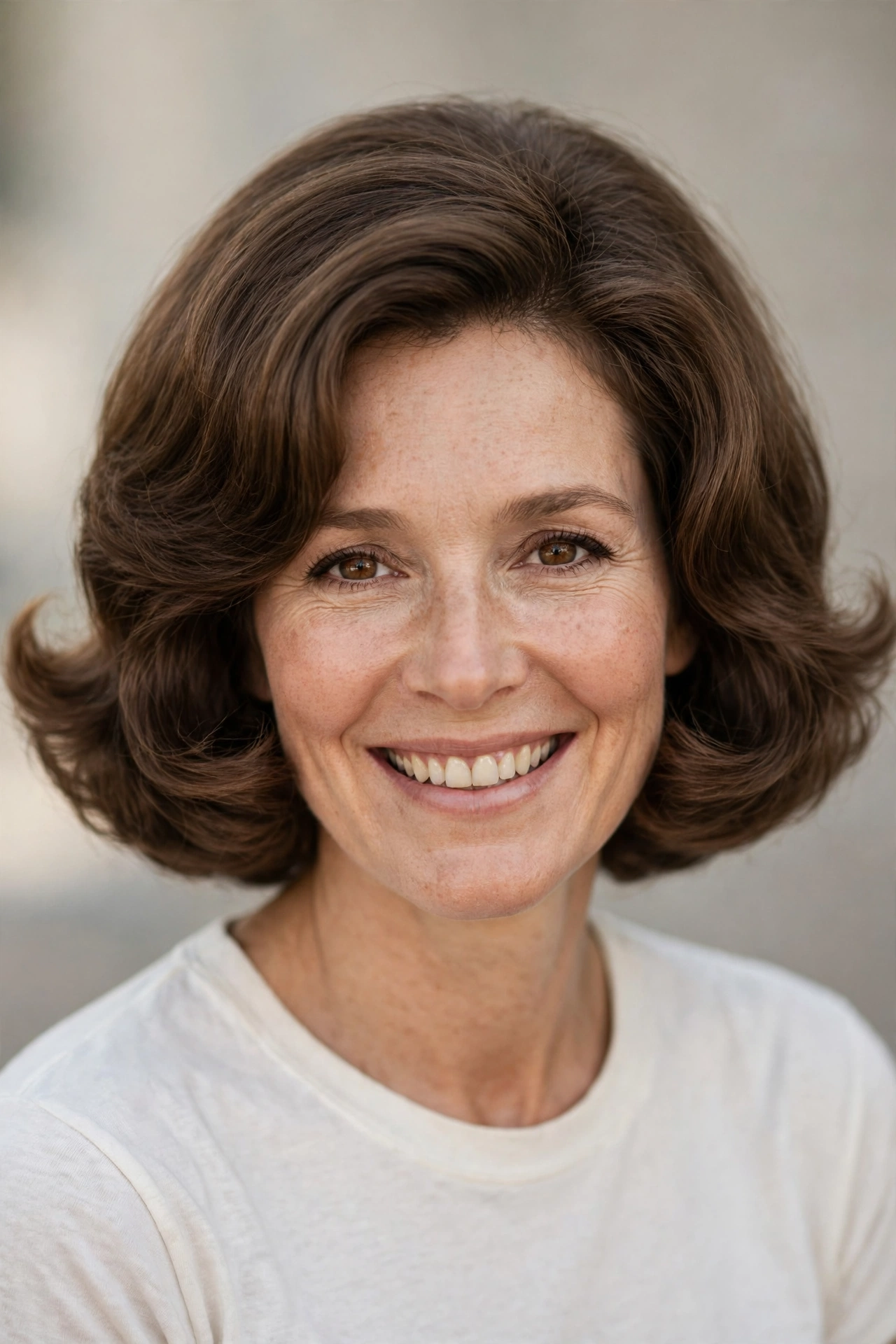
Volume here means bounce, not stiffness. A rounded blowout shape lifts the roots and curves the ends under, giving you that full 1970s silhouette without teasing. Blow dry with a large round brush, rolling the ends under as you go. For more retro styling inspiration, take a look at Byrdie for timeless blowout techniques.
Feathered Layers Chin Bob
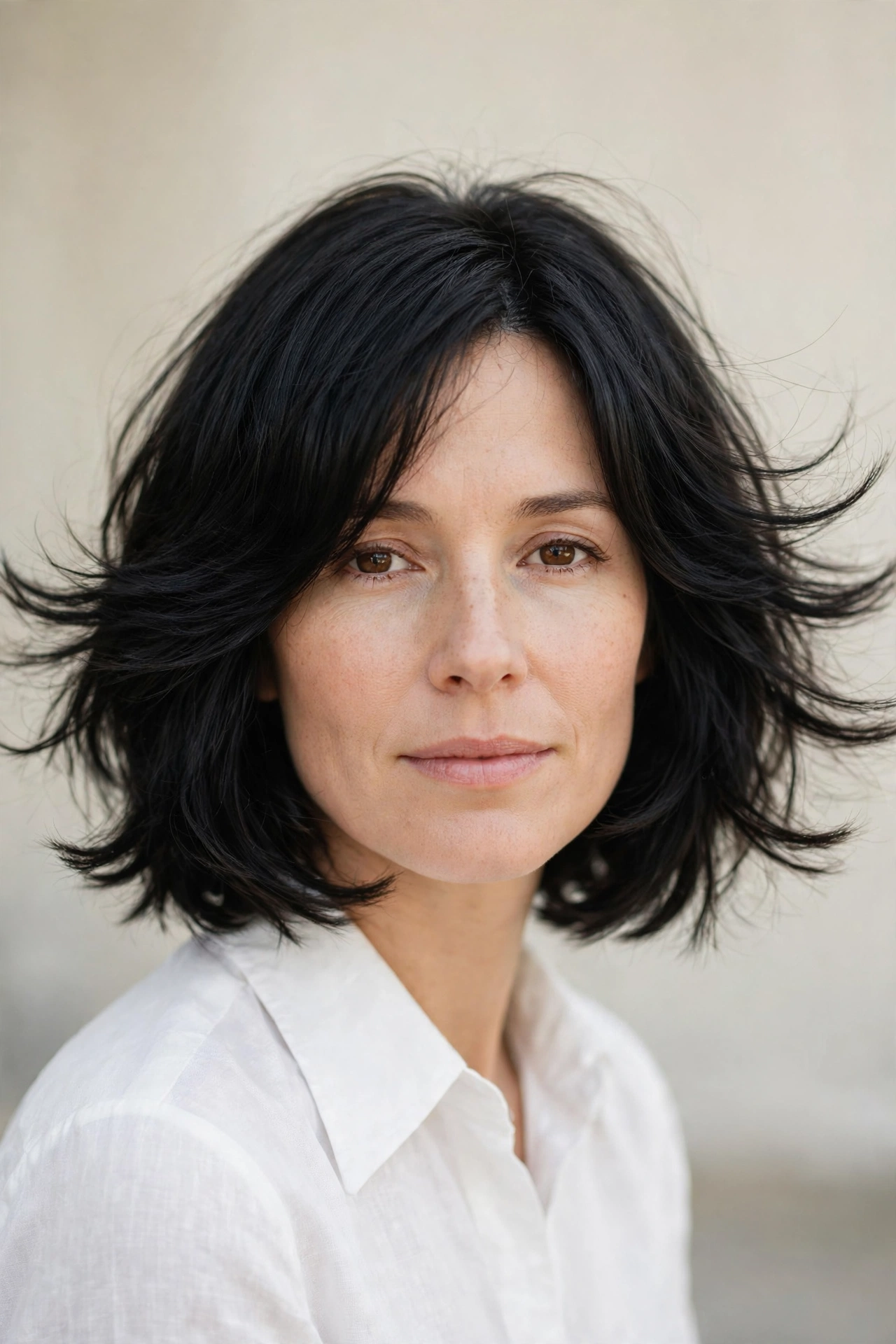
Shorter does not mean flatter. At chin length, feathered layers keep the shape from sitting heavy on the jaw, and the flicked ends add width exactly where a short bob needs it. This is a great pick if you want a big change that still feels soft and wearable every day.
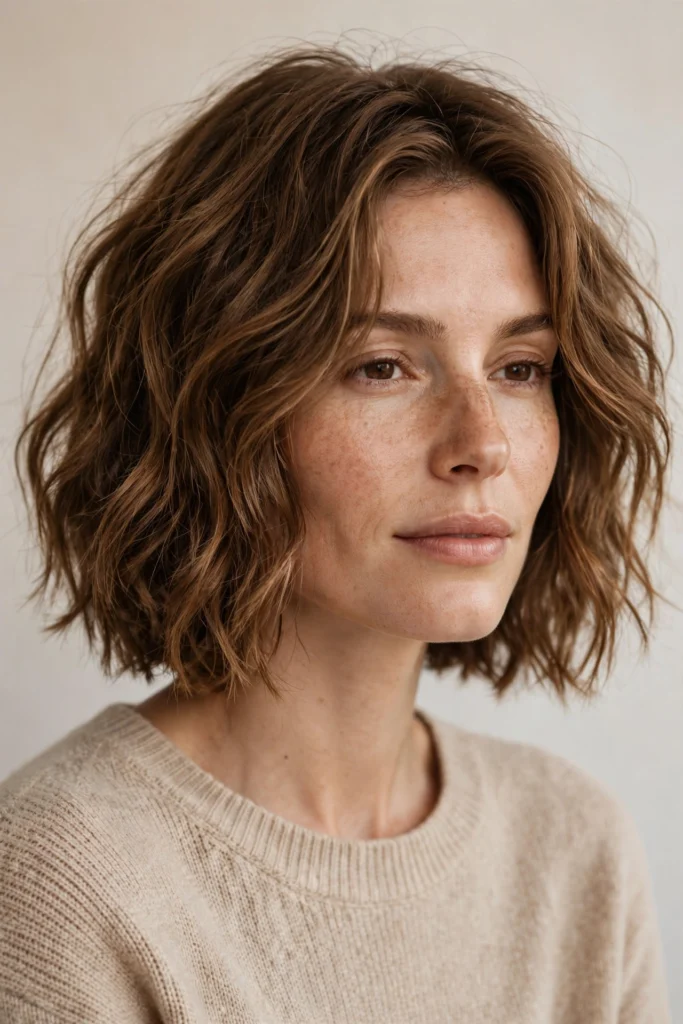
Wavy 70s Bob
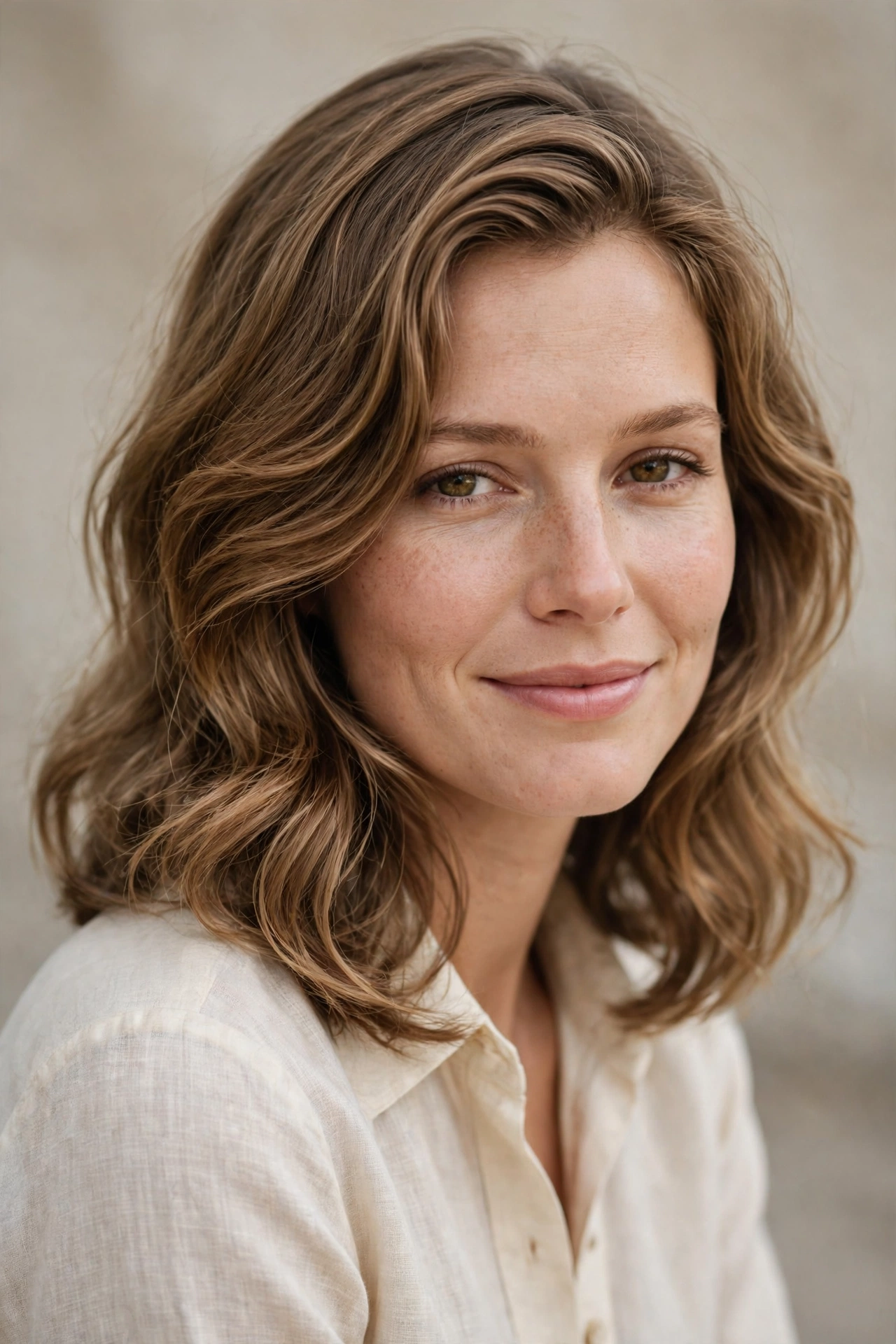
Natural wave and 1970s layering were made for each other. Long layers let the wave form soft S shapes instead of a triangle, and air drying with a little curl cream keeps the texture touchable. Our short bobs for wavy hair guide has more cuts that work with your wave instead of against it.
Flipped Ends 70s Bob
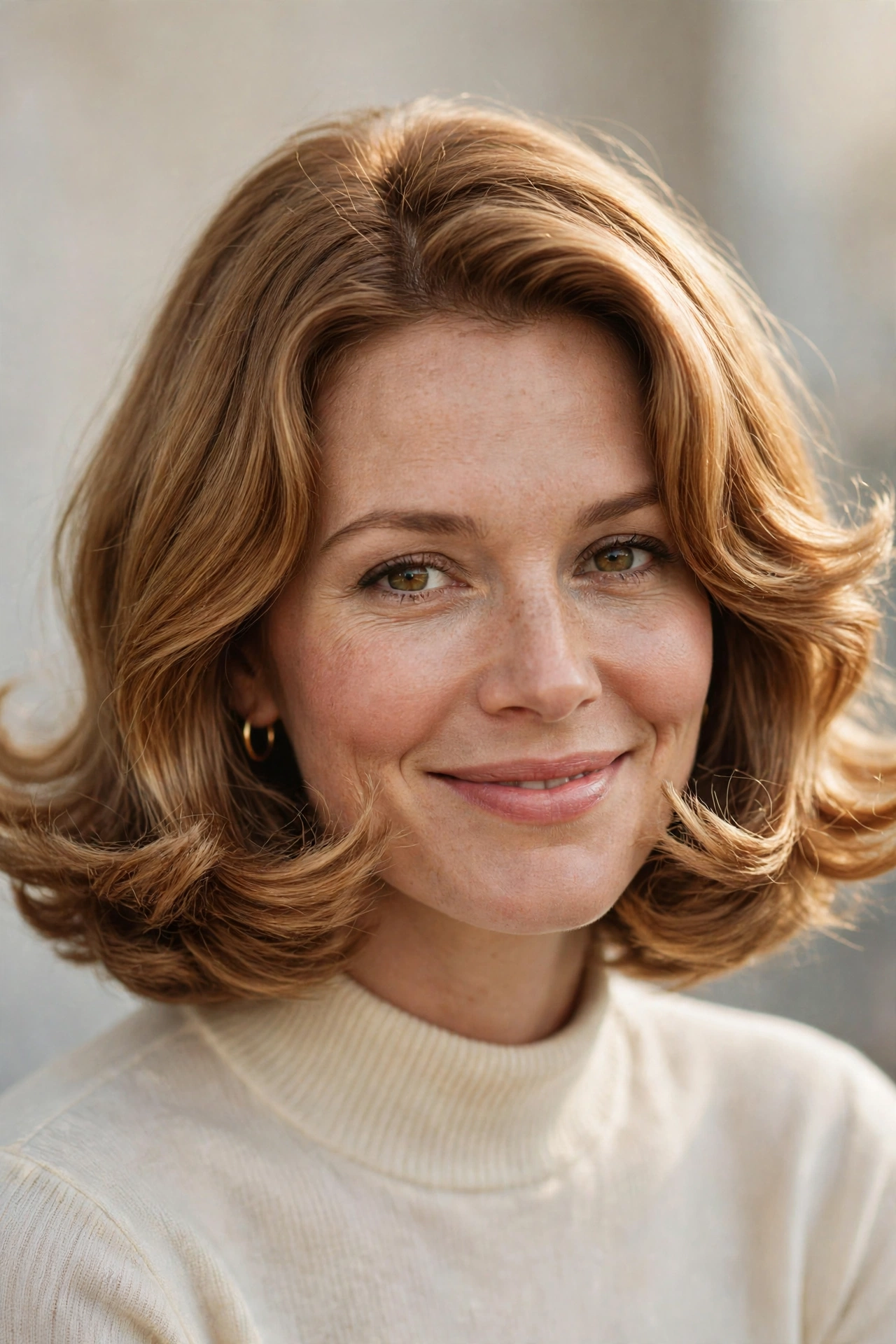
Nothing says retro quite like ends that flick outward. A round brush and a quick flick at the tips is all it takes, and the result looks playful without trying too hard. Keep the top smooth so the flip reads as intentional, not accidental.
Feathered 70s Bob for Fine Hair
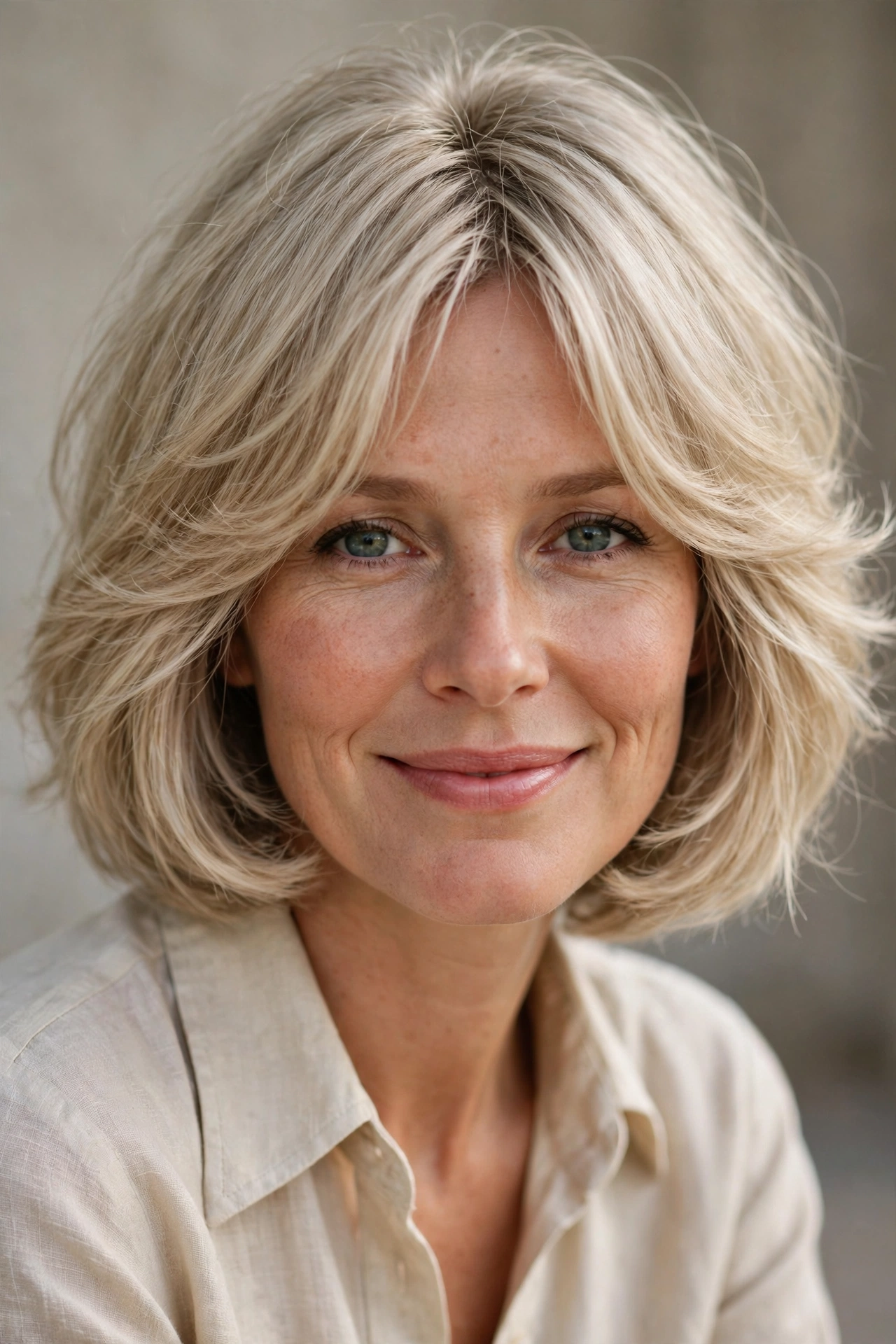
Fine hair loves feathering because it removes weight without removing fullness. Keep the layers long near the face and ask for texture only on the inside, so the outline stays thick. A root lifting mousse and a quick round brush blow dry will do the rest. For more fine hair ideas, see our short bob haircuts for fine hair.
70s Bob for Thick Hair
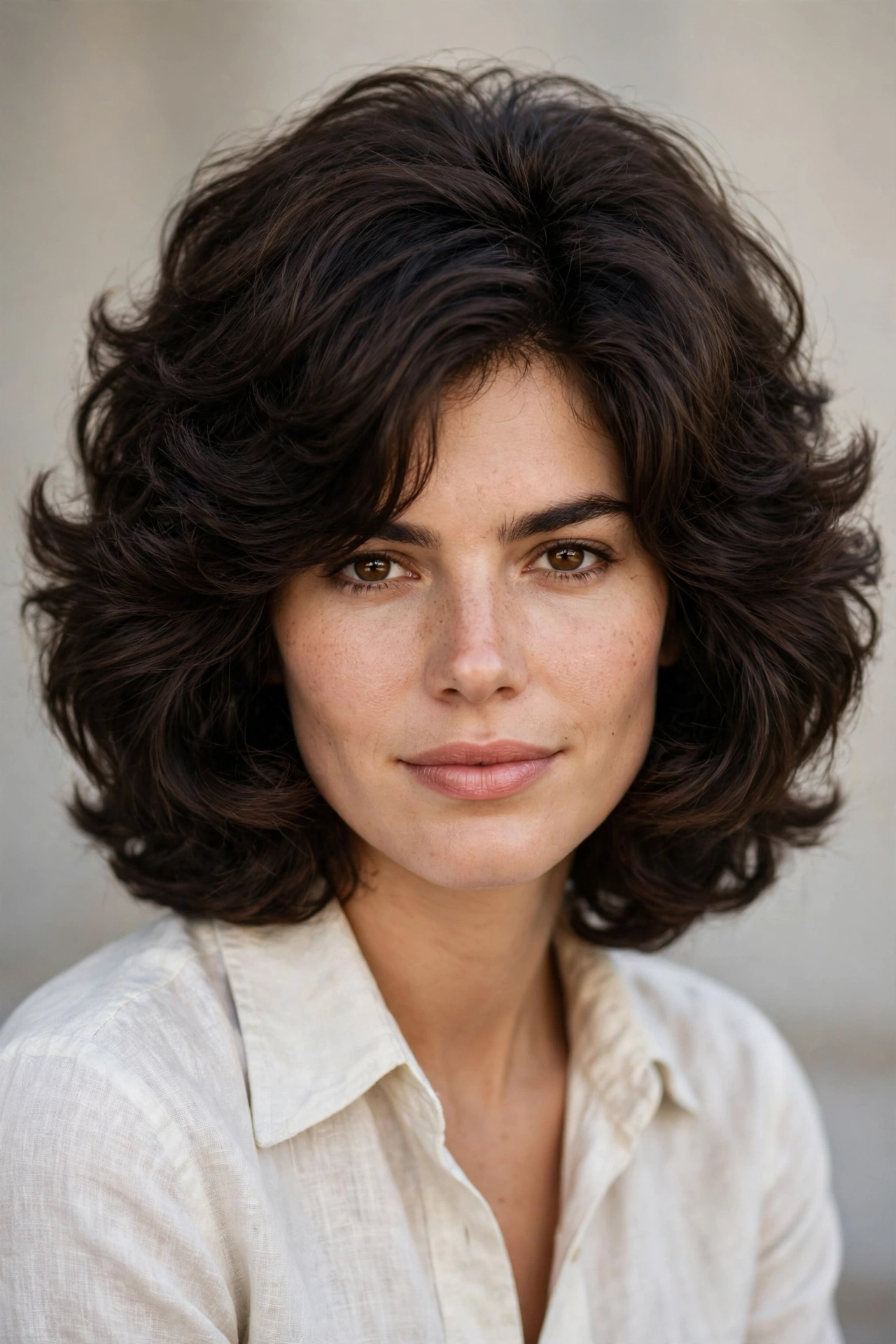
Thick hair needs the opposite trick: hidden layers inside to take out bulk while the outline stays smooth. A 70s bob haircut on thick hair looks best when the stylist thins from the inside, never from the ends, so you keep the bouncy shape without the triangle effect.
Curly 70s Bob

Curls give this retro shape a beautiful halo. Cut dry, curl by curl, the layers let each curl spring up to its natural length instead of dragging the shape down. Diffuse on low heat and scrunch with a light curl cream for definition that still moves. Our curly bob hairstyles guide covers more shapes for natural curls.
70s Bob for a Round Face
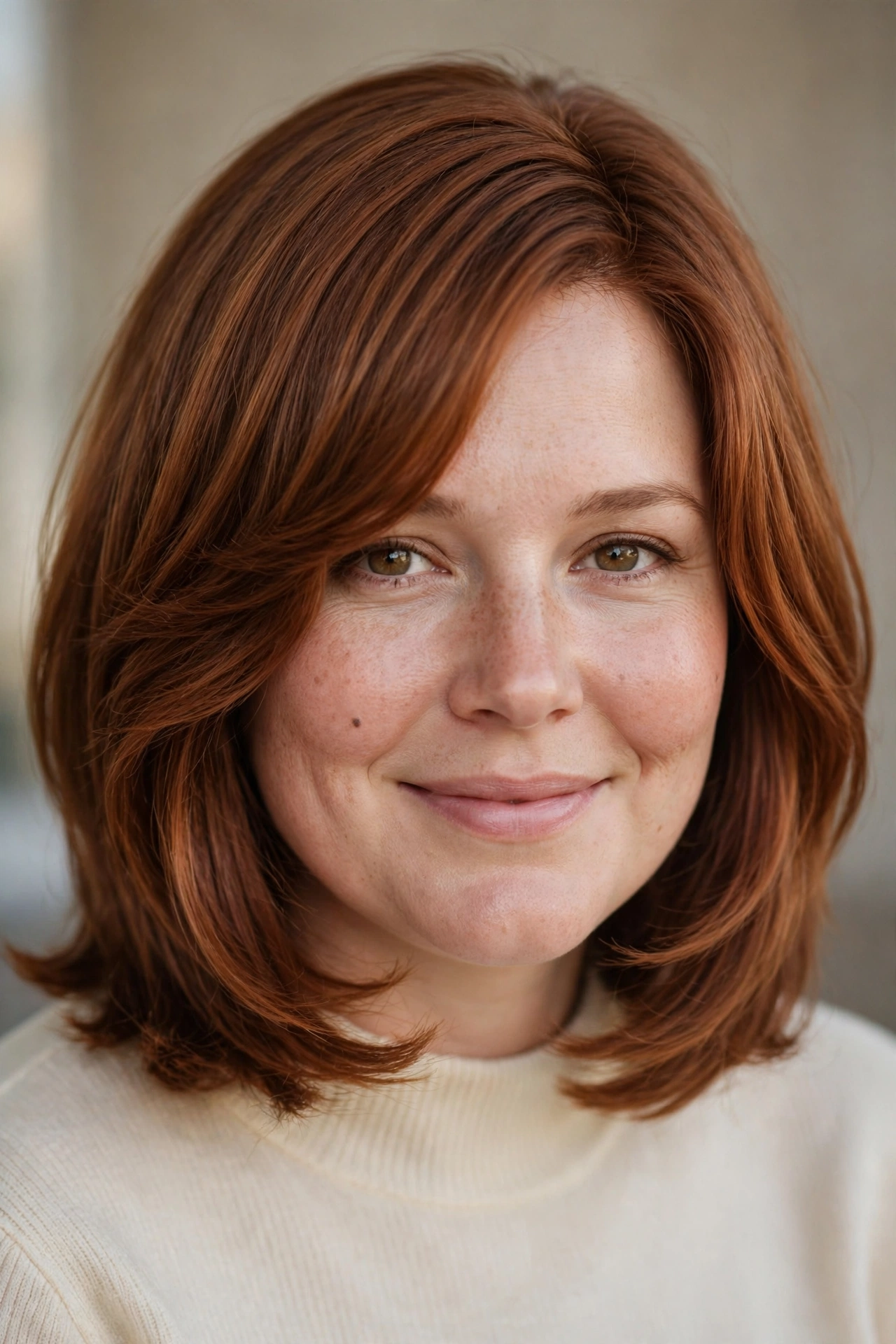
Longer face framing layers are the secret for round faces. They draw the eye down past the cheek and lengthen the whole look, especially when the length sits just below the chin. Skip heavy volume at the sides and let the layers do the slimming work. See more flattering shapes in our bob for round face guide.
Side Swept 70s Bob
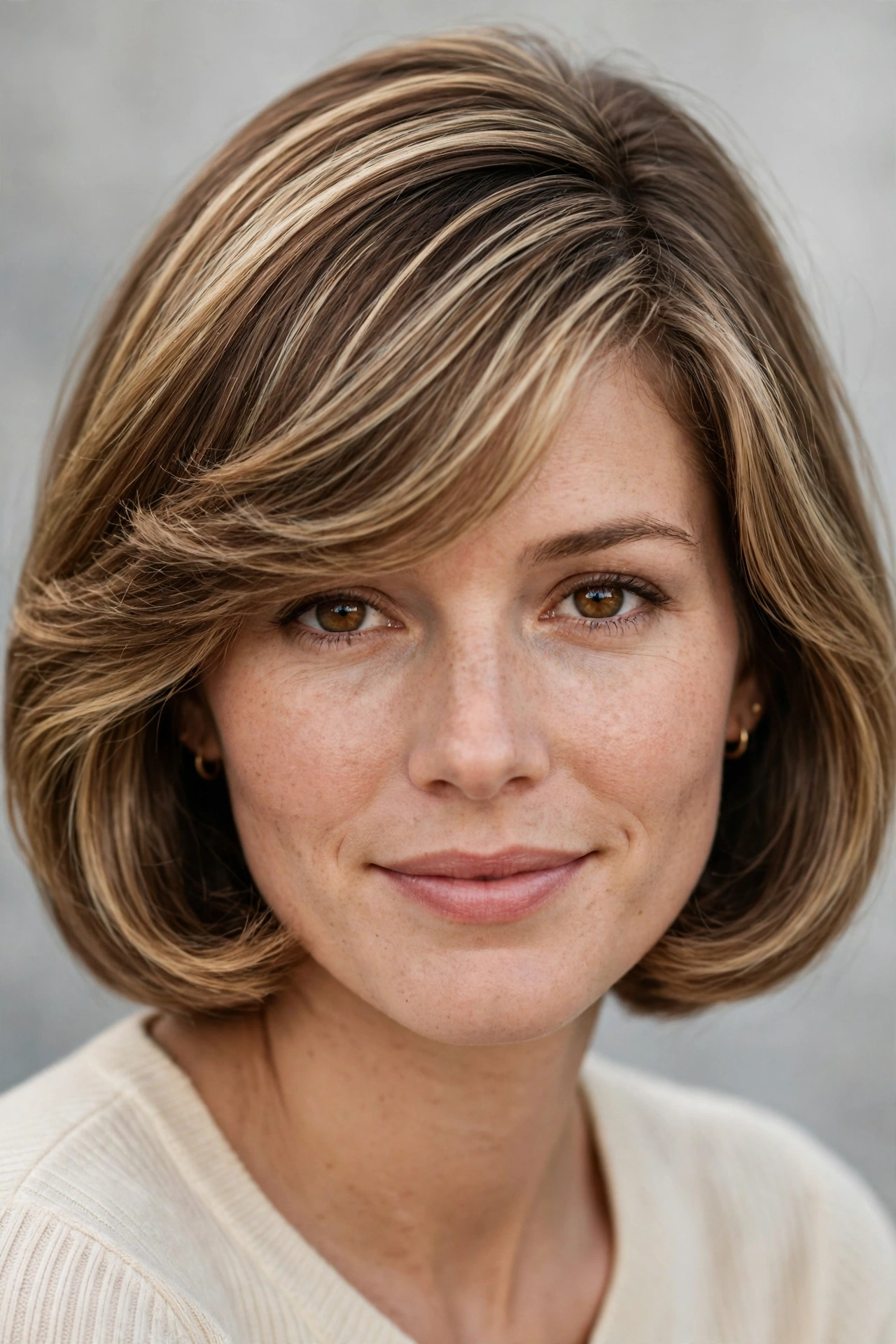
A deep side part changes everything. It adds instant drama, lifts the roots on one side, and gives a classic feathered bob a whole new attitude. Sweep the fringe across the forehead and pin it loosely if you want the volume to last all day.
Textured 70s Bob
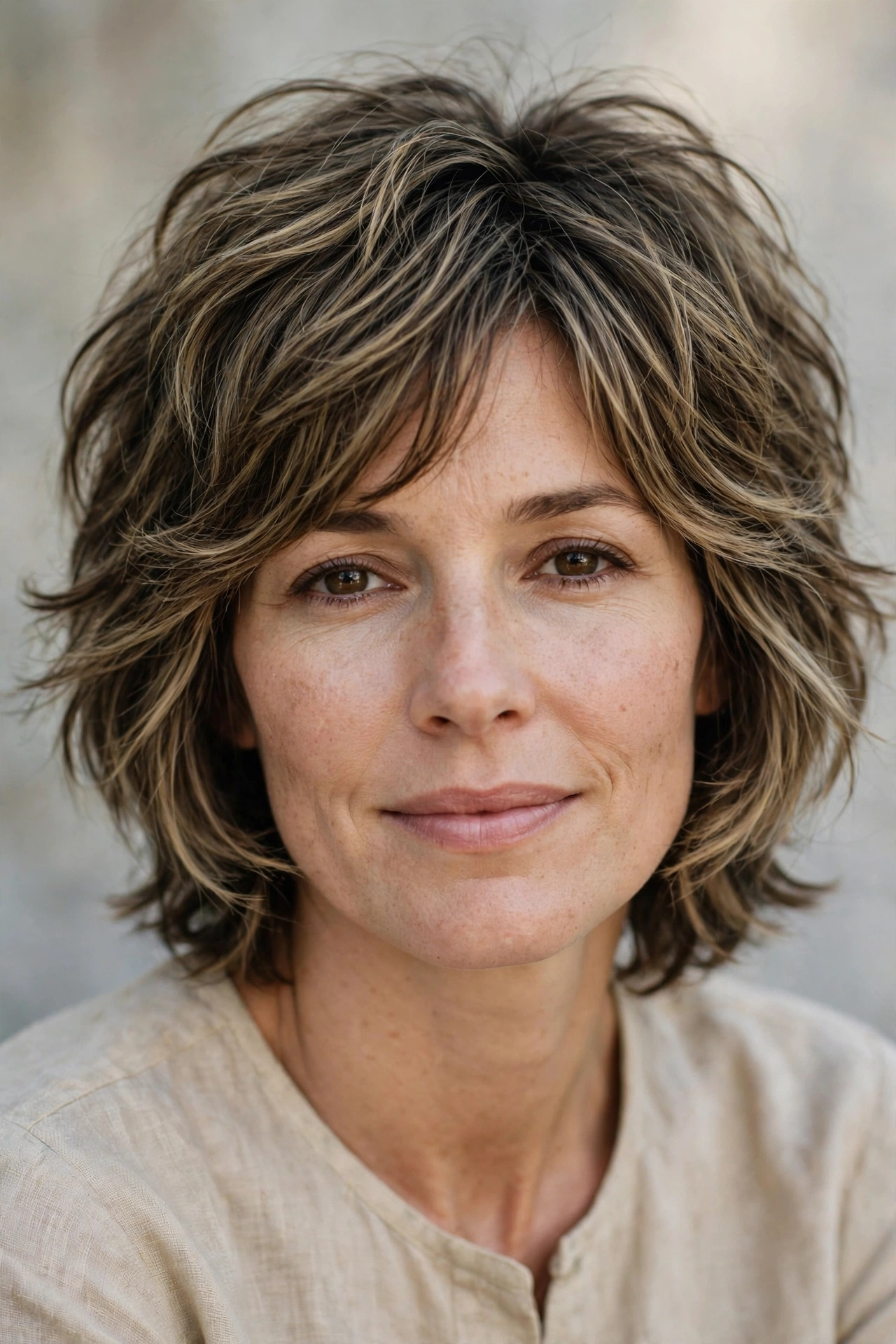
If polished is not your thing, texture is. Tousled, piecey layers and a matte finish make this version feel modern and a little bit rock and roll, while the 1970s shape keeps it feminine. Work a pea sized amount of texture paste through the ends and leave the top alone.
Sleek 70s Bob
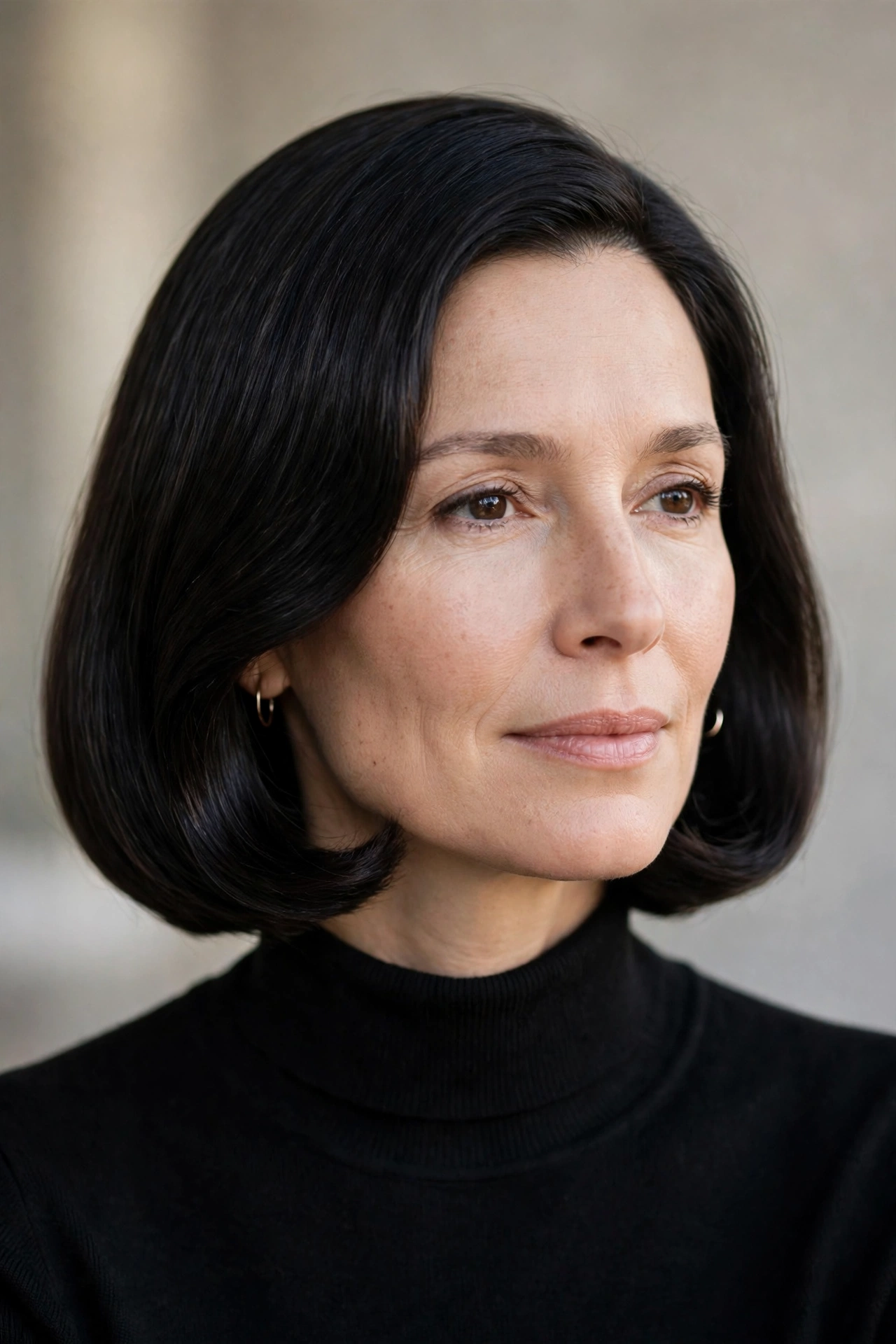
The sleek take proves the 1970s bob can be boardroom ready too. Smooth, glossy layers tuck neatly under at the ends, and a center or side part keeps it sharp. A smoothing cream and a flat iron pass over the ends are all you need. For more straight hair shapes, see our bob haircut for straight hair.
Blowout 70s Bob
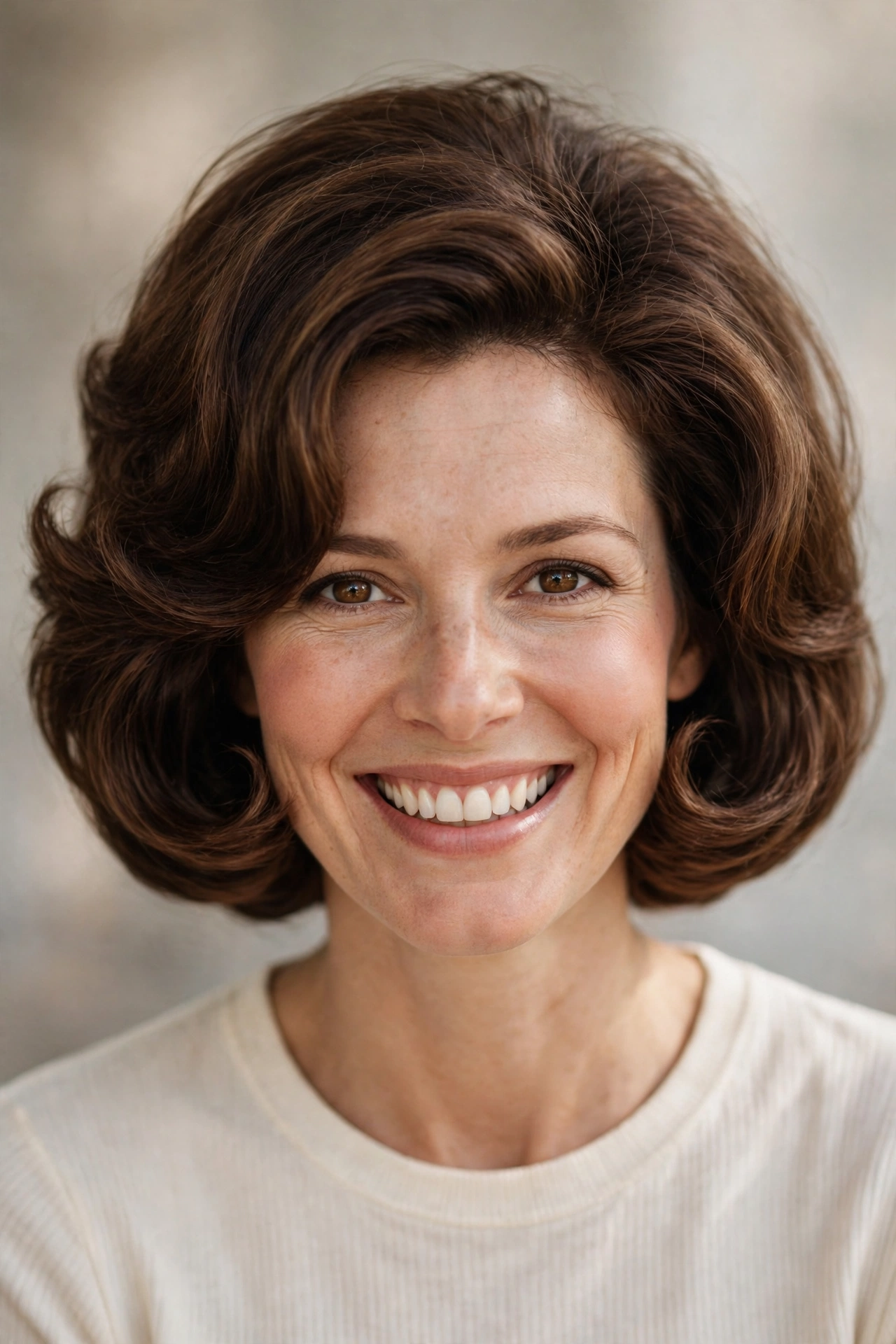
This is the salon fresh version, and it is worth learning at home. Big rounded volume, ends curving under, and a soft swing when you walk: that is the whole brief. Section your hair, use a large round brush, and finish with a cool shot to lock the bounce in place.
70s Bob Haircut Over 50
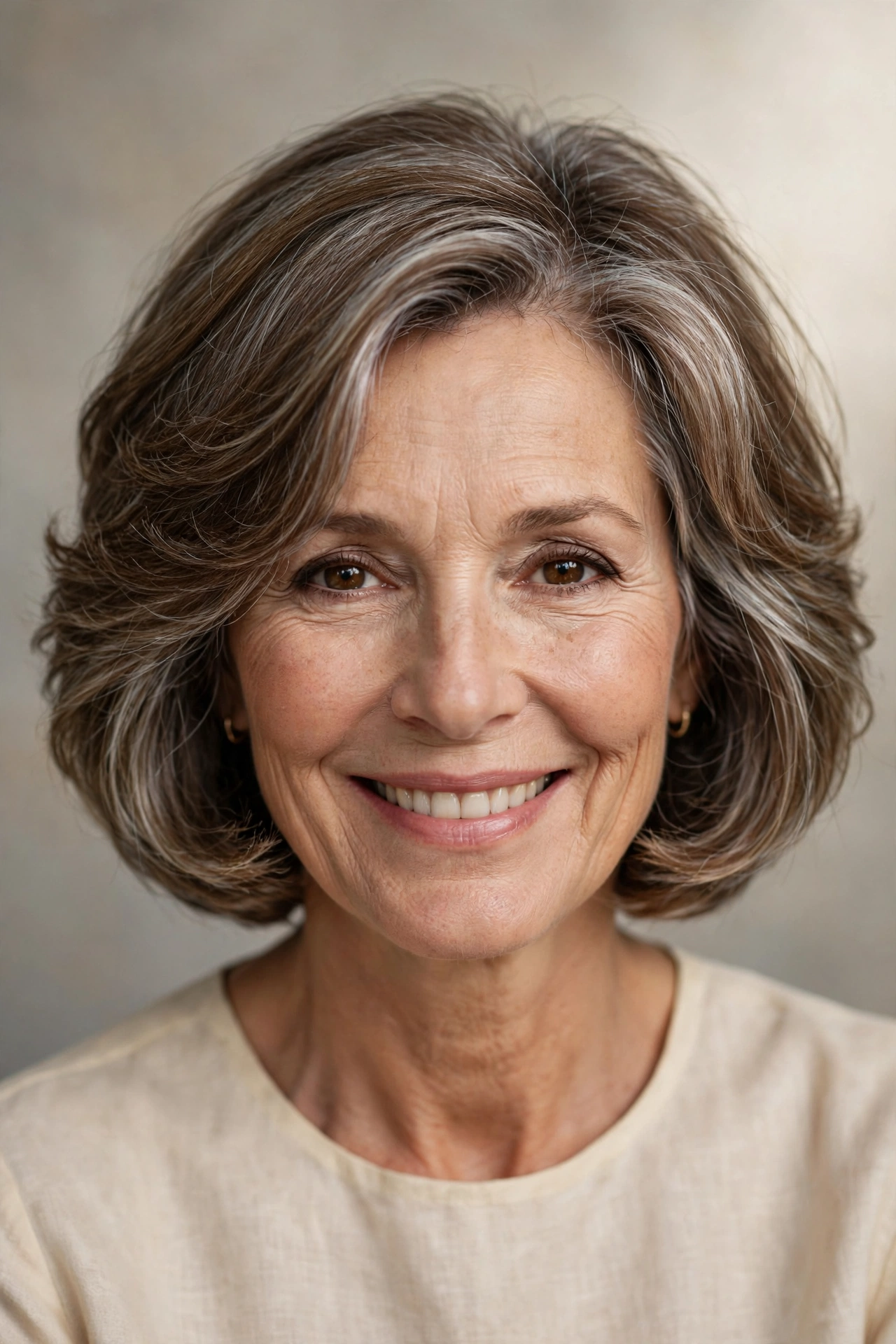
Age has nothing to do with it, and this version proves it. Soft feathering around the face is flattering at any age, and silver streaks look stunning against the layered shape. Keep the length at the chin or just below, and let the layers soften the jawline. For more mature friendly texture, see our messy bob hairstyles over 50 with layers.
Choppy 70s Bob
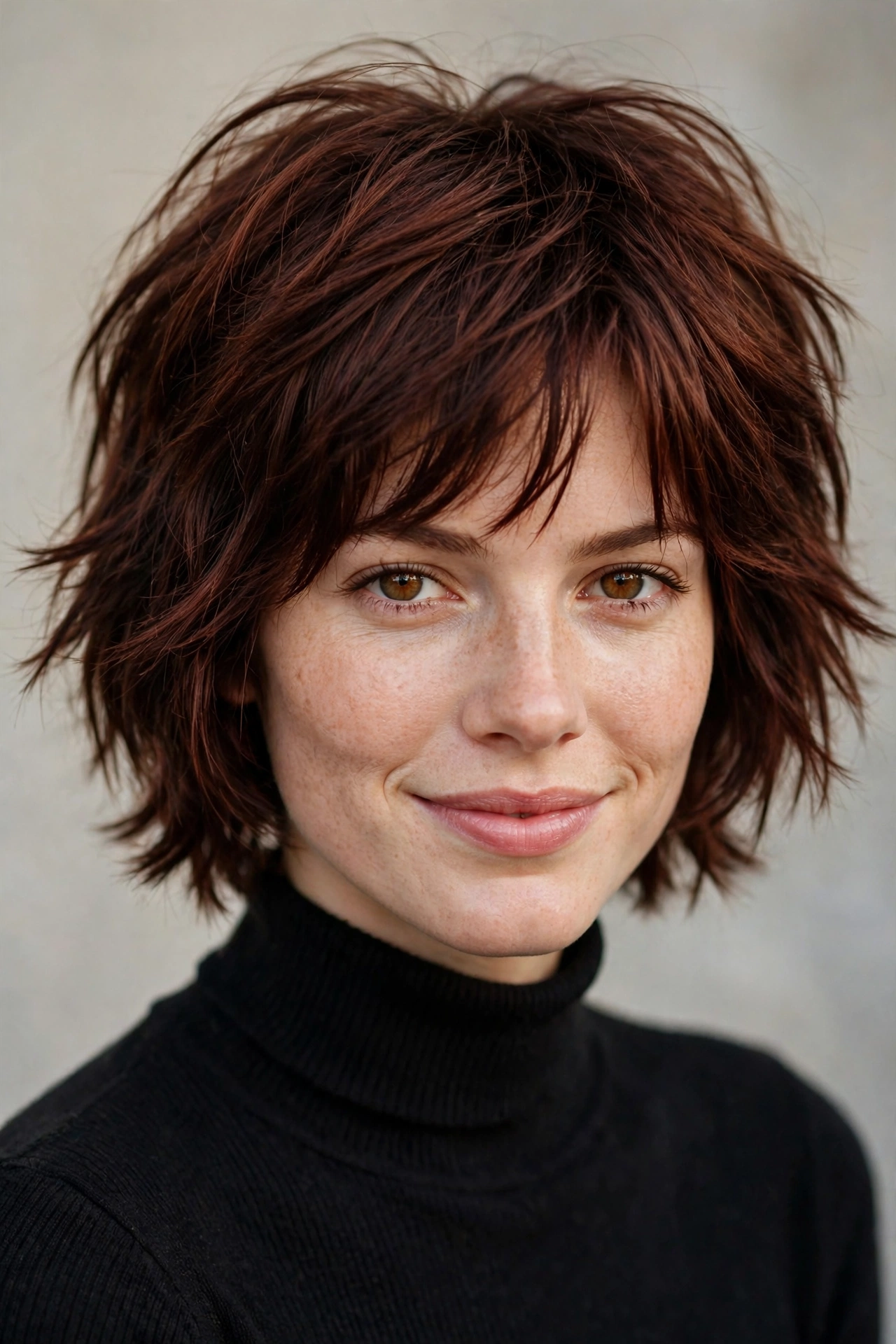
Choppy ends add edge to an otherwise soft decade. The uneven texture keeps the bob from looking too sweet, and it grows out with character instead of a blunt line. This is the pick if you love the 1970s shape but want a little attitude with it.
Wispy Fringe 70s Bob
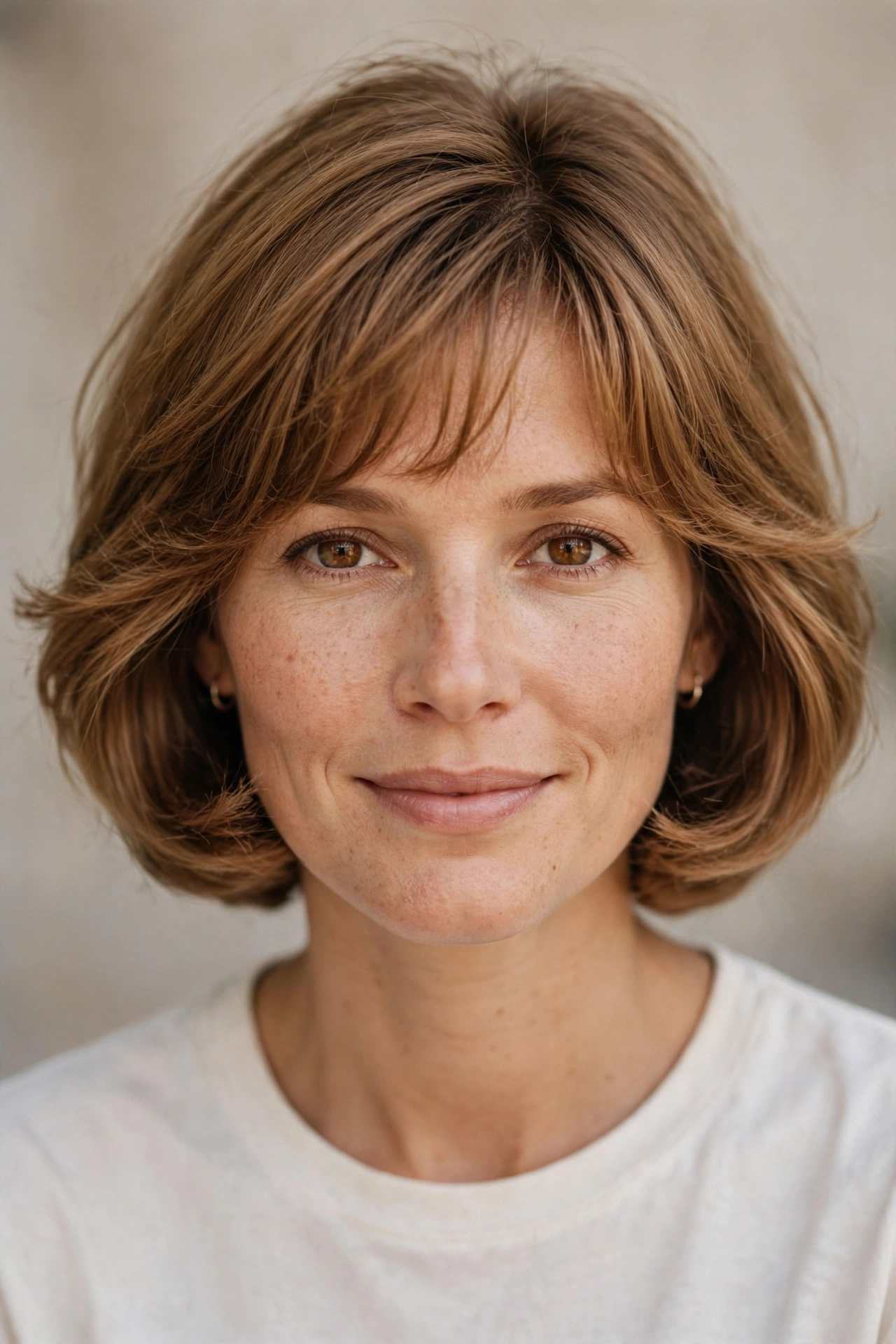
A wispy fringe is the gentlest way to try bangs with this cut. It brushes the brows lightly, opens up the eyes, and blends straight into the feathered sides. Ask for it cut with a razor or point cutting so it stays soft, never heavy.
Evening 70s Bob
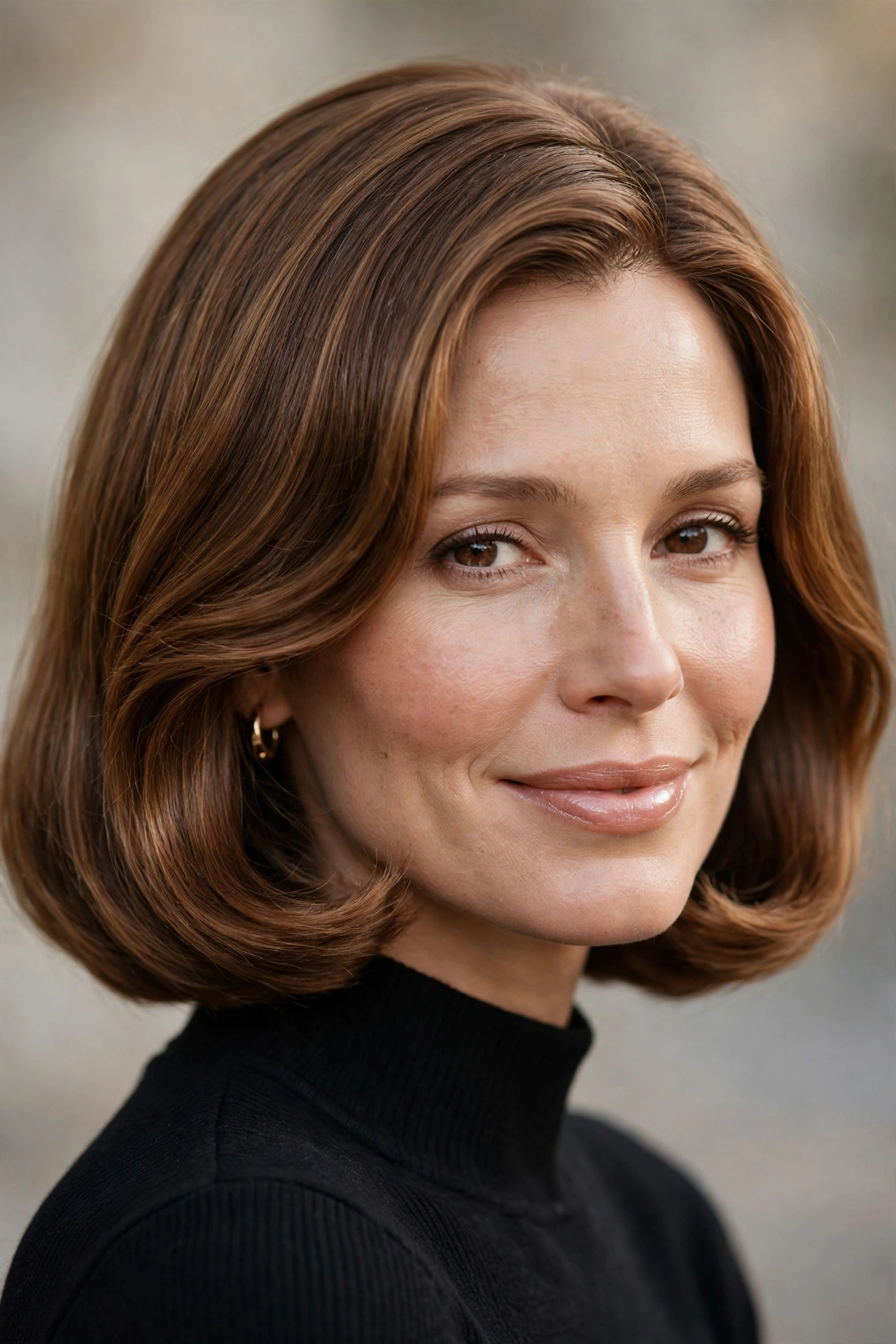
For a night out, polish the feathering and add shine. Smooth the layers, curl the ends under, and finish with a light shine spray for a red carpet feel that still looks like you. It takes ten minutes and it photographs beautifully.
Final Thoughts
The best part of this revival is how forgiving it is. A 70s bob haircut does not demand perfect styling or a weekly salon visit. It asks for good layers, a little volume, and the confidence to let your hair move.
Pick the version that matches your hair type and your routine, screenshot your favorite from this list, and show it to your stylist along with the notes in the FAQ below. If you are still deciding between bob families, our main bob trends guide will help you compare them side by side.
What is a 70s bob?
A 70s bob is a chin to shoulder length cut defined by feathered layers, soft volume, and ends that flick or curve with movement. It is softer and more layered than a classic blunt bob.
How do I ask my stylist for a feathered 70s bob?
Ask for feathered layers through the ends, face framing layers starting at the cheekbone, and a soft flicked finish. Bring a photo from this list and tell your stylist whether you want the ends flipped out or curled under.
Does a 70s bob suit fine hair?
Yes, especially with long feathered layers and texture kept inside the cut. The layering removes weight without thinning the outline, so fine hair looks fuller and moves more.
How do I style a 70s bob at home?
Blow dry with a round brush, flicking the ends out or rolling them under depending on the version you want. A root mousse gives lift, and a small amount of texture cream keeps piecey layers defined without stiffness.
How often should I trim a 70s bob?
Every 6 to 8 weeks keeps the feathered ends light and the shape bouncy. Stretch it longer and the layers grow heavy, which flattens the volume that makes this cut work.
Can I wear a 70s bob with a round face?
Yes. Choose a length just below the chin with long face framing layers and avoid heavy volume at the sides. A center or deep side part both work, as long as the layers draw the eye downward.
Sana Malik is a hair and beauty writer with a deep love for the bob in all its forms from sharp French bobs to soft, lived-in lobs. After years of experimenting with her own short hair and helping friends figure out what actually suits their face shape, she started writing to cut through the confusing advice out there. At BobHairTrends, she breaks down each cut into simple, honest guides: how to ask for it, how to style it at home, and who it really flatters. When she isn’t researching the latest trends, she’s usually testing a new styling product or convincing someone it’s finally time for the chop.