


A bad bob haircut feels awful in the moment, but it is almost always fixable, and often faster than you think. One uneven appointment does not mean months of hiding under hats or waiting for miracles.
Below you will find 20 calm, practical fixes for the most common bob problems, from uneven ends and too short bangs to frizz, flatness, and the tricky question of whether to return to the same stylist. Every fix is gentle, honest, and focused on getting you a bob you actually enjoy again. If a longer shape is your eventual goal, our long bob haircut guide maps the way there.
- Most bob problems are fixable without losing much length, often with just a perimeter tidy or a blending session.
- Never cut more on the same day you feel upset. Wait, style it for a week, then decide with a clear head.
- A specific script helps your stylist fix the real problem instead of guessing what bothered you.
- Grow out plans work best with trims every eight weeks and simple styling tricks in between.
- If trust is gone or the skill does not match your hair type, a new stylist is the kinder choice.
20 Ways to Fix a Bad Bob Haircut
Fix Uneven Ends

Start by looking at your ends in natural light, not just under salon lights. Uneven ends often show up most clearly when your hair falls naturally, so part it the way you normally wear it and check both sides in a mirror.
Ask for a dusting, not a full cut, if the rest of the shape is right. A careful stylist can level the perimeter with tiny trims while keeping the length you already love.
Fix a Too Short Cut

When a bob comes out shorter than you asked for, the first step is to pause before cutting anything else. More cutting cannot add length back, and a calm week of styling will tell you what the shape really looks like once it settles.
Soft waves, a deep side part, and a little root lift can make a shorter bob look intentional while it grows. If you love longer styles, our long bob haircut guide shows the length to aim for next.
Fix Heavy Layers

Heavy layers can leave the ends looking thin and the top looking bulky. The fix is usually about balance, not about removing even more hair from the ends.
A good correction softens the steps between layers and restores weight to the perimeter. Bring photos of the softness you want, and ask the stylist to cut the layers dry if your hair has natural wave.
Fix a Blunt Cut Gone Wrong

A blunt cut only works when the line is truly clean. If yours flips, dents, or sits heavy on one side, the problem is often the perimeter, not the idea of a blunt bob itself.
Ask for the line to be rechecked with your head in a natural position, looking straight ahead. A blunt shape should fall evenly when you move, and a skilled stylist will refine it without turning it into a layered cut you did not ask for. For inspiration on how a clean blunt shape should sit, see our French bob haircut guide.
Fix Bangs Cut Too Short

Short bangs feel dramatic on day one and much softer by week three, so give them a little time before you panic. In the meantime, sweep them to the side and blend the edges with a light texture cream.
If they still sit too high, a stylist can feather the corners and connect them gently into face framing layers. That small change turns a harsh fringe into a soft curtain effect while it grows.
Fix Thinning Shear Damage

Thinning shears can leave hair wispy, frizzy, and hard to style, especially near the ends. The damage is not permanent, but it does need a plan rather than another round of thinning.
Ask your next stylist to leave the shears in the drawer and rebuild density with a clean perimeter cut. Regular trims every six to eight weeks will slowly remove the wispy sections, and a smoothing treatment at home keeps the grow out stage looking polished. Our long layered bob for fine hair guide explains how a thick hemline should feel.
Fix a Lopsided Bob

A lopsided bob is usually easy to spot and easier to fix than it feels. Stand straight, part your hair in the middle, and let both sides fall without tucking one behind your ear.
Most corrections need only a small adjustment on the longer side. Ask the stylist to check your natural part and the way you hold your head, because posture alone can make a balanced cut look uneven.
Fix Frizz After a Bad Cut

Frizz after a cut often means the layers are fighting your natural texture. Short pieces spring up, longer pieces lie flat, and the result looks unsettled even when the cut itself is close to right.
A curl friendly stylist can reshape the layers so they work with your texture instead of against it. At home, scrunch in a leave in cream on damp hair and avoid brushing it dry. More texture guidance lives in our curly bob hairstyles guide.
Fix a Flat Lifeless Bob

A bob that lies flat is often a styling problem, not a shape problem. Try blow drying with a round brush, lifting at the roots, and flipping your part to the opposite side for instant volume.
If the cut itself lacks movement, ask for long internal layers that keep the outline intact. That single change can wake up a heavy bob without losing length or changing the style you chose.
What to Tell Your Stylist to Fix a Bad Bob Haircut

This is the most important section in the whole guide, because a clear script prevents a second disappointment. Start with what you like, then name exactly what bothers you, then show photos of the result you want.
Try this script: I love the overall idea, but the ends feel uneven and the left side sits longer. I would like the perimeter leveled, the layers softened, and no thinning shears this time. Can we check the back together before I leave? For the wider world of bob styles, our main bob trends guide can help you name the shape you actually want.
Salon Fix Options: Correction Cut Choices
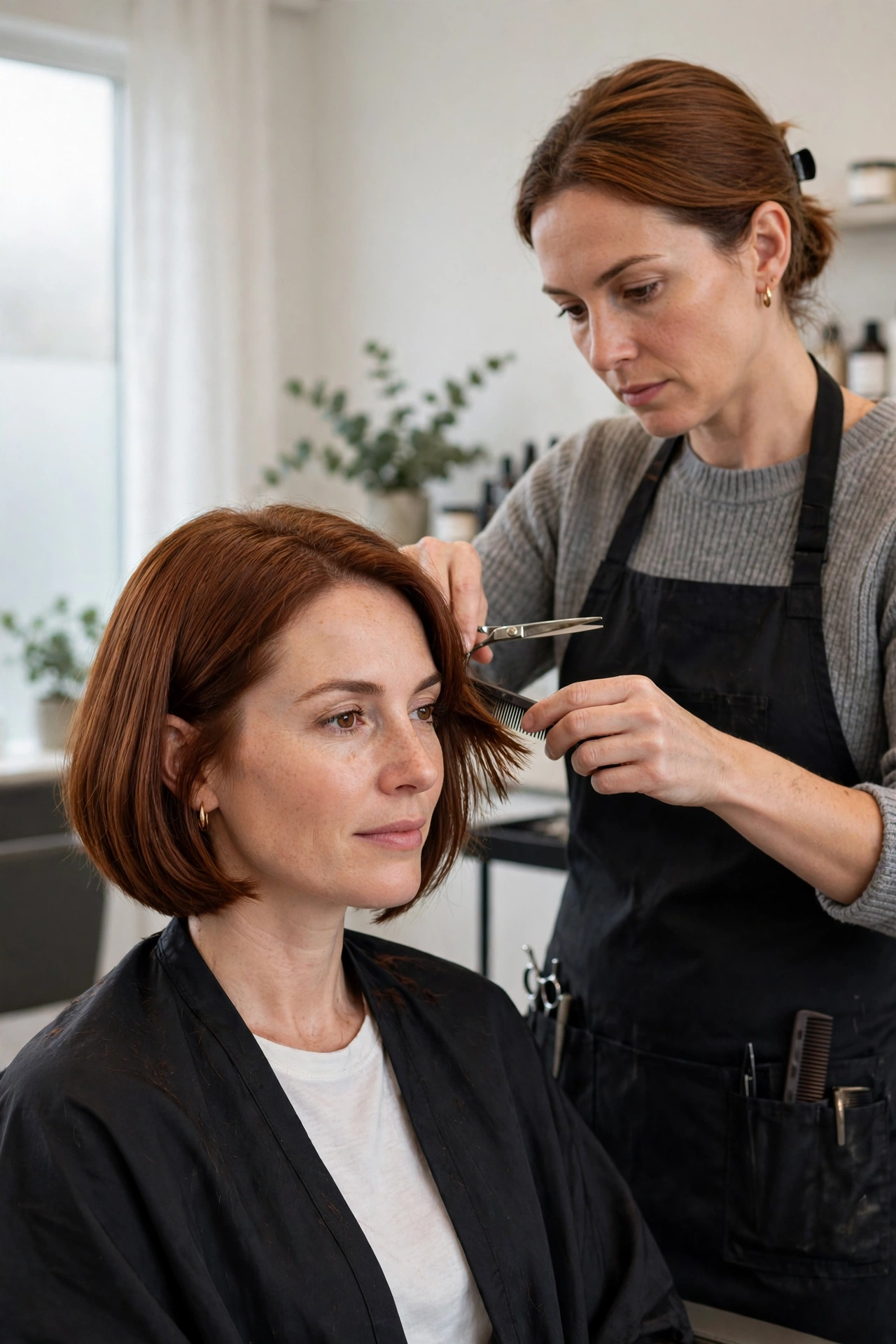
A correction cut is not one single haircut. It can be a perimeter clean up, a reshape into a slightly shorter bob, a soft layered version, or a plan to grow it into a lob with regular trims.
Talk through each option with your stylist and ask what each one costs in length. Sometimes the best fix keeps the length and only changes the outline, and sometimes a small sacrifice now gives you a much better shape for months. Reputable stylist advice, like the guidance at Byrdie, also stresses bringing reference photos and being honest about your styling routine.
Grow Out Rescue Plan

Growing out a disappointing bob takes patience, but a plan makes it far less awkward. Book a trim every eight weeks, just enough to keep the shape tidy while the shortest pieces catch up.
Between trims, use the awkward stage to your advantage. Try headbands, clips, soft waves, and a deep side part, and keep a photo diary so you can see progress you might miss day to day. When you are ready for more length, our long bob with long bangs guide shows a graceful next stage.
Styling Tricks While It Grows Out

Styling is your best friend during the in between weeks. Loose waves hide uneven ends, a zigzag part disguises an uneven perimeter, and tucking one side behind your ear can balance a lopsided shape in seconds.
Keep a small kit by your mirror: a texture spray, two pretty clips, and a mini straightener for the pieces that flip the wrong way. Five minutes in the morning is often all a growing out bob needs. If bangs are part of the problem, our French bob without bangs ideas show how clean the front can look.
Products That Help a Rescue

You do not need a shelf full of products to rescue a bob. A gentle shampoo, a rich conditioner, a leave in cream, and a light styling spray will cover almost every grow out problem.
Focus on moisture and hold, not on heavy oils that flatten fine hair. Apply conditioner mainly to the mid lengths and ends, and use styling products on damp hair so they distribute evenly. Our low maintenance fine hair French bob guide has more low effort routines that work well here.
When to Go Back to the Same Stylist vs a New One

Going back to the same stylist makes sense when the cut is close but needs a small tweak, and when you trust them to listen this time. Many salons offer a free correction within a week or two, so ask politely and soon.
Choose a new stylist when communication broke down, when your requests were ignored, or when the fix needs a skill like curly cutting that your first stylist does not offer. Either way, bring photos and a calm, specific list. A fresh start, like the relaxed shape in our Riviera bob trend guide, can be a good reset.
Fix a Bob That Flips Out Wrong

Ends that flip outward are often just following the natural growth direction of your hair. A round brush, blow drying downward, and a quick pass with a straightener on the ends can retrain them.
If flipping happens only on one side, check whether that side was cut slightly shorter or layered more heavily. A tiny evening out at the salon usually solves it, and a soft under curl at home keeps it in line until then.
Fix Layers That Are Too Short on Top

Short layers on top can stick up, separate, and make the crown look choppy. The quickest styling fix is to smooth them down with a little cream and let the longer layers underneath support them.
At the salon, ask for the top layers to be blended into the sides rather than cut shorter again. Growing them out takes a few weeks, but blended layers look intentional at every stage. For a different take on layered movement, see our bixie haircut guide.
Fix a Bob That Looks Too Boxy

A boxy bob usually has too much width at the ends and not enough softness around the face. Face framing layers, a slightly rounded perimeter, and a side part can soften the whole silhouette.
Ask your stylist to taper the corners just a little and add movement through the mid lengths. The goal is not to remove the bob shape, only to let it curve gently toward your face instead of sitting like a square.
Fix a Curly Bob Gone Wrong

Curly hair should always be cut dry, curl by curl, because wet curls shrink and change shape as they dry. If your curly bob was cut wet, the fix starts with a stylist who specializes in curly cuts.
Expect the correction to focus on shape, not length. A curly specialist will balance the volume, remove triangle bulk from the sides, and leave enough length for the curls to spring naturally. Our curly bob hairstyles guide shows balanced curly shapes to bring as references.
Fix a Fine Hair Bob After a Bad Cut

Fine hair shows every cutting mistake, because thin ends look thinner and heavy layers remove the little density you have. The rescue here is almost always about rebuilding a thick, clean hemline.
Ask for a blunt perimeter, invisible internal layers only, and no thinning at the ends. Blow dry with root mousse and a round brush, and the same hair can look twice as full within one appointment. Color can add depth too, and our hair color for bob hairstyles guide explains shades that make fine bobs look denser.
Can a disappointing haircut be fixed without cutting it much shorter?
Yes, in most cases. A perimeter tidy, blended layers, or a reshaped outline can fix uneven ends, lopsided lengths, and heavy layers while keeping most of your length.
How long does it take to grow out a short bob?
Hair grows about half an inch per month, so a very short bob needs a few months to reach lob length. Regular trims every eight weeks keep the shape tidy during the grow out.
Should I go back to the same stylist for a correction?
Go back if the cut is close and you trust them to listen, especially if a free correction is offered. Choose a new stylist if your requests were ignored or the fix needs a different skill, like curly cutting.
What should I say to my stylist at a correction visit?
Name what you like, then name the exact problem, then show photos of the result you want. Ask for no thinning shears if they caused the damage, and ask to check the back together before you leave.
How do I hide a disappointing cut while it grows out?
Loose waves hide uneven ends, a deep side part adds volume, and clips or headbands disguise awkward stages. A zigzag part also softens an uneven perimeter while the shortest pieces catch up.
Can products fix a cut on their own?
Products cannot change a cut, but they can make the rescue stage look much better. Leave in cream tames frizz, root mousse adds volume, and texture spray hides uneven ends while your bob grows out.
Final Thoughts
A bad bob haircut is a detour, not a disaster. With a clear script, a patient grow out plan, and a stylist who listens, most bobs turn around within one correction visit and a few good hair weeks. Save the fixes that fit your problem, book the appointment when you feel calm, and give your bob a second chance to become the cut you originally wanted. For the full picture of bob styles done right, our main bob trends guide and long bob haircut guide are good next reads.

Sana Malik is a hair and beauty writer with a deep love for the bob in all its forms from sharp French bobs to soft, lived-in lobs. After years of experimenting with her own short hair and helping friends figure out what actually suits their face shape, she started writing to cut through the confusing advice out there. At BobHairTrends, she breaks down each cut into simple, honest guides: how to ask for it, how to style it at home, and who it really flatters. When she isn’t researching the latest trends, she’s usually testing a new styling product or convincing someone it’s finally time for the chop.