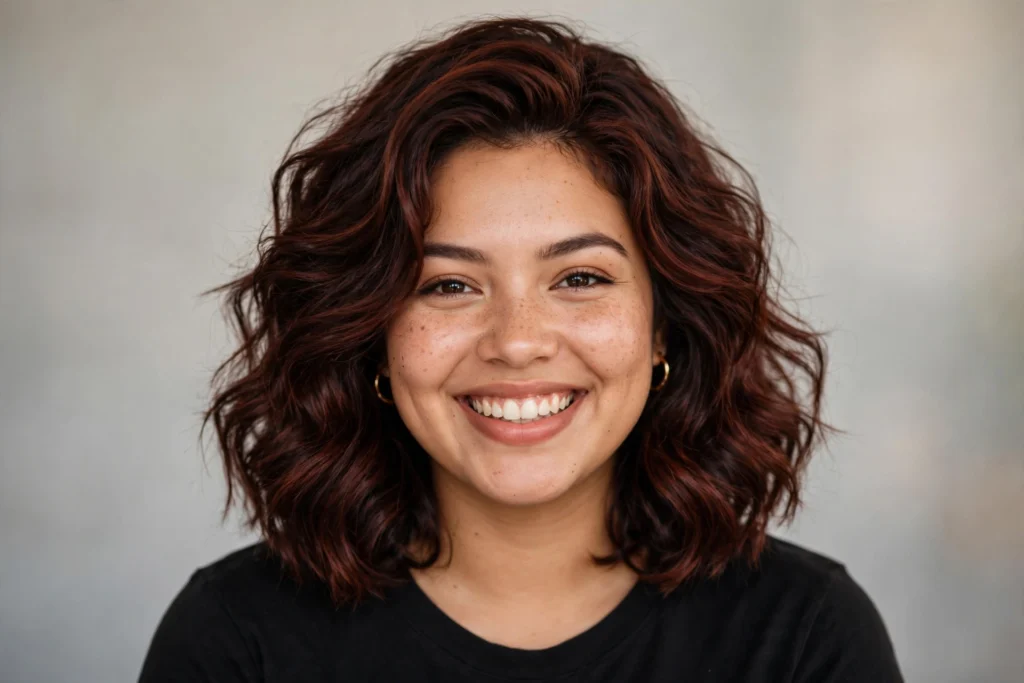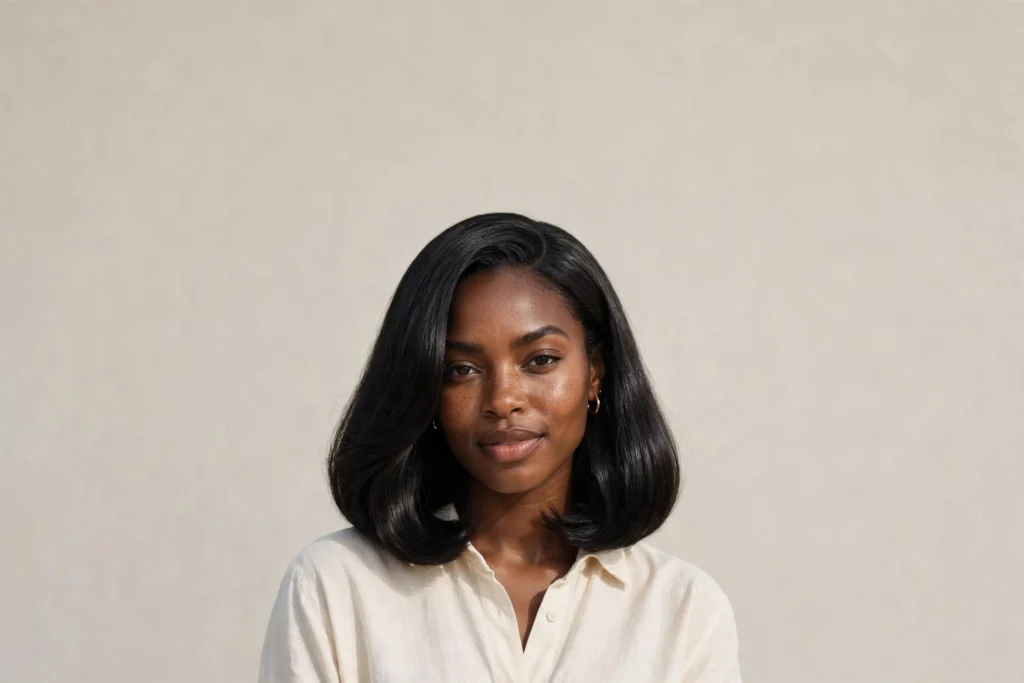

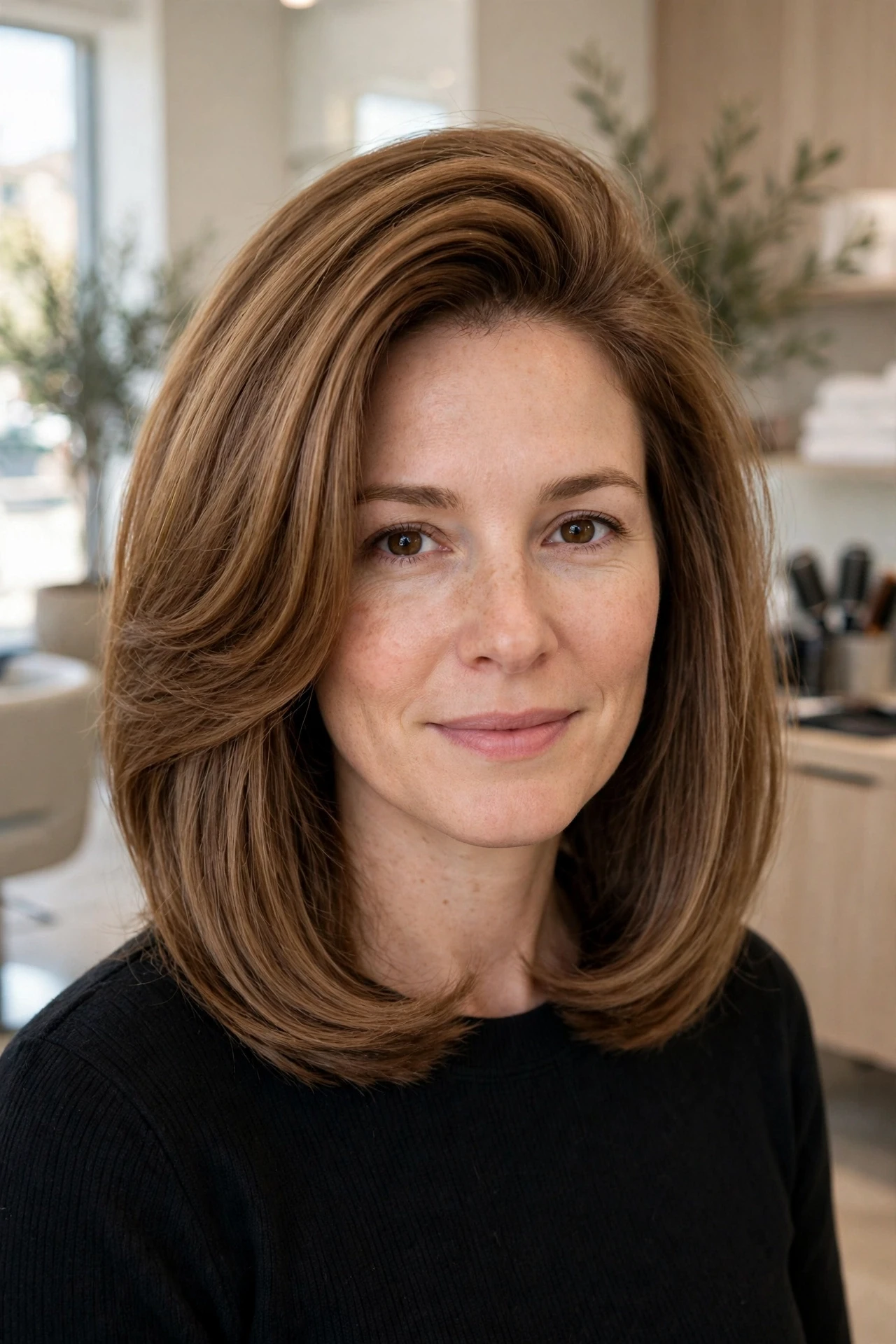
A long bob haircut for thin hair is one of the smartest cuts you can ask for, because it solves the exact problem thin hair creates. When density is low, long hair pulls flat, ends look see through, and every thinning patch shows. A lob ends that story. It keeps enough length to feel feminine and versatile, while a solid blunt perimeter instantly makes the hair you do have look like more of it.
Before you book, though, you need to know one thing that most articles get wrong. Fine hair and thin hair are not the same problem, and they do not need the same cut. This guide explains the difference in plain language, then gives you 20 thin hair lob styles built around density, coverage, and volume that lasts past the salon door. For the bigger picture of how the lob fits into every bob family this year, our long bob haircut guide maps all 25 lob styles in one place. If you already know your hair is fine rather than thin, start with our long layered bob for fine hair guide instead, because that cut is built for strand thickness, not density.
- Fine means each strand is thin. Thin means you have fewer strands, or visible thinning at the crown or nape. Different problem, different cut.
- For thin hair, a blunt perimeter is your best friend. It creates a solid hemline that reads as density.
- Layers for thin hair must stay invisible and internal. Visible choppy layers remove the very weight you need.
- A deep side part, root lift styling, and a shadow root are the three fastest density illusions after the cut itself.
- Trim every 8 to 10 weeks. Wispy ends undo a density cut faster than anything else.
As an Amazon Associate I earn from qualifying purchases.
Fine vs Thin: The Split Every Stylist Should Explain
Fine hair describes the diameter of each individual strand. You can have a full head of fine hair and still have plenty of coverage, because density is high even though each strand is delicate. Thin hair describes density. You have fewer hairs per square inch, or you are losing density at the crown, the part line, or the nape. You can have coarse strands and still have thin hair.
Why does this matter for a lob? Because the advice flips. Fine hair often loves long layers that remove weight so delicate strands can move and lift. Thin hair hates that same advice, because every layer removed is density you cannot spare. What thin hair needs is weight kept at the perimeter, lift built at the root, and coverage planned exactly where thinning shows.
If your ponytail feels slim, your part line looks wider than it used to, or your scalp shows through at the crown in photos, this guide is written for you. If your hair is simply silky and delicate but your scalp never shows, you are a fine hair reader, and our long layered bob for fine hair guide is your better match.
| Fine hair | Thin hair | |
|---|---|---|
| What it means | Each strand is narrow in diameter, even if you have a lot of hair | Fewer strands overall, or visible thinning at the crown, part, or nape |
| The real problem | Strands collapse under weight and go flat | Scalp shows through and ends look see through |
| Best lob approach | Long soft layers to remove weight and create movement | Blunt perimeter with invisible internal layers only, to protect density |
| What to avoid | Heavy one length cuts that drag delicate hair down, and heavy creams | Choppy visible layers, razor thinning, and over texturising that removes bulk |
| Styling priority | Lightweight lift at the roots without residue | Root lift plus coverage: part placement, volumising mousse, and dry shampoo at the crown |
The Thin Hair Lob Rules
Three rules protect every style below. First, keep the perimeter blunt. A solid hemline is the single most convincing density illusion in hairdressing, and it works from across the room. Second, hide layers inside the cut. Your stylist can remove bulk underneath without ever touching the outline, so the hair moves but the ends stay thick. Third, style from the roots, not the ends. Volume at the crown and a part placed over a thin patch do more than any curling iron ever will.
One more honest note. No cut regrows hair, and this guide does not pretend otherwise. What a good thin hair lob does is make the hair you have look its fullest, hide the spots that bother you, and give you a style you can actually recreate at home on a Tuesday morning. Every long bob haircut for thin hair in this gallery follows those three rules.
20 Long Bob Haircut for Thin Hair Styles
Blunt Density Lob
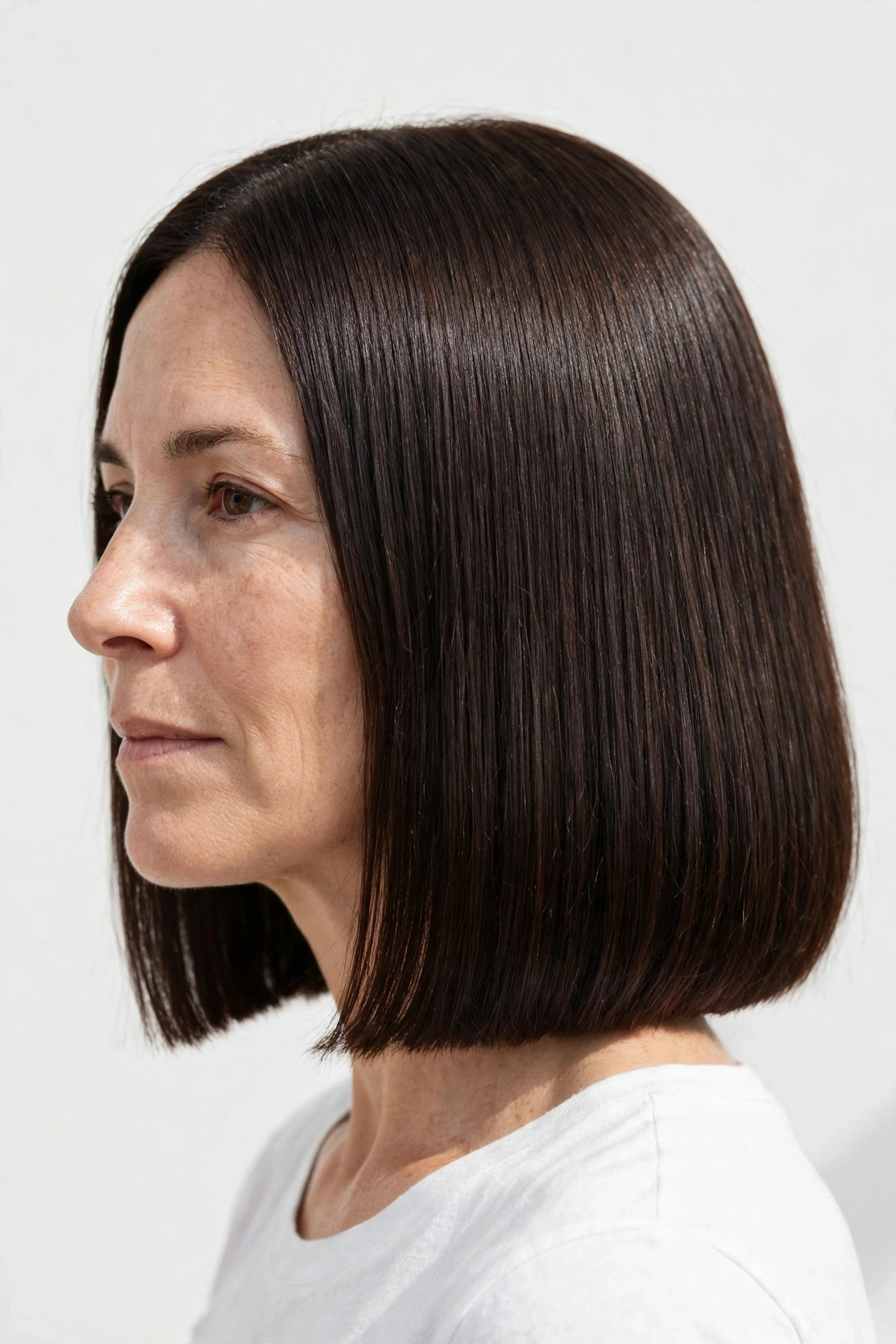
This is the foundation of every thin hair lob, and the one to ask for first if you only change one thing. A one length perimeter with zero visible layers gives you the thickest possible hemline, and the collarbone length keeps enough weight to stop ends turning wispy. It is simple, polished, and it photographs beautifully.
Invisible Layer Lob
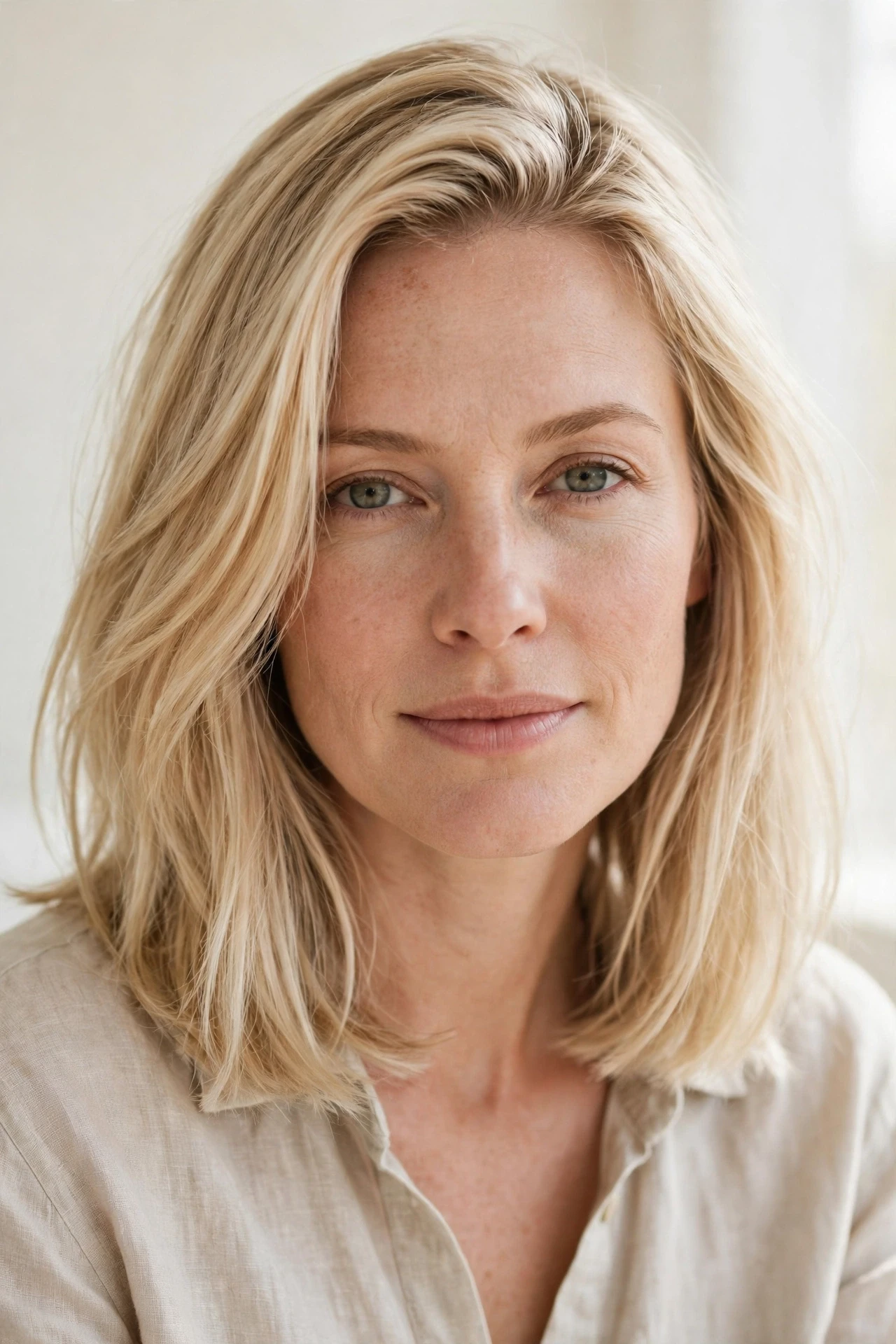
Invisible layers are cut underneath the top layer, so the surface stays smooth while the interior gains movement. You get swing without sacrifice, which is exactly what thin hair needs. Ask your stylist to keep every layer internal and to leave the outline completely untouched. Our long bob haircut guide shows how this compares with the fully blunt version.
Root Lift Blowout Lob
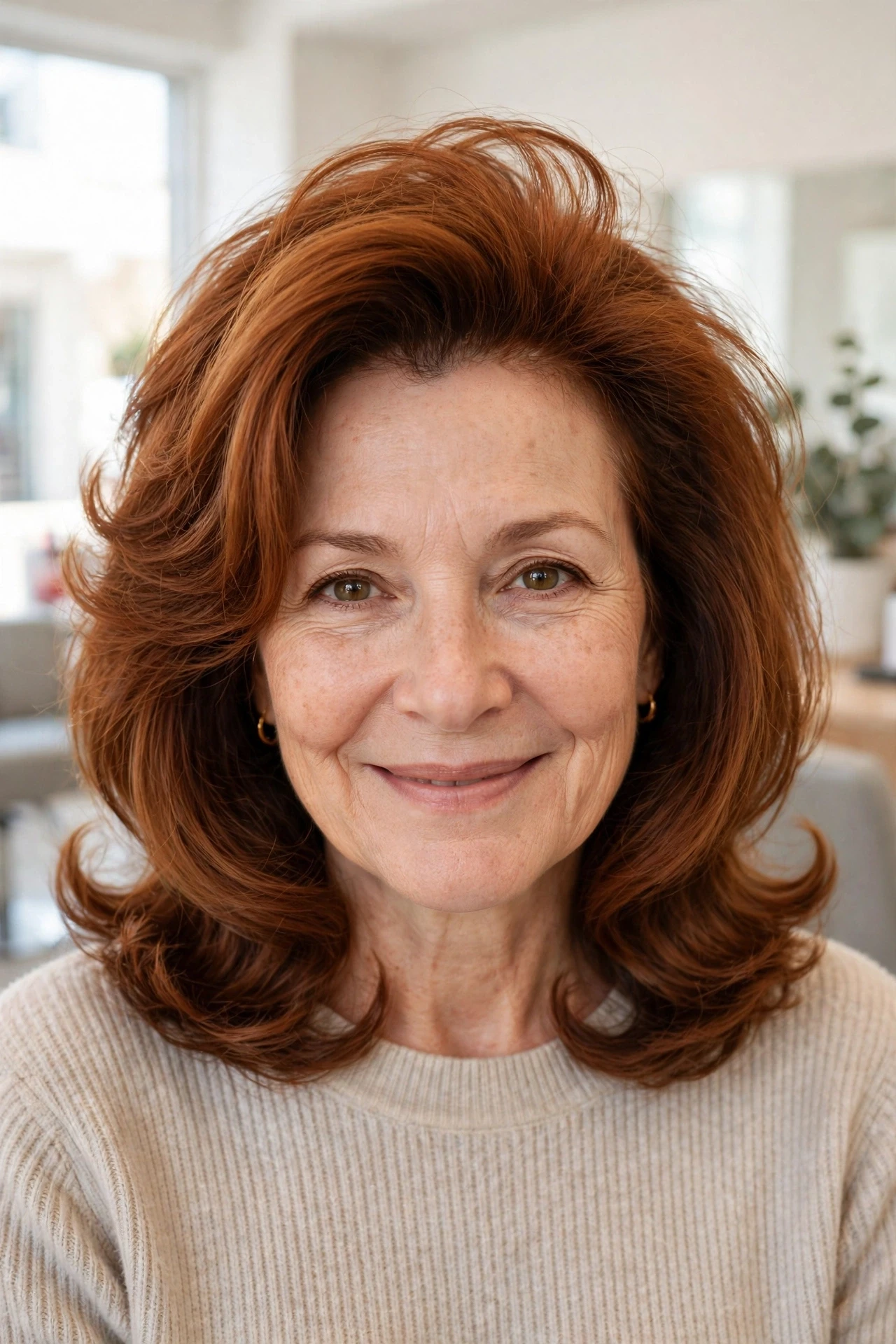
Some density is styled, not cut, and this blowout proves it. Drying the roots upward with a round brush, then rolling the ends under, builds a rounded silhouette that reads as fullness from every angle. A volumising mousse at the roots before drying makes the lift last until your next wash.
Crown Coverage Lob

If your crown is the spot that worries you, this is your cut. A deep side part sweeps a heavier section of hair across the crown, covering a widening part or a thinning patch with your own hair. It is a styling choice as much as a cut, so ask your stylist to cut the part in and show you exactly where to place it at home.
Nape Density Lob

Thinning at the nape makes ponytails and buns look sparse, and it shows from behind in photos. A subtly graduated nape builds fullness exactly there, while the front stays longer and blunt. The back view is the view other people actually see, so this quiet fix matters more than most people expect.
Textured Density Lob

Texture and thin hair can work together, but only when the texture sits on top of a blunt base. Soft piecey ends over a solid outline give you a relaxed, modern finish without the see through ends that choppy cuts cause. The rule is simple: texture the surface, never thin the perimeter.
Soft Wave Thin Lob
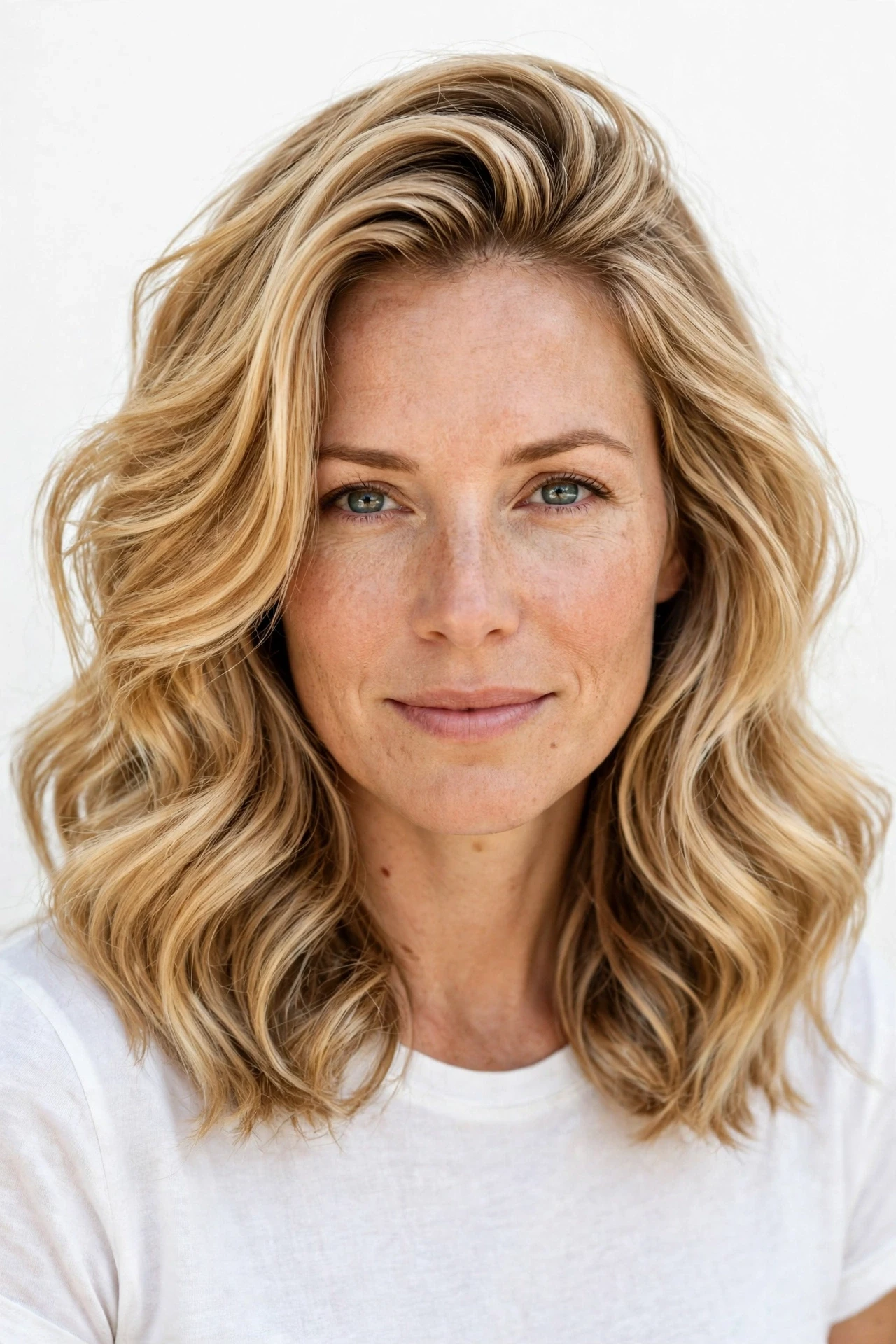
Waves add width, and width reads as density. The trick is starting the waves below the ears, so the roots stay smooth and full while the lengths gain body. A large barrel iron or a loose braid left to dry overnight both work, and a light texture spray keeps the waves from falling flat by lunch.
Curtain Bangs Thin Lob
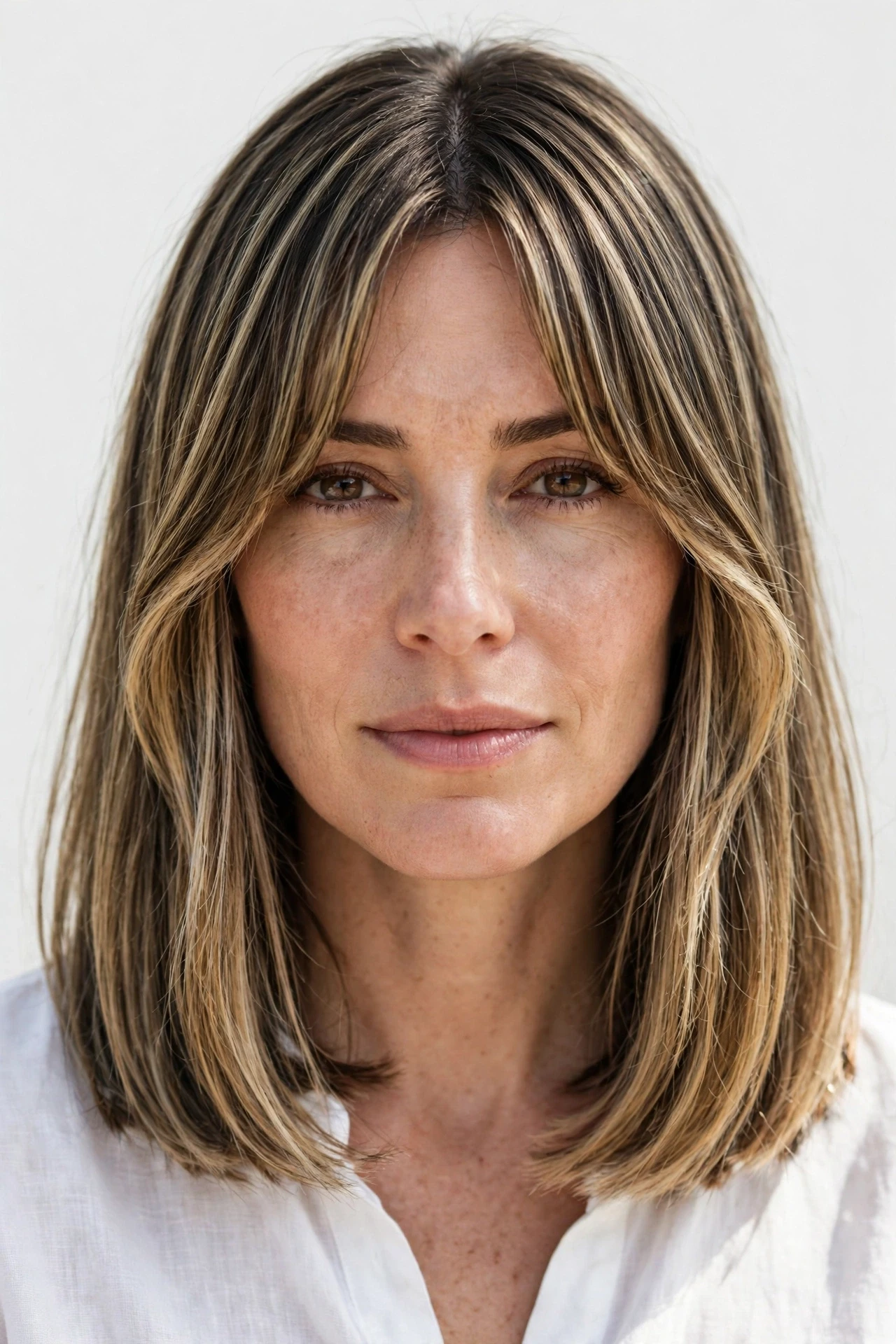
Curtain bangs frame the face and add movement around the cheekbones, while the rest of the lob stays blunt and full. The key is keeping the bangs light and face framing only, never cutting a heavy fringe that steals density from the top. For more bang focused inspiration, our long bob with long bangs guide goes deeper on face framing lengths.
Side Swept Volume Lob
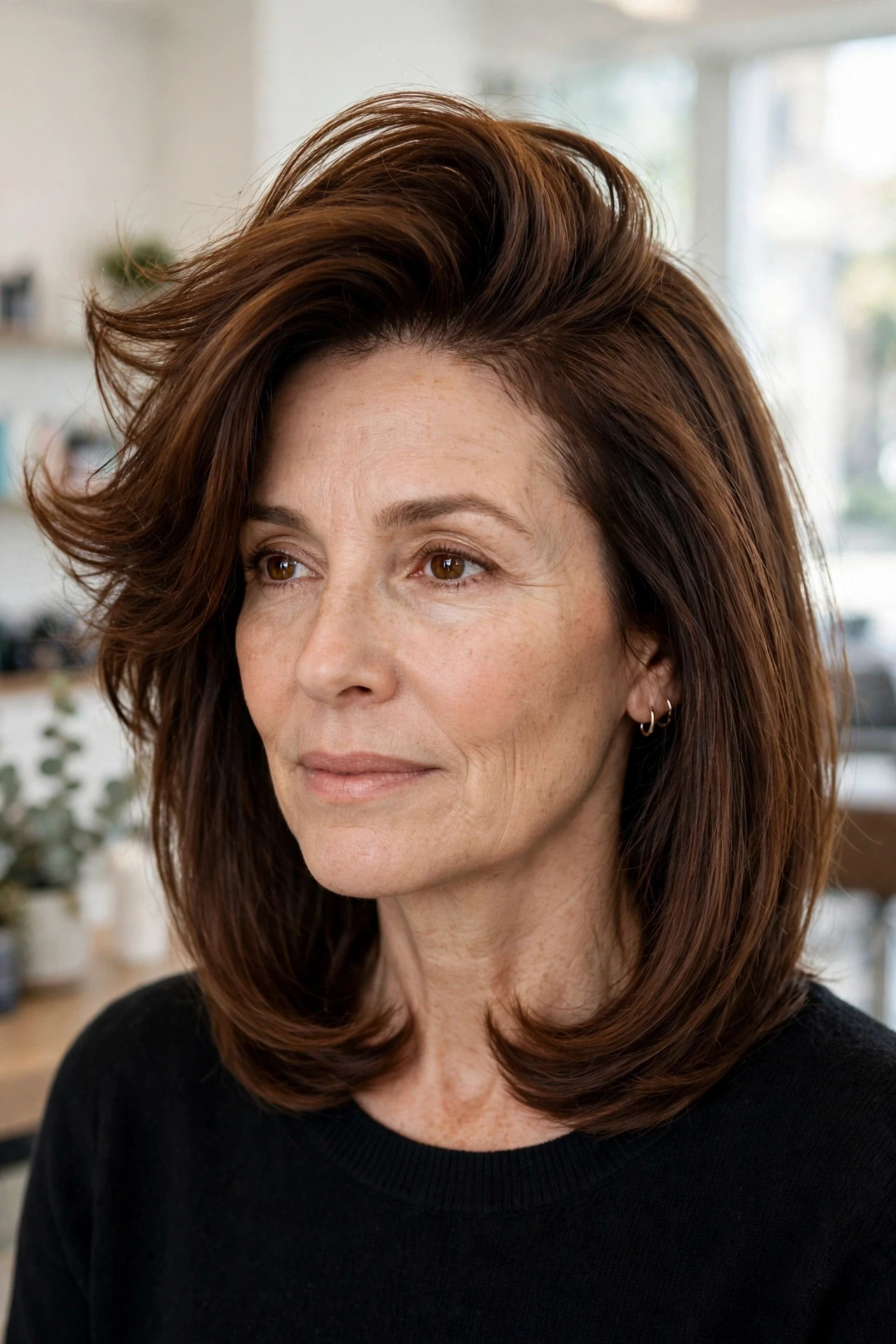
A dramatic side sweep is the fastest root lift trick there is. Flipping the part to the opposite side from where your hair naturally falls forces the roots to stand up, and the volume holds for hours. Pair it with a deep side part cut and you get coverage and lift in a single move.
Sleek Polished Thin Lob
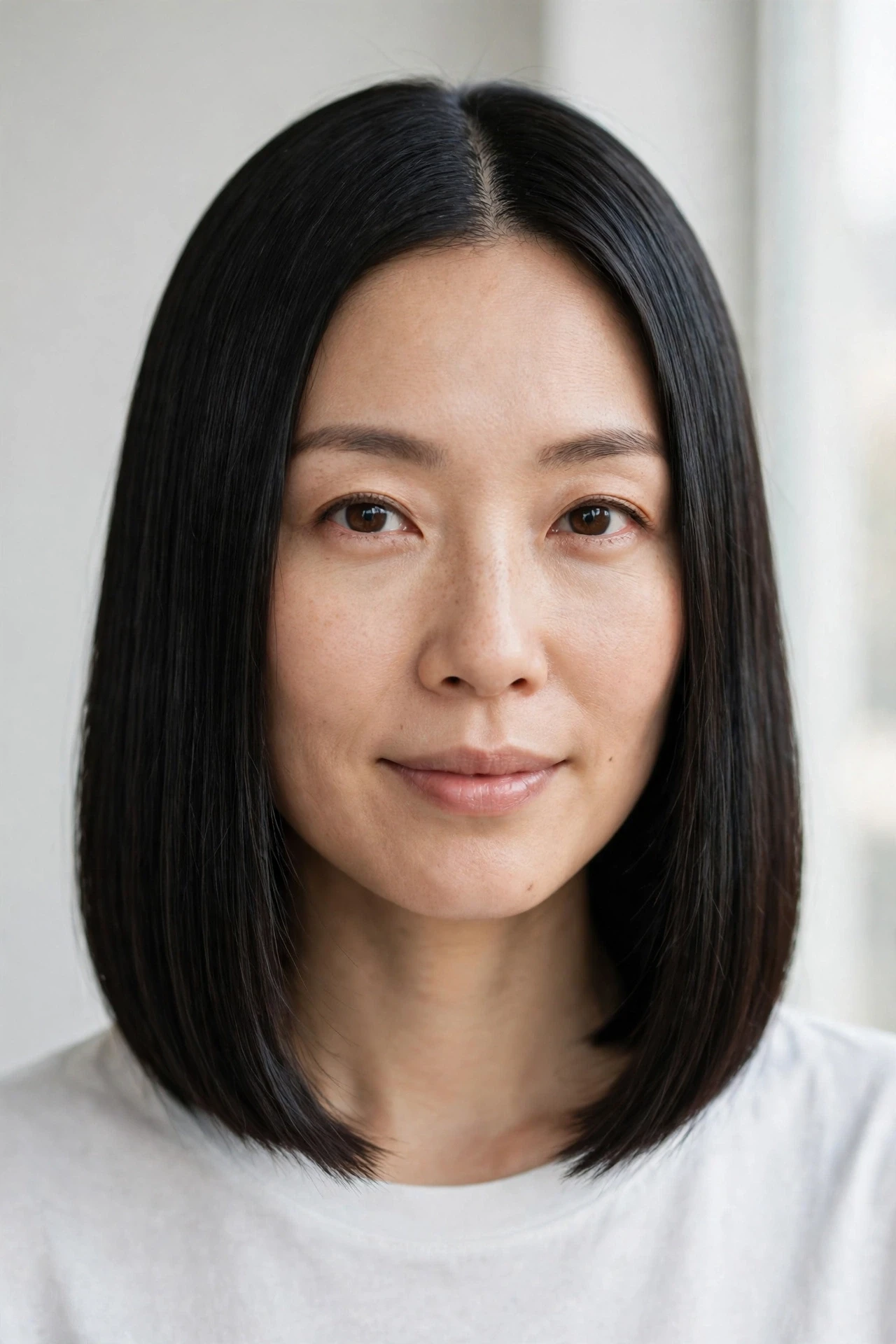
Sleek does not have to mean flat. A glass smooth lob with a sharp blunt hemline looks expensive and deliberate, and the solid outline actually makes thin hair look denser than a messy finish would. Keep the shine spray light, because heavy products collapse the very polish you are after.
Tousled Air Dry Lob

If you hate heat styling, this is your everyday lob. Air drying with a little volumising mousse scrunched into the roots gives soft natural bends and airy movement, and the blunt base keeps it from looking straggly. It is the lowest effort style in this guide, and one of the most flattering.
Face Framing Feather Lob

Feathering belongs around the face, not through the lengths. Soft feathered pieces at the cheeks open up the face and add a gentle flutter, while the back and ends stay thick. It is a good middle ground if a fully blunt cut feels too severe for you.
Curled Under Volume Lob

The classic curled under lob never goes out of style for a reason. Rolling every end under with a round brush creates a rounded, full silhouette that makes the hemline look twice as thick. It is especially kind to mature thin hair, because the shape is soft, neat, and easy to maintain.
Half Up Crown Volume Lob
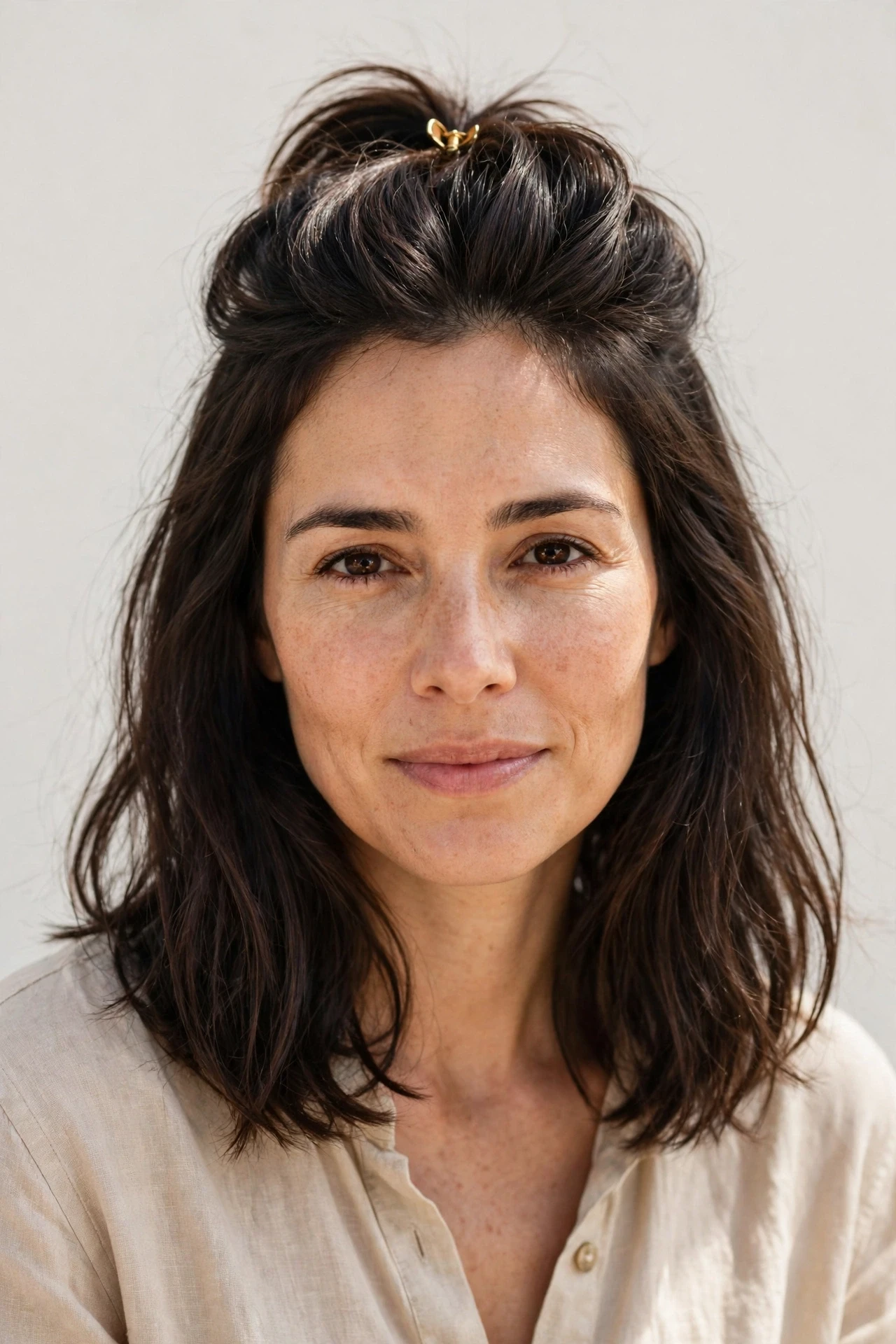
A half up style is a secret weapon for crown thinning. Gently teasing the top section and pinning it back adds height exactly where density is lowest, while the rest of the lob falls full to the collarbone. It works for weddings, work events, and any day you want your hair to look deliberately styled.
Body Wave Lob
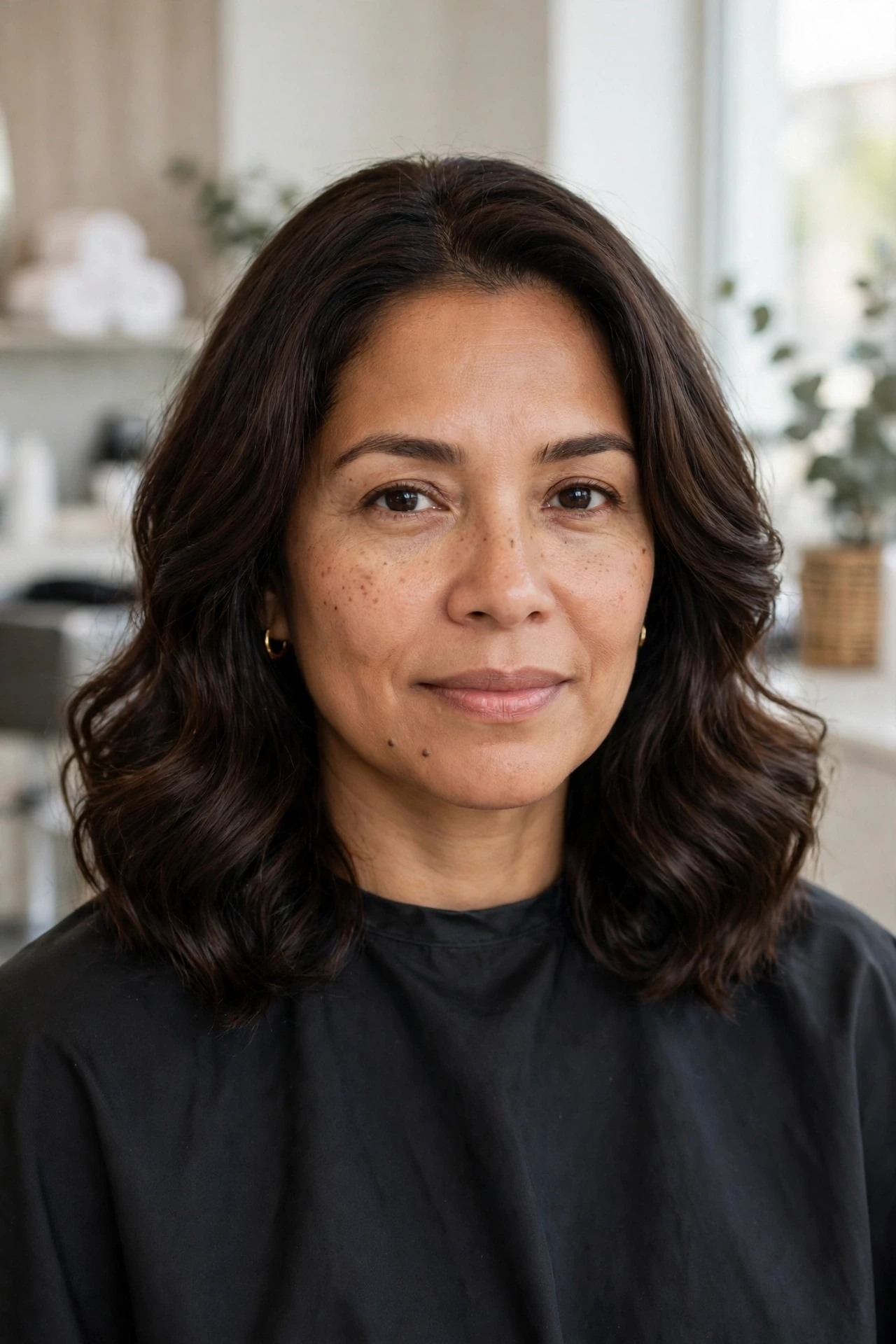
Body waves give movement without curl definition, which is ideal when tight curls would separate thin hair into visible strands. Soft rolling waves through the lengths add bounce and width, while smooth roots keep the top looking full. A one inch iron and a light hold spray are all you need.
Shorter Density Lob
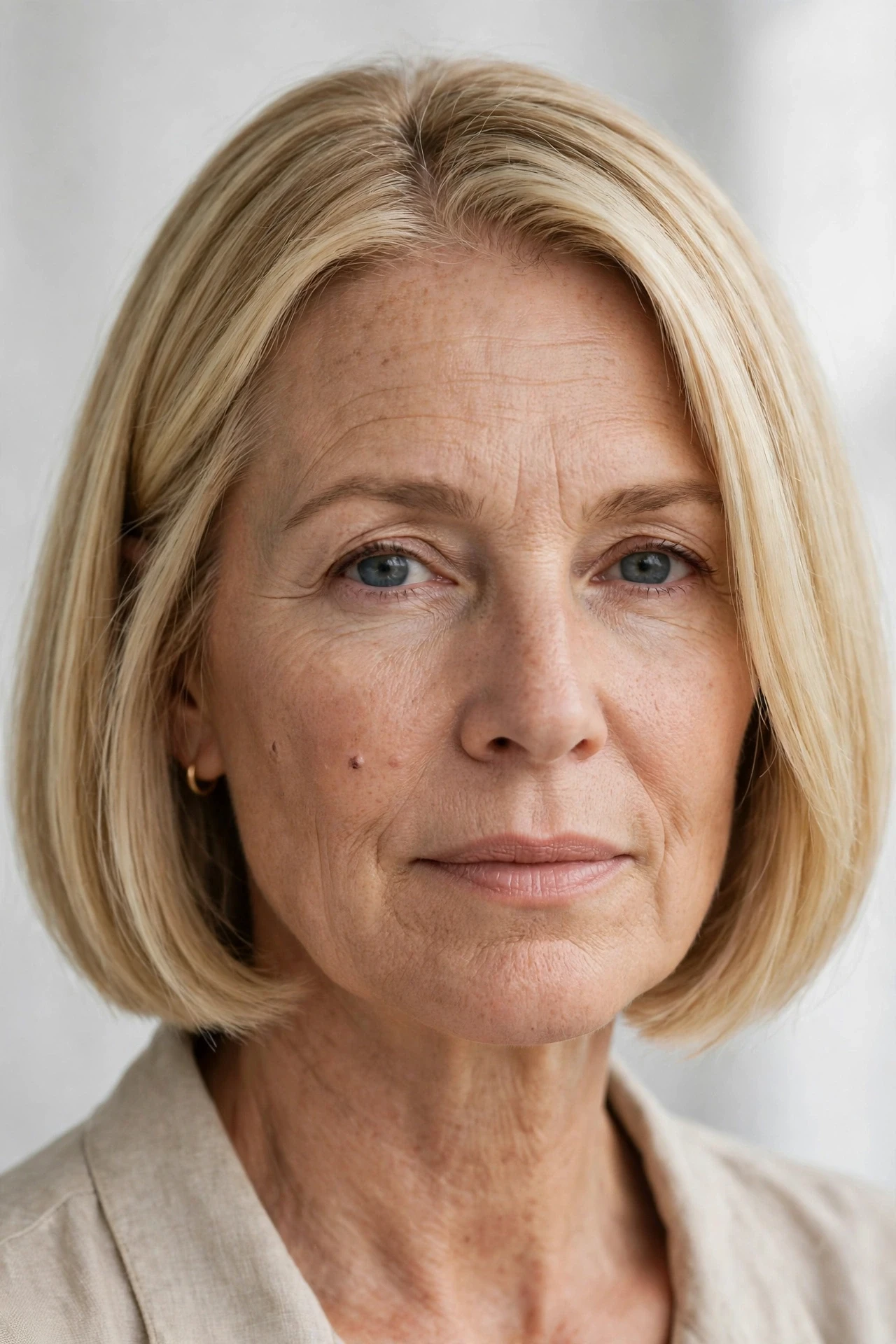
Sometimes the bravest thin hair move is going a little shorter. A lob that ends just below the chin concentrates all your density into a compact shape, and shorter hair always looks thicker than the same hair worn long. If your ends have been wispy for months, this reset can feel like a revelation.
Root Shadow Density Lob
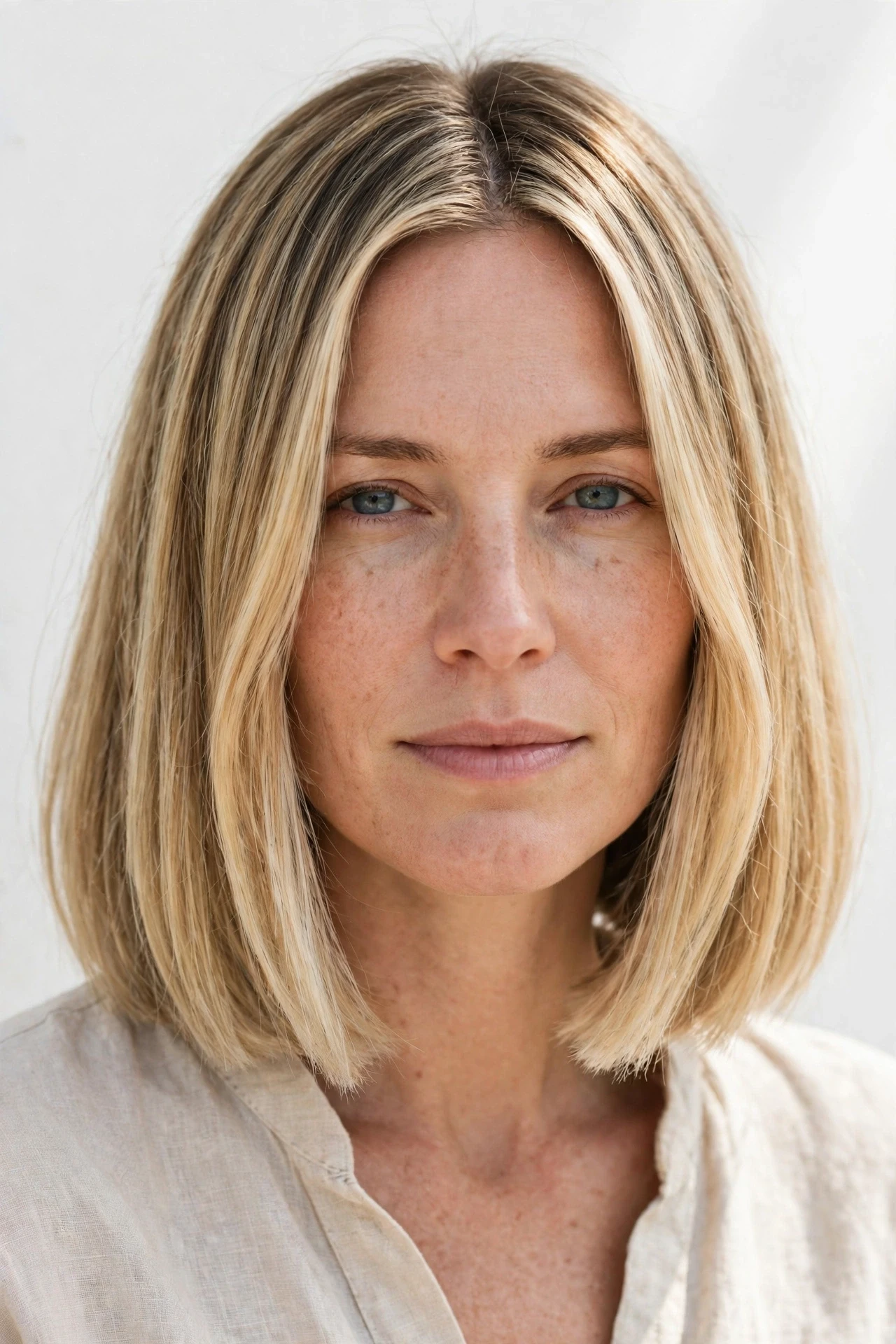
Colour can create density that cutting alone cannot. A shadow root, where the roots stay a shade or two darker than the lengths, makes the scalp far less visible and adds dimension that reads as fullness. It also stretches the time between colour appointments, which thin hair will thank you for.
Middle Part Density Lob
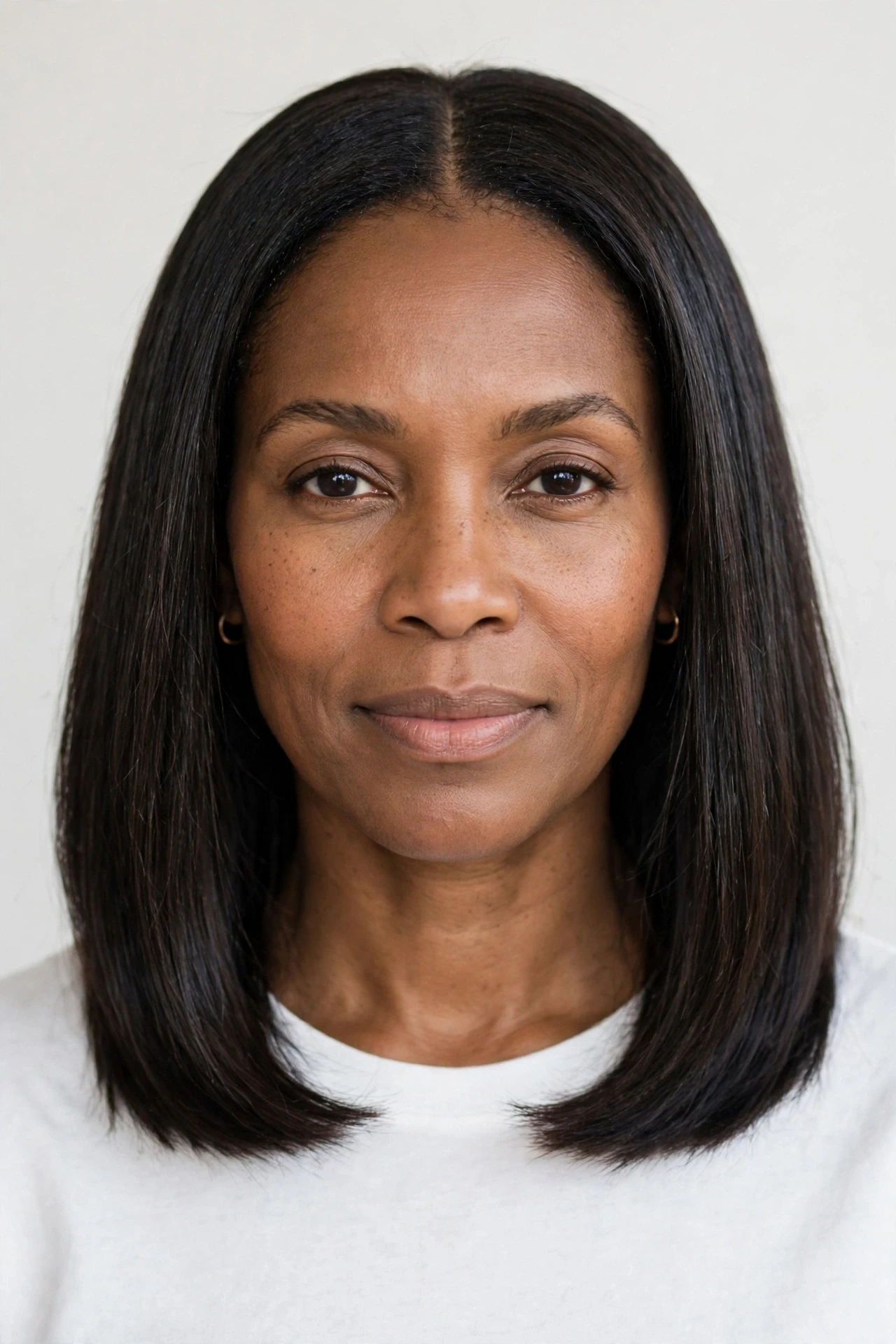
A middle part only works for thin hair when the cut underneath is ruthlessly blunt. With a solid symmetrical hemline, the center part looks sleek and intentional rather than sparse. For readers exploring how this shape works across textures, our long bob hairstyles for black hair guide shows the same blunt principle on different hair types.
Layered Crown Lob
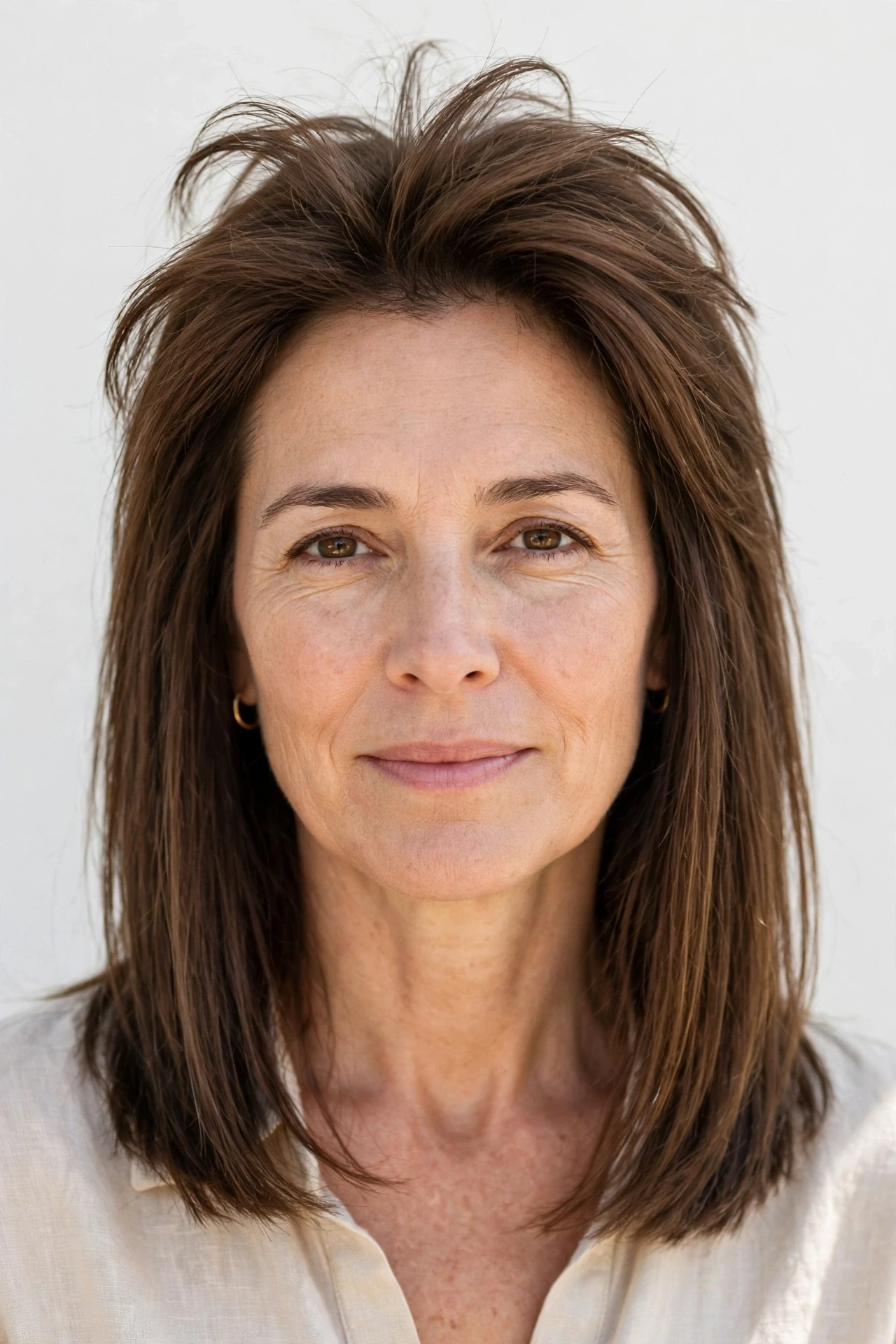
This is the one exception to the no layers rule, and it is a narrow one. Short layers placed only at the crown create lift and height on top, while every length below stays blunt. It is a styling led cut: the crown layers do the lifting so your roots never have to work alone.
Evening Glamour Lob
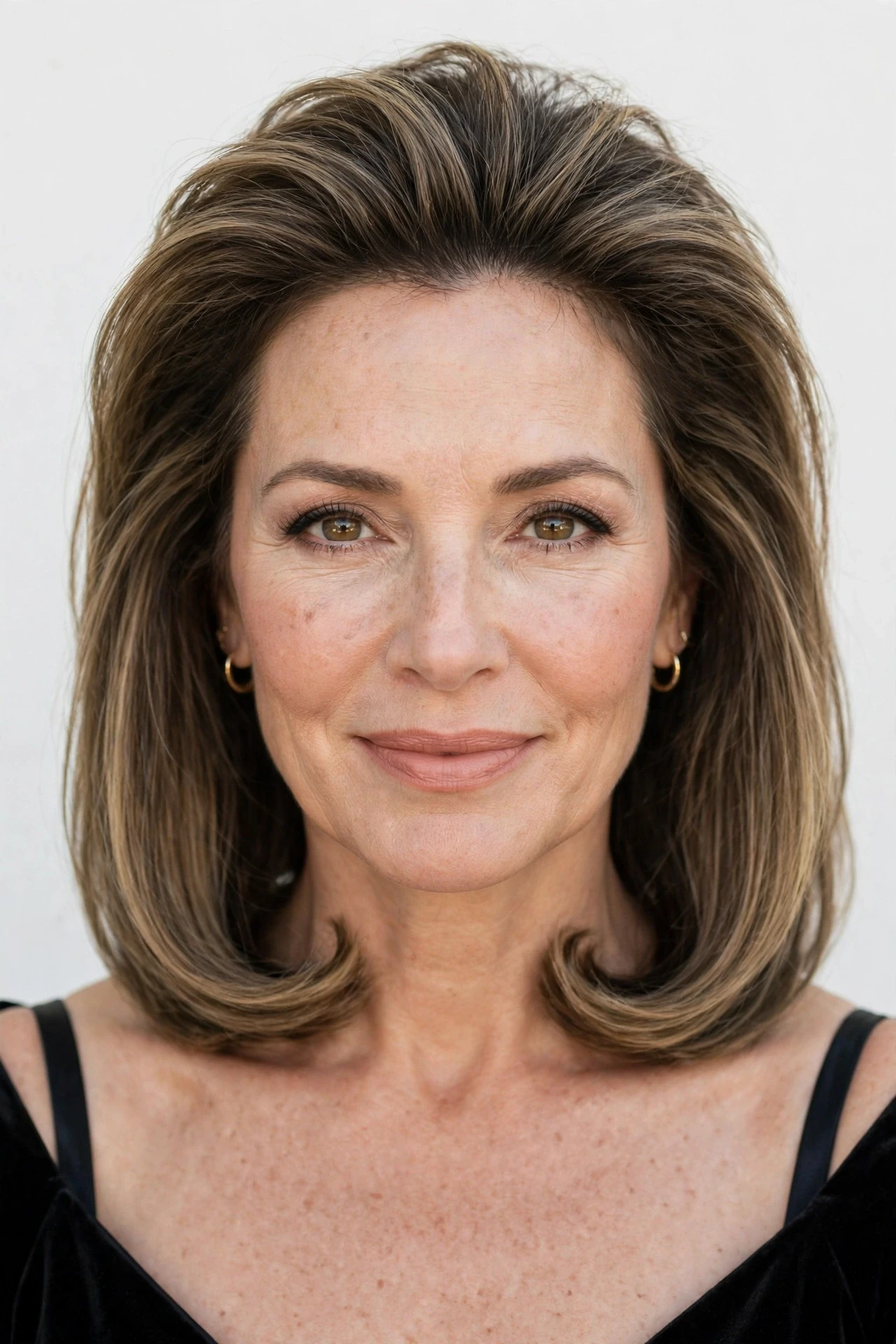
For evenings, combine everything this guide teaches. A gently teased crown, smooth polished lengths, and softly turned under ends give you red carpet fullness without extensions or heavy backcombing. It is the same lob you wear daily, styled with intention, and it proves thin hair can look genuinely glamorous.
Your Thin Hair Volumising Routine
A density cut only works if the routine supports it. Wash with a lightweight volumising shampoo and skip heavy masks at the roots, saving conditioner for the mid lengths and ends. Apply mousse to damp roots, blow dry upward with a round brush, and finish with dry shampoo at the crown on day two, not just for oil but for grip and lift. For more expert volumising ideas, see Byrdie’s volume boosting cuts for thin hair.
Avoid heavy oils and thick creams near the scalp, because they flatten the root lift your cut worked so hard to build. A light texture spray through the lengths adds grip without weight, and sleeping with your hair loosely pinned on top of your head preserves crown volume overnight.
What to Ask Your Stylist
Take this script to your appointment: “I have thin hair with low density, and I want a long bob that protects my perimeter. Please keep the outline blunt, keep any layers invisible and internal, and cut my part where it covers my crown best. No razor thinning and no visible choppy layers.” That single paragraph prevents the most common thin hair mistake, which is leaving the salon with a fine hair cut that removed the density you came in with. It keeps your long bob haircut for thin hair honest from the first snip.
Mistakes That Make Thin Hair Look Thinner
Long layers through the ends, razor cutting, and over texturising all remove bulk you cannot spare. So does growing past the collarbone without trims, because ends turn see through long before the length looks impressive. Heavy styling products, flat ironing the roots down, and a center part placed over a widening part line all flatten the illusion too. If your last cut made things worse, one of these is usually why.
Is a long bob haircut for thin hair a good idea?
Yes. A collarbone length lob with a blunt perimeter is one of the best cuts for thin hair, because the solid hemline makes low density hair look fuller while the length stays versatile enough to style many ways.
What is the difference between fine hair and thin hair?
Fine describes strand diameter, while thin describes density. You can have fine hair that is dense, or coarse hair that is thin. Fine hair needs weight removal for movement, while thin hair needs a blunt perimeter to protect density.
Should thin hair have layers?
Only invisible internal layers. Visible choppy layers remove density from the ends and make thin hair look sparser. Ask your stylist to keep layers underneath the surface and to leave the outline blunt.
How do I hide a thinning crown with a lob?
Use a deep side part cut over the thinning area, add root lift styling at the crown, and consider a shadow root colour to make the scalp less visible. A half up style with gentle teasing also adds coverage exactly at the crown.
How often should I trim a thin hair lob?
Every 8 to 10 weeks. Thin hair shows split and wispy ends faster than dense hair, and a fresh blunt hemline is what keeps the density illusion working.
Can a lob make thin hair look thicker without extensions?
Yes, through a blunt perimeter, root lift styling, part placement, and dimensional colour like a shadow root. These four tools together create a convincing fullness illusion without any added hair.
Final Thoughts
A long bob haircut for thin hair works because it respects what thin hair actually is. It protects your perimeter, lifts your roots, covers the spots that bother you, and gives you a style you can recreate without a salon team. Pick the style from the 20 above that matches your thinning pattern, take the stylist script to your appointment, and keep the trims regular. For the full lob story, our long bob haircut guide is the next read, and if your hair turns out to be fine rather than thin, our long layered bob for fine hair guide will take you the rest of the way. For the wider bob trends picture, our main bob trends guide puts the lob in context.

Sana Malik is a hair and beauty writer with a deep love for the bob in all its forms from sharp French bobs to soft, lived-in lobs. After years of experimenting with her own short hair and helping friends figure out what actually suits their face shape, she started writing to cut through the confusing advice out there. At BobHairTrends, she breaks down each cut into simple, honest guides: how to ask for it, how to style it at home, and who it really flatters. When she isn’t researching the latest trends, she’s usually testing a new styling product or convincing someone it’s finally time for the chop.