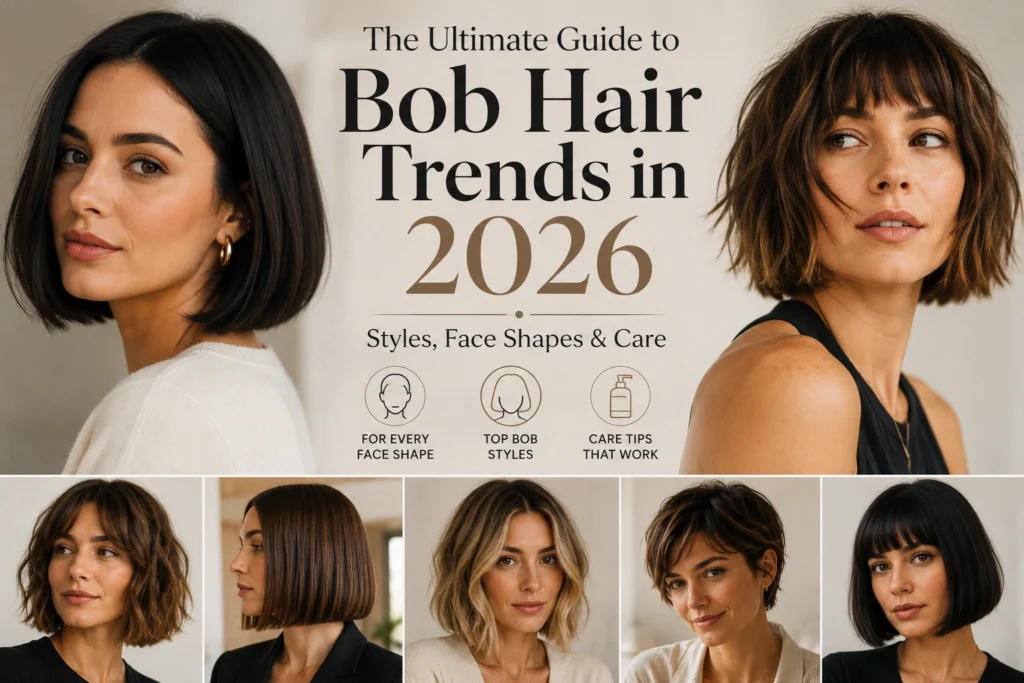


A 1920s bob haircut changed hair history in a single snip, and a century later it still feels daring. Women cut their long hair short, waved it close to the head, and walked out of the salon looking like the future.
That spirit is exactly why this cut keeps coming back. It is short enough to feel bold, long enough to style a dozen ways, and flattering on far more face shapes than people expect. Below you will find 20 distinct versions, from the original flapper and shingle cuts to softer modern takes, plus answers to the questions everyone asks before booking. If you want to see where this vintage classic sits among today’s cuts, our French bob haircut guide is the closest modern cousin.
- The 1920s bob is a chin length cut, usually waved or sleek, that broke with long hair tradition and became a symbol of independence.
- Flapper, shingle, finger wave, Dutch, and Eton styles are all distinct 1920s cuts, not just different names for the same bob.
- The right version depends on your hair texture and face shape, not on copying one famous photo.
- Most 1920s bobs need a trim every 4 to 6 weeks to keep their sharp outline.
- Modern versions soften the waves and add texture, so you can wear the look every day without it feeling like a costume.
20 Vintage Bob Styles to Try in 2026
Classic Flapper Bob
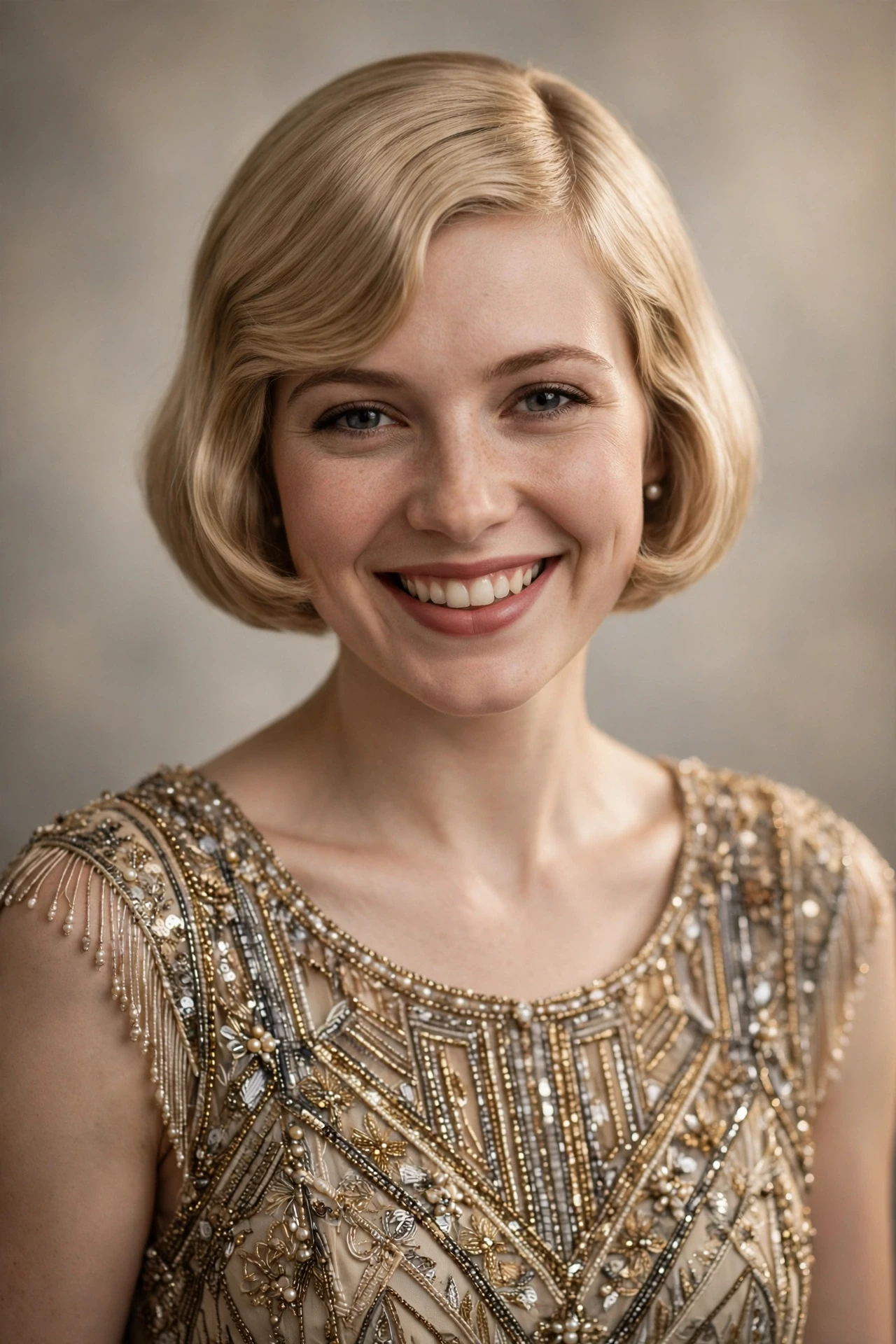
The flapper bob is where most people start, and for good reason. It is chin length, it curves softly under at the ends, and it frames the face in a way that feels both bold and pretty. Ask your stylist for a clean one length outline with just enough softness through the ends so it moves when you dance, talk, and laugh. A little shine serum is all it needs to look finished.
Shingle Bob
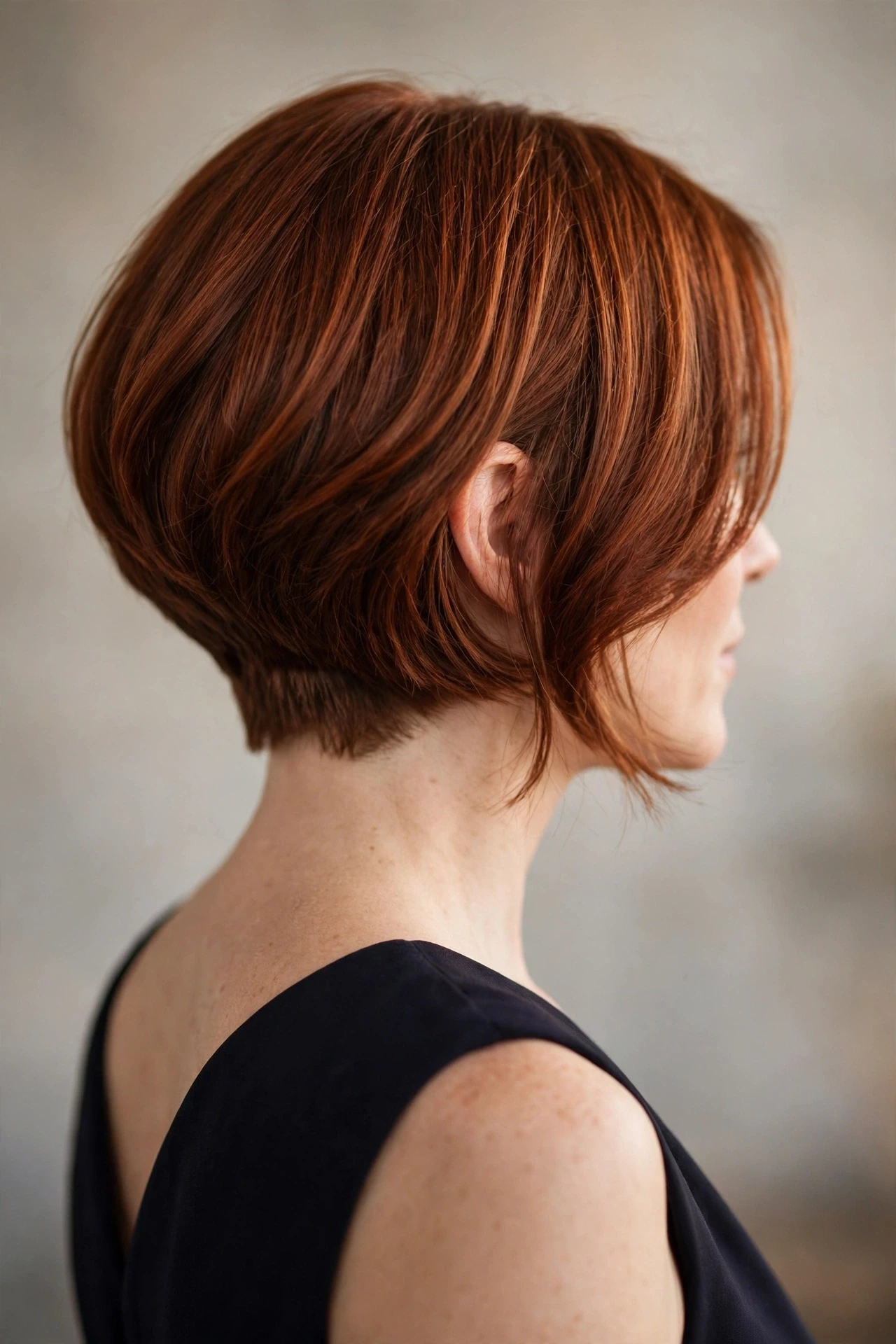
The shingle bob gets its name from the shingled, tapered layers at the nape, and it is the most architectural cut on this list. Short at the back and longer at the front, it gives you a sleek silhouette from every angle. For the wider story of how bobs evolved through the decades, our main bob trends guide puts the 1920s revolution in context. This one suits straight hair best, because the taper shows most clearly on a smooth finish.
Classic Finger-Wave 1920s Bob Haircut
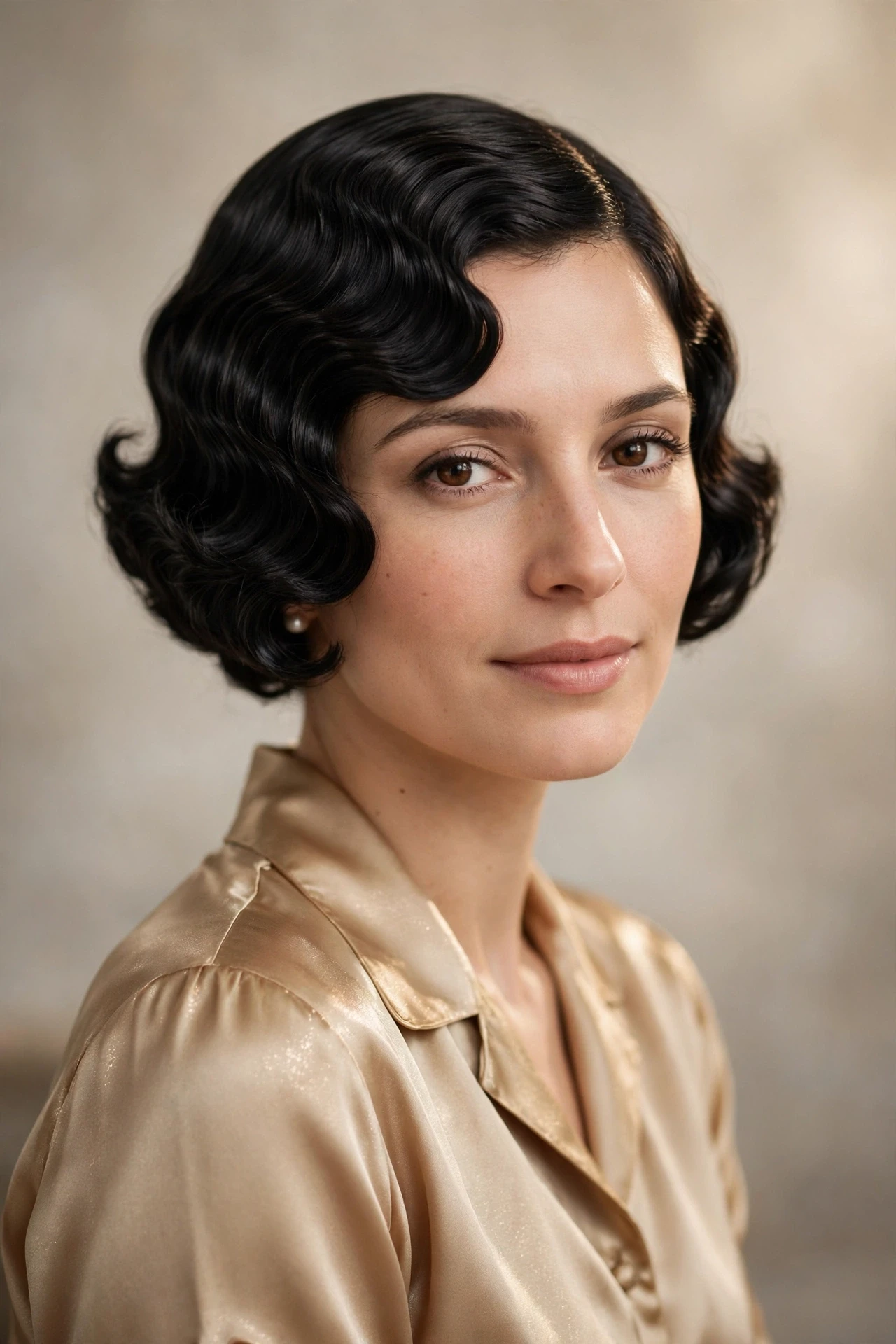
Nothing says vintage glamour quite like finger waves. These sculpted S shaped waves sit close to the head and catch the light with every turn, which is why they photograph so beautifully. You can set them with gel and clips at home, or ask a stylist for a wet set if you want the real deal. Either way, patience pays off here, because neat waves are what separate a costume look from a genuinely elegant one.
Eton Crop

The Eton crop was the bravest cut of the decade, and it still turns heads today. Shorter than a bob, with close cropped sides and a neat flat top, it puts your cheekbones and eyes front and center. It grows out quickly, so book trims every four weeks if you want to keep that sharp shape. Confidence is the only styling product this one truly requires.
Dutch Bob
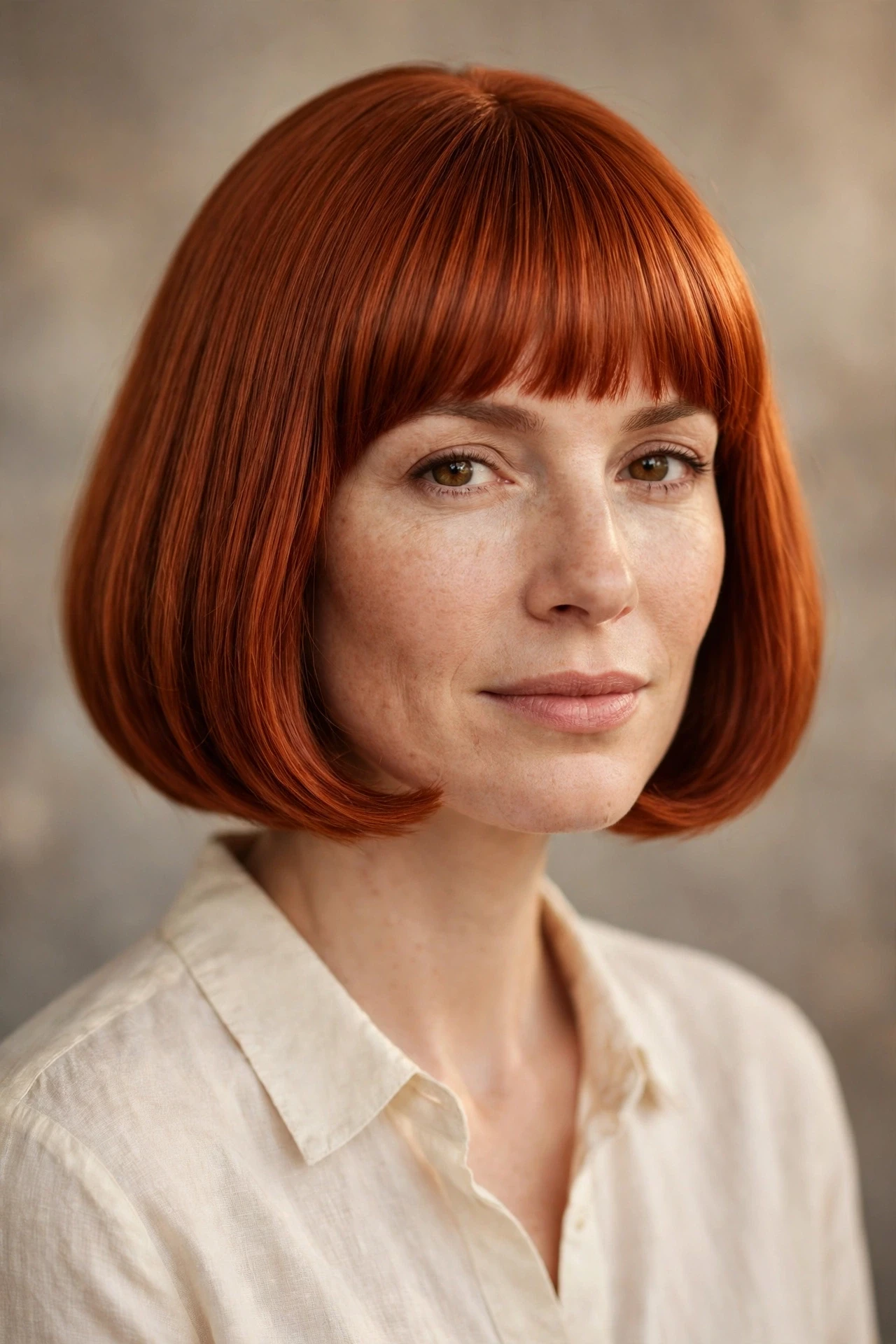
The Dutch bob pairs a chin length rounded shape with a straight fringe, and the result is sweet, graphic, and surprisingly wearable. Keep the fringe just above the brows so it opens up your face rather than hiding it. If you love the idea of a longer version of this shape, our long bob haircut guide shows how the same blunt outline works at collarbone length. A round brush and a quick blow dry give this cut its signature curve.
Charleston Bob

The Charleston bob was made for dancing, and it still has that joyful energy. Bouncy curls, a deep side part, and a chin length shape make it the liveliest cut on this list. Many people searching for a bob haircut 1920s style picture this exact version first, all movement and sparkle. Scrunch in a light curl cream while damp, then let it air dry for the most natural bounce.
Sleek Chin-Length 1920s Bob Haircut

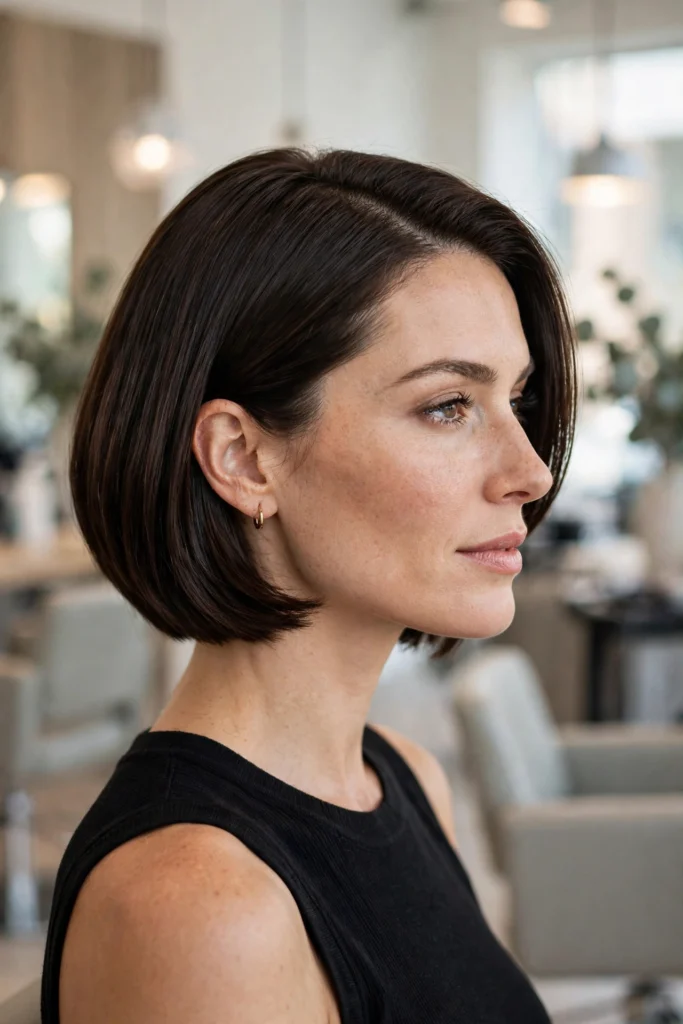
Sometimes the simplest version is the most striking. This sleek chin length bob is all about a glassy finish, ends tucked neatly under, and not a hair out of place. It works beautifully on mature hair too, because the clean line draws attention upward to the face. Flat iron in small sections, then finish with a drop of smoothing oil on the ends only, never at the roots.
Curly 1920s Bob
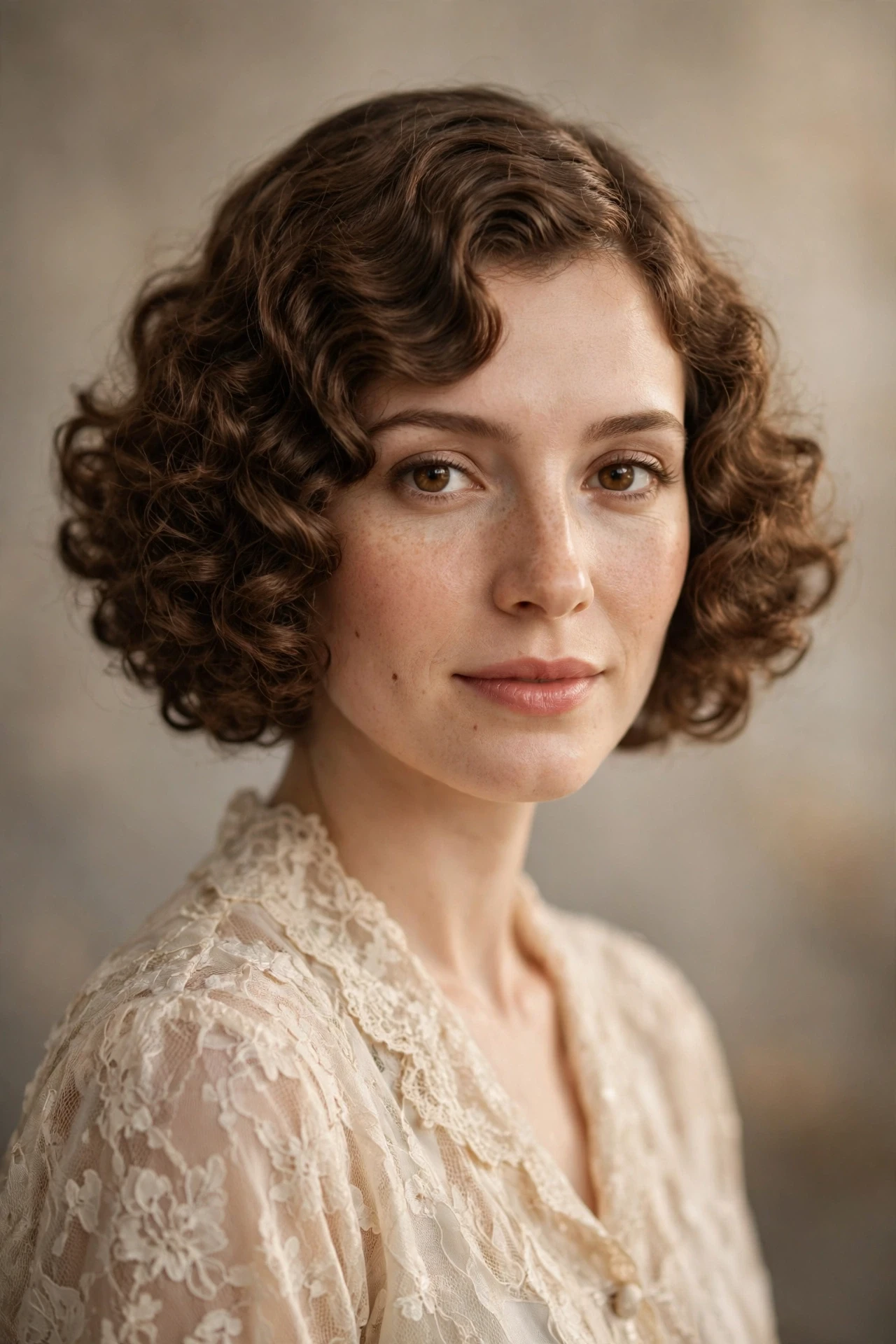
A curly 1920s bob proves that vintage styling was never only for straight hair. Defined curls cut into a rounded chin length shape give you volume, softness, and a silhouette that looks wonderful from the side. For more curl focused inspiration, see our curly bob hairstyles guide. Cut it dry if you can, because curls spring up shorter than they look when wet.
1920s Bob with a Side Part
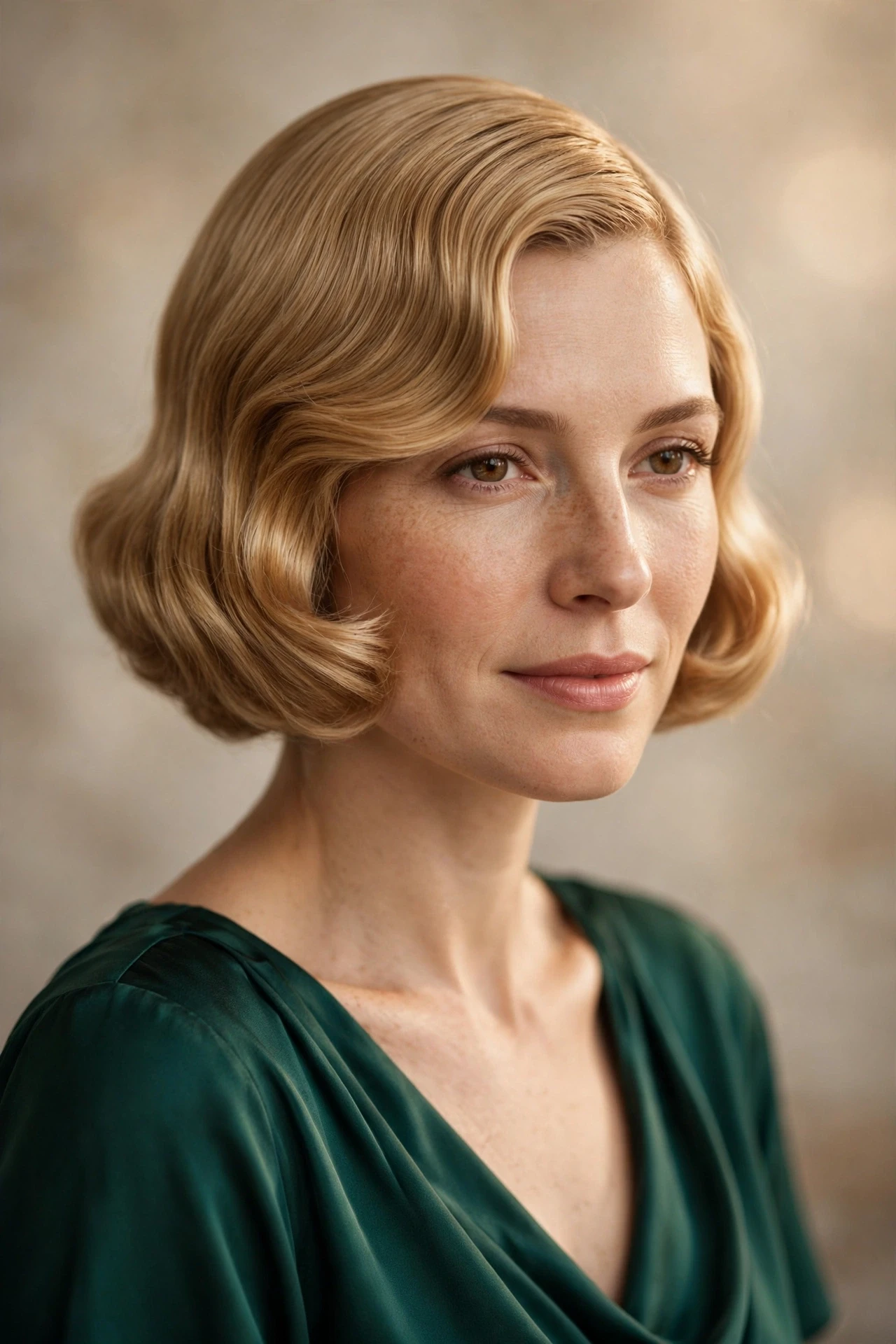
A deep side part is the quickest way to make any 1920s bob feel more dramatic. Sweeping the hair across the forehead adds instant volume at the crown and a lovely asymmetry to the face. It also works as a styling trick on days when your waves have fallen flat, because the sweep itself creates the shape. Part it while damp for a part that stays put all day.
1920s Bob with Bangs

Short straight bangs turn a classic 1920s bob into a real statement. The fringe frames the eyes, the bob frames the jaw, and together they create one of the most graphic silhouettes in hair history. If bangs are calling you, our long bob with long bangs guide has softer, longer fringe ideas too. Trim the fringe every three weeks so the line stays crisp.
Graduated 1920s Bob
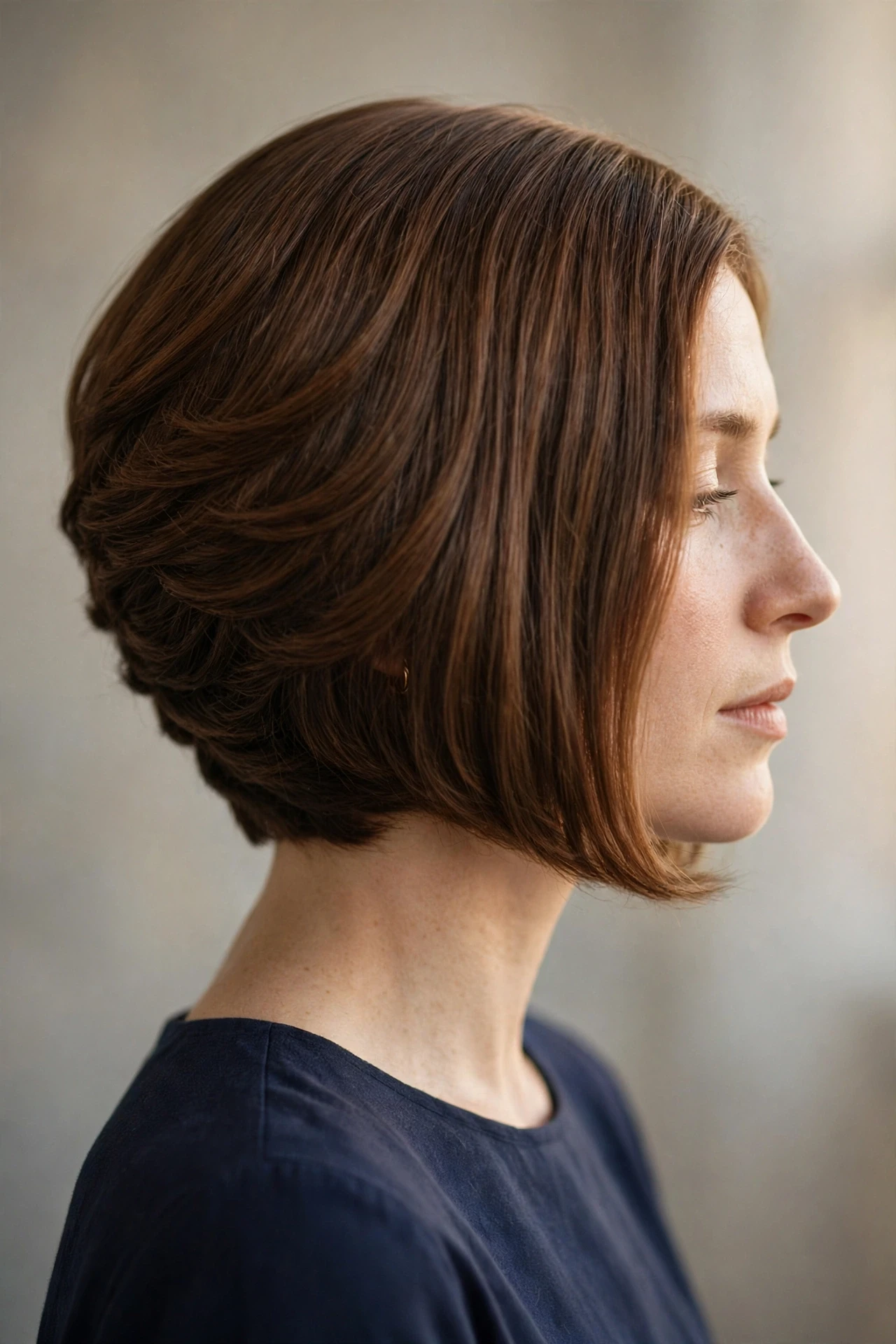
The graduated version stacks layers at the nape so the back sits close to the head while the front stays longer. That built in shape means it practically styles itself, which is a gift on busy mornings. It is also a forgiving grow out, because the graduation softens gradually rather than losing its shape all at once. Ask for the stacking to be subtle, not severe, for the most wearable vintage result.
1920s Bob for Fine Hair

Fine hair and 1920s bobs are a perfect match, because the chin length shape stops hair looking straggly. Keep the hemline blunt and skip heavy layering, so the ends look thick instead of wispy. Our long layered bob for fine hair guide explains the same thick hemline principle at a longer length. A root lift spray and a round brush finish give fine hair the body this era demands.
1920s Bob for Thick Hair

Thick hair holds a 1920s bob shape beautifully, but it needs a little hidden help. Internal layers remove weight without touching the outline, so the cut stays smooth on the outside and light on the inside. Without that step, thick hair can puff out into a triangle shape at chin length. A smoothing cream worked through damp hair before blow drying keeps everything sleek.
1920s Bob for a Round Face

If your face is round, take your 1920s bob slightly below the chin and keep the front pieces long. Those longer pieces create vertical lines that slim and lengthen the face, while a center part keeps the look balanced. Avoid a blunt cut that ends right at the jaw, because that width can widen rather than flatter. Soft waves at the ends, rather than curls at the cheeks, keep the focus where you want it.
Marcel Wave Bob
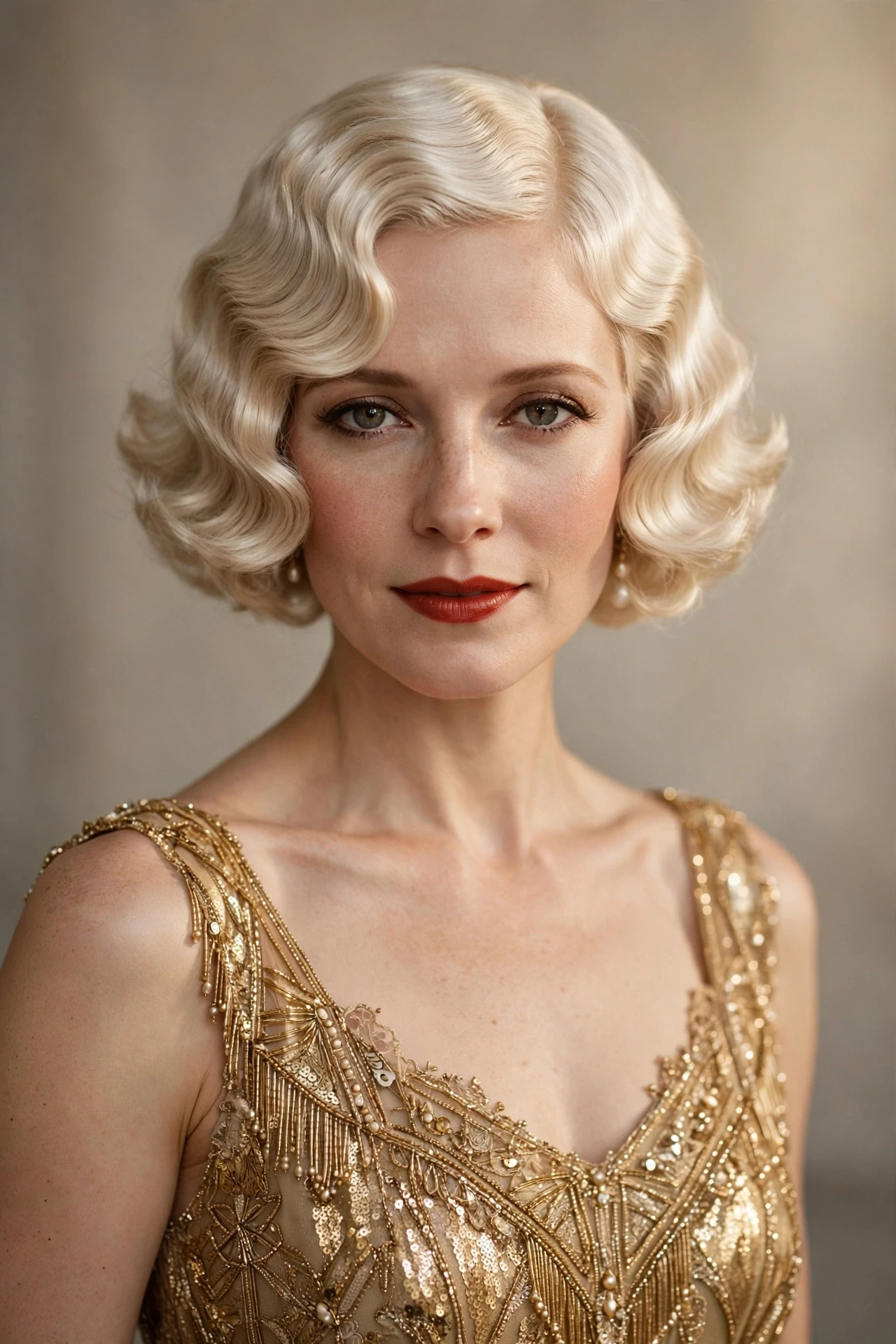
Marcel waves are the deeper, more glamorous cousin of finger waves, made with a heated iron instead of a wet set. The waves are bigger, glossier, and made for evenings out, which is why they still appear on red carpets a century later. For color ideas that pair beautifully with this polished finish, see our hair color for bob hairstyles guide. Practice on a small section first, because even waves take a steady hand.
Soft Wavy 1920s Bob

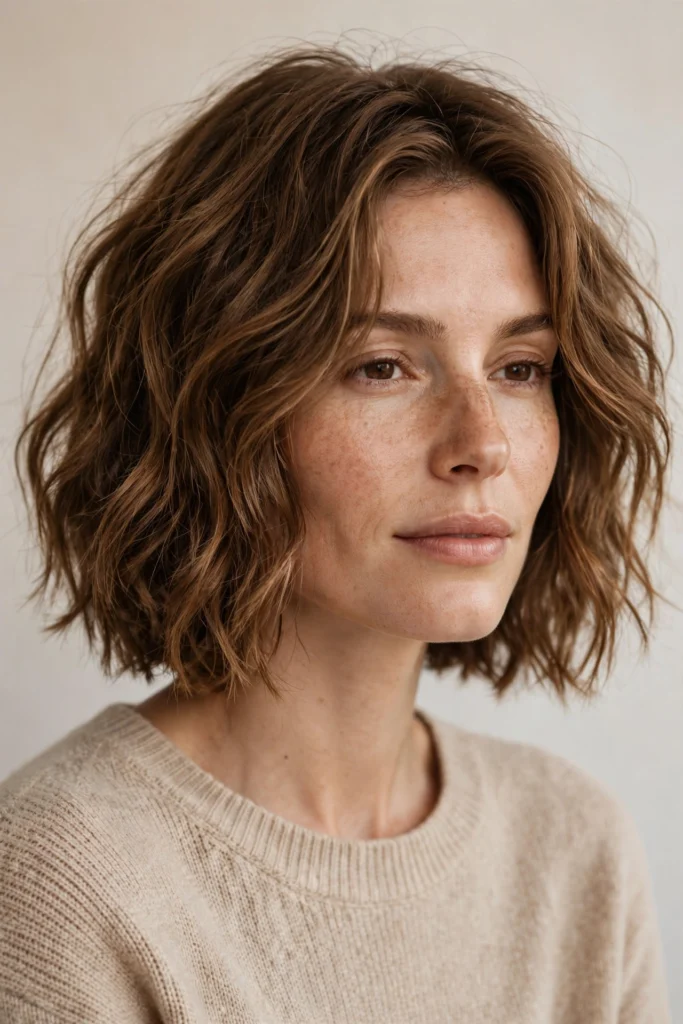
Not every vintage bob needs to be sculpted within an inch of its life. This softer version keeps the chin length shape but lets the waves stay loose, touchable, and a little undone. It is the easiest 1920s style to wear every day, and it suits natural waves perfectly. People often describe a bob haircut 1920s look like this when they want vintage charm without the fuss of a full wet set. A large barrel iron and a quick brush through give you exactly this finish.
1920s Bob for a Formal Evening
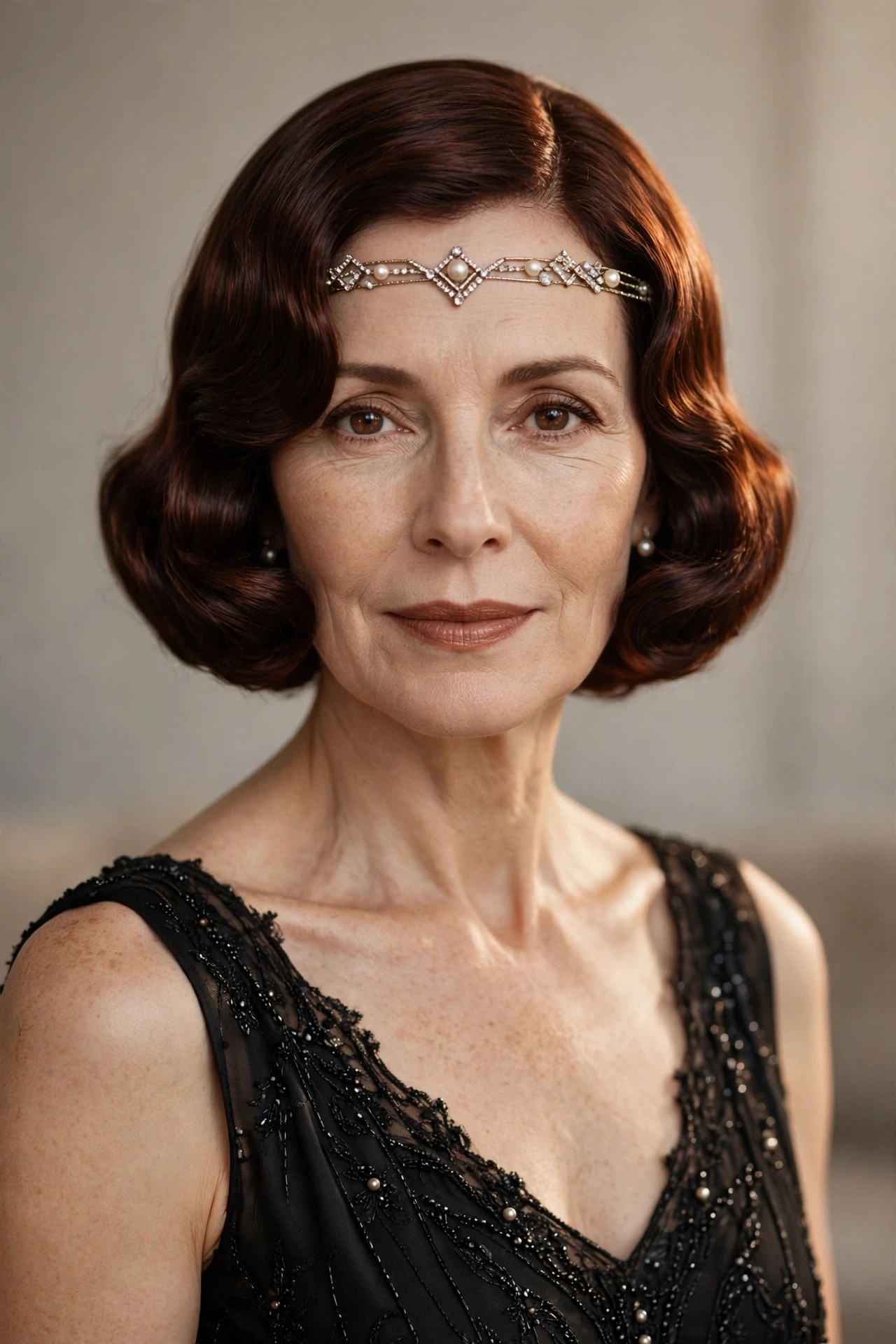
For a formal evening, polish your 1920s bob to a high shine and add one simple accessory, like a slim headband or a jeweled clip. The accessory does the talking, so the hair itself can stay sleek and simple. Pin one side back if you want to show off earrings, and keep the other side full for balance. More grown up evening inspiration lives in our messy bob hairstyles over 50 with layers guide, which proves texture and elegance can share the same cut.
Layered 1920s Bob

Feathered layers give a 1920s bob movement that the original one length cuts did not have. The layers are soft, not choppy, and they sit mostly through the ends so the vintage silhouette stays intact. This is a good middle ground if you love the era but your hair feels heavy in a blunt cut. Blow dry with a round brush, flicking the ends slightly outward for that feathered finish.
1920s Bob with a Center Part

A precise center part is the most symmetrical, most serene way to wear a 1920s bob. Hair falls evenly on both sides, the waves mirror each other, and the whole look feels calm and intentional. It suits oval and longer faces especially well, because the symmetry balances the features. Use a fine tooth comb on damp hair to set the part exactly, then style each side the same way.
Modern 1920s-Inspired Bob
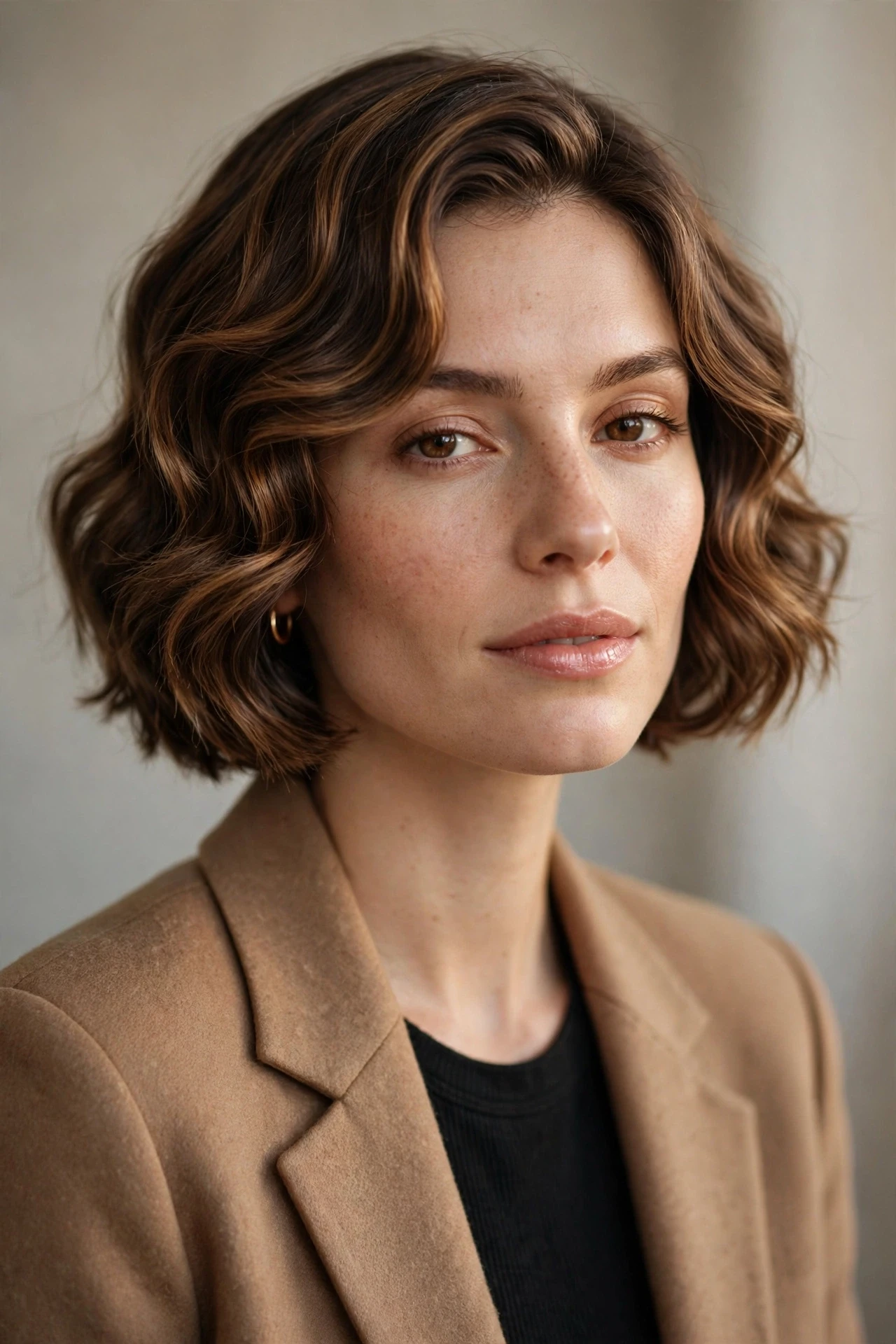
This is the version for people who love the 1920s but live firmly in today. It keeps the chin length shape and a hint of vintage wave, then adds modern texture so it never looks like a costume. Wear it with everyday clothes, not just evening dresses, and it fits right into a modern wardrobe. Our Italian bob guide is a good next read if you want another vintage inspired cut with a modern twist. A texturizing spray through the mid lengths keeps this one current.
What is a 1920s bob haircut?
A 1920s bob is a short cut that usually ends at the chin or jaw, often styled with finger waves, a sleek finish, or soft curls. It became famous in the 1920s when women began cutting their long hair short as a symbol of freedom and modern life.
What is the difference between a flapper bob and a shingle bob?
A flapper bob is a chin length cut with a smooth curved shape, while a shingle bob is tapered and stacked at the nape with longer front pieces. The flapper is softer and rounder, and the shingle is sharper and more architectural at the back.
Can I wear a 1920s bob every day, or is it only for special occasions?
You can absolutely wear one every day. Choose a soft wavy or layered version for daily wear, and save sculpted finger waves or Marcel waves for evenings out. The modern inspired version in this guide is designed for everyday life.
How do I style finger waves at home?
Work gel through damp hair, shape S curves with a fine tooth comb, and clip each wave in place while it dries. A diffuser on low heat speeds things up, and a light shine spray at the end keeps the waves glossy without stiffness.
How often should I trim a 1920s bob?
Every 4 to 6 weeks is ideal, because the sharp outline is what makes the cut look intentional. Shorter versions like the Eton crop may need a trim every 4 weeks, while softer layered versions can stretch to 6 weeks.
Is a 1920s bob good for thin hair?
Yes, especially with a blunt hemline and minimal layering, which makes thin hair look thicker. Avoid heavy thinning at the ends, and ask your stylist to keep the outline solid so the cut holds its shape.
Final Thoughts
The 1920s bob haircut earns its place in history because it was never just a haircut. It was a statement about freedom, confidence, and stepping into modern life, and that feeling is still in every version on this list.
Pick the shape that suits your texture, take your favorite photo to your stylist, and give yourself a few days to get used to the shorter length. If you want the full picture of how bobs have evolved since the 1920s, our main bob trends guide is the next read, and stylists at Byrdie also cover vintage styling in depth. A bob haircut 1920s style may be a century old, but on the right person it still looks like the future.
Sana Malik is a hair and beauty writer with a deep love for the bob in all its forms from sharp French bobs to soft, lived-in lobs. After years of experimenting with her own short hair and helping friends figure out what actually suits their face shape, she started writing to cut through the confusing advice out there. At BobHairTrends, she breaks down each cut into simple, honest guides: how to ask for it, how to style it at home, and who it really flatters. When she isn’t researching the latest trends, she’s usually testing a new styling product or convincing someone it’s finally time for the chop.