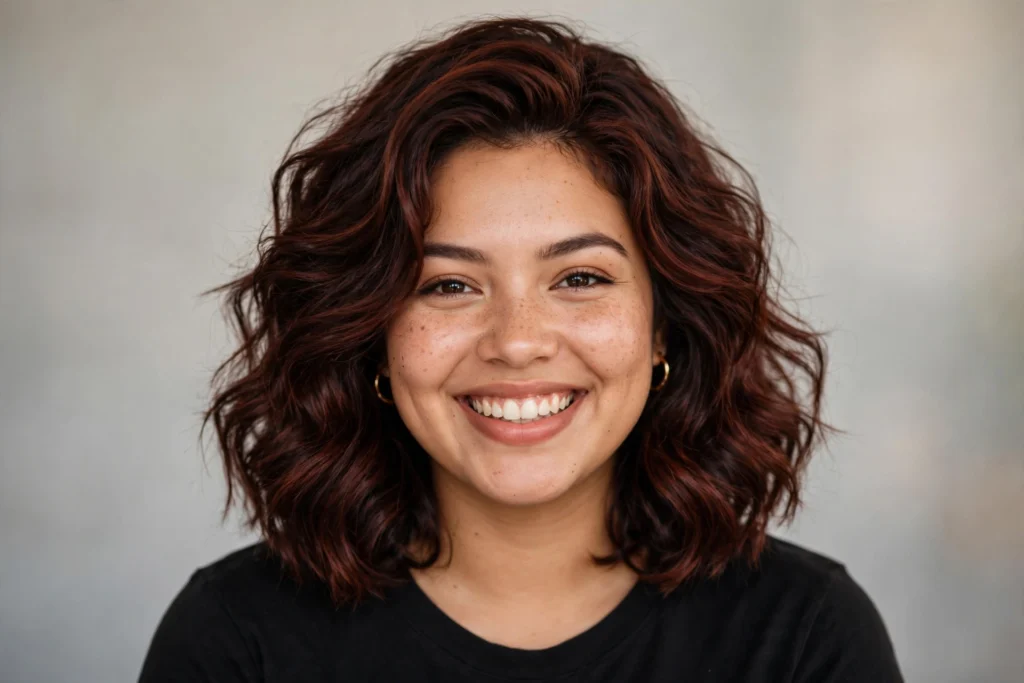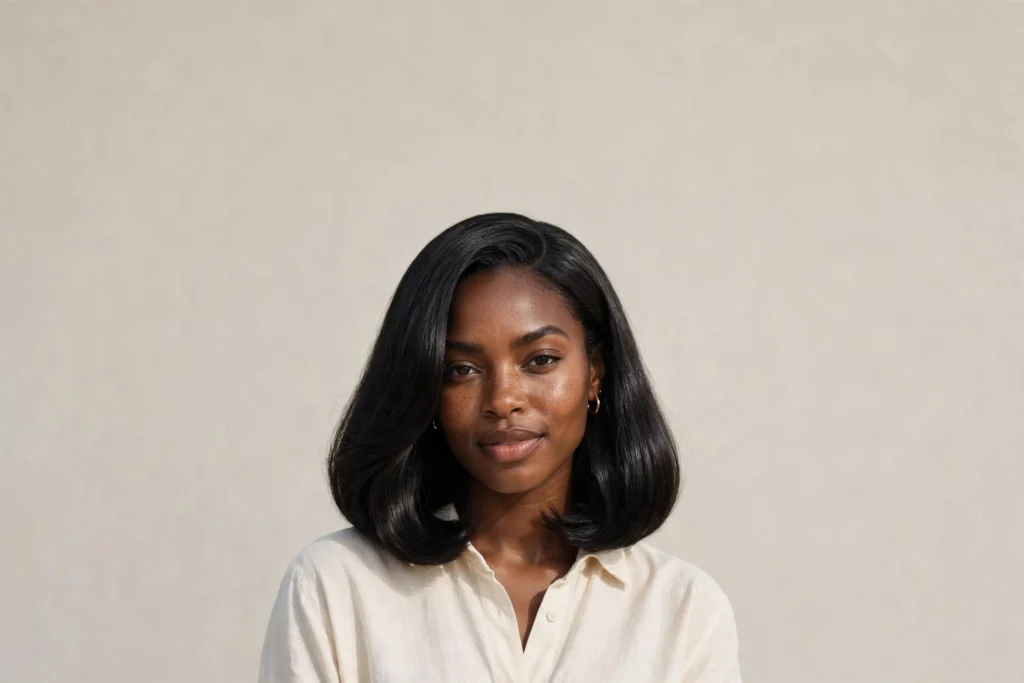

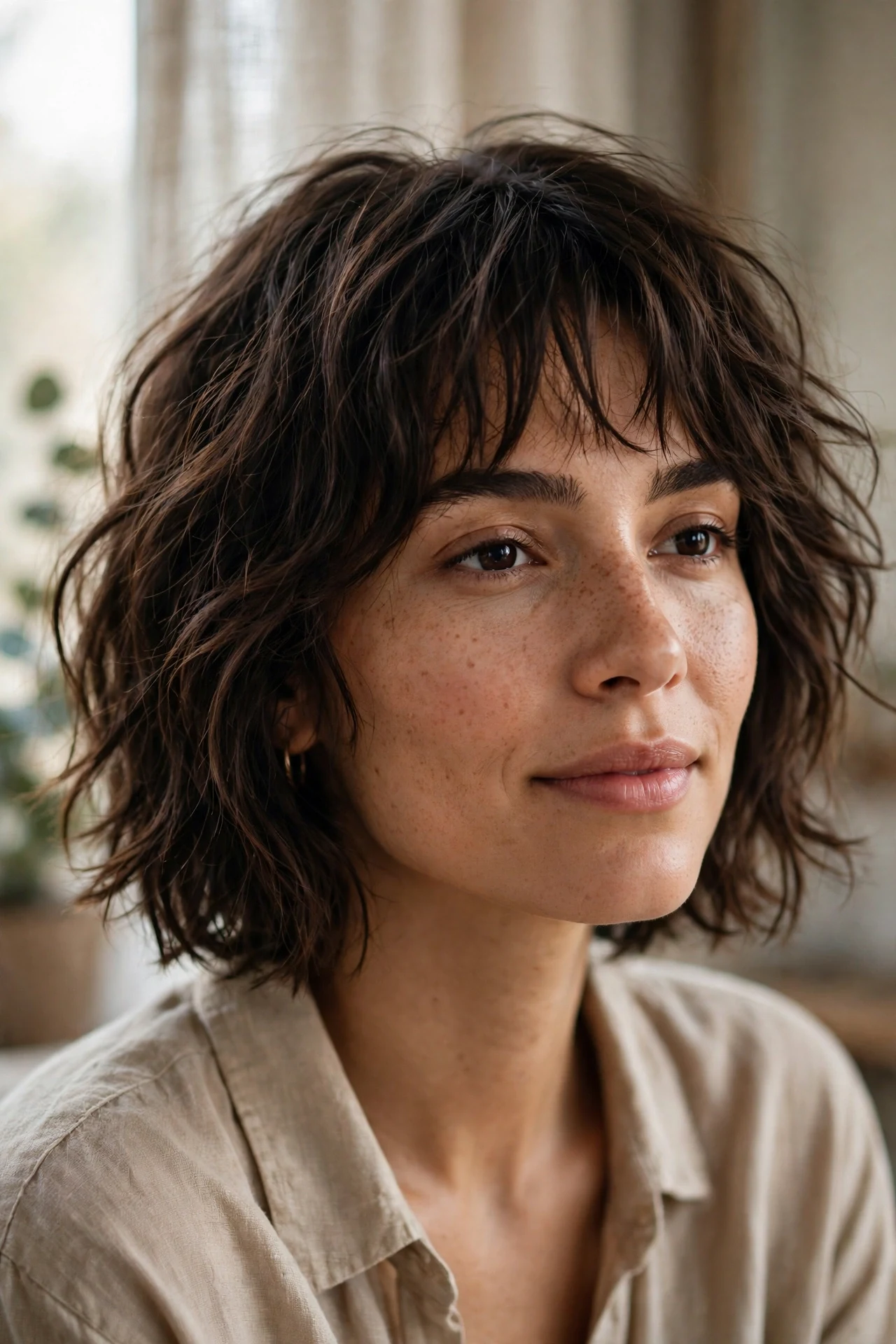
You know that effortlessly cool Parisian woman you keep seeing in your feed? The one whose hair looks like she simply woke up beautiful? There is a strong chance she is wearing a shaggy french bob. For reference photos, browse this collection of French bob ideas on Byrdie.
This cut takes the classic French bob and loosens it up. Shorter at the back, longer toward the front, with layers that are broken up and piecey instead of blunt. It has the charm of Paris and the edge of rock and roll, all in one cut that sits right around the chin.
If you love the French bob but want something with more movement and less polish, this is your match. Below are 20 shaggy french bob variations to show your stylist, plus the styling routine that makes them look this good.
What makes this cut special is how personal it becomes. Two women can walk in asking for the same shaggy french bob and walk out with completely different results, because the layers respond to your natural texture. That is why it photographs so well and why stylists keep recommending it for 2026. If you are torn between short styles, compare it with our guide to the Italian bob.
1. The Classic Shaggy French Bob
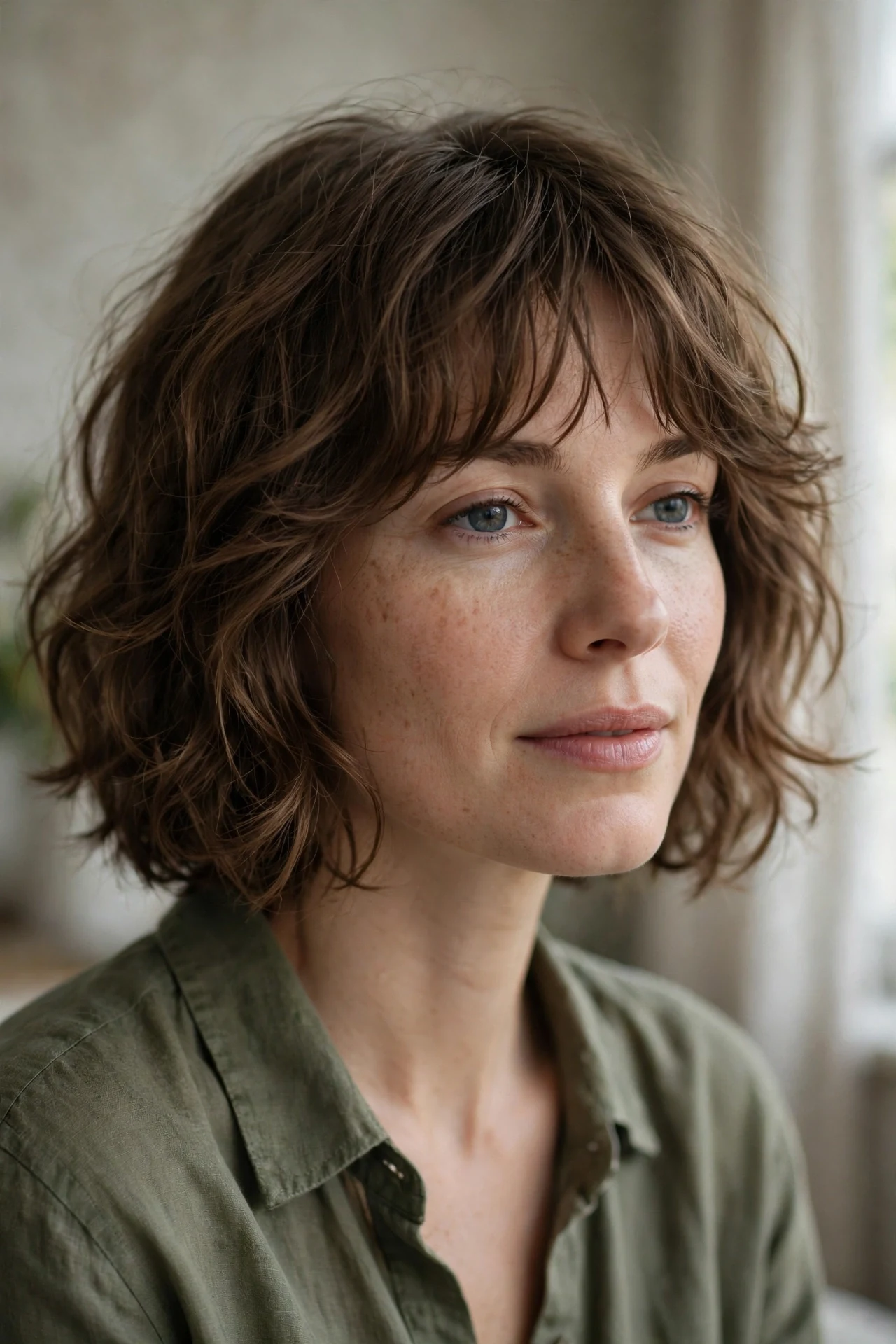
This is where it all starts. Chin length, soft shattered layers through the ends, and a brow grazing fringe that is intentionally imperfect. Nothing here is trying too hard, and that is exactly the point.
It suits wavy and straight hair equally well. On wash day, scrunch in a little mousse and let it air dry. The cut does most of the work for you.
2. Choppy Layered Shaggy Bob
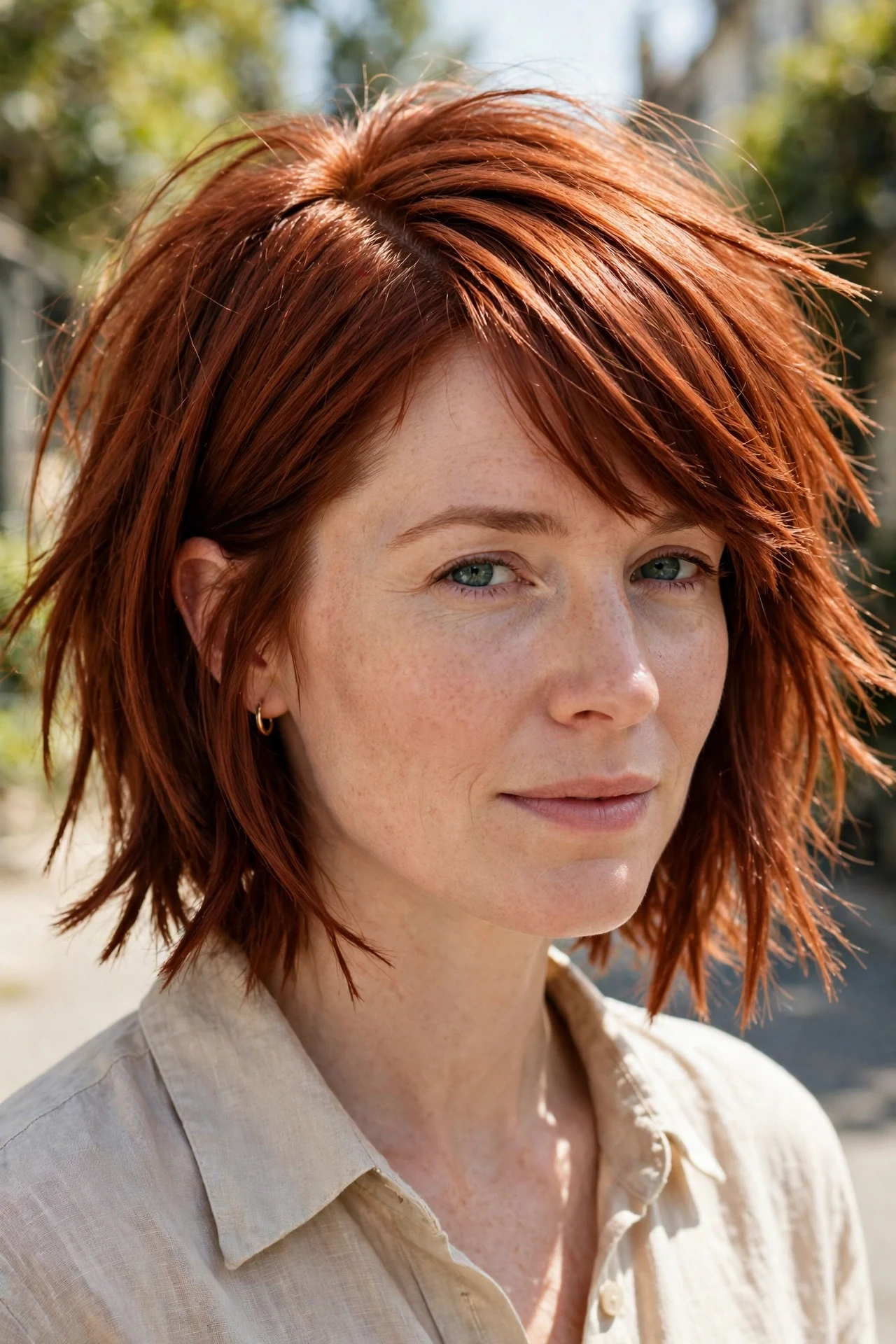
More drama, more separation. This version goes heavier on the layering, so the ends break apart into visible pieces instead of sitting in one smooth line.
It is brilliant for thick hair that feels heavy in a blunt cut. The layers remove weight without removing length. A texturizing spray on dry hair brings out every piece.
3. The Curtain Shag
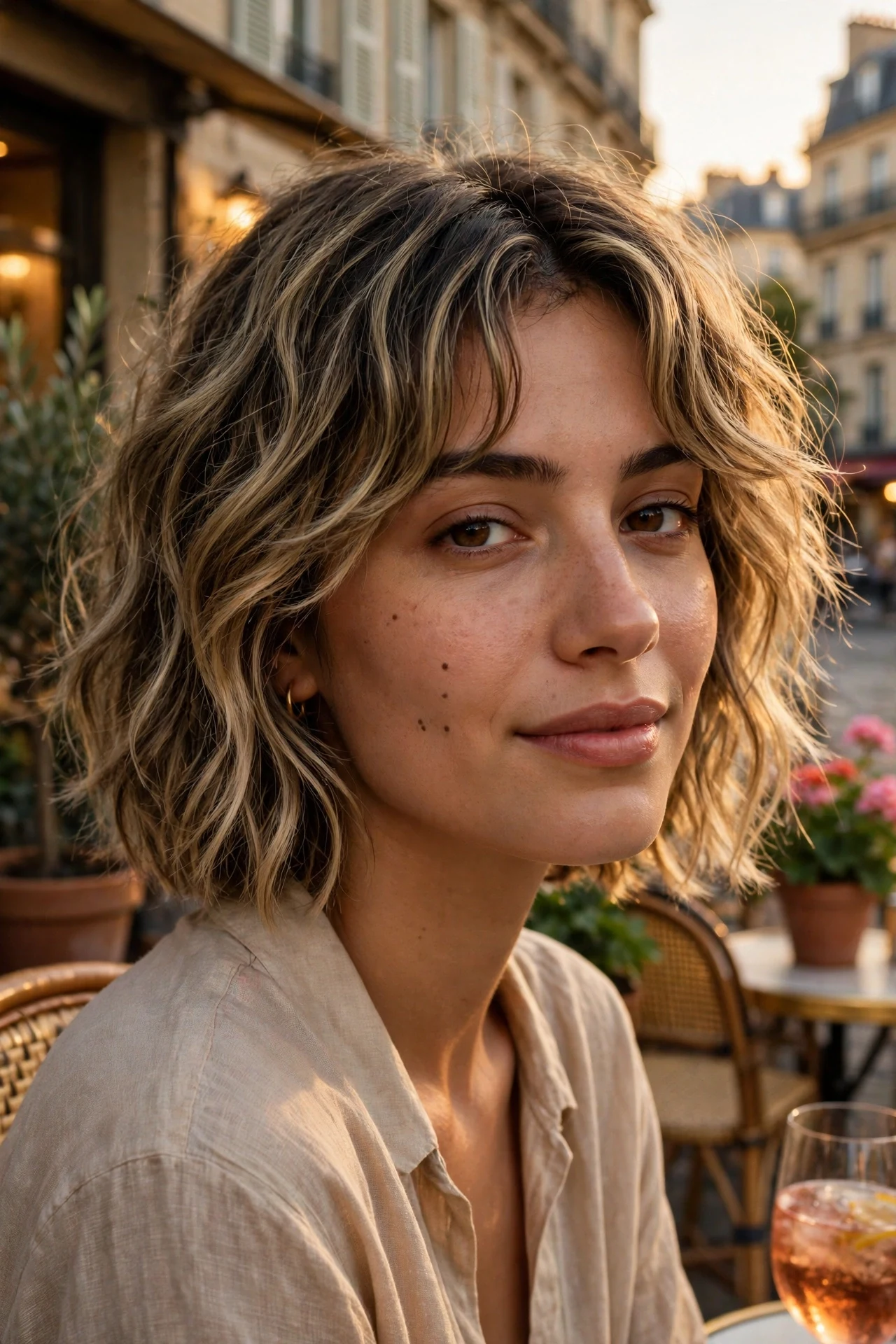
Curtain bangs meet the shaggy bob, and honestly it was always going to happen. The fringe parts softly in the middle and melts into face framing layers on both sides.
This one flatters heart shaped faces beautifully because the curtain shape softens a wider forehead. Wear it with a middle part for that effortless French girl framing.
4. Wolf Cut Hybrid
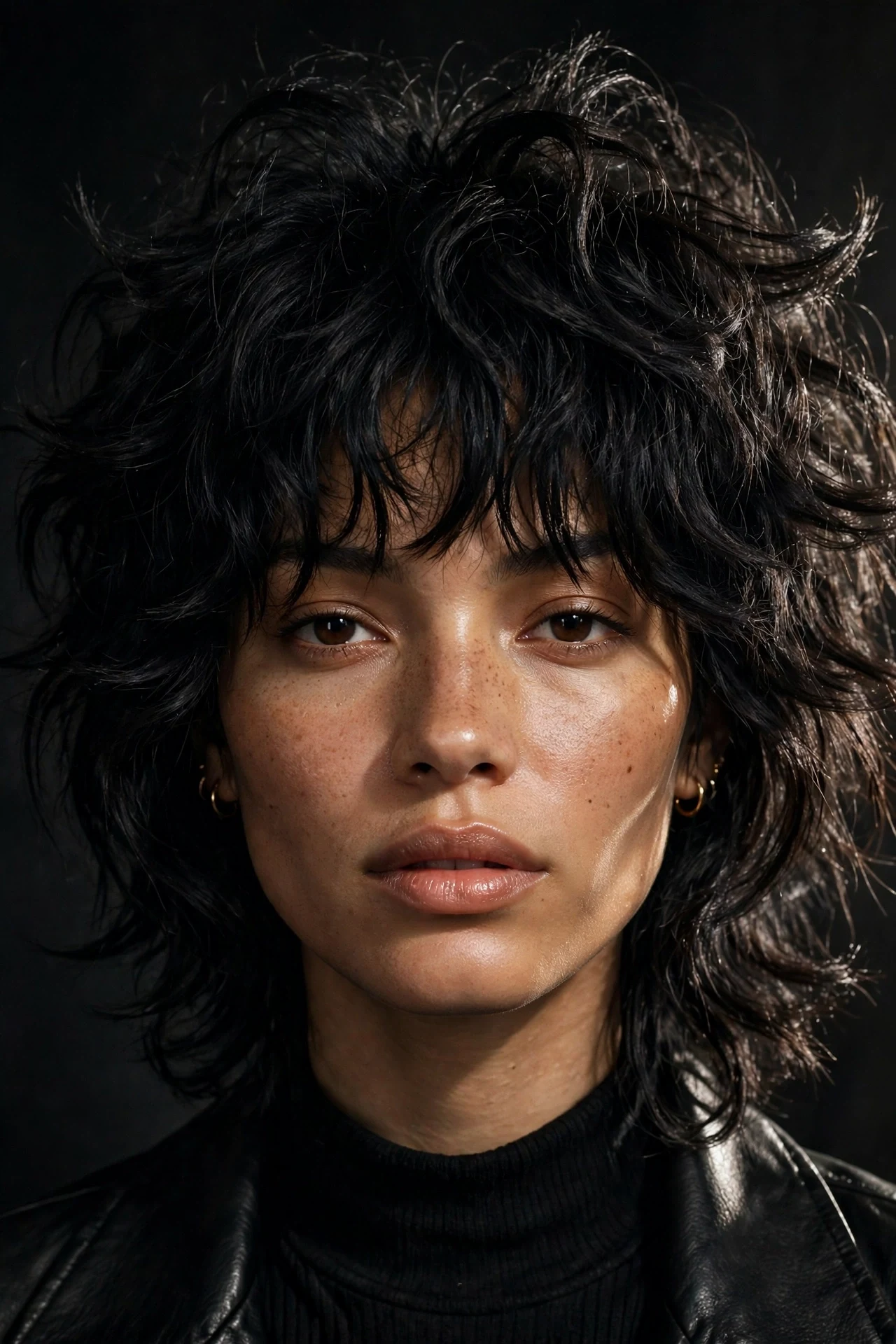
For the bold ones. The wolf cut hybrid keeps the short French bob length but adds those signature heavy crown layers and lots of texture on top. It is edgier and wilder than a traditional shaggy bob.
Styling is gloriously low effort. Tousle it with your fingers and go. This version looks best on women who like their hair with a little attitude.
5. Air Dried Shaggy Bob
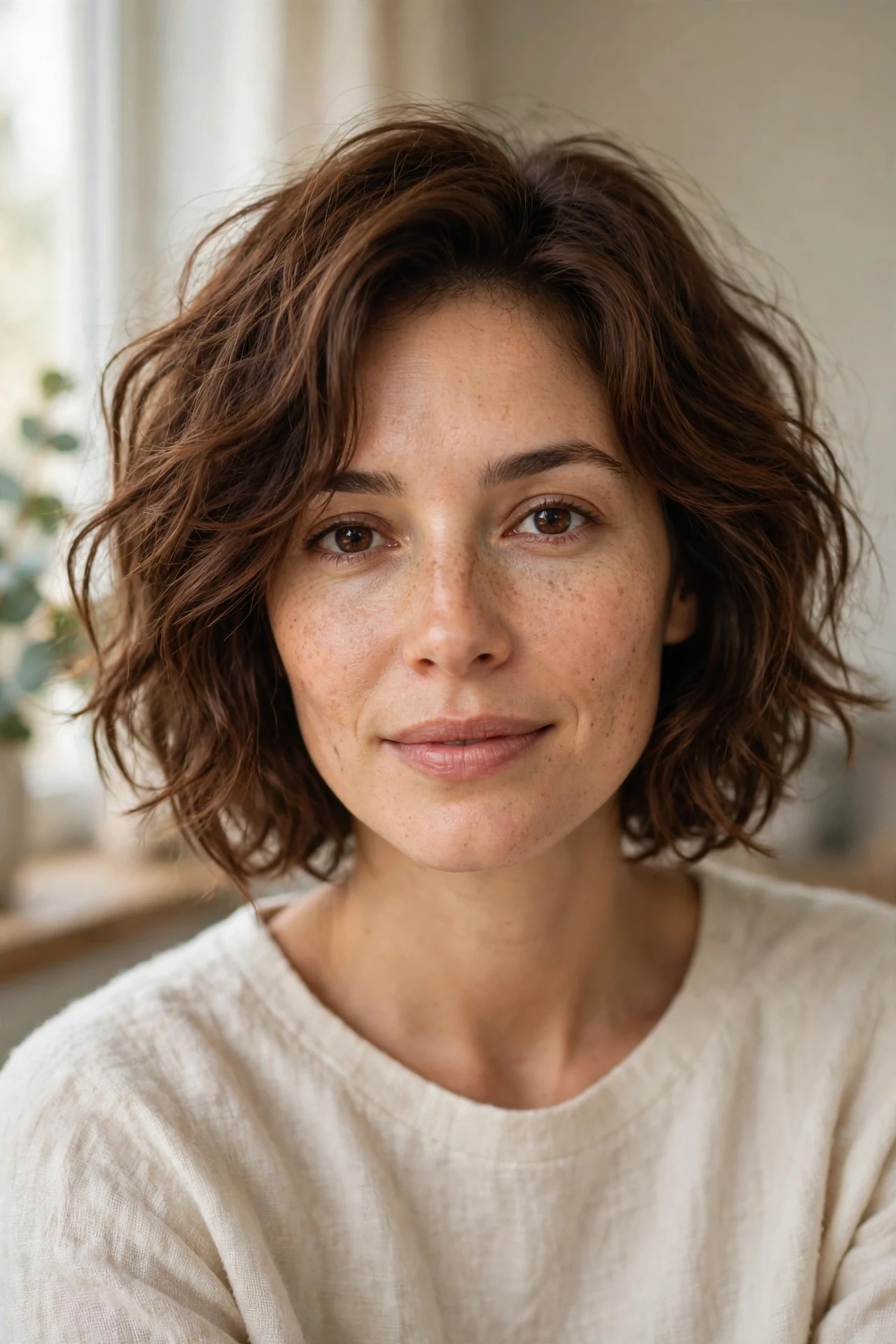
The ultimate wash and go. This shaggy french bob is cut specifically to work with your natural texture, so air drying is not just acceptable, it is the whole strategy.
The layers are placed so that damp hair falls into soft bends as it dries. Scrunch with a curl cream if you have wave, or just leave straight hair to do its thing.
Honestly, this is the version busy women end up loving most. Ten minutes from shower to out the door, and it looks like you tried much harder than you did.
6. Shaggy French Bob With Micro Fringe
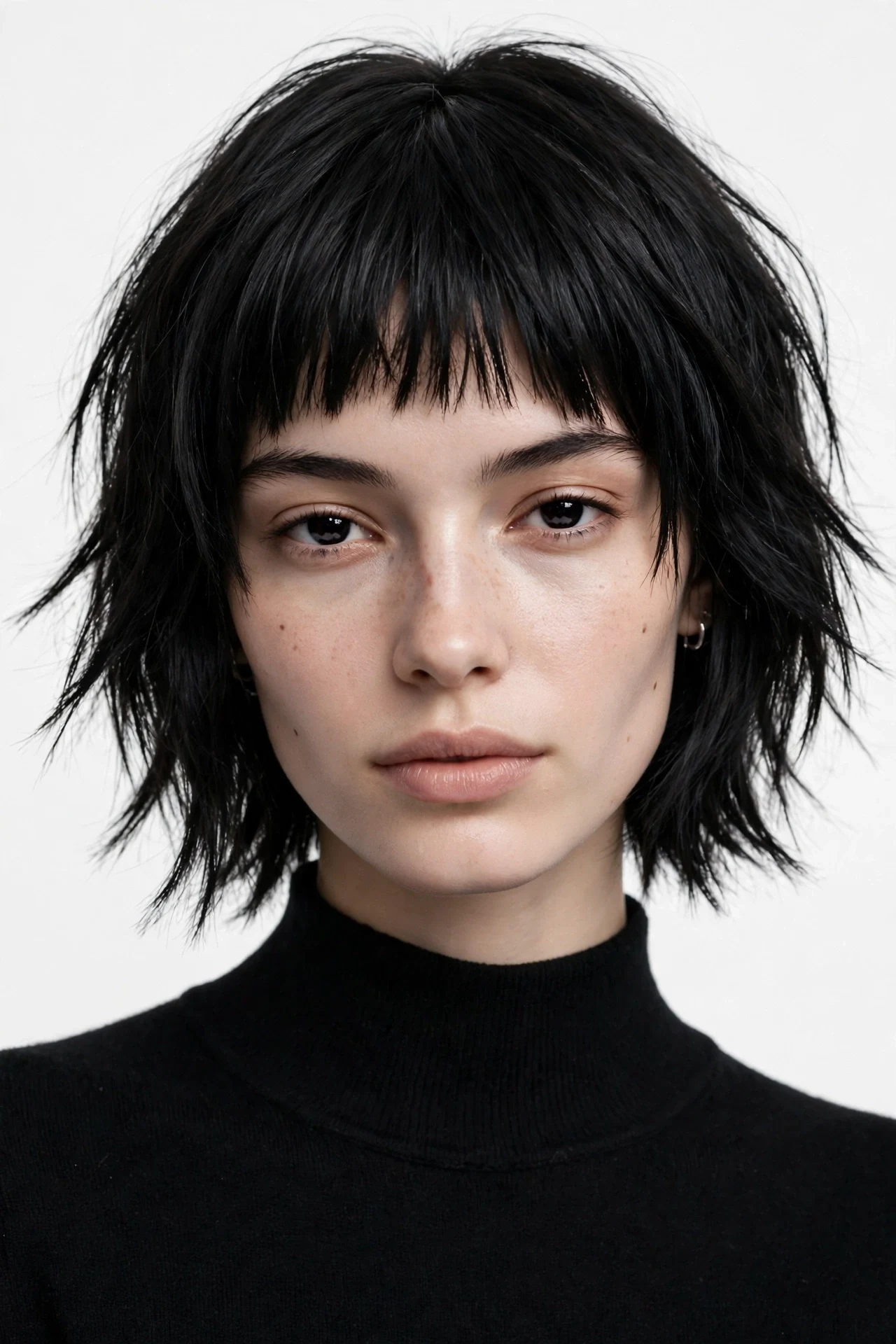
Tiny fringe, big personality. The micro fringe sits above the brow and gives the whole cut an editorial, fashion forward feel. The shaggy layers keep it from looking severe.
It draws all the attention to your eyes and brows. Grow out is surprisingly easy too, since the fringe just melts into curtain bangs within a few weeks.
7. Textured Shag for Fine Hair
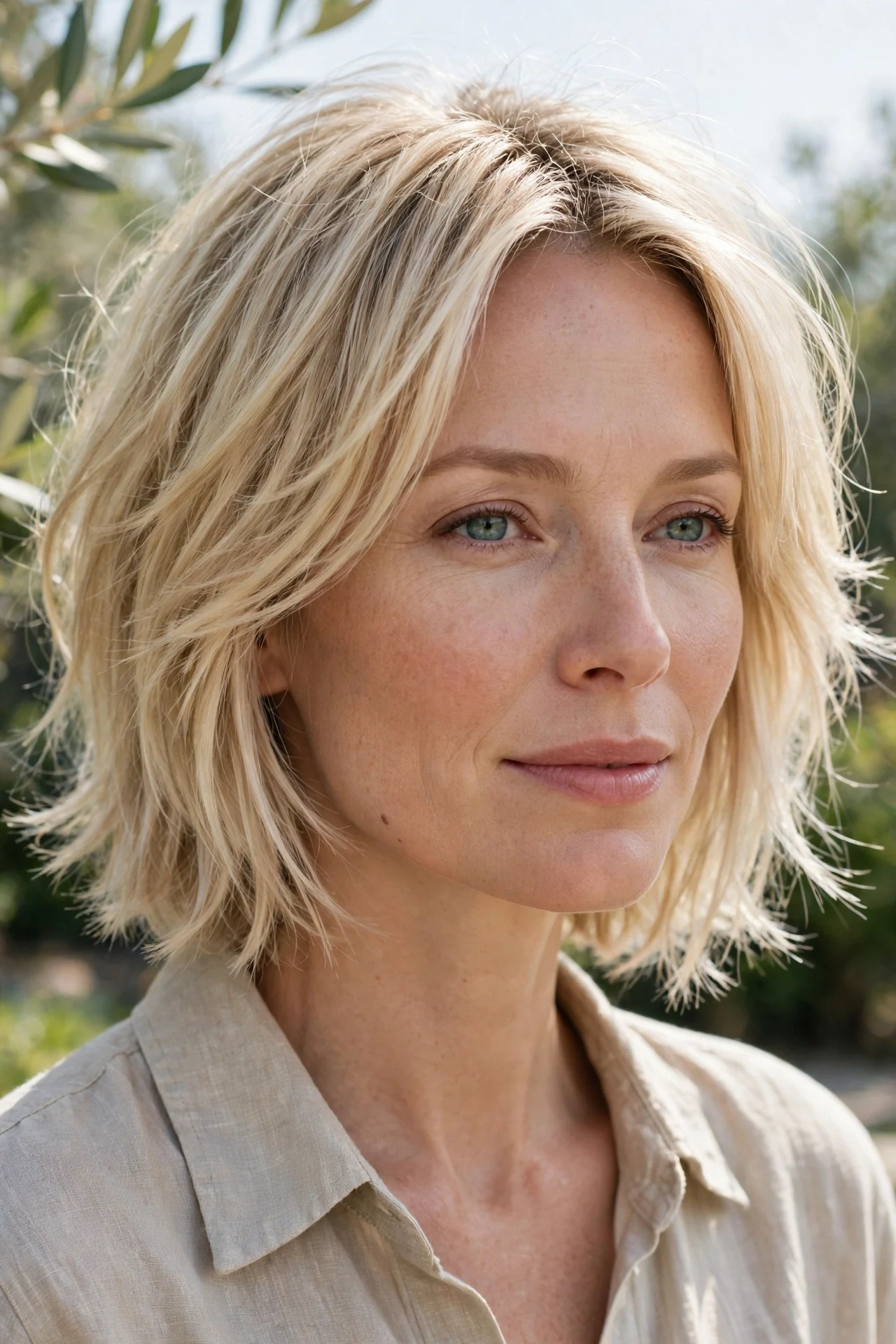
Fine hair and shaggy layers are better friends than people think. The trick is lighter layering through the top so you do not remove too much weight, with texture concentrated at the ends.
A volumizing powder at the roots gives the crown that little lift. The short length means your hair never gets dragged down, so it holds its shape all day.
8. The Copper Shag
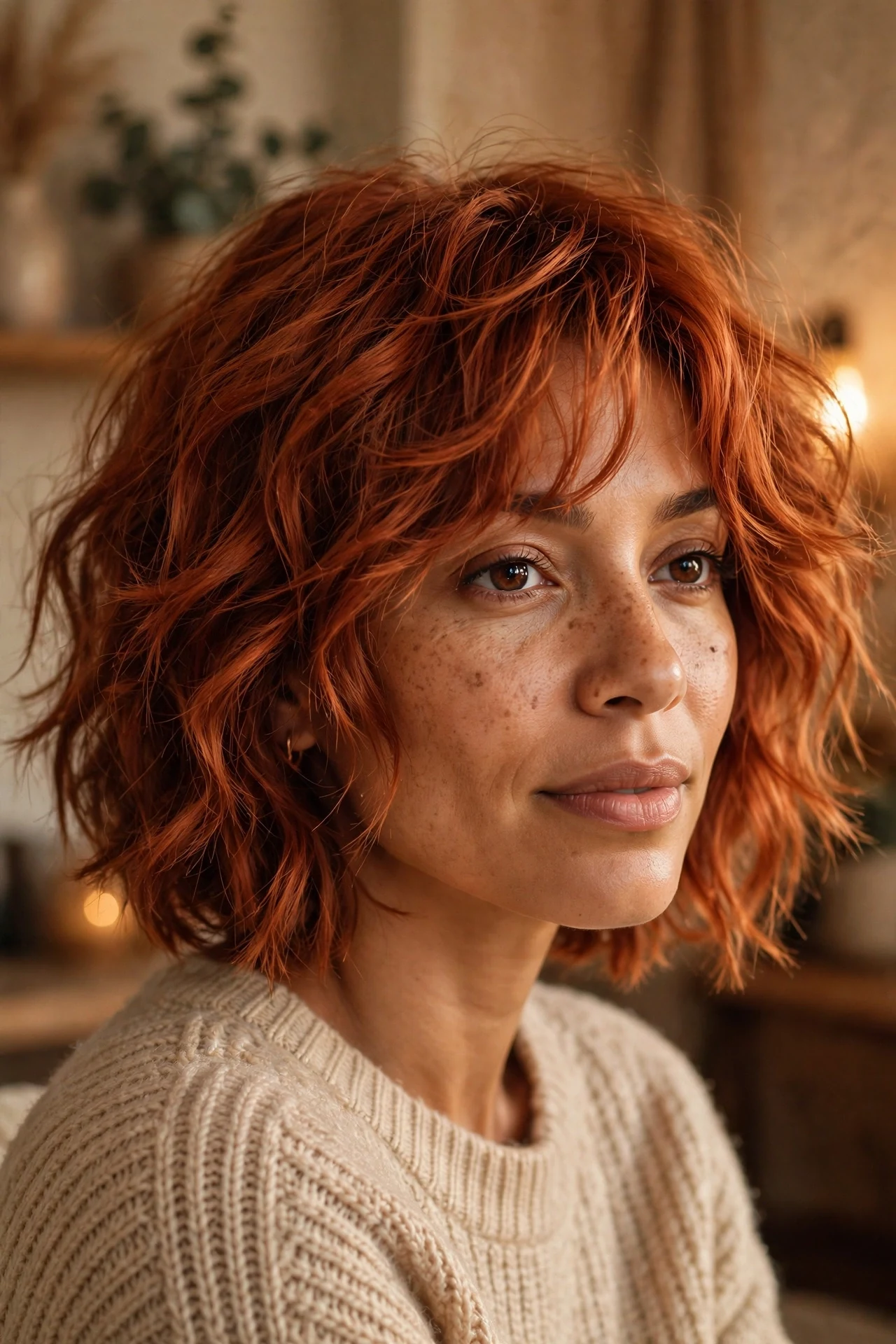
Color can take the shag to another level. This warm copper shade makes every layer pop, because the light catches each piece differently as the hair moves.
Copper suits warm and neutral skin tones especially well. Keep the color fresh with a color safe routine, and the cut itself stays gorgeous even as the shade softens.
9. Shaggy French Bob With Blonde Balayage
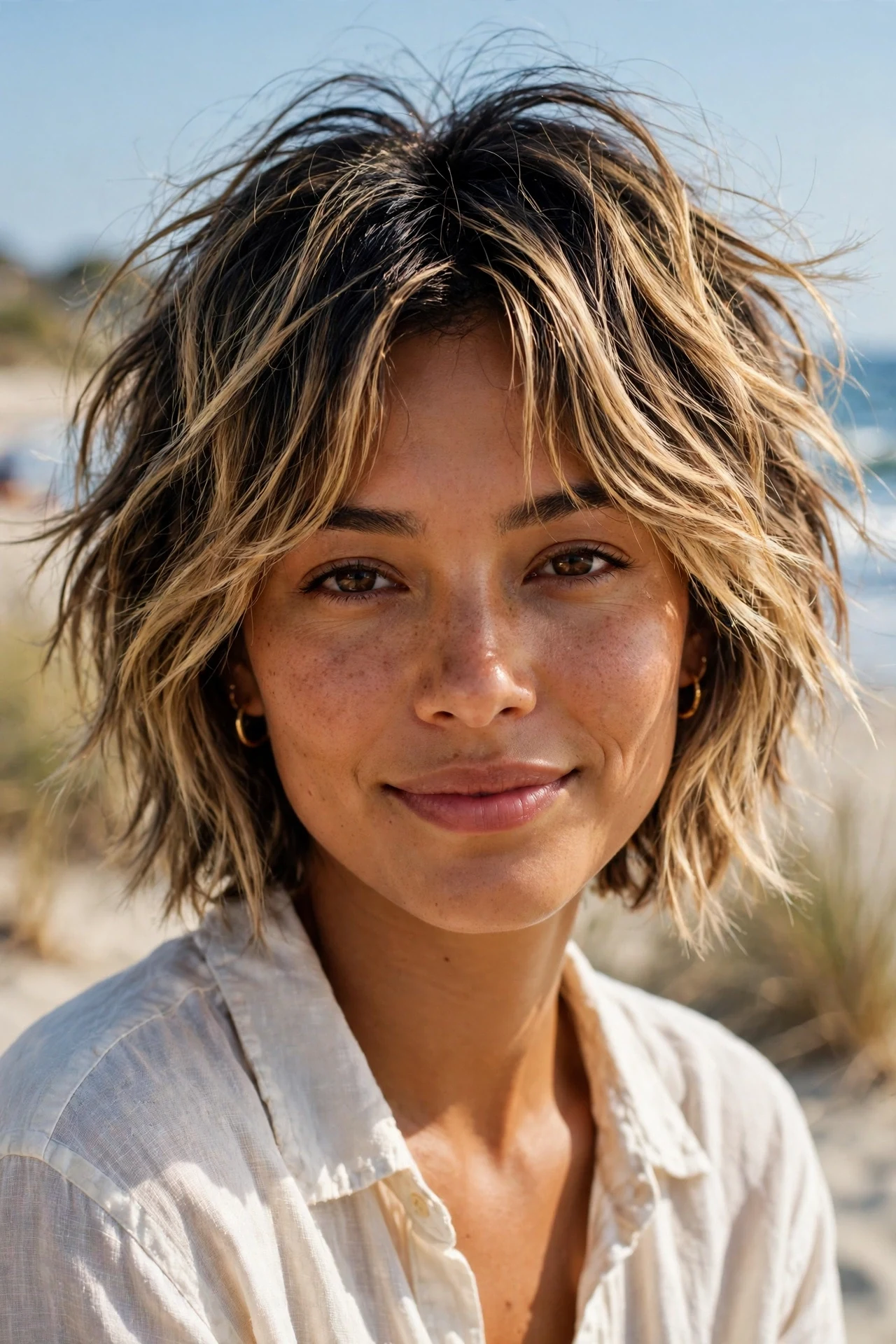
Balayage and shaggy layers are a dream team. The hand painted highlights sit right on the pieces of the shag, so the dimension looks completely natural instead of striped.
This is a great choice if you want brightness around the face without full blonde maintenance. The grow out is soft, which suits the lived in spirit of the cut.
10. The Glossy Brunette Shag
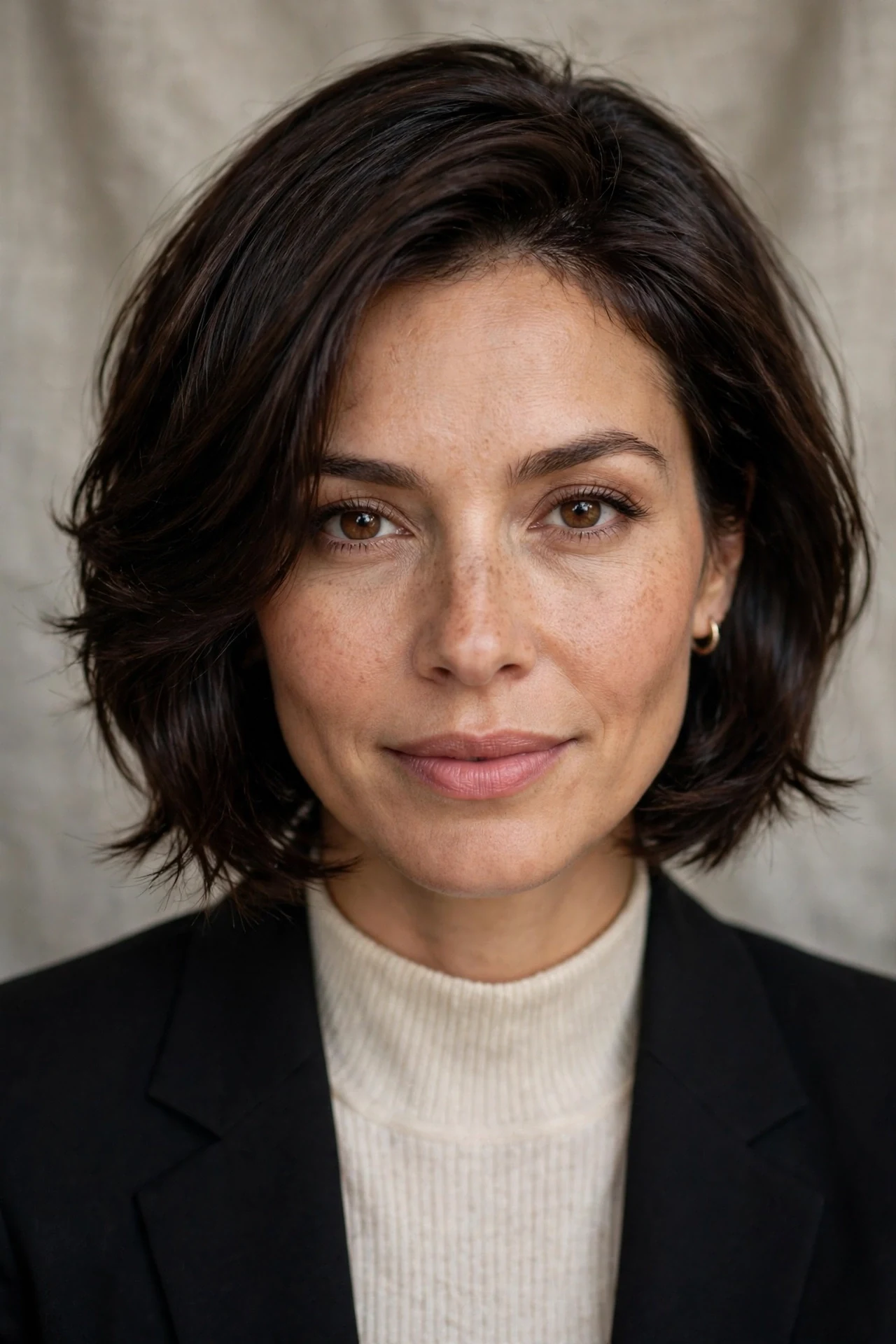
Proof that shaggy does not have to mean messy. This brunette version keeps the layered shape but styles it smoother, with a gloss that makes the whole cut look expensive.
A smoothing cream through the ends tames any flyaways while keeping the layers visible. It is the polished cousin of the air dried version, perfect for workdays.
The shine is doing a lot of the heavy lifting here, so a weekly gloss treatment or shine spray keeps it looking salon fresh between appointments.
11. Shaggy French Bob for Thick Hair
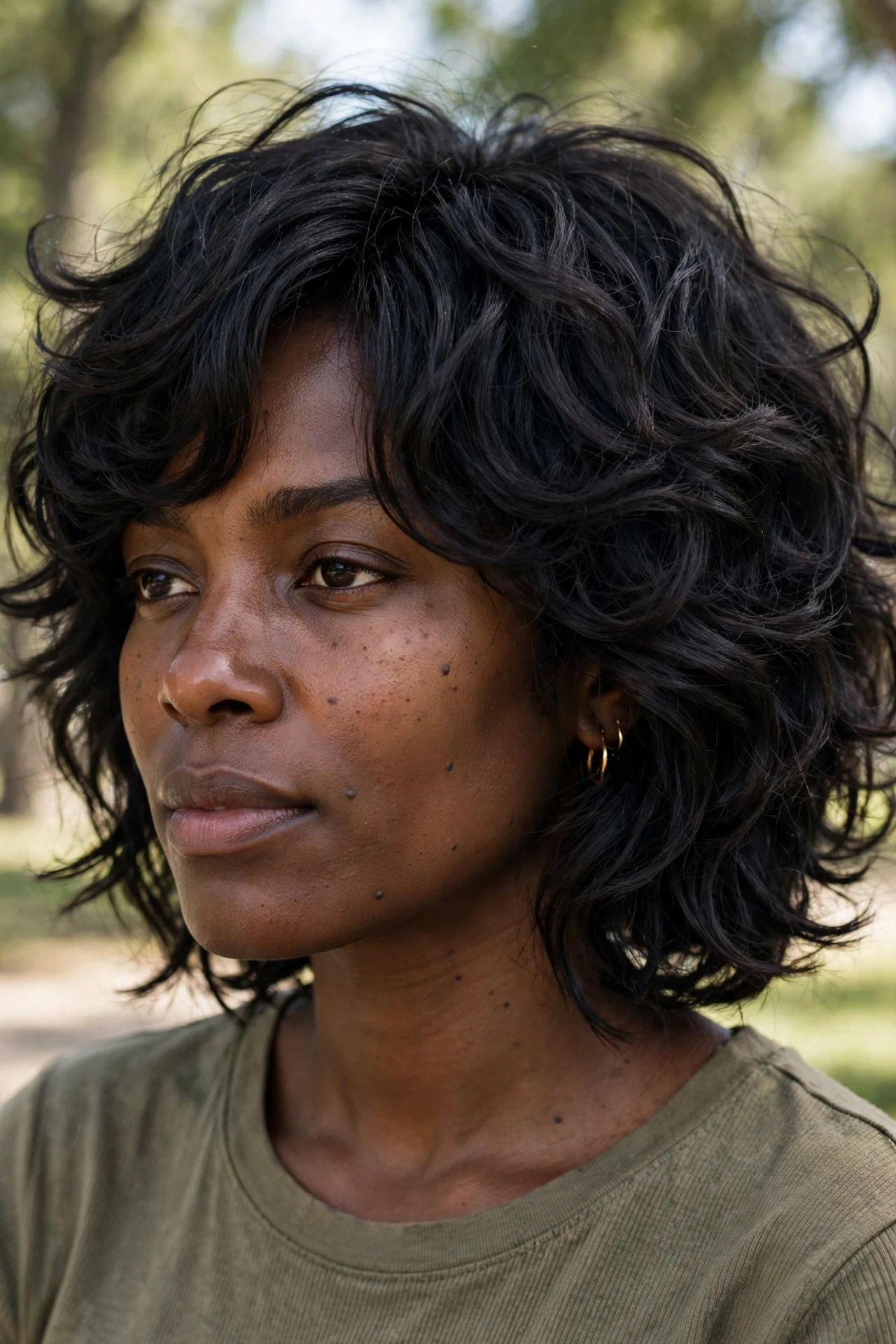
Thick hair finally gets a bob that works with its volume instead of fighting it. Deep interior layering takes out the bulk, so the cut sits close at the sides instead of puffing out.
Ask your stylist for shattered ends rather than a blunt baseline. You will leave the salon with movement instead of a triangle, and styling takes half the time.
12. The Curly Shaggy French Bob

Curls were made for this cut. The layers give each curl room to spring up, and the shorter length means the curls hold their shape instead of getting stretched out by weight.
Style it with curl cream on soaking wet hair, then diffuse or air dry. The fringe can be left curly too, which looks wonderfully soft around the face.
13. Shaggy Bob With Side Swept Fringe

Not everyone wants a straight across fringe, and this version gets it. A longer fringe sweeps across the forehead and blends into the layers at the cheekbone.
It is especially flattering on square faces because the diagonal line softens a strong jawline. A round brush and two minutes of blow drying is all the fringe needs.
14. The 70s Flip Shag

A little retro, a lot of fun. This version kicks the ends outward for that flicky 70s silhouette, and the shaggy layers make the flip look modern instead of costume.
Bend just the last inch of hair outward with a flat iron, then break it up with your fingers. Too perfect looks dated, but tousled flicks look cool and current.
15. Shaggy French Bob Over 50

Age is no barrier to this cut. In fact, the movement and softness of the shaggy french bob are incredibly flattering on women over 50, because the texture adds life around the face.
The layers create the illusion of fullness, which is lovely if hair has thinned a little. It is youthful without trying to look young, which is exactly the right balance.
16. The Lived In Platinum Shag
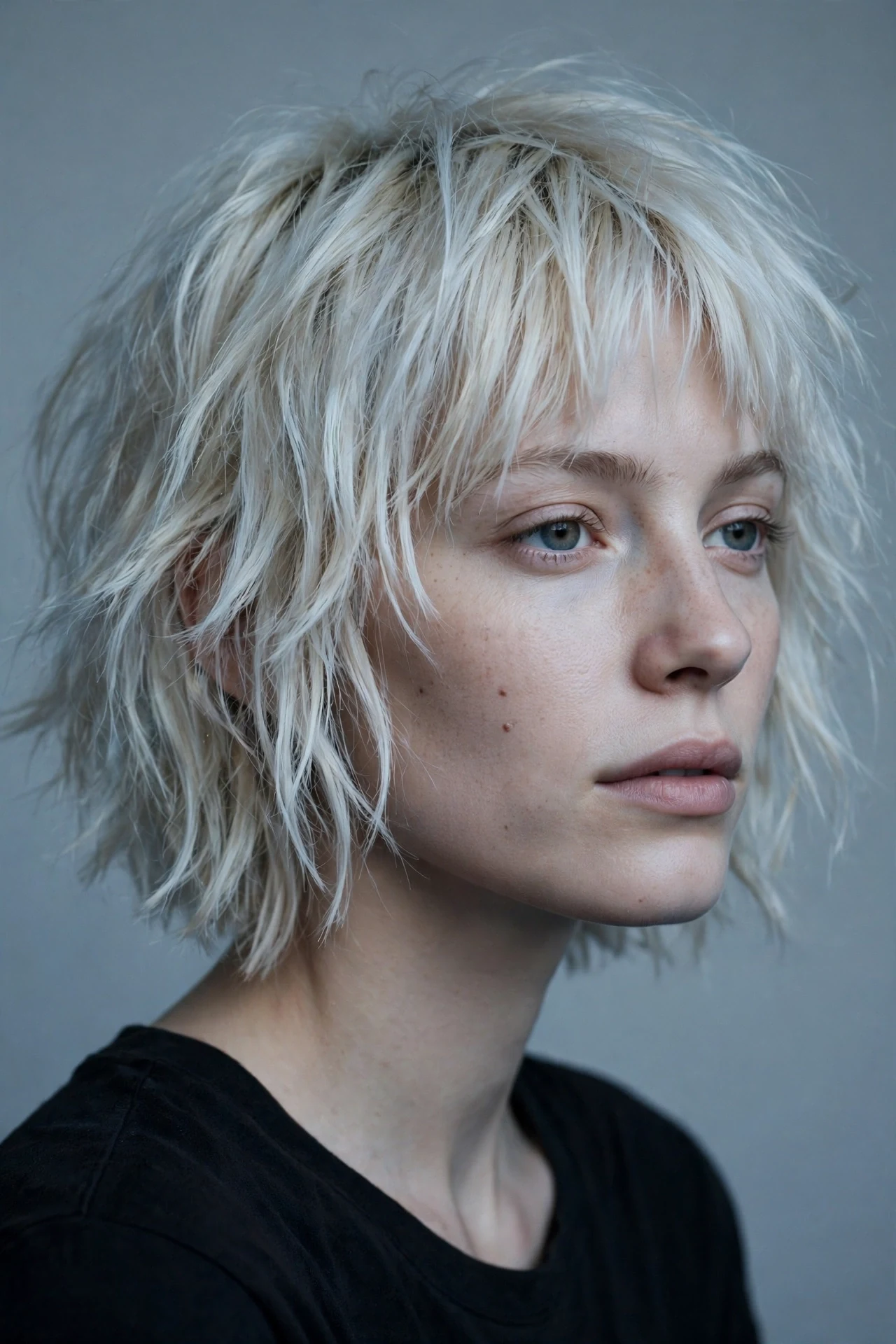
Platinum and shaggy texture together look effortlessly cool. The pale shade shows off every layer and piece, and the lived in styling keeps it from looking too done.
Keep brassiness away with a purple shampoo once a week. The cut itself is forgiving as it grows, so you can stretch salon visits a little longer.
17. Shaggy French Bob vs Regular French Bob: What Is Actually Different
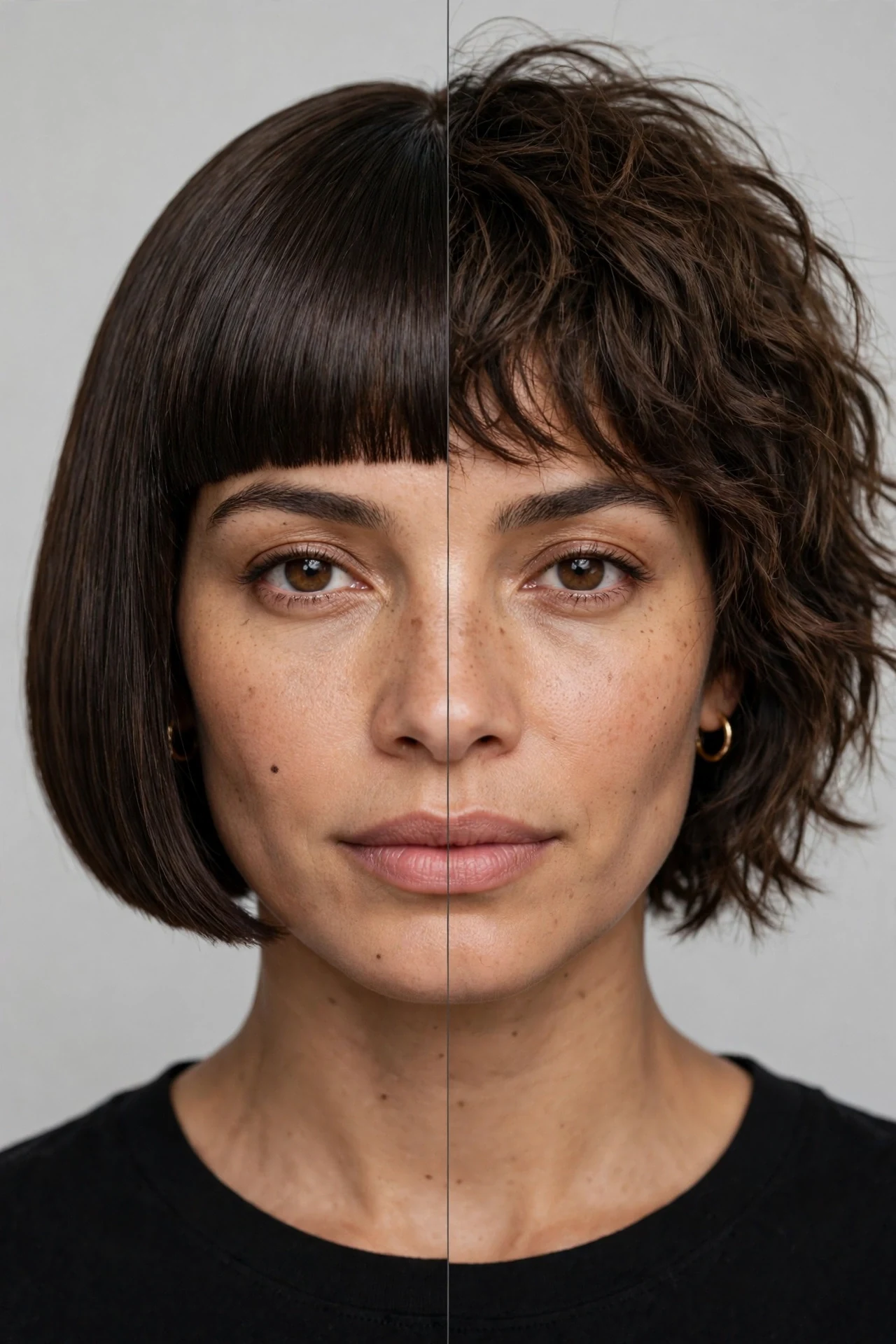
Let us clear this up, because the two cuts get confused constantly. A classic French bob is blunt, clean, and polished, usually with a straight fringe and a sharp baseline that sits at the chin.
The shaggy version keeps the same flattering length but rebuilds the inside. Layers are cut throughout, the ends are shattered or razored instead of blunt, and the fringe is piecey. The cutting technique often uses a razor or point cutting to soften everything. Same silhouette, completely different energy.
18. Who Suits the Shaggy French Bob (and Who Should Skip It)

The honest answer is that most people can wear it, with small adjustments. Oval faces suit every version. Round faces do best with volume on top and tapered ends rather than width at the cheeks. Heart shaped faces love the curtain bang version.
Hair type matters more than face shape. Wavy and curly textures are the easiest match. Straight hair works too, it just needs a little texture product. Very fine hair needs a lighter hand with the layers so the ends do not look sparse. If you hate styling entirely and want a cut that looks sharp with zero effort, the classic blunt French bob might serve you better.
19. The Shaggy Styling Routine: A Simple 5 Minute Method
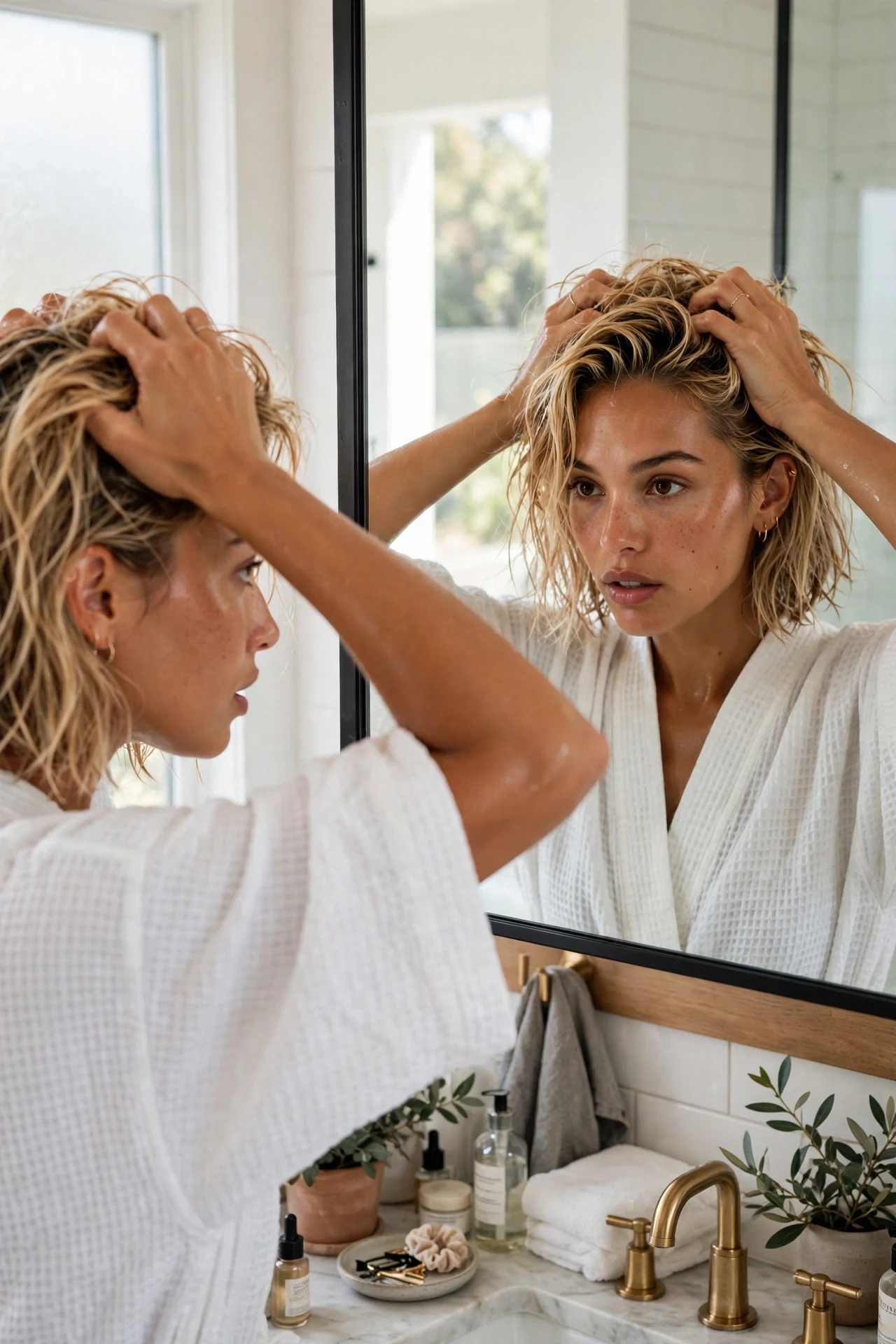
Here is the routine that makes this cut look like the photos. Start with damp hair and work a golf ball of volumizing mousse through the roots. Scrunch a pea sized amount of styling cream through the mid lengths and ends.
Now the key part: shake your head, let the layers fall where they want, and do not overthink it. Diffuse for two minutes if you want more definition, or just air dry. Finish with a light mist of texturizing spray, and break up the ends with your fingers. That is it. Five minutes, done.
20. How to Ask Your Stylist for It (and the Grow Out Plan)
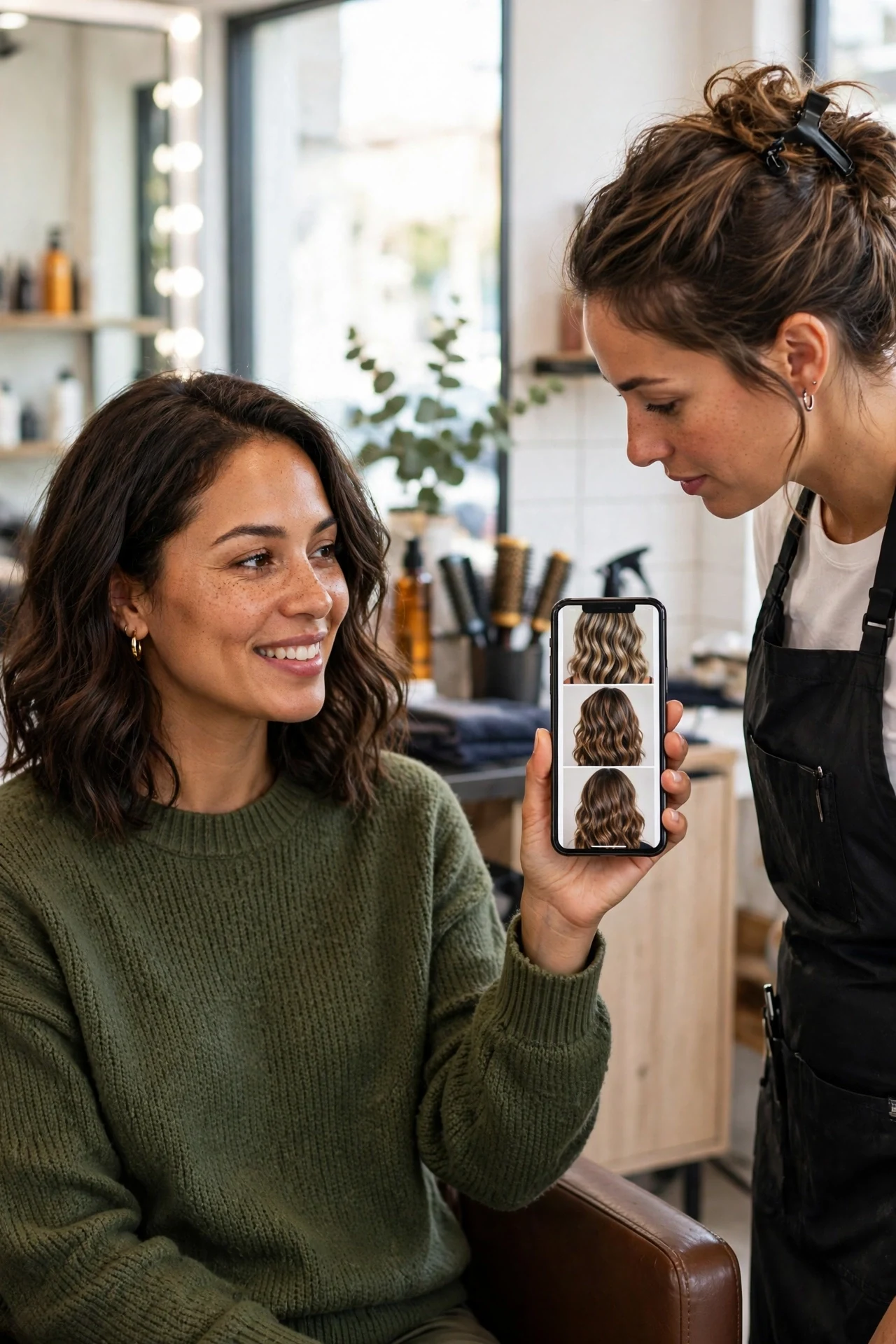
Walk in with photos. This is the single most important tip, because shaggy means different things to different stylists. Bring three pictures that show the texture level you want, and point out the fringe shape too.
Ask for chin length with shattered, textured ends and soft interior layers. Mention whether you want razor cutting for extra softness. Book a trim every six to eight weeks to keep the shape, though the good news is this cut grows out gracefully. The layers just get longer and softer, and many women find the in between stage looks even better. Explore our ultimate guide to bob hair trends for more inspiration.
Frequently Asked Questions
What is a shaggy french bob?
A shaggy french bob is a chin length bob that combines the classic French bob shape with shag haircut techniques. Instead of blunt ends and a clean baseline, it has textured layers throughout, shattered ends, and a piecey fringe. The result is softer, more relaxed, and full of movement compared to the polished classic version.
Is the shaggy french bob good for fine hair?
It can be, with the right approach. The short length stops fine hair from being weighed down, which helps it hold volume. The key is lighter layering through the top so the ends do not look thin. A volumizing mousse at the roots and a texturizing spray on the ends will make fine hair look noticeably fuller in this cut.
What is the difference between a shaggy bob and a shaggy french bob?
The main difference is length and fringe. A shaggy bob can sit anywhere from the jaw to the shoulders and often has no bangs at all. The shaggy french bob is specifically short, usually chin length or just below the cheekbone, and almost always includes a fringe, often a brow grazing or curtain style. The French version is also a bit more polished in shape, even with the shaggy texture.
How do I style a shaggy french bob without heat?
This cut was made for heat free styling. Apply mousse to damp roots and a styling cream through the lengths, scrunch well, and let it air dry. If your hair is straight, a sea salt spray adds that purposeful messiness while it dries. For wavy or curly hair, this routine alone usually creates the perfect lived in texture with no tools at all.
How often does a shaggy french bob need trimming?
Every six to eight weeks keeps the shape at its best, especially the fringe. The good news is that this is one of the most forgiving cuts as it grows out. The layers soften and the length drops toward a shaggy lob, which many women enjoy just as much. So if you stretch to ten weeks, your hair still looks intentional.
Can I get a shaggy french bob with straight hair?
Absolutely. Straight hair shows off the choppy texture beautifully, and the cut gives straight hair movement it would not otherwise have. You will just need a little help from products. A texturizing spray or a light wax on dry hair creates the piecey separation that wavy hair gets naturally. A quick bend of the ends with a flat iron adds even more life on days you want extra polish.
Sana Malik is a hair and beauty writer with a deep love for the bob in all its forms from sharp French bobs to soft, lived-in lobs. After years of experimenting with her own short hair and helping friends figure out what actually suits their face shape, she started writing to cut through the confusing advice out there. At BobHairTrends, she breaks down each cut into simple, honest guides: how to ask for it, how to style it at home, and who it really flatters. When she isn’t researching the latest trends, she’s usually testing a new styling product or convincing someone it’s finally time for the chop.