 Skip to content
Discover why The Classic Bob is the #1 haircut trend of 2026. From razor-sharp cuts to face-framing styles, find the perfect look for your face shape in this ultimate guide.
The Little Black Dress of Haircuts
Some things never go out of style: a red lip, a well-fitted blazer, and The Classic Bob.
While hair trends come and go (remember the mullet?), the classic bob has remained the ultimate symbol of chic sophistication for over a century. From the rebellious flappers of the 1920s to the power women of the 90s, this cut has defined generations.
If you are looking for a hairstyle that is polished, professional, yet undeniably stylish, the Classic Bob is your answer. In this guide, we dive deep into what defines this iconic cut and how to wear it in 2026.
Table of Contents
What Exactly is a “Classic Bob”?
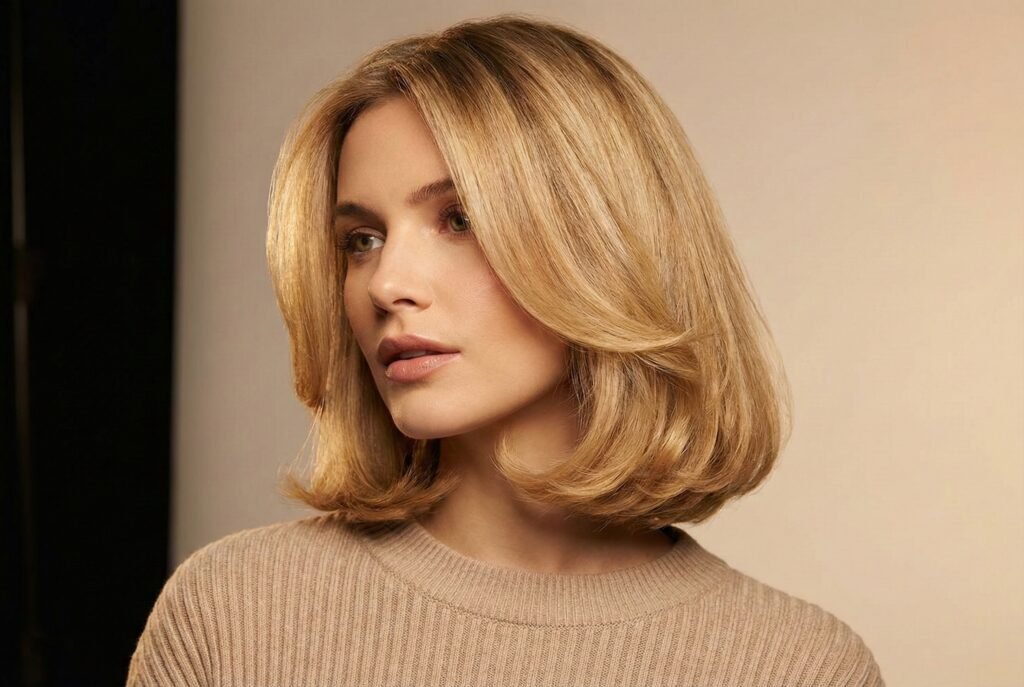
In a world full of “lobs,” “shags,” and “choppy layers,” it can be hard to define the original.
A Classic Bob is traditionally a one-length cut that sits anywhere between the jawline and the chin. Unlike modern variations, it does not feature heavy layering or texturizing. The defining characteristic is its sharp, clean perimeter. It is weighty, blunt, and typically styled to curve slightly inward at the ends.
Why it works:
- It creates density: The blunt line makes fine hair look instantly thicker.
- It frames the face: The length draws attention to the jawline and cheekbones.
- It’s versatile: It looks just as good with a T-shirt and jeans as it does with an evening gown.
Top 3 Ways to Wear the Classic Bob Today
Even though it’s “classic,” it doesn’t have to look old-fashioned. Here is how modern stylists are cutting the classic bob this year.
1. The Razor-Sharp Blunt Bob
This is the high-fashion version. The hair is cut with laser precision, creating a straight, horizontal line. There is no softness at the bottom—it is bold and graphic.
- Best For: Straight, fine, or glass-like hair textures.
- Style Tip: Use a flat iron and a high-shine serum to emphasize the sharp line.
2. The 90s Beveled Bob

Think of the supermodels of the 1990s. This version is slightly softer. While it is still one length, the stylist creates subtle internal layering so the hair naturally tucks under at the chin. It has more bounce and movement than the razor-sharp version.
- Best For: Thick hair that needs a bit of weight removal to sit correctly.
3. The Tucked-Behind-The-Ear Bob
This is the “cool girl” way to wear a classic bob. It’s cut slightly shorter in the back and just long enough in the front to tuck behind the ears. It opens up the face and looks effortless.
Will a Classic Bob Suit My Face Shape?
The short answer is YES, but the length matters.
- Round Faces: Avoid a bob that stops exactly at the widest part of your cheeks. Instead, opt for a length that hits slightly below the chin to elongate your face.
- Square Faces: A classic blunt bob can look very striking on a square jaw, but if you want to soften your features, ask your stylist to “shatter” the ends slightly so the line isn’t too severe.
- Heart-Shaped Faces: This cut was made for you. A chin-length classic bob balances a wider forehead and draws eyes to the jawline.
- Oval Faces: You can pull off any length, from a lip-length micro bob to a longer chin-grazing cut.
Maintenance: Keeping it Sharp
The beauty of a classic bob lies in its precision. To keep it looking expensive, you need to maintain that line.
- The Trim Schedule: Unlike layered cuts that grow out seamlessly, a classic bob loses its shape quickly. Plan for a trim every 6 weeks.
- Glossing Treatments: Because this cut relies on a smooth surface, dull hair is more noticeable. Ask your stylist for a clear gloss treatment to keep it reflective.
- The “No-Frizz” Rule: Flyaways can ruin the sleek silhouette. Invest in a good anti-humidity spray or a lightweight finishing oil.
Conclusion: Is The Classic Bob Your Next Look?
As we navigate the ever-changing world of hair trends, one thing remains certain: The Classic Bob is not going anywhere. It is the perfect balance of sophistication and edge, proving that you don’t need long layers to make a powerful statement.
Whether you opt for the razor-sharp precision of a blunt cut or the soft elegance of a 90s bevel, choosing The iconic look ensures you look effortlessly chic in 2026. It adapts to your face shape, works with your texture, and saves you styling time every morning.
FAQs:
Will The Classic Bob suit my face shape?
Yes, The Classic Bob is incredibly versatile. While it looks iconic on oval and heart-shaped faces, it can be customized for anyone. If you have a round face, ask for a length slightly below the chin to elongate your features. For square faces, soft texturing at the ends can prevent the look from being too severe.
Is The Classic Bob good for fine or thin hair?
Absolutely. In fact, it is often the best choice for fine hair. Because The Classic Bob is typically cut with a blunt perimeter (straight line), it creates a strong weight line that makes thin hair appear significantly thicker and fuller instantly.
What is the difference between a French Bob and The Classic Bob?
The main difference is the length and texture. The Classic Bob is usually chin-length, polished, and precise. A French Bob is typically shorter (lip-length), often paired with bangs, and styled with a messier, more organic texture.
How often do I need to trim The Classic Bob?
To maintain that sharp, “expensive” look, this cut requires regular maintenance. We recommend booking a trim every 6 to 8 weeks. Since the hairline at the neck grows out visibly fast, delaying trims can make the shape look heavy and unkempt.
How do I stop my bob from flipping out at the ends?
This is a common issue with The Classic Bob. To get that sleek, tucked-under look, use a round brush while blow-drying damp hair. If you have a stubborn wave, a flat iron used with a slight inward curve at the ends will lock the shape in place.
