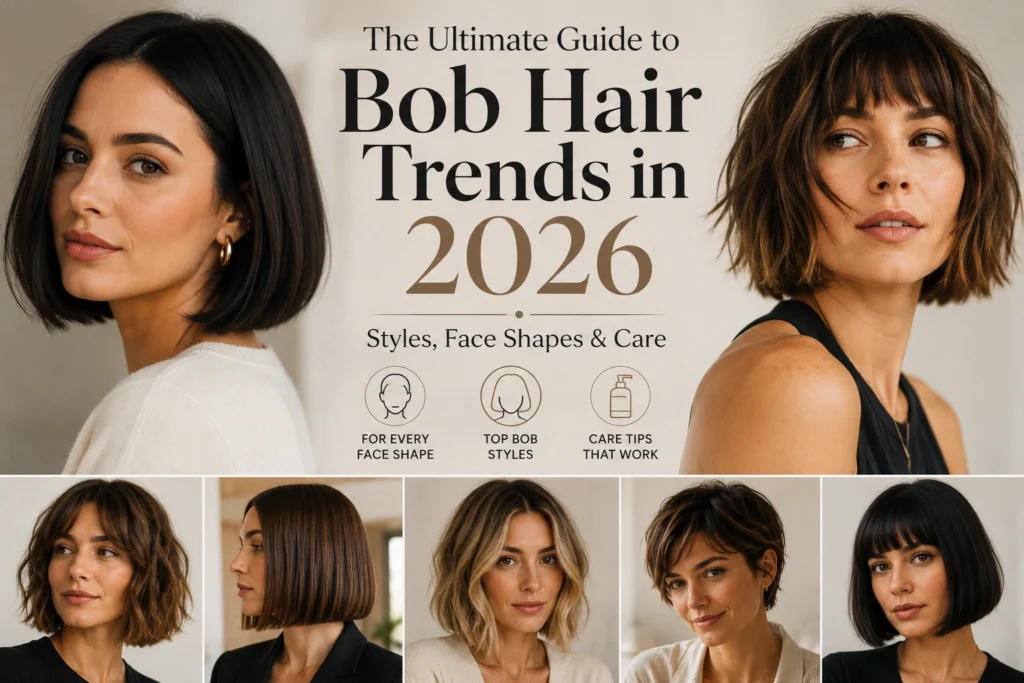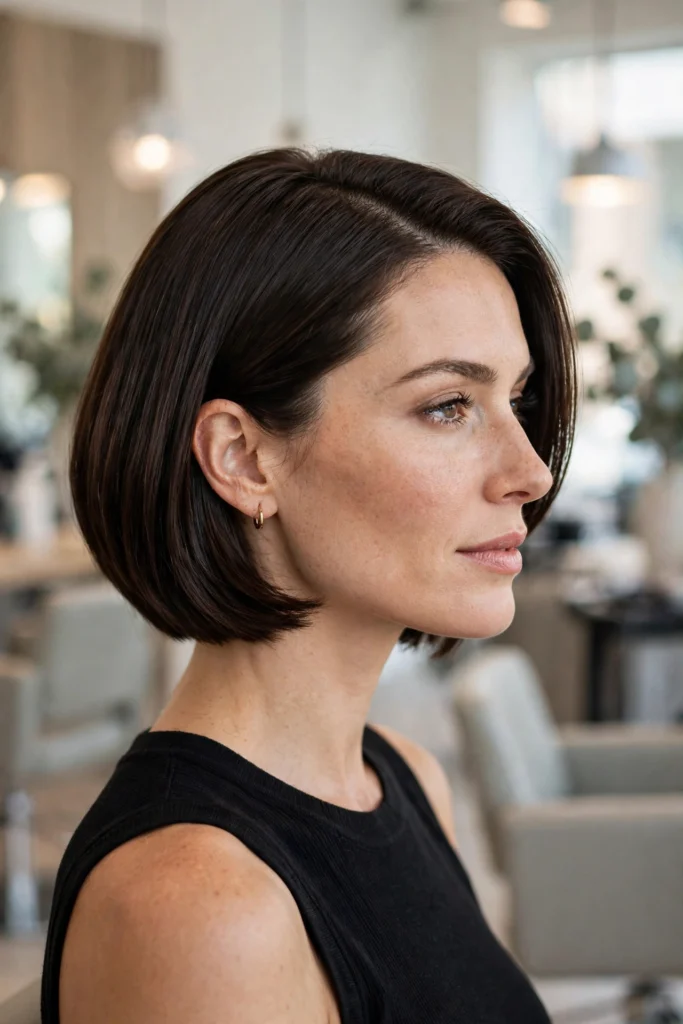
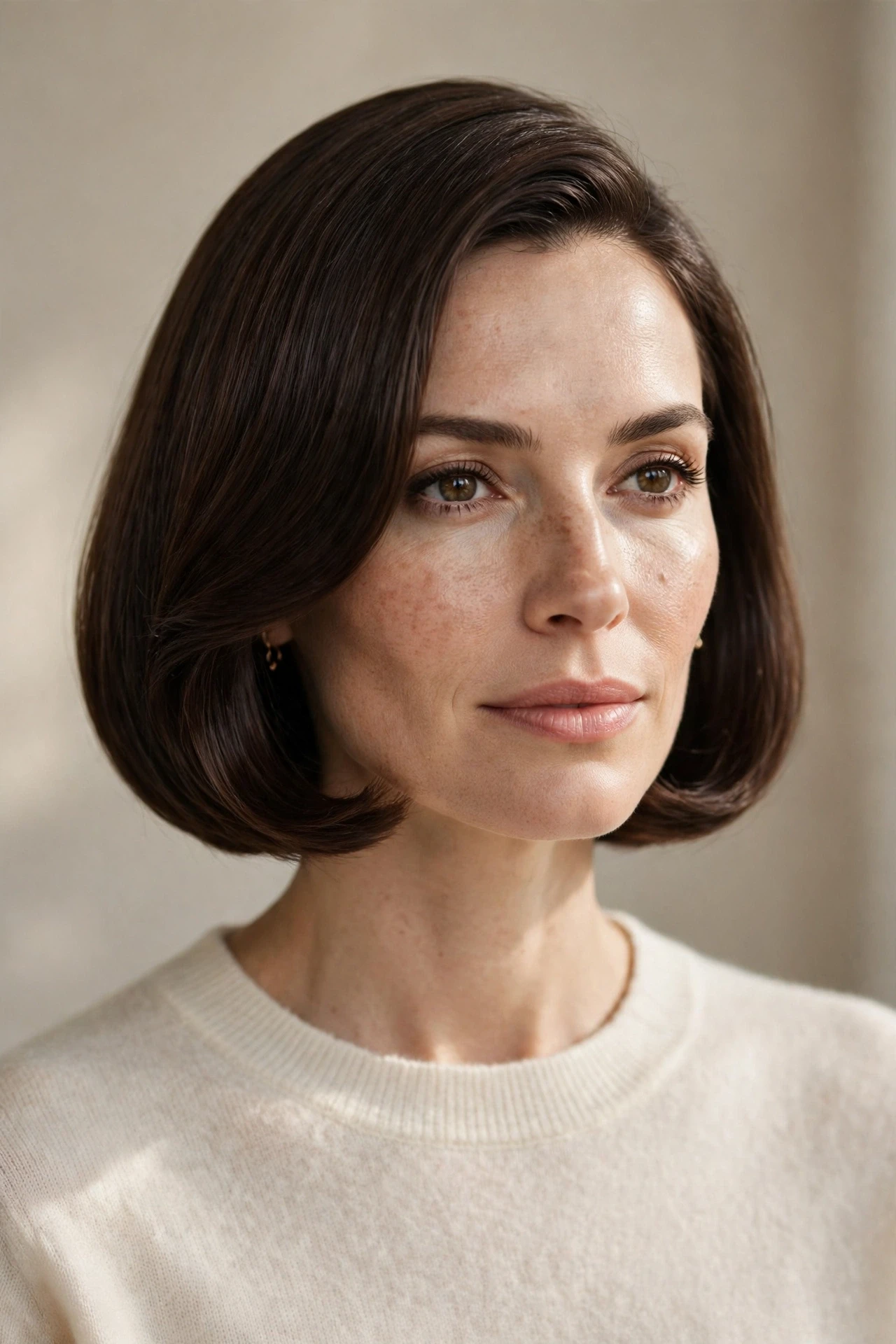
An old money bob haircut is not about looking trendy. It is about looking like you have always had beautiful hair, like good lighting and good genes simply follow you around. The cut is polished, the finish is glossy, and nothing about it shouts for attention. That quiet confidence is exactly why it photographs so well and why it never dates.
Old money style is built on restraint. You will not find harsh lines, neon color, or fussy texture here. Instead, you get a clean shape, soft movement, and shine that looks expensive because the hair underneath is genuinely healthy. Below you will find 20 ways to wear it, plus the styling, maintenance, and salon tips that keep the look believable day after day.
- An old money bob is polished, understated, and glossy, with minimal layers and a clean outline.
- Most versions sit at the chin or just below it, with ends curved softly inward.
- A bouncy blowout, not heavy product, is what gives this cut its expensive finish.
- Regular trims and gloss treatments matter more than any styling gadget.
- The same cut works for fine, thick, wavy, and curly hair when the shape is adjusted to your texture.
Sleek Chin-Length Old Money Bob
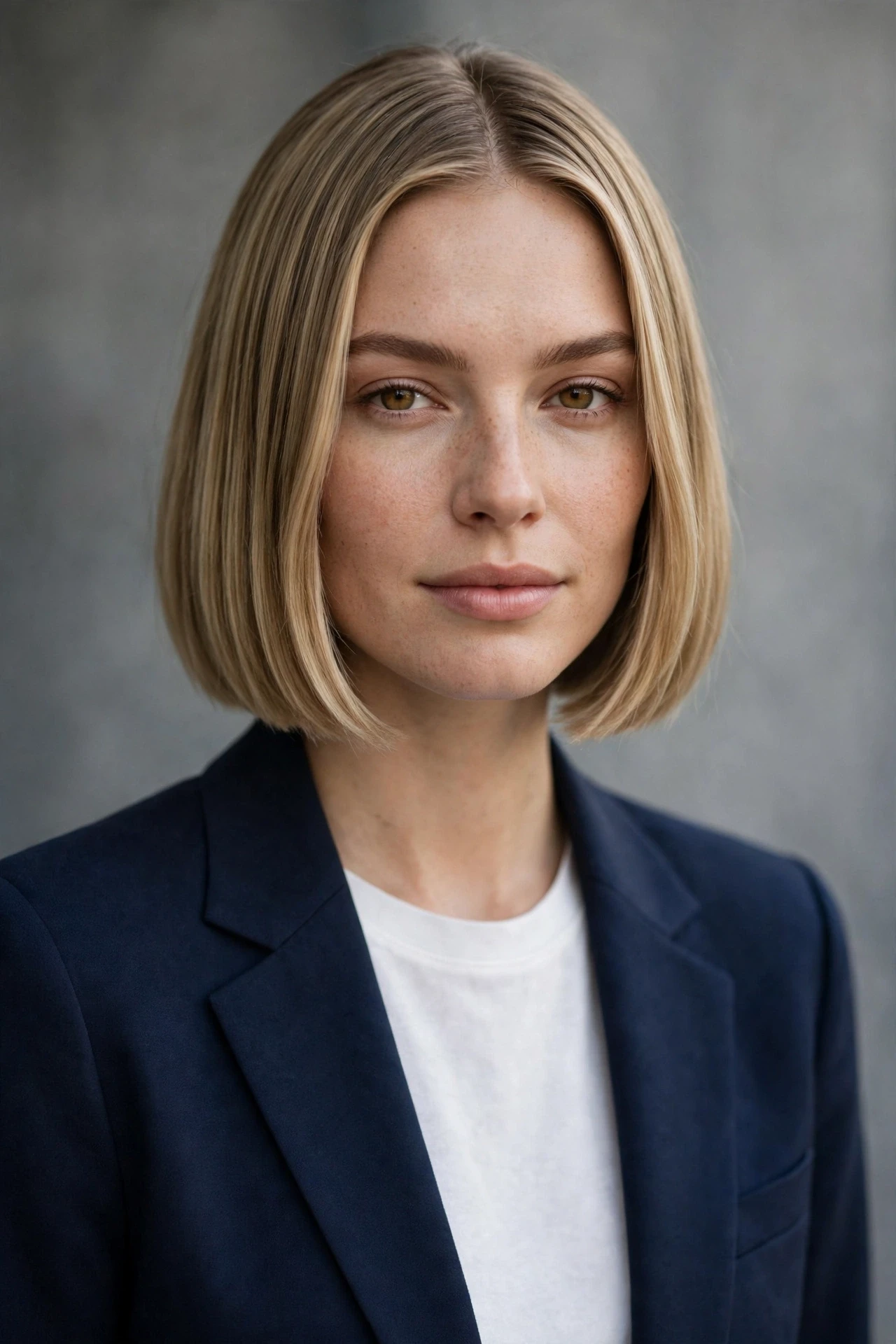
This is the purest version of the look. Hair ends right at the chin, the surface is smooth, and the part is clean. There is nowhere to hide with a cut this simple, which is why it reads as so confident.
Ask your stylist for a blunt perimeter with almost no layering. At home, blow dry section by section with a paddle brush, then pass a flat iron lightly over the ends only. The goal is movement at the root and calm at the ends, never flat all over.
Polished Lob-Length Old Money Bob
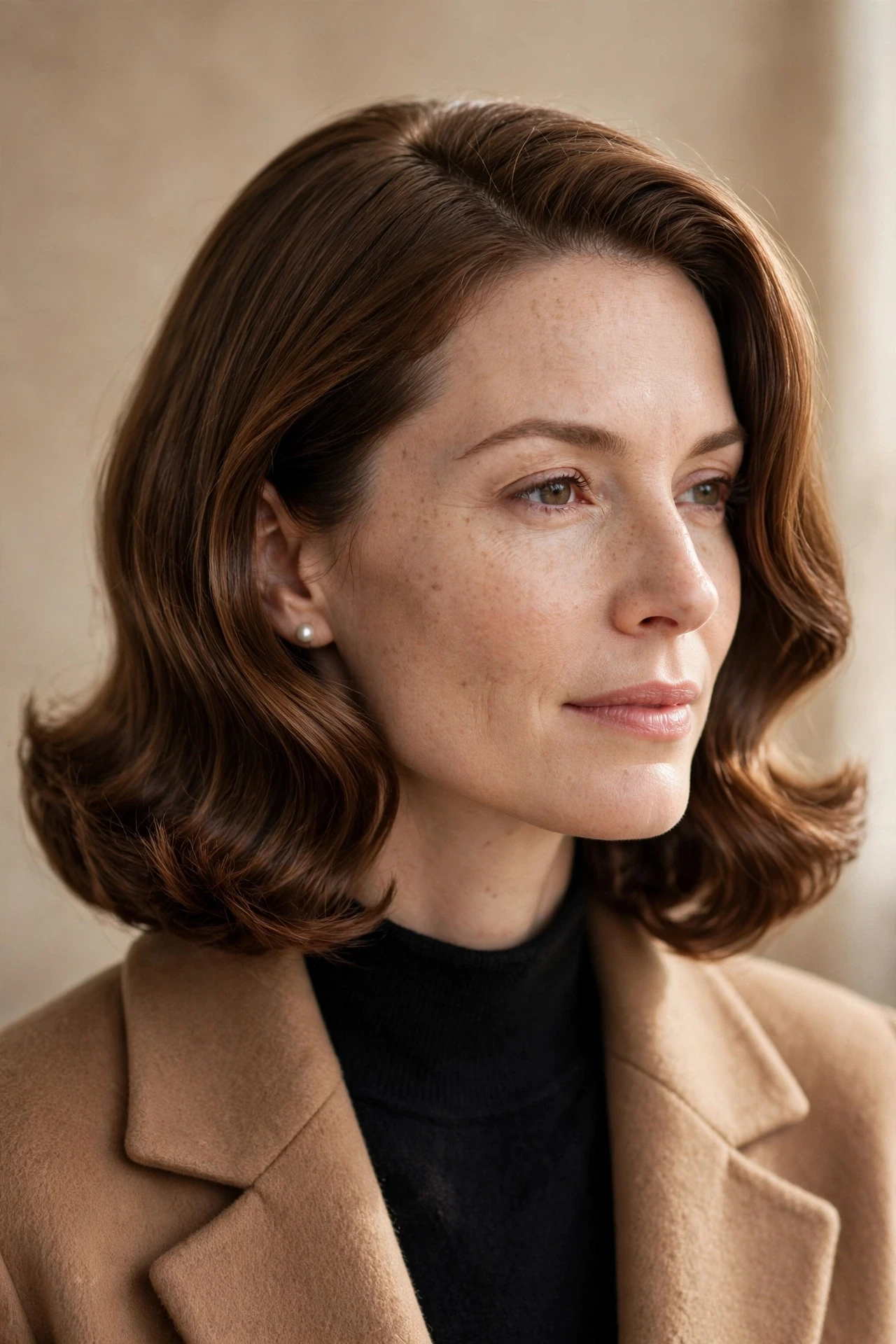
If a chin bob feels like too big a leap, the lob length version keeps the same polish with a little more security. It grazes the collarbone, still tucks behind the ears, and still pulls back into a low ponytail on a busy day.
The extra length also forgives a missed trim better than a shorter bob. For more ideas at this versatile length, our long bob haircut guide shows how the lob shape adapts to different faces and textures.
Soft Inward Ends Bob

The inward curve is the signature old money detail. Ends turn gently toward the jaw instead of flipping out or hanging straight, so the whole shape looks soft, finished, and intentional.
Use a medium round brush and roll the ends under as you dry. A large velcro roller at the front for ten minutes gives the same curve without extra heat, and it holds better through a long afternoon.
Deep Side-Part Elegance
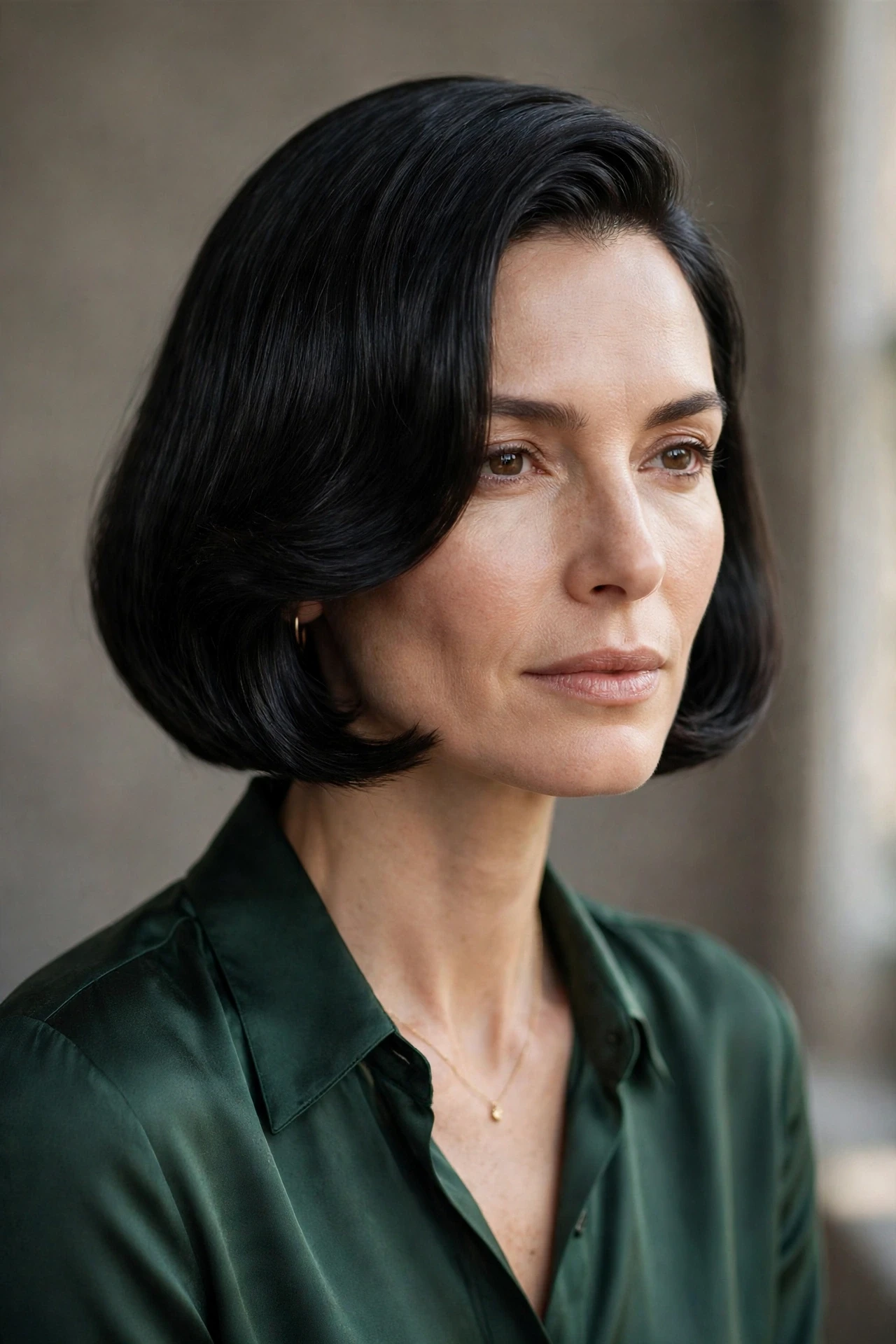
A deep side part changes everything without changing the cut at all. It adds instant volume at the crown, a graceful sweep across the forehead, and a slightly formal feeling that suits evenings and work events alike.
Part your hair while it is still damp so the line sets naturally. A little root lift at the part, brushed through once dry, keeps the sweep soft rather than stiff.
Bouncy Blowout Old Money Bob
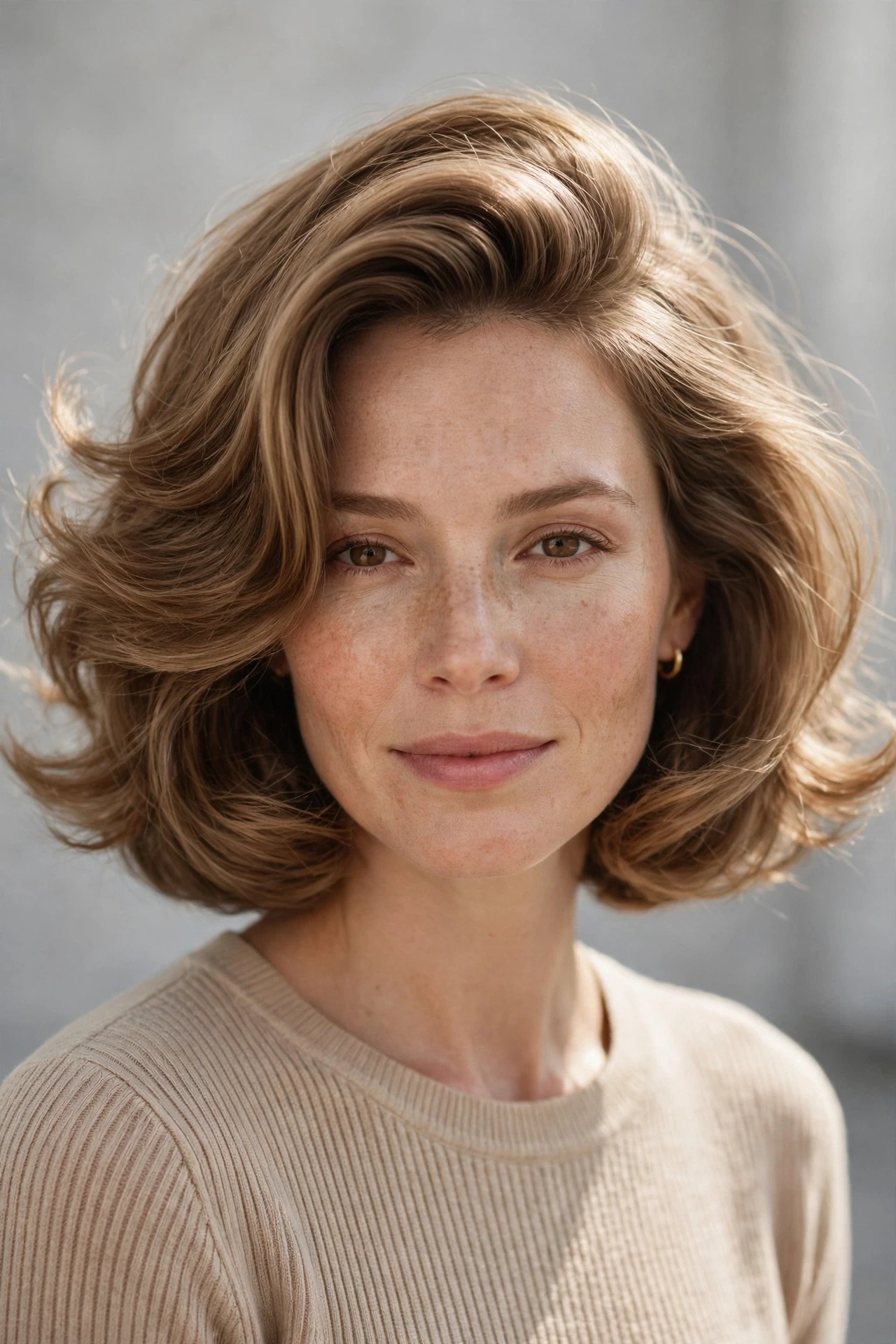
This is the salon blowout version, full of air and movement. Hair is lifted at the roots, curved at the ends, and left touchable instead of shellacked into place. It is the style most people picture when they say old money hair.
The trick is drying in layers. Lift each section at the root with a round brush, let it cool for a few seconds before you drop it, and finish with a light shine spray. If you love a bouncy finish, the Italian bob is a close cousin with even more volume at the ends.
Tucked-Behind-the-Ears Bob
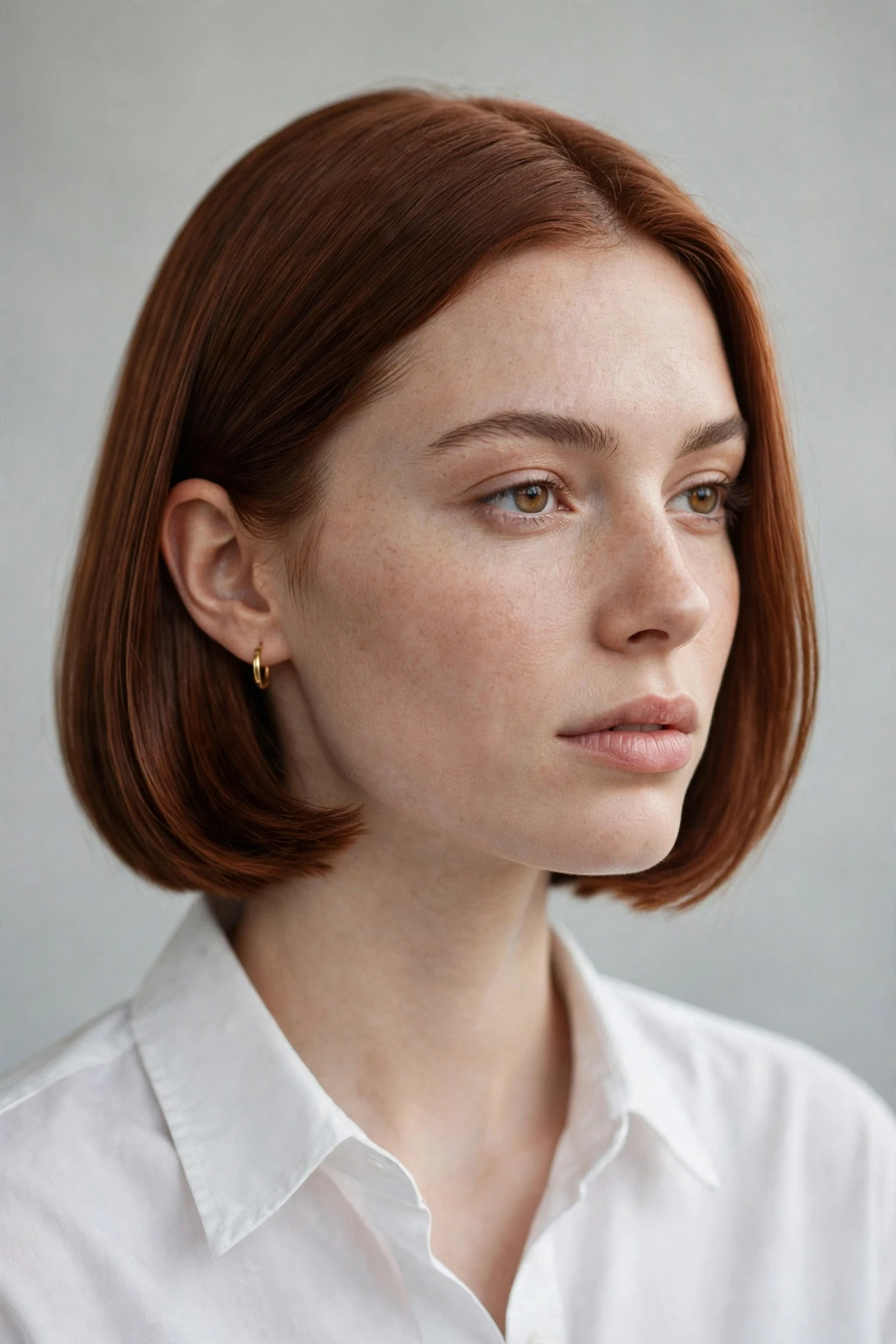
Tucking one side behind the ear is the smallest styling move with the biggest payoff. It opens up the face, shows off an earring, and makes a simple bob look deliberately styled in about three seconds.
This works best on a bob that is long enough to stay tucked without constant fixing, so chin length or just below is ideal. A tiny bit of smoothing cream on the tucked section stops flyaways from creeping back out.
Blunt Old Money Bob
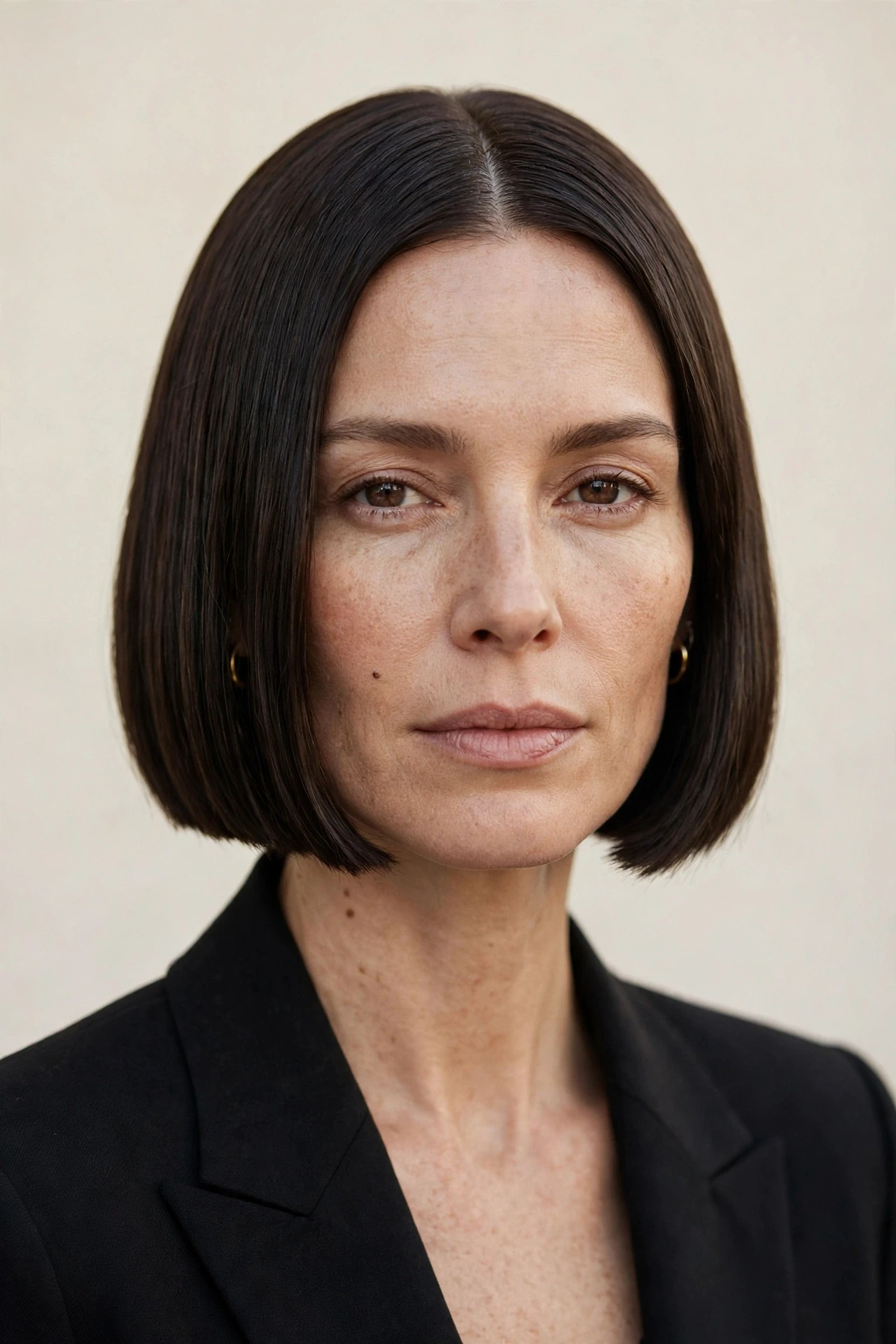
A blunt old money bob has one clean line and no apologies. The hemline is thick, the shape is strong, and the shine is the star. It is especially flattering if your hair is on the finer side, because nothing is thinned away.
Keep the ends in good condition, since a blunt line shows split ends faster than a layered cut. A trim every six to eight weeks keeps that expensive edge sharp.
Old Money Bob for Fine Hair
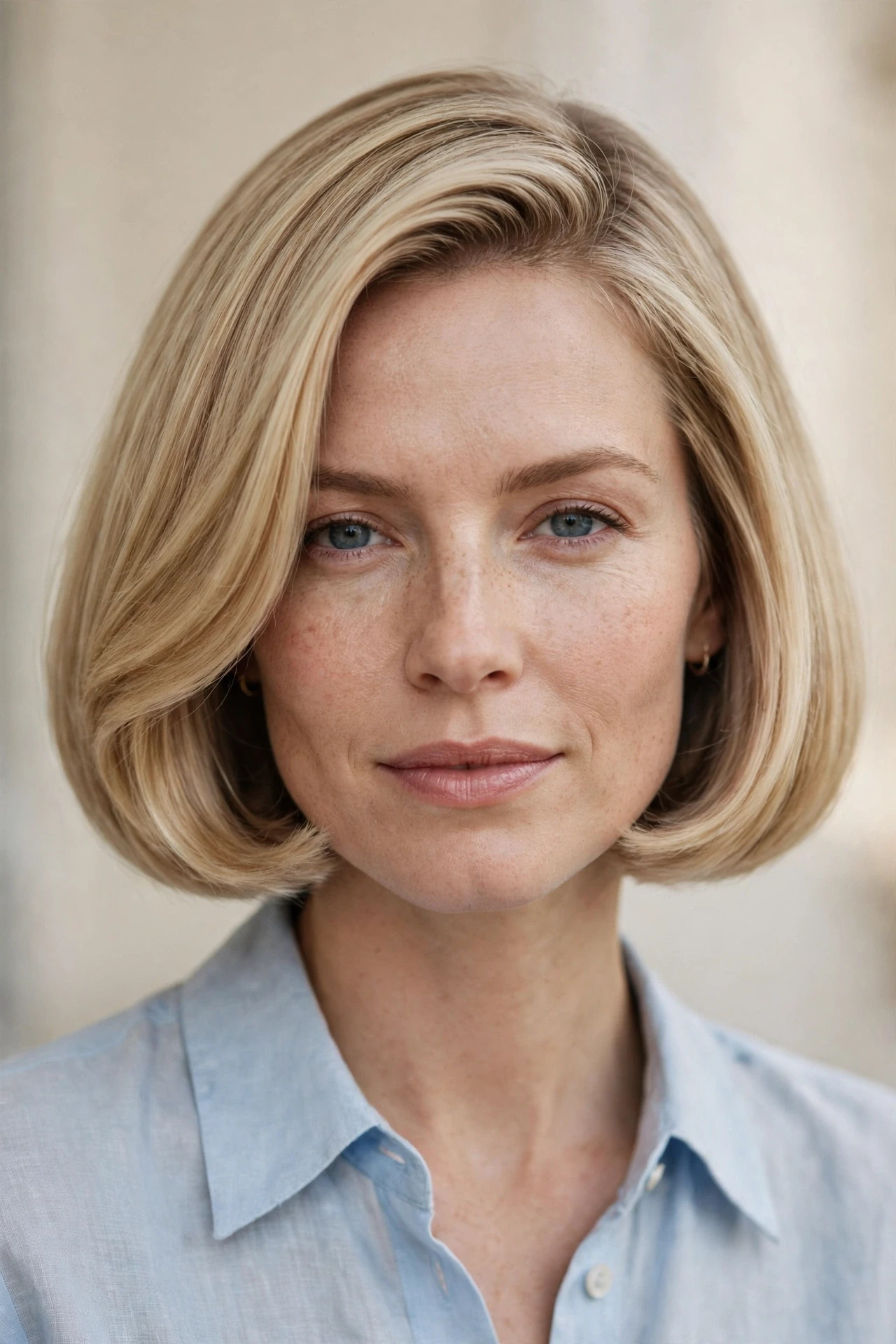
Fine hair and old money styling are a natural match. The look depends on a thick hemline and a smooth finish, and both of those make fine hair look denser than it is.
Skip heavy layers and ask for invisible internal layers only, so the outline stays full. A volumizing mousse at the roots, blown dry upside down for a minute, gives lift without any crunch. For more fine hair strategies, our short bob haircuts for fine hair guide covers shorter versions of the same idea.
Old Money Bob for Thick Hair
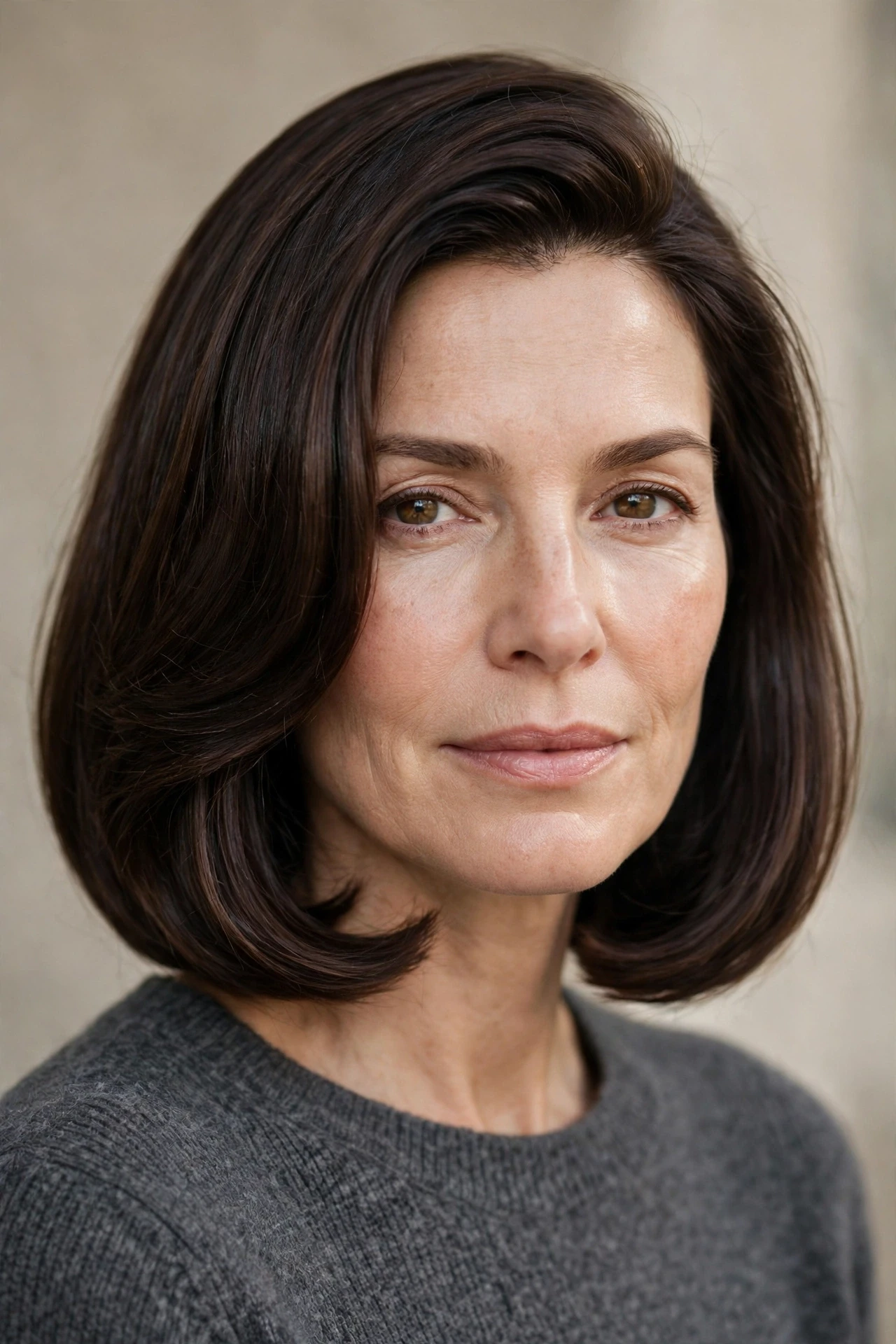
Thick hair holds this shape beautifully, but it needs weight taken out from the inside. Without that step, a bob can turn into a triangle by lunchtime. With it, you get the same sleek outline with real movement.
Ask for internal layers that remove bulk without touching the perimeter. A smoothing cream through the mid lengths before blow drying keeps the surface calm, and the cut does the rest.
Soft Wavy Old Money Bob
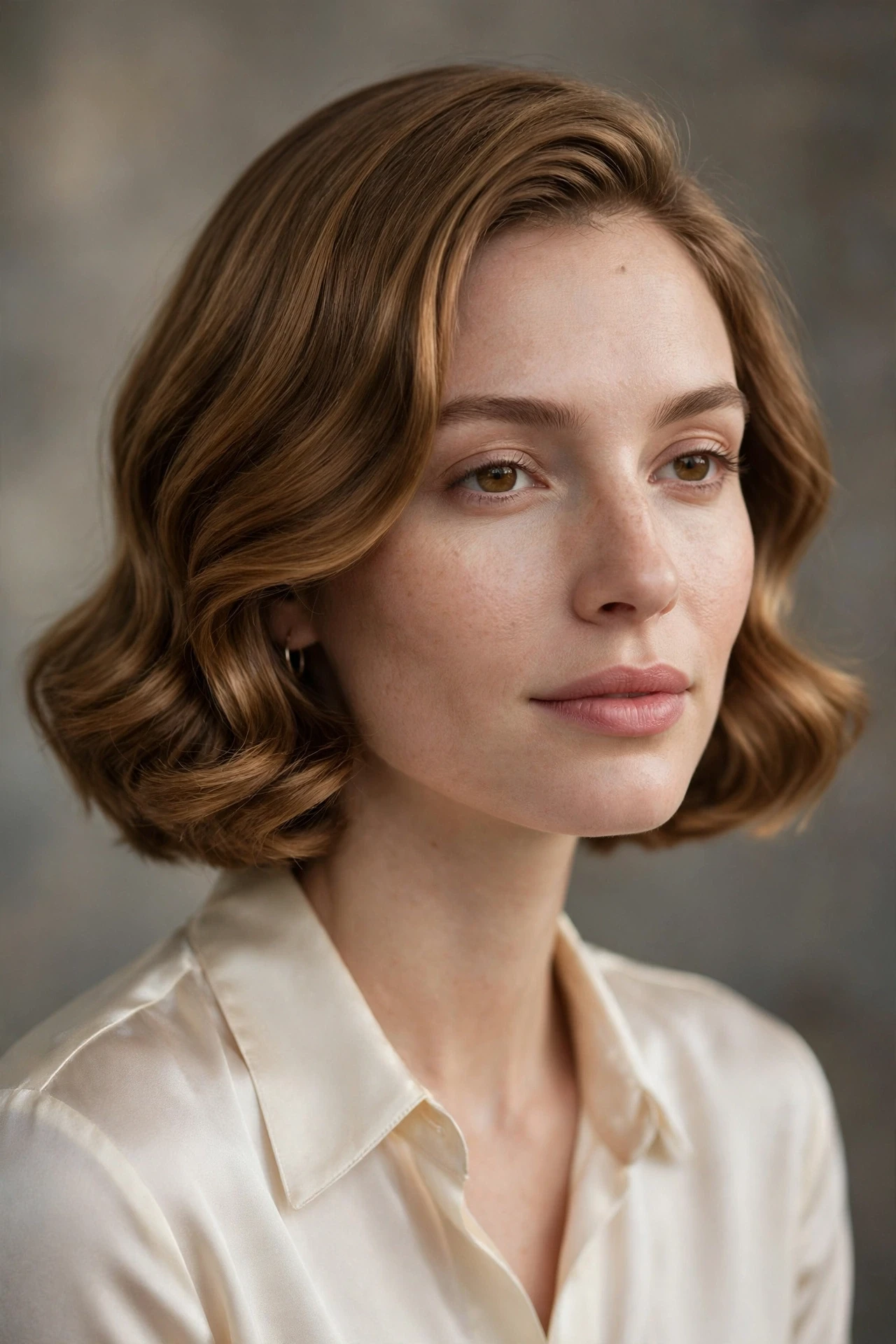
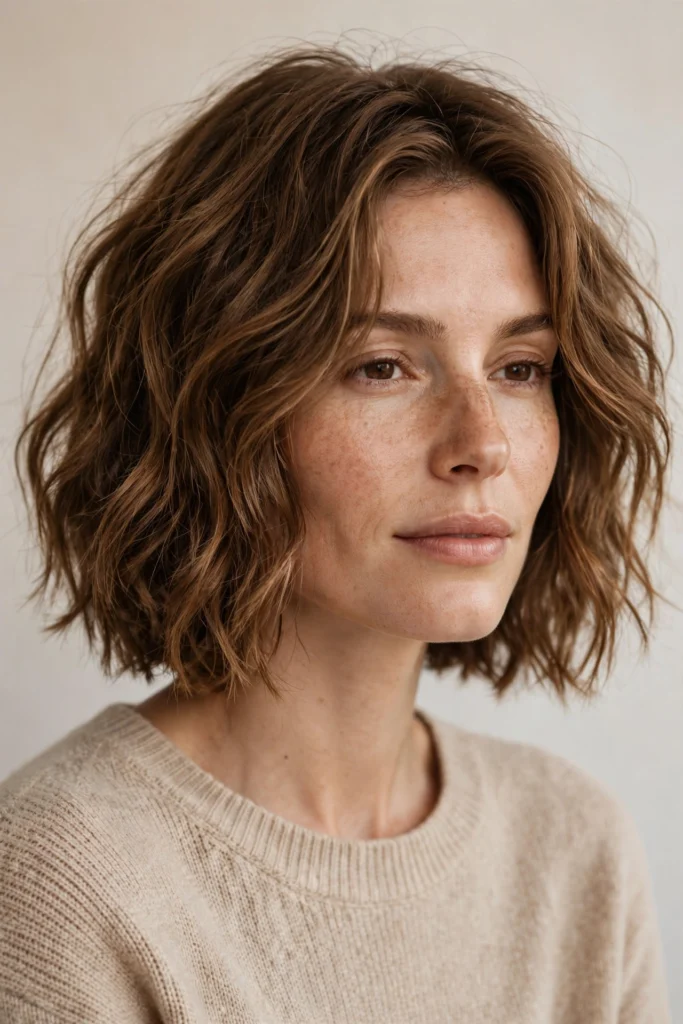
Old money does not have to mean poker straight. A soft wave, brushed out until it looks like a natural bend rather than a curl, keeps the polish while adding a relaxed warmth.
Curl large sections away from the face with a wide iron, then brush through gently once cool. The wave should look like it happened on its own, which is the whole point. Wavy textures also shine in our curly bob hairstyles guide if you want more movement focused inspiration.
Polished Curly Old Money Bob
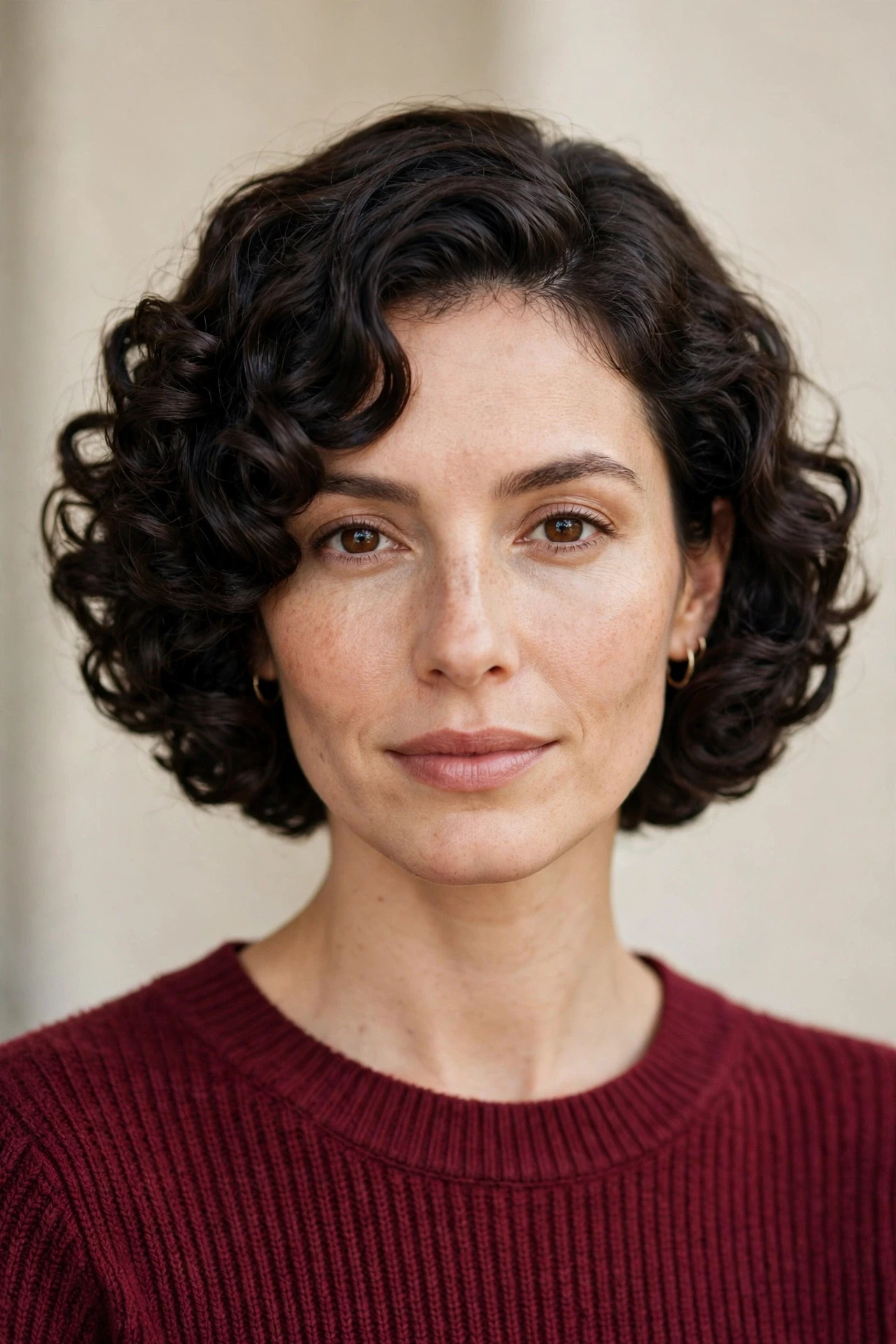
Curly hair can absolutely wear this look. The key is shaping the curls into a neat, rounded silhouette instead of letting them expand in every direction. Think controlled volume, defined curls, and a clean outline.
A dry cut, curl by curl, is worth asking for, because it accounts for shrinkage. Finish with a curl cream and a diffuser on low heat, and resist brushing once the curls are set.
Old Money Bob for a Round Face
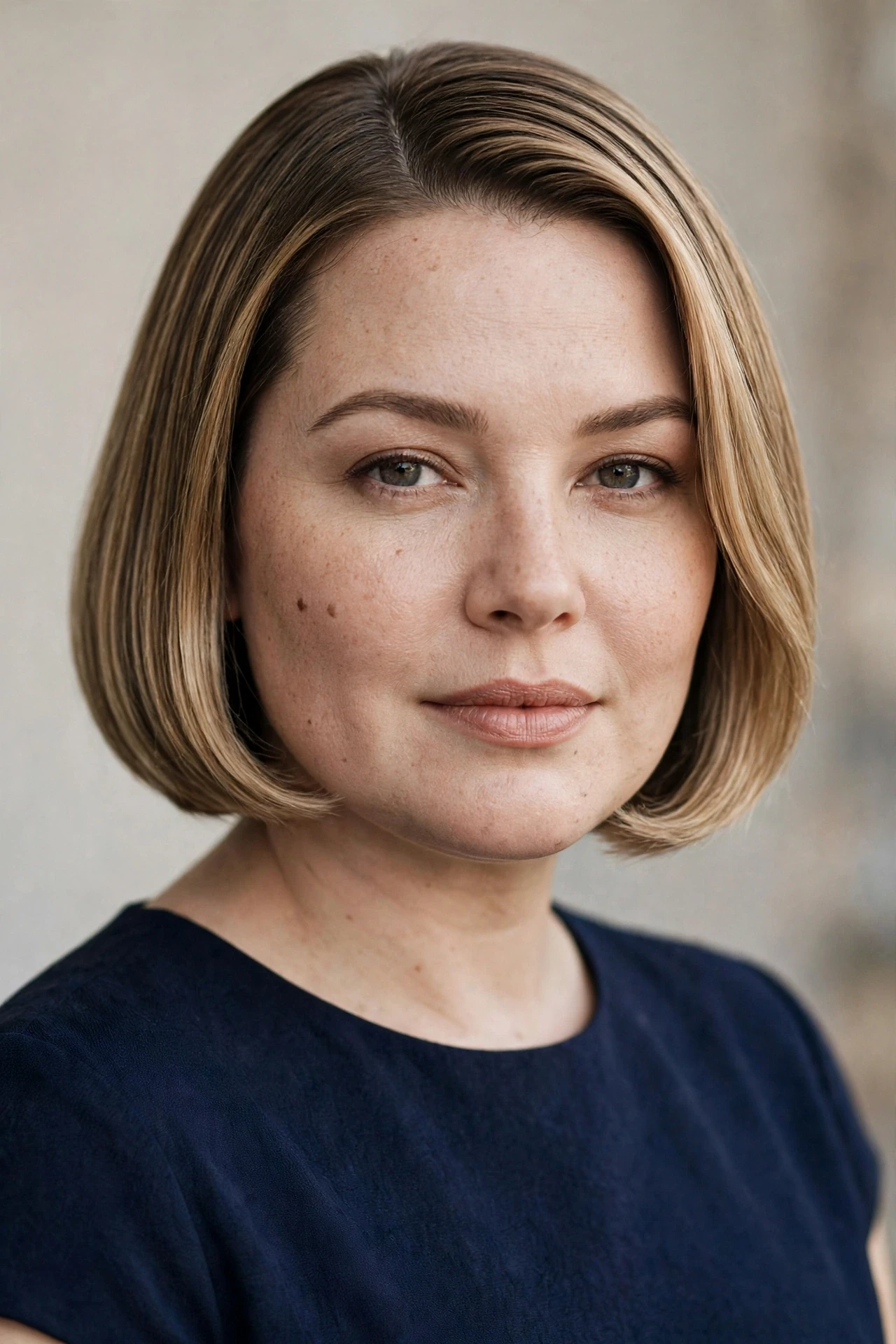
For a round face, length is your friend. A bob that ends just below the chin, worn with a center part and a straight finish, creates long vertical lines that gently elongate the face.
Avoid adding a lot of volume at the sides, since width at cheek level has the opposite effect. Keep the fullness at the crown and the ends calm, and the shape does the contouring for you. Our long bob with long bangs guide has more face framing ideas that work on the same principle.
Old Money Bob for an Oval Face
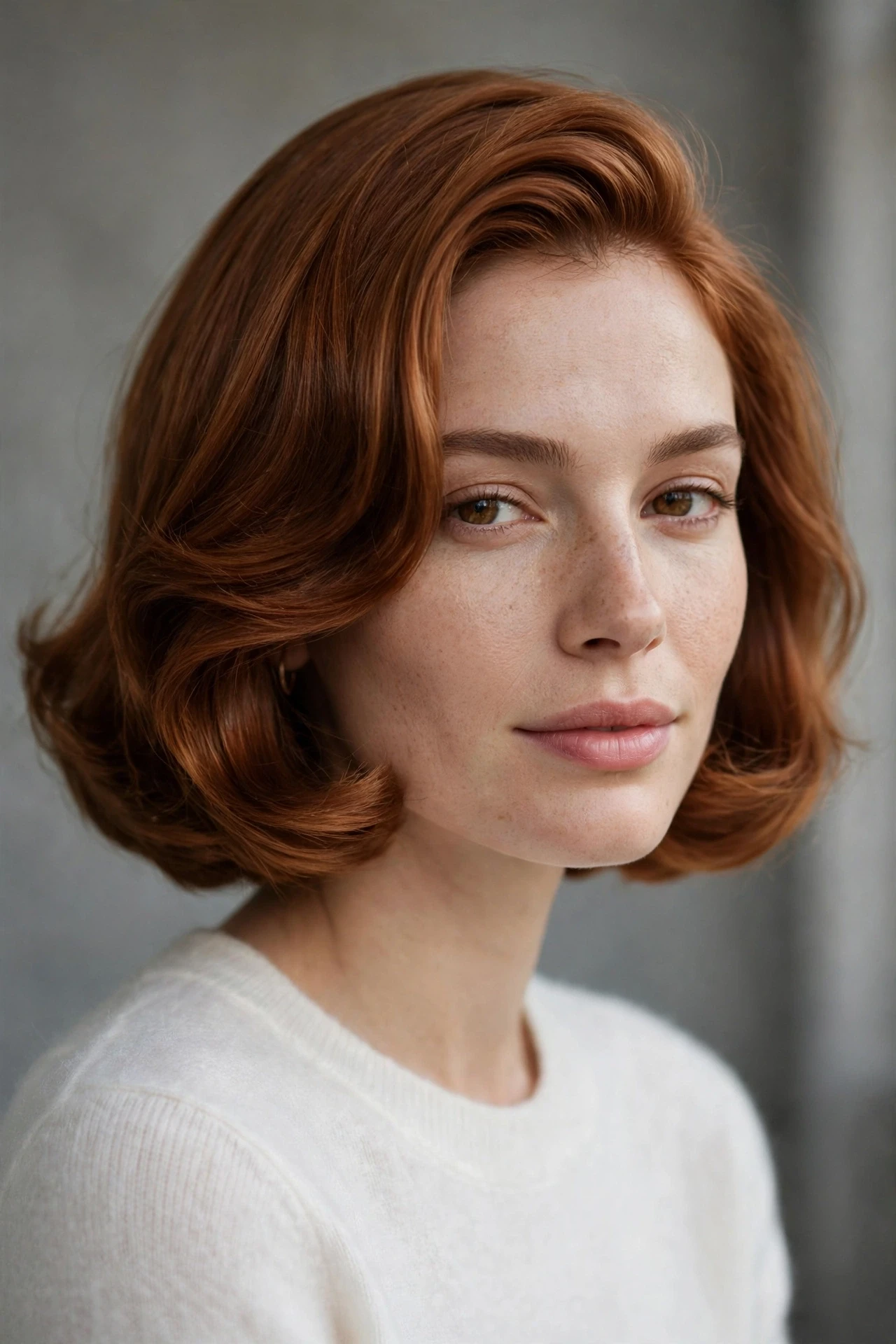
An oval face is the lucky one here, because almost every old money length works. Chin length, lob length, center part, side part, straight or wavy, they all sit naturally on balanced proportions.
That freedom means you can choose based on your hair texture and your lifestyle instead of your face shape. Pick the version you will actually enjoy styling on a normal weekday morning.
Old Money Bob Over 50
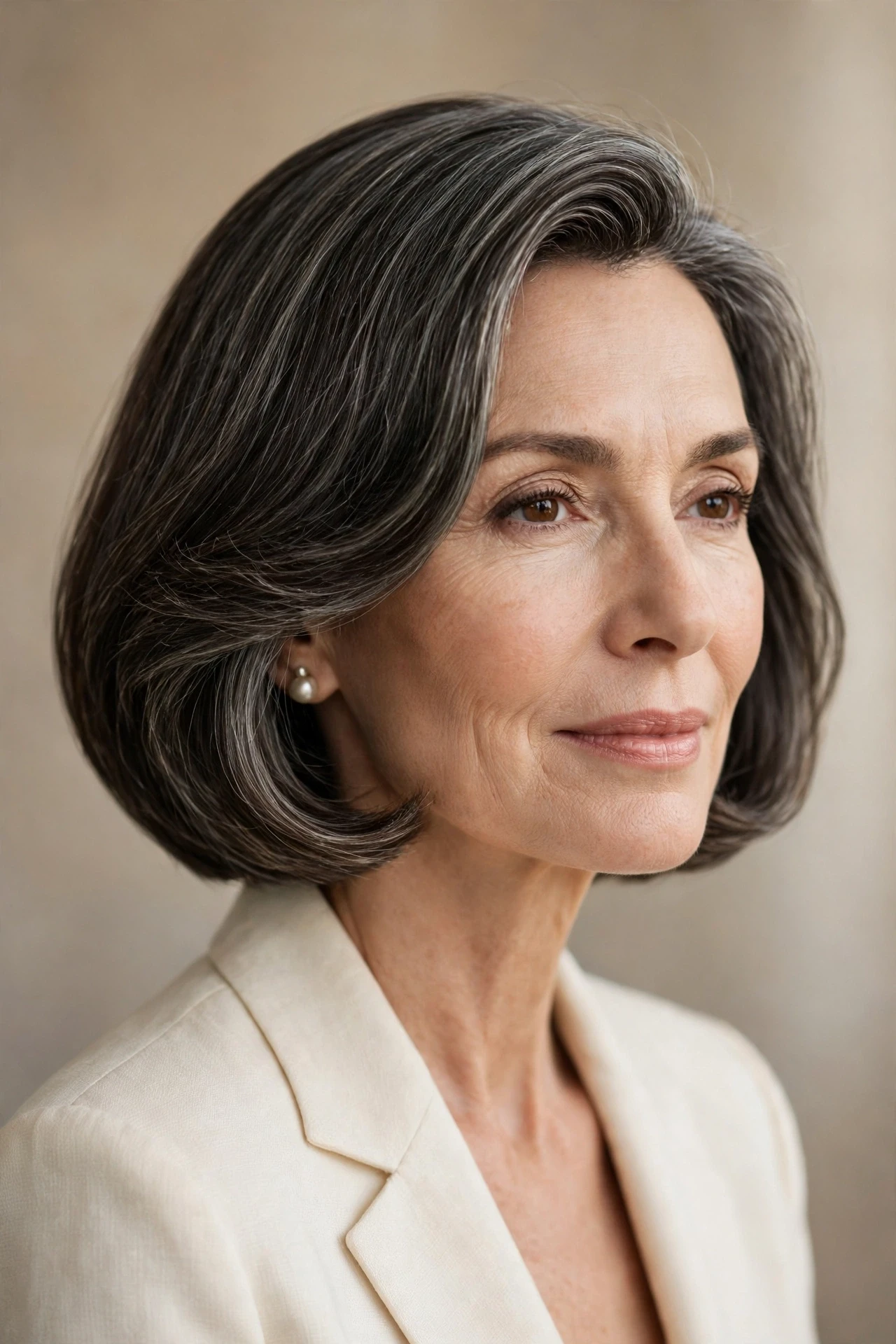
This cut is a gift after 50. It lifts the face, it looks current without trying to look young, and it frames the cheekbones in a way longer hair often stops doing. The polish reads as elegance, not effort.
Keep the length at the chin or just below, and ask for softness around the face rather than a hard line. For more age specific styling advice, our messy bob hairstyles over 50 with layers guide shows a softer, more textured alternative in the same family.
Old Money Bob for a Long Face
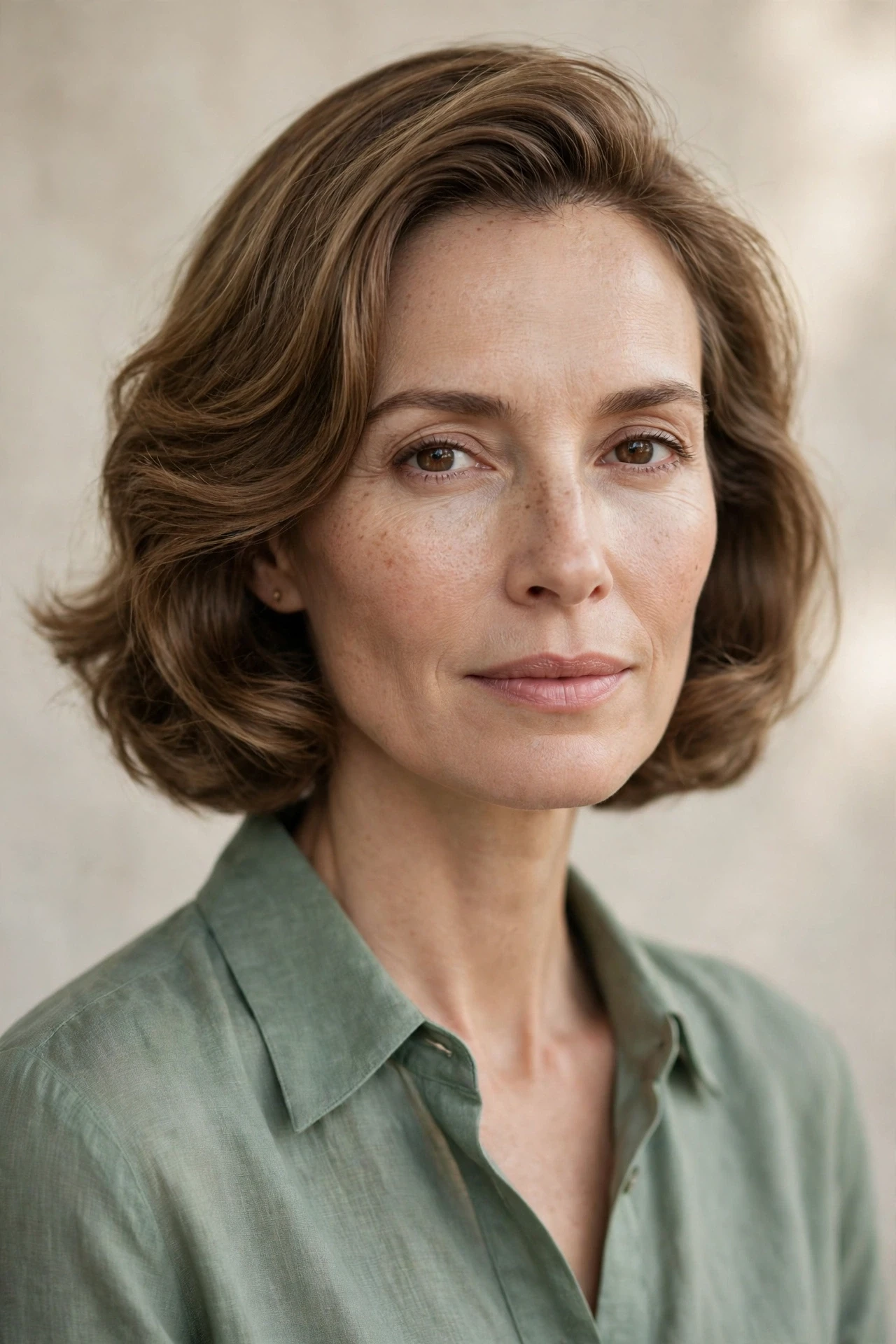
A longer face benefits from width and softness, so this version adds gentle side volume and a side part to break up the vertical line. Chin length is ideal, because it stops the eye at the jaw instead of pulling it further down.
Avoid very long, very straight versions with no layers, since they can make a long face look even longer. A little curve at the ends is all it takes to balance the proportions.
Glass-Shine Old Money Bob
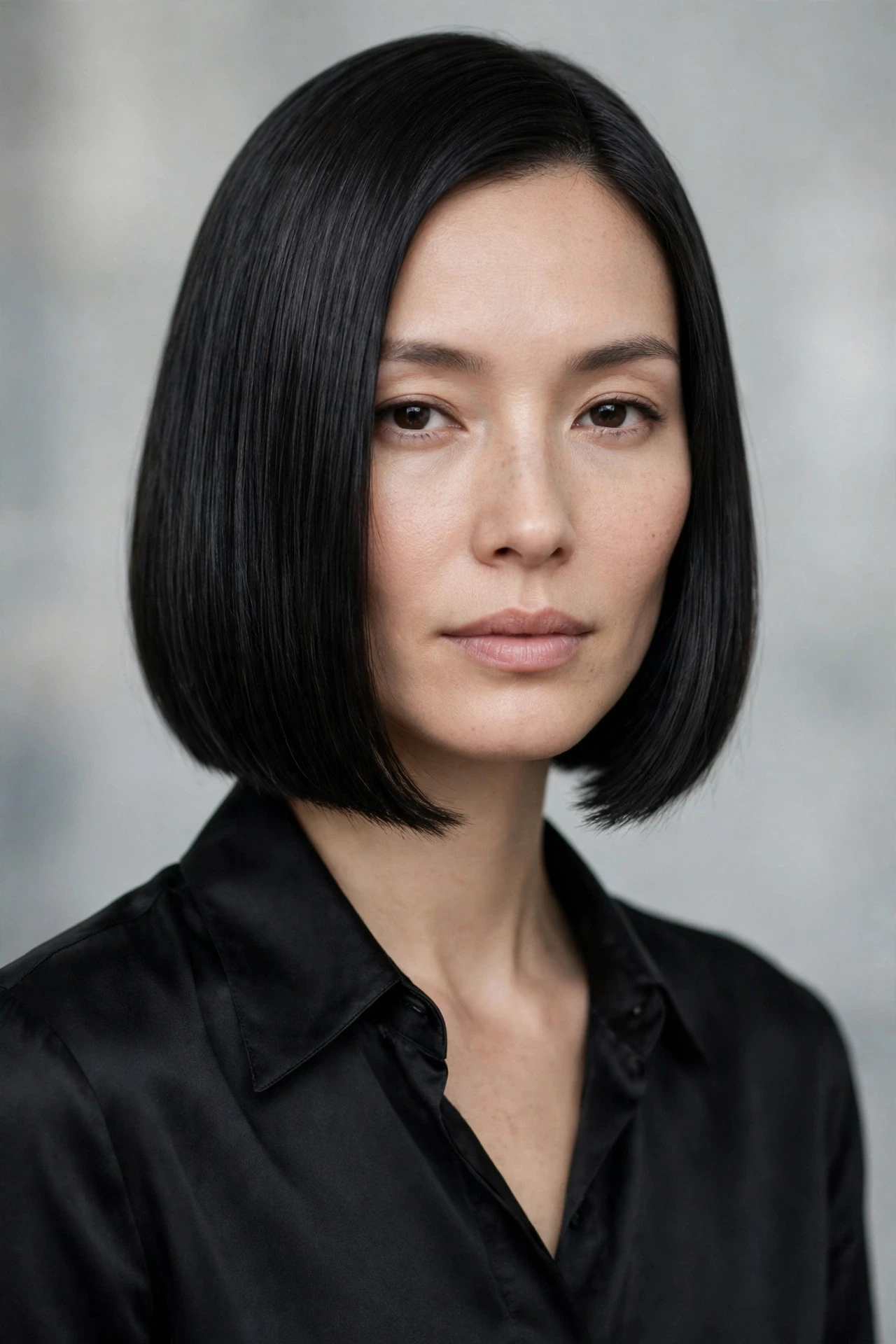
Glass shine is the old money finish taken to its smoothest extreme. Hair reflects light like a mirror, every strand lies in the same direction, and the cut looks almost liquid.
The finish comes from health first and product second. A gloss treatment at the salon, a smoothing serum on damp hair, and a flat iron on low heat will get you there. Overdoing the heat will dull the shine over time, so keep temperatures moderate.
Old Money Bob with Face-Framing Layers
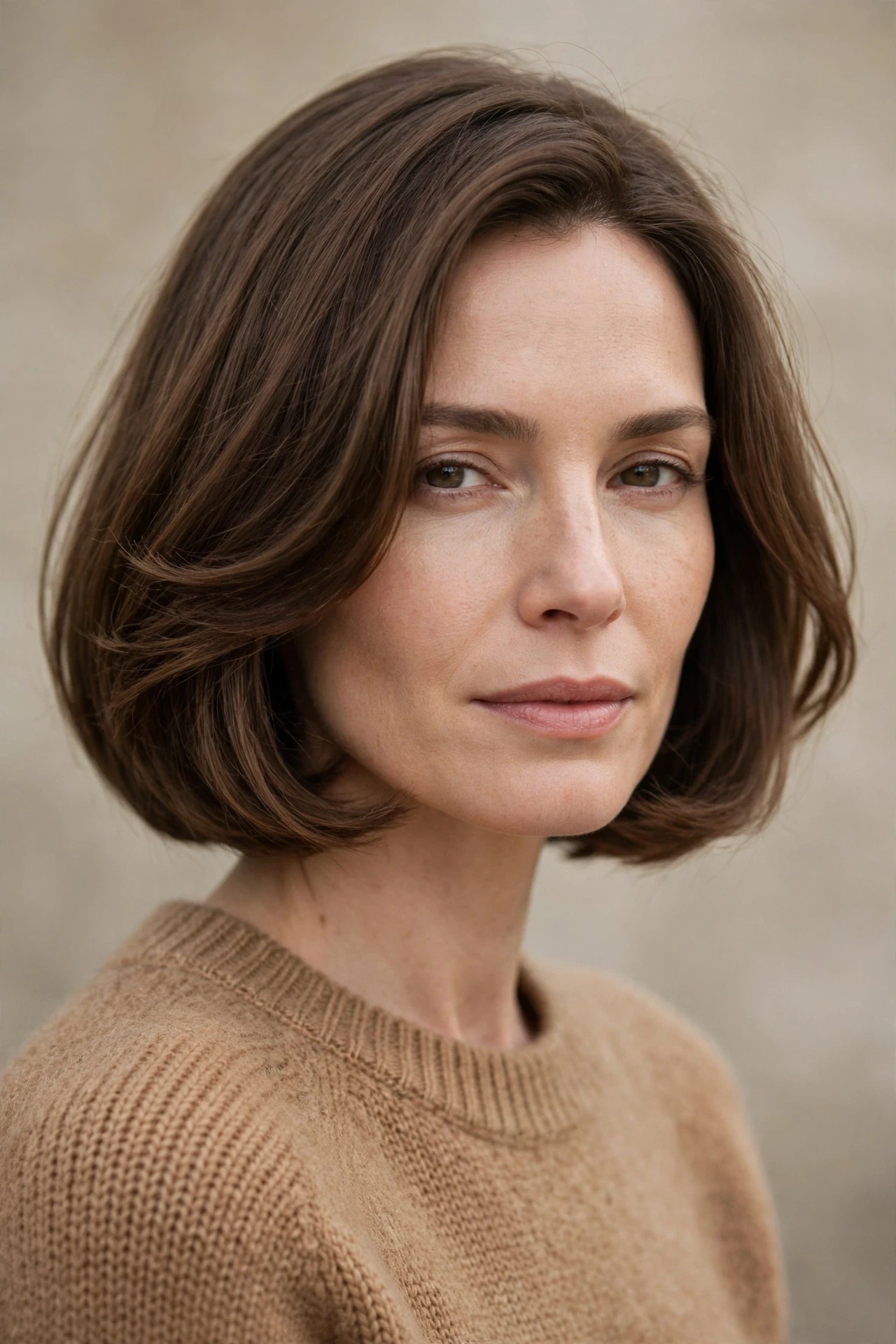
If a fully blunt bob feels too severe, two soft face framing pieces change the mood completely. They start at the cheekbone, blend into the rest of the cut, and add a gentle softness around the eyes.
This is also the easiest old money bob to grow out, because the front pieces disguise the awkward in between stage. Our French bob haircut guide uses the same framing idea in a shorter, Parisian version if you want to compare lengths.
Old Money Bob with a Low Tuck

The low tuck is the old money answer to a bad hair day or a formal event. Ends are tucked softly under at the nape, the silhouette becomes neat and compact, and the whole look reads as intentional and refined.
It works beautifully with a coat and a scarf in colder months, since nothing escapes and frizzes at the collar. A light hold spray and a few hidden pins are all you need.
Old Money Bob for Special Occasions
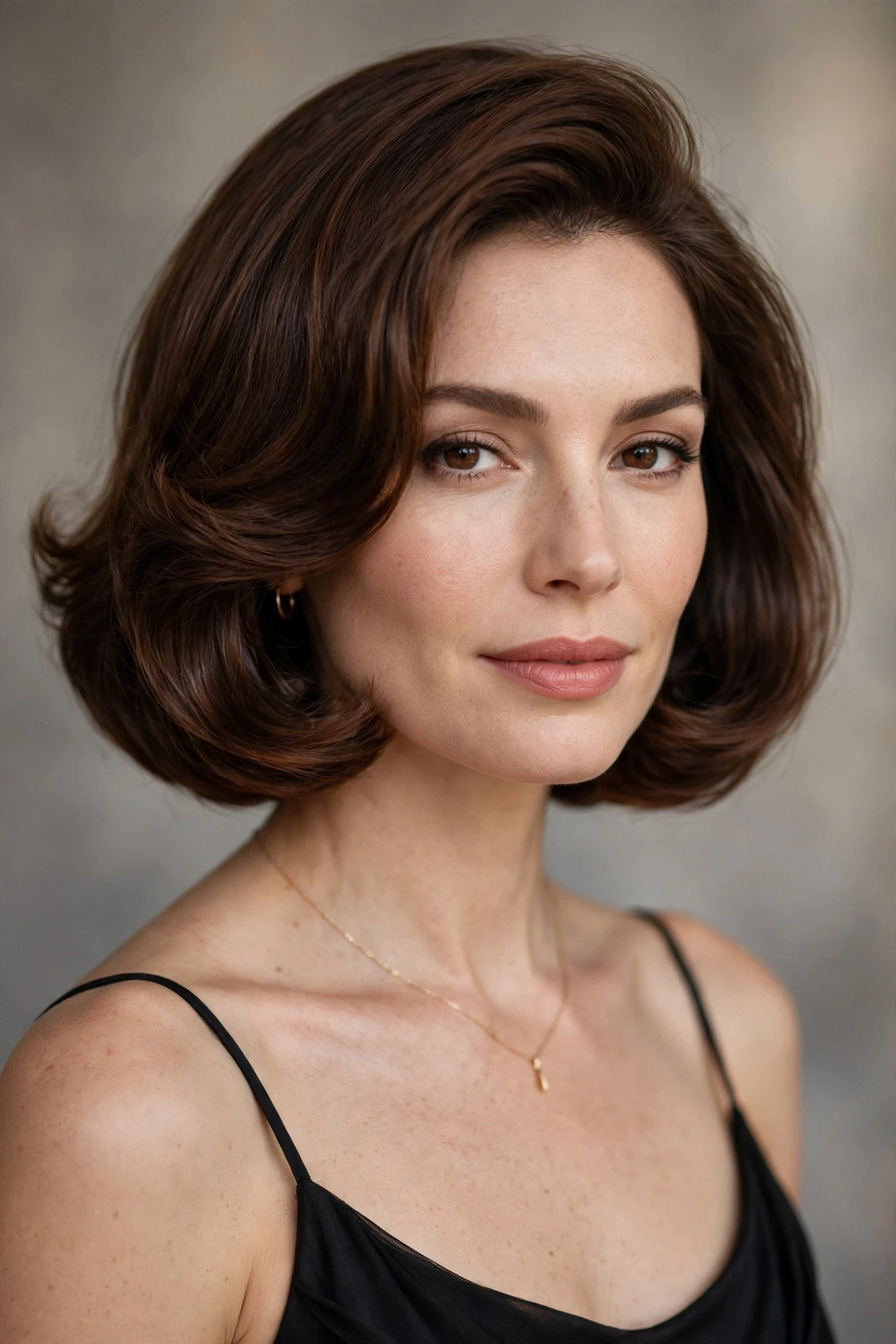
For weddings, dinners, and celebrations, this bob needs only a little extra volume and shine to feel event ready. There is no need for an updo when the cut itself already looks this finished.
Blow dry with extra root lift, add a soft bend through the ends, and finish with a shine spray. A simple gold accessory, a headband or a pair of studs, completes the look without competing with it. For color ideas that suit an occasion finish, our hair color for bob hairstyles guide covers tones that keep the shine front and center.
Timeless Old Money Bob with Soft Volume
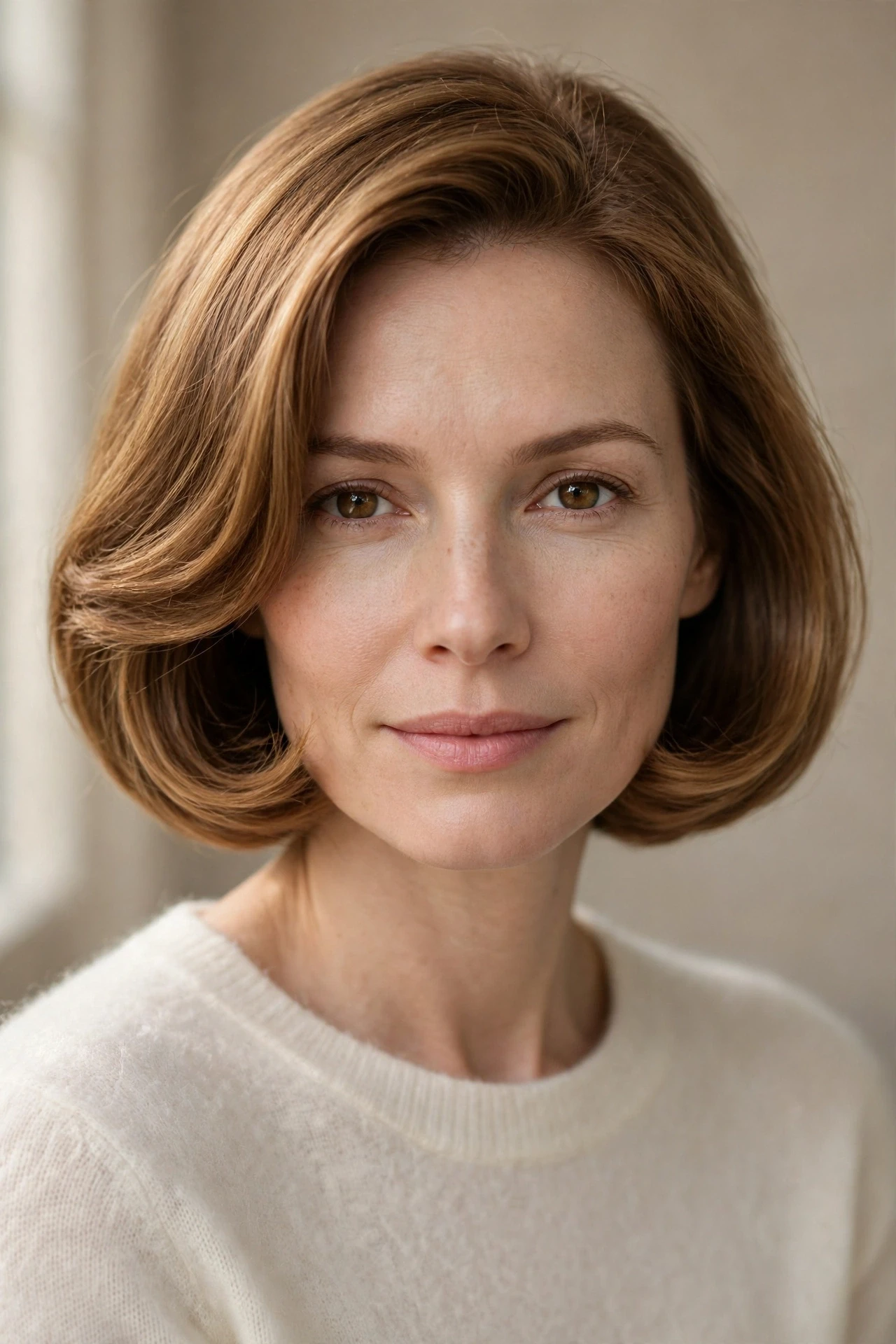
The final version is the one you could wear in any decade. Soft volume at the roots, a smooth surface, ends curved under, and nothing that ties it to a single trend cycle. It is the haircut equivalent of a well cut blazer.
This is the safest choice if you are choosing your first old money bob. It suits most textures, it styles in under fifteen minutes once you know the routine, and it grows out gracefully between appointments.
What to Ask Your Stylist for an Old Money Bob Haircut
Walk in with a clear script and you will walk out with the bob you pictured. Name the length, the outline, and the finish, instead of only showing a photo and hoping for the best.
- Length: “I want an old money bob that ends at my chin, or just below it, with a clean outline.”
- Perimeter: “Keep the outline blunt and thick. Please do not thin out the ends.”
- Layers: “Add minimal layers only, or invisible internal layers if my hair is thick.”
- Ends: “I want the ends curved softly inward, not flipped out.”
- Part: “I usually part my hair on the side, so please cut it to fall that way.”
- Finish: “I want a smooth, glossy blowout finish, not a textured or piecey one.”
- Maintenance: “How often should I come back to keep this exact shape, and do I need a gloss treatment?”
For a second opinion on how stylists describe this kind of polished, low effort cut, the editors at Byrdie cover classic bob styling in depth on the Byrdie homepage.
Old Money Bob Maintenance: Gloss, Trims, and Shine
Old money hair looks effortless because the maintenance happens quietly in the background. A trim every six to eight weeks keeps the outline sharp, which matters more here than in a layered cut where regrowth hides easily.
A clear gloss treatment every six to ten weeks adds shine and seals the surface, which also makes daily styling faster. At home, a weekly hydrating mask, a heat protectant every time you blow dry, and a silk pillowcase all protect the smooth finish. Healthy hair shines on its own, and no product can fake that for long.
Who Suits an Old Money Bob?
Almost everyone, with the right adjustment. Fine hair gets a blunt hemline, thick hair gets internal layers, curly hair gets a dry cut, and round faces get a slightly longer length. The common thread is polish, not a single face shape or age group.
It suits people who like a routine they can repeat, who prefer classic clothes and simple accessories, and who want a cut that looks appropriate at work, at a family event, and on holiday. If you love high maintenance trends that change every season, this calm, timeless cut may feel too quiet. For most people, that quiet is exactly the appeal.
What is an old money bob haircut?
An old money bob haircut is a polished, understated bob with minimal layers, a clean outline, and a glossy blowout finish. It usually ends at the chin or just below it, with ends curved softly inward for a quiet luxury look.
How long should an old money bob be?
Most old money bobs end at the chin or just below it. A lob length version that grazes the collarbone works too, as long as the outline stays clean and the finish stays smooth and polished.
How do I style an old money bob at home?
Blow dry in sections with a round brush, lift at the roots, and curve the ends under. Let each section cool before you drop it, then finish with a light shine spray. Avoid heavy texture products that break up the smooth surface.
How often should I trim an old money bob?
Every six to eight weeks is ideal. A blunt outline shows regrowth and split ends faster than a layered cut, so regular trims are what keep the shape looking expensive.
Does an old money bob suit fine hair?
Yes. A blunt hemline and minimal layers make fine hair look thicker, especially with a little root lift from mousse and a round brush blowout. Keep the ends thick and avoid over layering.
What should I ask my stylist for an old money bob?
Ask for a chin length or just below chin length bob with a blunt, thick perimeter, minimal layers, and ends curved softly inward. Mention your usual part and whether you want a smooth glossy finish.
Final Thoughts
An old money bob haircut works because it respects the basics: a clean shape, healthy hair, and a finish that looks cared for rather than constructed. Choose your length from the 20 ideas above, take the stylist script to your appointment, and give the blowout routine a week to become habit.
The result is a cut that never shouts, never dates, and always looks like you. For the bigger picture of how this timeless style fits among current trends, our ultimate guide to bob hair trends is the next read, and our low maintenance fine hair French bob shows how the same polish works in a shorter French shape.

Sana Malik is a hair and beauty writer with a deep love for the bob in all its forms from sharp French bobs to soft, lived-in lobs. After years of experimenting with her own short hair and helping friends figure out what actually suits their face shape, she started writing to cut through the confusing advice out there. At BobHairTrends, she breaks down each cut into simple, honest guides: how to ask for it, how to style it at home, and who it really flatters. When she isn’t researching the latest trends, she’s usually testing a new styling product or convincing someone it’s finally time for the chop.