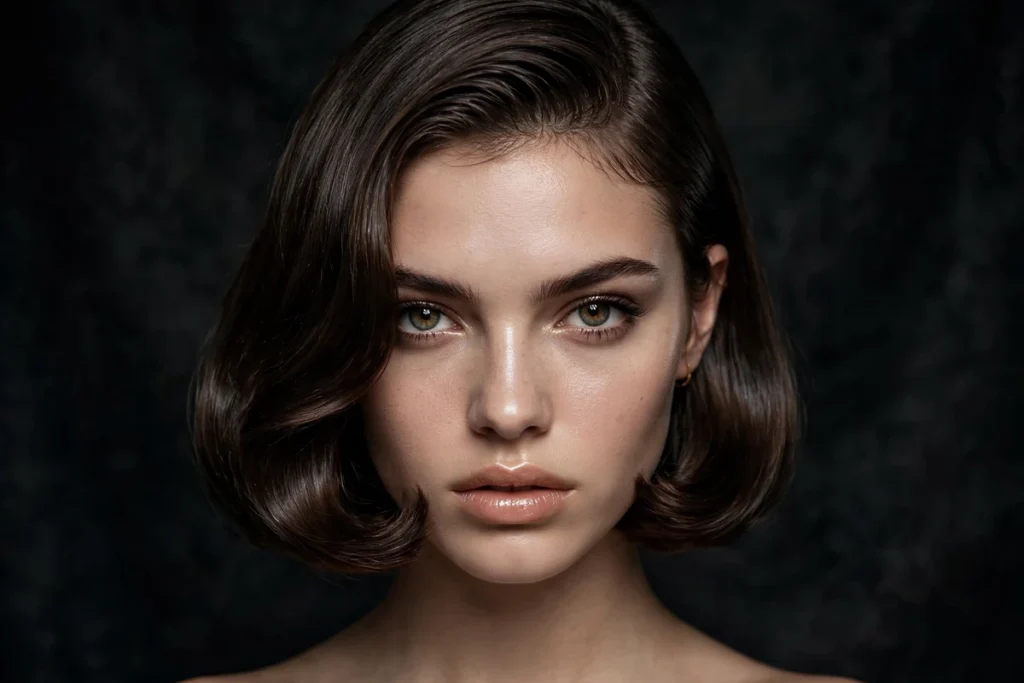


The Italian midi haircut is the sweet spot everyone keeps asking about. Not the chin-length chop, not a long lob, just that perfect in-between length that grazes the collarbone and looks expensive without trying too hard.
If you love the Italian bob but are not ready to lose your length, this is your answer. You get all the bounce, volume, and that lived-in Milanese attitude, with enough hair to still pull back on busy mornings. It is the cut that flatters nearly everyone and asks almost nothing in return.
Before we dive in, know that this cut is part of the Italian bob family. For the full breakdown of the original chin-length cut, read our guide on the Italian bob and our explainer on what an Italian bob is.
20 Italian Midi Haircut Styles for Every Hair Type
1. The Classic Collarbone Midi
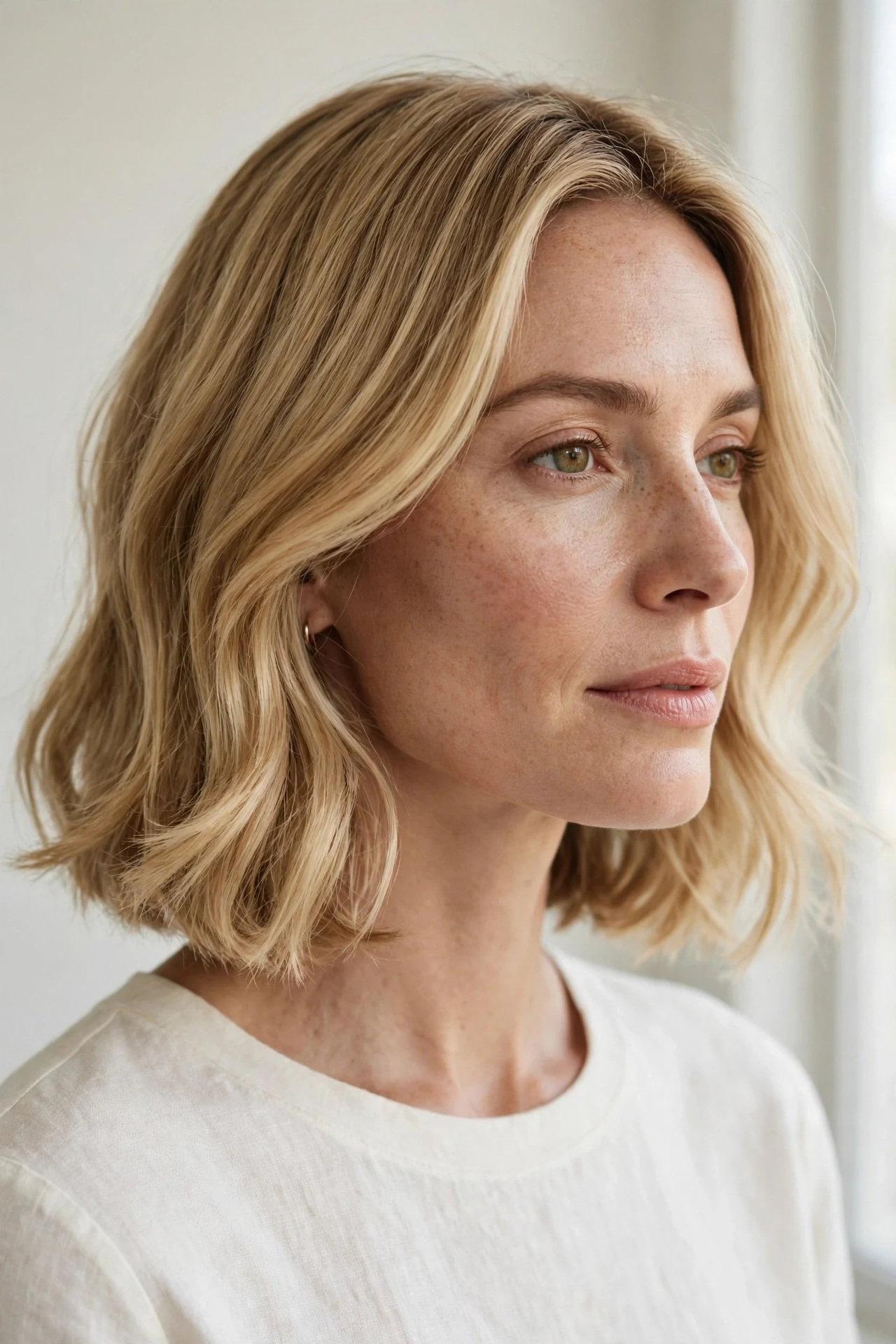
This is the cut that started it all. Ends land right on the collarbone, the perimeter stays full and chunky, and a little bend at the tips keeps it from looking blunt. Celebrity stylists call this their favorite because it works on almost every face shape. Ask for minimal layering so the ends stay healthy and heavy. This is the benchmark every other midi on this list is measured against.
2. The Air-Dried Italian Midi

The real magic of this length is how good it looks when you do nothing. Wash it, scrunch in a little leave-in cream, and let it dry while you get on with your day. The cut is designed with enough weight at the ends that it falls into soft, natural waves instead of frizzing out. This is the version you see in Italian street style photos. Low effort, high payoff, and the main reason the length is trending.
3. The Bouncy Blowout Midi
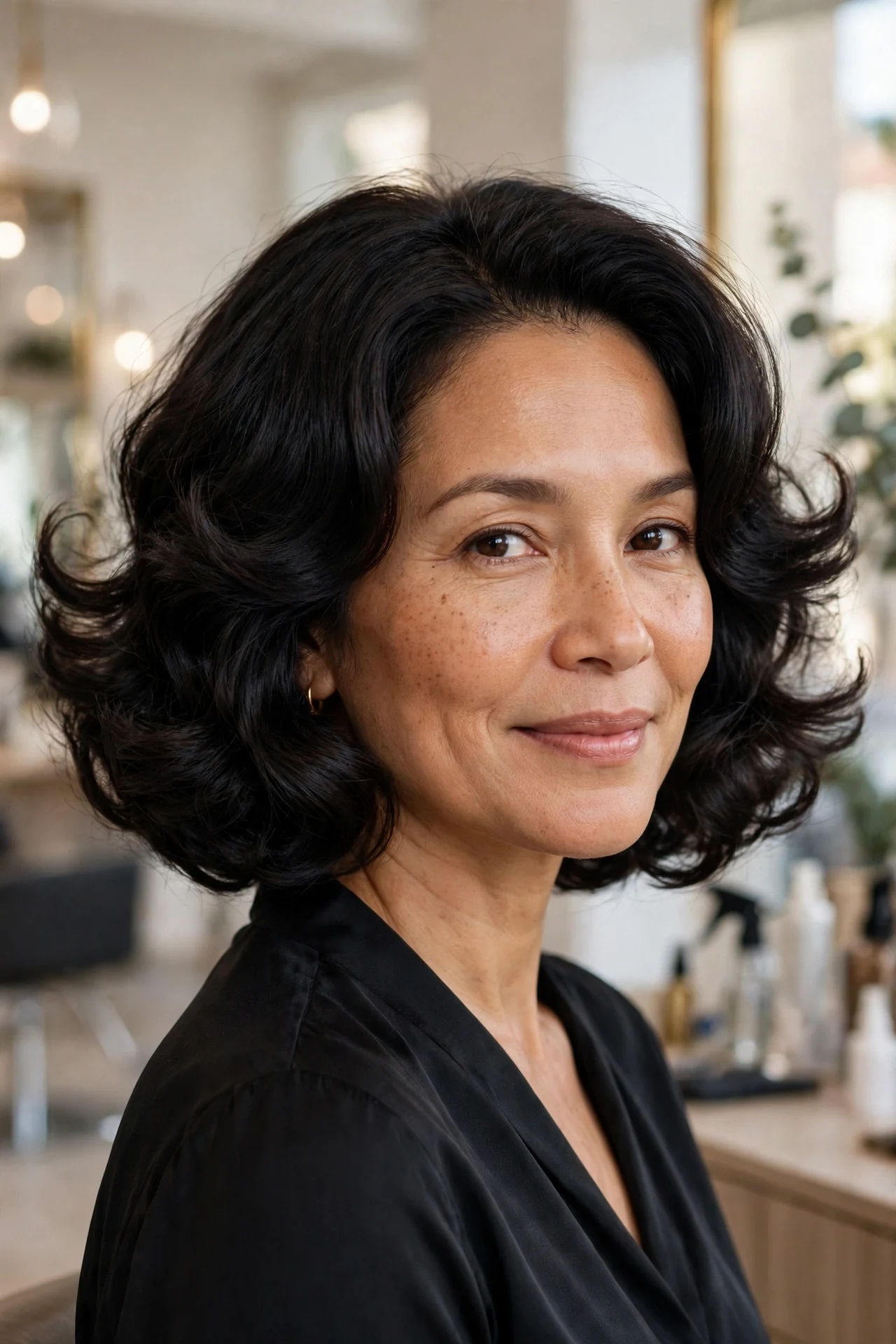
When you do want to dress it up, a round-brush blowout turns the midi into pure glamour. The extra length compared to a chin bob gives you real swing and bounce with every turn of your head. Focus the brush on the mid-lengths and flick the ends outward for that signature Italian finish. A pea-sized drop of shine serum on the ends sells the expensive look. This is the Friday night version.
4. The Straight and Glossy Midi
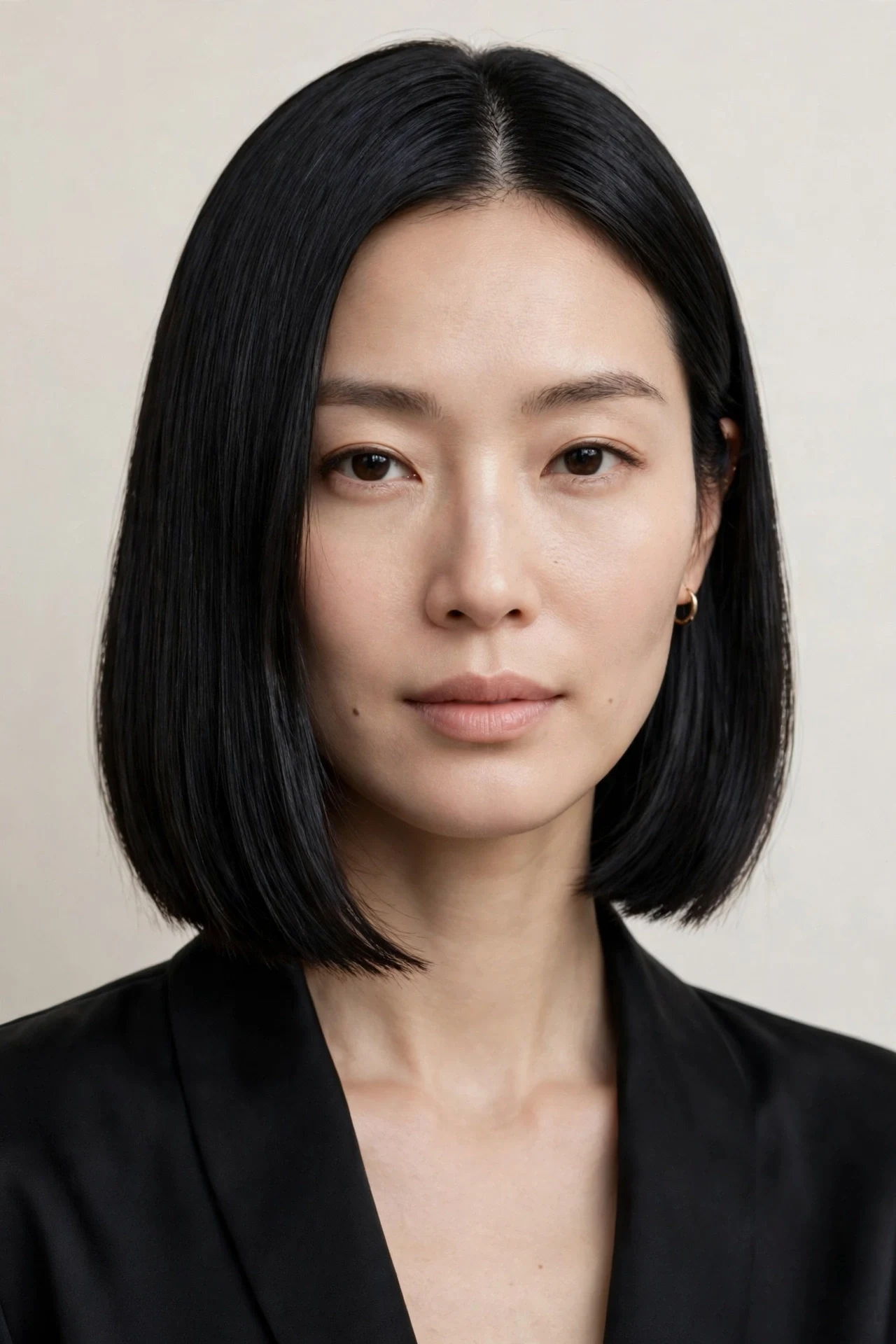
Flat iron this length and you get something completely different: sleek, polished, and a little bit powerful. Unlike the classic lob, which stylists usually keep flat and architectural, the Italian midi keeps its bounce even when straight, because the ends are cut thick instead of thinned out. Run the iron through in sections, then add one drop of gloss serum. It reads boardroom by day, dinner date by night.
5. The Textured Beach Wave Midi

Salt spray and a midi go together like espresso and a Sunday morning. Mist damp hair, twist a few random sections, and let it air dry for waves that look like a day on the Amalfi coast. Because the cut is not heavily layered, the waves stay defined instead of turning into a pouf. Scrunch the ends once dry to wake the texture back up. Beachy, but make it Milan.
6. The Flipped-End Retro Midi
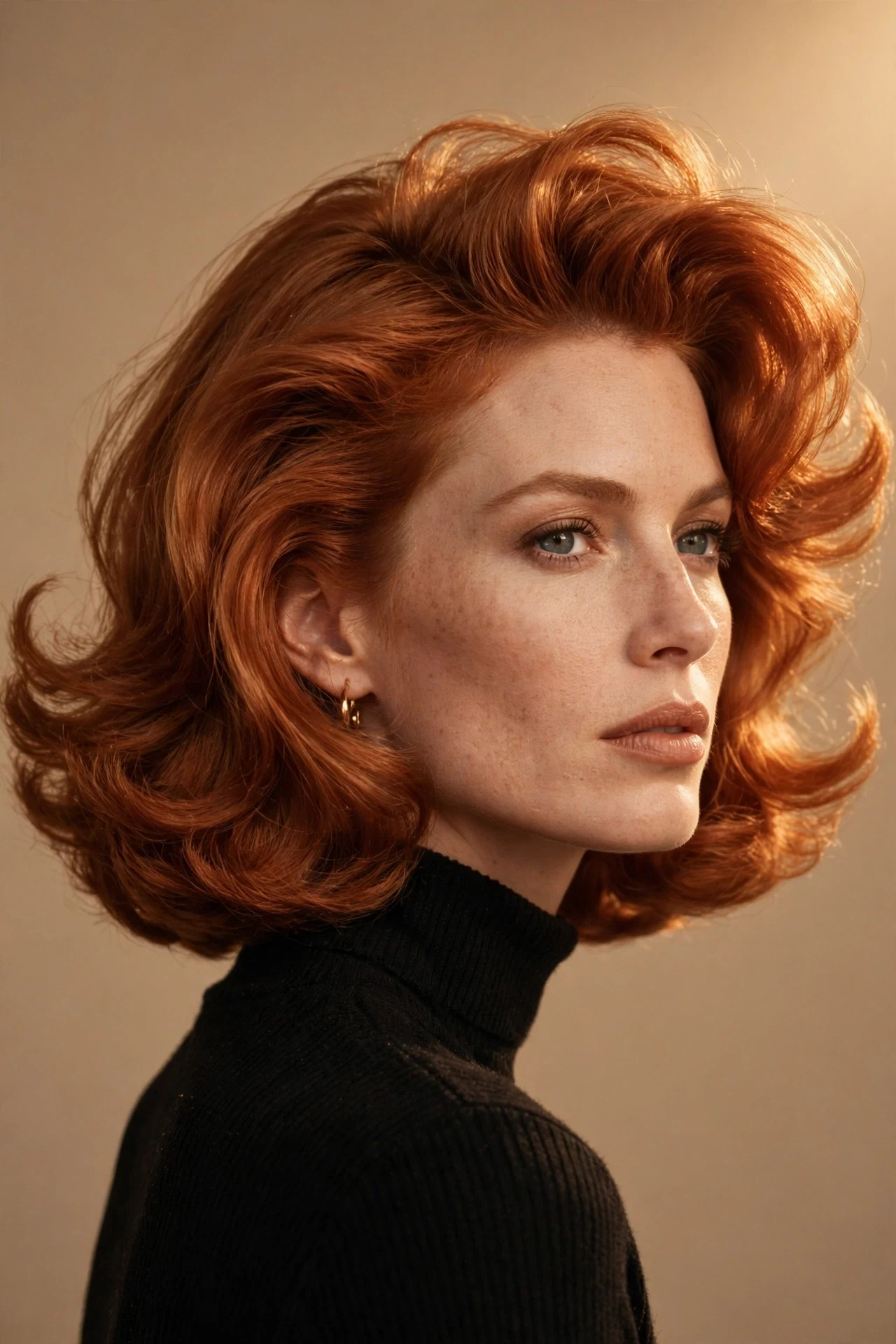
Nineties supermodel energy, straight from the archives. Flip the ends outward with a round brush and you get that swingy, face-opening shape that made the decade’s hair so iconic. This styling suits the midi better than shorter bobs, because the extra length gives the flip room to breathe. It is a great trick when your hair is between washes and needs personality fast.
7. The Curly Italian Midi

Here is the section curly girls need to read. At midi length, curls have room to form their full pattern without stacking into a triangle, but shrinkage is real. A collarbone cut on wet type 3 curls can spring up to the chin once dry, so ask your stylist to cut it dry or leave extra length. Done right, the midi gives curls weight, shape, and bounce all at once. Diffuse gently and never rake the roots.
8. The Natural Wavy Midi

Wavy hair might be the single best texture for this length. The natural bend does all the volumizing work for you, no hot tools required. Stylists consistently call wavy the sweet spot for a medium bob, and the Italian midi proves it. Enhance the wave with a light mousse, scrunch, and walk away. By afternoon the waves settle into that perfectly undone shape everyone is chasing.
9. The Fine Hair Midi

Thin strands, listen up. The blunt-ish perimeter of the midi makes fine hair look noticeably thicker, because the ends are not carved away by layers. The trick is invisible internal layering: your stylist removes weight from the middle of the hair shaft without touching the ends, creating air pockets that read as volume. Skip heavy oils that drag it down. A volumizing mousse at the roots is all you need.
10. The Thick Hair Midi

Thick hair at this length can either be a dream or a doorstop, and the difference is the cut. Ask for weight removed through the interior with a razor or thinning shears, while keeping the perimeter line intact. You keep the fullness the Italian look is known for, but the hair actually moves. Air drying works beautifully here because the density does the shaping. This length also survives humidity better than shorter bobs.
11. The Curtain Bang Midi

Curtain bangs and a midi are a match made in a Paris cafe. The soft, parted fringe frames the face while the collarbone length balances longer foreheads and rounder cheeks. Style the bangs with a round brush, flicking them away from the face, and let the rest air dry. The fringe also grows out gracefully into face-framing layers, so you are never stuck with an awkward phase.
12. The Middle Part Sleek Midi
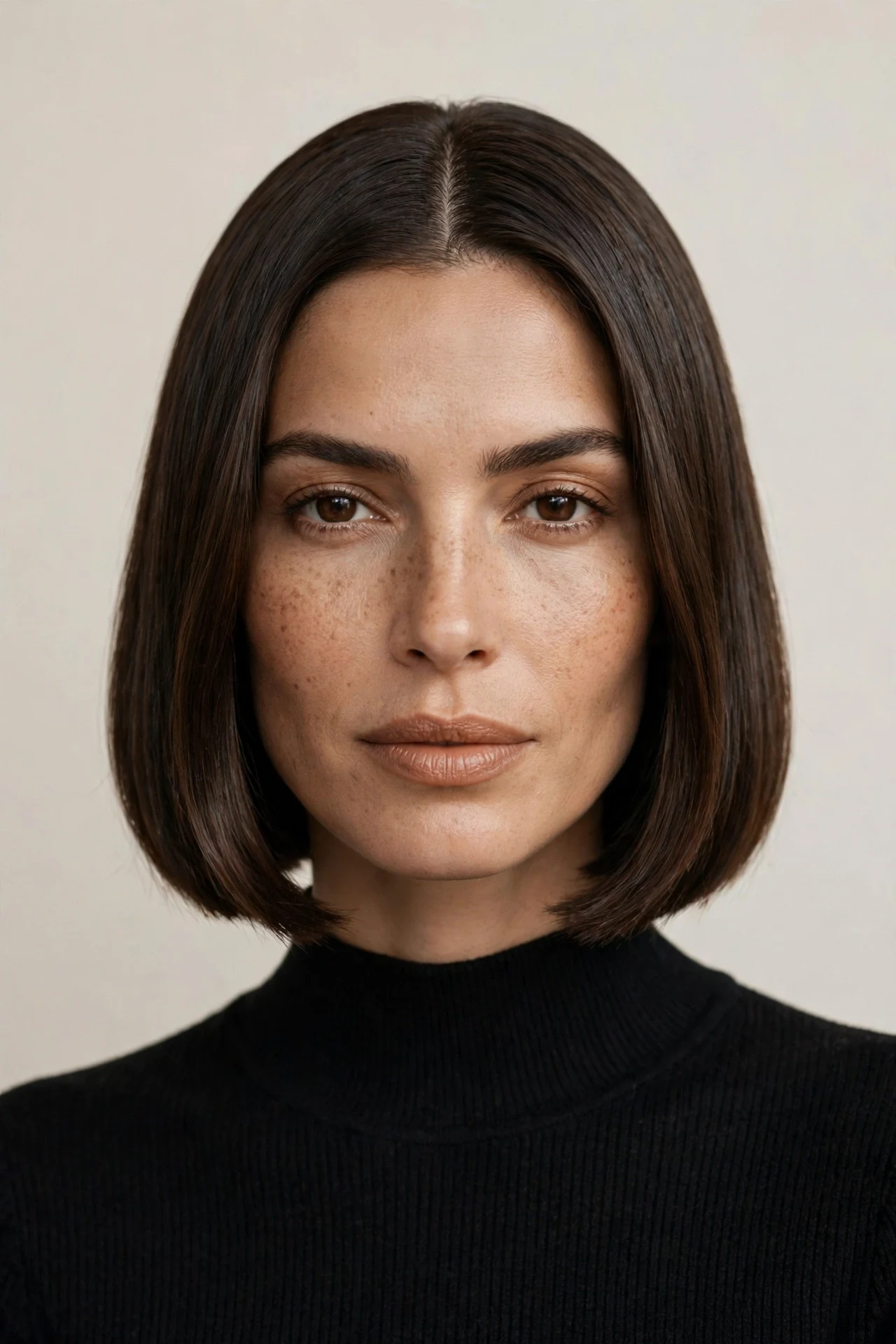
A crisp middle part gives the midi a modern, editorial edge. The symmetry draws attention to the cheekbones and makes the cut look intentional and polished. Keep the roots flat and let the ends bend outward just slightly for that Italian signature. This version photographs beautifully and works as well for office days as for evenings out.
13. The Deep Side Part Midi

Want instant volume? Flip your part to the side. A deep side part lifts the crown and sends a wave of hair sweeping across the forehead, which is incredibly flattering on heart and oval faces. The midi length keeps the sweep from collapsing by lunchtime. Tuck the smaller side behind the ear and add a statement earring. Instant glamour with zero extra effort.
14. The Face-Framing Layer Midi
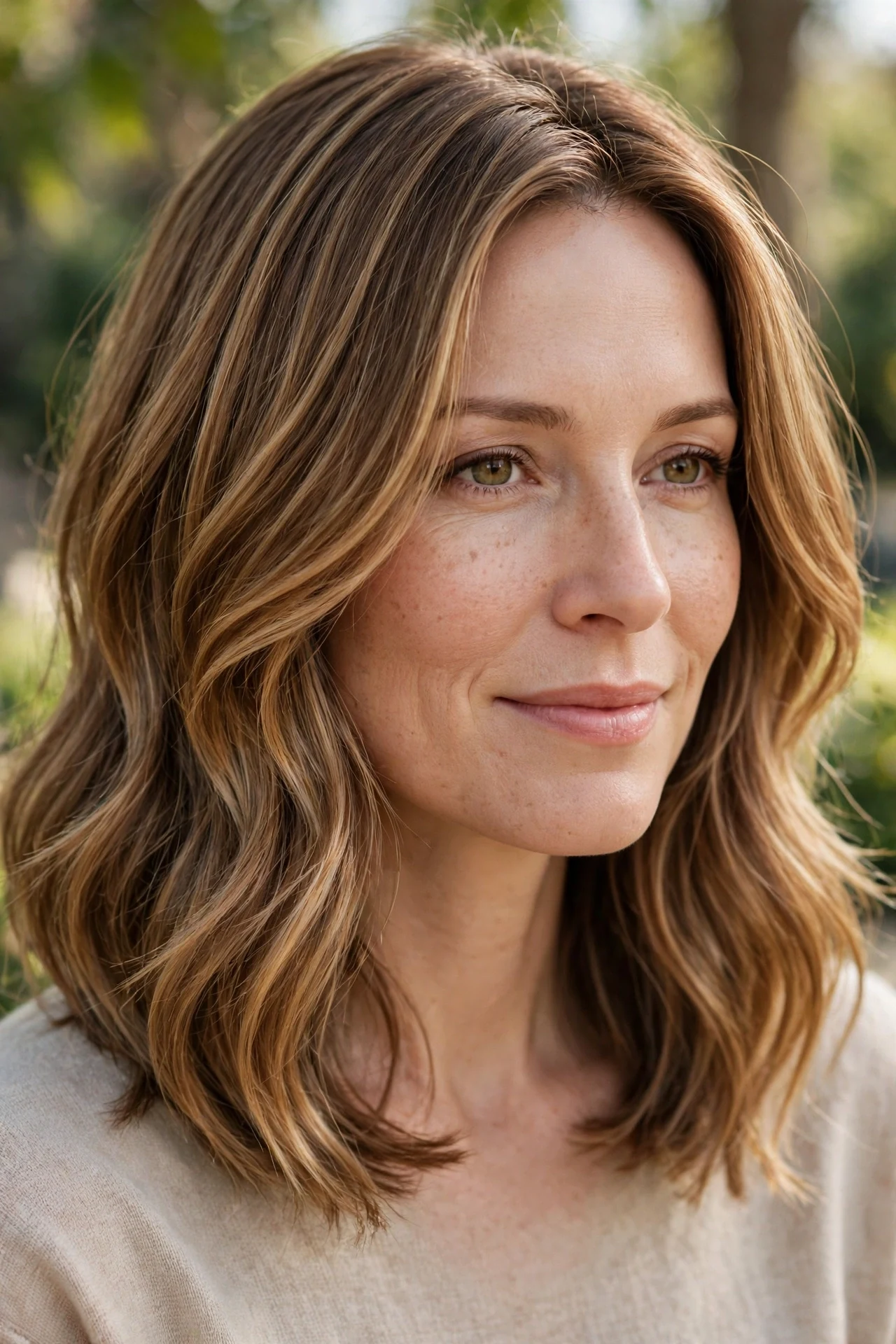
A few soft pieces around the face are the difference between a haircut and a hairstyle. These shorter front sections start at the cheekbone and blend into the collarbone length, opening up the face and softening strong jawlines. Unlike the lob, which often keeps the front long and angled, the Italian midi frames gently all the way around. Movement, but make it flattering.
15. The Grown-Out Midi (Your Grow-Out Plan)
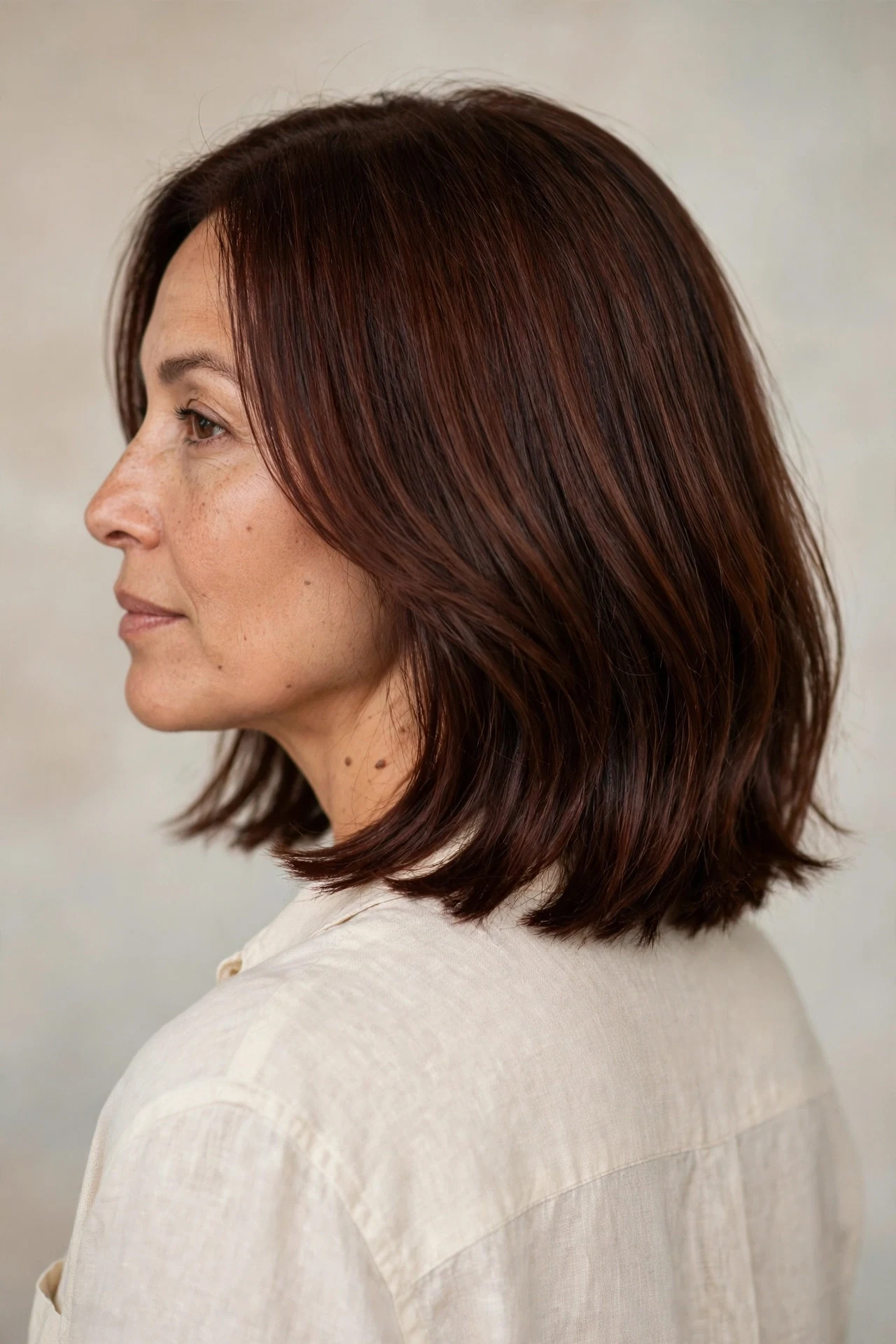
Here is a secret the salon will not tell you: the midi is the smartest way to grow out a classic Italian bob. Instead of suffering through the mullet-y awkward phase, you trim the neckline lightly every 8 to 10 weeks while the front catches up, and the cut evolves into a midi on its own. Keep the ends healthy with a dusting trim and you never have an ugly stage. Growth becomes a style choice, not a waiting game. Many stylists now treat the italian midi haircut as the official transition length, not just a compromise.
16. The Midi vs the Lob, Settled
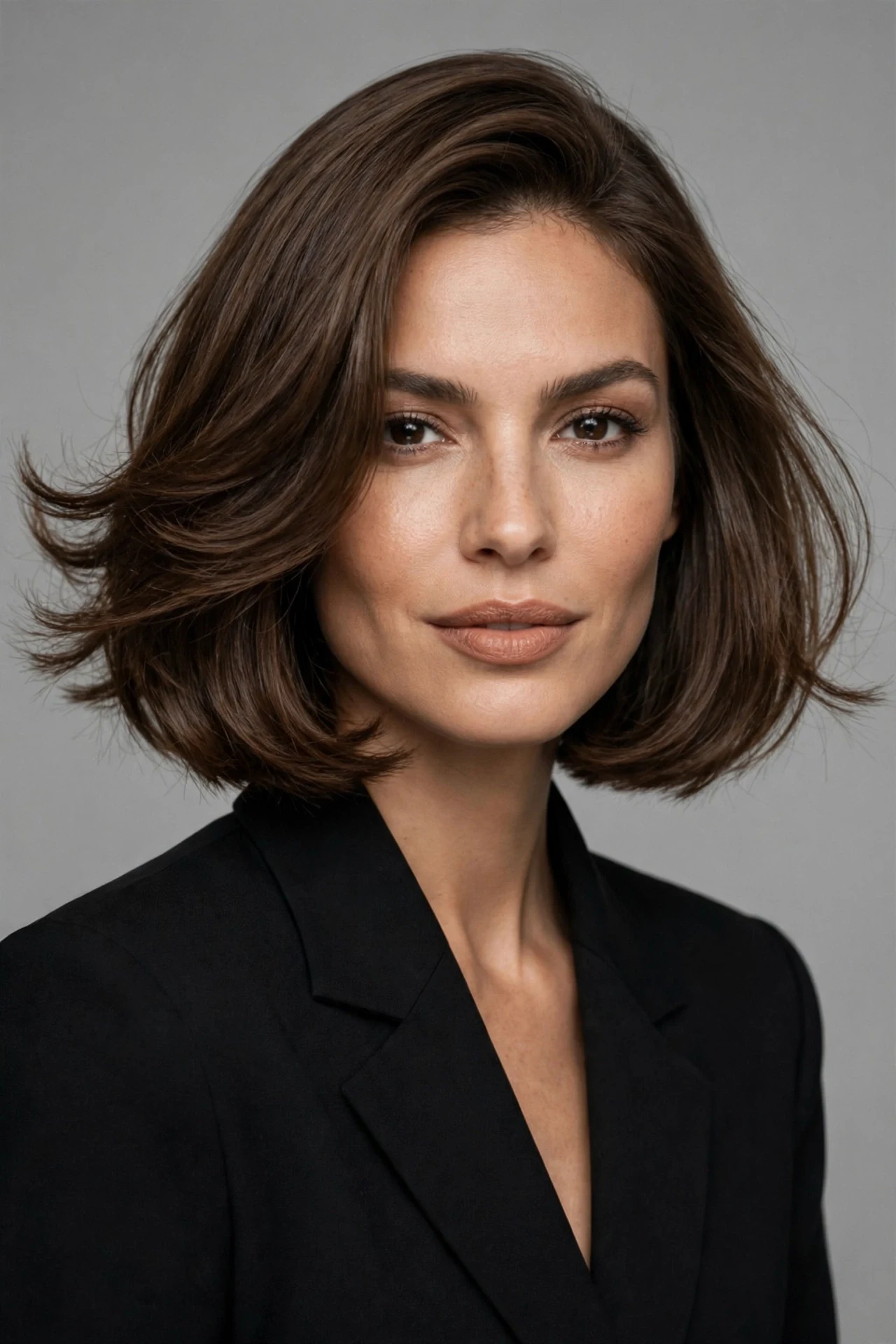
People confuse these two constantly, so let us end the debate. A lob is usually cut with a slight angle (longer in front), often flat-ironed straight, and styled clean. The Italian midi keeps the perimeter even all the way around, skips the heavy layering, and is built for movement, bounce, and a little beautiful mess. The lob says polished. The midi says she woke up in Milan. Choose the lob for sleek minimalism and the midi for volume and personality. In short, an italian midi haircut is built for movement, while a lob is built for polish.
17. The Over-50 Elegant Midi

This length is a gift for women over 50. It is long enough to soften the neck and jawline, short enough to look modern, and the bounce keeps everything youthful. Celebrity stylist Rikke Gajda points out that the collarbone midi still pulls back, which means bad hair days have an escape route. Keep the color rich and the ends healthy, and this cut takes years off without trying to look young. Elegant is the whole point.
18. The Ponytail-Test Midi

The number one reason women choose the midi over the chin-length Italian bob? It goes into a ponytail. Collarbone length clears the ears and gathers neatly at the nape, which means gym sessions, cooking, and windy days are all handled. The classic bob cannot do that. If your lifestyle needs the occasional updo, the midi gives you the Italian look without the commitment of short hair. That everyday practicality is a big reason the italian midi haircut keeps winning new fans.
19. The Wet-Look Slicked Midi
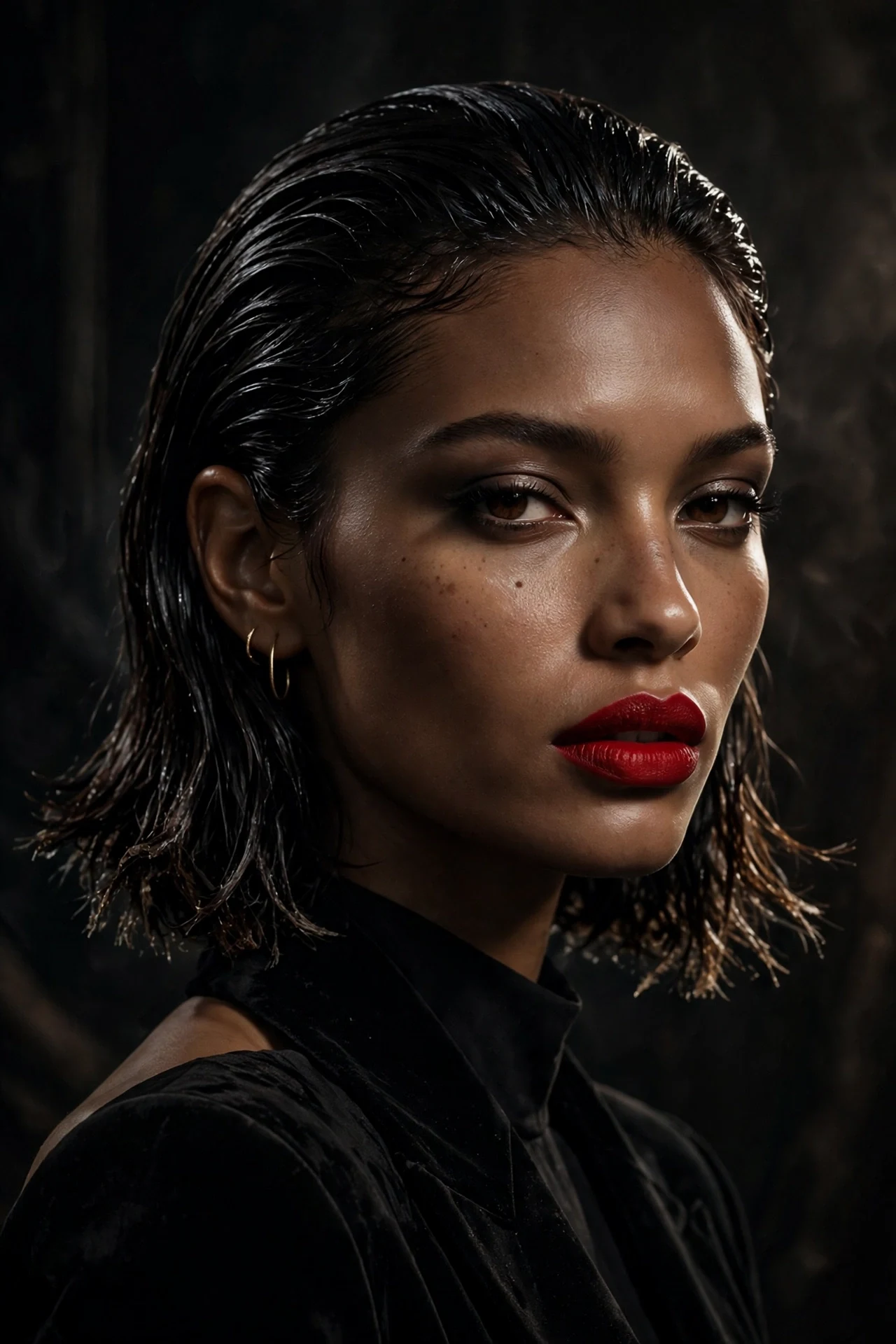
For evenings, slick it. Comb a pea-sized amount of gel or strong-hold cream through damp hair from roots to mid-lengths, leave the ends slightly textured, and you have red-carpet hair in five minutes. The midi length keeps the look chic rather than severe, because there is enough hair to show some movement at the bottom. Pair it with a bold lip and minimal jewelry. Effortless drama.
20. The Second-Day Lived-In Midi

The Italian midi might be the best second-day haircut ever designed. The length means it does not kink weirdly overnight like short bobs do, and the natural volume hides the fact that you skipped a wash. Revive it with a little dry shampoo at the roots and a quick scrunch of the ends. Some women swear it looks better on day two than day one. We are not arguing.
Who Should Choose the Midi Over the Classic Italian Bob
Choose the midi if you want the Italian vibe but need versatility: ponytails, a longer grow-out window, and more styling range. It flatters round faces better than the chin-length cut, because the extra inches elongate instead of widening. It suits thick, wavy, and curly hair beautifully, and it is the safer first step if you are nervous about going short. Stick with the classic chin-length bob if you want maximum drama, a stronger neckline statement, and the boldest version of the trend. If any of that sounds like you, the italian midi haircut is probably your cut.
What is an Italian midi haircut?
It is the medium-length version of the Italian bob. The cut sits between the chin and the collarbone, usually grazing the collarbone, with a full perimeter, minimal layering, healthy thick ends, and soft natural movement. Think Italian bob attitude with more length and more styling options.
What is the difference between an Italian midi haircut and a lob?
A lob is typically angled (longer in front), heavily smoothed, and styled clean and flat. The Italian midi is cut even all around, keeps the ends chunky instead of thinned, and is designed for bounce, volume, and a slightly undone finish. The lob reads polished and minimal; the midi reads full and Italian.
How do I ask my stylist for an Italian midi haircut?
Say you want a collarbone-length bob with minimal layering, a full heavy baseline, and soft movement at the ends. Mention you want it to air-dry well and flip outward slightly rather than tuck under. Bring reference photos, because trendy names mean slightly different things to every stylist. Photos of the exact length on your hair texture are worth a thousand words.
How do I grow out a classic Italian bob into a midi?
Trim the neckline lightly every 8 to 10 weeks and let the front and sides catch up. Ask your stylist for dusting trims that keep the ends healthy without losing length. The perimeter will even out on its own and you will land at midi length in roughly 3 to 4 months with no awkward stage. For the full classic cut background, see our guide on what an Italian bob is.
Does the Italian midi haircut work on curly hair?
Yes, beautifully, with one caution: shrinkage. Wet curls cut at collarbone length can spring up to chin length once dry, so ask for a dry cut or extra length left in. At midi length, curls get enough weight to form full, defined patterns without the triangular stacking that shorter cuts cause. It is one of the most flattering lengths for type 2C to 3C curls.
How often does the Italian midi haircut need trimming?
Every 8 to 12 weeks, which is more forgiving than the classic chin-length Italian bob (usually 6 to 8 weeks). The extra length hides growth better and the shape stays flattering longer. If you are actively growing it out, stick to light dusting trims so you keep your progress.
For professional styling perspective on this length, see InStyle’s breakdown of the trend: The Italian Midi Haircut Is the Chic Transitional Haircut You’ll Want.
Sana Malik is a hair and beauty writer with a deep love for the bob in all its forms from sharp French bobs to soft, lived-in lobs. After years of experimenting with her own short hair and helping friends figure out what actually suits their face shape, she started writing to cut through the confusing advice out there. At BobHairTrends, she breaks down each cut into simple, honest guides: how to ask for it, how to style it at home, and who it really flatters. When she isn’t researching the latest trends, she’s usually testing a new styling product or convincing someone it’s finally time for the chop.