
There is a special frustration that comes with fine hair: you want the length, but every inch past your shoulders seems to cost you volume. A long graduated bob fine hair cut is the rare style that gives you both, stacking subtle layers at the back so the crown lifts while the front keeps its collarbone-grazing length.
Graduation is the quiet engine here. Shorter layers tucked underneath push the longer surface hair up and out, which reads as thickness even on the finest strands. No teasing, no extensions, just geometry doing the heavy lifting.
I have been recommending this cut for years to clients who refuse to go short but are tired of flat. Below are 18 takes on it, from sleek to choppy, with honest notes on who each one suits and the exact words to use at the salon.
18 Long Graduated Bob Fine Hair Styles You’ll Want to Copy
1. The Volume-First Classic
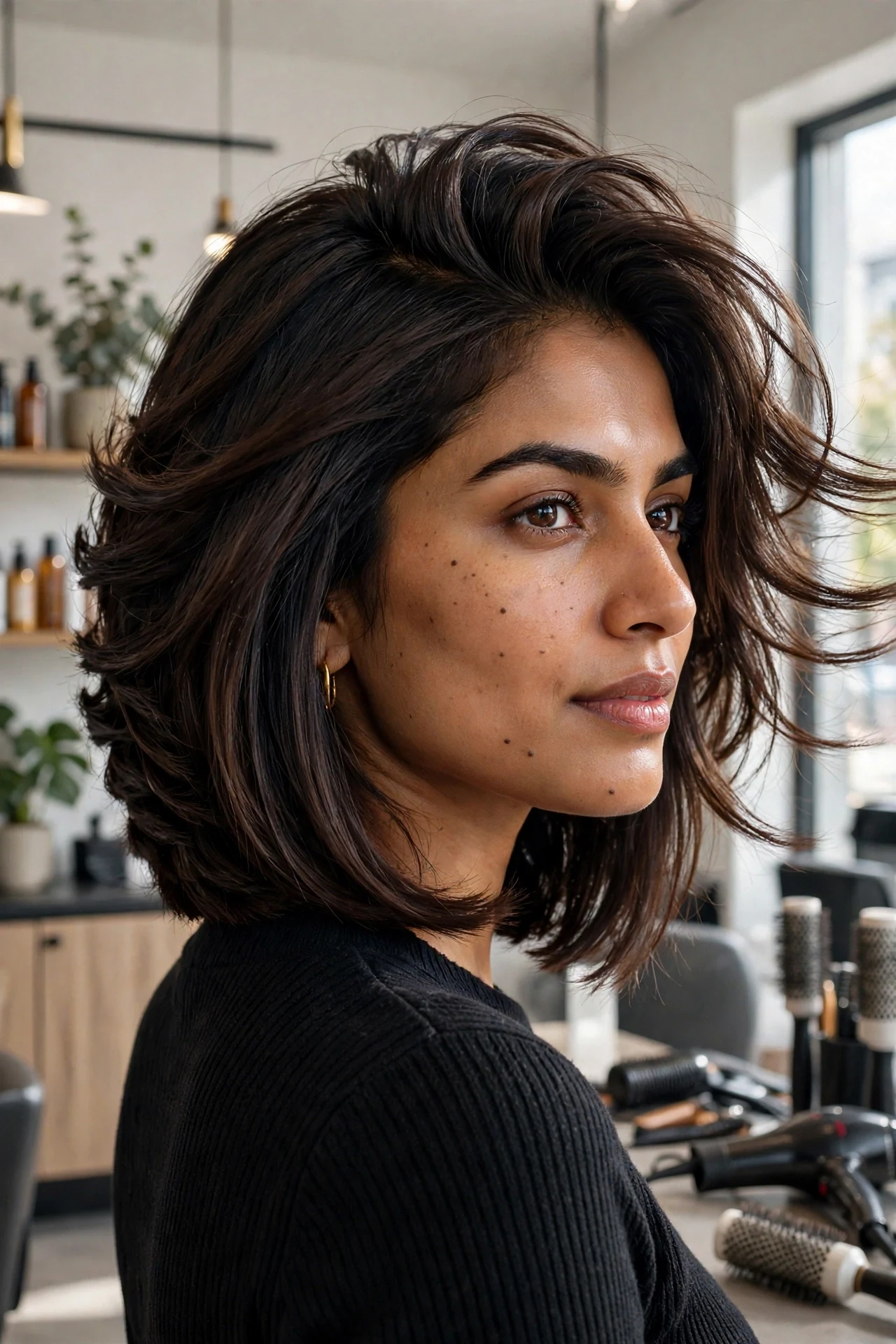
If you only save one photo from this entire guide, make it this one. This is the long graduated bob doing exactly what it was born to do: stacking shorter layers underneath so the crown practically floats, while the front pieces fall clean to the collarbone.
What makes it stop-the-scroll in real life too is the contrast. All that height on top makes the lengths look thicker by comparison, even though nothing was teased or faked. It is architecture, not illusion.
Ask for: a long graduated bob with strong graduation through the back and solid, blunt-ish ends in front. Tell your stylist you want maximum lift with minimum layering up front.
2. The Sleek Everyday Bob
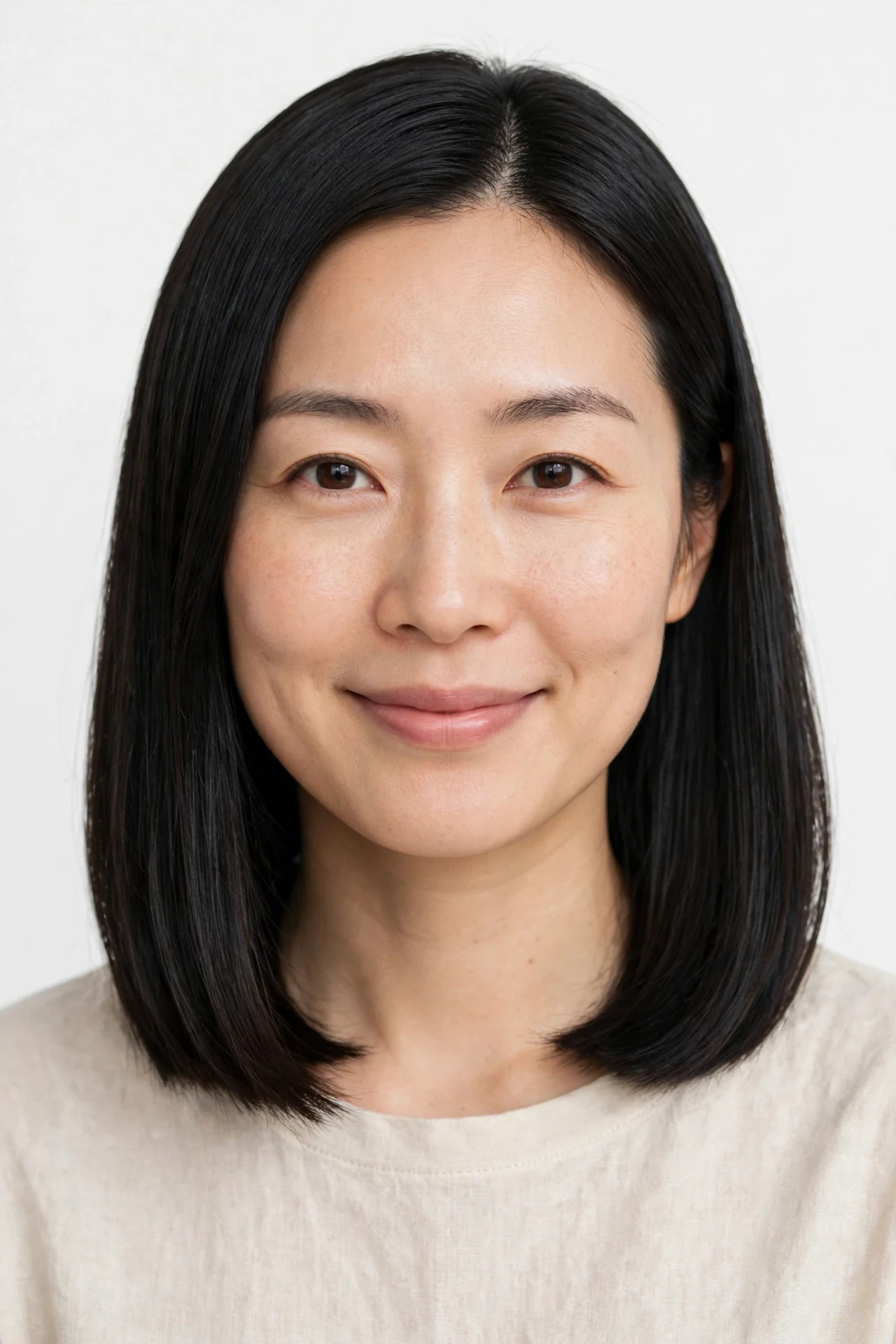
Not everyone wants drama, and honestly? This quiet version might be the most wearable cut on the whole list. The graduation is whisper-soft, just enough to stop the back from collapsing flat by lunchtime.
It is the cut I suggest when someone says “I want to look polished but I only have ten minutes.” Blow-dry with a paddle brush, tuck one side behind your ear, done. Office to dinner without a second thought.
One tip: fine hair shows every split end, so keep the perimeter crisp with trims every 8 weeks. A sharp bottom edge is what makes this look expensive instead of straggly.
3. The Subtle Back Stack
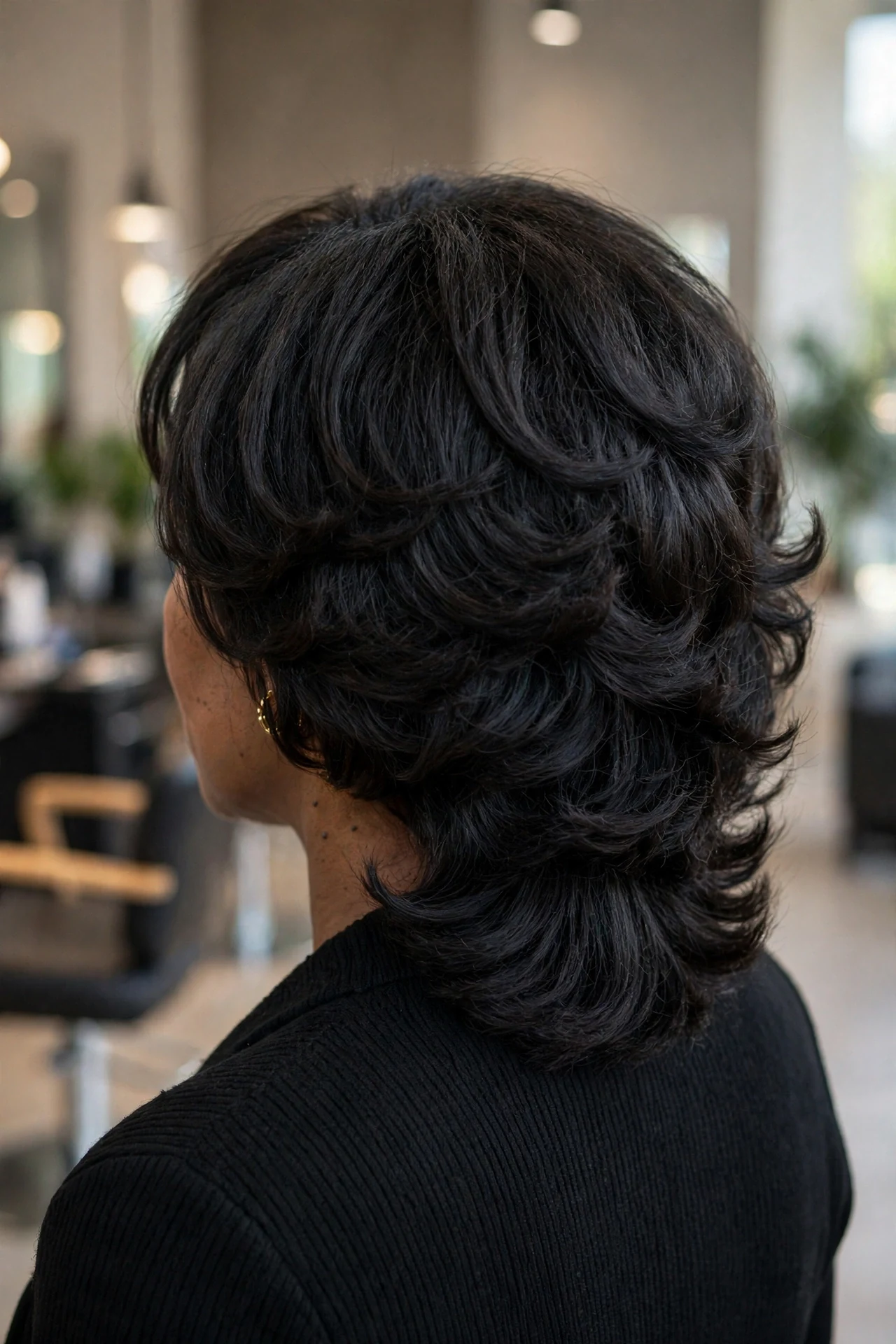
Turn around, because the magic of this one lives at the back. The nape is stacked gently, each layer a touch shorter than the one above it, and that tiny staircase is what pushes everything upward.
On a long graduated bob fine hair loves, subtlety beats severity. You do not need a dramatic shelf at the back. A soft stack gives lift without the dated, overly rounded silhouette nobody is asking for anymore.
Grow-out is forgiving here too. Because the graduation is gentle, it melts into a lob over a couple of months instead of morphing into something awkward in between.
4. The Curtain-Bang Version
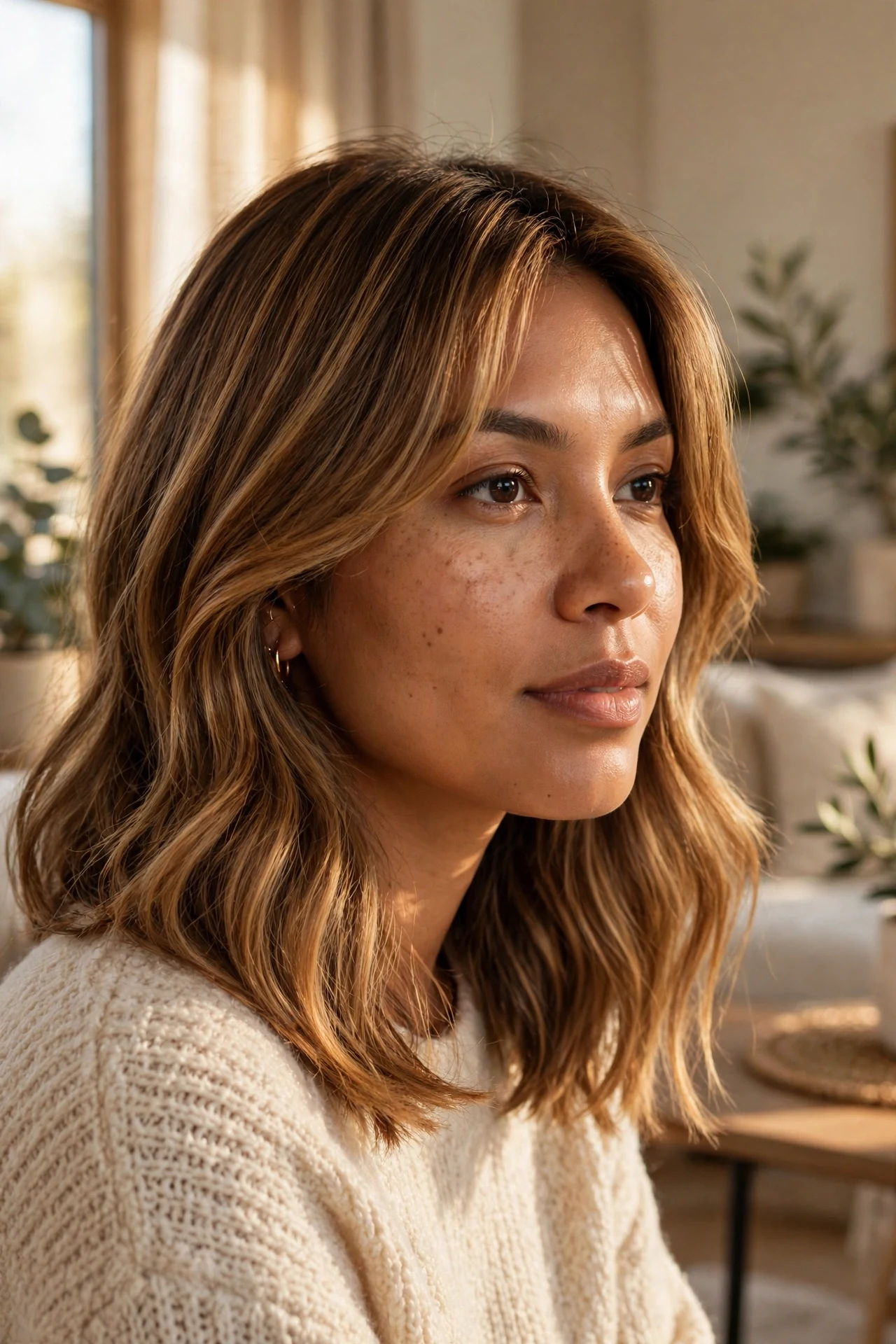
I will be honest: I used to talk fine-haired clients out of bangs. Then curtain bangs got longer, softer, and smarter, and I changed my tune completely.
Kept long and piece-y, curtain bangs melt into the face-framing layers of a graduated bob instead of sitting on the forehead like a separate haircut. They add width exactly where thin hair needs it most: around the face.
Style them with a round brush flicked away from the face, or just let them air-dry. The grown-out, undone version might be even prettier than the fresh cut, which is rare for any fringe.
5. The Deep Side-Part Lift
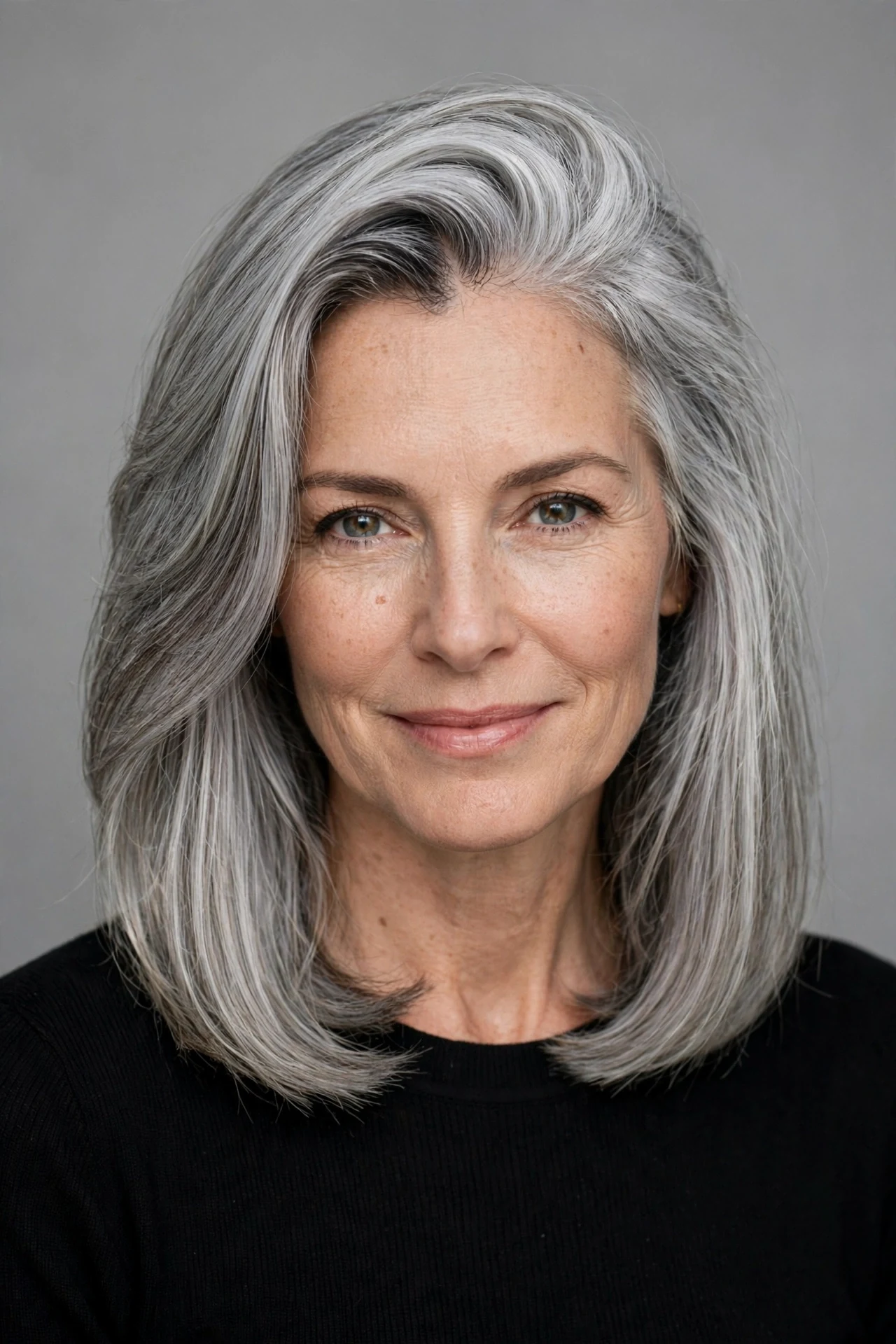
Here is the cheapest volume trick in this entire guide, and it costs zero scissors. Flip your part deep to one side and watch your crown double in height. It genuinely works that fast.
On a graduated bob the effect multiplies, because the short layers underneath are already pushing upward. You are basically stacking lift on top of lift, and the deep part directs all of it where the camera sees it.
Train the part while your hair is damp. Blow-dry the roots in the opposite direction first, then sweep everything over. Roots have memory, and you can teach them new habits in about a week.
6. The Face-Framing Take
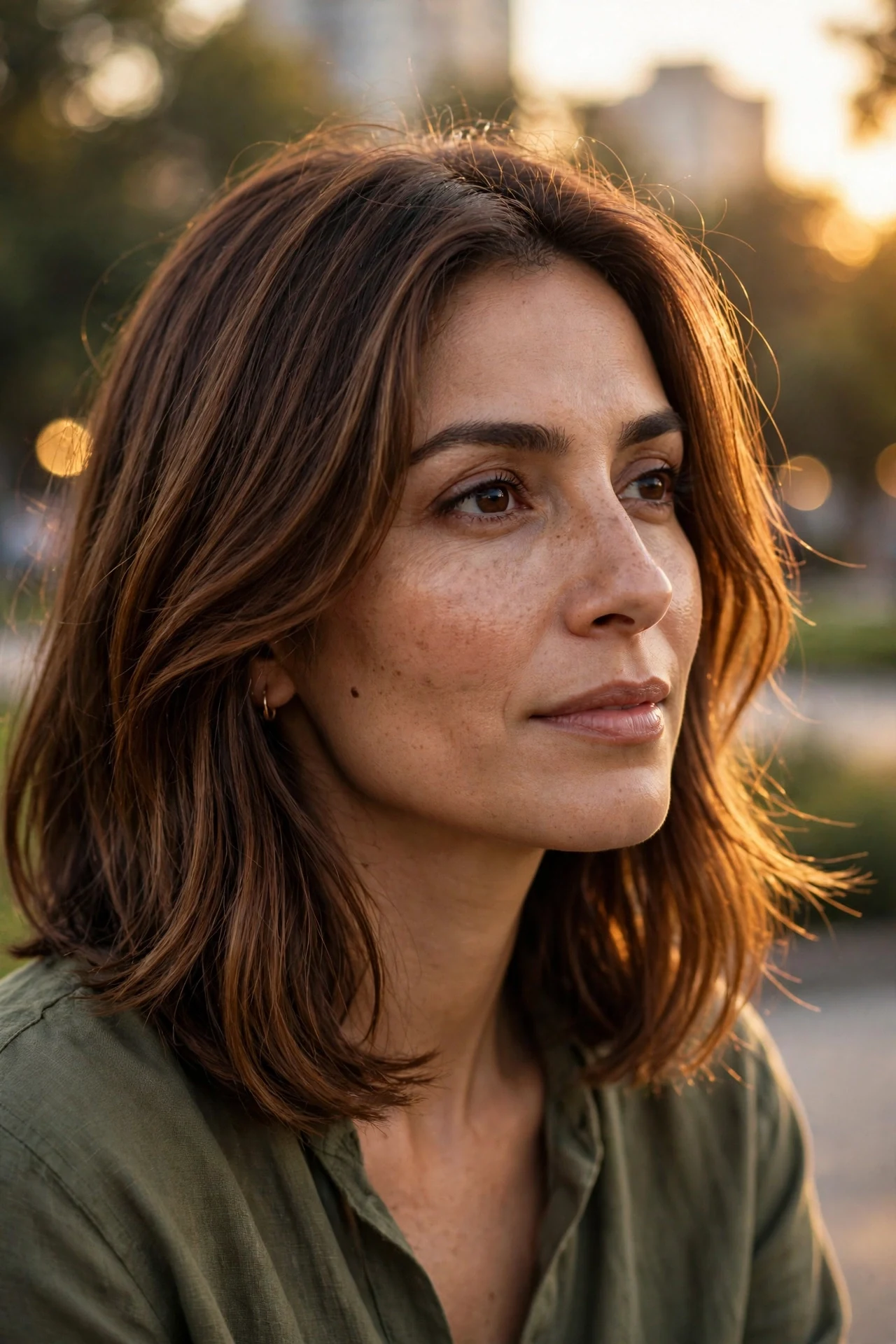
Some cuts photograph well. This one photographs well and behaves well, which is rarer than it should be. Soft layers around the cheekbones break up the solid sheet of a longer bob and pull the eye outward, which reads as fullness.
It is also the friendliest option for growing out old bangs or blending tired layers. Everything just melts together instead of fighting. Low drama, high reward.
If your face runs long, ask for the framing to start at the cheekbones rather than the chin. That horizontal line is what keeps the cut from dragging you down.
7. The Choppy-Textured Chop
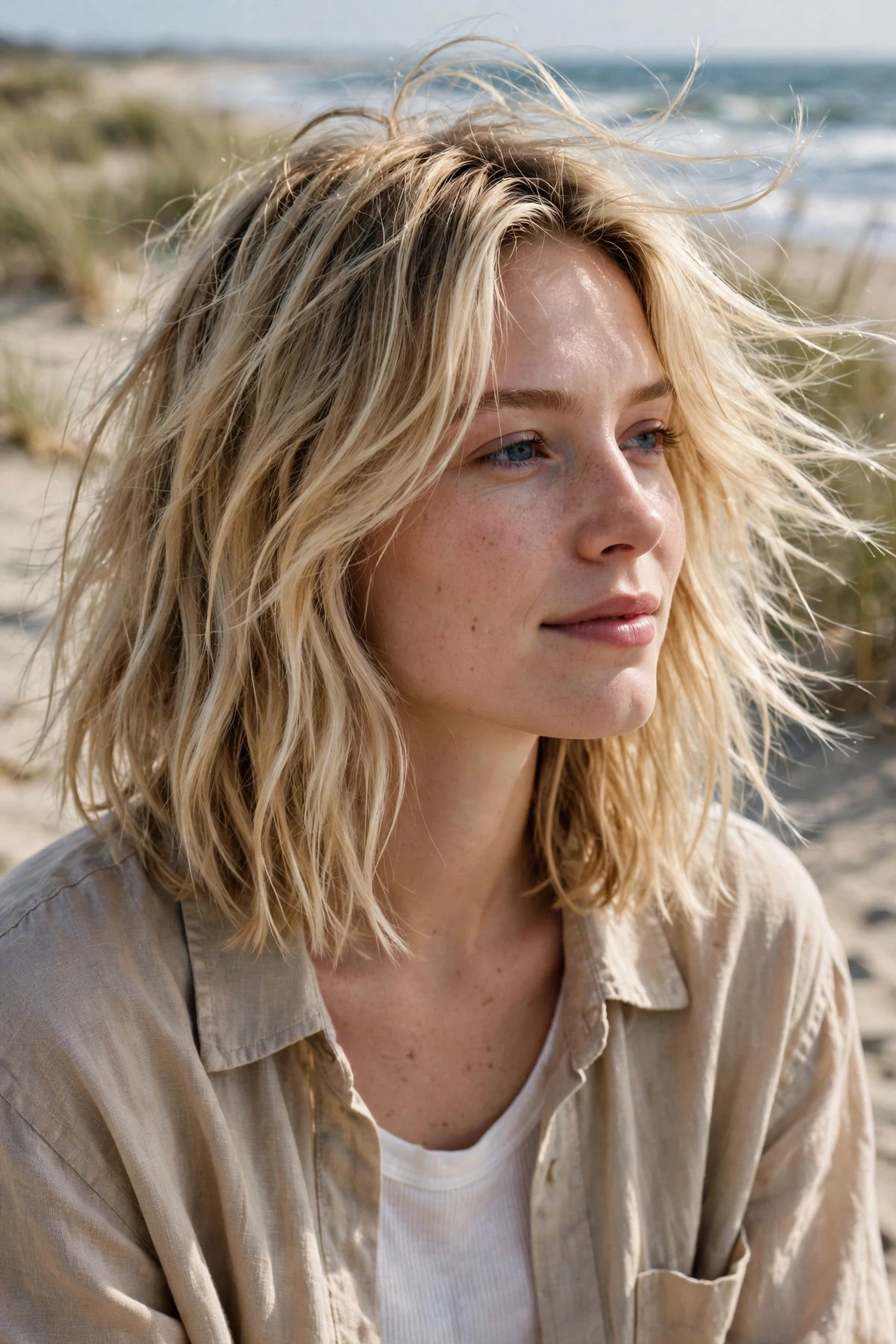
Okay, chaos, but make it intentional. Point-cut, piece-y ends give fine hair something it desperately needs: separation. When every strand is doing something slightly different, the eye reads texture as thickness.
This is the lowest-maintenance version of the graduated bob, full stop. Air-dry with a little salt spray, scrunch, and walk out the door. Bedhead is the entire point, which feels like a gift on busy mornings.
One caveat: choppy ends on fine hair need a skilled hand. Too much point-cutting and the ends go see-through. Ask for texture through the mid-lengths, never the perimeter, so the bottom edge stays solid.
8. The Glass-Sleek Finish
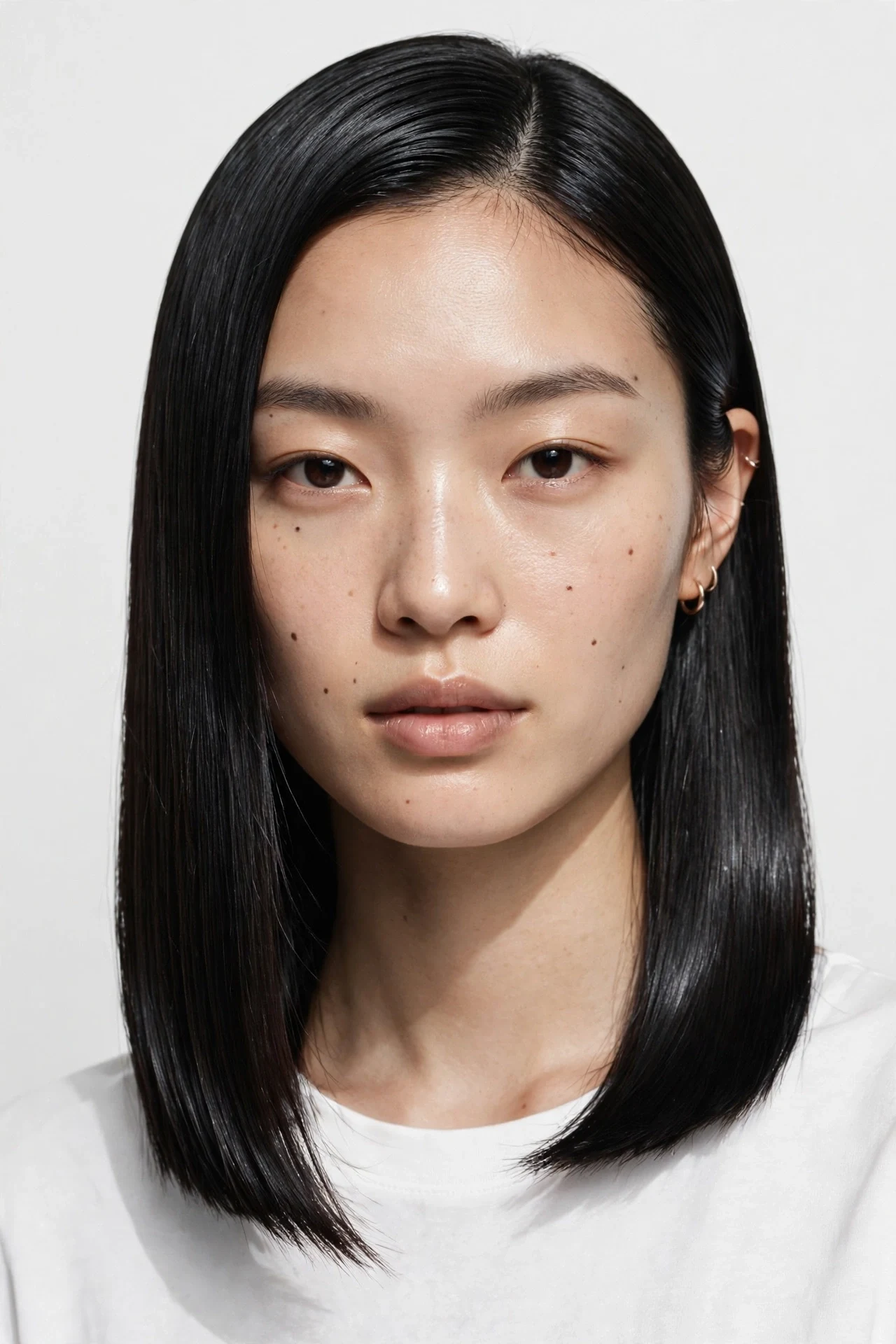
Shine is a volume trick nobody talks about. Light bouncing off a perfectly smooth surface makes hair look denser, which is why this glassy finish works so beautifully on fine strands.
A long graduated bob worn pin-straight looks deliberate and expensive. The graduation keeps the back from lying completely flat, so you get polish without the dreaded helmet effect that one-length bobs can give.
The secret is in the finish, not the cut. A smoothing serum on damp hair, a flat iron in small sections, and a cool shot from the dryer to seal it. High effort, high reward, special-occasion energy.
9. The Wispy-Bang Softener
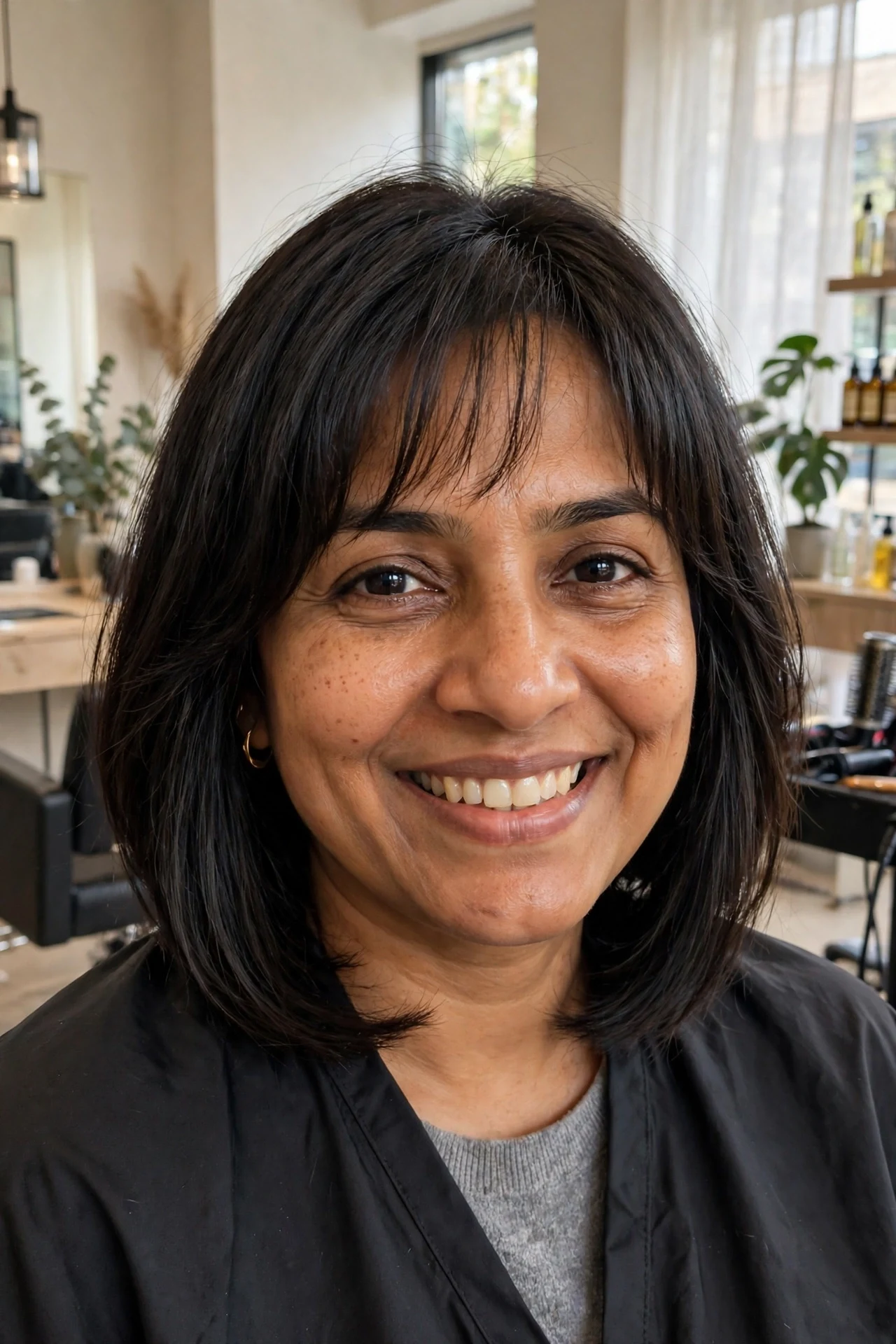
There is a softness to this cut that I cannot get enough of. Feathered, barely-there bangs take the edge off a strong jawline and make the whole bob feel romantic instead of severe.
The trick is keeping them truly wispy. Fine hair cannot support a heavy fringe; it just separates and looks stringy by noon. Ask for point-cut, piece-y bangs that you can barely feel on your forehead.
Cut them dry if your stylist offers. Wet bangs shrink up as they dry, and on thin hair there is no density to hide behind if they jump too short. Dry cutting is the safety net.
10. The Balayage Dimension
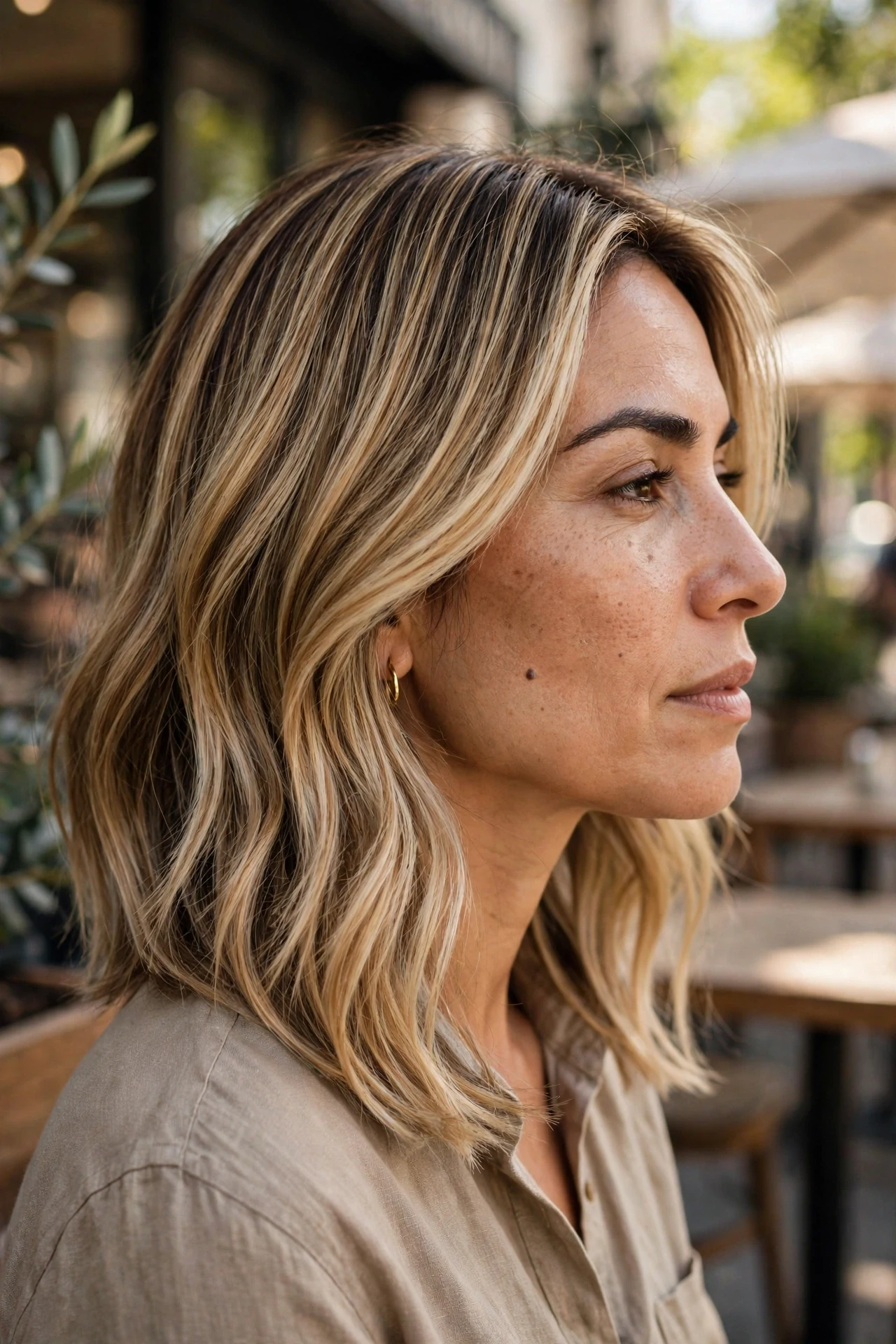
Sometimes the cut is only half the story. Dimensional color, those ribbons of honey and caramel through the mid-lengths, makes every layer of the graduation visible. And visible layers read as more hair. Simple as that.
This is my favorite cheat for fine hair that photographs flat. The color does the talking so the cut does not have to work as hard, which means less daily styling for you.
Go easy on the bleach, though. Over-processed fine hair breaks, and broken ends undo everything the graduation built. Gloss and lowlights give you 90 percent of the effect with none of the damage.
11. The Silver Fox Graduate

Can we talk about how good silver hair looks with graduation? The varying tones catch the light differently on every layer, which makes the shape pop in a way one-tone hair simply cannot.
A long graduated bob fine hair in silver is proof that going grey is not giving up. It is upgrading. The collarbone length keeps it modern, and the graduation keeps it full exactly where age tends to thin things out.
Maintenance is refreshingly simple: a purple shampoo once a week to keep the silver bright, and trims every 8 to 10 weeks. That is genuinely the whole routine.
12. The Asymmetrical Edge
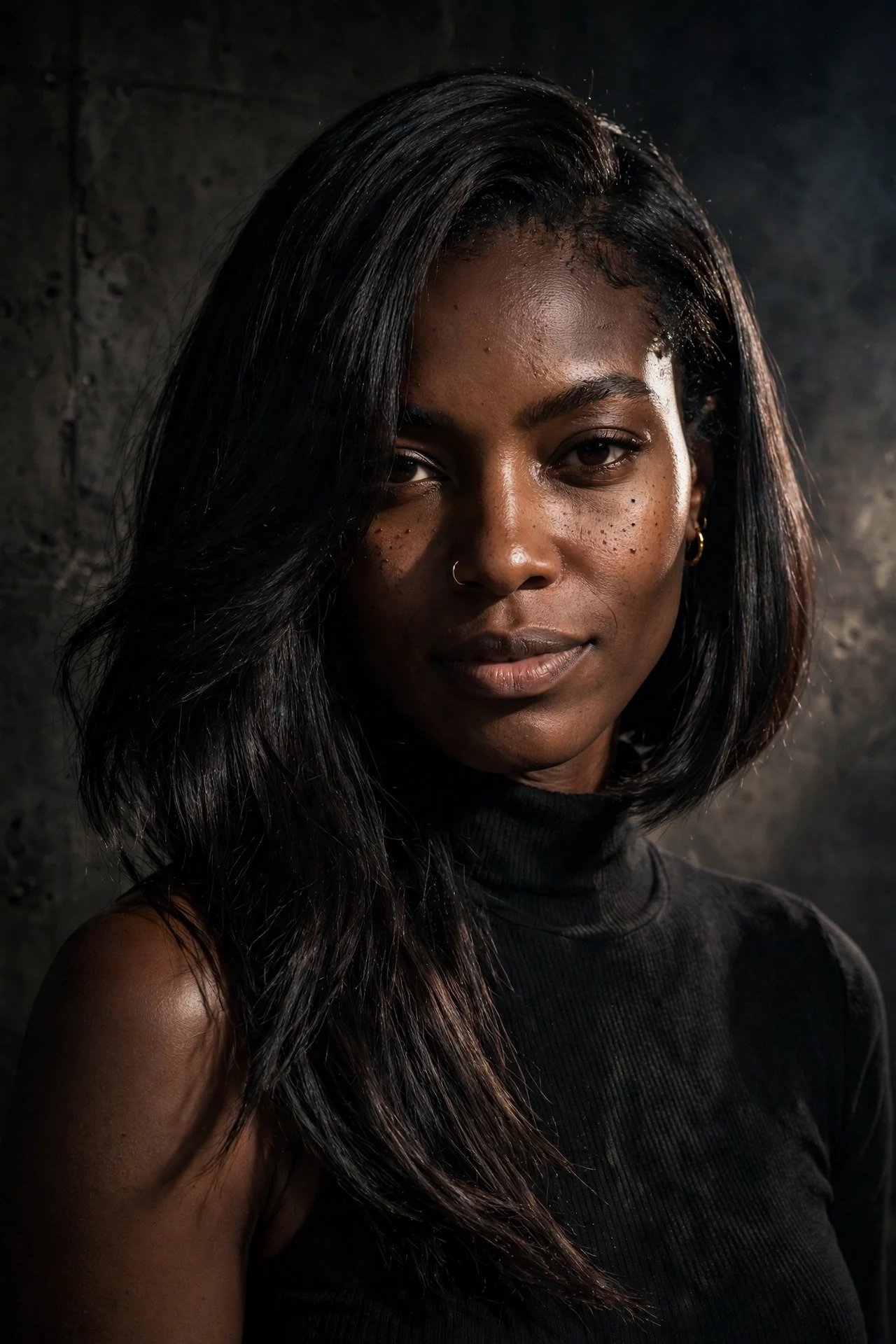
One side longer. That is the whole trick, and it works ridiculously well. The diagonal line pulls the eye down and across, which elongates the face and distracts from any thinness at the crown.
This is the cut for anyone who finds classic bobs a little boring. It has opinions. It walks into a room before you do, in the best possible way.
Keep the difference subtle, an inch or two at most, unless you want full drama. And know that the short side grows out faster visually, so book trims every 6 weeks to keep the asymmetry intentional.
13. The Wavy Copper
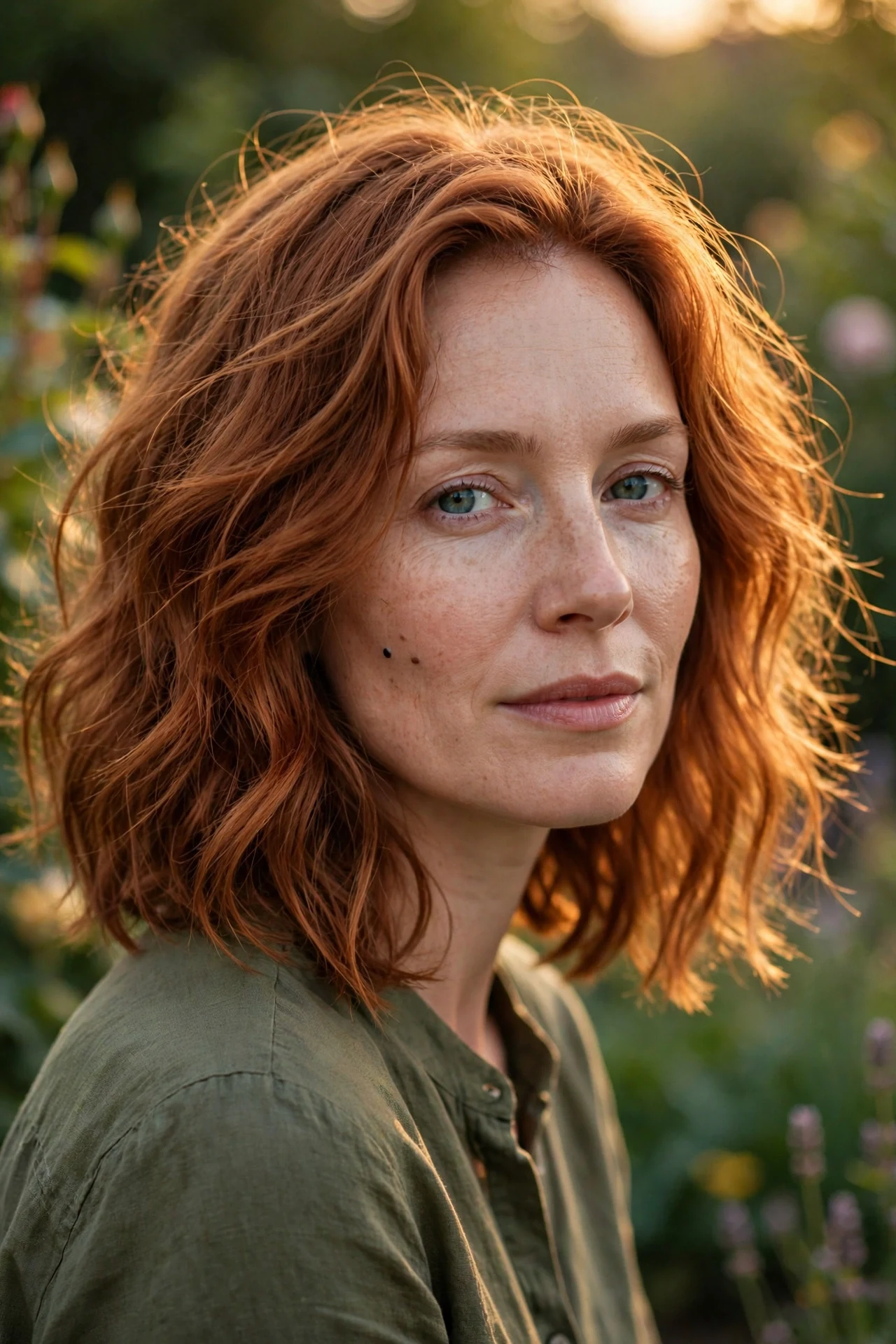
Copper plus graduation is a combination I will never stop recommending. The warmth makes fine hair look instantly thicker (dark roots against pale ends are the enemy of thin hair), and waves add the texture that straight fine hair lacks.
You do not need natural waves for this. A large-barrel iron on the mid-lengths, ends left straight, gives you that undone bend in about fifteen minutes. It is the fastest transformation on this list.
Copper fades fast, so wash cool and wash less. A color-depositing conditioner once a week keeps the fire alive between salon visits without a full recolor.
14. The Tucked-Under Polish
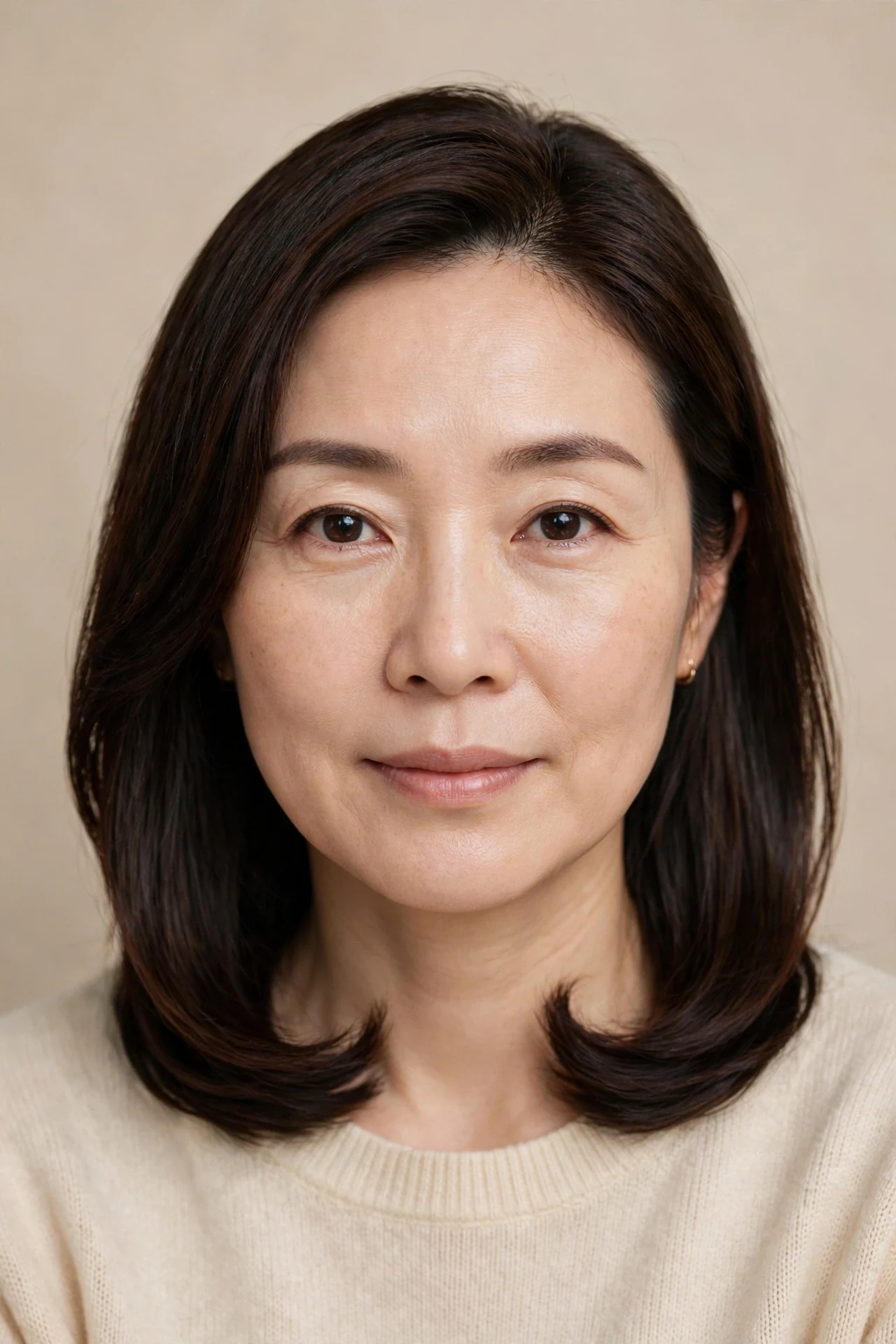
There is something so satisfying about ends that curve under perfectly, like the cut is hugging your jawline. A round brush and a dryer is all it takes, and the graduation underneath makes the tuck hold instead of flipping out by noon.
This is the most professional-looking version on the list. Job interview, wedding guest, meeting the in-laws: this cut never puts a foot wrong. It is quiet luxury in haircut form.
Use a medium round brush, not a large one. Smaller barrel, tighter curl, longer-lasting tuck. Finish with the cool shot while the brush is still in place to lock the curve.
15. The Salon Blowout
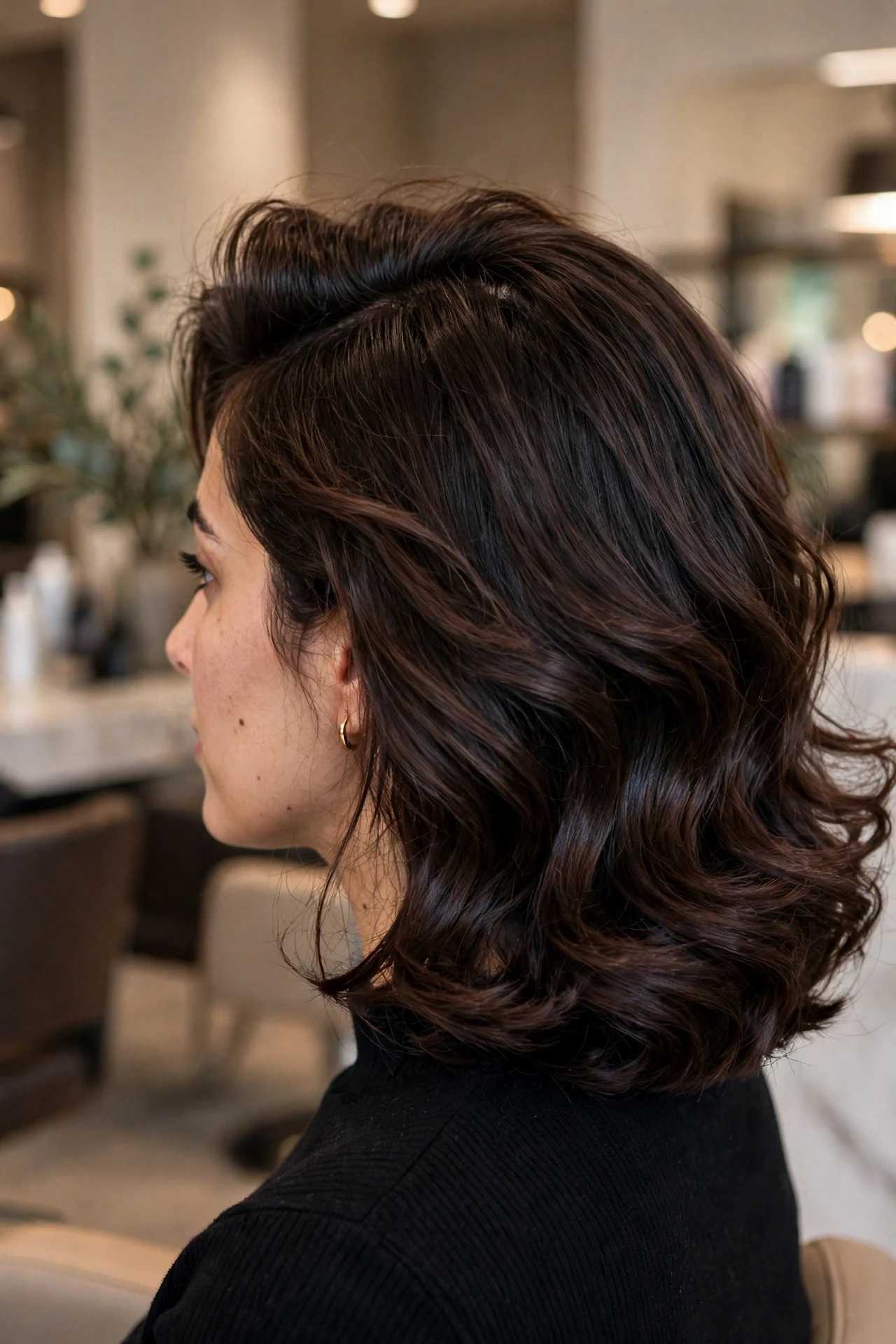
You know that bouncy, just-left-the-salon feeling? This cut is engineered to give it to you at home. The graduation layers are cut to lift when round-brushed, so the shape practically styles itself once you learn the motion.
Work in sections and always lift at the root. I tell clients to think of it as building a house: roots are the foundation, and if the foundation is flat, nothing on top matters. Lift first, smooth second.
A volumizing mousse on damp roots is non-negotiable here. Fine hair without root product is like a tent without poles. It looks fine for a minute, then collapses.
16. The Hidden-Layer Trick
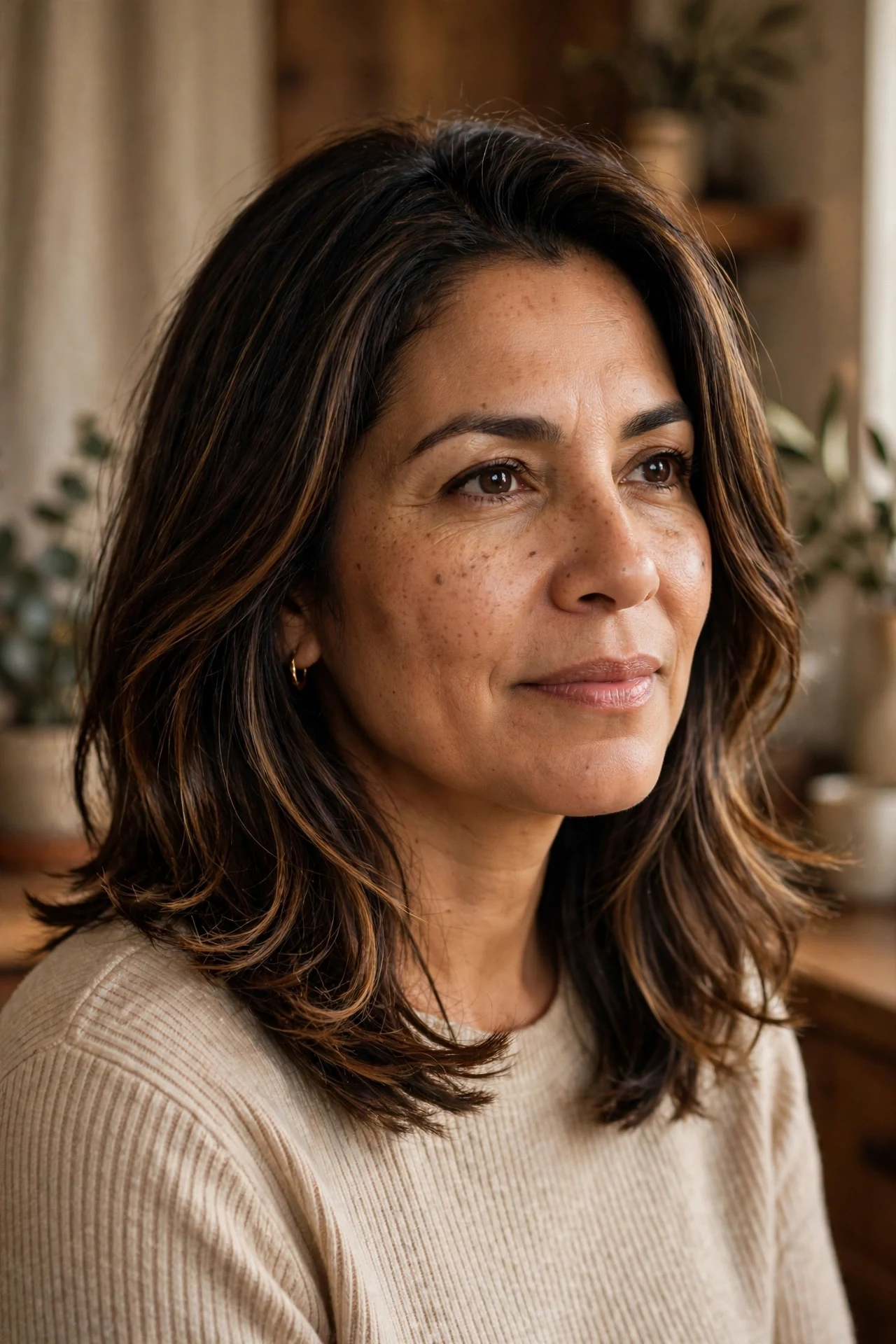
Shh. This one has a secret. The layers are cut underneath, invisible from the outside, so the surface stays sleek while the interior does all the lifting. It looks like a one-length bob. It behaves like a layered one.
I love this for fine-haired clients who are scared of layers (usually because someone once gave them the dreaded shelf). You get the movement without any visible choppiness, which feels like having it all.
Ask for “invisible layers” or “interior layering for movement.” If your stylist lights up when you say it, you are in good hands.
17. The Flipped-Out Ends
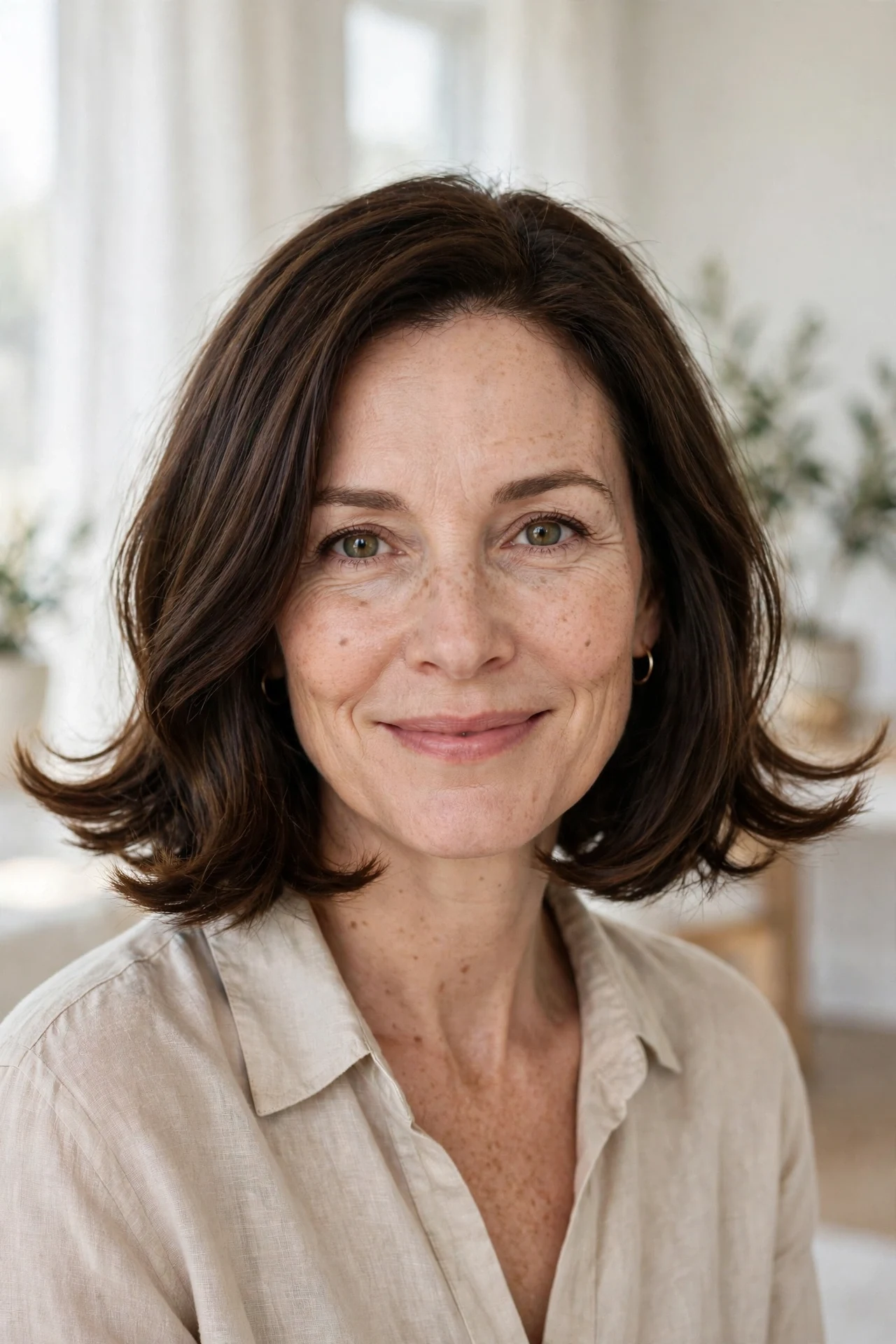
Retro, but make it 2026. Flipped-out ends give a graduated bob a playful, bouncy finish that reads youthful without trying too hard. It is giving vintage supermodel energy, and I am completely here for it.
The flip works best on ends that are healthy and blunt enough to hold the curve. Too thin and they just look frizzy, so keep up with your trims. This style rewards good hair health.
A flat iron is actually easier than a round brush for this: clamp near the ends and flick outward. Ten seconds per section and you are done. Faster than your coffee order.
18. The Center-Part Lift
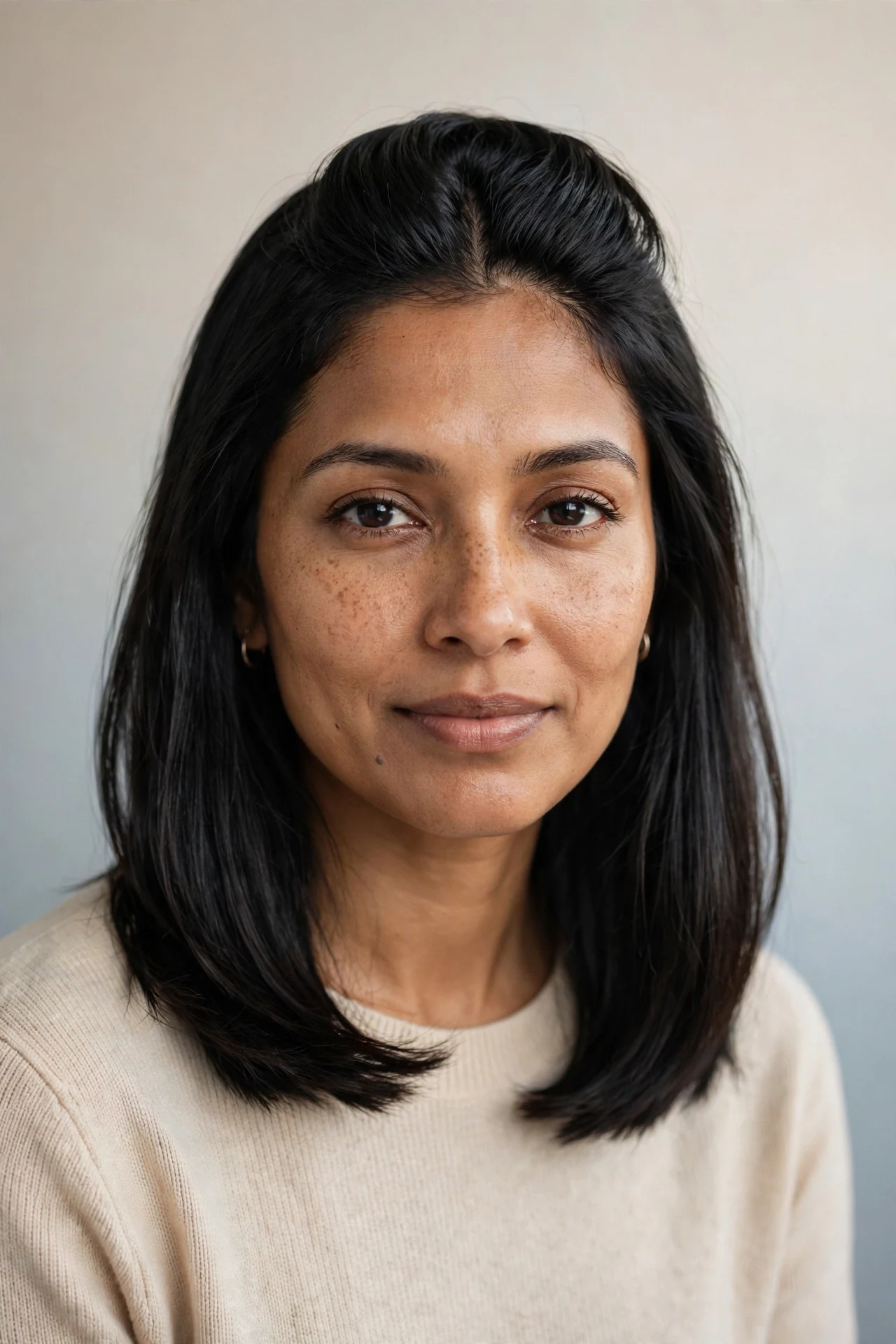
People assume center parts flatten fine hair. They are wrong, as long as the cut is right. With graduation lifting the crown, a center part creates perfect symmetry and lets the volume speak for itself instead of hiding behind a sweep.
The key is root lift, not the part itself. Blow-dry the crown forward and up with a round brush before settling the part in place. You get height and symmetry in one move, which feels like cheating.
This is also the most low-key version here. No bangs to trim, no asymmetry to maintain. Just a great cut doing quiet, confident work while you get on with your day.
The Bottom Line
Here is the truth I keep coming back to: fine hair was never a flaw to fix. It is a hair type to cut for. A long graduated bob fine hair cut does not fight your texture; it builds the volume your texture forgot, while letting you keep the length you love.
Save your favorite long graduated bob fine hair looks to a Pinterest board before your appointment. Future you, sitting in the salon chair with phone in hand, will be so grateful. Then bring the photos, use the magic words (graduation, volume, collarbone length), and enjoy the good-hair days ahead.
Keep exploring: these bob haircuts that make thin hair look thicker are the perfect next read, and our long layered bob for fine hair guide helps if you are torn on length. For shorter options, try short bob haircuts for fine hair. And for a second opinion from the pros, GoodTo’s roundup of the best bob hairstyles covers the graduated bob too.
Will a long graduated bob work on very fine hair?
Yes, and a long graduated bob fine hair cut is honestly one of the smartest choices for it. The shorter layers underneath act like scaffolding, pushing the longer top layers up so the crown looks full. Even very fine hair gains visible body because the shape is built into the cut itself, not faked with product.
What is the difference between a graduated bob and a stacked bob?
They overlap a lot, and stylists mix the terms up constantly. Graduation is the technique: cutting hair at an angle so it is shorter underneath. Stacking is the look: visible layers piled at the back. Most stacked bobs are created with graduation, so think of them as cousins, not competitors.
How do I ask my stylist for this cut?
Bring photos, two or three from this guide saved to your phone. Then use the exact phrase “long graduated bob fine hair” if you like, or simply say: a long graduated bob with soft graduation through the back for volume, keeping the front at collarbone length. Mention that your hair is fine and you want lift without losing density at the ends.
How often should I trim a long graduated bob?
Every 6 to 8 weeks. As the back grows out, the graduation loses its precision and the lift slowly collapses. A quick reshape restores everything instantly. It is genuinely the cheapest volume boost in beauty.
Can I wear it if my hair is wavy or curly?
Absolutely. A long graduated bob fine hair cut actually helps waves and curls spring up instead of dragging down. Ask for slightly longer layers than you would for straight hair, since texture shrinks the length. And if your stylist offers dry cutting for curls, say yes every time.
Will a long graduated bob suit a round face?
A long graduated bob fine hair style can, with one tweak. Ask for longer front pieces or a deep side part, which adds a vertical line that breaks up roundness. Keep the volume at the crown rather than at the sides. Your stylist can tune the shape to your face in about two minutes of consultation.
Sana Malik is a hair and beauty writer with a deep love for the bob in all its forms from sharp French bobs to soft, lived-in lobs. After years of experimenting with her own short hair and helping friends figure out what actually suits their face shape, she started writing to cut through the confusing advice out there. At BobHairTrends, she breaks down each cut into simple, honest guides: how to ask for it, how to style it at home, and who it really flatters. When she isn’t researching the latest trends, she’s usually testing a new styling product or convincing someone it’s finally time for the chop.