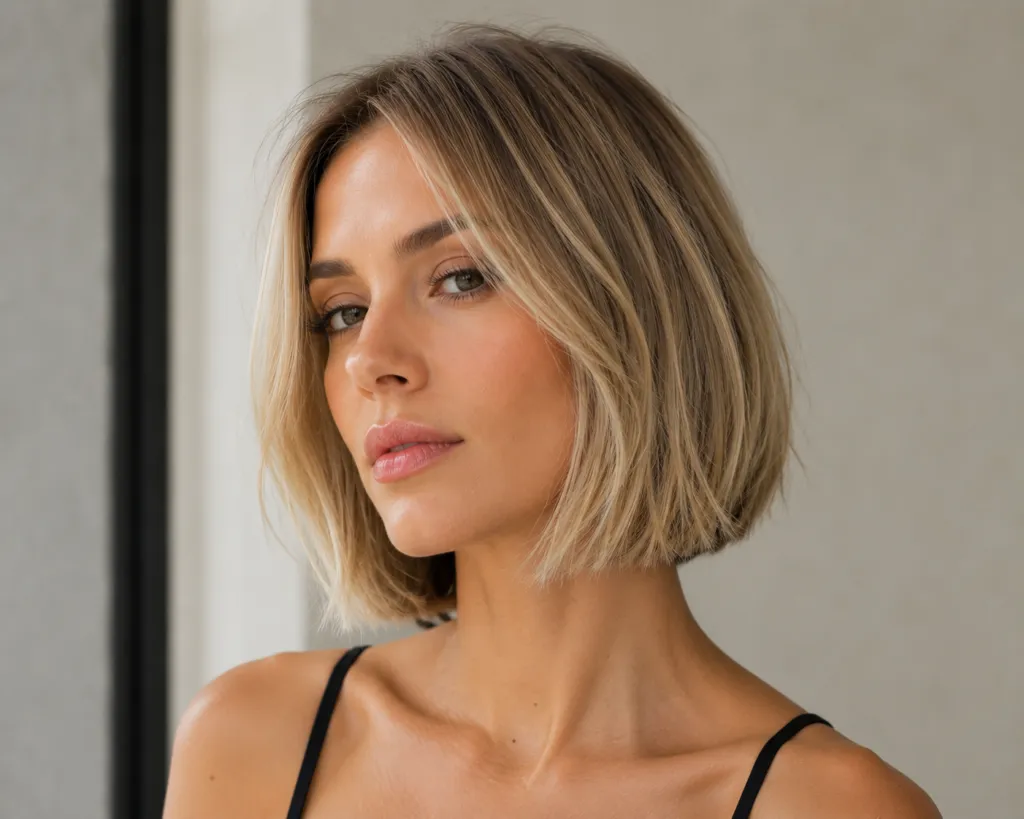
Discover the low maintenance fine hair french bob — the smartest cut for thin, delicate hair. Get 6 variations, styling tips, and expert advice for 2026.
Fine hair has a reputation it does not deserve. It is not difficult hair. It is not problem hair. It simply needs the right cut — and the low maintenance fine hair french bob might be the best cut it has ever had.
This is the cut that makes fine hair look fuller, healthier, and more intentional without asking anything complicated from you in return. No hot tools required every morning. No volumizing routine that takes 40 minutes. Just a great haircut doing most of the work for you.
In this guide you will find everything you need to know — why this cut works so well for fine hair, the best variations to consider, how to ask your stylist for it, and a simple daily routine that keeps it looking great with minimal effort.
Start with our full explanation of What is a French Bob if you want to understand the base cut before diving into the fine hair specific details.
Table of Contents
Why the French Bob Works So Well for Fine Hair?
Not every haircut is kind to fine hair. Heavy layers can make it look wispy. Too much length pulls the hair flat. Too little structure and it has nothing to work with.
The low maintenance fine hair french bob solves all of these problems at once. Here is exactly why it works so well.
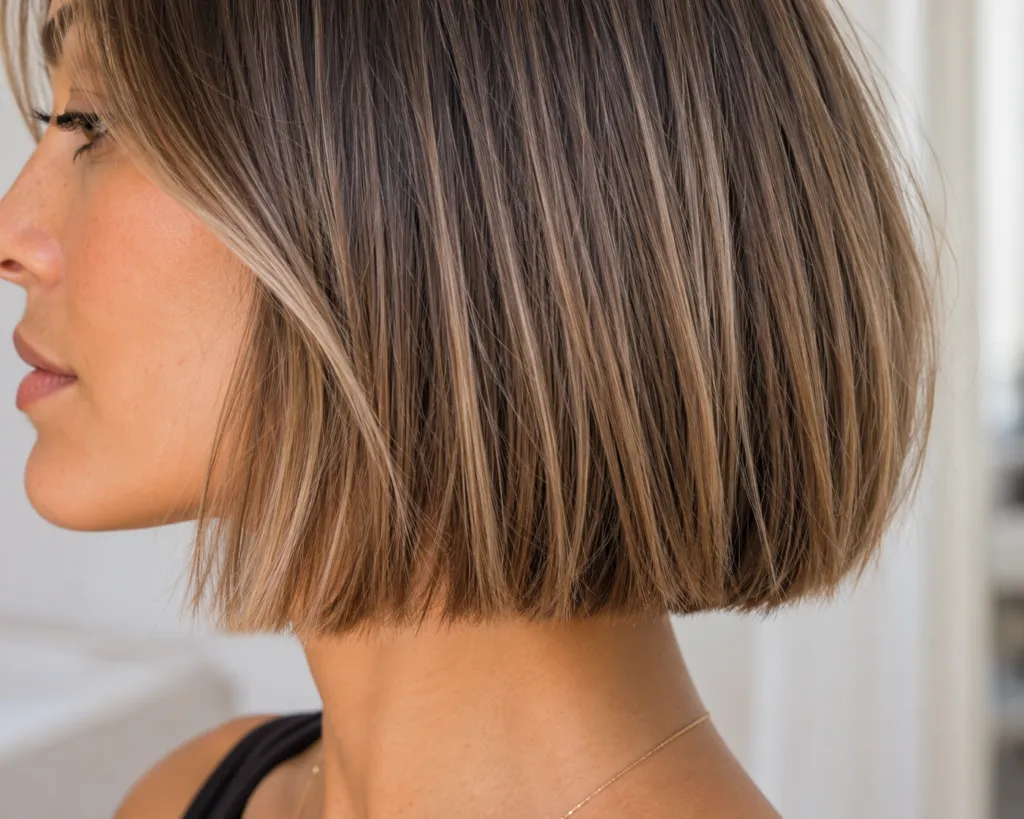
The blunt cut creates the illusion of thickness. When fine hair is cut bluntly at one length — no thinning, no heavy layering — all the ends sit together at the same point. This creates a dense, full appearance at the ends that makes hair look far thicker than it actually is.
The shorter length removes the weight problem. Long fine hair falls flat under its own weight. The chin-length french bob removes that length and lets fine hair spring up naturally, creating more body and movement from the roots down.
The shape is self-maintaining. The french bob is a chin-length cut with minimal layers and soft movement — it is low-maintenance by design, making it one of the most practical choices for women who want polished hair without daily styling. bobhairtrends
Why women with fine hair love it:
- Blunt ends look dense and full
- Short length creates natural root lift
- Minimal layering preserves weight
- Grows out gracefully
- Works beautifully air-dried
For a comparison with a longer option, our Shoulder Length Long Bob With Bangs for Thin Hair guide shows how length affects fine hair differently.
Why Low Maintenance Fine Hair French Bobs Are Trending in 2026?
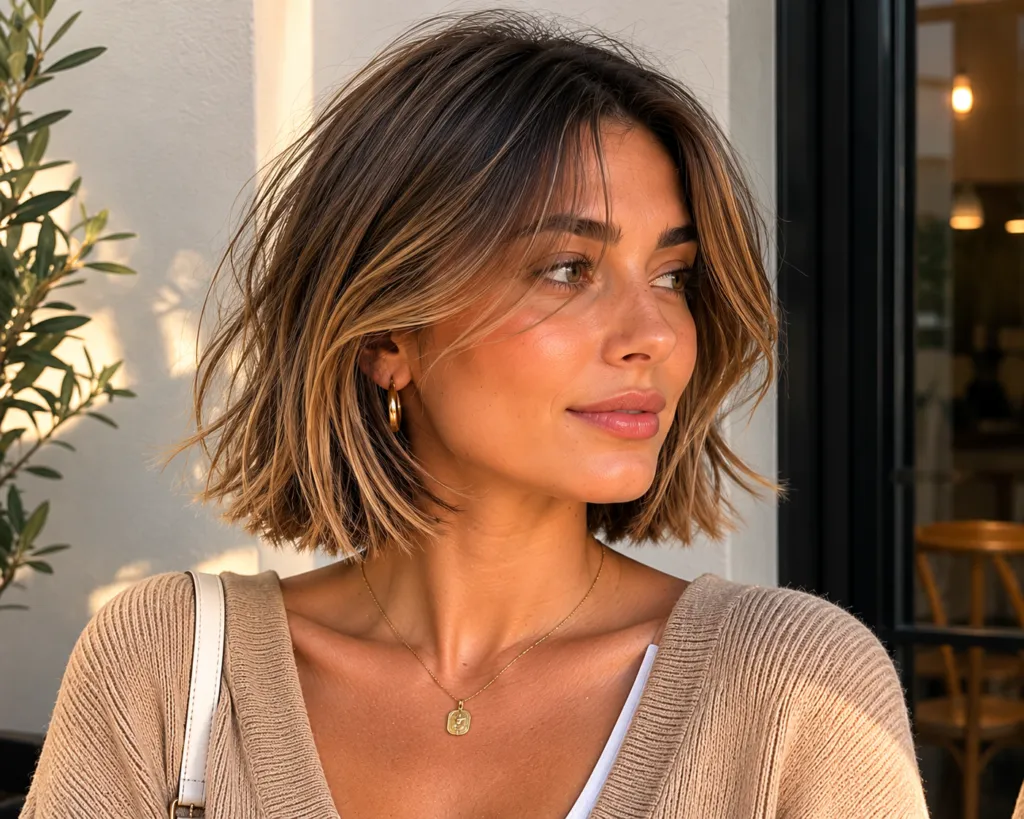
Two of the biggest hair trends in 2026 are colliding perfectly in this one cut. The first is low maintenance styling — women are genuinely moving away from high-effort daily routines and choosing cuts that look great with minimal work. The second is fine hair awareness — stylists and women alike are finally understanding what fine hair actually needs rather than fighting against it.
It is low-maintenance season for the bob haircut in 2026, with stylists reporting a sharp rise in requests for cuts that require minimal styling while still looking polished and intentional. bobhairtrends
The blunt bob in particular is cut to one precise length with no layering, creating a sharp clean line that makes hair look thicker and more voluminous instantly — and it is the most low maintenance to style while still being high impact. bobhairtrends
For fine-haired women specifically, this combination is genuinely exciting. The low maintenance fine hair french bob delivers volume, structure, and a polished finish without demanding a complicated morning routine in return.
Best Low Maintenance Fine Hair French Bob Variations
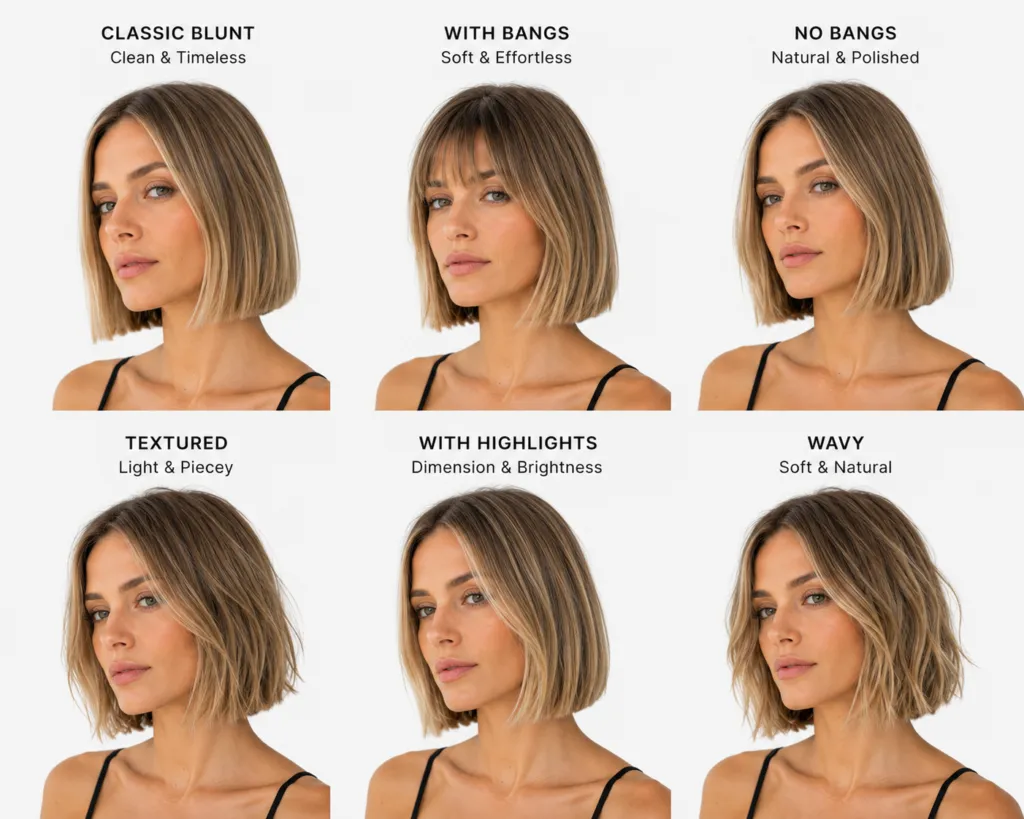
1. Classic Blunt French Bob for Fine Hair
The gold standard for fine hair. A perfectly blunt cut at the chin with no layering and no thinning. Every single strand ends at the same point, creating maximum density and the illusion of full, healthy hair.
- Best face shapes: Oval, heart, oblong
- Styling time: Under 10 minutes
This is the variation to start with if you have never had a french bob before. It is the most forgiving and the most universally flattering.
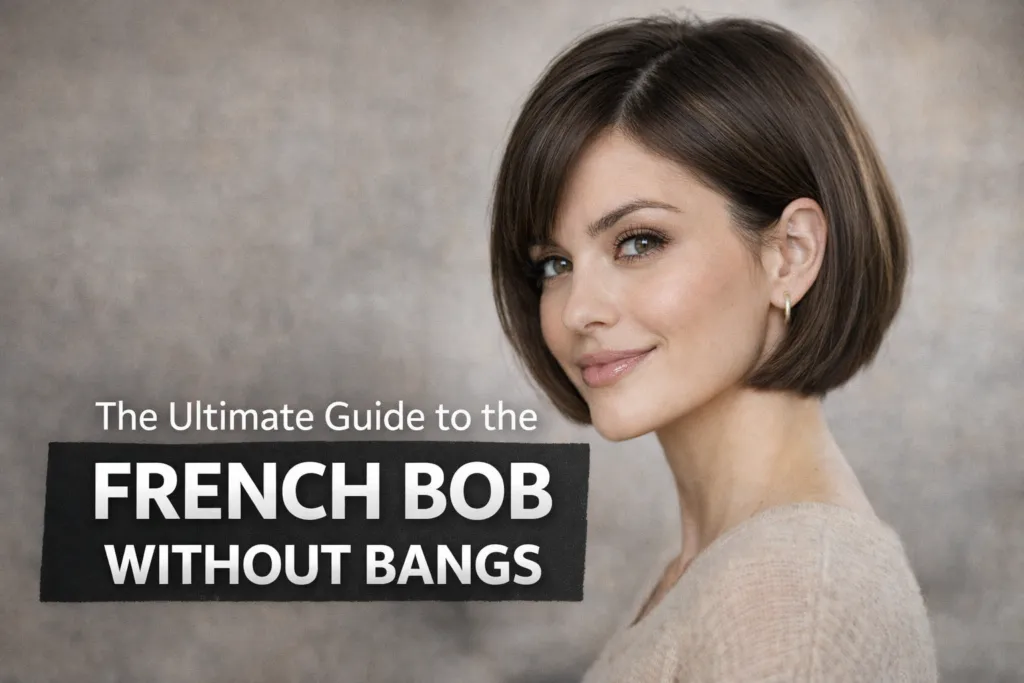
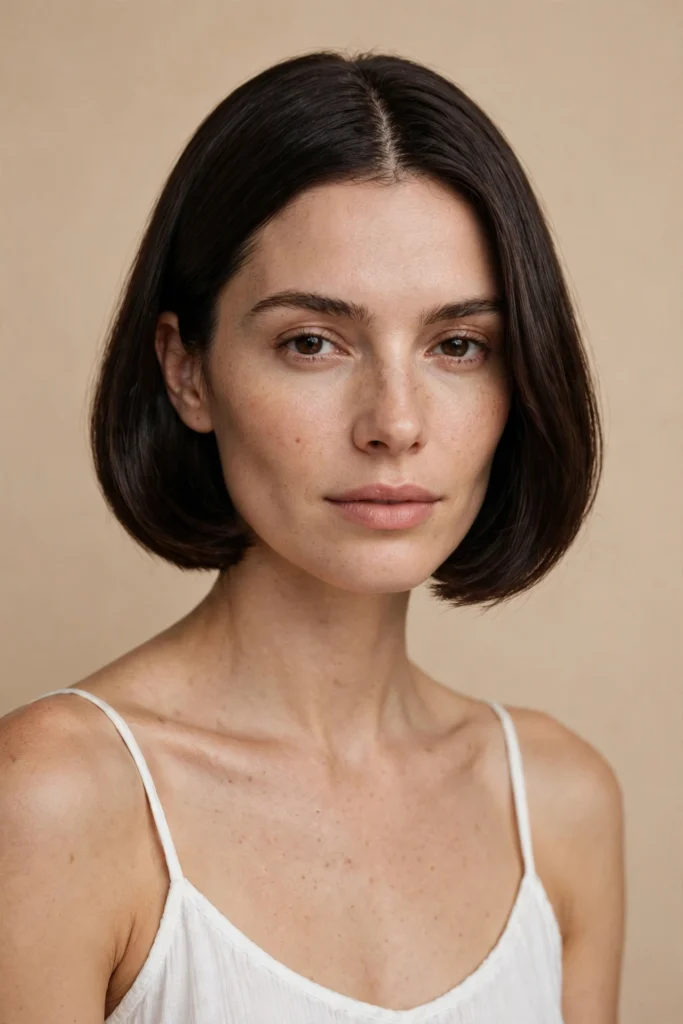
2. Fine Hair French Bob No Bangs
The cleanest, most minimalist version. No fringe, no layers — just a precise blunt cut that lets the shape do all the talking. The fine hair french bob no bangs is the easiest of all to maintain because there is no fringe to trim or style.
- Best face shapes: Oval, long, oblong
- Styling time: Under 8 minutes
Our dedicated French Bob No Bangs guide explores this exact variation in full detail highly recommended if you are considering the no-fringe route.
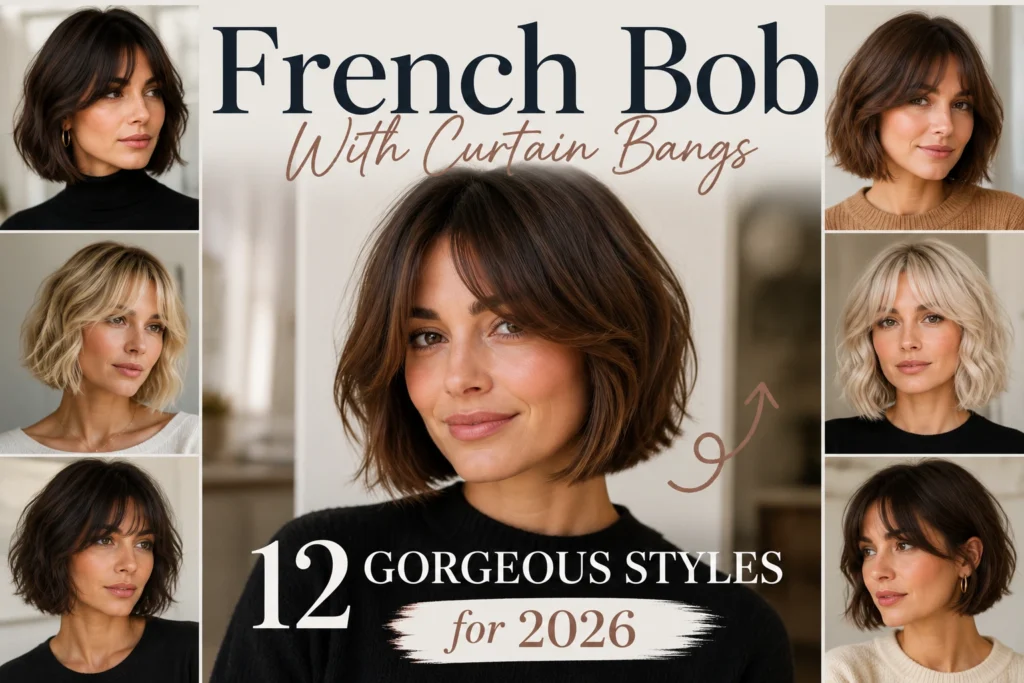
3. French Bob with Soft Fringe for Fine Hair
A wispy, light fringe cut just above the eyebrow or at brow level. For fine hair, the fringe should be kept thin and airy not thick or heavy — so it does not look flat.
- Best face shapes: Round, square, oval
- Styling time: Under 12 minutes
A soft fringe adds personality without adding complexity. It also draws attention upward toward the eyes, which creates a natural face-lifting effect. For more fringe inspiration, our Short Haircut with Bangs guide has everything you need.
4. Blunt French Bob with Face-Framing Highlights
The cut stays blunt and simple — but adding subtle face-framing highlights creates dimension that makes fine hair look even thicker and more multi-dimensional.
- Best face shapes: All face shapes
- Styling time: Under 10 minutes
The highlights do the visual heavy lifting. They create depth and the appearance of density without requiring any additional layering or structural change to the cut.
5. Easy Style French Bob for Fine Hair
A slightly relaxed version of the classic blunt cut — same length, same blunt finish, but with the smallest amount of internal graduation to help the ends bend slightly inward. This makes air-drying even easier and the shape even more self-maintaining.
- Best face shapes: Round, oval, square
- Styling time: Under 8 minutes genuinely air-dry friendly
For fine hair, a volumizing mousse adds lift and helps the cut hold its shape through the day without requiring hot tools or constant restyling. Marie Claire
6. Short Fine Hair French Bob Above the Jaw
A bolder, shorter version that sits slightly above the jawline rather than at it. This version maximizes volume because the shorter length creates even more natural root lift.
- Best face shapes: Oval, heart, long
- Styling time: Under 10 minutes
This variation requires slightly more frequent trims but delivers the most volume of all the fine hair variations. Our Short French Bob Haircut guide covers this shorter length in full detail.
How to Choose the Right Version for Your Face Shape?
The low maintenance fine hair french bob adapts well to most face shapes — but small adjustments make a real difference.
Round Face Go for a slightly longer version that hits at or just below the jaw. Avoid a short fringe that adds horizontal width. A side-swept wispy fringe elongates the face nicely.
Oval Face The most flexible face shape for this cut. Any of the six variations above will work. The classic blunt version is the most impactful.
Square Face Opt for a slightly longer front with soft, face-framing pieces. A wispy fringe or curtain bang softens a strong jawline without adding complexity to the styling routine.
Heart Face The chin-length bob is a natural fit for heart-shaped faces. The volume at the jaw level balances the wider forehead and narrower chin beautifully.
Long or Oblong Face A fringe works brilliantly here — it reduces the perceived length of the face and adds width at the forehead. The fine hair french bob no bangs also works well if the cut hits right at the jaw.
What to Tell Your Stylist?
Getting this cut right starts with a very clear conversation. Fine hair is unforgiving — the wrong technique can undo everything the cut is trying to achieve.
The exact words to use: Tell your stylist you want a chin-length french bob cut bluntly with no thinning shears used on the ends. Specify that you have fine hair and want maximum weight at the ends for fullness. Bring a photo.
What to specifically ask for:
- Chin length not shorter unless you want the above-jaw variation
- Blunt cut no thinning shears on the ends at all
- Minimal internal layering if any
- No razor cutting — razors thin the ends and reduce density
- A clean, precise neckline
What to specifically avoid:
- Thinning shears anywhere near the ends
- Heavy all-over layering
- Razor-cut ends
- Going too short in one session if you are nervous
According to Healthline, blunt cuts are clinically recommended for fine and thinning hair precisely because the weight distribution at the ends creates a denser, fuller appearance that layered cuts cannot replicate.
Common Mistakes Fine-Haired Women Make With This Cut
Even the right cut can go wrong. Here are the most common mistakes to avoid.
Using Thinning Shears on the Ends This is the single most damaging thing a stylist can do to a fine hair french bob. Thinning shears remove weight from the ends — exactly the opposite of what fine hair needs. Specify no thinning shears before you sit down.
Choosing the Wrong Products Heavy serums, thick creams, and rich oils weigh fine hair down and flatten the bob within hours. Use only lightweight products — volumizing mousse, fine mist sprays, and light dry shampoos.
Over-Washing Washing fine hair every day strips natural oils that add texture and grip. Every other day or every two days is ideal. Dry shampoo at the roots on in-between days refreshes volume without washing.
Skipping the Neckline Trim Fine hair at the neckline can look especially sparse when it grows out. A clean neckline is essential for this cut — book a neckline trim between your main appointments if needed.
Going Too Long Between Cuts Fine hair french bobs require regular upkeep to maintain volume and prevent the ends from looking thin and wispy. Every 5–6 weeks is the ideal trim schedule.
How to Style a Low Maintenance Fine Hair French Bob at Home?
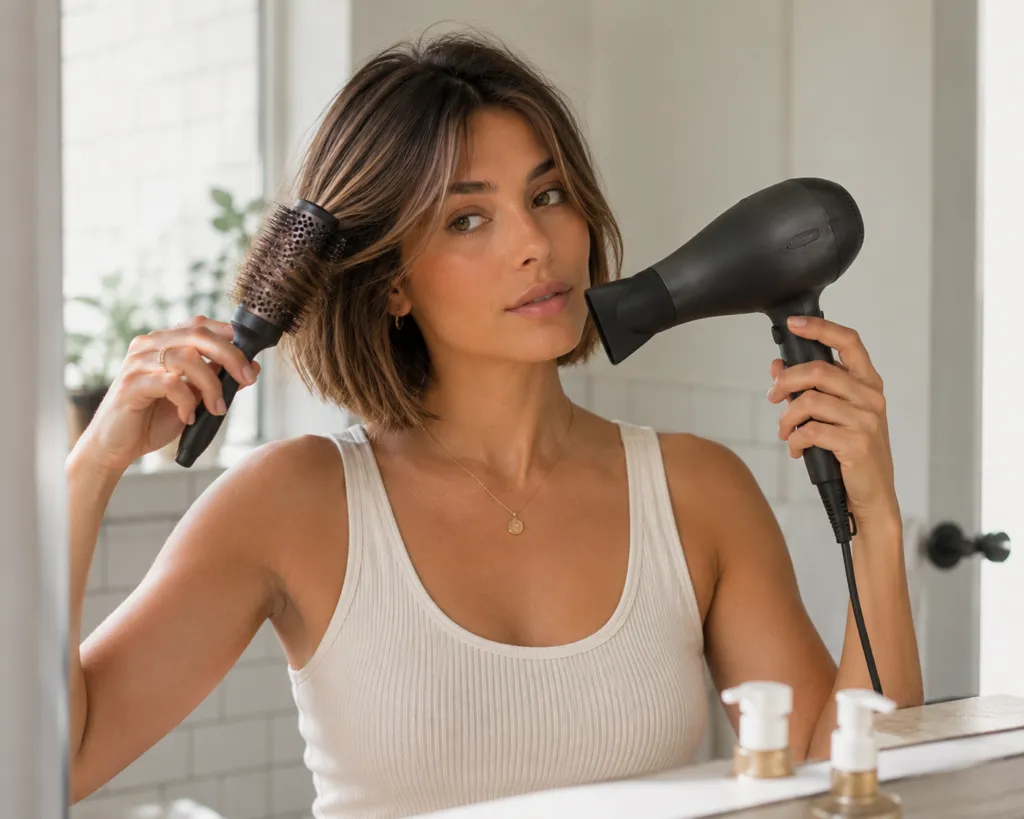
This is genuinely one of the fastest cuts to style. Here is the simplest effective routine.
- After washing, gently squeeze out excess water with a microfiber towel. Never rub — it causes breakage and frizz in fine hair.
- Apply a small amount of volumizing mousse — about the size of a golf ball — from roots to ends while hair is damp.
- Flip your head upside down and rough-dry the roots with a blow dryer on medium heat. This builds root lift from the start.
- Flip back up and use a medium round brush to blow-dry section by section, directing airflow downward for smoothness and shine.
- At the ends, roll the round brush slightly inward as you finish each section — this creates the subtle inward bend that defines the french bob shape.
- Finish with a light mist of volumizing spray or a tiny amount of dry shampoo pressed into the roots. This sets the volume for the whole day.
Total time: Under 12 minutes.
On no-wash days: flip upside down, shake from the roots, apply dry shampoo, press into roots with fingertips. Done in two minutes.
Byrdie recommends this exact upside-down drying technique specifically for fine hair because it prevents the roots from being pressed flat during the blow-dry process.
How to Maintain a Low Maintenance Fine Hair French Bob?
Trim Schedule Every 5–6 weeks. Fine hair shows split ends and grow-out faster than thicker hair. Regular trims keep the blunt edge sharp and the volume intact. Beyond 6 weeks the ends start to look thin and the shape loses its definition.
Daily Care Routine Use a sulfate-free, volumizing shampoo every other day. Condition from mid-lengths to ends only — never at the roots. Root conditioner flattens fine hair and reduces volume almost immediately.
Weekly Treatment A lightweight protein treatment once a week strengthens fine hair strands and reduces breakage. According to the American Academy of Dermatology, fine hair is more prone to breakage and benefits significantly from regular protein-based conditioning treatments.
Color Considerations Face-framing highlights or a subtle balayage add the appearance of depth and density to fine hair without requiring structural changes to the cut. Allure specifically recommends face-framing color techniques for fine-haired women with short bobs because the color creates dimension the hair itself cannot.
Sleeping Tips Sleep on a silk or satin pillowcase to reduce friction and prevent breakage overnight. Fine hair breaks more easily than thick hair — a silk pillowcase is a genuinely worthwhile investment.
For more day-to-day maintenance tips that cross over beautifully with this cut, our Messy French Bob With Bangs guide has excellent care advice for short fine hair styles.
Frequently Asked Questions
Q: Is the low maintenance fine hair french bob actually low maintenance?
A: Yes — genuinely. The blunt cut requires no daily precision styling. A quick blow-dry with a round brush takes under 12 minutes, and on no-wash days dry shampoo and a root shake is all you need. Trims every 5–6 weeks keep it looking sharp.
Q: Will a french bob make my fine hair look thicker?
A: Yes, noticeably so. The blunt cut creates maximum density at the ends, which is the most effective visual trick for making fine hair look fuller. Most women with fine hair report that the french bob is the first cut that has genuinely made their hair look thick.
Q: Should I get a french bob with or without bangs if I have fine hair?
A: Both work well for fine hair. Without bangs is the lower maintenance option. With a soft, wispy fringe adds personality and face-framing without being high maintenance — as long as the fringe is kept thin and light, not thick and heavy.
Q: What products should I use for a fine hair french bob?
A: Stick to lightweight products only. A volumizing mousse while damp, a light dry shampoo at the roots on in-between days, and a fine mist volumizing spray for finishing. Avoid heavy creams, thick serums, and rich oils — they flatten fine hair fast.
Q: How often do I need to trim a fine hair french bob?
A: Every 5–6 weeks. Fine hair shows the grow-out faster than thick hair, and the blunt ends lose their density-creating effect once they start to thin out. Regular trims are the single most important maintenance step for this cut.
Final Thoughts
The low maintenance fine hair french bob is one of the most genuinely practical haircuts available in 2026 — and one of the most flattering for women who have spent years frustrated with their fine hair.
It works because it is built around what fine hair actually needs: weight at the ends, root lift from the length, and a structure that maintains itself between appointments. You are not fighting your hair every morning. You are letting a great cut do what it was designed to do.
Save this guide for your next salon visit. Show your stylist the variation you love most — and do not forget to specify no thinning shears on the ends.
Browse all our French Bob styles for even more inspiration before you book.

Sana Malik is a hair and beauty writer with a deep love for the bob in all its forms from sharp French bobs to soft, lived-in lobs. After years of experimenting with her own short hair and helping friends figure out what actually suits their face shape, she started writing to cut through the confusing advice out there. At BobHairTrends, she breaks down each cut into simple, honest guides: how to ask for it, how to style it at home, and who it really flatters. When she isn’t researching the latest trends, she’s usually testing a new styling product or convincing someone it’s finally time for the chop.